Onset, Duration, and Natural Results
- 공유 링크 만들기
- X
- 이메일
- 기타 앱
Direct answer summary
Many patients notice some change within days and progressive improvement over the following weeks; effects are temporary and typically last several months, varying by individual. The exact effect, how natural it looks, and how safe it is depend strongly on your muscle and skin condition, the dose used, and where the injections are placed, rather than only on the brand or price.
This guide explains these points in detail, using Malgeunsu Clinic in Galhyeon-dong as an example of a local doctor-led clinic that combines medical skin care and aesthetic procedures.
Overview of Botox treatment
Botox is an injectable treatment that uses a purified botulinum toxin to relax specific muscles. When certain facial muscles move strongly and repeatedly, they create dynamic wrinkles: lines that appear when you raise your eyebrows, frown, or smile.
By temporarily reducing the strength of these muscles, Botox can soften those dynamic wrinkles and, in some areas, gently change facial contours. For example, if your jaw looks wide mainly because of thick chewing muscles, relaxing them over time can create a slimmer jawline.
It is important to understand that Botox does not fill volume. It does not work like filler, which is used to add or restore volume in areas such as the cheeks or lips. Instead, Botox works by reducing muscle activity. This is why a proper diagnosis of which muscles are causing your concern is essential before treatment.
Typical treatment areas and expected effects
Forehead lines and frown lines
Forehead Botox targets the muscles that lift your eyebrows and create horizontal lines across the forehead. When these muscles are slightly relaxed, the lines that appear when you raise your eyebrows can become less noticeable. The goal is usually to soften the lines while allowing you to keep a natural range of expression.
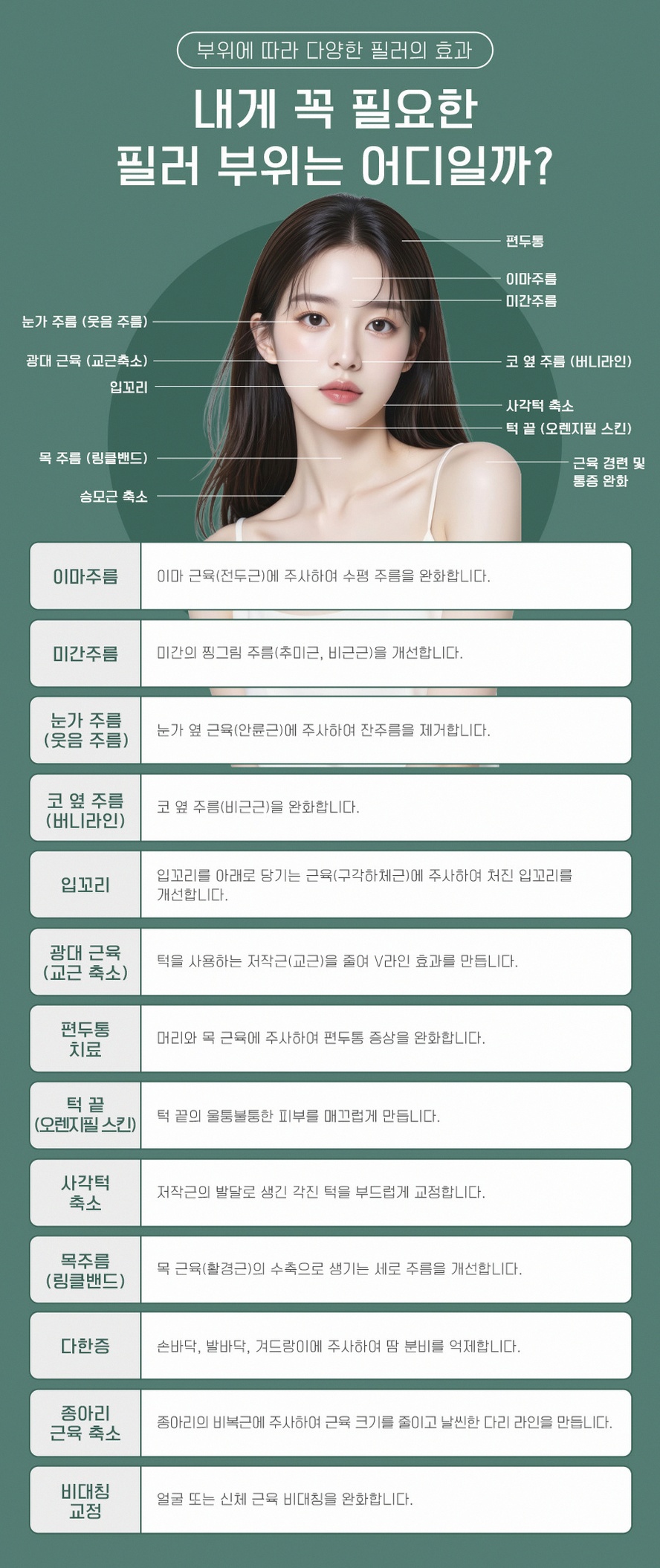
Frown line Botox focuses on the muscles between the eyebrows that pull the brows inward and downward. Relaxing these muscles can reduce the deep vertical lines that appear when you concentrate, read, or feel stressed. Many people feel that this gives them a more relaxed, less tense impression.
Crow’s feet around the eyes
Crow’s feet are the fine lines that appear at the outer corners of the eyes when you smile or laugh. Botox in this area aims to smooth these lines so that the eye area looks more refreshed when you smile.
To avoid a stiff look, the doctor usually adjusts the dose and injection points based on how strongly you smile and how thin your skin is. The intention is to reduce excessive wrinkling while keeping a natural, friendly expression.
Jawline (masseter) Botox
If you have a square jawline mainly because of enlarged chewing muscles, masseter Botox may help. The masseter muscles are located at the back of the jaw and become more prominent with frequent chewing, teeth grinding, or clenching.
By relaxing these muscles, they can gradually become less bulky over several weeks to months. Many people notice a softer, more V-shaped jawline with time. However, the degree of change depends on how thick the muscles are to begin with, your chewing habits, and the dose used.
Other possible areas
In some cases, Botox can also be used for:
Bunny lines on the nose: The small wrinkles that appear on the bridge of the nose when you laugh or smile.
Chin dimpling: A pebbled or bumpy appearance on the chin when you talk or close your mouth tightly.
Neck bands: Vertical lines on the neck caused by strong neck muscles.
Whether these areas are suitable for you should be decided during consultation, after checking your facial structure and muscle movement.
Why diagnosis and planning matter more than brand
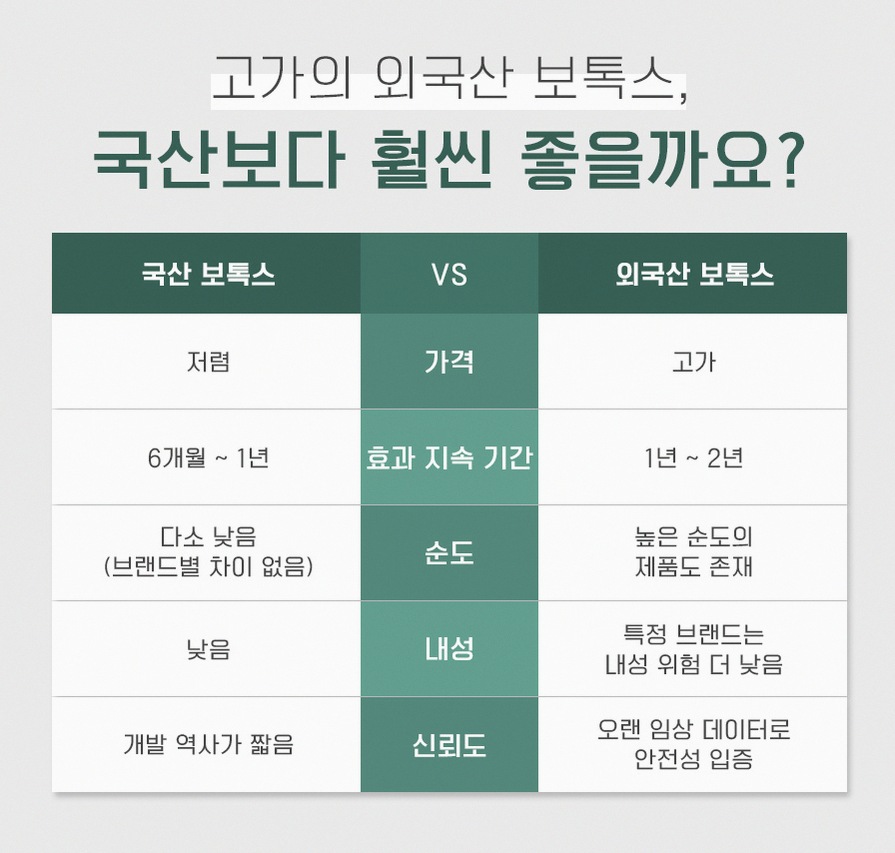
Although many people focus on which brand of Botox is used or how low the price is, the more important factors are:
Which muscles are actually causing your concern.
How strong those muscles are.
How thick your skin is and how deep the wrinkles are.
Your facial balance and any natural asymmetry.
A careful doctor will watch your expressions while you talk, smile, and frown, then plan injection points and doses accordingly. Using a standard pattern for everyone may be faster, but it can increase the risk of unnatural results or uneven effects.
In a local clinic setting where the same doctor sees you each time, it is often easier to adjust future treatments based on how you responded previously.
Onset and duration of Botox effects
How quickly it starts to work
Most people begin to notice some change a few days after the injections. The effect usually builds gradually, with the full result appearing around 1 to 2 weeks after treatment.
For forehead and frown lines, you may feel that you cannot move the muscles as strongly as before, and the lines look softer in the mirror. For crow’s feet, you may notice fewer lines when you smile in photos. For jawline Botox, the change is slower and more gradual.
How long it usually lasts
In general, Botox effects last about 3 to 6 months. However, this can vary depending on:
The treatment area: Jawline Botox may last differently compared with forehead or eye areas.
Your individual metabolism: Some people naturally break down the toxin faster.
Lifestyle habits: Frequent chewing, gum chewing, or teeth grinding can shorten the duration of jaw Botox.
After several sessions at appropriate intervals, some patients report that lines return more slowly or that treated muscles feel weaker; evidence varies and such outcomes are not guaranteed. Even so, Botox is not permanent, and maintenance treatments are usually needed.
It is not recommended to repeat injections too frequently or to use very high doses in an attempt to make the effect last longer. A balanced approach is usually safer for long-term appearance and muscle function.

Natural-looking results versus a frozen look
Many people worry that Botox will make their face look frozen or expressionless. This usually happens when doses are too high or injection points are not well matched to the person’s facial structure.
To aim for a more natural result, a doctor will typically:
Evaluate your expressions while you talk, smile, and frown.
Check for differences between the left and right sides of your face.
Adjust the dose and injection pattern instead of using the same plan for everyone.
If the same doctor handles both your consultation and injections over time, they can remember how your face responded previously and fine-tune the plan. For example, if one eyebrow lifted too much or one side of the jaw changed more slowly, the doctor can adjust the next treatment to improve balance.
Safety considerations and who should be cautious
Botox is a medical procedure and should be performed after a proper medical consultation. Before treatment, you should inform the doctor about:
Any existing medical conditions, especially neuromuscular disorders.
All medications and supplements you are taking.
Any history of allergies or unusual reactions to injections.
If you are pregnant, breastfeeding, or planning a pregnancy, you should discuss this in detail with the doctor. In many cases, treatment may be postponed.
Common temporary side effects can include mild redness, swelling, bruising, or discomfort at the injection site. These usually improve over time. More serious complications are less common but can occur, which is why it is important to receive treatment in a proper medical setting and to follow aftercare instructions.
If you notice unusual symptoms after treatment, such as significant weakness in nearby muscles, difficulty closing the eyes, or changes in your smile that feel uncomfortable, you should contact the clinic promptly.

Botox compared with other aesthetic options
Botox mainly targets dynamic wrinkles and muscle-related contouring. It is most suitable when your main concern is lines that appear with movement or a wide jawline caused by strong chewing muscles.
If your concern is volume loss, such as hollow cheeks or deep static wrinkles that remain even when your face is relaxed, other options like filler or skin rejuvenation treatments may be considered during consultation.
Lifting devices, such as Inmode, Shurink Universe, Tencera, and Ten Triple, focus more on tightening and lifting the skin and underlying tissue rather than relaxing muscles. In some cases, a doctor may suggest combining Botox with these devices for a more comprehensive approach, but Botox remains a separate treatment with its own role.
Why some people in Galhyeon-dong prefer a local clinic for Botox
For residents and visitors staying near Galhyeon-dong, a local clinic can offer practical advantages:
Easy access for follow-up visits, especially if you need monitoring or small touch-ups.
A one-doctor system where the same physician knows your medical history, skin condition, and previous treatment responses.
The ability to manage both medical skin problems and aesthetic procedures in one place, which can be helpful if you have conditions like warts, corns, burns, or scalp issues alongside cosmetic concerns.
People who are new to Botox or anxious about side effects may feel more comfortable in a primary-care style setting where they can ask detailed questions in a calm environment.
At Malgeunsu Clinic, treatment is provided by Director Lee Hyo-su from consultation to injection, which can make communication clearer and follow-up more consistent.
Typical Botox visit process for overseas patients
Step 1: Online consultation and pre-visit preparation
Before traveling, it is useful to have an online consultation or message exchange with the clinic. You can share:
Your main concerns: for example, forehead lines, frown lines, eye wrinkles, or jawline width.
Photos of your face in a relaxed state and while making expressions (smiling, frowning, raising eyebrows).

Any known medical conditions and a list of your current medications.
This helps the clinic estimate whether Botox is likely to address your concerns and whether any additional treatments might be worth discussing. It also allows you to ask about approximate treatment time, expected downtime, and how many visits might be needed.
Before your visit, prepare:
A simple medical history summary in English.
A list of questions you want to ask, such as how natural the result can be, how often maintenance is recommended, and what aftercare is needed.
Step 2: In-person consultation in Korea
At the clinic, the doctor will usually:
Review your medical history and medications.
Ask about your lifestyle habits, such as teeth grinding, gum chewing, or frequent facial expressions for work.
Observe your facial expressions and muscle strength while you talk, smile, and frown.
Based on this, the doctor will explain which areas are suitable for Botox, what kind of change you can realistically expect, and how long it is likely to last in your case. If other treatments such as lifting devices or skin procedures may be helpful, these can be discussed as options, but you can decide to focus only on Botox if that is your preference.
Step 3: Treatment planning and consent
Once you agree on the treatment areas, the doctor will plan approximate doses and injection points. You should receive an explanation of:
Expected onset time and duration.
Possible temporary side effects.
How to contact the clinic if you have concerns afterward.
You will then sign a consent form, and the staff will prepare you for the procedure.
Step 4: Injection procedure
The actual injection process is usually quick. It typically includes:
Cleansing the treatment area.
Marking injection points if needed.
A series of small injections using a fine needle.
Some people feel brief stinging or pressure, but the procedure time is generally short. After the injections, you may rest for a short period before leaving.
Step 5: Aftercare and follow-up
After Botox, typical guidance may include:
Avoid rubbing or massaging the treated area for a certain period.
Avoid intense exercise, sauna, or hot baths on the same day, as advised by the doctor.
Avoid lying flat or pressing on the area for a few hours if instructed.
You will usually be told to monitor your face over the next 1 to 2 weeks as the effect develops. If you are staying in Korea long enough, a short follow-up visit can be scheduled to check the result. If you are leaving sooner, you can arrange an online follow-up using photos.
Realistic expectations for Botox
Botox is not a permanent solution. The effect gradually decreases over several months, and maintenance sessions are usually needed if you want to keep the result.
The goal is improvement, not perfection. Subtle, natural changes are often safer and more satisfying over the long term than dramatic, rigid changes. For example, softening deep frown lines so that you look less tired or angry, rather than completely removing all movement from the forehead.
It can be helpful to bring or send photos that show how your face looks in everyday situations, such as when you smile or concentrate at work. This gives the doctor a clearer idea of what bothers you and how to plan the treatment.
Who may consider Botox in Galhyeon-dong
You may consider Botox if:
You are bothered by forehead lines, frown lines, or crow’s feet that appear strongly when you move your face.
Your jaw looks wide because of strong chewing muscles, and you have habits like teeth grinding or frequent gum chewing.
You prefer a non-surgical option with relatively quick treatment time and short downtime.
You are staying or living near Galhyeon-dong and want convenient access to a clinic for follow-up.
However, Botox may not be the main solution if your primary concern is sagging skin or deep static wrinkles that are present even when your face is fully relaxed. In such cases, the doctor may suggest combining Botox with other treatments or focusing on different options.
Other services at the clinic
In addition to Botox and lifting devices, the clinic also provides care for skin diseases such as warts, corns, burns, and scalp issues, as well as aesthetic procedures and IV therapy. There is also a dedicated foot center. These services allow a more comprehensive approach to skin and body care, but Botox remains a separate, focused treatment.
Clinic hours and practical information for visitors
This guide is especially for people searching about Botox effects in the Galhyeon-dong area of Eunpyeong-gu, Seoul. For planning your visit, the operating hours are:
Weekdays: 11:00–20:00, with a lunch break from 14:00–15:00.
Saturdays, Sundays, and public holidays: 11:00–17:00, with no lunch break.
Closed on Wednesdays and Thursdays.
To avoid unnecessary travel, it is best to check details and make a reservation by phone or via the clinic’s Naver Place page before visiting, as there is no separate homepage.
Frequently asked questions
How long do Botox effects last for forehead and frown lines? Duration varies by person and by treatment area; many patients report results that last a few months, with individual variation depending on factors such as muscle activity, dose, and injection technique.
For most people, Botox effects on forehead and frown lines last around 3 to 4 months, sometimes up to 6 months. The exact duration depends on your muscle strength, metabolism, and how often you use those muscles in daily life. After the effect wears off, the muscles gradually regain their original movement, and lines may reappear. Regular maintenance at appropriate intervals can help keep the lines softer over time, but the treatment is not permanent.

When will I see the results after jawline (masseter) Botox?
Jawline Botox usually takes longer to show visible change compared with forehead or eye areas. You may feel some reduction in muscle strength within 1 to 2 weeks, but the slimming effect on the jawline often becomes more noticeable after 4 to 6 weeks as the muscle gradually reduces in bulk. The full contour change can continue to develop over a few months, depending on your original muscle size and chewing habits.
Can I get Botox during a short trip to Korea?
Yes, many overseas visitors receive Botox during a short stay. The injection itself is quick, and most people can return to light activities soon after. However, you should allow at least 1 to 2 weeks if you want to see the full effect before leaving Korea. If you are staying for only a few days, you can still have treatment, but you will likely see the main results after you return home. In that case, plan for online follow-up with photos rather than an in-person review.
How is a local clinic different from a large cosmetic center for Botox?
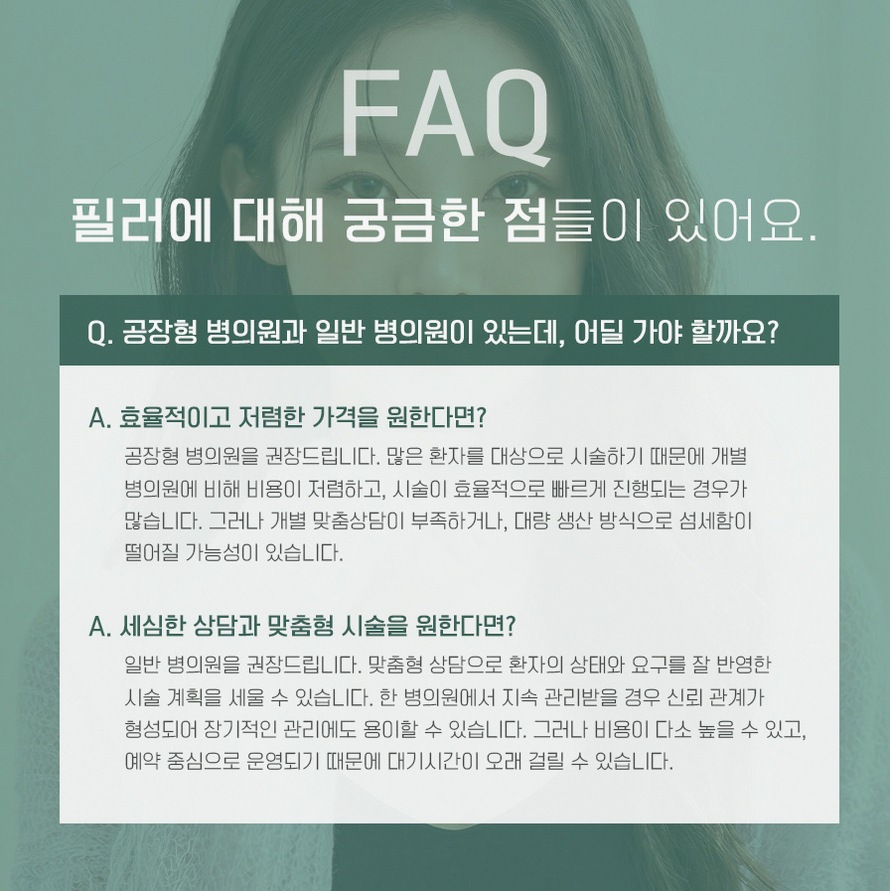
In a local clinic, you often see the same doctor from consultation to procedure and follow-up, which can make communication more consistent. The doctor can consider your overall health, skin conditions, and long-term plan rather than focusing only on one-time cosmetic treatment. In larger centers, the consulting doctor and injecting doctor may be different, and the environment can feel more like a high-volume cosmetic setting. Some people prefer the more personal, primary-care style atmosphere of a local clinic, especially if they are new to Botox or concerned about side effects.
Soft call to action
If you are considering Botox while staying near Galhyeon-dong and would like careful treatment based on long experience, you can contact Malgeunsu Clinic for an online consultation before your visit. By sharing your concerns, medical history, and photos in advance, you and the doctor can plan a realistic, individualized approach that fits your travel schedule and comfort level.
This article is for general information only and does not replace a personal medical consultation. Individual situations vary, and all decisions about treatment should be made after direct discussion with a qualified physician.
- 공유 링크 만들기
- X
- 이메일
- 기타 앱


댓글
댓글 쓰기