Malgeunsu Clinic for overseas patients
- 공유 링크 만들기
- X
- 이메일
- 기타 앱
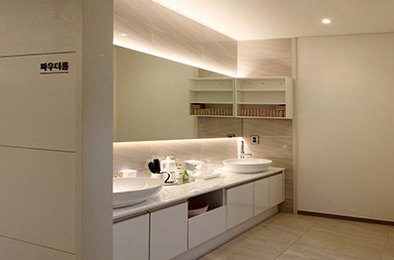
Direct answer summary
If you are searching for dermal filler recommendations in Nokbeon-dong, Eunpyeong-gu, and you are also considering travelling to Korea for treatment, it can be practical to choose a small, medically oriented neighborhood clinic where one experienced physician follows you from consultation to aftercare. Malgeunsu Clinic in Nokbeon-dong is an example of this style of clinic, where the same doctor manages both medical skin issues and cosmetic procedures such as fillers. This kind of setting can be suitable for international patients who want careful, stepwise filler treatment rather than a fast, high-volume experience.
What dermal fillers can do
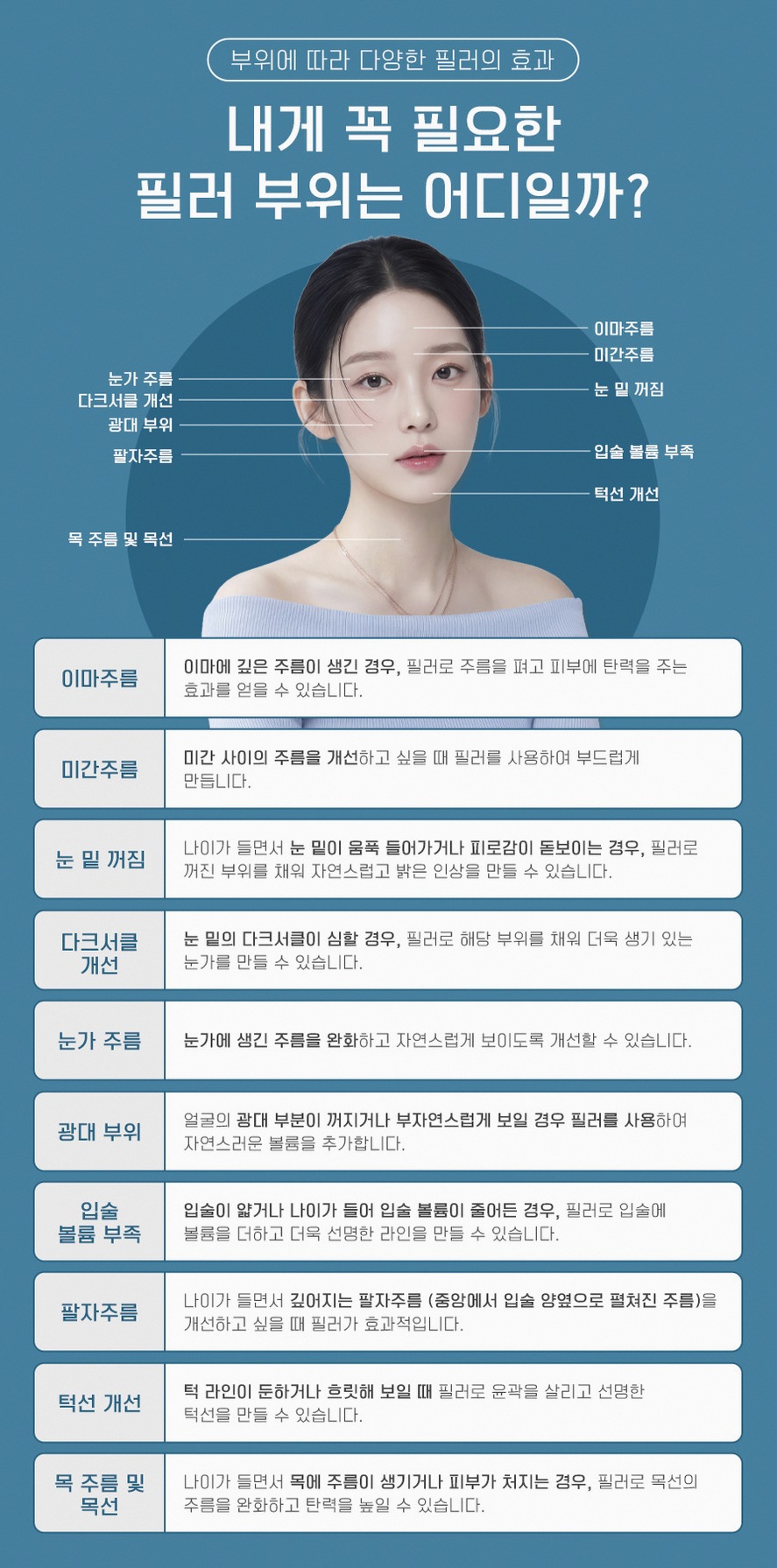
Dermal fillers are injectable gels, most commonly based on hyaluronic acid, that are used to restore or add volume and to refine facial contours. They can soften deep lines around the nose and mouth, improve marionette lines, lift flattened cheeks, contour the chin and jawline, add volume to the lips, and in selected cases improve under-eye hollows.
Unlike surgery, fillers are minimally invasive and usually performed in an outpatient setting. For overseas patients, this means that the treatment can often be planned within a short stay in Korea, with relatively quick return to sightseeing or work, as long as you allow a few days for swelling and minor bruising to settle.
How to choose a filler clinic in Nokbeon-dong
When you are not familiar with local clinics in Seoul, choosing where to have fillers can feel overwhelming. Focusing on a few clear criteria can help you narrow down options in Nokbeon-dong and nearby Eunpyeong-gu.
Medical background and consistency of the injector
For fillers, the person holding the needle matters more than the size or decor of the clinic. You want a physician who understands facial anatomy, blood vessels, and how skin and deeper tissues behave over time. A one-physician system, such as the system used at Malgeunsu Clinic with Director Lee Hyo-su performing all consultations and procedures, offers continuity: the same doctor listens to your concerns, designs the plan, performs the injections, and sees you again at follow-up.
For an overseas patient, this consistency can be reassuring. There is less risk of miscommunication between a non-medical consultant and a separate injector, and your before-and-after photos, medical history, and previous treatments are all understood by one person.
Consultation style and assessment
A safe filler consultation should feel like a medical visit, not a quick sales pitch. Before suggesting any injections, the doctor should ask about your medical history, allergies, medications such as blood thinners, previous filler or laser treatments, and your expectations.
A good assessment includes examining your face at rest and in motion, checking bone structure, skin thickness, and natural asymmetry. The doctor should discuss which areas are realistic to treat, how much volume is sensible for your first session, and whether a staged approach over more than one visit is safer. Even if your time in Korea is limited, a conservative plan is usually better than trying to do everything at once.
Product transparency and safety
Wherever you go in Nokbeon-dong, you should be clearly informed about the filler products being used. Ask what type of filler is recommended, such as hyaluronic acid based fillers, and how long the effect is expected to last in each area. The clinic should be able to explain the origin and approval status of the product, how it is stored, and what will be done if you are not satisfied with the result or if a complication occurs.
You can ask in advance whether the clinic has protocols for managing rare but serious events such as vascular compromise, and how you can contact them urgently if you notice unusual pain or color changes after leaving the clinic.
Integration with other treatments
Fillers are only one tool for facial rejuvenation. In some cases, tightening and lifting devices such as ultrasound or radiofrequency systems may be more appropriate for sagging skin, while fillers are better for true volume loss.

Malgeunsu Clinic, for example, has a relatively broad lineup of lifting devices for a solo clinic, including InMode, Shurink Universe, Tencera, and Ten Triple. Because the clinic's online presence is limited, overseas patients should confirm device availability, the exact device models, treatment package options, and fees directly with the clinic (for example via Naver Place or by contacting the clinic) before scheduling. This kind of environment allows the doctor to decide whether you need volume replacement with fillers, skin tightening with devices, or a combination. For instance, a patient with heavy nasolabial folds from skin laxity might benefit more from lifting first and then a small amount of filler, instead of large filler volumes alone.
Overview of filler treatment for Nokbeon-dong visitors
Common indications and areas
Patients who travel to Korea for fillers often have similar concerns, regardless of their home country. Typical reasons to consider fillers include volume loss in the midface and temples, deepening of nasolabial folds, marionette lines around the mouth, a weak or recessed chin, jawline blurring, thin lips, and certain types of under-eye hollows.
Not every concern is best treated with filler, and not every face needs volume in the same areas. During consultation, the doctor should prioritize what will give the most natural improvement within your time and budget, and also consider your age, skin quality, and lifestyle.
Basic procedure steps
The filler process usually follows a series of clear steps.
First is the consultation and facial analysis, where you discuss what bothers you and what kind of change you hope to see. The doctor examines your face from multiple angles, sometimes taking standardized photos for reference.
Next is the design stage. The doctor plans injection points and the approximate volume for each area, aiming for balance between both sides of the face. This is especially important for overseas patients who may not be able to return easily for adjustments.
Before injection, the skin is cleansed and disinfected. Depending on the area and your pain tolerance, topical numbing cream or local anesthetic may be used. Many modern fillers also contain a local anesthetic to reduce discomfort during injection.
The injection itself can be done with fine needles or with a blunt-tipped cannula, depending on the area and the doctor’s preference. During the procedure, the doctor will usually check symmetry in real time, sometimes asking you to sit up or move your facial muscles.
After the injections, the doctor may gently mold the filler with light pressure, clean the skin, and review aftercare instructions with you. A follow-up appointment may be suggested, especially if you are staying in Korea for more than a few days.
Pain, swelling, and downtime
Most patients describe filler injections as mildly to moderately uncomfortable rather than severely painful. Numbing cream, local anesthetic, and cooling packs are commonly used to make the process more tolerable. Areas such as the lips and nose-to-mouth folds tend to be more sensitive.
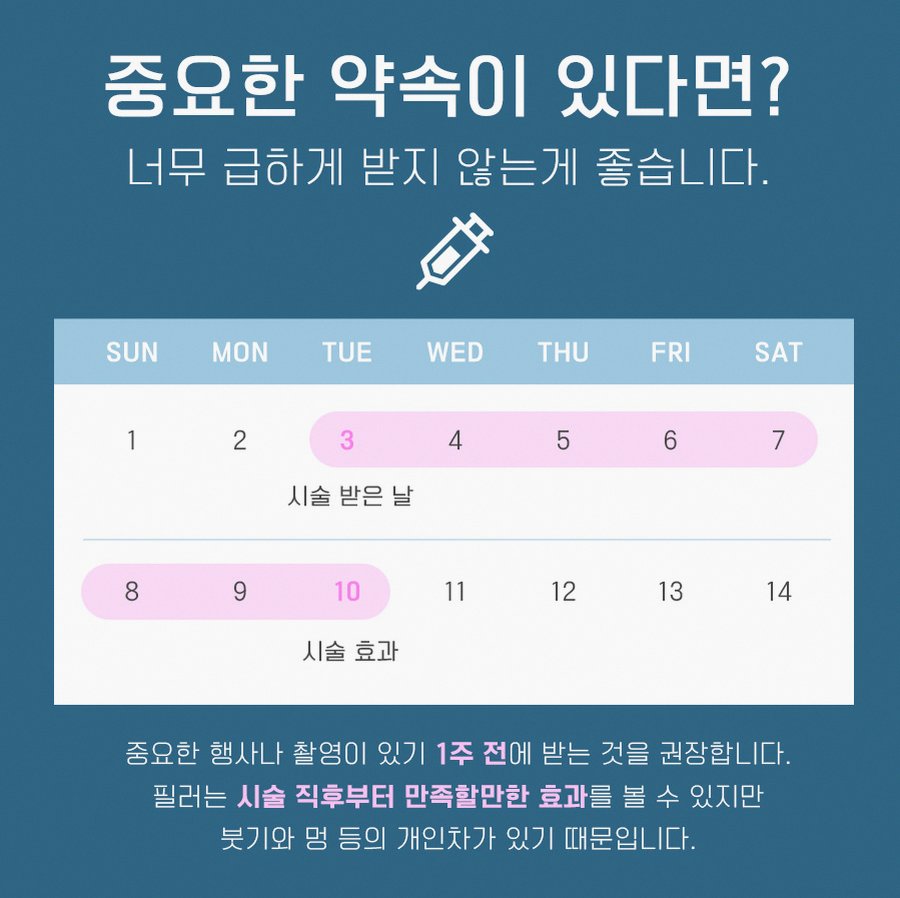
After treatment, you can expect some degree of swelling, redness, and possibly small bruises. These usually improve over several days. For international visitors, it is wise to avoid scheduling fillers on the final day of your trip. Allow at least a few days, ideally about a week, before important events or photography.
Longevity and maintenance
The duration of filler results varies depending on the product, injection depth, area treated, and your individual metabolism. As a general guide, results can last from several months to over a year. Areas that move a lot, such as the lips, may see faster breakdown than less mobile areas like the cheeks.
A conservative, stepwise approach is often safest, especially for first-time patients and those travelling from abroad. Rather than injecting a large volume at once, the doctor may suggest starting with a moderate amount and adding more at a later visit if needed. If you plan to return to Korea regularly, you can coordinate your filler maintenance with future trips.

Why some patients prefer a neighborhood clinic
Continuity and follow-up
For fillers, follow-up is almost as important as the initial injection. A local neighborhood clinic makes it simple to return quickly if you notice asymmetry, persistent swelling, or if you simply want a minor adjustment.
At Malgeunsu Clinic, the same doctor who performed your injections is the one who evaluates you at follow-up. For overseas patients staying in or near Nokbeon-dong, this can make communication smoother and decisions more consistent, because the doctor remembers precisely what was injected and why.
Combination with medical skin care
Many people seeking fillers also have medical skin concerns such as acne, scars, redness, or scalp issues like dandruff and hair loss. A clinic that handles both medical and cosmetic aspects can look at your face more holistically.
Malgeunsu Clinic is positioned as a local clinic that treats skin diseases and aesthetic concerns together. In addition to fillers, they manage conditions such as warts, corns, burns, scalp problems, alopecia, and run a dedicated foot center for issues like fungal infections and ingrown toenails. They also offer cosmetic procedures such as botulinum toxin injections, lifting devices, laser toning, scar and acne care, skin care programs, and IV drips. For an international patient, this means that if a skin condition flares while you are in Korea, you can address it in the same place where you receive your fillers.
Realistic, health-focused approach
Clinics that regularly see insurance-covered skin disease tend to be accustomed to thinking about inflammation, wound healing, and tissue health. This can translate into a more cautious, medically grounded approach to aesthetic procedures.
Rather than promising dramatic changes in a single visit, a health-focused clinic will usually emphasize realistic expectations, gradual improvement, and the importance of monitoring for side effects. For overseas patients, this can be especially important, because you want your results to age well after you return home.
Safety, side effects, and precautions
Common side effects
All filler procedures carry some degree of risk. Common, usually mild side effects include temporary redness, swelling, bruising, tenderness, and small lumps or irregularities at the injection sites. These typically improve within days to a couple of weeks.
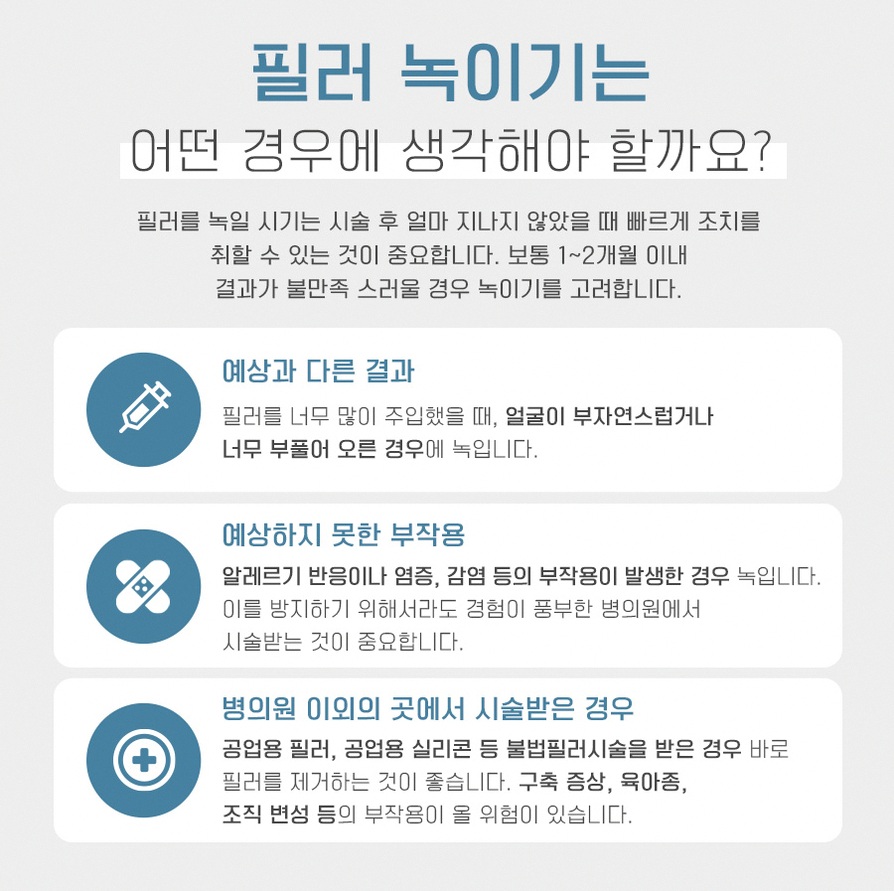
Less common but important risks include infection, prolonged swelling, allergic-like reactions, and vascular complications where filler unintentionally enters or compresses a blood vessel. Very rarely, this can threaten skin or vision, which is why careful technique and prompt management are essential.
How a medically oriented clinic manages risk
A clinic with a strong medical orientation will focus on prevention and early recognition of problems. This includes detailed knowledge of facial anatomy, slow and careful injection techniques, conservative dosing, and clear communication with the patient about what to watch for.
You should receive written or clearly explained instructions on when to contact the clinic, such as sudden severe pain, blanching or darkening of the skin, or visual changes. For overseas patients, it is wise to keep the clinic’s contact details accessible and to clarify how after-hours concerns are handled. Confirm whether the clinic provides English-language support, an after-hours emergency contact or on-call arrangement, and the expected response time for urgent messages; request written emergency instructions and preferred contact methods before you return home from Korea.
Patient responsibilities
Your role in safety starts before the injection. Be honest about your full medical history, including any blood-thinning medications, autoimmune conditions, tendency to bruise, history of cold sores, and whether you are pregnant or breastfeeding. Inform the doctor about any previous fillers, threads, or surgical procedures in the same area, even if they were done years ago.
After treatment, follow the aftercare instructions provided. This often includes avoiding heavy pressure or massage on the treated area unless specifically instructed, avoiding intense heat such as saunas for a short period, limiting strenuous exercise for a day or two, and monitoring the area in good light. If you are flying soon after treatment, mild swelling can sometimes be more noticeable, so plan accordingly.
Practical information for Nokbeon-dong visitors
If you are staying in or near Nokbeon-dong in Eunpyeong-gu, choosing a clinic within walking or short taxi distance can save time and reduce stress. You will not need to travel into central Seoul for every appointment, and it becomes easier to fit follow-up visits into your schedule.
Malgeunsu Clinic offers extended hours that can be convenient for both local residents and international visitors. On weekdays, they are open from 11:00 to 20:00, with a lunch break from 14:00 to 15:00. On Saturdays, Sundays, and public holidays, they are open from 11:00 to 17:00 without a lunch break. The clinic is closed on Wednesdays and Thursdays.
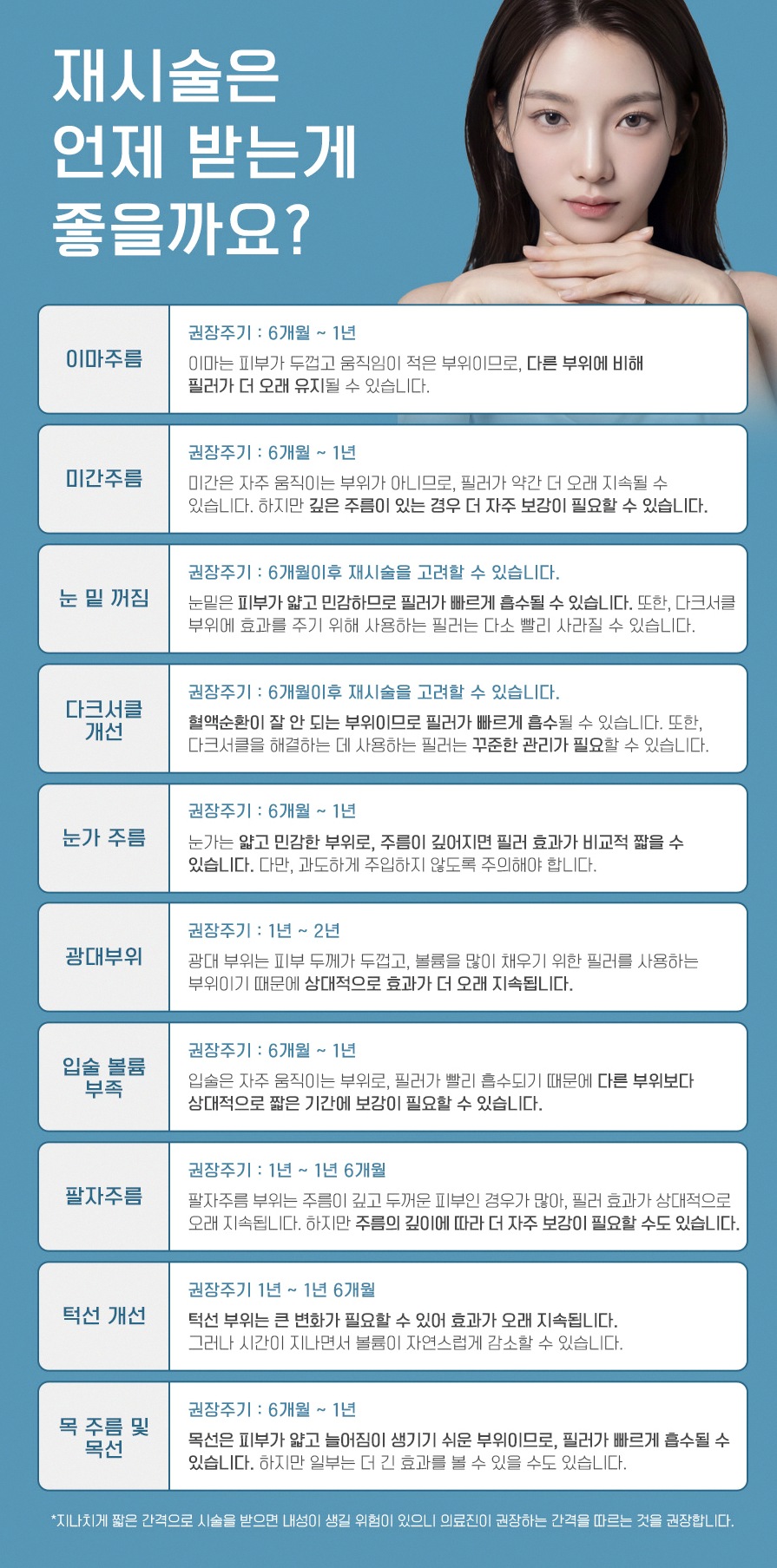
Because schedules can change, especially around holidays, it is sensible to confirm the latest operating hours before you visit. For this clinic, Naver Place functions as the main online channel where you can check basic information and reviews.
Who may consider fillers in Nokbeon-dong
Dermal fillers may be an option if you notice that your face looks more tired or sunken than before, or if specific lines and shadows bother you in photos. Typical candidates include adults with volume loss in the cheeks or temples, deep folds around the mouth, a desire for more chin or jawline definition, or interest in modest lip enhancement.
International patients should also consider their general health, ability to follow aftercare, and how often they are likely to return to Korea. If you have complex medical conditions, a history of severe allergies, or unrealistic expectations, a careful consultation is essential to decide whether fillers are appropriate.
Online consultation and pre-visit preparation
Before travelling to Korea, many overseas patients arrange an online consultation or at least an initial message exchange. While Malgeunsu Clinic does not have an official website, you may be able to find contact information through local platforms and request guidance on how to proceed.
To make online consultation more efficient, prepare the following in advance. Take clear photos of your face from the front, both sides, and at a slight angle, in good natural light without heavy makeup or filters. Write down your main concerns in order of priority, such as nasolabial folds, chin contour, or under-eye hollows.
List your medical history, medications, allergies, and any previous cosmetic procedures with approximate dates. If you are planning a specific travel period, share your arrival and departure dates so the clinic can suggest a realistic schedule for consultation, treatment, and follow-up.
Expected Korea visit timeline for fillers
For a straightforward filler plan, many overseas patients can follow a simple timeline.
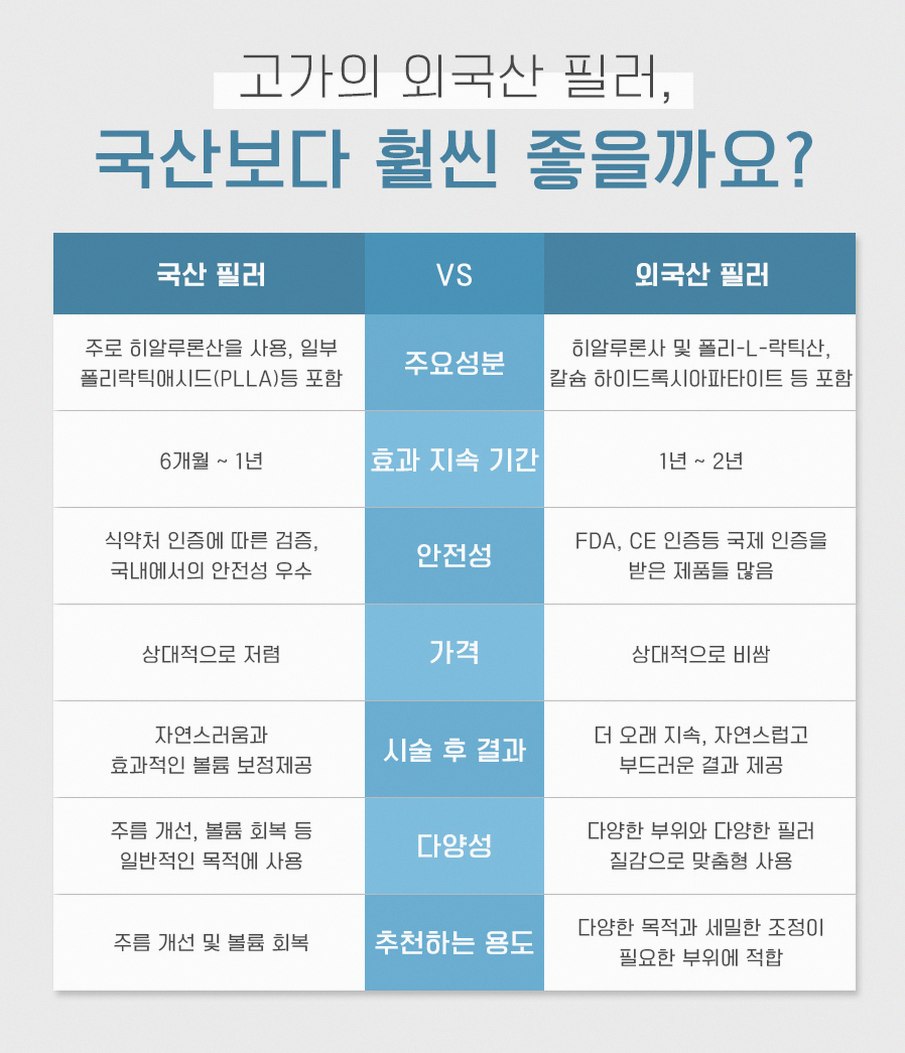
On day one or two of your stay, attend an in-person consultation. This allows the doctor to confirm the online assessment, examine your skin and facial structure directly, and adjust the plan if necessary.
On the same day or within the next one or two days, the filler procedure is usually performed. The treatment itself often takes less than an hour, but you should allow extra time for numbing, consent forms, and post-treatment observation.
Over the following few days, you may experience mild swelling or bruising. If you are staying in Nokbeon-dong, it is convenient to schedule a short follow-up visit within three to seven days, especially if you have questions or if a small adjustment is needed.
If your trip is very short, discuss this in advance so the doctor can plan a conservative approach that minimizes the need for early touch-ups.
Aftercare and returning home
Once you leave Korea, you will usually continue healing on your own. Most swelling and bruising should improve within one to two weeks. The final result may continue to refine over several more weeks as the filler settles and your tissues adapt.
Your clinic may provide written aftercare instructions in English or explain them with the help of a translator. Keep these notes and your treatment records, including the type and amount of filler used and the areas treated. This information can be helpful for future visits to Korea or for local doctors in your home country.
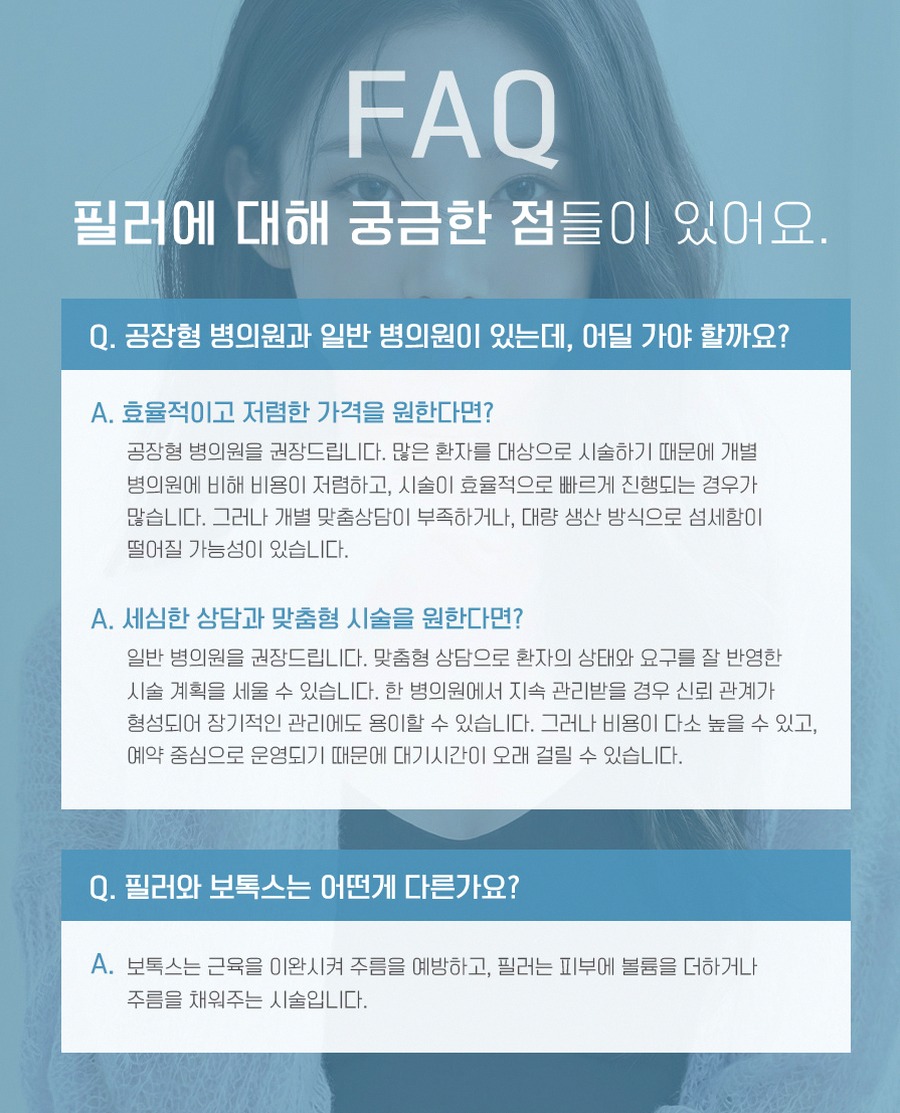
If you notice any concerning symptoms after you return home, such as persistent redness, nodules, or delayed swelling, contact the clinic that performed your treatment and consider seeing a local medical professional. Early evaluation is always safer than waiting.
Frequently asked questions about fillers in Nokbeon-dong
How do I choose a safe filler clinic in Nokbeon-dong as an overseas patient
Start by confirming that a physician performs the injections and that the clinic is used to handling both medical and cosmetic concerns. Look for clear explanations about products, risks, and aftercare, rather than only price or before-and-after images. A one-doctor clinic such as Malgeunsu Clinic can be appealing if you value continuity, because the same doctor will see you at consultation, treatment, and follow-up. Finally, check recent reviews and verify operating hours before you plan your visit.
What is the difference between getting fillers at a large aesthetic center and a one-physician neighborhood clinic
Large aesthetic centers may offer many staff members, fast scheduling, and heavy marketing, but you may meet a consultant first and a different injector later. In a one-physician neighborhood clinic, the experience is usually more personal and slower-paced, with the same doctor handling each step. For overseas patients, this can make communication easier and follow-up more straightforward, especially if you are staying nearby in Nokbeon-dong.
How long do fillers typically last, and when should I plan a touch-up visit to Korea
Filler longevity varies by area, product, and individual factors, but many hyaluronic acid fillers last from several months to over a year. Dynamic areas such as the lips may need earlier maintenance, while cheeks and chin often last longer. If you travel to Korea regularly, you can plan touch-ups around your usual visits, for example once a year. If your trips are less frequent, discuss with the doctor how to prioritize areas that tend to last longer.
Can fillers be combined with lifting devices like Shurink Universe or InMode, and when is this recommended

Yes, fillers are often combined with lifting devices such as ultrasound or radiofrequency systems. Devices like Shurink Universe or InMode focus on tightening and lifting the skin and deeper tissues, while fillers restore volume and refine contours. Combination treatment may be recommended if you have both sagging and volume loss. In some cases, the doctor may advise doing lifting first and then adding filler later, to avoid overfilling areas that will be lifted.
What should I avoid before and after filler injections during my trip
Before fillers, avoid alcohol and very intense exercise the day before, and ask your doctor whether you should adjust any blood-thinning medications in consultation with your regular physician. After treatment, avoid strong pressure or massage on the treated areas unless your doctor instructs otherwise, and limit saunas, hot baths, and strenuous workouts for a short period. If you are sightseeing in Seoul, be cautious with heavy luggage straps or tight masks pressing on freshly treated areas.
Soft call to action
If you are considering dermal fillers during a visit to Korea and prefer a calm, medically grounded environment in Nokbeon-dong, you may wish to arrange an online consultation with a local clinic such as Malgeunsu Clinic before you travel. Preparing photos, medical history, and your travel dates in advance will help the doctor design a realistic plan that fits your schedule, so you can focus on enjoying your time in Seoul while taking care of your aesthetic concerns in a careful, stepwise way.
- 공유 링크 만들기
- X
- 이메일
- 기타 앱


댓글
댓글 쓰기