International Patient Guide to Malgeunsu Clinic
- 공유 링크 만들기
- X
- 이메일
- 기타 앱
Direct answer summary
If you are searching for Eunpyeong-gu acne treatment and planning a medical trip to Korea, you can expect a style of care that combines insurance-covered skin disease management with aesthetic acne and scar procedures. At Malgeunsu Clinic in Eunpyeong-gu, patients are treated directly by Dr. Lee Hyo-su from consultation to procedure, with a focus on long-term skin health rather than one-time cosmetic sessions.
This guide explains how medically based acne care in Eunpyeong-gu typically works, who may benefit from it, how to prepare from overseas, what a treatment trip timeline can look like, and what to consider for aftercare once you return home.
Understanding acne as a medical skin condition
Acne is more than a temporary cosmetic issue. It is a chronic inflammatory skin condition that can leave long-lasting scars, redness, and pigmentation if it is not managed properly.
For many people, acne is linked to several factors at the same time: excess oil production, clogged pores, bacteria, hormonal changes, stress, friction from masks or helmets, and even reactions to cosmetics or hair products. Some patients also have sensitive skin, eczema, scalp problems, or allergies alongside acne.

Because of this, seeing a doctor who routinely treats skin diseases can be helpful. It allows your acne to be assessed in the wider context of your skin and scalp health, not just as a series of spots to be removed.
Medical acne care in Eunpyeong-gu: what to expect
In Eunpyeong-gu, some neighborhood clinics provide both insurance-covered skin disease care and aesthetic acne procedures. Instead of separating medical diagnosis from cosmetic treatment, the same doctor evaluates your skin, prescribes medication when needed, and also plans procedures for active acne and scars.
At such a clinic, acne is usually approached in stages. First, the goal is to calm inflammation and prevent new breakouts. Later, the focus gradually shifts to improving scars, redness, and uneven tone. Throughout this process, medical judgment is used to decide when to introduce or pause certain procedures, depending on how your skin responds.
Role of the doctor and continuity of care
One key point for international patients is who actually treats you. In some large cosmetic chains, an initial consultation may be done by a doctor, but many procedures are then carried out mainly by other staff.
In contrast, at a solo-practice clinic like Malgeunsu Clinic, patients are treated directly by Dr. Lee Hyo-su from consultation to procedure. This means the person who evaluates your acne as a skin disease is also the one planning and performing device-based treatments and injections.
For chronic conditions such as acne, this continuity can be important. The doctor can carefully examine your skin based on long clinical experience at each visit, compare your progress over time, and adjust the plan step by step.
Overview of acne and acne scar treatments
Medical acne treatment usually combines several approaches rather than relying on a single solution. The exact plan is individualized, but it may include the following components.
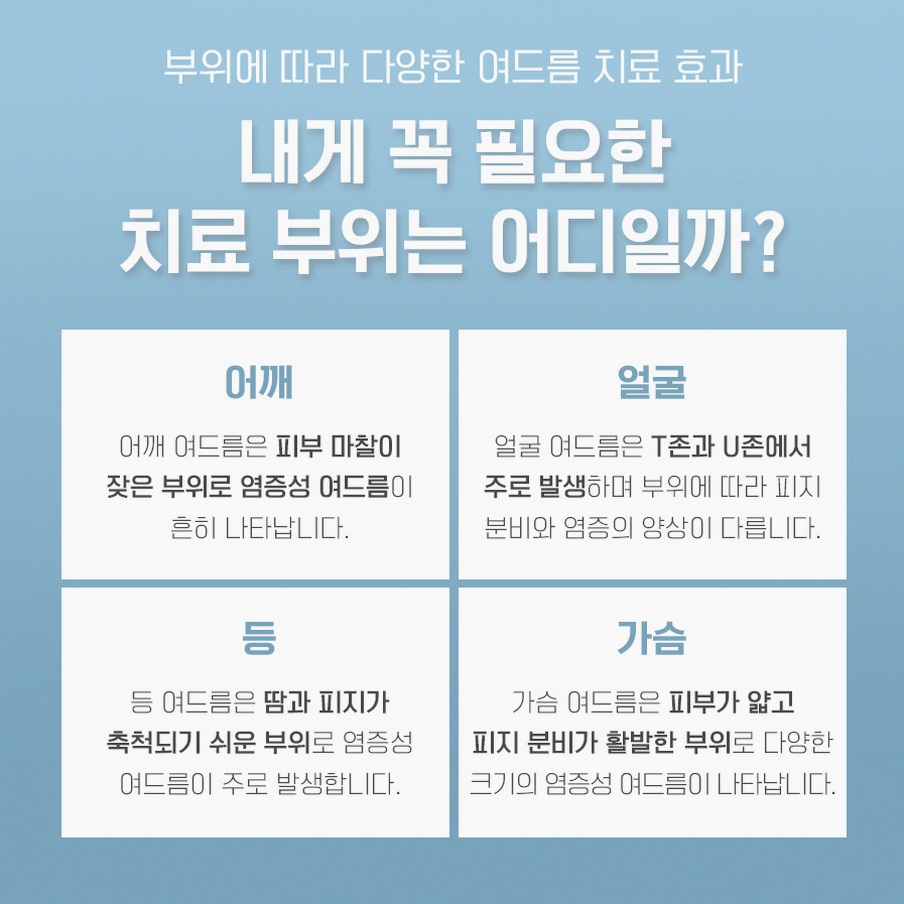
Medical prescriptions
Topical medications such as retinoid creams, antibacterial gels, or anti-inflammatory lotions may be used to unclog pores and reduce inflammation.
Oral medications can be considered when acne is more severe or widespread. These may include antibiotics for a limited period, or other prescription options when appropriate. The doctor will weigh benefits and potential side effects, especially if you are visiting from overseas and may not be able to return frequently.
Injections for inflammation
For very inflamed or painful cystic lesions, localized injections can sometimes be used to reduce swelling more quickly. These are usually targeted to specific nodules rather than used across the whole face.
Device-based procedures for scars, redness, and pigmentation
Once active acne is better controlled, attention often turns to marks left behind. Different devices and procedures can be combined over time, depending on your skin type and scar pattern.
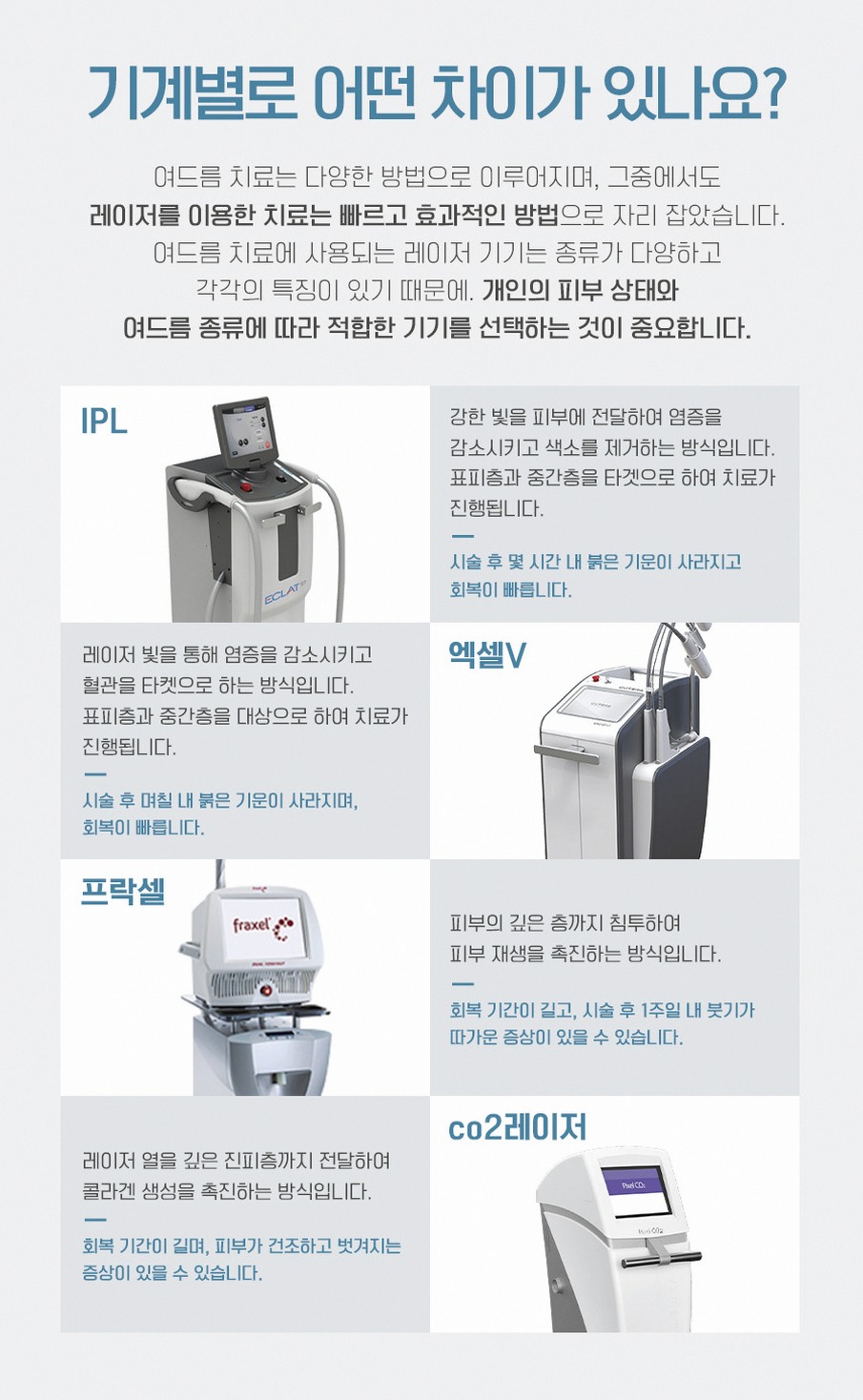
For post-acne redness and pigmentation, toning-style lasers may be considered. Options such as Genesis toning or Alex toning can be used in some cases to help with overall tone and lingering marks. They are typically performed in a series rather than as a single treatment.
For acne scars and skin texture, regeneration-focused procedures can be used. These may include treatments like Rejuran Healer, Juvelook or Juvelook Volume, or PRP, which aim to support skin recovery and collagen production. The exact choice and schedule depend on scar depth, skin sensitivity, and how much time you have in Korea.
If long-term acne has affected facial contour or contributed to skin laxity, lifting and tightening devices such as Inmode, Shurink Universe, Tencera, or Ten Triple may be considered as part of a broader plan. These are not primarily acne treatments, but they can be relevant when acne-related changes and aging overlap.
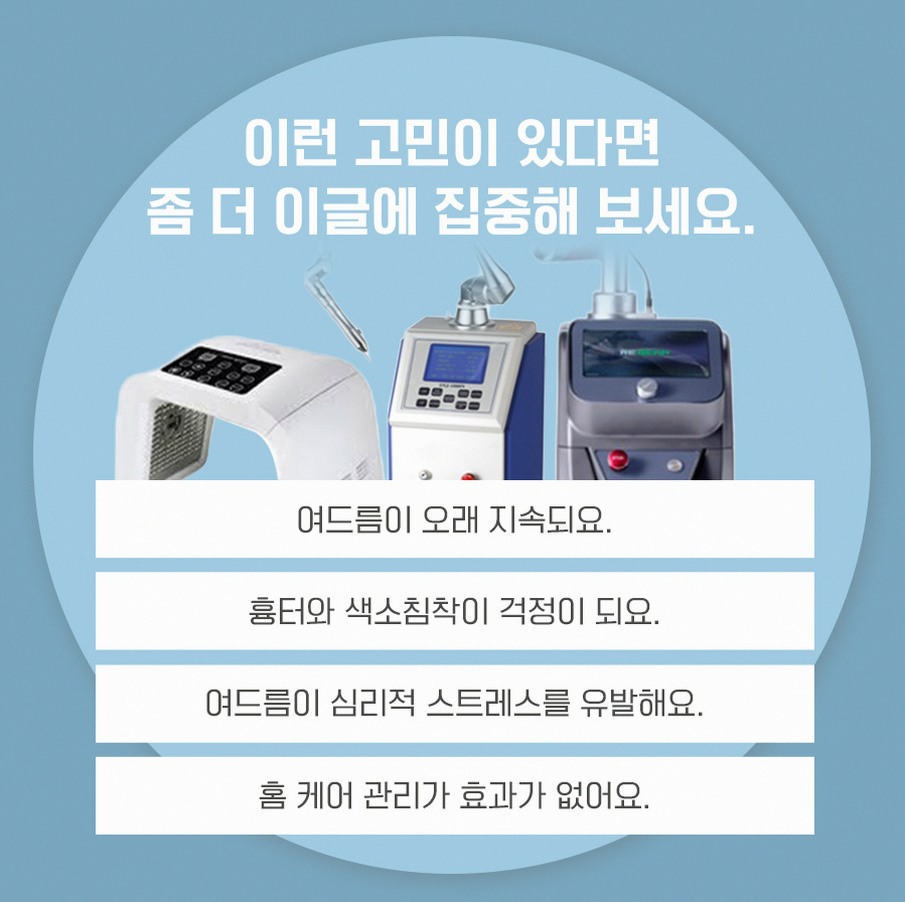
Basic skin management
Supportive skin management can help keep pores clearer and maintain a healthier barrier. Aqua peel, hydrating care, and water-based or droplet-style lifting treatments may be used to improve texture and moisture balance.
These sessions are usually gentler and can be scheduled between more intensive procedures. For international patients with limited time, the doctor may prioritize which sessions are most useful during your stay.
Individualized planning rather than a fixed package
A key difference in medically guided acne care is that there is no single package that fits everyone. The doctor looks at your acne type, scar pattern, lifestyle, and travel schedule, then builds a plan that may include:
Prescription creams or tablets
Targeted injections for inflamed lesions when appropriate
Laser or toning sessions for redness and pigmentation
Scar-focused procedures for texture and depressions
Home-care guidance, including which products to avoid
For overseas visitors, it is especially important to coordinate which treatments can be done during your trip and which parts of care will continue at home.
Who may consider Eunpyeong-gu acne treatment
You may find this style of care suitable if you:
Live abroad but visit Korea regularly for family or work
Plan a dedicated medical trip and can stay at least one to two weeks
Have recurring acne that has not responded well to simple facials
Have both active breakouts and visible scars or pigmentation
Prefer a clinic where a doctor who treats skin diseases also performs procedures
It can also be a good option if you have other skin or scalp issues alongside acne, such as itching, eczema-like symptoms, or hair loss, and you want them evaluated together.
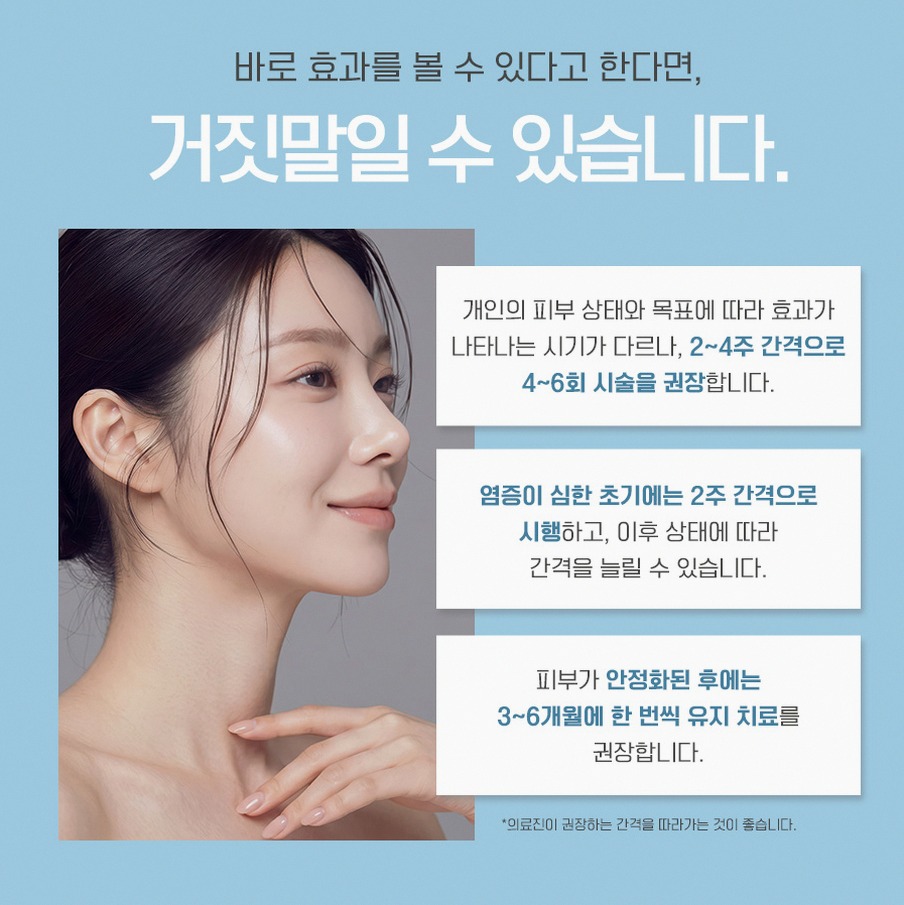
Typical steps of care with Dr. Lee Hyo-su
Initial consultation and skin assessment
At your first visit, the doctor will take a history of your acne: when it started, what makes it worse, what treatments you have tried, and how your skin reacted. You will also be asked about your general health, medications, allergies, and any previous procedures.
The skin examination usually includes checking for:
Inflammatory acne such as red papules and pustules
Comedonal acne such as blackheads and whiteheads
Deeper cystic lesions or nodules
Existing scars, both shallow and deep
Post-inflammatory redness and brown spots
Overall sensitivity, dryness, or oiliness
Differentiating acne types
Not all acne is the same. Some patients mainly have clogged pores and blackheads, while others have deep, painful cysts. Some have thin, sensitive skin that reacts easily, while others can tolerate stronger procedures.
By identifying the main pattern, the doctor can choose more suitable combinations. For example, someone with mostly comedonal acne may benefit more from certain topical agents and gentle peels, while someone with cystic acne may need oral medication and occasional injections.
Planning a staged approach
After assessment, a staged plan is usually explained. For many patients, the sequence looks like this:
Stage 1: Control active acne and reduce inflammation. This may involve prescriptions, basic procedures, and lifestyle or skincare adjustments.
Stage 2: Once breakouts are calmer, start addressing scars, texture, and pigmentation. This is when toning lasers, regeneration injections, or scar-focused treatments are more actively used.
Stage 3: Long-term maintenance. The goal is to prevent relapse with a realistic home routine and occasional follow-up visits when you are in Korea.
Follow-up and adjustment
Acne treatment is rarely a one-time event. Follow-up visits are important to:
Check how your skin is responding to medication and procedures
Monitor for side effects or excessive dryness
Adjust the intensity or frequency of treatments
Shift focus from active acne to scars at the right time
For overseas patients, follow-up schedules may be compressed into your travel period. The doctor may also give written instructions for your local doctor or for your own reference once you return home.
Broader skin and scalp care at the same clinic
Although acne is the main focus of this guide, it can be reassuring to know that the clinic also manages a wide range of skin and scalp conditions under insurance.
These may include scalp diseases, itching, cysts, warts, burns, alopecia areata, and allergy testing. The experience with inflammatory and immune-related skin conditions can be relevant if your acne coexists with other issues, such as scalp problems or recurrent rashes.
For patients already visiting for other skin concerns, integrated acne management in the same place can be convenient. It also allows the doctor to see how different conditions interact, for example, whether certain medications for one problem may influence your acne.
Foot center as part of a neighborhood medical skin clinic
The clinic also operates a dedicated-style foot center for conditions such as athlete's foot, ingrown toenails, calluses, and thickened skin. Laser treatment for fungal infections can be performed without surgical cutting or general anesthesia in some cases.
For international patients, this mainly shows that the clinic functions as a comprehensive neighborhood medical skin center, not just a cosmetic shop. If you have both foot and skin issues, they can often be evaluated in the same visit.
Online consultation and pre-visit preparation
Because there is no official website and online presence is mainly through a local platform listing, you will usually need to contact the clinic by phone or through the local platform rather than an automated booking system.
Before you reach out, it helps to prepare the following information:
Clear photos of your face in natural light, from the front and both sides
A list of current medications, including acne treatments, supplements, and any hormonal therapy
Names or photos of your regular skincare products, including cleansers, toners, serums, sunscreens, and makeup
A brief history of previous procedures, such as lasers, peels, or injections, and how your skin reacted
Your planned travel dates and how many days you can visit the clinic
Having this information ready can help the clinic estimate whether your goals are realistic within your travel schedule and what kind of plan might suit you.
Expected Korea visit timeline for acne treatment
Every case is different, but the following example can give you a rough idea of how a short treatment trip may be organized.
For a 7 to 10 day stay:
Day 1: Initial consultation, skin assessment, and start of medical treatment. Gentle procedures may be done if appropriate.
Day 3 to 4: First follow-up. Adjust prescriptions if needed. Perform a toning or regeneration session if your skin condition allows.
Day 6 to 7: Second follow-up. Additional procedure focusing on scars or pigmentation, depending on response.
Day 8 to 10: Final review before departure. The doctor may provide a summary of what was done, recommended home care, and suggestions for your next visit.
For a longer stay of 2 to 3 weeks, more sessions can be spaced out with enough recovery time between them. However, aggressive or very frequent procedures are usually avoided, especially for first-time patients, to reduce the risk of irritation.
Aftercare and returning home
After acne and scar procedures, proper aftercare is essential. In general, you can expect advice such as:
Use gentle, non-irritating cleansers and moisturizers
Apply sunscreen daily and avoid intense sun exposure, especially after laser or toning sessions
Avoid picking or squeezing any remaining lesions
Do not introduce multiple new products at once; keep your routine simple
Follow any specific instructions for prescription creams or tablets
Once you return home, continue to monitor your skin. If you notice unusual reactions, contact a local doctor or, if possible, reach out to the clinic with photos and a description of your symptoms.
Because acne is chronic, you may need to plan periodic visits to Korea if you want to continue the same style of care. During each trip, the doctor can reassess your skin, update your plan, and decide whether to focus more on maintenance, scars, or active breakouts.

Practical information and consultation hours
Malgeunsu Clinic is located in Eunpyeong-gu, Seoul, making it a practical option if you are staying in the northwest part of the city or visiting family nearby. It can be easier to attend follow-up visits at a neighborhood clinic than to travel repeatedly to distant city centers.
Consultation hours are as follows:
Weekdays: 11:00 to 20:00, with an afternoon break from 14:00 to 15:00
Saturday, Sunday, and public holidays: 11:00 to 17:00, with no lunch break
Closed on Wednesdays and Thursdays
Because schedules can change, it is important to confirm the current hours before visiting, especially if you are coming from overseas and have a tight itinerary.
For first-time acne patients, bringing a written list of your medications and skincare products is strongly recommended. If you have previous medical records or test results related to hormones, allergies, or skin conditions, those can also be helpful.
Frequently asked questions
Is it realistic to start acne treatment during a short trip to Korea?
Yes, it is possible to begin medically guided acne treatment during a short stay, but expectations should be realistic. In one or two weeks, the main goals are to assess your skin, start appropriate medication, and perform a few carefully chosen procedures. Long-term control of acne and improvement of scars usually require ongoing care and possibly additional visits.
Will I need both medication and procedures for my acne?
Many patients benefit from a combination of medication and procedures, but not everyone needs everything. Some people mainly need medical prescriptions and basic skin management, while others with more significant scarring may choose to add lasers or regeneration treatments. The doctor will discuss options with you based on your skin type, severity, and how much downtime you can accept during your trip.
Can acne scar treatment be done if I still have active breakouts?
In most cases, doctors prefer to bring active acne under better control before performing more intensive scar procedures. Treating scars while new inflammatory lesions are still appearing can limit the benefit and may increase the risk of irritation. However, milder treatments for pigmentation or texture may sometimes be started while acne is improving, depending on your skin condition.
Is there a guarantee that my acne will not return after treatment in Korea?
There is no guarantee that acne will never return, because it is influenced by hormones, genetics, lifestyle, and other factors that continue after you leave Korea. The aim of treatment is to reduce current breakouts, minimize the risk of new scars, and give you a clear plan for maintenance. Long-term results depend on ongoing care and, in some cases, periodic follow-up with a doctor.
Soft call to action
If you are considering Eunpyeong-gu acne treatment and want care that combines medical skin disease management with aesthetic procedures, you may wish to arrange an online or phone consultation with Malgeunsu Clinic before your trip. By sharing photos, your treatment history, and travel dates in advance, you can help the clinic and Dr. Lee Hyo-su design a realistic, step-by-step plan tailored to your skin and schedule.
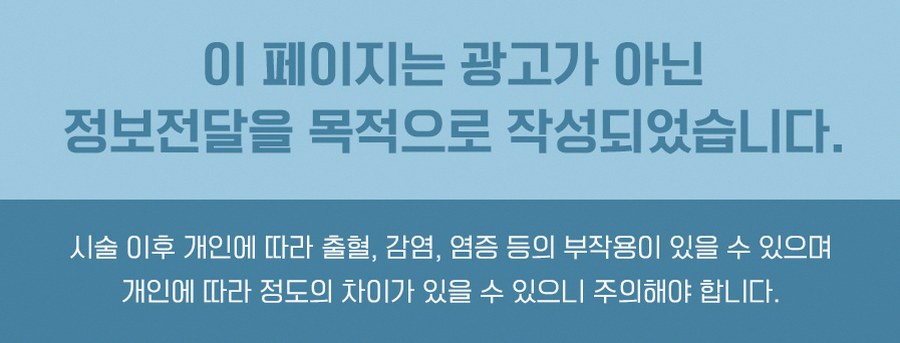
This guide is for general information only and does not replace a personal consultation with a qualified doctor. Individual diagnosis and treatment should always be based on a direct medical examination and discussion of your specific situation.
- 공유 링크 만들기
- X
- 이메일
- 기타 앱


댓글
댓글 쓰기