Filler vs Ultrasound Lifting Guide
- 공유 링크 만들기
- X
- 이메일
- 기타 앱
Direct answer summary
If you are searching around Dokbawi Station for Ulthera‑type lifting and filler, the key difference is this: filler is mainly for restoring or adding volume and reshaping contours, while ultrasound lifting devices focus on tightening and lifting loose tissue. Many people actually need a mix of both approaches, or sometimes only filler, depending on whether the problem is sagging, hollow areas, or deep folds.
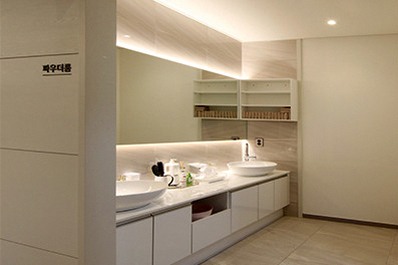
At a small, single‑doctor clinic such as Malgeunsu Clinic in Eunpyeong‑gu, one physician evaluates your skin, volume, and facial balance and then decides with you whether filler, lifting devices, or a combination is more suitable. This may appeal to some international visitors who prefer continuity of care; confirm language support and follow‑up options with the clinic before booking.
Treatment overview: what filler does and how it differs from ultrasound lifting
Dermal filler is an injectable gel used to restore lost volume, soften folds, and refine facial contours. Most modern fillers are based on hyaluronic acid, a substance that is also found naturally in the skin. When placed carefully in the right layer, filler can make hollow or flat areas look smoother and more supported.
Common areas for filler include under‑eye hollows (tear troughs), nasolabial folds beside the nose, marionette lines around the mouth, lips, chin, jawline, cheekbones, temples, and sometimes the nose bridge and tip for non‑surgical nose enhancement.

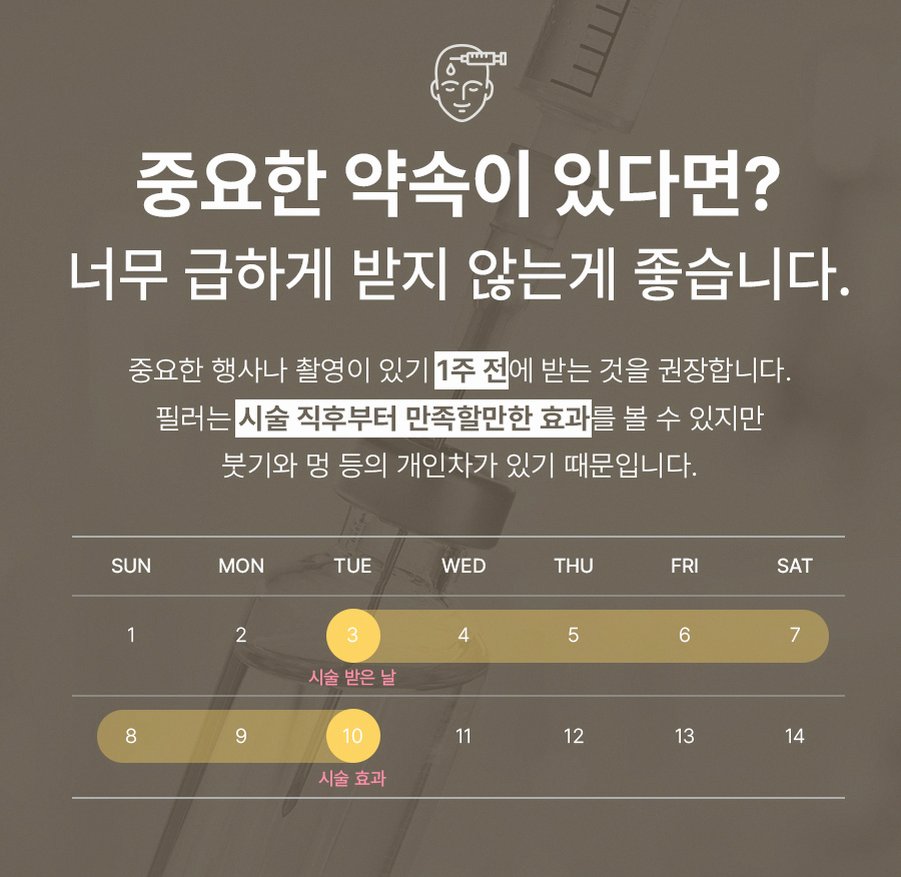
Filler works by adding or reshaping volume. The effect is usually visible right away. You can often see a change in the mirror immediately after the procedure, although there may be some swelling or small bruises in the first days.
Ulthera‑type ultrasound lifting, and similar devices, work very differently. They deliver focused ultrasound energy into deeper layers under the skin to stimulate tightening and lifting over time. This approach is better for mild to moderate skin laxity, a slightly drooping jawline, or a softening of the facial outline. It does not fill deep hollows or replace lost fat and bone support.
In simple terms:
Filler adds structure and volume.
Ultrasound lifting tightens and lifts existing tissues.
Many people around Dokbawi Station who search for Ulthera or similar treatments actually have a mix of concerns: some sagging, but also deep folds or hollow under‑eyes. In these cases, a doctor may suggest filler first for volume, or a combination of filler plus a lifting device, rather than lifting alone.
Results from filler are not permanent. Depending on the product used, the area treated, your metabolism, and lifestyle, effects may last from several months up to more than a year. Touch‑up sessions are usually needed to maintain the look. Product choice, injection depth, and total amount should always be customized after a face‑to‑face assessment.
Who may consider filler near Dokbawi Station
Around Dokbawi Station in Eunpyeong‑gu, many patients are office workers, students, or local residents who want subtle but noticeable change without surgery. Typical concerns that may be suitable for filler include:
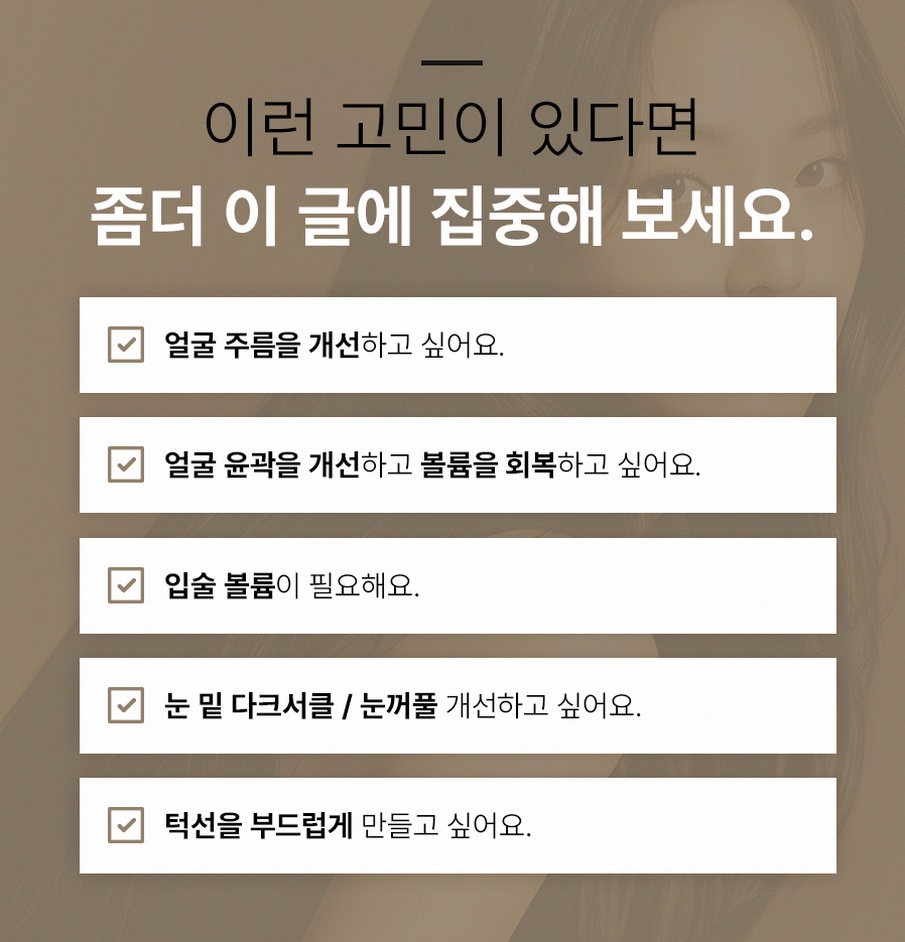
Deepening nasolabial folds after long hours at a desk or frequent commuting.
Tired‑looking under‑eyes, with visible hollows or sunken cheeks.
Desire for a more defined chin or softer V‑line without implants or surgery.
Wanting a slightly higher nose bridge or more refined tip shape without permanent implants.
When filler may be recommended instead of ultrasound lifting
Filler is often suggested when the main issue is:
Volume loss in the cheeks, temples, or under‑eyes.
Deep folds such as nasolabial or marionette lines that do not improve enough with lifting alone.
Asymmetry between left and right sides of the face that needs precise contour correction.
A desire for visible change right after the procedure, rather than waiting months for collagen stimulation.
When ultrasound lifting or other devices may be better
Energy‑based lifting may be more suitable when:
The main problem is overall skin laxity and drooping, rather than hollows.
The face already has enough or even too much volume, and adding filler could make it look heavy.
The patient prefers a more gradual, subtle change over time.
At a single‑doctor clinic, the same physician evaluates your skin thickness, elasticity, and volume distribution. This makes it easier to propose filler alone, lifting alone, or a staged combination, instead of pushing one standard package for everyone.
Filler procedure process at a small single‑doctor clinic
For overseas patients visiting a neighborhood clinic near Dokbawi Station, it helps to know what to expect from start to finish.
Consultation
Your visit usually begins with a one‑on‑one consultation with Director Lee Hyo‑su. During this time, the doctor will:
Review your medical history, including any chronic illnesses, medications, allergies, and previous procedures.
Ask about past filler, thread lifting, or device treatments and any problems you experienced.
Assess your skin condition, degree of sagging, and areas of volume loss while you are sitting upright.
Discuss your main concerns and priorities, such as under‑eye hollows, folds, or chin shape.
Explain whether filler, lifting devices such as Inmode, Shurink Universe, Tencera, or Ten Triple, or a combination, is more suitable for your face.
Design and planning
If filler is appropriate, the doctor will then:
Show you the treatment areas in a mirror and explain which points are likely to give the most natural improvement.
Mark injection points or zones while you are sitting or slightly reclined.
Discuss the approximate amount of filler needed, possible staged treatments, and realistic maintenance intervals.
Explain expected changes, possible side effects, and what can and cannot be achieved in one visit.
Procedure
On the day of the procedure, the typical steps are:
Cleansing and disinfection of the treatment area to reduce infection risk.
Application of topical anesthetic cream or local anesthesia if needed to reduce discomfort, while avoiding promises of a completely painless experience.
Injection using a fine needle or a blunt‑tip cannula, depending on the area and safety considerations.
Gentle molding and symmetry checks during the procedure, with adjustments as needed.
Post‑procedure care
Immediately after the injections, you can usually sit up and check the shape in a mirror. The doctor will:
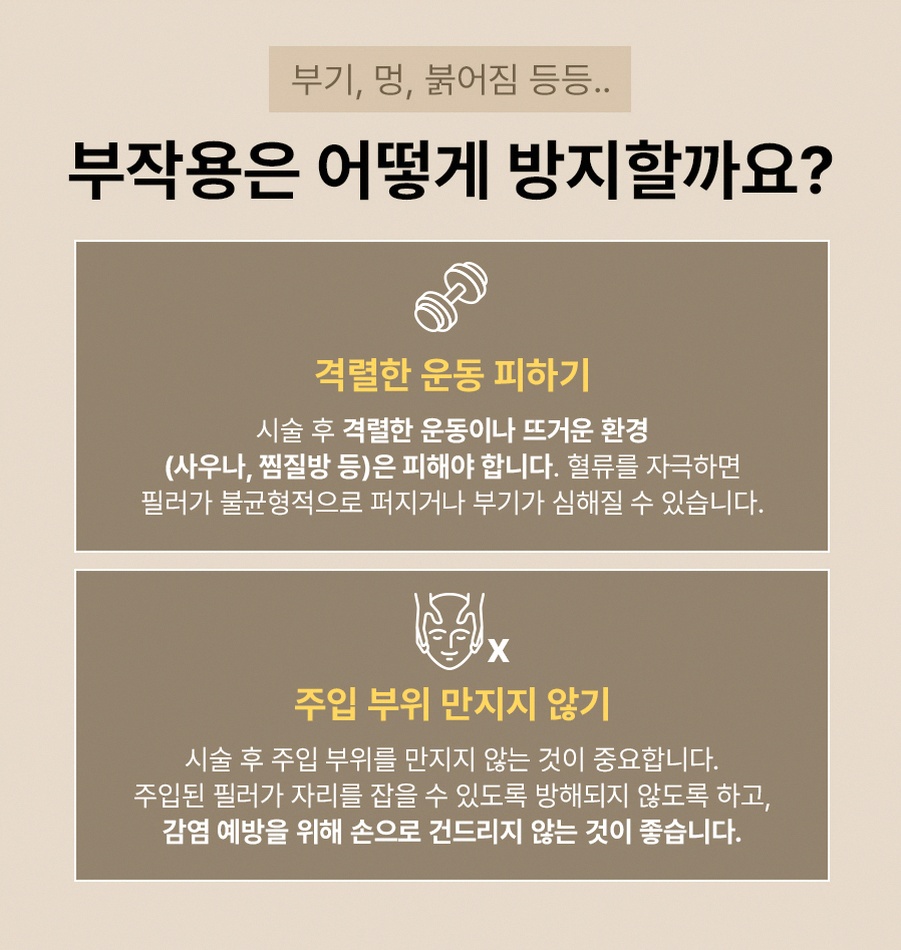
Confirm overall balance and discuss any minor swelling that may settle over a few days.
Explain common short‑term reactions such as redness, swelling, mild pain, or bruising.
Give instructions on using cold compresses, how to sleep to avoid pressure on the treated area, and how long to avoid strong facial massage or pressure.
Inform you when to return for follow‑up or a possible touch‑up if needed.
In a one‑doctor clinic, the same person handles your consultation, injection, and follow‑up. This can help maintain a consistent style and make communication easier, especially if you are traveling from overseas and have limited time.
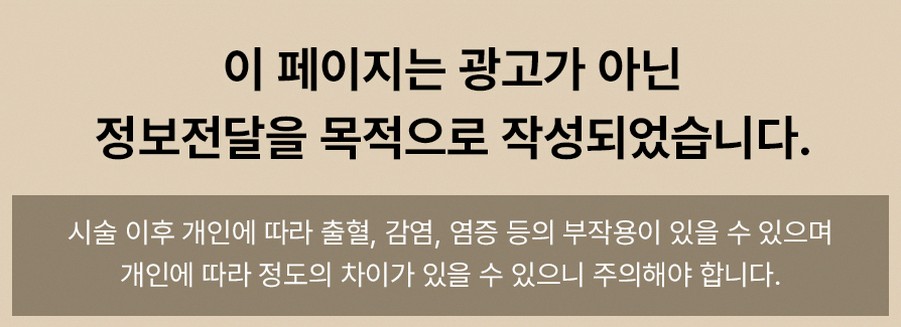
Safety, side effects, and realistic expectations
All medical procedures carry potential risks, and filler is no exception. Understanding common reactions and rare complications will help you make a more informed decision.
Common, usually temporary reactions
After filler injections, many people experience:
Swelling, redness, or mild tenderness at injection sites.
Small bruises that may take several days to fade.
A feeling of fullness or tightness in the treated area.
Small lumps or unevenness that often soften as the filler integrates and swelling decreases.
These reactions usually improve within days to a couple of weeks. Makeup can often be used after a short period, depending on the treated area and the doctor’s advice.
Rare but important risks
Less common but more serious issues can include:
Infection at the injection site.
Prolonged swelling, persistent lumps, or noticeable asymmetry.
Vascular complications if filler accidentally enters or compresses a blood vessel, which can affect skin color and, in very rare cases, vision.
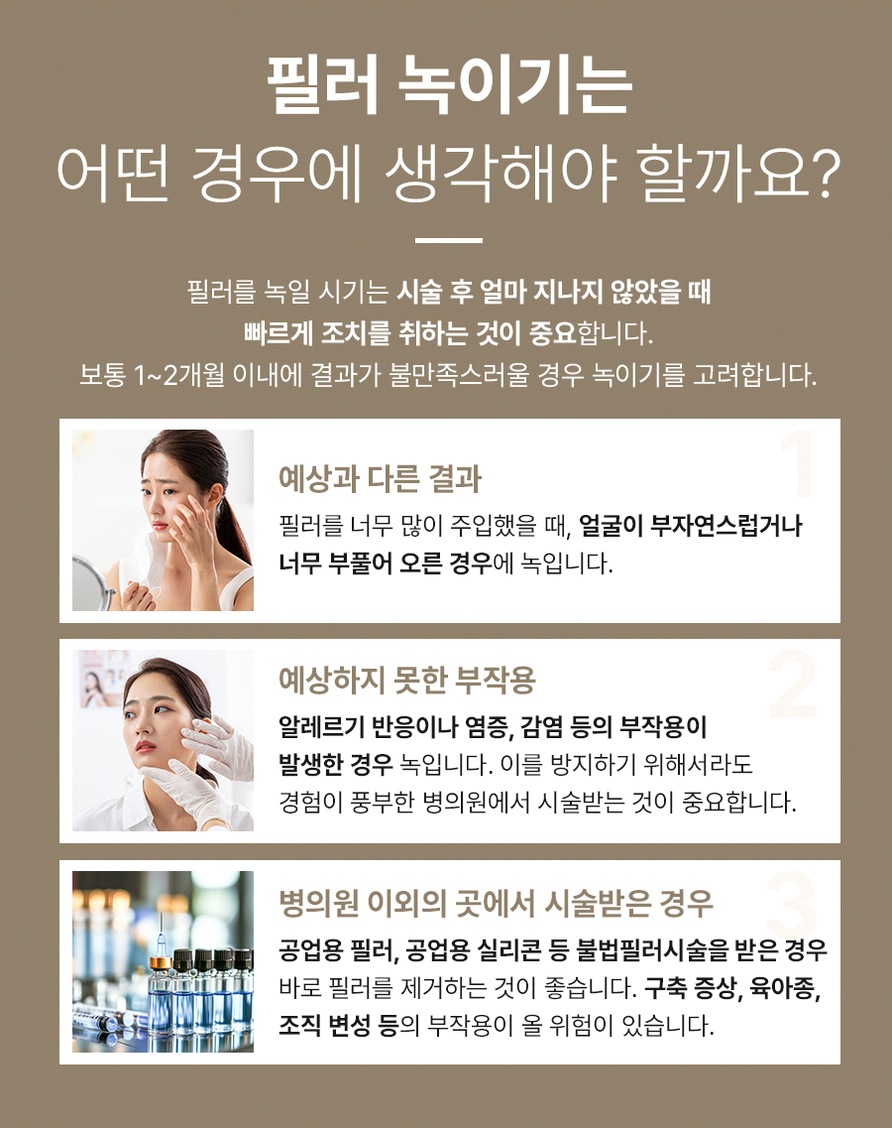
Because of these possibilities, it is important to choose a clinic that takes safety seriously, recognizes warning signs early, and has a plan for management, including the use of hyaluronidase for certain types of filler if needed.
Approach to safety at a clinic that treats both disease and aesthetics
A clinic that manages both skin diseases and aesthetic procedures may approach filler with a medical mindset. Typical safety steps include:
Careful review of your medical history and medications, including blood thinners and supplements that may increase bruising.
Conservative dosing for first‑time patients, with the option to add more later rather than overfilling in one session.
Using appropriate injection planes and techniques tailored to each area of the face.
Clear explanation of what to monitor at home and when to contact the clinic urgently.
It is important not to expect permanent or guaranteed results. Individual outcomes vary depending on your skin quality, facial anatomy, lifestyle, and how well you follow aftercare instructions.
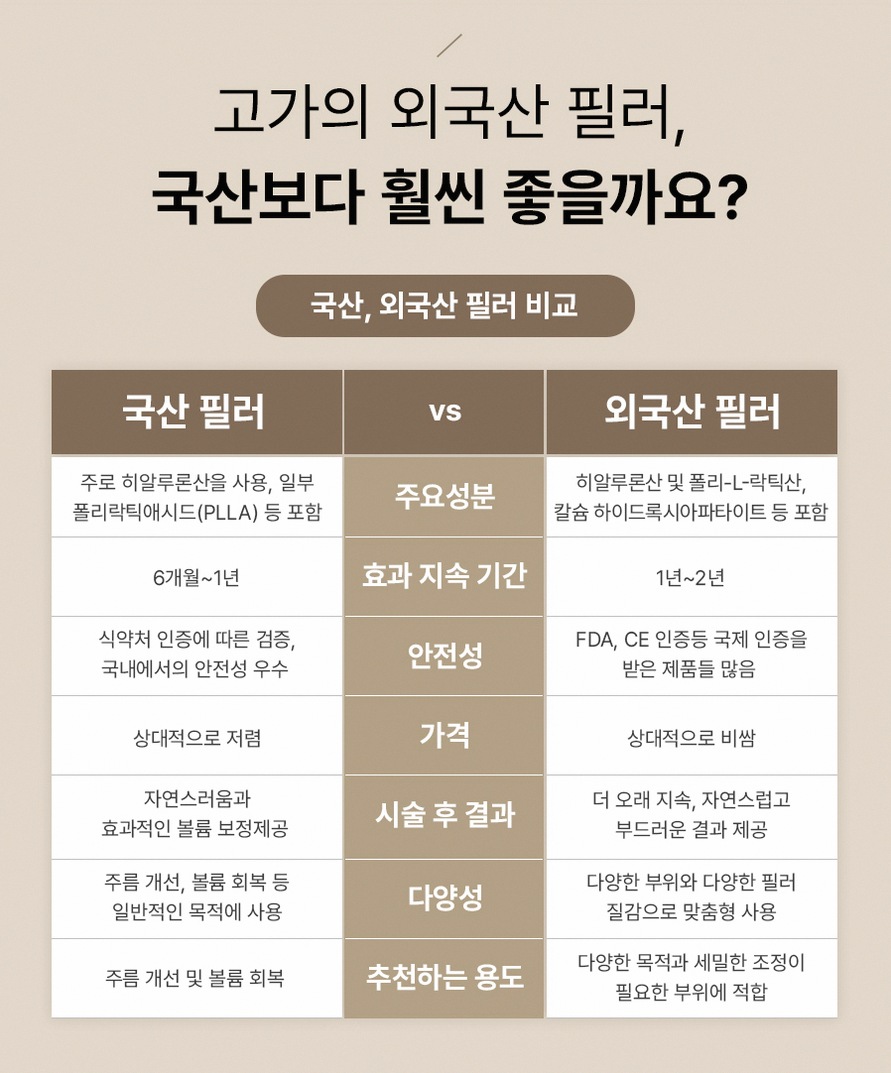
How this clinic positions itself for filler near Dokbawi Station
In Eunpyeong‑gu near Dokbawi Station, Malgeunsu Clinic presents itself as a neighborhood primary‑care style clinic that covers both medical and aesthetic needs. This can be convenient for international patients who prefer a quieter, local setting rather than a large chain.
Mixed medical and aesthetic care
The clinic handles common skin conditions such as warts, corns, cysts, burns, and scalp issues, as well as aesthetic procedures like filler injections, lifting devices, and IV drips. Because the doctor regularly treats medical skin problems, filler planning can take into account underlying skin health, scars, or sensitivity.

Single‑doctor system
Director Lee Hyo‑su personally manages consultations, procedures, and follow‑up visits. This means the doctor you meet at the first consultation is the same person who performs your filler injections and checks your progress later. For overseas visitors, this can reduce confusion compared with larger centers where the consulting and treating doctors may differ.
Device lineup for lifting and combination treatments
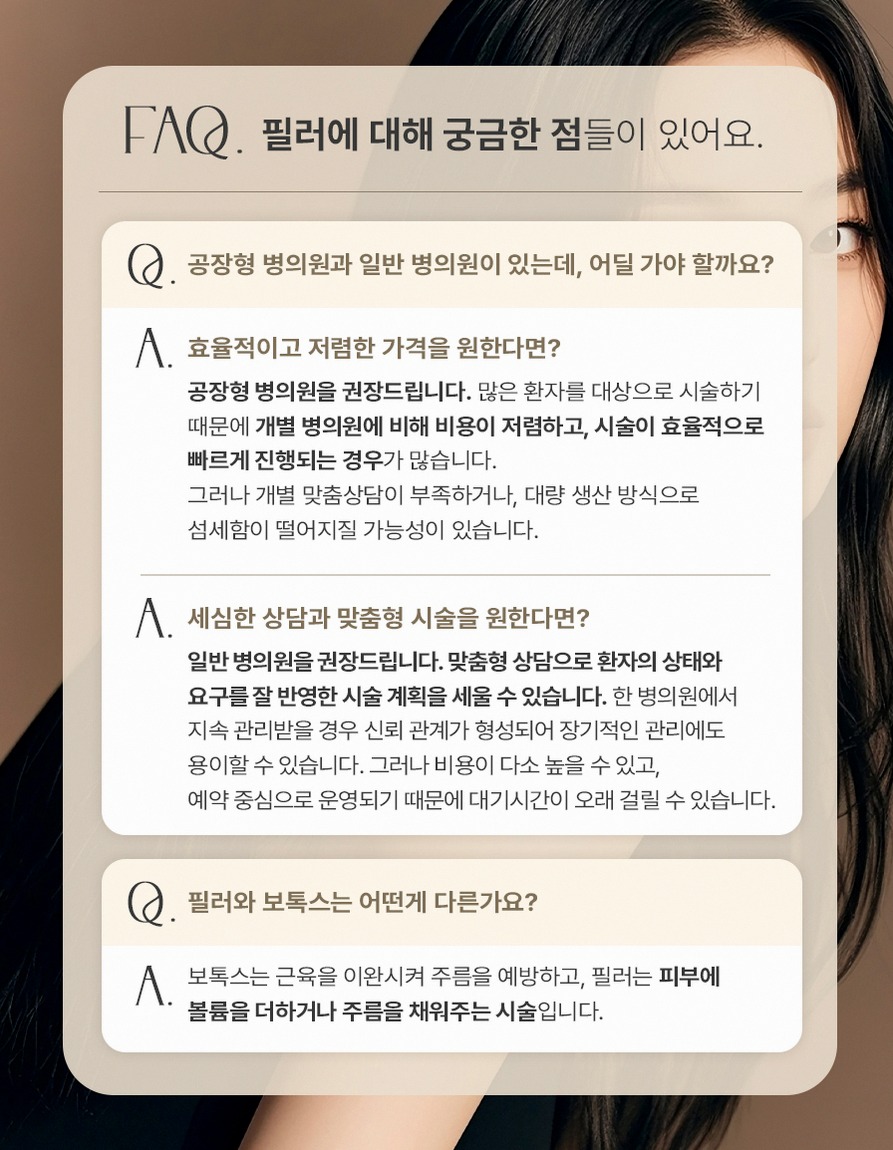
The clinic offers several lifting and tightening devices, including Inmode, Shurink Universe, Tencera, and Ten Triple. Having multiple options allows the doctor to:
Recommend filler alone when volume is the main issue.
Add ultrasound or radiofrequency‑type lifting when skin laxity is also a concern.
Plan staged treatments so that your skin has time to adapt and you can monitor changes.
Scalp, hair‑loss, and foot center services
Beyond facial aesthetics, the clinic also provides care for scalp disease and hair‑loss‑related concerns, which may interest patients who want to address both facial filler and scalp health in one place.
There is also a dedicated foot center for conditions such as athlete’s foot, ingrown toenails, and calluses, including laser treatment for fungal nail infections without surgical nail removal. This underlines that the clinic is not only focused on cosmetic procedures but also on everyday skin and foot health.
Because the clinic sees a wide range of medical and cosmetic cases, its approach to filler tends to be conservative and realistic rather than focused on selling large cosmetic packages.
Practical tips for overseas patients considering filler
If you are planning to visit Korea and stay near Dokbawi Station, some preparation before you book can make your visit smoother and your consultation more efficient.
Online consultation and pre‑visit preparation
Before you travel, consider arranging an online consultation or sending information by message. Helpful items include:
Clear photos of your face from the front, 45‑degree angles, and side views in good lighting.
A list of previous filler, botulinum toxin, thread lifts, or device treatments, with dates if possible.
Information on any complications you have had, such as prolonged swelling, allergies, or unsatisfactory results.
A brief description of your main concerns and which areas bother you the most.
You can also prepare reference photos that show the general style you like, but treat them as loose guides rather than exact templates. Your bone structure, skin thickness, and facial proportions will always influence what is realistic.
Checklist before booking
Before confirming your appointment, it can help to:
Clarify your budget and how often you are willing to return for maintenance.
Decide whether you prefer a more subtle or more noticeable change.
Check your travel schedule so you can avoid important events in the first few days after treatment, when swelling or bruising may be visible.
Ask about possible combinations of filler with lifting devices and how that might affect your timeline.
Questions to ask during consultation
During your in‑person consultation, consider asking:
Which areas do you recommend filler for in my case, and why?
Do you think I also need any lifting device, or is filler alone enough?
How long is the expected duration for the filler in each area for someone like me?
What are the main risks for the areas I want treated, and how are complications handled?
What follow‑up is available if I am not satisfied with the result or want adjustments?
Expected Korea visit timeline
For many overseas visitors, a short and efficient schedule is important. A typical timeline might look like this:
Day 1: Consultation and, if appropriate, filler treatment on the same day. Plan for about one to two hours including paperwork, consultation, design, and procedure. Some swelling or redness is expected afterward.
Day 2–3: Mild swelling and possible bruising. You can usually continue sightseeing or meetings, but you may prefer light makeup and to avoid heavy exercise.
Day 4–7: Swelling generally improves. Most people feel more comfortable with the appearance by this stage.
Day 7–14: If your stay is long enough, a short follow‑up visit can be scheduled to check symmetry and integration of the filler, and to discuss any minor adjustments if needed.
If your trip is very short, inform the clinic in advance so the plan can be adjusted, and instructions for remote follow‑up can be discussed.
Aftercare and lifestyle tips
Proper aftercare helps your filler settle smoothly and may reduce the risk of complications.
In the first 24–48 hours:
Avoid pressing or massaging the treated areas unless your doctor specifically instructs you to do so.
Use a clean cold compress intermittently if you have swelling, making sure not to apply direct ice for too long.
Sleep on your back with your head slightly elevated if possible, to minimize pressure and swelling.
In the first one to two weeks:
Avoid high‑heat treatments on the face, such as saunas or very hot steam rooms, for the period recommended by your doctor.
Postpone strong facial massages, facial rollers, or beauty devices that apply pressure over the treated zones.
Limit very intense exercise for a few days if your doctor advises it, especially if you have significant swelling or bruising.
Monitor for unusual pain, color change, or severe swelling, and contact the clinic promptly if these occur.

Longer term:
Follow the maintenance schedule suggested by your doctor based on the product used and your individual response.
Maintain a healthy lifestyle, including sun protection and good skincare, to support overall skin quality.
Keep records of what was injected, where, and when, so future treatments can be planned safely.
Access and operating hours for local search intent
For those staying in or visiting Eunpyeong‑gu, the clinic is conveniently accessible from Dokbawi Station. It functions as a local neighborhood clinic, which can be more relaxed than busy central districts.
Operating hours are as follows:
Weekdays: 11:00–20:00, with a lunch break from 14:00–15:00.
Saturday, Sunday, and public holidays: 11:00–17:00, with no lunch break.
Closed on Wednesdays and Thursdays.
Evening weekday hours and weekend opening can be especially helpful for office workers or travelers with tight schedules. As details can change, it is wise to confirm current hours and reservation methods by phone or via the clinic’s Naver Place page, as there is no separate homepage.
Frequently asked questions
Is filler or ultrasound lifting better for deep nasolabial folds?
Deep nasolabial folds are usually caused by a combination of volume loss in the mid‑face and some degree of sagging. Ultrasound lifting alone may tighten the area slightly, but it often does not fully correct deep grooves. Filler placed carefully in the right support areas can soften the fold more directly. In many cases, a combination of mid‑face filler and, if needed, mild lifting gives a more balanced result. The best plan depends on your facial structure, which should be assessed in person.
How long before my flight should I schedule filler near Dokbawi Station?
If possible, allow at least a few days between your filler appointment and your international flight. Many people choose to have filler early in their trip so that initial swelling and bruising can settle before they return home. If your schedule is tight, same‑day or next‑day travel is usually still possible, but you should avoid heavy luggage pressure on the face and follow all aftercare instructions. Discuss your exact travel dates with the clinic during online consultation so they can advise on timing.
Can I combine filler with Inmode, Shurink Universe, Tencera, or Ten Triple in one visit?
In some cases, filler can be combined with lifting devices in the same overall treatment plan, but the exact timing depends on the areas treated and the doctor’s judgment. Sometimes devices are done first, followed by filler on a later date; in other situations, small amounts of filler may be placed first and devices used later to fine‑tune lifting. Combining everything in one day is not always ideal, especially for first‑time patients. A personalized schedule should be created after your face‑to‑face evaluation.
What should I do if I am not satisfied with the filler result?
If you are not satisfied, the first step is to return to the clinic for an honest discussion. Sometimes, what you see is still influenced by swelling and will improve as the filler settles. In other cases, minor asymmetry or under‑correction can be adjusted with a small top‑up. For certain hyaluronic acid fillers, an enzyme called hyaluronidase can be used to partially or completely dissolve the product if needed. It is important to discuss all these options in advance during your initial consultation so you know what can be done if your expectations and the outcome do not fully match.
Soft call to action
If you are planning a trip to Seoul and are considering filler or comparing it with focused‑ultrasound (Ulthera‑style) lifting near Dokbawi Station, first check whether Malgeunsu Clinic provides online consultations (see their Naver Place listing). If an online consult is available and you can share photos, your medical history, and your travel schedule in advance, the doctor may be able to suggest a realistic plan tailored to your face and time in Korea. This preparation can help you use your visit efficiently and make decisions with clearer expectations. Also review the clinic's device options (Inmode, Shurink Universe, Tencera, Ten Triple) when considering a lifting procedure.
- 공유 링크 만들기
- X
- 이메일
- 기타 앱


댓글
댓글 쓰기