Eungam-dong Ultherapy vs Fillers — When Fillers Help
- 공유 링크 만들기
- X
- 이메일
- 기타 앱

Intro: From Ultherapy search to filler decision in Bulgwang-dong
If you are searching for Ultherapy or ultrasound lifting in the Bulgwang-dong or Eungam-dong area, you may actually be wondering, “Do I really need a lifting device, or would fillers be better for my face?” Many people arrive at a clinic asking for a specific brand of ultrasound lifting, but after a detailed consultation the final plan often includes dermal fillers, either instead of the device or in combination with it.
This guide is written for international patients who are planning a visit to Korea and are considering treatment in the Eungam-dong and Bulgwang-dong area of Eunpyeong-gu, Seoul. It explains how dermal fillers differ from Ultherapy-style lifting, who might benefit from each, how a neighborhood clinic that also treats medical skin problems can help you decide more safely, and what kind of visit schedule and aftercare you can expect.
We will also walk through how to prepare for an online consultation before you travel, how to plan your time in Korea, and what questions to ask the doctor so that you can make a calm, well-informed choice rather than just following a popular brand name.
Basics: What dermal fillers do vs. lifting devices
Dermal fillers are injectable gels used to restore lost volume, enhance facial contours, and soften deep lines. Common areas include the cheeks, nasolabial folds, marionette lines, under-eye hollows, lips, chin, jawline, and nose bridge. By adding carefully placed volume, fillers can make the face look more supported and refreshed.
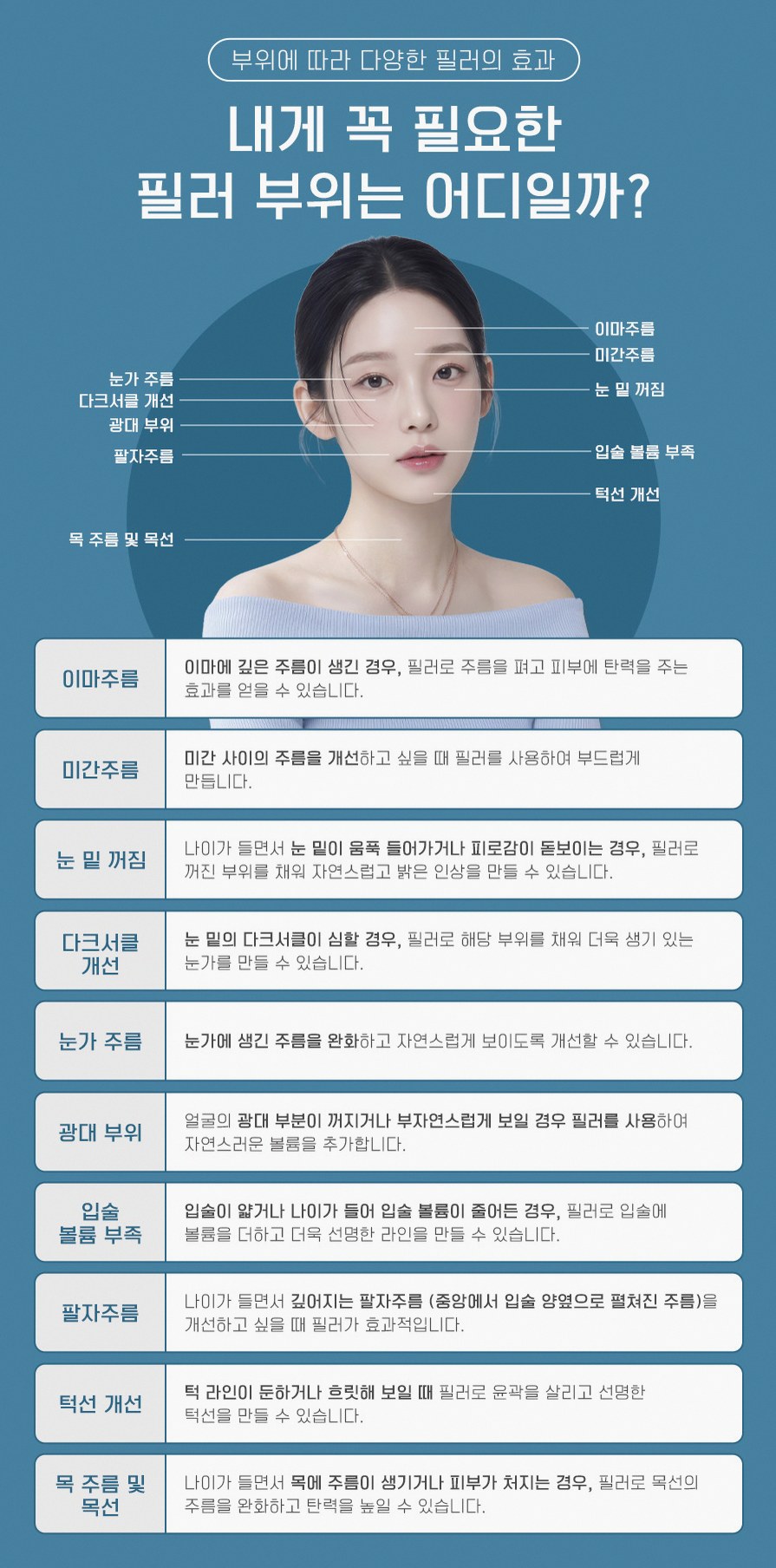
Energy-based lifting devices such as ultrasound or radiofrequency work very differently. Instead of adding volume, they deliver heat energy into deeper layers of the skin and supporting tissues. This can tighten and contract tissue over time, helping with mild to moderate skin laxity and giving a subtle lifting effect.
In simple terms, fillers mainly add or reshape volume, while lifting devices mainly tighten and contract. If your main concern is deep folds around the mouth, a flat midface, a weak chin, or obvious hollows under the eyes, fillers are often the primary tool. If your main concern is loose skin along the jawline, slight jowls, or mild sagging without much volume loss, lifting devices may be more relevant.
In many real cases, especially in the midface and lower face, a combination works best. Lifting can gently tighten the overall contour, while filler provides structural support in key areas, such as the cheekbones or chin. The choice should be based on your skin laxity, degree of fat and bone volume loss, facial structure, and age, not just on a brand name like Ultherapy.
Clinic positioning: Neighborhood doctor who also does fillers
In the Bulgwang-dong and Eungam-dong area, you can find clinics that function like neighborhood primary-care practices for skin and related issues, while also offering aesthetic treatments such as fillers and lifting devices. One example is Malgeunsu Clinic, led by Dr. Lee Hyo-su.
This type of clinic does not focus only on cosmetic procedures. It also treats common medical skin problems such as warts, corns, minor burns, inflammatory rashes, and other everyday concerns. Because of this, the doctor is used to assessing skin thickness, inflammation, circulation, and healing patterns, all of which are important for safe filler injections.
At this clinic, Dr. Lee Hyo-su personally conducts the consultation, treatment planning, and all injections. For many patients, especially those visiting from overseas, it can be reassuring to know that the same doctor will see you from start to finish, rather than meeting one person for consultation and another for the actual procedure.
The overall approach is conservative and detail-oriented. Instead of aggressive volume or dramatic changes, the goal is to choose treatments that fit your skin condition and health status, whether that means filler, lifting, pigmentation treatment, or sometimes no procedure at all.

Filler planning: How consultation should work
A thorough filler consultation should begin with your medical background. The doctor should ask about your general health, chronic illnesses, medications, allergies, history of cold sores or skin infections, and any previous procedures, including fillers, lifting devices, lasers, or surgery. For overseas patients, it is helpful to prepare this information in writing before your visit.
Next, the doctor will perform a facial analysis. This includes checking facial symmetry, bone structure, the degree and pattern of volume loss, skin thickness, elasticity, and the difference between static wrinkles (visible at rest) and dynamic wrinkles (visible only with facial movement). Photos from several angles are usually taken for planning and documentation.
Based on this assessment, the doctor should explain when filler is appropriate and when other options may be better. For example, if the main issue is thin, crepey skin with minimal volume loss, skin boosters or resurfacing may be more suitable. If there is clear sagging but still enough volume, ultrasound or radiofrequency lifting could be prioritized. If there are deep folds caused by structural volume loss, filler is often the key.
In a clinic that offers multiple lifting devices as well as fillers, the doctor can recommend a combination or an alternative more freely, instead of pushing a single procedure. For instance, you might be advised to have ultrasound lifting for the jawline and a small amount of filler for the cheeks and nasolabial folds.
Realistic goal-setting is essential. Rather than trying to copy a celebrity face, the plan should focus on subtle, natural changes that match your age, ethnicity, and existing features. During consultation, it is useful to discuss what kind of expression you want to maintain, such as looking less tired or less saggy, rather than chasing a completely different face shape.
Procedure overview: What to expect from filler treatment
On the day of the procedure, the process typically follows several steps. First, your face is cleansed to remove makeup, sunscreen, and surface oils. Pre-treatment photographs are taken from different angles. The doctor then marks design points on the skin to guide injection depth and placement.
Depending on the area and product, topical anesthetic cream, local anesthetic injections, or fillers that already contain anesthetic may be used to reduce discomfort. The doctor may choose to use a fine needle or a blunt-tipped cannula, or a combination of both, depending on the area and safety considerations.

Pain levels vary by person and by treatment area. Some people feel only mild pressure, while others experience brief stinging or a sense of fullness. Clinics usually try to minimize discomfort, but it is not possible to guarantee a completely pain-free experience.
Results are usually visible immediately after the procedure, but the first few days can include mild swelling, redness, or temporary asymmetry. As the tissue settles and minor swelling reduces, the final result becomes more natural. The typical longevity of hyaluronic acid fillers can range from several months to over a year, depending on the product type, injection depth, and the movement of the treated area.
Aftercare instructions often include avoiding strong pressure or massage on the treated area unless the doctor specifically instructs it, limiting intense exercise, saunas, and hot baths for a few days, and avoiding alcohol for a short period. You should also monitor for unusual symptoms such as increasing pain, sudden color change of the skin, or signs of infection, and contact the clinic promptly if they occur.
Safety and risk management
Like any medical procedure, fillers carry both common and rare risks. Common temporary side effects include redness, swelling, bruising, tenderness, and mild asymmetry. These usually improve within days to a couple of weeks.
More serious but rare complications can include vascular compromise, where filler unintentionally enters or compresses a blood vessel, and infection or delayed inflammatory reactions. Early recognition and prompt management are critical. This is one reason why it is important to choose a licensed medical professional with detailed anatomical knowledge.
A clinic that also treats medical skin conditions is often more familiar with diagnosing and managing inflammatory or vascular issues. The doctor is used to observing subtle changes in skin color, temperature, and texture, which can help in early detection of problems.
Before agreeing to treatment, you should feel free to ask the doctor what type of filler will be used, how long it is expected to last in your specific area, and what emergency protocols are in place in case of complications. You may also ask whether the clinic has access to hyaluronidase or other tools for managing unwanted filler.

It is wise to be cautious about offers based only on low price, or treatments from non-medical providers. Saving money is understandable, but face injections require training and responsibility. For overseas patients, choosing a clinic that prioritizes safety and communication can make your trip much less stressful.
Who may consider fillers when searching for Ultherapy
If you initially searched for Ultherapy in Bulgwang-dong or Eungam-dong, you may have one or more of the following concerns: sagging along the jawline, deep folds around the mouth, tired-looking under-eyes, or a flat midface that makes you look older.
You may be a good candidate for fillers, alone or in combination with lifting, if you have clear volume loss in the cheeks, temples, under-eye area, or around the mouth; a weak or recessed chin that affects your profile; asymmetry between the left and right sides of the face; or deep lines that remain even when your face is at rest.
On the other hand, if your skin is relatively thick and you mainly notice mild sagging without much hollowing, a lifting device may play a bigger role. Many patients fall somewhere in between, and a mixed plan is often suggested.
Age is only one factor. Some younger patients with naturally weak bone structure or genetic hollows may benefit from small amounts of filler. Some older patients with good bone support but loose skin may benefit more from lifting and skin treatments. The key is an individualized assessment rather than a one-size-fits-all rule.
Online consultation and pre-visit preparation
For international patients, an online or remote consultation before traveling to Korea is very helpful. Many clinics in the Bulgwang-dong and Eungam-dong area can communicate through messaging apps, email, or phone, often with basic English support.
Before your online consultation, prepare the following:
A brief medical history, including chronic illnesses, medications, allergies, and any tendency to bruise easily.

A list of previous aesthetic procedures, such as fillers, lifting devices, lasers, or surgery, and approximate dates.
Clear photos of your face from the front, both sides, and 45-degree angles, taken in good light without heavy makeup or filters.
A short description of your main concerns in order of priority, for example “deep lines around mouth, sagging jawline, tired eyes.”
Reference photos can be helpful, but choose realistic examples rather than heavily edited images. It is more useful to show a photo of yourself from a few years ago that you liked, rather than a celebrity face that does not match your features.
During the online consultation, ask whether the doctor personally performs filler injections, what types of treatments might be combined with filler, and how many days you should stay in Korea for follow-up. This will help you plan flights and accommodation more accurately.
Expected Korea visit timeline for filler and lifting
If you are visiting Korea from overseas and planning filler or combined filler and lifting in the Bulgwang-dong or Eungam-dong area, a typical schedule might look like this.

Day 1: In-person consultation, facial analysis, and planning. In some cases, the procedure can be done on the same day if you feel ready and the doctor agrees.
Day 2–3: If you prefer to think about the plan or need additional tests, the procedure can be scheduled for the next day. Mild swelling or bruising may appear after filler, so it is better not to schedule important events or photoshoots immediately afterward.
Day 4–7: A short follow-up visit may be recommended to check symmetry, healing, and whether any small touch-ups are needed. For many patients, this can be combined with other minor treatments such as skin care or laser toning if appropriate.
If your schedule is tight, discuss with the clinic whether a next-day follow-up is enough, and how to stay in touch after you return home. Taking clear photos and sending them by email or message can sometimes help the doctor monitor your progress remotely.
Aftercare and returning home
After filler, you can usually resume light daily activities soon, but it is wise to avoid heavy exercise, saunas, and alcohol for a short period as advised by the doctor. When flying home, normal air travel is generally acceptable, but you should avoid pressing your face against hard surfaces or wearing tight masks or goggles that compress the treated area.
If you notice increasing pain, sudden skin color change, or any symptoms that worry you after returning home, contact the clinic where you received treatment as soon as possible. It is also helpful to know in advance whether there is a local doctor in your home country who can assist if needed.
Why consider this clinic in the Bulgwang-dong / Eungam-dong area
In this area of Eunpyeong-gu, Seoul, you can find clinics that combine medical skin care with aesthetic procedures, offering a calm and practical environment rather than a large, high-pressure cosmetic center. At Malgeunsu Clinic, the single-doctor system means that Dr. Lee Hyo-su provides one-on-one care from consultation through procedure and follow-up.
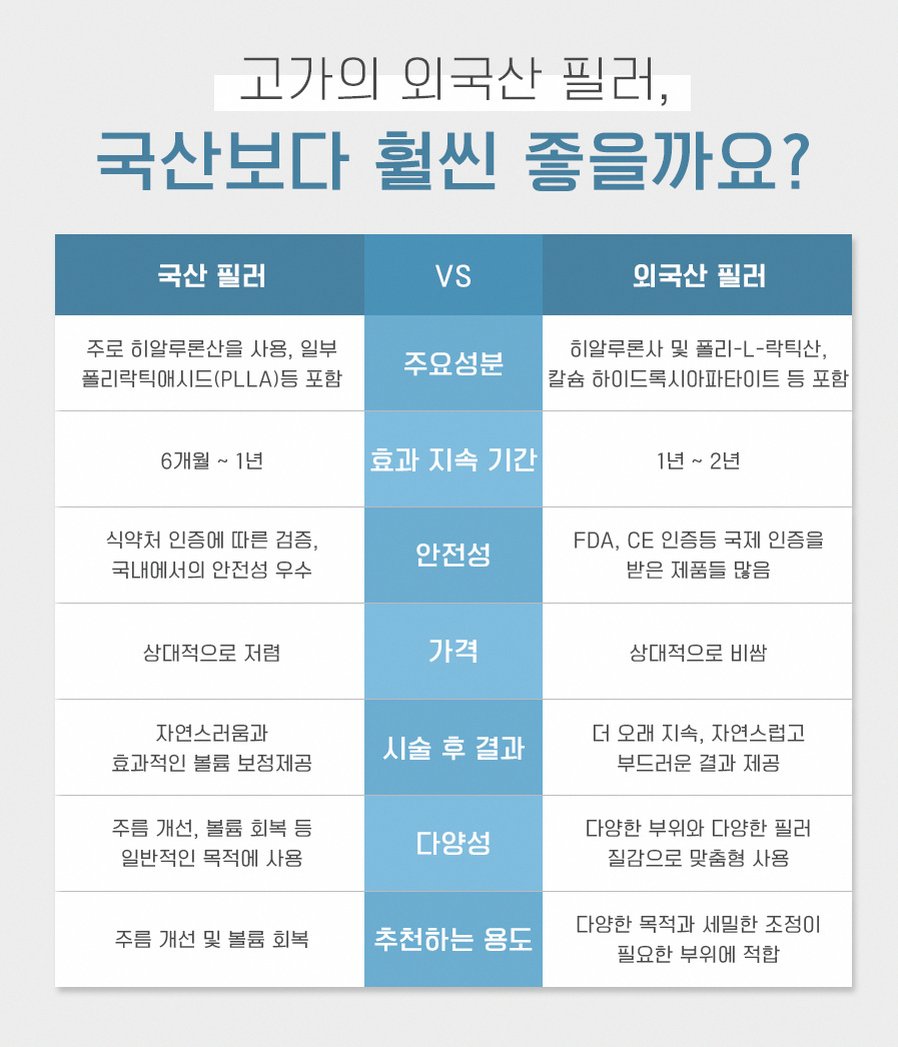
The clinic offers a range of lifting and skin treatments, including radiofrequency and ultrasound-based devices, skin boosters, and toning lasers, which can be combined with fillers according to your needs. It also manages scalp and foot problems, as well as various skin conditions, reflecting its role as a comprehensive neighborhood clinic.
For patients who prefer natural-looking, medically grounded filler treatment, this style of clinic can be a comfortable choice, especially if you value continuity with one doctor and a practical approach to both health and appearance.
Practical information and visit tips
This clinic does not operate an official website. Most online information is available through local listing platforms, so it is important to call ahead to confirm details, ask about English communication, and make an appointment.
The operating hours are distinctive. On weekdays, the clinic offers evening hours until around 20:00, which can be convenient if you have other daytime plans in Seoul. On Saturdays, Sundays, and public holidays, treatment is available from late morning to late afternoon, and there is no lunch break on those days.
The clinic is closed on Wednesdays and Thursdays, so if you are arranging a short trip, avoid planning your main visit on those days. Always double-check the schedule before you come, as hours may occasionally change.
When you visit, bring a list of your current medications, any known allergies, and a summary of previous procedures. Having this written down in English can save time and reduce misunderstanding. If you have specific goals, prepare reference photos that show realistic expectations, such as your own past photos, and be ready to discuss them openly with the doctor.
FAQ
How do I know if I need filler or lifting when I was originally searching for Ultherapy in Bulgwang-dong?

If your main concern is deep folds, hollows, or a weak chin or midface, you are more likely to benefit from fillers, because these problems are often caused by volume loss or structural support issues. If your main concern is loose skin or a slightly blurred jawline without much hollowing, a lifting device may be more relevant. In many cases, a combination is suggested after the doctor checks your skin laxity, volume status, and bone structure in person.
Is it safe to get filler at a small neighborhood clinic instead of a large cosmetic center?
Safety depends more on the doctor’s training, experience, and approach than on the size of the clinic. A neighborhood clinic that regularly treats medical skin conditions and has a single doctor responsible for consultation and injection can offer careful, individualized care. The important points are that the injector is a licensed medical professional, understands facial anatomy, and has clear protocols for managing side effects and complications.
How long do facial fillers usually last, and when should I plan for maintenance?
The longevity of fillers varies by product type, injection depth, and treated area, but many hyaluronic acid fillers last from several months to over a year. Areas that move a lot, such as the lips, may need maintenance sooner than more stable areas like the cheeks. During consultation, ask the doctor for an estimate based on your specific plan so you can decide when to schedule a possible maintenance visit.
Can filler be combined with ultrasound or radiofrequency lifting in one treatment plan?
Yes, fillers are often combined with ultrasound or radiofrequency lifting for a more balanced result. Lifting devices can tighten and slightly lift the overall facial contour, while fillers restore volume in key areas such as the cheeks, under-eyes, or chin. The exact order and timing depend on your condition and trip schedule, so it is best to discuss whether to perform both on the same day or in separate sessions.

What should I watch out for after filler, and when should I contact the clinic?
After filler, mild swelling, redness, and bruising are common and usually improve within days. You should avoid strong pressure on the treated area, intense exercise, saunas, and alcohol for a short period as advised. Contact the clinic immediately if you notice increasing pain, sudden or patchy skin color change, worsening swelling, fever, or any symptom that feels unusual or severe.
Soft call to action for online consultation
If you are considering Ultherapy-style lifting in the Eungam-dong or Bulgwang-dong area but are not sure whether fillers, lifting, or a combination is right for you, an online consultation with a local clinic can clarify your options before you travel. By sharing photos, medical history, and your priorities in advance, you and the doctor can design a realistic plan that fits both your face and your schedule in Korea.
Malgeunsu Clinic welcomes inquiries from overseas patients who prefer a neighborhood-style, medically grounded approach to fillers and lifting. Reaching out in advance can help you use your time in Seoul efficiently and make more confident decisions about your treatment.
- 공유 링크 만들기
- X
- 이메일
- 기타 앱


댓글
댓글 쓰기