Botox Guide for Visitors: Same-day Visits, One-Doctor Care
- 공유 링크 만들기
- X
- 이메일
- 기타 앱
Introduction
If you are searching for an Eunpyeong-gu dermatology clinic and considering botox during your stay in Seoul, you will find many options, from large cosmetic centers to smaller neighborhood clinics.
Botox refers to botulinum toxin injections used to relax specific muscles and soften expression lines such as frown lines, forehead wrinkles, and crow’s feet. It can also be used for jawline contouring and neck bands. Because dosing and injection depth influence both the look and safety of the result, many visitors prefer a clinic where an experienced physician evaluates and performs the injections directly.
Malgeunsu Clinic in Eunpyeong-gu, Seoul is an example of a local internal medicine and dermatology-style clinic where Director Lee Hyo-su provides both medical skin care and botox in a one-doctor system. This guide explains what to expect from botox at a neighborhood clinic in Eunpyeong-gu, with practical information for overseas patients planning a visit to Korea.
Direct answer summary
For international patients, same-day consultation and injection at an Eunpyeong-gu dermatology clinic may be possible in some cases, but availability is not guaranteed—confirm with the clinic when booking. A one-doctor clinic model means the same physician (Dr. Hyo-su Lee) may handle consultation, injection, and follow-up, offering continuity of care. Botox onset and duration vary between individuals, so discuss expected timing and follow-up needs with the doctor. If you are traveling for treatment, prepare your medical history in advance, plan ahead for appointments (including evening or weekend slots when offered), and confirm follow-up scheduling before you travel.
What is botox and how does it work?
Botox is a medical treatment that uses very small amounts of botulinum toxin to temporarily reduce muscle activity. When injected into targeted muscles, it blocks nerve signals that tell those muscles to contract. As the muscles relax, the overlying skin can look smoother and expression lines may appear softer.
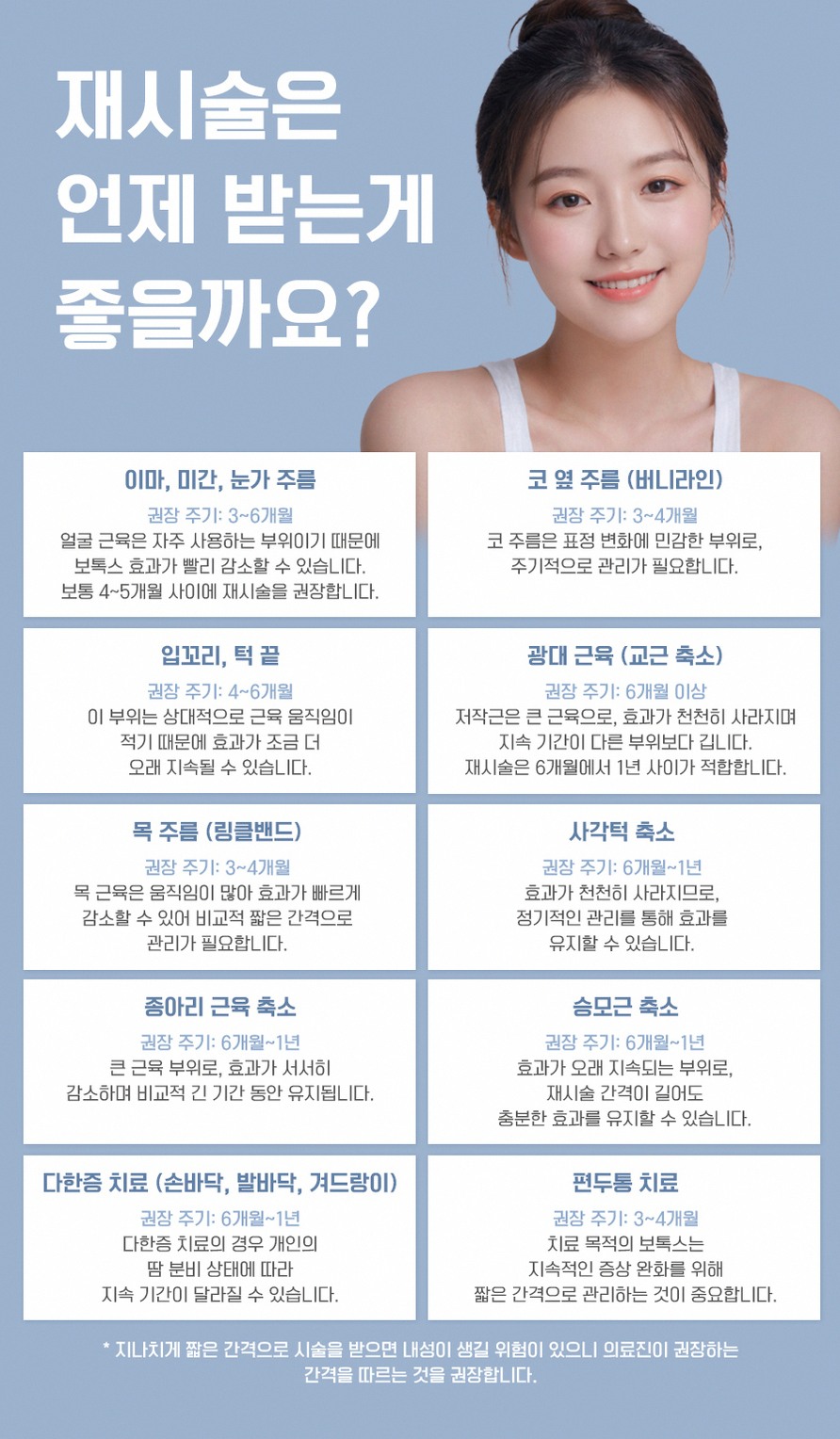
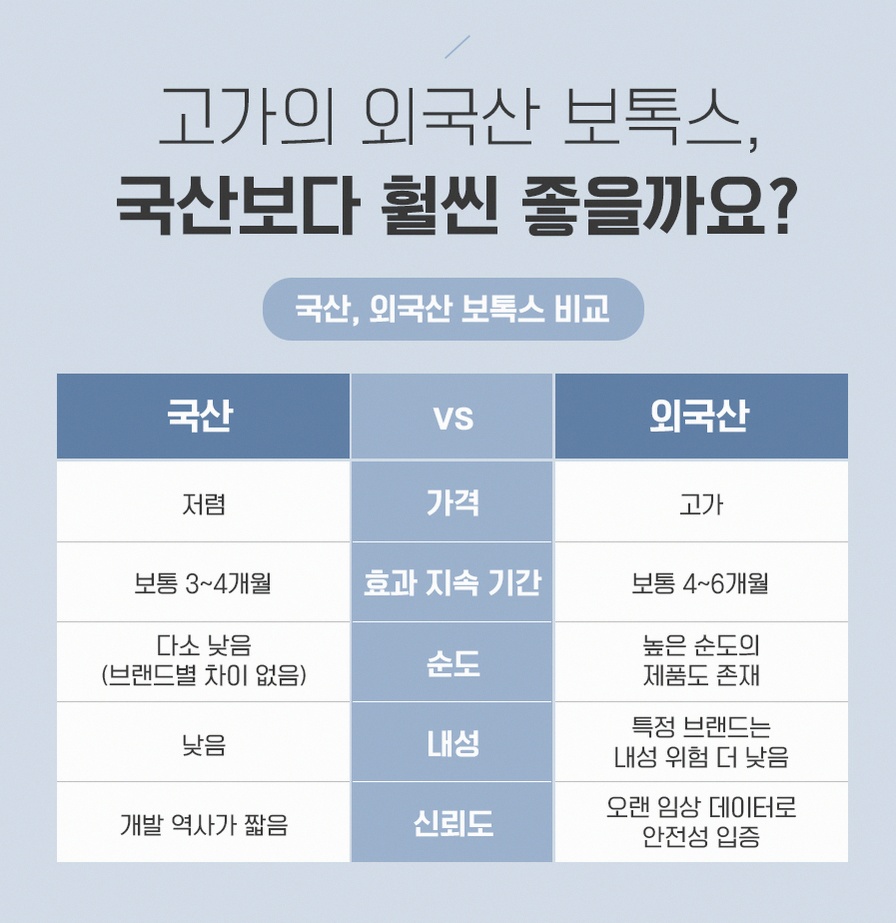
The effect is not permanent. For most people, results begin to appear within a few days, reach a peak at around 1–2 weeks, and then gradually fade over about 3–6 months, depending on the area treated, the dose used, and individual muscle strength and metabolism.
It is important to distinguish botox from fillers. Botox relaxes muscles and is mainly used for dynamic wrinkles that appear with expression, such as frowning or smiling. Fillers add volume and are used more for static lines or areas that look sunken or flat, such as the cheeks or under the eyes. In some cases, a doctor may suggest combining both, but they serve different purposes.
Because botox affects the neuromuscular system, it is considered a medical procedure. It should be performed by a physician trained in facial anatomy and injection techniques, who can judge appropriate dosing and placement and can also recognize and manage possible side effects.
Common botox areas and who may consider it
At an Eunpyeong-gu dermatology clinic, the most frequently requested botox areas are facial expression lines.
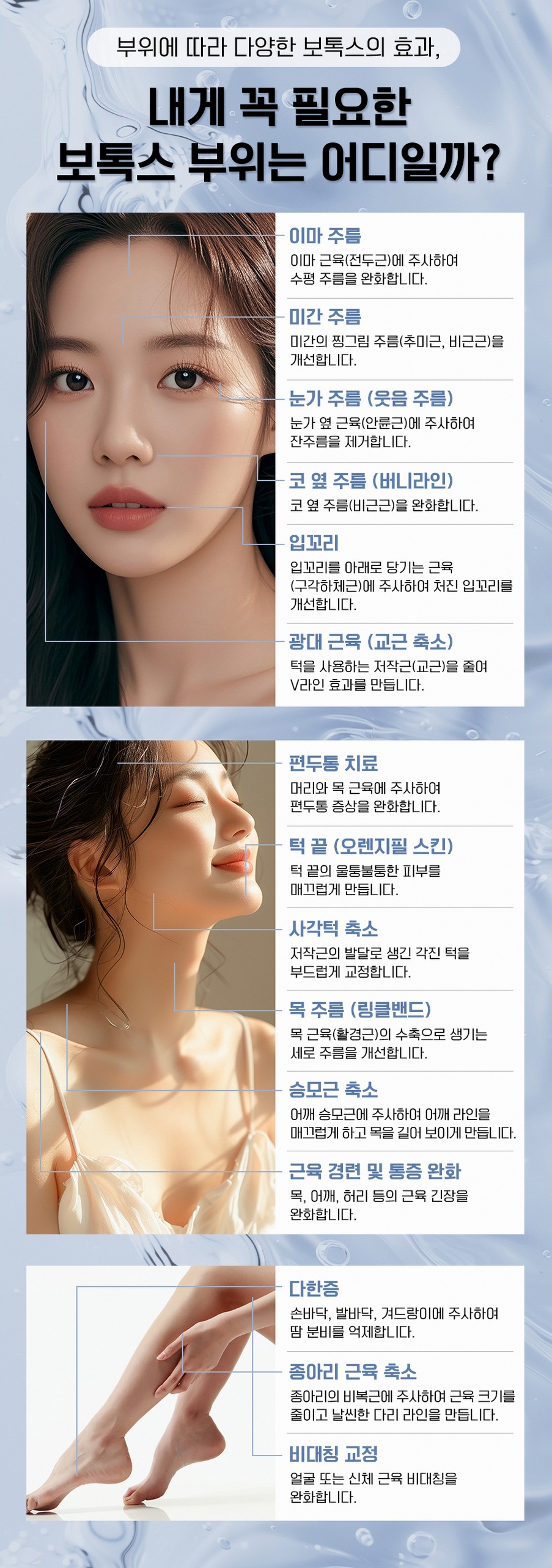
Upper face areas include horizontal forehead lines that appear when raising the eyebrows, vertical frown lines between the brows, and crow’s feet at the outer corners of the eyes. Carefully placed injections can soften these lines while aiming to maintain some natural movement.
Lower face areas may include the masseter muscles at the jaw angle, which can be treated to create a slimmer jawline appearance in suitable candidates. Other possible areas are chin dimpling, a gummy smile where too much gum shows when smiling, and fine lines around the lips. These require particularly precise dosing to avoid affecting speech or expression more than intended.
The neck can also be treated, especially vertical platysmal bands that become more visible when tensing the neck. Relaxing these bands may help the neck contour look smoother in some individuals.
There are also functional uses of botulinum toxin, such as for excessive sweating, but for visitors seeking an Eunpyeong-gu dermatology clinic, the main interest is usually cosmetic facial botox.
Adults who are bothered by dynamic wrinkles, or who feel their jaw muscles look bulky or square, may consider botox. Ideal candidates understand that results are temporary, that subtle improvement is often safer and more natural than aggressive change, and that individual responses vary. A face-to-face consultation is necessary to decide whether botox is appropriate in each case.
Choosing a botox clinic in Eunpyeong-gu: what to look for
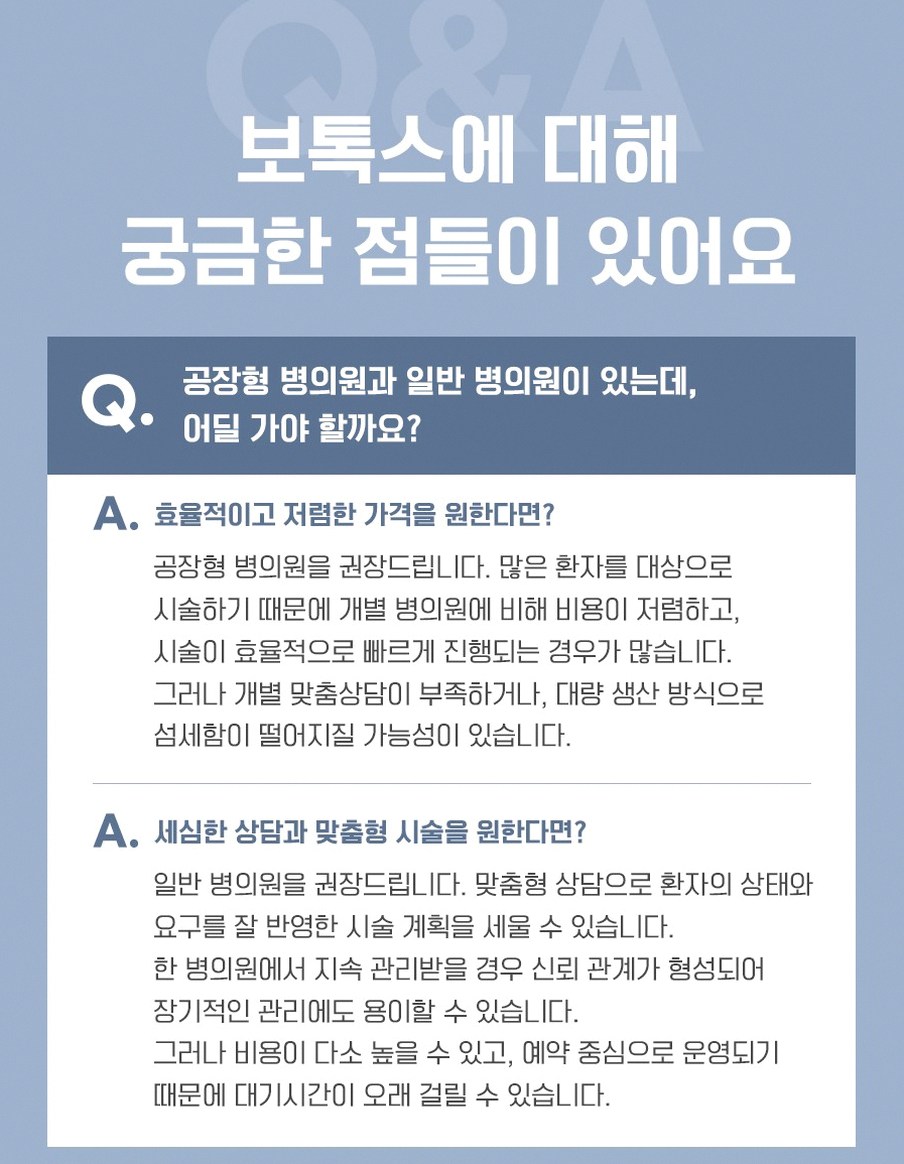
When you are abroad, choosing a clinic can feel challenging. In Eunpyeong-gu, you will find both large cosmetic centers and smaller neighborhood practices. Here are practical points to consider if you are focusing on botox.

First, look for clear medical oversight. It is helpful if a physician with experience in skin and facial structure personally evaluates your face, listens to your concerns, and performs the injections. This can be especially important if you have underlying skin issues such as acne, rosacea, or dermatitis that might influence where and how injections are done.
Second, consider the benefit of a clinic that treats both skin diseases and cosmetic concerns. A doctor who regularly manages conditions like acne, pigmentation, or scalp problems is used to examining the skin closely and may integrate these factors into your treatment plan. For example, if you have active breakouts in the forehead, the doctor might adjust timing or injection points.
Third, think about the treatment system. At Malgeunsu Clinic, Director Lee Hyo-su conducts the consultation, designs the plan, and performs the injection personally. This kind of single-physician system can make follow-up simpler because the same doctor remembers your previous doses, muscle patterns, and preferences. In some larger centers, consultation and injection may be handled by different staff members; this is not necessarily unsafe, but the experience is different from a one-doctor clinic.
Finally, convenience matters. For residents or long-stay visitors in Eunpyeong-gu, a nearby clinic with evening and weekend hours makes it easier to schedule initial treatment and any needed review visits without interrupting work or travel plans too much.
Botox procedure process at a local Eunpyeong-gu clinic
Although each clinic has its own style, the overall flow of botox treatment at a neighborhood Eunpyeong-gu dermatology clinic is generally similar. The following is an example of what you might experience.
Before the consultation, you may be asked to fill out a medical questionnaire. This usually covers your past medical history, medications and supplements, allergies, previous botox or filler treatments, and any surgeries. It is helpful to prepare this information in advance, especially if you are an overseas patient.
During the consultation, the doctor will listen to your main concerns and examine your face at rest and during expression. They may ask you to frown, raise your eyebrows, smile, or clench your jaw to assess muscle strength and asymmetry. Based on this, they decide on injection points and approximate units for each area.
The treatment plan is then discussed with you. This usually includes which areas will be treated, what kind of change you can reasonably expect, how quickly the effect will start, how long it may last, and what limitations exist. If you have an upcoming event, such as a wedding or photo shoot, you should mention the date so the doctor can time the treatment appropriately.
For the procedure itself, the skin is cleansed, and injection points may be marked. Some clinics offer topical anesthetic cream or cooling packs, especially for sensitive patients or certain areas. The injections are done with a very fine needle. Many people find the procedure tolerable, but brief stinging or pressure can occur.

The actual injection time is usually short, often just a few minutes per area. However, you should allow enough time for consultation, preparation, and post-procedure explanations, especially on your first visit.
After the injections, the clinic may observe you for a short period. You will receive instructions about what to expect over the next days and weeks and what signs should prompt you to contact the clinic.
Aftercare and what to expect after botox
Botox does not work immediately. Most patients begin to notice changes within 2–5 days, with the full effect usually visible at around 1–2 weeks. For this reason, if you are visiting Korea for a short time and want to look refreshed for an event, it is wise to schedule your treatment at least two weeks in advance when possible.
The duration of effect varies, but many people notice that the result gradually softens after about 3–6 months. Areas with stronger muscles, such as the masseter or forehead, may require more frequent maintenance if you wish to keep the effect.
Right after the procedure, it is common to see small bumps, mild redness, or slight swelling at the injection sites. These usually settle within minutes to a few hours. Occasionally, small bruises can appear and may take several days to fade.
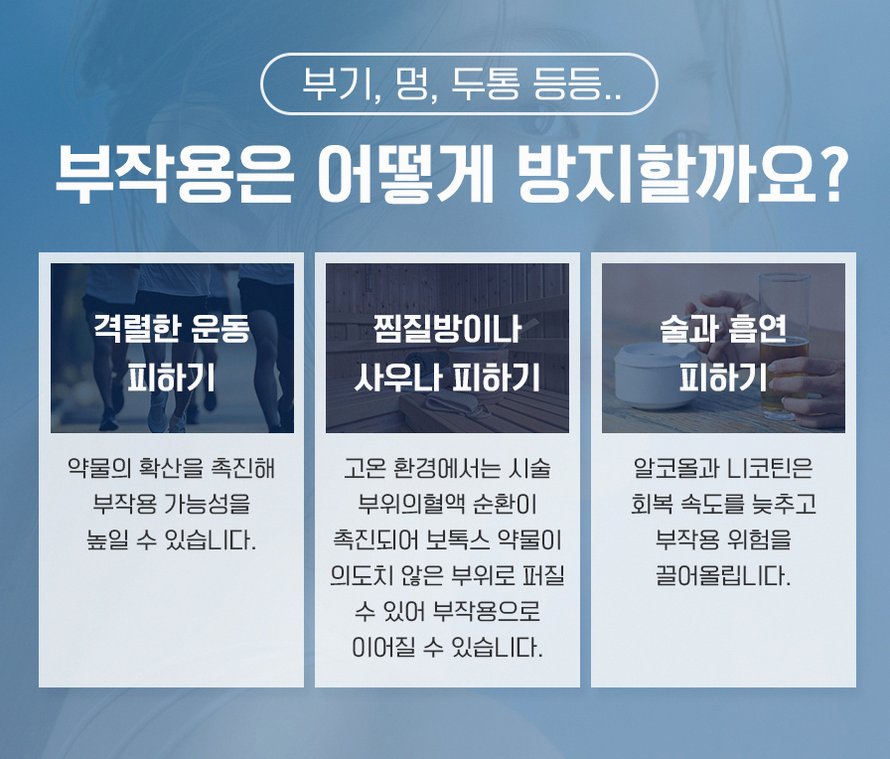
General precautions often include avoiding rubbing or massaging the treated areas for a certain period after injection and following clinic guidance regarding intense exercise, sauna, or lying flat immediately after treatment. These recommendations are meant to reduce the chance of the toxin spreading beyond the intended area, though evidence and protocols can vary by clinic.
If you notice asymmetry, if the effect feels weaker or stronger than you expected, or if you have any unusual symptoms, you should contact the clinic for evaluation. It is usually better to return to the same doctor who performed the injection, as they know exactly what was done and can adjust or advise accordingly.
Why some patients prefer a one-doctor Eunpyeong-gu clinic for botox
For international patients, continuity of care can be especially valuable. In a one-doctor clinic, the same physician sees you each time, remembers your previous doses and how you responded, and can fine-tune future treatments. Over time, this can help achieve smoother, more predictable results.
Integrated care is another reason some people choose a local Eunpyeong-gu dermatology clinic. If you have acne, scars, pigmentation, or scalp concerns, these can be discussed alongside aesthetic treatments. For example, a patient might combine botox for forehead lines with laser or topical treatment for acne, or coordinate jaw botox with management of teeth grinding discussed with another doctor.
Although this article focuses on botox, many neighborhood clinics also provide lifting devices and fillers. Malgeunsu Clinic lists devices such as InMode, Shurink Universe, , and notes that fillers may be used when appropriate; prospective patients should confirm device and filler availability when booking. These options can sometimes be combined with botox to address both muscle activity and skin laxity or volume loss, but any combination should be planned individually after a medical evaluation.
Some local clinics also manage nail, foot, and scalp conditions. This does not directly affect botox, but it reinforces the image of a comprehensive primary-care style skin and body clinic, which some patients find reassuring.
Safety, limitations, and when botox may not be suitable
Botox is a prescription treatment and is not suitable for everyone. A face-to-face consultation with a physician is essential before deciding on treatment, especially if you are traveling from abroad and have limited time.
Certain medical conditions, neuromuscular disorders, specific medications, or situations such as pregnancy and breastfeeding may require postponing or avoiding botulinum toxin injections. Because individual health situations differ, you should not rely on general information alone; instead, share your full medical history with the doctor.
It is also important to understand that no procedure is completely risk-free. While many patients undergo botox without significant problems, side effects such as bruising, temporary asymmetry, or unintended muscle weakness can occur. Discomfort can often be reduced with fine needles and cooling, but some degree of sensation is still likely.
Overcorrection, where too much toxin is used or placed in less-than-ideal locations, can lead to an unnatural or “frozen” look, drooping of the brows or eyelids, or difficulty with certain expressions. This is why conservative dosing, careful technique, and proper follow-up are important. In many cases, starting with a modest dose and adjusting over time is safer than aiming for a dramatic change in one session.
Who may consider botox at an Eunpyeong-gu dermatology clinic
International patients who may consider botox in Eunpyeong-gu include adults who:
Have noticeable dynamic wrinkles on the forehead, between the brows, or around the eyes that bother them in photos or daily life.
Feel their jawline looks bulky due to strong chewing muscles and wish for a slimmer lower face appearance.
Are looking for a relatively quick, minimally invasive option with limited downtime.
Are staying in or near Eunpyeong-gu for work, study, or travel and prefer a clinic close to where they live.
Are comfortable with the idea that results are temporary and that maintenance sessions will be needed to sustain the effect.
People who expect permanent change from a single session, who are unable to return for follow-up if needed, or who have significant medical issues that make injections risky may need to reconsider or delay treatment until they can consult more thoroughly.
Online consultation and pre-visit preparation for overseas patients
If you are planning to visit from overseas, preparing in advance can make your appointment smoother and more efficient.
Before your trip, check whether the clinic offers online consultation by email, messaging app, or phone. Even a brief exchange can help you confirm that botox is available, which areas are commonly treated, and whether the clinic’s schedule matches your travel dates.
Prepare a simple summary of your medical history in English, including:
Chronic illnesses or conditions.
Regular medications and supplements.
Past surgeries and hospitalizations.
History of allergies or adverse reactions to injections or anesthesia.
Previous aesthetic procedures, especially botox and fillers: when, where, which areas, and how you felt about the results.
If possible, you may also prepare clear, natural-light photos of your face at rest and during expression (frowning, smiling, raising eyebrows) to share during online consultation, if requested. This can help the doctor understand your concerns before you arrive.
Make a list of questions to ask, such as:
Which areas are realistic to treat in my case?
How long should I expect the effect to last?
What are the main risks for the areas I am considering?
How much time do I need to set aside for the appointment?
What aftercare instructions should I follow while traveling?
Expected Korea visit timeline for botox in Eunpyeong-gu
A typical timeline for an overseas patient visiting an Eunpyeong-gu dermatology clinic for botox might look like this:
Before arrival: Arrange an online consultation if available, confirm clinic hours and days off, and tentatively book an appointment. Malgeunsu Clinic, for example, is open on weekdays from 11:00 to 20:00 with a lunch break from 14:00 to 15:00, and on Saturdays, Sundays, and public holidays from 11:00 to 17:00 without a lunch break, and is closed on Wednesdays and Thursdays. Because schedules can change, always confirm the latest information by phone or message.
Day 1–2 in Korea: If the clinic has same-day appointment slots, you may attend an in-person consultation and, if both you and the doctor agree and availability allows, proceed with treatment on the same day. Pre-book or enquire about same-day slots during your online or phone consultation. Plan at least 1–2 hours in your schedule to allow for paperwork, consultation, and the procedure.
Days 2–7: Continue your normal activities while following basic aftercare guidance. Mild marks or bruises, if they appear, usually fade during this time. You may start noticing early effects.
Days 7–14: The full effect typically becomes clear. If you are still in Korea and have any concerns about asymmetry or unexpected results, this is a good time to revisit the clinic for evaluation.
After 3–6 months: The effect gradually wears off. If you plan to return to Korea regularly, you can coordinate future visits around your expected maintenance schedule.
Aftercare while traveling
Travelers often worry about managing aftercare when they are away from home. Fortunately, botox generally involves minimal downtime.
You can usually return to light daily activities soon after the procedure. Many patients go back to work or sightseeing the same day, though it is wise to avoid very intense exercise or activities that involve strong pressure on the treated area immediately afterward, according to your doctor’s advice.
If you are flying soon after treatment, this is typically not a major issue for botox, but you should still follow your clinic’s guidance. Keep any written aftercare instructions with you, and note the clinic’s contact details in case you have questions later.
If you experience symptoms such as unusual weakness, difficulty swallowing, or vision changes, seek medical attention promptly and inform the healthcare provider about your recent botox treatment.
Practical information for Eunpyeong-gu residents and visitors
For those staying in Eunpyeong-gu, a neighborhood clinic can be convenient for both initial treatment and follow-up. Malgeunsu Clinic is a local internal medicine and dermatology-style clinic that offers botox and other aesthetic procedures alongside general skin and health care.
The clinic’s usual hours are:
Weekdays: 11:00–20:00, with a lunch break from 14:00–15:00.
Saturdays, Sundays, and public holidays: 11:00–17:00, with no lunch break.
Closed on Wednesdays and Thursdays.
There is no official website, so many people find the clinic through local map and place services. Because opening hours and available treatments can change, it is recommended to call ahead to confirm the latest schedule and to ask whether your desired treatment, such as specific botox areas, can be done on the day you plan to visit. Detailed costs and treatment plans are usually discussed individually during consultation.
Frequently asked questions
How long does botox last and how often do I need it?
For most people, botox effects last around 3–6 months, depending on the area treated, the dose, and individual muscle activity. Areas like the forehead and crow’s feet may start to move more again after a few months, while masseter reduction can sometimes feel longer-lasting. Maintenance intervals are personalized; some patients prefer to return as soon as movement begins to return, while others wait until lines become more noticeable again. Your doctor can suggest a schedule based on your goals and response.
Can I get botox during my lunch break or after work in Eunpyeong-gu?
The actual injection process is usually quick, often taking only a few minutes per area, so many people do schedule botox during a break or after work. However, you should allow extra time for consultation and preparation, especially for your first visit. An Eunpyeong-gu clinic with evening hours, such as one open until 20:00 on weekdays, can make it easier to fit treatment into a busy schedule. It is best to avoid rushing so you have enough time to ask questions and understand aftercare.
Is botox painful?
Botox is injected with very fine needles, and many patients tolerate the procedure reasonably well. You may feel brief stinging or pressure at each injection point. Clinics often offer cooling packs or topical anesthetic cream to help reduce discomfort, particularly for sensitive areas. While it is not accurate to say the treatment is completely painless, discomfort is usually short-lived and manageable for most people.

Can botox be combined with lifting devices or fillers?
Yes, combination treatments are common, but they must be planned individually. Botox addresses muscle activity, while lifting devices such as InMode, Shurink Universe, Tencera, or Tentripe can target skin laxity, and fillers can restore volume. In some cases, a doctor may recommend doing botox first and then adding other treatments later, depending on your skin condition, schedule, and budget. At a clinic that offers multiple options, you can discuss a step-by-step plan during consultation.
What should I tell my doctor before getting botox?
You should inform your doctor about your medical history, including chronic illnesses, surgeries, and any neuromuscular conditions. List all medications and supplements you take, including blood thinners and herbal products. Share details of previous aesthetic procedures, especially botox and fillers: when they were done, which areas, and whether you liked the results. Also mention any upcoming important events and your travel schedule, so the doctor can time the treatment and follow-up appropriately.
Soft call to action for online consultation
If you are considering botox at an Eunpyeong-gu dermatology clinic during your stay in Seoul, it is helpful to start with an online or phone consultation. By sharing your concerns, medical history, and travel dates in advance, you and the clinic can decide whether botox is suitable for you and how to schedule it within your visit.
If you feel that the one-doctor system and neighborhood clinic style of Malgeunsu Clinic match what you are looking for, you may contact the clinic through local map or place services to confirm current hours and arrange a consultation. Taking this simple step before you travel can make your treatment day smoother and help you use your time in Korea more efficiently.
- 공유 링크 만들기
- X
- 이메일
- 기타 앱


댓글
댓글 쓰기