Yeokchon-dong calf botox guide for slimmer, softer leg lines
- 공유 링크 만들기
- X
- 이메일
- 기타 앱

If you are considering calf botox in Yeokchon-dong, this treatment involves targeted botulinum toxin injections into overdeveloped calf muscles to reduce muscle activity and volume over time. It is mainly suited to people whose calves appear bulky due to firm muscle rather than fat or fluid. Many patients notice changes over weeks to a few months, but timing and degree of change vary; discuss expected timelines and outcomes with your treating physician. When performed by a doctor experienced in assessing lower limbs and gait, the aim is not only a slimmer line from knee to ankle but also to preserve comfortable walking and daily activities.
Treatment overview: what is calf botox
Calf botox is a non-surgical procedure in which botulinum toxin is injected into the calf muscles, mainly the gastrocnemius, which is the large, visible muscle at the back of the lower leg. By temporarily reducing the strength of muscle contraction, the muscle is used less intensely in daily life and can gradually become slimmer and softer in contour.
This approach is mainly for muscle-dominant bulky calves. These are calves that feel hard when you stand on tiptoe or flex your feet, and where the main cause of thickness is strong, overdeveloped muscle. In such cases, reducing muscle activity can refine the curve of the lower leg and make the silhouette in skirts, shorts, or slim trousers look more balanced.
It is important to understand that calf botox does not directly remove fat and does not drain fluid. If your lower legs are thick mainly because of fat or edema, other options such as fat-dissolving injections, liposuction, or medical evaluation for circulation and swelling may be more appropriate. Sometimes, a combination approach is considered, but this should be decided after an in-person assessment.
In simple terms, after the injections the targeted part of the calf muscle contracts less strongly. Over time, this can lead to a gradual decrease in muscle volume and a smoother line from the back of the knee down toward the ankle. The change is usually subtle and progressive rather than dramatic overnight.
Typical course and timeline
Most people do not see a visible change in the first few days. Some patients notice initial effects within a couple of weeks, with calf contour changes often developing more gradually; individual responses vary, so confirm the expected onset and course with your doctor.
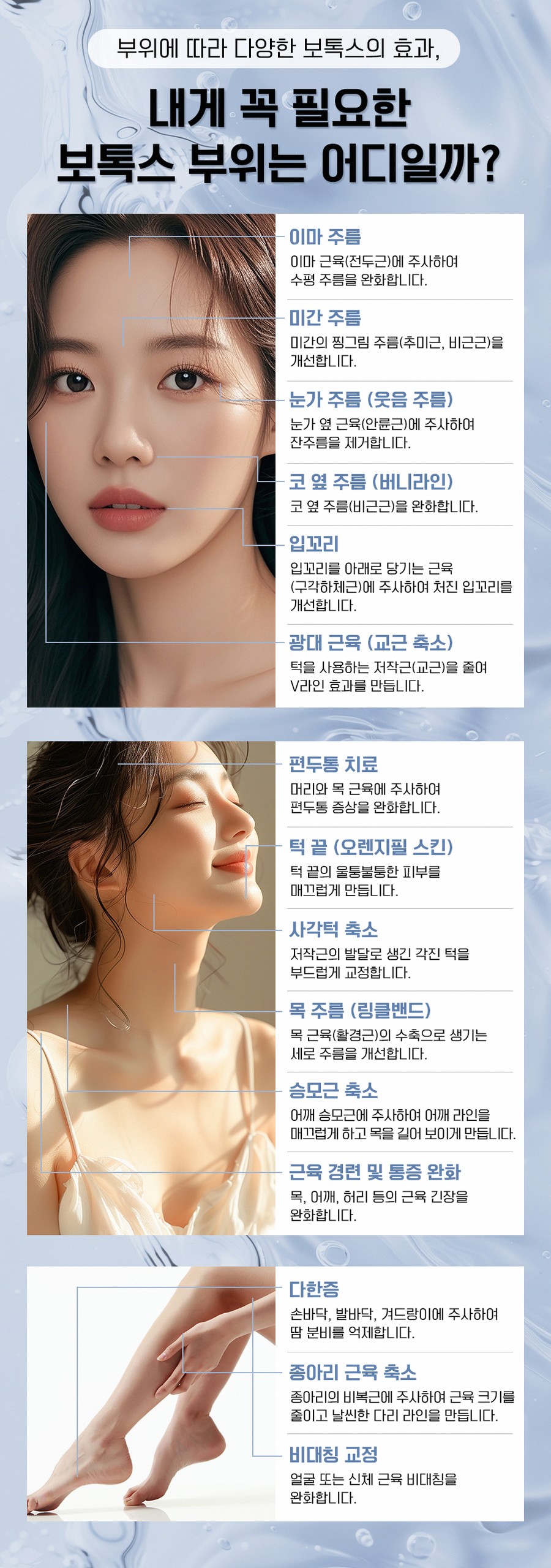
A common pattern is:
First 1 to 2 weeks: early reduction in muscle tension; some people notice their calves feel slightly softer or less tight when flexing.
Around 4 to 8 weeks: more visible slimming and a smoother curve, especially when viewed from the back or side.
Around 2 to 3 months: peak effect, when the difference in contour and circumference is most noticeable.
After this peak period, the effect gradually fades over several months as the muscle function returns. Many patients who are satisfied with the change choose to repeat the treatment at intervals recommended by the doctor to maintain a similar leg line.
Expectations should stay realistic. Calf botox usually improves circumference and shape, not an extreme size reduction. The degree of change depends on how thick the muscle was to begin with, how your body responds to the toxin, and your lifestyle, including walking habits, footwear, and exercise.
Who may consider calf botox
Good candidates for calf botox typically share some of the following characteristics.
Their calves feel firm and muscular when standing on tiptoe or flexing the ankle, and the bulk is clearly from muscle.
They feel that their lower legs look too bulky or athletic in skirts, shorts, or skinny pants, and this bothers their confidence or clothing choices.
They prefer a non-surgical option without incisions or long downtime, and are comfortable with a gradual, moderate change rather than an instant, dramatic transformation.
They can accept that maintenance sessions may be needed if they want to keep the slimmer contour over time.

During assessment, the doctor will usually check whether the bulk is mainly from muscle, fat, or edema. This may include palpation, a pinch test, and observing the calves while you stand on tiptoe. If the calf feels very soft and thick when pinched, fat or fluid may be a larger component. If it feels hard and defined when flexed, muscle is likely dominant.
Why lower limb and foot expertise matters
For calf botox, it is important not only to think about aesthetics but also about how you walk, stand, and use your legs in daily life. A doctor who regularly examines lower limbs and feet is used to checking pressure points, gait patterns, and areas that bear weight.
This can be helpful for planning injection points and doses in a way that aims to preserve comfortable walking and balance. For example, if you often wear high heels, run, or stand for long hours at work, the doctor may adjust the plan to reduce the chance of feeling unstable or weak when going up stairs or walking long distances.
In Yeokchon-dong, Eunpyeong-gu, there are clinics that combine care for skin conditions, foot issues, and aesthetic treatments. This type of setting can be suitable for people who want calf botox in a neighborhood clinic rather than a large cosmetic hospital, while still having attention to muscle and nerve safety.
How the doctor assesses your calves
Before deciding on calf botox, the doctor will usually:
Check your calf structure by touch and visual inspection to distinguish muscle from fat and edema.
Observe your calves while you stand, walk, and stand on tiptoe to identify the most active muscle areas.
Ask about your exercise habits, such as running, jumping workouts, or frequent stair climbing, as well as your usual footwear, including high heels.
Review your medical history, including any neuromuscular diseases, bleeding disorders, medications that affect clotting, and pregnancy or breastfeeding status.
This careful assessment helps determine whether calf botox is suitable for you and how to tailor the injection pattern to your body and lifestyle.
Procedure process step by step
Pre-consultation and planning
it helps the clinic understand your concerns and give a preliminary opinion.

During the first in-person visit, the doctor will discuss your main concerns, such as overall thickness, specific bulges on the inner or outer calf, or asymmetry between the two sides. Calf circumference may be measured at specific points, and standardized photos can be taken to allow comparison at follow-up.
The doctor will explain what level of change is realistic for your case, the expected timeline, and whether one session is likely to be enough for your goals or if a staged approach is more appropriate. This is also the time to discuss your work schedule, travel dates, and exercise routine.
Injection procedure
On the day of treatment, injection points are usually marked while you are standing or slightly flexing the calf so that the most active muscle areas are clearly visible. This helps target the bulk of the gastrocnemius while trying to avoid unnecessary spread to nearby structures.
The skin is cleansed carefully. Some clinics apply a topical anesthetic cream or use cooling to reduce injection discomfort. The injections themselves are done with a fine needle, and multiple small doses are placed into the targeted muscle areas in each calf.
Most people describe the sensation as brief stinging or pressure rather than severe pain. If you are particularly sensitive, you can discuss pain management options with the doctor in advance.
Aftercare and immediate recovery
After calf botox, you can usually return to daily life and light walking right away. However, there are some common recommendations:
Avoid intense leg workouts, long-distance running, or high-impact sports for a period suggested by the doctor, often at least several days to a couple of weeks.
Do not massage or press the injection area strongly immediately after the procedure, as this could affect how the product spreads in the muscle.
Watch for temporary soreness, mild bruising, or a feeling of heaviness in the calves. These are usually mild and settle on their own, but if you notice unusual symptoms such as significant weakness, difficulty walking, or severe pain, you should contact the clinic promptly.
Follow-up visits and maintenance
A follow-up visit is often recommended after several weeks to evaluate the degree of slimming, check symmetry between the two legs, and assess your gait and comfort in daily activities. Photos and measurements taken at the first visit can be compared with the current state.
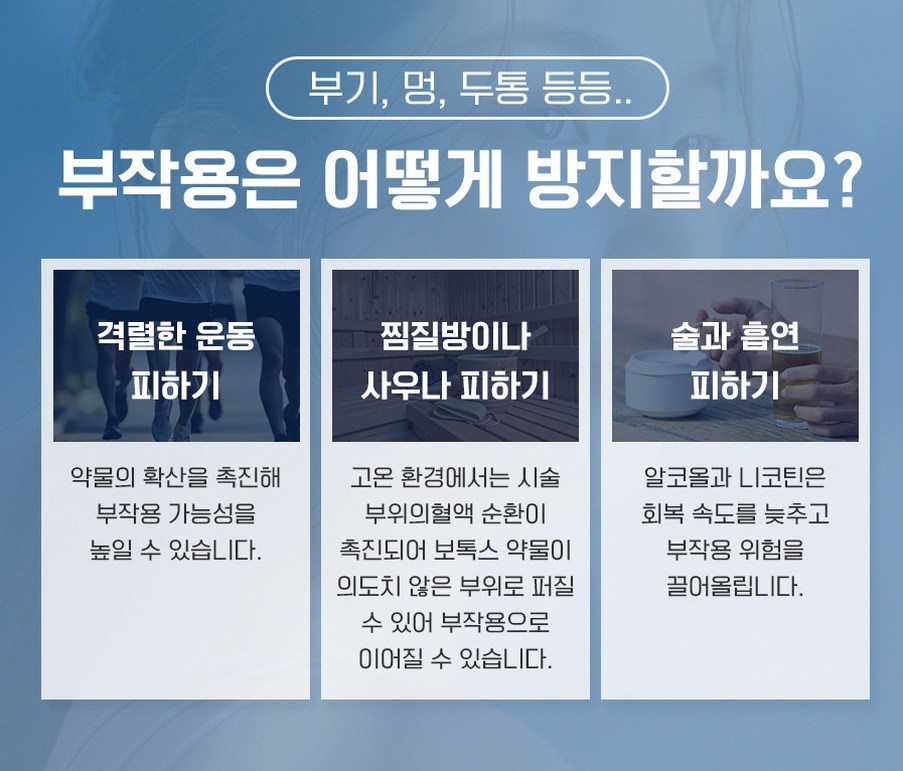
At this point, you can discuss whether you are satisfied with the contour, whether any adjustments are needed in a future session, and when it might be appropriate to repeat the treatment if you wish to maintain the effect. The interval between sessions can vary depending on how your body responds and your lifestyle demands.
Safety, side effects, and risks
Calf botox is generally considered a minimally invasive procedure, but like any medical treatment it carries potential side effects and risks.
Common, usually mild side effects include injection pain, small bruises at the needle sites, temporary tightness, or a feeling of heaviness in the calves. These usually improve over days to a couple of weeks.
If dosage or placement is not well matched to your anatomy and activity level, there can be functional issues such as feeling weaker when climbing stairs, changes in gait, or discomfort when wearing high heels. This is why careful mapping of muscle activity and conservative dosing are important, especially for people who rely heavily on their legs for work or sport.
The effect of botulinum toxin is temporary. Over time, the nerve signals to the muscle recover, and muscle function gradually returns. For most people, this means that any unwanted effect also fades, but it is still important to choose a doctor who understands anatomy, nerves, and lower limb function.
Some people may not be suitable candidates, such as those with certain neuromuscular conditions, uncontrolled bleeding disorders, or those taking specific medications. Pregnant or breastfeeding individuals are usually advised to postpone elective botox treatments. A personal consultation is necessary to judge suitability.
Local context: Yeokchon-dong and clinic style
Yeokchon-dong in Eunpyeong-gu is a residential area where many people prefer to visit a nearby clinic that can handle both everyday health or skin problems and aesthetic procedures like botox. Rather than traveling across the city to a large cosmetic hospital, some patients look for a place where they can receive ongoing care in a familiar environment.
In this context, a neighborhood internal medicine and skin-focused clinic that also runs a foot center can be a practical choice. Such clinics often treat conditions like warts, corns, burns, athlete’s foot, ingrown toenails, and calluses, which means the doctor regularly examines the lower limbs and understands pressure distribution on the feet.
This experience can support a more medical, cautious approach to calf botox, with attention to how injections might affect your walking, standing posture, and comfort in shoes. It also allows combined planning if you have both functional issues, such as painful calluses, and aesthetic concerns, such as bulky calves.
Calf botox in Yeokchon-dong is available at Malgeunsu Clinic, where Dr. Lee Hyo-su personally handles consultations and procedures.
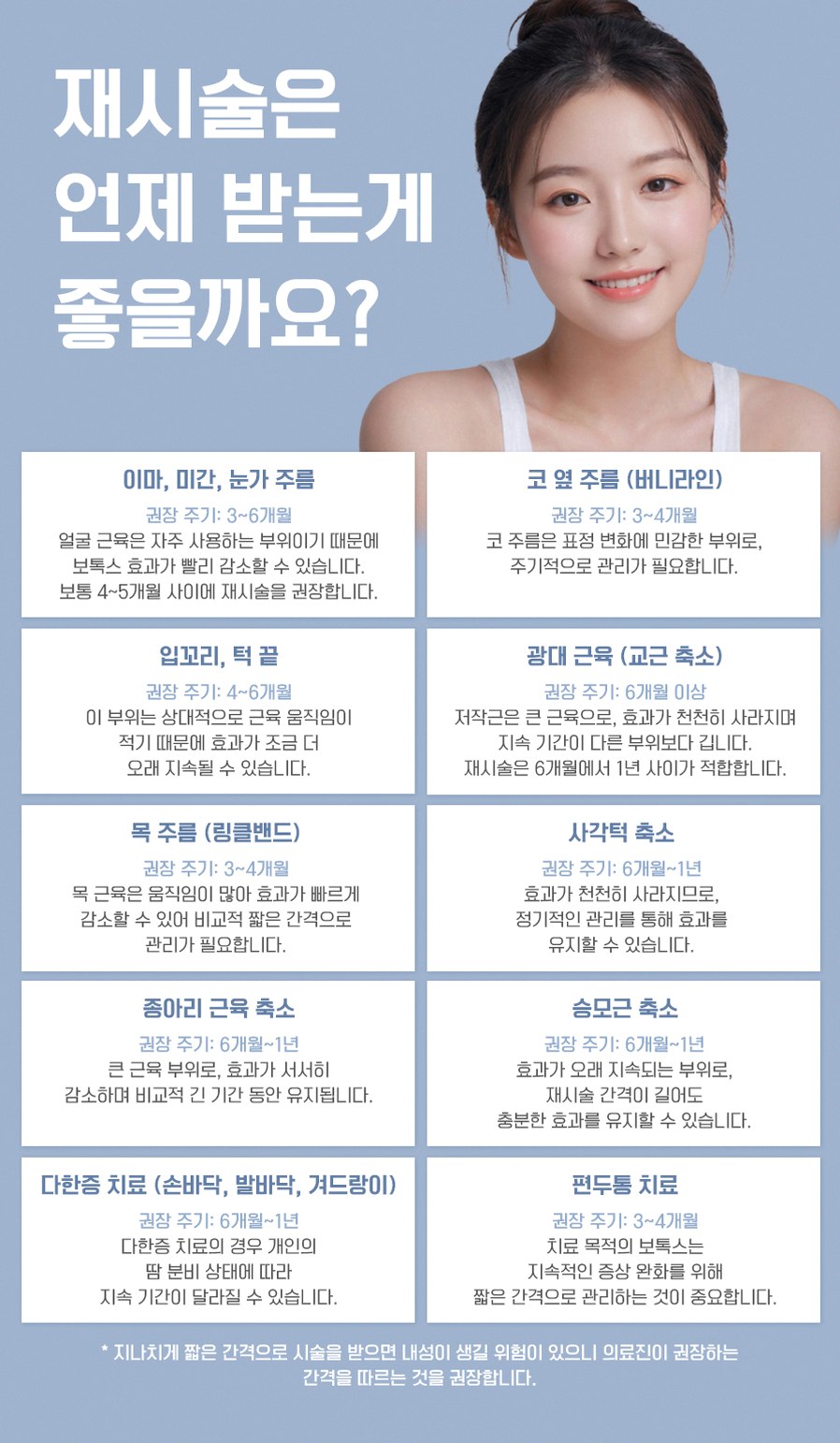
Practical considerations for overseas patients
Online consultation and pre-visit preparation
If you are planning to travel from overseas for calf botox in Yeokchon-dong, it is helpful to start with an online consultation. You can prepare the following in advance:
Clear photos of your legs from front, side, and back, taken in good light while standing naturally, plus one set while standing on tiptoe.
A brief description of your main concerns, such as “inner calf bulge,” “overall thickness,” or “asymmetry between right and left.”
Information about your exercise habits, job (for example, long hours standing, frequent walking), and typical footwear.
A summary of your medical history, including any neuromuscular issues, chronic diseases, medications, allergies, and whether you are pregnant or breastfeeding.
A list of questions you want to ask, such as expected degree of change, timeline, and precautions.
Expected Korea visit timeline
For international patients, calf botox may be possible during a relatively short visit to Korea, but appointment availability and whether consultation and treatment can occur on the same day vary by clinic. Confirm scheduling and availability with the clinic in advance. An example itinerary (subject to confirmation) might look like this:
Day 1: In-person consultation, examination, and if both you and the doctor agree, treatment on the same day. Plan some flexible time in case you need extra discussion or decide to think before proceeding.
Days 2 to 3: Light tourism and daily activities are usually fine. Avoid very intense leg exercise or long hikes. If you experience bruising, you may want to choose clothing that covers the calves for comfort.
Weeks 2 to 8: The main contour changes develop during this period. If you are still in Korea long-term, you may schedule a follow-up visit. If you return home, you can send updated photos for remote review.
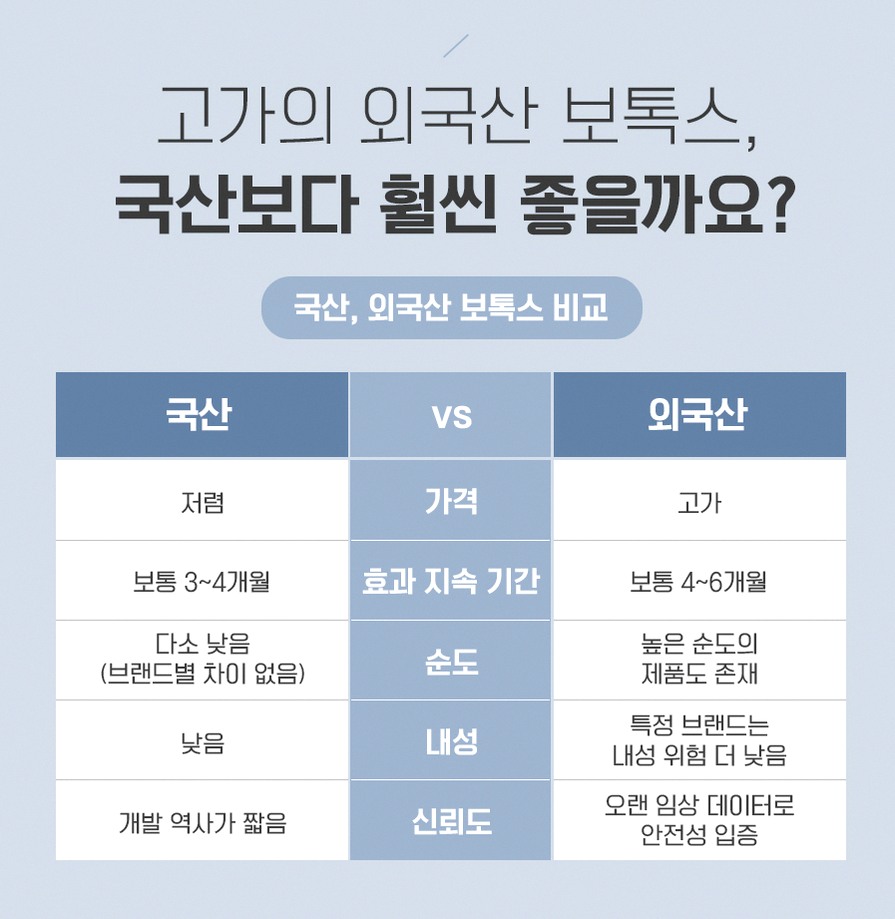
Because the full effect appears over weeks, many overseas patients focus on having the procedure done during their trip and then monitor the changes at home. If you plan to return for maintenance, you can coordinate your next visit timing with the clinic.
Aftercare and lifestyle tips to support results
To support your calf botox results, consider the following lifestyle points, especially in the months after treatment:
Avoid frequent, intense calf-building exercises such as repeated stair sprints, high-intensity jumping workouts, or heavy calf raises, particularly if your goal is to keep muscle volume down.
If the doctor recommends stretching or posture correction, try to incorporate these into your routine. Balanced use of leg muscles can help maintain a natural gait and reduce strain on other areas.
Choose footwear that feels stable and comfortable, especially in the first weeks. If you often wear very high heels, discuss this with the doctor; you may be advised to introduce them gradually after treatment.
Maintain a healthy body weight and overall activity level. While calf botox targets muscle, overall body composition and circulation also influence how your legs look and feel.
Clinic hours and practical access
For people living or staying near Yeokchon-dong and wider Eunpyeong-gu, clinic hours can be important when planning around work or travel. The typical schedule is:
Weekdays: 11:00 to 20:00, with a lunch break from 14:00 to 15:00, allowing for evening consultations after work.
Weekends and public holidays: 11:00 to 17:00 with no lunch break, which can be convenient for people who are busy on weekdays.
Closed days: Wednesdays and Thursdays. It is important to keep this in mind to avoid unnecessary visits.
There is no official website, and the main online information is usually through a local portal place page. For this reason, it is wise to call ahead to confirm current services, available dates for calf botox, and any preparation needed before your visit.
Questions to ask during consultation
To make the most of your consultation, you may want to ask questions such as:
How much change in calf circumference is realistic in my specific case?
How many sessions are usually recommended for someone with calves like mine, and at what intervals?
How might this treatment affect my walking, running, or ability to wear high heels, especially in the first few weeks?
What signs after the procedure should prompt me to contact the clinic or visit again?
What is the plan if I feel too weak in the calves or if the effect feels uneven between the two legs?
These questions help you understand not only the potential benefits but also the limitations and safety plan.
Frequently asked questions
Does calf botox make it hard to walk or climb stairs?
Calf botox is designed to reduce excessive muscle bulk while preserving basic function, but some people may feel temporary weakness or heaviness, especially when climbing stairs or walking long distances. This is more likely if a large dose is used or if your lifestyle requires strong calf power. Careful assessment of your activity level and conservative dosing can help reduce this risk. If you experience significant difficulty walking, you should contact the clinic for evaluation.
How long does calf botox last, and when will I see the difference?
You may start to sense changes in muscle tension within 1 to 2 weeks, but visible slimming of the calves usually becomes clearer after several weeks. The most noticeable effect often appears around 2 to 3 months after treatment. After that, the effect gradually fades over several months as the muscle regains its usual strength. Many people who like the result choose to repeat the procedure at intervals recommended by the doctor to maintain a similar contour.
Is calf botox suitable if my calves are thick mainly from fat, not muscle?
If your calves are thick mainly because of fat or generalized swelling, calf botox alone is unlikely to give the change you want. In such cases, the doctor may suggest other options, such as fat reduction methods or evaluation for circulation and edema. Sometimes there is a mix of fat and muscle, and a combined approach may be considered. A proper examination, including palpation and observing the calf while you stand on tiptoe, is needed to decide whether botox is appropriate.
Can I exercise after calf botox, and what should I avoid?
Light walking and everyday activities are usually fine right after the procedure. However, it is generally recommended to avoid intense leg workouts, high-impact sports, and long-distance running for a period advised by the doctor, often at least several days to a couple of weeks. Over time, you can gradually return to your usual routine, but if your goal is to keep muscle volume down, you may want to limit very heavy calf-focused training.

How often can I repeat calf botox for maintenance?
The interval between sessions depends on how long the effect lasts for you and how much change you wish to maintain. Many people consider repeat treatment several months after the first, often when they notice the calf shape returning toward baseline. Your doctor will suggest a schedule based on your response, lifestyle, and safety considerations, rather than a fixed one-size-fits-all interval.
What is the difference between getting calf botox at a large cosmetic clinic and at a neighborhood clinic in Yeokchon-dong?
Large cosmetic clinics may have high patient volume and a strong focus on aesthetic procedures, while a neighborhood clinic in Yeokchon-dong that also treats skin and foot conditions may offer a more combined medical and aesthetic approach. In a smaller setting, the same doctor often handles consultation and injection, and may pay particular attention to walking comfort, foot pressure, and existing lower limb issues. The best choice depends on your preferences, but in all cases it is important to check the doctor’s experience with calf botox and their approach to safety.
Is there a lot of pain or downtime with calf botox injections?
Most people experience only brief stinging or pressure during the injections, especially when topical anesthetic or cooling is used. Bruising and mild soreness can occur but usually improve within days. There is typically no need for long downtime, and you can return to most daily activities on the same day, with some temporary restrictions on intense exercise. Individual experiences vary, so it is helpful to discuss your pain sensitivity and schedule with the doctor beforehand.
Soft call to action
If you are considering calf botox in Yeokchon-dong and want a plan that takes both leg line and walking comfort into account, you can start with an online consultation. By sharing photos, your medical background, and your goals in advance, the clinic can advise whether this treatment is suitable for you and how it might fit into your travel or work schedule. When you are ready, you can arrange an in-person visit to discuss details and, if appropriate, proceed with treatment under the guidance of a doctor familiar with lower limb structure and function.
- 공유 링크 만들기
- X
- 이메일
- 기타 앱


댓글
댓글 쓰기