When to Choose Shurink or Filler for Visitors
- 공유 링크 만들기
- X
- 이메일
- 기타 앱
Direct answer: Shurink effect vs filler in Bulkwang-dong
When people in Bulkwang-dong talk about the “Shurink lifting effect,” they usually imagine a tighter jawline, a smaller-looking face, and improved sagging around the cheeks and neck. Shurink is a high-intensity focused ultrasound (HIFU) treatment that tightens deeper tissues, so it can help define the jawline and mildly lift drooping areas.
However, if your main problem is hollow cheeks, deep folds, or a tired, sunken look, tightening alone may not give the result you expect. In some cases, only using Shurink can even make the face look sharper or more gaunt. For these concerns, filler often becomes the key treatment, either instead of Shurink or in combination with it.
At a local clinic in Bulkwang-dong such as Malgeunsu Clinic in Eunpyeong-gu, Director Lee typically evaluates whether your face needs more tightening, more volume, or both. Based on that, you may be recommended filler, Shurink, other lifting devices, or a combination plan.
Overview of Shurink vs filler
Shurink and filler are often mentioned together, but they work in completely different ways.
Shurink lifting overview
Shurink is a HIFU-based lifting procedure. It delivers focused ultrasound energy into deeper layers of the skin and the superficial muscular aponeurotic system (SMAS), which is the layer surgeons target during a surgical facelift. This energy creates controlled heat points that stimulate collagen production and cause mild tissue contraction over time.
What this usually means in daily life is:
Tighter feeling skin in the lower face and jawline
Slight lifting of sagging cheeks and jowls
More defined V-line or contour in suitable candidates
Gradual improvement over several weeks to months
Filler overview
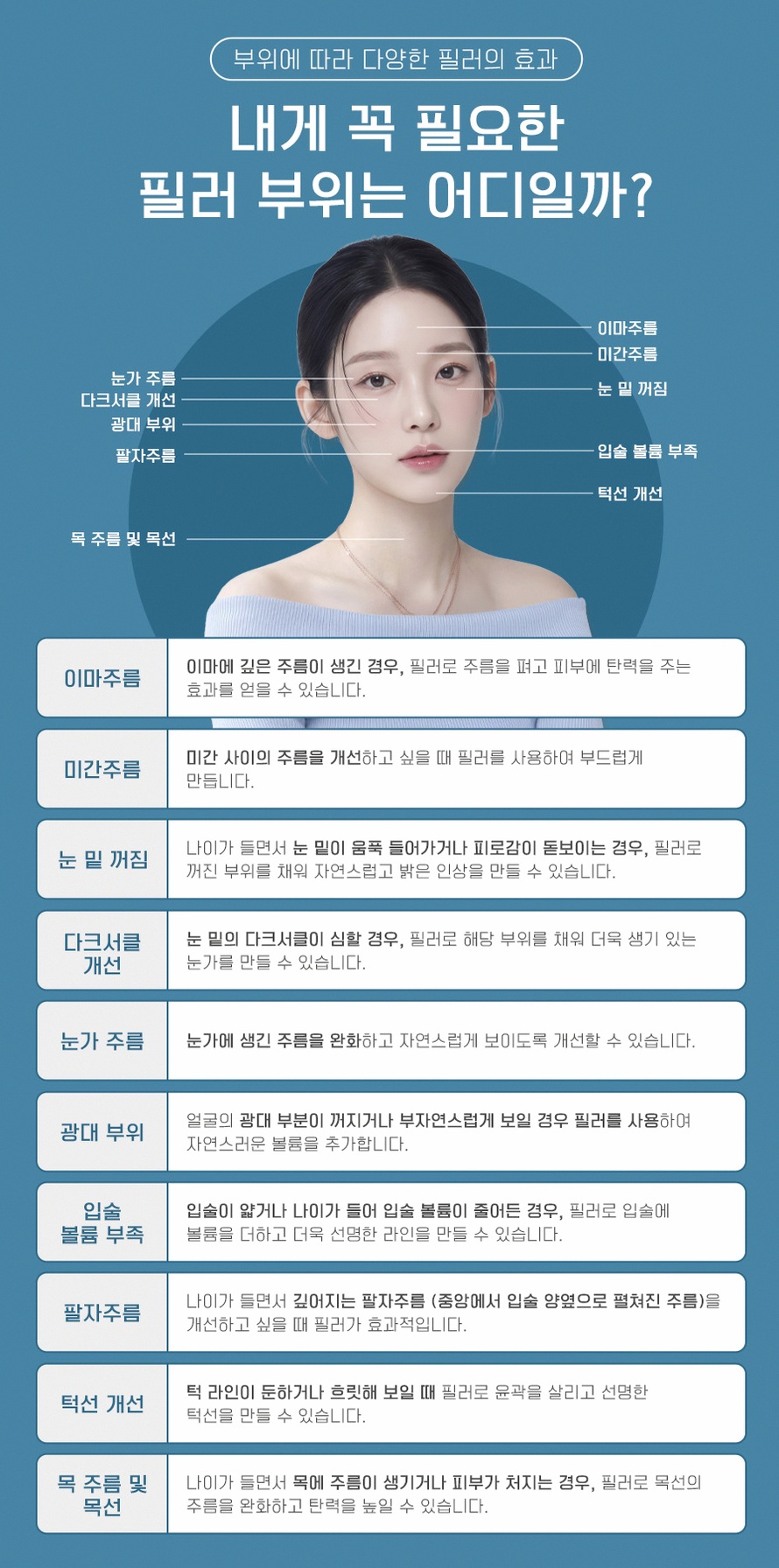
Filler is an injectable gel, most commonly based on hyaluronic acid, a substance that naturally exists in the skin. Instead of tightening, filler works by restoring or adding volume in specific areas. It can:
Fill deep lines and folds
Support sagging tissues from underneath
Improve facial symmetry and contour
Create a softer, more youthful three-dimensional shape
In many Bulkwang-dong “Shurink effect” searches, the desired change is actually a mix of two things: tighter skin and restored volume. Shurink mainly addresses tightening. Filler is the main tool for the volume part.
Why a skin-disease and aesthetic doctor matters
Director Lee at Malgeunsu Clinic manages both skin disease and aesthetic treatments in one place. This type of background can be helpful because the doctor is used to examining skin thickness, elasticity, and underlying tissue health, not only the surface appearance.
For filler and lifting decisions, this means your skin condition, history of inflammation, sensitivity, or other medical issues can be considered before choosing Shurink, filler, or a combination. For international patients, this can be reassuring when you are planning treatment from abroad.
When filler is more important than Shurink
Not every face benefits most from energy-based lifting. There are specific situations where filler usually plays the main role, and Shurink becomes optional or secondary.
Typical cases where filler is prioritized
Sunken cheeks
If the midface looks flat or hollow, simply tightening the skin with Shurink may make the hollowness more obvious. Cheek filler can rebuild volume, gently lift the area, and soften the nasolabial folds.
Deep nasolabial folds and marionette lines
These folds around the mouth are often caused by both sagging and volume loss. Shurink can slightly tighten, but filler placed strategically in the midface and around the mouth can give more visible softening of these lines.
Hollow temples and under-eye hollows
Temple hollows and tear troughs are classic volume-loss issues. Tightening devices do not fill these areas. Carefully placed filler can improve the transition between the lower eyelid and cheek and make the face look less tired.

Flat midface or weak chin
If you feel your profile lacks projection, Shurink cannot create bone or structural support. Cheek and chin filler can balance the profile and indirectly create a more “lifted” look by improving proportions.
In these situations, relying only on a lifting device may not match your expectations. A doctor who regularly treats both skin disease and aesthetics can check the quality of your skin and soft tissue before recommending filler, and can also judge whether your skin is suitable for additional energy-based treatment.
Filler indications by facial area
Many people searching for “Bulkwang-dong Shurink effect” are actually looking for a more defined, refreshed, or younger-looking face. Here is how different filler areas can contribute to that effect.
Midface and cheek filler
Goal: Restore volume, support sagging, and soften folds.
By adding volume to the upper and mid-cheek, filler can:
Lift the central face slightly by supporting tissues from below
Reduce the shadow of nasolabial folds
Create a smoother transition from lower eyelid to cheek
This can give a “lifting” impression similar to what people expect from Shurink, but through structural support rather than skin tightening.
Chin and jawline filler
Goal: Improve V-line and profile balance.
Chin filler can:
Lengthen or project a weak chin
Improve side-profile harmony
Make the jawline look more defined
Jawline filler, when appropriate, can:
Sharpen the angle between jaw and neck
Reduce the appearance of jowls by creating a straighter line

People who search for Shurink in Bulkwang-dong often want a slimmer, sharper lower face. In some of them, chin and jawline filler may be more effective than additional tightening.
Under-eye and tear trough filler
Goal: Reduce tired, sunken appearance.
Filler in the tear trough or under-eye area can:
Fill hollows that cast shadows
Make dark circles from volume loss less obvious
Create a smoother under-eye contour
This does not “lift” the skin like Shurink, but it can make the whole midface look fresher, which many people interpret as a lifting effect.
Lip and perioral filler
Goal: Improve lip volume and fine lines around the mouth.
For some patients, rejuvenation around the mouth area includes:
Subtle lip volume or shape correction
Softening of vertical lip lines
Improving the frame of the mouth
While this is not lifting in a strict sense, it can balance the lower face and complement other treatments.
Temple and forehead filler
Goal: Create a smoother, more harmonious upper face.
Temple and forehead filler can:
Reduce hollow temples that make the face look older
Smooth contour irregularities in the forehead
By restoring volume in the upper face, the overall impression is often softer and more youthful, supporting the effect of Shurink or other lifting devices in the lower face.

Combination approach: Shurink plus filler
For many adults in Bulkwang-dong and Eunpyeong-gu, the most natural-looking result comes from combining tightening and volume restoration.
How combination treatment works
Energy-based lifting such as Shurink Universe, or other devices like InMode, Tense-ra, or Ten Triple, can be used to:
Tighten deeper tissues
Stimulate collagen production
Improve mild to moderate sagging
Filler is then used to:
Rebuild lost volume in key areas
Refine contours and symmetry
Support folds and shadows
Order and timing
The order and timing depend on your skin and treatment plan. Common approaches include:
Doing Shurink first to tighten, then adding filler weeks later once the initial response is visible
Doing small amounts of filler first in very hollow areas, then adding Shurink later for tightening
The exact sequence is best decided after an in-person examination of skin thickness, elasticity, and degree of volume loss. A clinic that offers multiple lifting devices and filler options can adjust the plan instead of recommending one procedure for everyone.
Filler procedure flow for overseas patients
If you are visiting Bulkwang-dong from overseas for filler and possibly Shurink, it helps to know what to expect at a local clinic.
Step 1: Online consultation and pre-visit information
Before you travel, you can usually arrange an online consultation. You may be asked to send:

Clear front and side photos of your face in natural light
Information about your main concerns (sagging, hollows, wrinkles)
Your medical history, medications, allergies, and previous procedures
Based on this, the doctor can give a preliminary opinion about whether filler, Shurink, or a combination is likely to be considered, and how many visits you might need.
Step 2: In-person consultation and facial analysis
At your first visit, the doctor will:
Review your medical history and any documents you brought
Examine your skin quality, volume loss, and facial symmetry
Discuss what you expect from “lifting” and what is realistically achievable
You can also compare options such as Shurink Universe versus other lifting devices, and discuss where filler might be placed.
Step 3: Treatment design and marking
If you decide on filler, the doctor will:
Explain which areas will be treated and why
Mark injection points on your face while you sit or lie down
Discuss the approximate amount of filler and possible need for staged sessions
Step 4: Anesthesia
To reduce discomfort, the clinic may use:
Topical numbing cream applied before injections
Local anesthetic mixed inside the filler product
You will usually wait a short time for the numbing to take effect.
Step 5: Injection by the same doctor
At a single-physician clinic like Malgeunsu Clinic, the same doctor who consulted you typically performs the injections. This can help maintain consistency between the treatment plan and the actual procedure.
The doctor may use needles, cannulas, or both, depending on the area and safety considerations.

Step 6: Immediate shape check and adjustments
After the filler is placed, you and the doctor will usually:
Check the symmetry and contour in a mirror
Make small adjustments if needed
You may see immediate volume improvement, but mild swelling can temporarily exaggerate the effect.
Step 7: Post-procedure instructions and follow-up
Before you leave, you will receive aftercare instructions, which may include:
Avoiding strong pressure or massage on treated areas for a period of time
Avoiding high-heat environments such as saunas shortly after treatment
Limiting intense exercise for a short time if advised
Monitoring for unusual pain, color changes, or other warning signs
A follow-up visit may be recommended, especially if you are staying in Korea for more than a few days.
Expected effects and duration of filler
What to expect from filler
Immediately after filler, most patients notice:
Improved volume in the treated area
Softer appearance of deep lines or hollows
Clearer or more balanced facial contours
The “lifting” you may feel is due to structural support from below, not skin shrinkage. The final result can be judged after initial swelling settles, usually within several days to a couple of weeks.
How long filler lasts
The duration of filler varies depending on:
Type and density of the filler product
Treatment area (for example, lips often fade faster than cheeks)
Your metabolism and lifestyle
In general, many hyaluronic acid fillers last from several months to over a year. Some areas may require earlier touch-ups, while others maintain improvement longer. Your doctor can suggest an individual maintenance schedule rather than a fixed timeline for everyone.
Safety, side effects, and precautions
Common temporary reactions
After filler injections, it is common to experience:
Redness or small marks at injection sites
Mild swelling or bruising
Tenderness or a feeling of fullness
These usually improve over several days.
Rare but serious complications
Because filler is injected into or near blood vessels, there is a small risk of vascular compromise, where blood flow is reduced or blocked. Symptoms can include severe pain, pale or dusky skin color, or visual changes if certain areas are involved.
For this reason, it is important that filler is performed by a physician who understands facial anatomy, can recognize warning signs, and knows how to respond if a complication occurs.
How to reduce risk as a patient
To help keep treatment as safe as possible:
Provide accurate medical history, including medications like blood thinners
Inform the doctor about any autoimmune conditions, allergies, or past filler
Follow all pre- and post-treatment instructions
Contact the clinic promptly if you notice unusual pain, color changes, or other concerning symptoms
Decision-making: filler vs Shurink in Bulkwang-dong
A simple framework can help you understand how a Bulkwang-dong clinic might decide between filler and Shurink for your lifting goals.
When Shurink may be prioritized
Main concern is sagging or mild jowls
Volume is relatively preserved, and the face does not look hollow
Skin elasticity is still fair, but you want more tightening and definition
In this case, energy-based lifting such as Shurink Universe or other devices may be used first, with filler added only if needed.
When filler may be prioritized
Main concern is hollowing, deep folds, or a tired, sunken look
Cheeks, temples, or under-eyes appear flat or scooped
You want softer features and improved three-dimensional structure
Here, filler is usually the main treatment, and Shurink may be optional or used at a lower intensity.
When a combination is considered
Both sagging and volume loss are present
You want a natural result without over-tightening or over-filling
You are able to plan for more than one session during your stay
At a clinic like Malgeunsu Clinic, the doctor can also consider other health factors, including skin disease or scalp issues, before recommending any aesthetic procedure.
Visit planning and local convenience in Eunpyeong-gu
For international patients staying near Bulkwang-dong, it can be helpful that some local clinics offer evening hours on weekdays until around 20:00. This allows you to schedule consultations or treatments after daytime activities.
Many clinics in the area, including Malgeunsu Clinic, are open on Saturdays, Sundays, and public holidays from late morning to late afternoon, which is convenient if you have a tight travel schedule. However, they are closed on Wednesdays and Thursdays, so it is important to check opening hours in advance to avoid unnecessary trips.
In most cases, it is better to make an appointment rather than rely on walk-in availability, especially if you want both consultation and treatment during a short stay.
How to prepare for an online consultation
Before contacting a Bulkwang-dong clinic for filler or Shurink, you can prepare the following to make your consultation more efficient:
List your main concerns in order of priority (for example, jawline sagging, under-eye hollows, deep folds)
Collect clear photos from front, 45-degree, and side views without heavy makeup
Write down your medical history, including previous procedures, allergies, and medications
Think about your schedule in Korea, including arrival and departure dates
Prepare specific questions about downtime, number of sessions, and expected changes
This helps the doctor understand whether filler, Shurink, or a combination is more suitable for you and how to plan within your travel dates.
Frequently asked questions
In Bulkwang-dong, when is filler better than Shurink for a lifting effect?
Filler is usually better when your main issue is hollowing and deep folds rather than loose skin. If your cheeks, temples, or under-eyes look sunken, or if you have pronounced nasolabial folds and marionette lines, adding volume with filler often creates a more noticeable improvement than tightening alone. Shurink can still be useful in some cases, but filler becomes the main tool for restoring structure and giving a lifted, refreshed impression.
Can I get filler and Shurink on the same day, or should they be spaced out?
In some treatment plans, filler and Shurink can be done on the same day, usually with Shurink first and filler afterward. In other cases, the doctor may prefer to space them out by several days or weeks to see how your skin responds to each step. The decision depends on your skin condition, the areas being treated, and your travel schedule. During consultation, you can ask the doctor to explain the recommended timing and why.
How long does filler usually last, and how often do I need maintenance?
Most hyaluronic acid fillers last from several months to over a year, depending on the product type, area, and individual metabolism. Areas that move a lot, like the lips, may need maintenance sooner, while cheeks and temples may keep their effect longer. Instead of following a fixed schedule, it is better to review your face with the doctor and plan touch-ups when you start to notice the effect gradually decreasing.
What are the main risks of filler, and how are they managed?
Common risks include temporary redness, swelling, bruising, and mild discomfort at injection sites. More serious but rare risks involve blood vessel compromise, which can affect skin or, in certain areas, even vision. To manage these risks, filler should be performed by a physician familiar with facial anatomy and complication management. If a problem is suspected, the doctor may use specific medications, massage, or other measures. You can reduce risk by choosing a qualified doctor, sharing your full medical history, and following all aftercare instructions.

Is there a lot of downtime after filler compared with Shurink?
Both filler and Shurink are usually considered minimal-downtime procedures, but they feel different. After Shurink, you may have mild redness or tenderness, but most people resume normal activities quickly. After filler, there can be visible swelling or bruising for a few days, especially in delicate areas like under the eyes or lips. If you are planning photos or important events during your trip, it is wise to schedule filler a few days in advance to allow for recovery.
How do I prepare for a consultation about filler and lifting in Eunpyeong-gu?
Prepare by clarifying your main concerns, gathering recent photos, and listing any previous treatments or medical conditions. Think about what kind of change you want when you say “lifting” so you can explain it clearly. During consultation, ask about which areas the doctor recommends for filler, whether Shurink or other lifting devices are suggested, expected downtime, and how many visits may be needed. This helps you make an informed decision that fits your health and travel plan.
Soft call to action
If you are considering a Bulkwang-dong Shurink lifting effect but are not sure whether tightening alone will solve your concerns, an online consultation with a local clinic can help clarify your options. At Malgeunsu Clinic, Director Lee evaluates both skin disease and aesthetic needs to suggest whether filler, Shurink, or a combination is more suitable for your individual facial structure. Before you decide based only on the popularity of Shurink, consider having a detailed assessment of your volume loss, skin condition, and overall health so that your treatment plan in Korea is as safe and appropriate as possible.
Disclaimer
This article is for general information only and does not replace a personal consultation, diagnosis, or treatment plan from a qualified physician. Individual conditions, risks, and results vary. Always discuss your specific situation and medical history with a doctor before deciding on any procedure, including filler or Shurink lifting.
- 공유 링크 만들기
- X
- 이메일
- 기타 앱


댓글
댓글 쓰기