Overseas patient checklist for Malgeunsu Clinic
- 공유 링크 만들기
- X
- 이메일
- 기타 앱
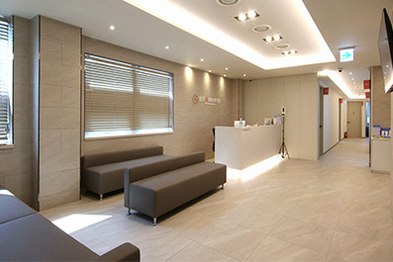
If you're looking for Gusan-dong acne scar reviews because you plan to travel to Korea for treatment, this piece highlights the practical patient-experience details that matter most: how thoroughly the doctor assesses scars, how clearly the treatment plan and expected downtime are explained, and how follow-up care is handled. In Gusan-dong and the wider Eunpyeong-gu area, neighborhood clinics like Malgeunsu Clinic function as primary-care–style skin clinics that treat both medical skin problems and cosmetic concerns; their evening and weekend availability can be especially helpful when scheduling appointments from abroad. When reading reviews, prioritize specific descriptions of the initial exam, clarity of the proposed course, pain- or downtime-management, and whether follow-up was consistent over multiple sessions.
This guide explains what acne scars are, how they are usually treated in Korea, how to read local reviews from Gusan-dong in a smart way, what a typical treatment journey at a small clinic might look like, and how to plan your visit as an overseas patient.
Understanding acne scars
Acne scars are changes in the skin’s texture and color that remain after inflammatory acne has healed. They can appear in different forms:
Depressed scars: small pits or dents in the skin surface.
Boxcar scars: wider, more defined edges that look like shallow craters.
Icepick scars: narrow, deep holes that look like they were made with a needle.
Rolling scars: gentle waves or unevenness that make the skin look bumpy.
Post-inflammatory redness or pigmentation: flat red, brown, or darker marks after a pimple disappears.
Active acne and scarring often exist at the same time. This means a good treatment plan usually addresses both current breakouts and older scars together. If inflammation is not controlled, new scars can keep forming even while you are trying to improve old ones.
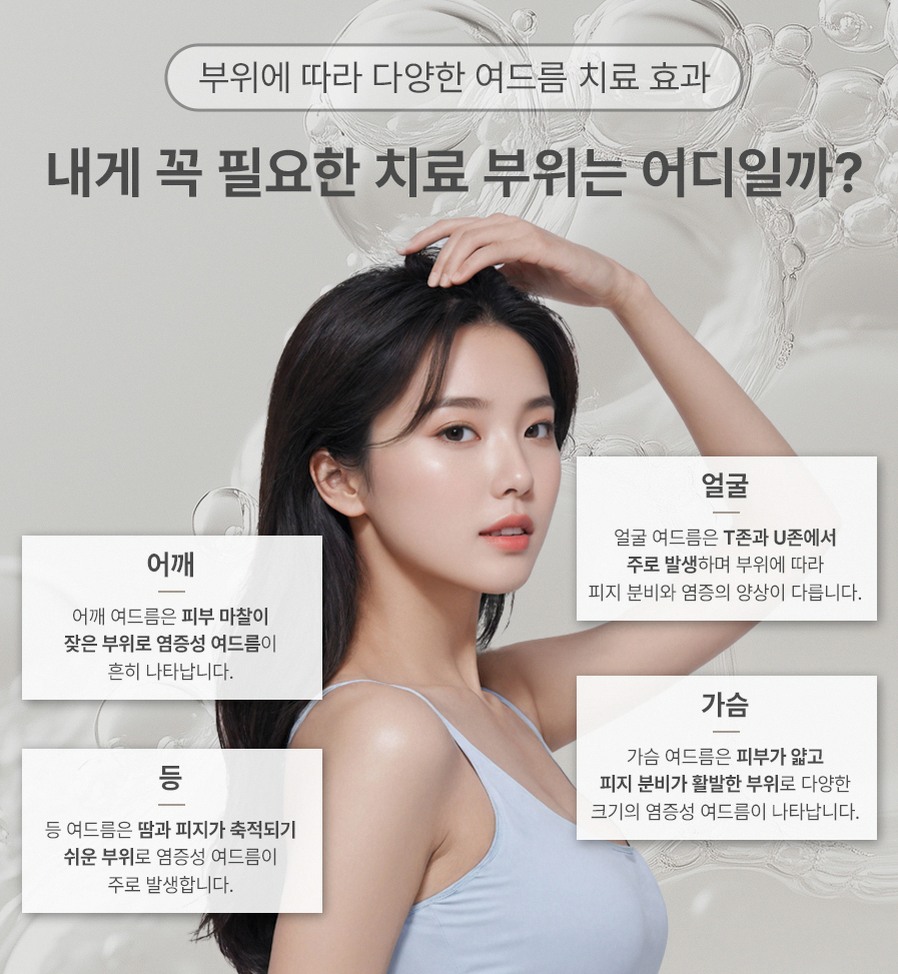
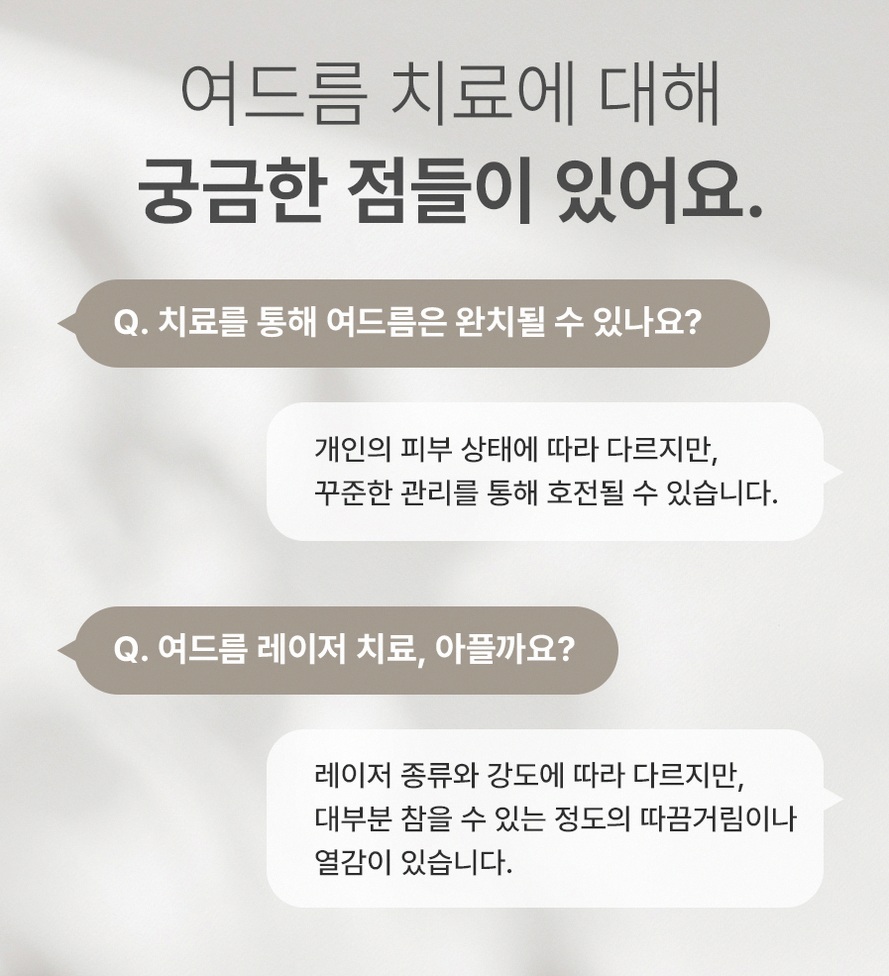
It is also important to know that acne scar treatment is usually a process, not a one-time procedure. Multiple sessions are typically needed, spread over several months. Complete removal of scars is not realistic; the goal is visible improvement in texture, smoother skin, and lighter marks so that scars are less noticeable in everyday life and under normal lighting.
Typical acne and acne scar treatment options in Korea
In areas like Gusan-dong, Eunpyeong-gu, many local clinics combine medical acne care with cosmetic procedures for scars. The exact combination depends on your scar type, skin condition, and medical evaluation, but the following methods are commonly used.
Laser treatments
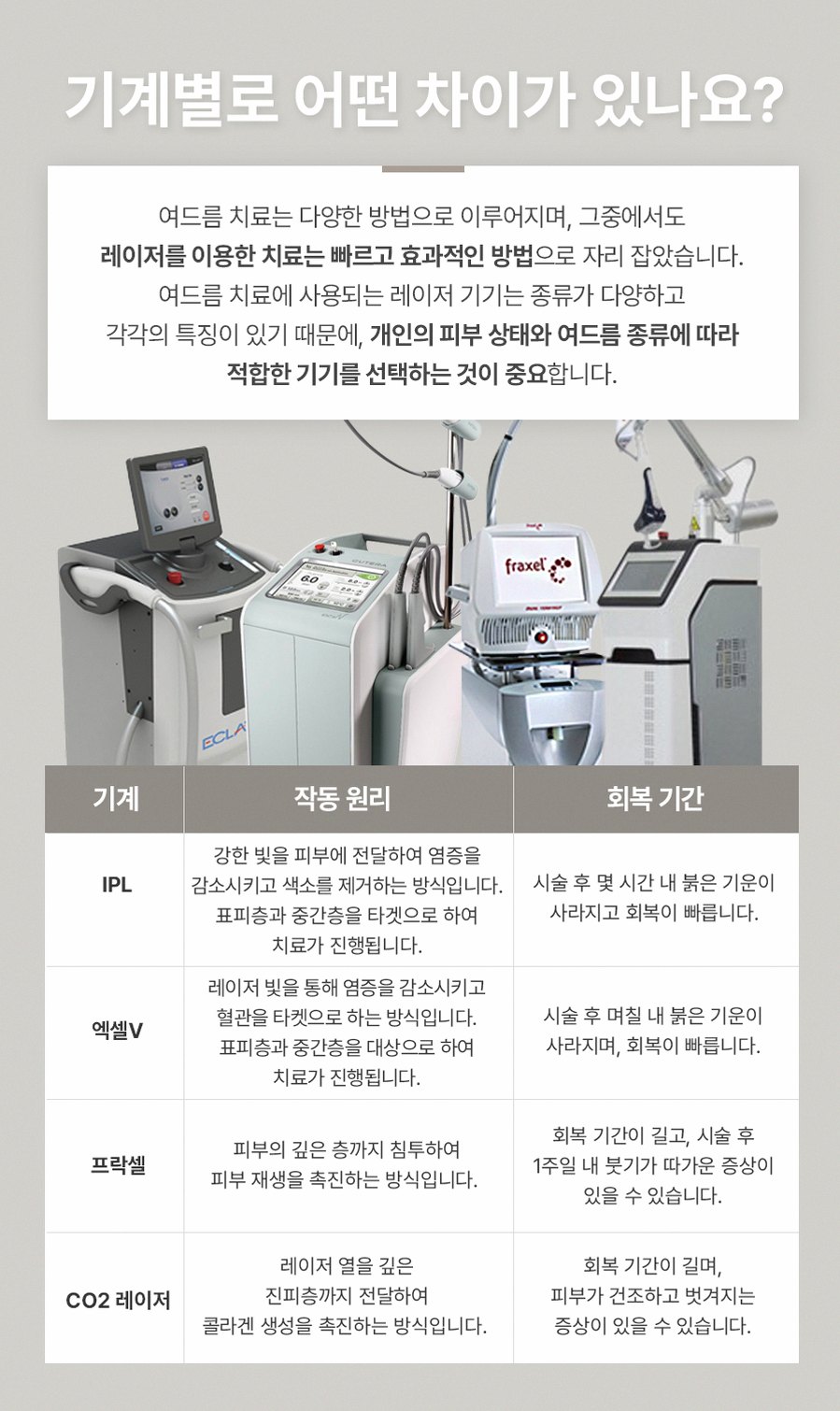
Fractional lasers: These devices create tiny, controlled micro-damage columns in the skin. The surrounding healthy skin helps with healing, and over time this stimulates collagen production. With repeated sessions, the skin’s surface can become smoother and depressed scars may appear shallower.
Toning-type lasers: These are often used for redness and pigmentation left after acne. They deliver lower energy over a wider area to gently target pigment and blood vessels. This can help even out skin tone and reduce red or brown marks, especially when combined with sun protection and topical care.
Microneedling and RF-based procedures
Microneedling uses very fine needles to create micro-channels in the skin. This controlled injury encourages collagen remodeling and can gradually soften rolling and some boxcar scars. Radiofrequency (RF) microneedling adds heat energy through the needles to reach deeper layers while trying to protect the surface.
These procedures are usually done in a series, with several weeks between sessions. Settings such as needle depth and energy are adjusted based on scar depth, skin thickness, and sensitivity.
Injection-based treatments
Some clinics use injections to support acne scar care, for example:
Platelet-rich plasma (PRP): Prepared from your own blood and injected or applied after procedures to support healing and collagen activity.
Skin booster-type injections: Very thin, superficial injections of hydrating or nourishing solutions that may help with fine texture and overall skin condition.
These are not magic cures for scars, but they can be part of a combined plan aimed at improving skin quality and supporting other procedures.
Subcision
Subcision is a minor procedure sometimes used for tethered, depressed scars. A fine needle or special instrument is inserted under the skin to break the fibrous bands that pull the scar down. This can allow the skin to lift slightly and may be combined with other treatments like laser or fillers in some cases.
Because subcision involves working under the skin, it requires careful technique and a clear explanation of bruising, swelling, and recovery time.
Topical treatments and basic care
Topical retinoids: Creams or gels that help normalize skin cell turnover, reduce clogged pores, and support collagen over time.
Gentle exfoliation: Chemical exfoliants in low concentrations can help smooth roughness and support even tone when used correctly.
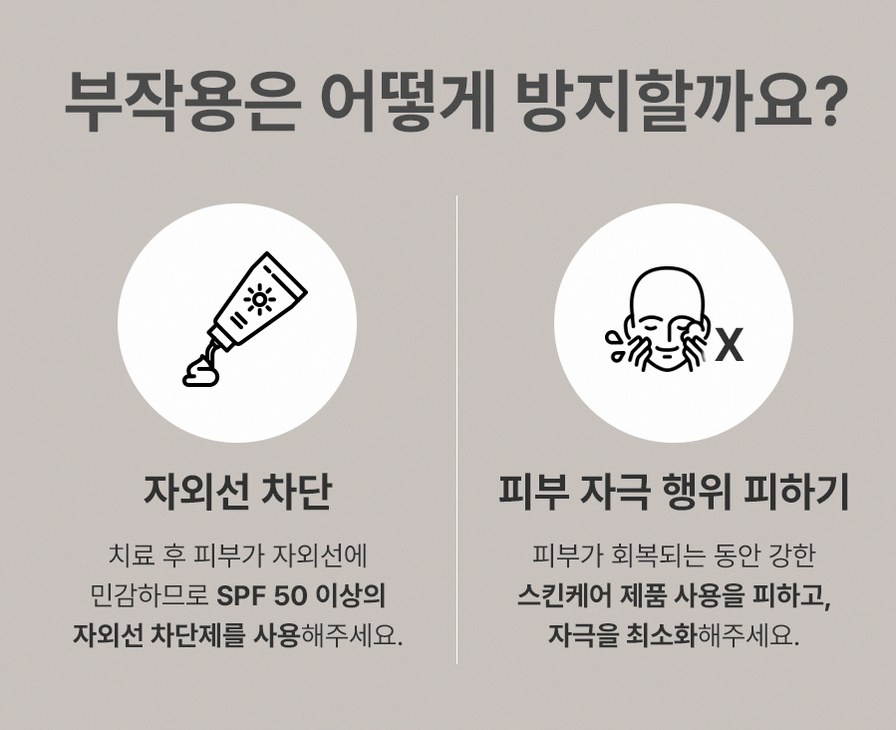
Sun protection: Daily sunscreen is essential. After laser or needling, the skin is more sensitive, and unprotected sun exposure can worsen pigmentation or slow improvement.
These basic steps support in-clinic procedures and help maintain results between sessions.
How to read real Gusan-dong acne scar reviews
When you search for Gusan-dong acne scar reviews, you may see many short comments and star ratings. For acne and scars, the most helpful reviews usually have more detail. Here is how to read between the lines.
Doctor involvement
Look for reviews that mention whether the same doctor:
Performed the initial consultation.
Designed the overall plan for acne and scars.
Directly performed or closely supervised the procedures.
In a one-doctor setting, you may see comments about the doctor remembering the patient’s skin history or adjusting settings based on previous sessions. This can matter for overseas patients who need consistent follow-up during a limited stay.
Explanation quality
Useful reviews often describe:
Whether the doctor identified specific scar types.
How clearly the expected number of sessions was explained.
If the range of improvement was described in realistic terms rather than promises.
Whether downtime, redness, swelling, and possible side effects were discussed in advance.
Reviews that say “the explanation was detailed” and then give examples (for instance, how long to avoid sun, what skincare to pause, when to resume makeup) are more informative than simple comments like “kind” or “fast.”
Pain and downtime
Acne scar procedures can involve some discomfort. When reading reviews, pay attention to:
How patients describe the pain level during laser or needling.
Whether numbing cream was used and how long it was applied.
How long redness or swelling lasted before they felt comfortable going out or wearing makeup again.
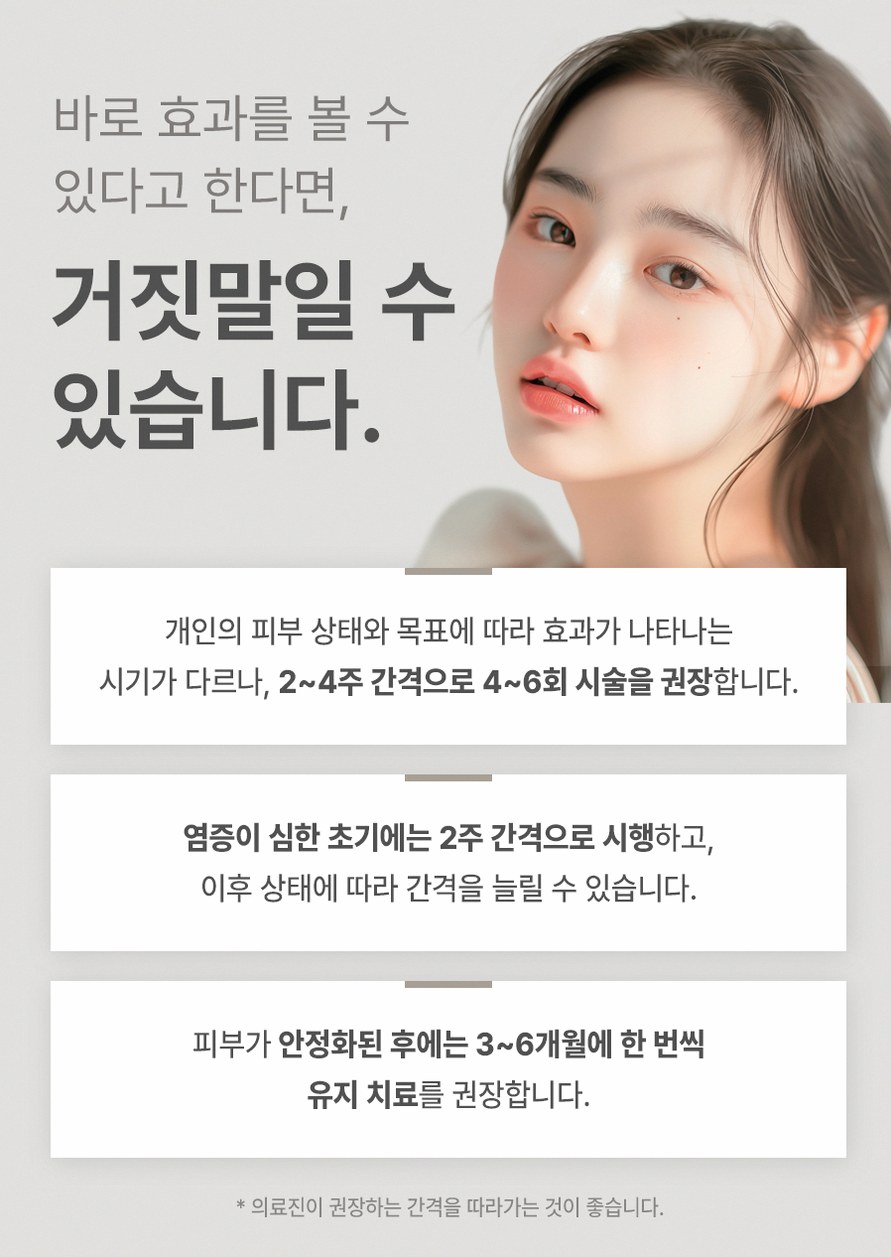
Balanced reviews often mention both the difficult parts (for example, a few days of redness) and the positive aspects (such as staff guidance or cooling care after treatment).
Progress over time
Because scars change slowly, reviews written after several sessions are especially valuable. Look for comments that mention:
Changes noticed after 2–3 visits, not just the first day.
Whether active acne became more controlled over time.
Improvements in both texture and pigmentation.
These details give you a more realistic picture of what you might experience over months, rather than expecting a dramatic change after one procedure.
Handling of side effects
Even with careful treatment, some people may experience irritation, temporary breakouts, or pigmentation changes. Good reviews to pay attention to are those that describe how the clinic responded:
Did the clinic offer an extra check-up or adjust the plan?
Were milder settings or different devices suggested for sensitive skin?
Did they provide specific aftercare instructions or prescriptions?
Atmosphere and scheduling
For overseas patients, timing is important. Reviews that mention:
Ease of booking appointments.
Waiting times at different hours.
Availability of evening or weekend slots.
are especially useful when you are trying to fit several sessions into a short stay or coordinate treatment with work or study.
Malgeunsu Clinic as an example of a local option
Malgeunsu Clinic is located in Eunpyeong-gu, making it accessible for residents and visitors around Gusan-dong. It is an example of a neighborhood, primary-care style skin clinic where one physician manages both medical skin problems and aesthetic procedures.
The clinic operates with a one-doctor system, meaning all care is provided by Director Lee Hyo-su from consultation through treatment. For some patients, especially those coming from abroad, having the same physician follow their case at each visit can feel more consistent and easier to communicate.
In terms of scope, the clinic handles common skin diseases such as warts, corns, cysts, burns, and scalp conditions, as well as cosmetic concerns like acne management, scar procedures, lifting devices, injectables, and pigmentation treatments. This combination can be helpful when acne is linked with other skin sensitivities or conditions.
The clinic uses multiple device-based options, for example InMode, Shurink Universe, Tencera, and Ten Triple, along with various laser and energy-based treatments. Depending on individual assessment, these can be combined with acne and scar care in a staged plan.
For scheduling, the clinic offers evening hours on weekdays until 20:00 and also sees patients on Saturdays, Sundays, and public holidays, which can be convenient for students and workers. It is closed on Wednesdays and Thursdays, and there is a weekday lunch break from 14:00 to 15:00. Because opening hours can change, it is important to confirm the current schedule before visiting.
There is no official homepage; information is mainly available through a local listing platform and by phone. Overseas patients may wish to ask a Korean-speaking contact or coordinator to help confirm details in advance.
Example patient journey at a small local clinic
Below is a generic example of what an overseas patient staying near Gusan-dong might experience when seeking acne and acne scar care at a small clinic. This is not a specific testimonial, but a realistic scenario.
Step 1: Initial visit
The patient arrives with both active breakouts and older scars on the cheeks. During the first consultation, the doctor examines the skin closely, identifies scar types (for example, rolling and boxcar scars with some redness), and checks for other conditions such as sensitivity, eczema, or a tendency to pigment easily.
Photos may be taken to document the starting point. The doctor asks about previous treatments, medications, allergies, and how long the patient will stay in Korea.
Step 2: Discussion of priorities
Together, they discuss what matters most: controlling current acne, improving old scars, reducing redness, or all of these in stages. The patient explains their budget, pain tolerance, and how many days of visible downtime are acceptable.
The doctor explains that because the patient has active inflammation, the first focus should be calming breakouts and stabilizing the skin. Scar procedures can then be introduced gradually.
Step 3: Staged plan
A staged plan is proposed, for example:
Phase 1 (first 4–6 weeks): medical acne treatment with topical or oral medication, gentle laser for redness or oil control, and basic skincare guidance.
Phase 2 (following 2–3 months): once breakouts are reduced, introduce fractional laser or microneedling sessions every few weeks, possibly combined with light toning for pigmentation.
Phase 3 (longer term): evaluate whether additional sessions, subcision for specific scars, or supportive injections would be helpful.
The doctor outlines approximate session numbers, spacing, and what kind of improvement might be realistic, emphasizing that complete erasure of scars is unlikely.
Step 4: Ongoing sessions
The patient returns every few weeks. Before each session, the doctor checks the skin, compares with previous photos or notes, and adjusts settings. Numbing cream is applied when needed, and staff explain post-procedure care, such as cooling packs, gentle cleansing, and strict sun protection.
Step 5: Adjustments
If the patient’s skin becomes more sensitive or if pigmentation appears, the plan is adjusted. The doctor might:
Lower energy levels or increase the interval between sessions.
Focus more on toning lasers for color and less on aggressive texture treatments.
Change topical medications to reduce irritation.
If the patient is leaving Korea soon, the doctor may provide a simplified maintenance plan and advice for future treatments in their home country.
Step 6: Maintenance
After a series of sessions, the patient continues with topical care such as retinoids (if appropriate), moisturizers, and daily sunscreen. Occasional touch-up procedures may be suggested if the patient returns to Korea later.
Who may consider Gusan-dong acne scar treatment
People who might benefit from seeking acne scar care in Gusan-dong or nearby Eunpyeong-gu include:
Patients with both active acne and visible scars who want comprehensive management.
Those who prefer a neighborhood clinic setting with a one-doctor system.
Students, office workers, or overseas visitors who need evening or weekend appointments.
However, not everyone is suitable for every procedure. Individuals with darker skin tones, very sensitive skin, or certain medical conditions may need more cautious settings or different methods. Some medications and health issues can affect healing and risk of pigmentation, so a full medical history is important.
It is also important to set realistic expectations. Acne scar treatment aims to soften scars, smooth texture, and lighten marks, not to create perfectly poreless skin. Improvement is often gradual and may look more obvious in real life than in photos.
Online consultation and pre-visit preparation
Before traveling to Korea, it is helpful to prepare in advance.
Information to gather
Prepare clear photos of your skin in natural light from different angles.
Make a list of previous treatments, including any lasers, peels, or medications.
Note any history of keloids, strong pigmentation after wounds, or allergies.
Questions to ask during online or phone inquiry
How many sessions are usually recommended for your type of scars.
What kind of downtime is typical after each procedure.
Whether they can coordinate appointments within your travel dates.
What to avoid before treatment (for example certain skincare products or sun exposure).
If you are considering Malgeunsu Clinic, you may need to contact them via local listing information or phone, as there is no official website. A Korean-speaking friend, family member, or medical travel coordinator can help you communicate your questions and receive more precise answers.
Expected Korea visit timeline for acne scar care
For overseas patients, the ideal schedule depends on how long you can stay.
Short stay (1–2 weeks)
Focus on consultation, skin assessment, and possibly one or two gentle procedures with minimal downtime, such as mild toning or basic care for active acne. Aggressive scar work is usually not recommended in a very short trip, because there is limited time to monitor and adjust.
Medium stay (3–6 weeks)
This allows time for an initial consultation, stabilization of active acne, and one or two sessions of fractional laser or microneedling with enough gap between them. You can also receive detailed guidance for home care after you leave.
Longer stay (2–3 months or more)
This is more suitable for a structured program with multiple scar sessions. You can:
Begin with acne control.
Progress to scar-focused procedures.
Have adjustments based on your skin’s response.
Regardless of stay length, plan some buffer days after each procedure for redness and sensitivity, especially if you will be sightseeing or taking photos.
Aftercare and long-term management
After acne scar procedures, aftercare is as important as the treatment itself.
Typical aftercare instructions
Avoid harsh scrubs and active ingredients (like strong acids or retinoids) for a few days, unless your doctor advises otherwise.
Use gentle, fragrance-free cleansers and moisturizers.
Apply sunscreen daily, even on cloudy days, and reapply if you are outdoors.
Avoid saunas, hot baths, and intense exercise for a short period if the skin is very red or sensitive.
Possible temporary reactions
Redness, swelling, and a feeling of tightness are common after laser or needling.
Mild flaking or roughness can appear as the skin renews.
Some people may experience temporary darkening of marks before they gradually fade.
A responsible clinic will explain these possibilities in advance and provide written or verbal instructions. They should also tell you what signs require a prompt check-up, such as unusual pain, spreading rash, or strong pigmentation.
For long-term management, maintaining stable acne control, avoiding picking or squeezing spots, and protecting your skin from the sun are key to preventing new scars.
Frequently asked questions about Gusan-dong acne scar treatment
How many acne scar sessions do I usually need?
The number of sessions depends on your scar type, depth, skin tone, and how your skin responds. Many patients need several sessions, often spaced 3–6 weeks apart. Some people see noticeable improvement after a few visits, while others may benefit from a longer program. Your doctor should explain a realistic range rather than a fixed promise.
Can I combine acne treatment and scar treatment at the same time?
In many cases, yes, but the balance is important. If you have very active, inflamed acne, the priority is usually to calm breakouts first. Gentle procedures for redness or oil control may be combined early on, with more intensive scar treatments added once inflammation is under control. Your plan should be tailored to your skin condition and schedule.
Is acne scar treatment safe for darker skin tones?
Acne scar treatment can be done on darker skin tones, but it requires more cautious settings and careful device selection to reduce the risk of pigmentation changes. This may mean using gentler energy levels, longer intervals between sessions, and strict sun protection. It is essential to discuss your skin type, any history of dark marks after injuries, and your concerns with the doctor in advance.
What should I ask a Gusan-dong clinic before booking acne scar treatment?
Useful questions include: who will perform the consultation and procedures, how many sessions are typically recommended, what kind of downtime to expect, how they handle side effects, and what happens if you cannot attend every appointment. You can also ask to see anonymized before–after photos of similar cases, and whether they can coordinate a plan that fits your travel dates and budget.
Soft call to action
If you are living abroad and searching for Gusan-dong acne scar reviews to plan treatment in Korea, take time to read detailed local feedback, prepare clear questions, and think about how many visits you can realistically complete. Clinics in Eunpyeong-gu, including Malgeunsu Clinic, follow a neighborhood model where the same physician may manage both skin disease and cosmetic care, which can be reassuring if you value continuity.
Before you decide, consider arranging an online or phone consultation through a local listing or with the help of a Korean-speaking contact. Share photos, explain your goals and schedule, and ask for a staged plan with realistic expectations. Choosing a clinic where you feel comfortable with the explanations and follow-up system will help you make the most of your time in Korea and approach acne scar treatment in a safe, informed way.
- 공유 링크 만들기
- X
- 이메일
- 기타 앱


댓글
댓글 쓰기