One-Doctor Acne Clinic Near Nokbeon Station
- 공유 링크 만들기
- X
- 이메일
- 기타 앱
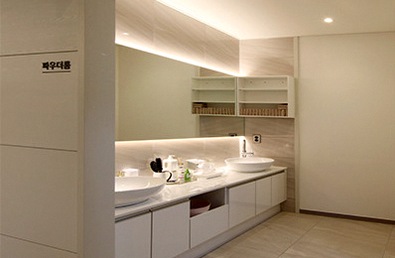
Direct answer for patients searching near Nokbeon Station
At such a clinic, acne is first evaluated as a skin disease, then cosmetic options are added step by step when needed, with convenient evening and weekend hours for office workers and students.
What makes a good acne clinic around Nokbeon Station
For international patients staying near Nokbeon Station, choosing an acne clinic is not only about devices or price. A good clinic should start by treating acne as a medical condition. This means checking the type and severity of your acne, your risk of scarring, and any other skin problems that may be present.
A strong point of a one-doctor clinic is continuity. The same doctor sees you at the first consultation, designs your plan, performs the procedures, and checks your progress. This can be very different from large chain aesthetic centers where a different person may consult you, treat you, and follow you up.
Because acne often leaves red marks, brown pigmentation, and scars, it helps to have both medical and cosmetic tools in one place. When your inflammation is active, the priority is calming it with medication and targeted care. Once breakouts are more stable, the plan can shift toward lasers, skin boosters, and scar procedures. Having everything under one roof makes it easier to adjust the plan without sending you to another clinic.
How acne is evaluated and planned at a one-doctor skin clinic
At a local clinic near Nokbeon Station, your first visit usually starts with a detailed consultation and skin examination. The doctor will look at whether your acne is mainly clogged pores (comedonal), red and inflamed papules and pustules (inflammatory), or deeper nodules and cysts. The doctor will also check for early scarring, enlarged pores, and post-acne pigmentation.
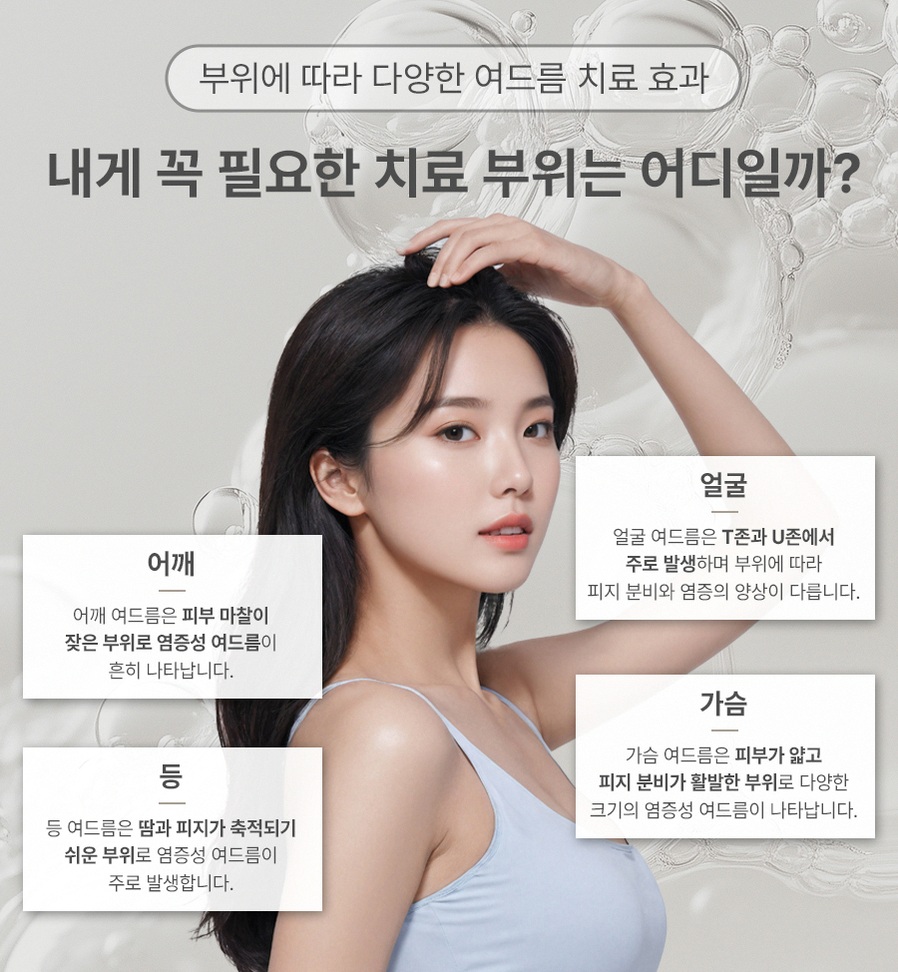
Director Lee Hyo-su at Malgeunsu Clinic personally conducts the consultation and decides how to balance medical treatment and procedures. For example, if you have painful inflamed lesions, the initial focus may be on topical or oral medications and anti-inflammatory injections for severe spots. If your breakouts are mild but you have many dark marks, the plan may include earlier use of toning lasers.
Lifestyle and triggers are also important. During consultation, the doctor may ask about stress, sleep, diet patterns, mask use, heavy makeup or sunscreen, hormonal changes, and previous treatments you have tried. This information helps to avoid repeating what did not work and to build a realistic plan that fits your daily life.
For overseas patients, the doctor will also consider how long you are staying in Korea. If your visit is short, the plan may focus on safe, high-yield treatments that can be done in a few sessions, combined with a home-care routine you can continue after you return home.
Medical options for acne as a skin disease
In a medically oriented clinic, acne care usually begins with disease management. Depending on your skin and health status, the doctor may suggest:
Topical medications such as retinoid creams, antibacterial gels, or combination products to unclog pores and reduce inflammation.
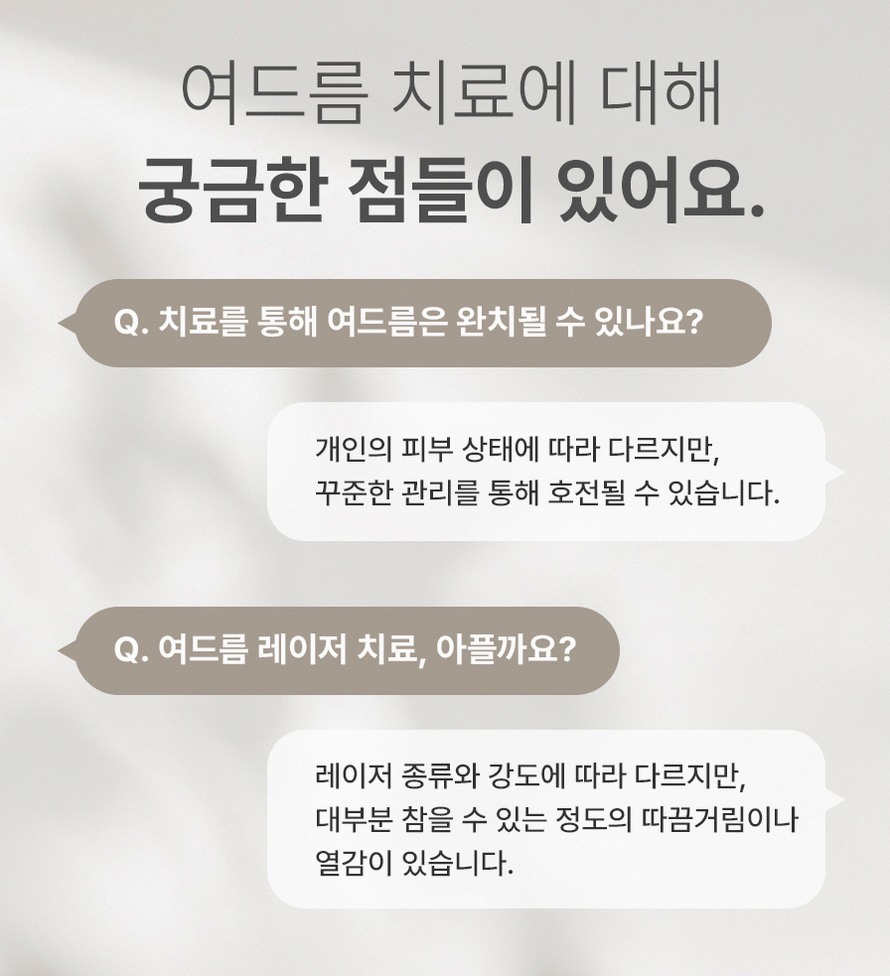
Oral medications when appropriate, such as antibiotics for short-term control of severe inflammation, or other tablets when your acne is hormone-related or very persistent. These require medical evaluation and are not suitable for everyone.
Anti-inflammatory injections into large, painful nodules or cysts to quickly reduce swelling and lower the chance of deep scarring. These are typically used selectively on severe lesions rather than all over the face.
Management of related skin conditions, such as seborrheic dermatitis, folliculitis, or allergic rashes that can look similar to acne. Because the clinic also treats a wide range of skin diseases, the doctor is used to distinguishing between similar-looking problems and can avoid giving purely cosmetic care to something that actually needs medical treatment.
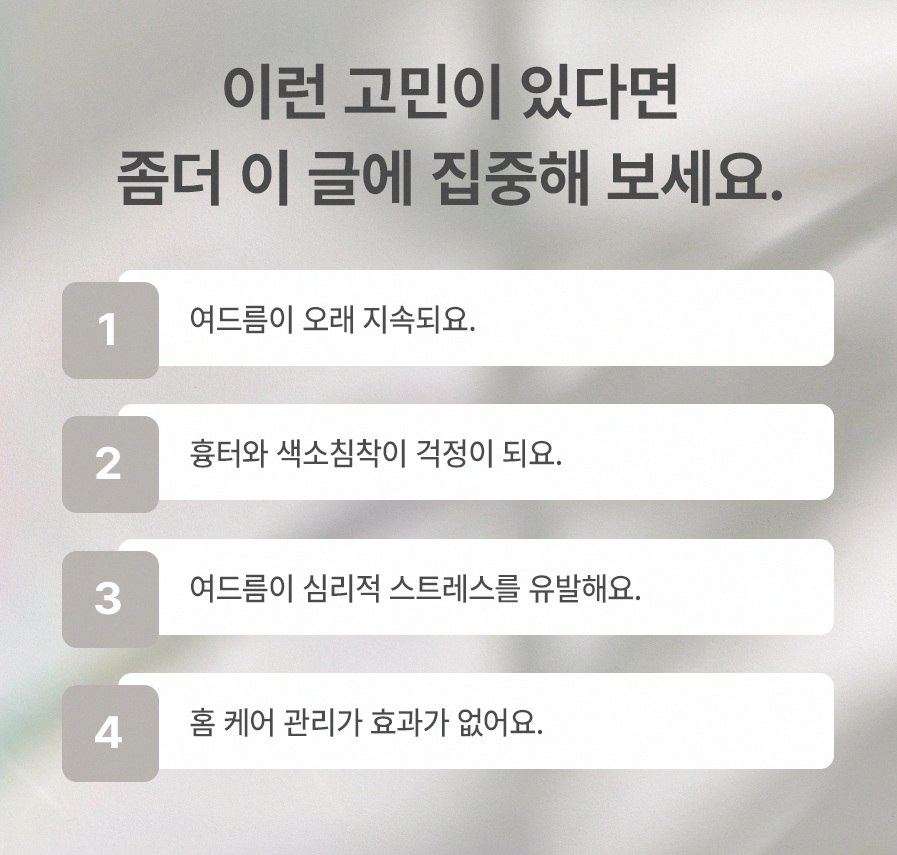
Procedural options for acne marks and scars
Once active inflammation is better controlled, or if your main concern is long-standing marks and scars, the doctor may recommend cosmetic procedures. At a one-doctor clinic near Nokbeon Station, common options include:
Acne lesion care
This may involve gentle extraction of clogged pores, treatment of inflamed lesions, and targeted care to reduce redness and swelling. It is usually combined with medical treatment rather than used alone.
Toning lasers for redness and pigmentation
Genesis-type toning and Alexandrite-type toning can be used to address red marks and brown pigmentation after acne. These lasers are generally performed in a series of sessions, with energy levels adjusted according to your skin type and sensitivity.
Because the same doctor performs every session, it is easier to fine-tune the settings and intervals based on how your skin responded previously. This consistency can be especially reassuring if you have sensitive or reactive skin.
Scar-focused procedures and skin boosters
For depressed scars, enlarged pores, or rough texture, the clinic may suggest treatments such as:
Skin boosters, including Rejuran-type or Juvelook-type products, which are injected into the skin to support texture and elasticity. These can be combined with other scar procedures depending on your needs.
PRP (platelet-rich plasma), where a small amount of your own blood is processed and the plasma is injected or applied to the skin to support regeneration. This is often used together with needling or laser treatments.
Other scar treatments such as needling, subcision, or fractional-type procedures may be considered, depending on the depth and pattern of your scars and your available downtime.
Lifting and contouring when acne has changed facial lines
If long-standing acne and scarring have left the cheeks looking saggy or uneven, lifting and contouring devices like Inmode, Shurink Universe, Tense-ra, or Ten Triple may be discussed. These devices are not first-line treatments for active, inflamed acne, but they can be considered later for patients who want to improve jawline, cheek firmness, or overall contour.
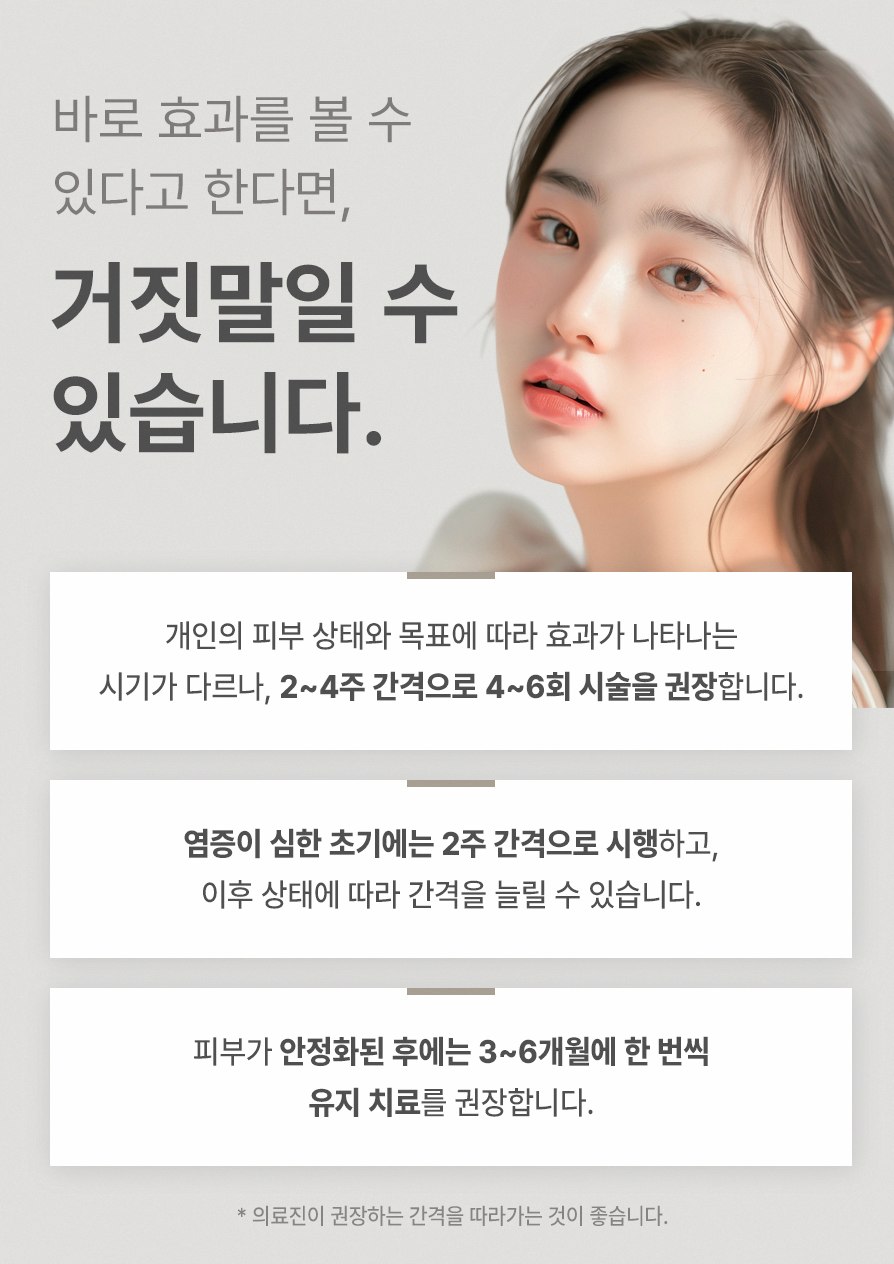
Again, all procedures are performed by the same doctor, which can help maintain a coherent long-term plan instead of mixing different opinions and techniques from multiple providers.
Why a disease-focused skin clinic can be a good choice for acne
A clinic that regularly treats medical skin problems tends to view acne in a broader medical context. In addition to acne, such a clinic may handle warts, cysts, burns, alopecia, allergic rashes, and shingles-related infusions. This wider experience can be helpful in several ways.
First, not every pimple-like bump is true acne. Folliculitis, perioral dermatitis, and some allergic reactions can look similar but require different management. A medically oriented clinic is more likely to recognize these differences and avoid giving you inappropriate cosmetic-only treatment.
Second, if part of your care is eligible for insurance coverage in Korea, a clinic that works with both insurance-covered conditions and cosmetic procedures can structure your plan accordingly. Cosmetic options can then be added on top of essential medical care, rather than replacing it.
The clinic also runs a dedicated foot center for issues like athlete’s foot, ingrown toenails, calluses, and laser treatment for fungal infections. While this is not directly related to facial acne, it reflects a disease-focused practice style where skin and related conditions are approached medically first.
Scalp and hair-related services are also available, including care for scalp conditions and alopecia with scalp injections when indicated. This can be relevant if your acne extends to the scalp or if you are concerned about overall skin and hair health while managing your facial acne.
Individualized treatment plans for different acne goals
Every patient’s priority is different. Some mainly want to calm painful, active breakouts. Others are more concerned about scars and dark marks that have remained for years. Many need a combination of both.
At a one-doctor clinic, the plan is adjusted to your goals, schedule, and skin response. For example:
If you have frequent new breakouts, your visits may focus on medication adjustments, inflammation control, and basic lesion care, with gentle procedures added only when your skin is stable.
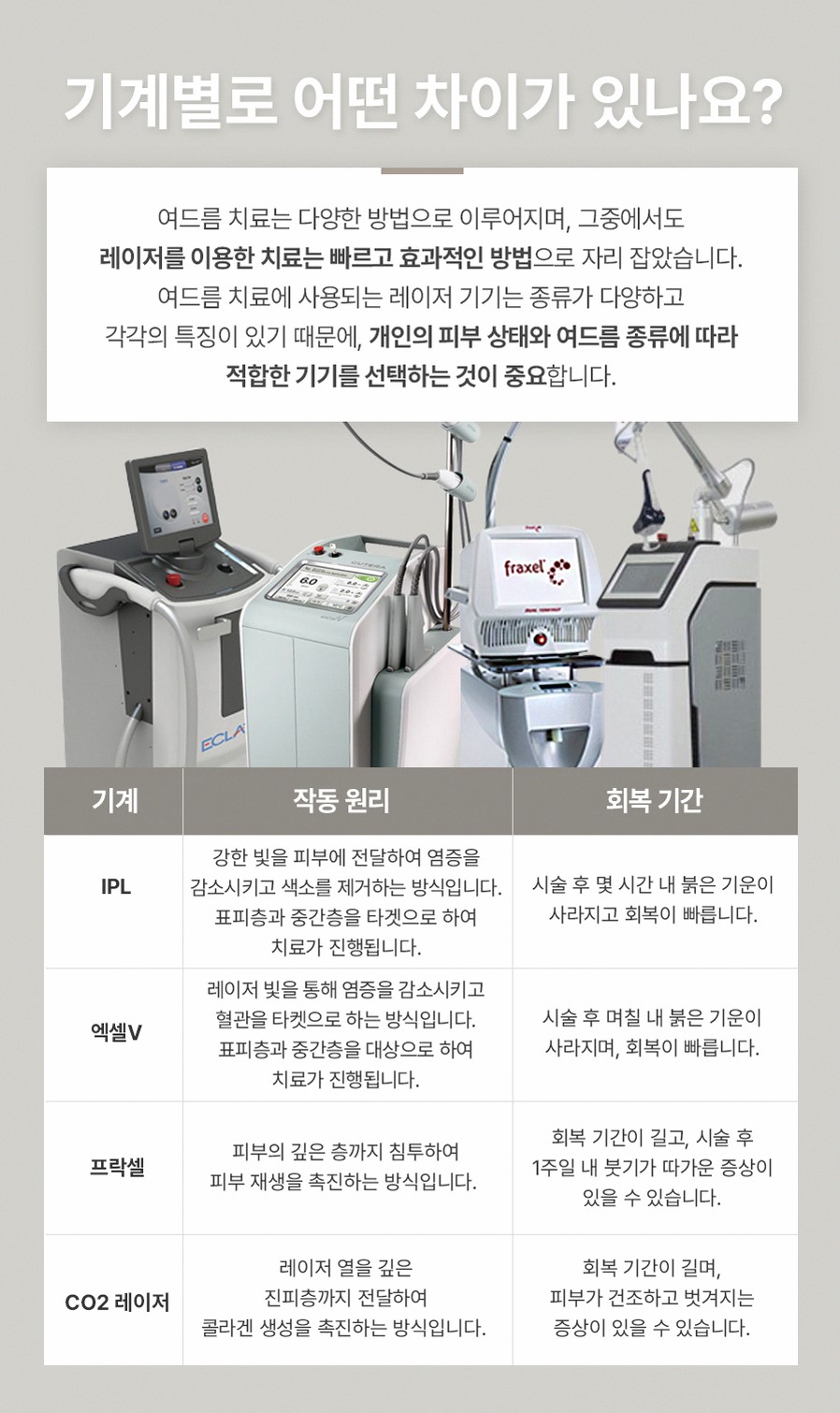
If your acne is mostly under control but you have many red or brown marks, the doctor may suggest a series of toning laser sessions at intervals that fit your stay in Korea, combined with sun protection and pigment-control skincare.
If scarring is your main concern, the plan may include staged scar procedures and skin boosters, spaced out to allow proper healing and to monitor your response.
For overseas visitors, the doctor will also consider how to connect in-clinic treatment with your home routine. You may receive guidance on which products to continue, which to stop, and what to watch for when you return to your country.
Realistic expectations and safety points
Acne and acne scars usually do not change overnight. Even with active treatment, improvement is gradual and often requires multiple sessions over weeks to months. Some people respond faster than others, and no clinic can guarantee a complete or permanent cure.
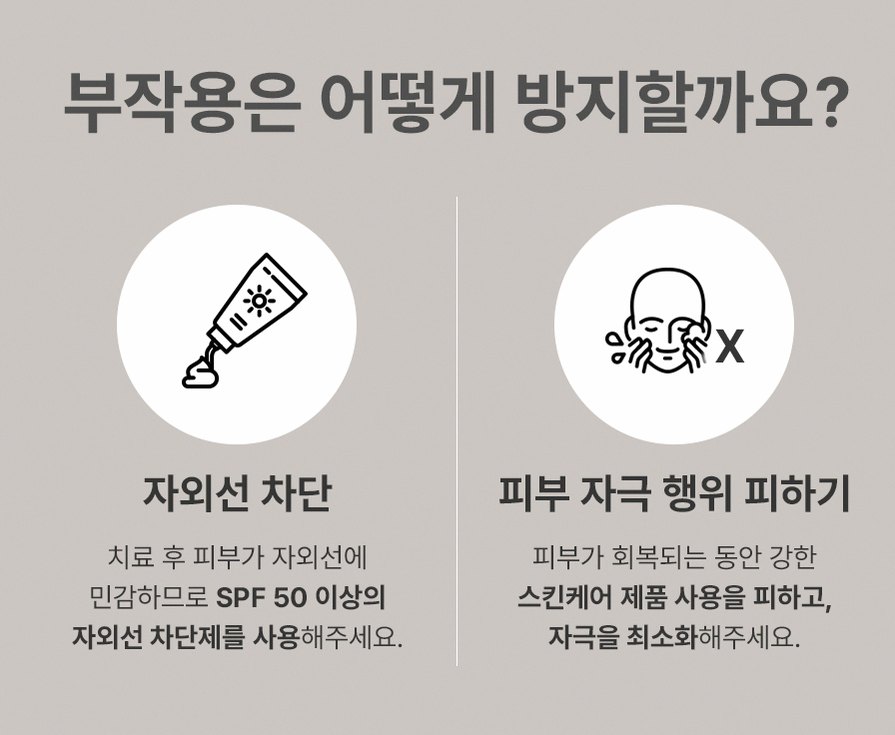
After procedures such as lasers, needling, or skin boosters, it is normal to have temporary redness, mild swelling, or sensitivity. In some cases, there may be small pinpoint scabs or dryness. These effects usually settle within a few days, but they vary by individual and by treatment intensity.
During the treatment period, good home care is important. The doctor will usually recommend gentle cleansing, adequate moisturizing, and strict sun protection. Harsh scrubs, strong at-home peels, or new untested products should generally be avoided unless the doctor specifically approves them.
All treatments require prior medical consultation. Certain procedures or medications may not be suitable if you are pregnant, breastfeeding, taking specific drugs, or have particular health conditions. Always inform the doctor about your medical history and current medications.
Note: Malgeunsu Clinic does not have an official homepage; Naver Place appears to be its primary online channel. If you are planning to visit Korea and stay near Nokbeon Station, check the clinic's Naver Place listing or contact them directly to confirm how they handle inquiries. Some local clinics can communicate by email or messaging apps and may accept photos or travel details in advance, but availability varies—so confirm any remote consultation options and preferred contact method before relying on them.
Before your online consultation, prepare the following:
A brief history of your acne: when it started, how it has changed, and any previous diagnoses.
Photos of your skin in natural light from the front and both sides, without heavy makeup or filters.
A list of current skincare products, including cleansers, toners, serums, creams, and sunscreen. Note any products that have caused irritation.
A list of medications and supplements you are taking, including any acne-related tablets or hormonal treatments.
Information about any previous procedures such as lasers, peels, or injections, and how your skin reacted.
This information allows the doctor to estimate which treatments are likely to be suitable during your stay and which should be avoided. It also helps you plan your schedule realistically.
Expected visit timeline for acne treatment in Korea
Your actual schedule will depend on how long you are in Korea and how severe your acne is, but a typical timeline for a short to medium stay might look like this:
First visit (Day 1–2): In-person consultation, detailed skin examination, and basic treatment planning. If appropriate, you may start topical or oral medication and receive your first procedure, such as a mild toning laser or acne lesion care.
Follow-up visits (over 1–4 weeks): Depending on your condition, you may return once or twice a week for additional procedures, such as further toning sessions, skin boosters, or scar treatments. The doctor will monitor your response and adjust settings or intervals as needed.
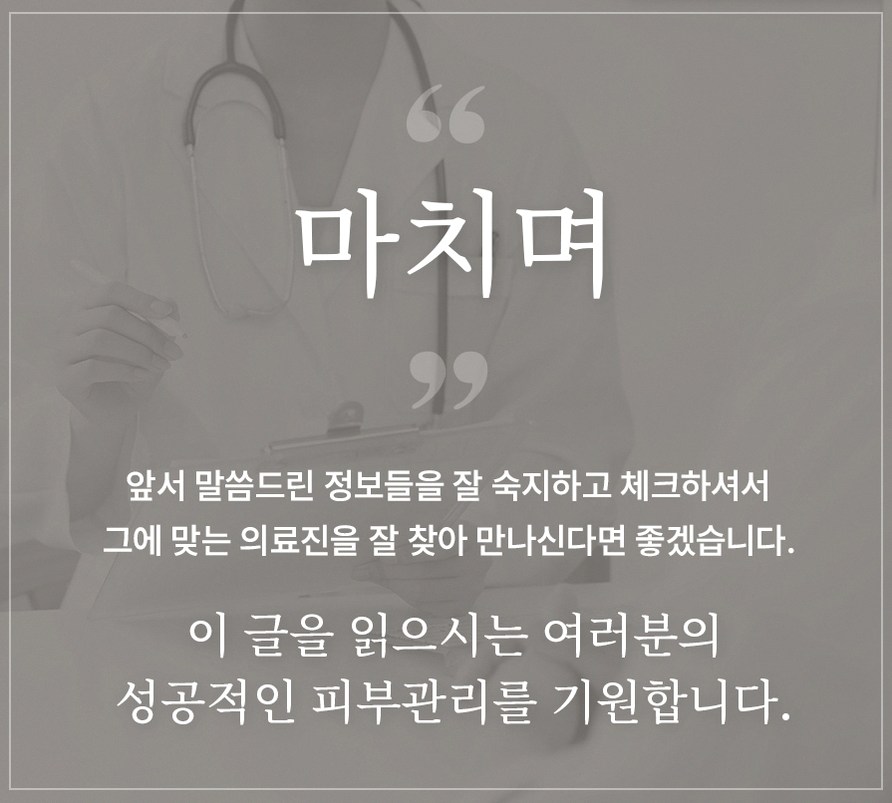
Final visit before departure: The doctor will review your progress, provide guidance on ongoing home care, and discuss which treatments you may continue in your home country. You can also receive written notes or photos to show future doctors if needed.
If you are staying longer term in Seoul, the plan can be more gradual, with visits spaced out over several months. For very short visits of only a few days, the focus is often on safe, low-downtime options and establishing a home-care routine rather than aggressive procedures.
Aftercare and continuing your routine at home
After each procedure, the clinic staff will explain specific aftercare instructions. Common recommendations include:
Avoiding hot baths, saunas, and intense exercise for a short period after certain treatments.
Using a gentle cleanser and fragrance-free moisturizer to support skin barrier recovery.
Applying broad-spectrum sunscreen daily and reapplying when outdoors.
Not picking at scabs or peeling skin, as this can increase the risk of pigmentation or scarring.
When you return home, try to maintain a consistent routine rather than frequently changing products. If you need to see another doctor in your country, bring any treatment records or product names provided by the clinic. This helps ensure that your care continues smoothly and that new treatments do not conflict with what you received in Korea.
Location, hours, and who this clinic is suitable for
For residents, workers, and students around Nokbeon Station in Eunpyeong-gu, a neighborhood clinic with extended hours can make acne care much easier. Instead of taking time off work or school, you can visit in the evening or on weekends.
Typical hours at this type of clinic are:
Weekdays: 11:00–20:00, with a lunch break from 14:00–15:00.
Saturdays, Sundays, and public holidays: 11:00–17:00, usually without a lunch break.
Closed days: often mid-week, such as Wednesdays and Thursdays, but you should always check the current schedule before visiting.
This style of clinic is especially suitable for people who:
Prefer to see the same doctor at every visit rather than rotating staff.
Have both active acne and scars or pigmentation and want to manage them in one place.
Value a medically oriented approach that includes both insurance-covered disease management (when applicable) and cosmetic procedures.
Want to avoid aggressive package selling and instead build a stepwise plan based on how their skin responds.
Frequently asked questions about acne treatment near Nokbeon Station
How many sessions will I need for acne and acne scars?
The number of sessions depends on your acne severity, scar depth, and skin type. Mild post-acne redness or pigmentation may show visible improvement after a few toning sessions, while deeper scars often require several rounds of scar-focused procedures and skin boosters over months. The doctor will usually reassess your skin after each stage and adjust the plan rather than promising a fixed number of visits.
Can I start treatment even if I am only in Korea for a short time?
Yes, you can usually begin treatment during a short stay, but the focus may be different. For very short trips, the doctor may prioritize safe, low-downtime procedures and establishing a clear home-care routine. You may not complete a full scar program, but you can still reduce inflammation, receive guidance, and possibly start a series of toning or booster treatments that you can continue later.
Will I have a lot of downtime after laser or skin booster treatments?
Downtime varies by procedure and by individual. Mild toning lasers often cause temporary redness that settles within hours to a day, while more intensive scar treatments or boosters may lead to swelling, pinpoint scabs, or sensitivity for several days. Before any procedure, the doctor will explain expected recovery time so you can plan around work, travel, or social events.
What should I prepare before my first visit to the clinic?
Before your visit, prepare a list of your current skincare products and medications, and if possible, bring photos or notes about previous treatments you have tried. Think about your main priorities, such as reducing active breakouts, fading marks, or improving scars. Having clear questions ready, such as expected number of sessions, likely downtime, and how to coordinate care with your home country, will help you make the most of your consultation.
If the clinic offers remote consultations via Naver Place or messaging, you could consider arranging one before you arrive. Confirm availability and the clinic’s preferred communication channel first; if a remote option is available, sharing your skin history and photos in advance may help the staff suggest a realistic treatment outline and plan your schedule.
If you are planning a trip to Seoul and are searching for a practical acne clinic near Nokbeon Station, This way, you can use your time in Korea efficiently while receiving consistent care from a single physician.
- 공유 링크 만들기
- X
- 이메일
- 기타 앱


댓글
댓글 쓰기