Natural lifting filler options in Galhyeon-dong
- 공유 링크 만들기
- X
- 이메일
- 기타 앱
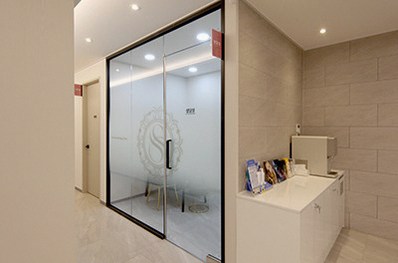
Direct answer summary
If you are searching for a lifting filler recommendation in Galhyeon-dong, you are most likely looking for a non-surgical way to improve sagging around the cheeks, jawline, or nasolabial folds. Lifting fillers are dermal filler injections placed in strategic support points of the face to restore volume and gently lift the tissues, helping the contours look firmer and more defined. In the Galhyeon-dong and Eunpyeong-gu area, there are small, doctor-led clinics where one physician provides both medical skin care and cosmetic procedures, and can advise whether lifting fillers alone, or in combination with other lifting methods, are suitable for you.
Treatment overview – what is a lifting filler?
Lifting fillers are a type of dermal filler treatment focused on structural support and contour, not just filling lines. The products are usually gel-like substances, most commonly based on hyaluronic acid, which is a molecule naturally found in the skin. When injected into specific layers, they can restore lost volume and support sagging tissues.
There are different ways fillers are used in the face. Volumizing fillers are placed more deeply to fill hollows, such as sunken cheeks, under-eye hollows, or temples. Lifting or contouring fillers are often placed closer to the bone or along key support points, such as the cheekbone, jawline, or chin. By reinforcing these areas, the overlying skin and soft tissue can appear lifted, and facial shadows can soften.

It is important to understand that lifting fillers do not physically pull the skin upward in the same way as a thread lift. Instead, they act like internal support pillars, replacing structural volume that has been lost with age or weight change. This can improve the appearance of sagging and help create a more defined V-line or jawline, but the effect is more about support and contour than a dramatic pull.
Who may consider lifting fillers
Lifting fillers may be considered by adults who notice early to moderate signs of sagging but are not ready for surgery. Typical concerns include deepening nasolabial folds from the nose to the mouth, marionette lines around the corners of the mouth, mild jowls along the jawline, or a tired look due to volume loss in the midface.
People with volume loss in the cheeks or temples often feel that their face looks hollow or older than they feel. By restoring this volume in the right planes, the midface can look more supported and the lower face can appear less heavy.
Lifting fillers may suit those who want a relatively quick procedure, usually done in under an hour, with short downtime. They can be an option for people who do not want incisions or general anesthesia and prefer a stepwise, adjustable approach.
However, lifting fillers are not ideal for everyone. If there is very heavy sagging, thick and heavy skin, or a large amount of excess skin, fillers alone may not give the desired result. In such cases, a doctor may recommend a combination of fillers with other lifting methods, such as thread lifting or energy-based devices, or may explain that surgical lifting would be needed for more dramatic change. People expecting facelift-level results from fillers alone should discuss realistic expectations carefully during consultation.
How lifting fillers are planned and performed
A typical lifting filler treatment in a Galhyeon-dong area clinic will follow several steps. First is consultation and facial analysis. The doctor will look at your face at rest and while moving, check skin quality, thickness, and elasticity, and identify where volume has been lost. They may also examine asymmetries, previous scars, or existing fillers.

Next is the treatment plan. The doctor decides which areas should be supported to create a lifting effect. Common points include the cheekbones to support the midface, the jawline angle to sharpen the contour, the chin to balance the profile, and sometimes the temples or lateral face to restore youthful width. The amount of product is estimated based on your facial structure and goals.
Before injection, the skin is cleansed thoroughly. Some clinics apply a topical anesthetic cream, and many modern fillers contain a local anesthetic inside the syringe to reduce discomfort. The choice between needle and cannula (a blunt-tipped instrument) depends on the area, the thickness of the tissues, and safety considerations. Cannulas are often used in lifting and contouring work to reduce the number of entry points and potentially lower the risk of bruising.
During injection, the doctor gradually places small amounts of filler and continuously checks the contour and symmetry. You may be asked to sit up so the effect can be judged in a natural position. At the end, the doctor will review the result with you, and minor adjustments may be made on the spot.
Downtime, results, and longevity
Most people can return to daily activities quite quickly after lifting fillers. Mild swelling, redness, or small bruises at entry points are common and usually settle within a few days. It is generally advised to avoid intense exercise, saunas, hot baths, and strong facial massage for a short period after the procedure, according to your doctor’s instructions.
Results are usually visible immediately because the filler physically occupies space. However, the final look is better judged after swelling has gone down, typically after one to two weeks. At this stage, you and your doctor can decide whether any fine-tuning is needed.
The duration of effect varies. It depends on the type of filler used, the depth and area of injection, your metabolism, and lifestyle factors such as smoking or heavy exercise. Many lifting-focused hyaluronic acid fillers may last several months to over a year in structural areas like the cheekbones or jawline. Maintenance sessions are often recommended when you feel the effect has softened, and some patients choose to top up smaller amounts rather than wait for a complete return to baseline.

Safety, risks, and precautions
Like any medical procedure, lifting fillers carry potential side effects and risks. Common, usually temporary, effects include redness, swelling, bruising, tenderness, or a feeling of fullness in the treated area. Minor asymmetry or the sense that one side looks slightly different can occur and may be adjusted at follow-up.
More serious complications are rare but important to understand. If filler is accidentally injected into or compresses a blood vessel, it can reduce blood flow to the skin and cause tissue damage. In very rare cases, if filler travels into vessels that supply the eye, visual problems may occur. Because of these possibilities, it is essential that the injector has solid medical training, understands facial anatomy in depth, and knows how to manage complications, including the use of hyaluronidase to dissolve hyaluronic acid fillers when appropriate.
Before treatment, you should provide a full medical history. This includes any allergies, previous reactions to fillers or anesthetics, medications and supplements (especially blood thinners), autoimmune conditions, history of keloid scarring, and whether you are pregnant or breastfeeding. Some conditions may require delaying or avoiding treatment.
Realistic expectations are also part of safety. Lifting fillers can improve contours and soften sagging but cannot completely change bone structure or replace surgery in severe cases. A responsible doctor will explain what is achievable and may suggest a combination approach if needed.
Follow-up visits are important to monitor the result, check for late-onset reactions, and decide on maintenance timing. If you notice unusual pain, color change of the skin, visual disturbance, or severe swelling after treatment, you should contact the clinic or seek urgent medical care immediately.

How to choose a lifting filler clinic in Galhyeon-dong
When looking for a lifting filler recommendation in Galhyeon-dong, it is helpful to focus on the consultation process and the doctor’s approach, not only on price. A good starting point is to choose a clinic where the doctor who will perform the injections also conducts the consultation. This allows them to understand your concerns directly, assess your face in detail, and plan the procedure personally.
Clinics that handle both medical skin conditions and cosmetic procedures may have a broader view of skin health. For example, a doctor who regularly treats issues like warts, cysts, burns, or scalp problems is used to examining skin and underlying tissues carefully. This can be helpful when deciding where and how deeply to inject filler, especially if there are areas of inflammation, past injury, or sensitive skin.
It is also useful to select a clinic that offers a range of lifting tools, not only fillers. When a clinic has access to options such as ultrasound or radiofrequency devices, as well as injectables and possibly thread lifts, the doctor can suggest a tailored plan instead of pushing one method for everyone. In some cases, a small amount of lifting filler combined with device-based tightening may give a more balanced and natural result than filler alone.
Before you decide, check whether the clinic explains clearly which filler products they use, how long they typically last in different areas, and what the approximate cost and number of syringes might be for your case. Transparent communication about possible side effects, aftercare, and follow-up policies is another positive sign.
Example of a local one-doctor clinic: Malgeunsu Clinic
In the Eunpyeong-gu area, Malgeunsu Clinic is an example of a neighborhood clinic where one physician, Dr. Lee Hyo-su, provides all consultations and procedures from start to finish. This kind of one-doctor system can be reassuring for patients who prefer to build a long-term relationship with a single practitioner.
This clinic manages both insured medical conditions such as warts, corns, cysts, burns, and scalp issues, as well as cosmetic treatments including fillers, lifting procedures, and skin care programs. Because medical and aesthetic services are offered together, patients can discuss functional skin problems and appearance-related concerns in the same visit.

For lifting, the clinic uses a combination of tools. Alongside lifting fillers for structural support, there are radiofrequency and ultrasound-based lifting machines that can be used when skin tightening is needed. The overall approach tends to be conservative and stepwise, adjusting the plan based on how your skin responds over time rather than doing everything at once.
Comparison with other lifting options
When considering lifting fillers in Galhyeon-dong, you may also hear about thread lifts and energy-based devices. Each method works differently and may suit different types of sagging.
Thread lifts use thin threads placed under the skin to mechanically lift tissues. They can give a more obvious pulling effect in some cases but are more invasive than fillers, with their own set of risks such as thread visibility, irregularities, or discomfort along the thread path.
Device-based lifting, such as ultrasound or radiofrequency, focuses on stimulating collagen and tightening the skin. These treatments do not add volume. They can be helpful when the main problem is skin laxity rather than volume loss. Results tend to appear gradually over several weeks or months.
Lifting fillers sit between these options. They are especially useful when sagging is partly due to volume loss and changes in facial structure. Many patients benefit from a combination: for example, fillers to rebuild cheek support and a device treatment to firm the overlying skin. A thorough consultation will help decide which sequence and combination are most suitable for your face.
Online consultation and pre-visit preparation for overseas patients
If you are an overseas patient planning to visit Korea for lifting fillers in the Galhyeon-dong or Eunpyeong-gu area, an online consultation is a practical first step. Many clinics allow you to send clear photographs of your face from the front and both sides, ideally in good natural light without heavy makeup or filters.

Before your online consultation, prepare a brief summary of your concerns. For example, note whether you are mainly worried about sagging around the mouth, jowls, flat cheeks, or a weak jawline. List any previous procedures, including fillers, thread lifts, laser or device treatments, and approximate dates. This helps the doctor understand your current facial structure and any existing products.
You should also prepare a medical history list: chronic illnesses, medications, supplements, allergies, and any history of unusual swelling or immune reactions. If you are taking blood thinners or strong supplements like high-dose omega-3, ginkgo, or vitamin E, mention this, as they may influence bruising risk.
During the online consultation, ask the doctor which areas they recommend treating, how many syringes are typically needed for a case like yours, how long you should stay in Korea after treatment for follow-up, and what to avoid before and after the procedure.
Expected Korea visit timeline for lifting fillers
For international patients, it is helpful to plan enough time in Korea for consultation, treatment, and at least one follow-up visit. A common schedule is to arrive and have an in-person consultation on day one. If both you and the doctor agree to proceed, the lifting filler treatment can often be done the same day or the next day.
Mild swelling and bruising, if they occur, are usually most noticeable in the first two to three days. Many overseas patients prefer to schedule the procedure early in their stay so that visible signs can settle before they travel home. Staying in Korea for about five to seven days after treatment allows time for an early follow-up visit, where the doctor can check symmetry, healing, and answer any questions.
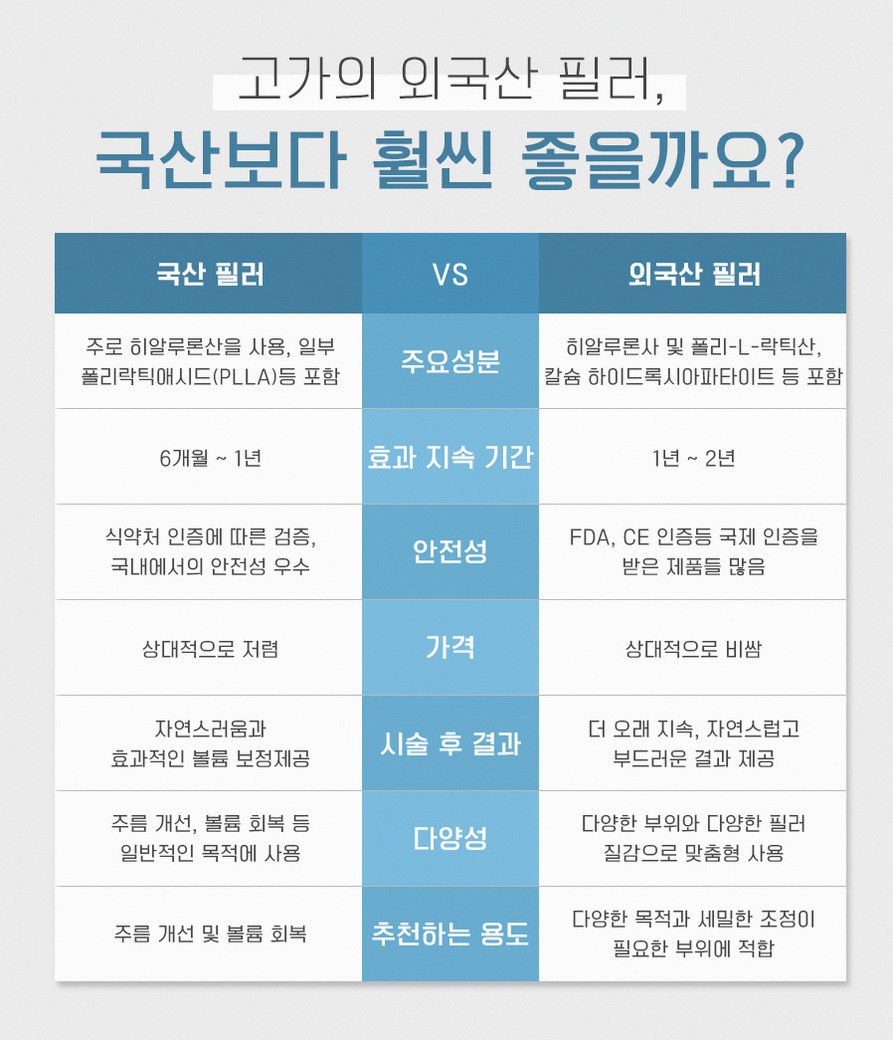
If you are combining lifting fillers with device-based lifting or other treatments, your doctor will advise on the best order and spacing. Sometimes devices are done first, with fillers added later; in other cases, structural fillers are placed first. Clarify this during pre-visit planning.
Aftercare and lifestyle considerations
After lifting fillers, you will usually receive written or verbal aftercare instructions. These often include avoiding strong pressure on the treated areas for a few days, not sleeping face-down, and refraining from intense exercise, saunas, and hot baths for a short period. Gentle cleansing and skincare can usually continue, but harsh exfoliation or strong facial massages should be delayed until your doctor confirms it is safe.
Alcohol and very salty foods may increase swelling in the first 24 to 48 hours, so some patients prefer to limit them. If you experience discomfort, your doctor may recommend a mild pain reliever that does not strongly affect blood clotting.
If you are staying in Korea only briefly, ask the clinic what to do if you notice any late issues after returning home. It can be helpful to keep the clinic’s contact information and to take clear photos if you need to ask questions later.
Practical tips and FAQs
Many people in Galhyeon-dong considering lifting fillers have similar questions. Below are some practical points that may help you prepare for consultation and make decisions.
How many syringes are usually needed for lifting?
The number of syringes depends on your facial structure, degree of volume loss, and the areas to be treated. For a subtle midface and jawline lift, some patients use around two to four syringes, while more extensive contouring may require more. During consultation, your doctor can propose a staged plan, starting with a conservative amount and adding more in later sessions if needed.

When can I see the final result?
You will see an immediate change right after injection, but there is also temporary swelling. Most doctors suggest judging the result after about one to two weeks, when the filler has settled and swelling has subsided. If any small adjustments are necessary, they are often done at this stage.
Can lifting fillers be reversed if I do not like the result?
Many lifting fillers used for structural support are based on hyaluronic acid. These can usually be dissolved with an enzyme called hyaluronidase, injected by a doctor. This process can reduce or remove the filler, though it may take more than one session depending on the amount and type of product. Not all filler types are reversible in this way, so it is important to confirm the product used before treatment.
How often do I need maintenance?
Maintenance intervals vary, but many people consider a touch-up or repeat treatment every 9 to 18 months, depending on the filler type and personal metabolism. Some prefer smaller, more frequent adjustments to keep the face looking stable, while others wait until they notice a clear reduction in effect. Your doctor can help you plan a schedule that fits your preferences and travel plans if you are visiting from overseas.
What should I avoid before the procedure?
Before lifting fillers, many clinics recommend avoiding alcohol and unnecessary blood-thinning supplements for several days, if medically safe for you. This may include high-dose omega-3, ginkgo, or vitamin E, but you should never stop prescribed medications without consulting your own physician. Arriving with a clean face without heavy makeup makes assessment and treatment easier.
Local convenience and clinic hours in Galhyeon-dong
For residents and visitors in the Galhyeon-dong and Eunpyeong-gu area, clinic hours can be an important factor. Some clinics offer evening and weekend hours, which can be convenient if you work or are sightseeing during the day.
Malgeunsu Clinic, for example, is open on weekdays until around 20:00 with a lunch break in the afternoon. It also opens on Saturdays, Sundays, and public holidays until early evening, usually without a lunch break. The clinic is closed on Wednesdays and Thursdays, so it is advisable to check the current schedule and make a reservation before visiting, especially if you are coming from overseas and have limited time.

Soft call to action for online consultation
If you are considering lifting fillers in Galhyeon-dong and want a clear, realistic plan, arranging an online consultation with a doctor-led clinic can be a helpful first step. By sharing photos, your concerns, and medical history in advance, you can receive a preliminary assessment of whether lifting fillers, device-based lifting, or a combination may suit your face.
Clinics like Malgeunsu Clinic, where the same physician handles both consultation and procedures, can offer continuity of care from online discussion to in-person treatment and follow-up. Before you travel, prepare your questions, clarify your schedule, and confirm clinic hours so that your visit to Korea for lifting fillers can be as smooth and efficient as possible.
- 공유 링크 만들기
- X
- 이메일
- 기타 앱


댓글
댓글 쓰기