Malgeunsu Clinic botox — one-doctor care & weekend hours
- 공유 링크 만들기
- X
- 이메일
- 기타 앱
Direct answer summary
Malgeunsu Clinic in Galhyeon-dong (Eunpyeong-gu) provides both medical dermatology and aesthetic procedures under a single physician. Botox consultations and injections are performed directly by the clinic director. Weekday evening hours and weekend/public holiday openings can be convenient for visitors with limited time in Seoul.
This guide explains how botox works, who may consider it, how to prepare before your visit to Korea, what to expect during your stay, and how aftercare is usually managed.
Clinic overview in Galhyeon-dong
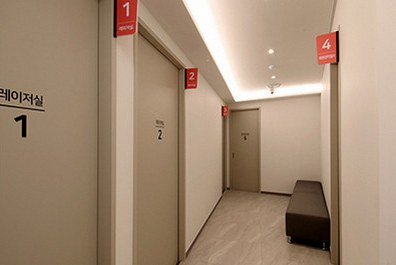
Malgeunsu Clinic is a local dermatology and aesthetic clinic in Galhyeon-dong, Eunpyeong-gu, run by a single physician, Director Lee Hyo-su. The clinic follows a one-doctor system, meaning that the same doctor sees you in consultation and also performs procedures such as botox from start to finish.
The overall concept is careful treatment based on long clinical experience. The clinic covers four main areas: medical skin disease care, aesthetic procedures including botox and fillers, IV therapy, and a dedicated foot center for nail and sole problems. For international patients, this can be convenient if you want to manage facial wrinkles, scalp or hair issues, and foot concerns in one neighborhood clinic during your stay in Seoul.
Botox treatment overview
Botox is an injectable treatment that uses a purified form of botulinum toxin to relax specific muscles. In the face, it is used to soften dynamic wrinkles, which are the lines that appear or deepen when you move your facial muscles, such as when you frown, smile, or raise your eyebrows.
The toxin works by temporarily blocking nerve signals to the targeted muscle. When the muscle contracts less strongly, the overlying skin folds less, so expression lines can look smoother or less deep. The goal in a neighborhood dermatology setting is usually a natural softening rather than a completely frozen look.
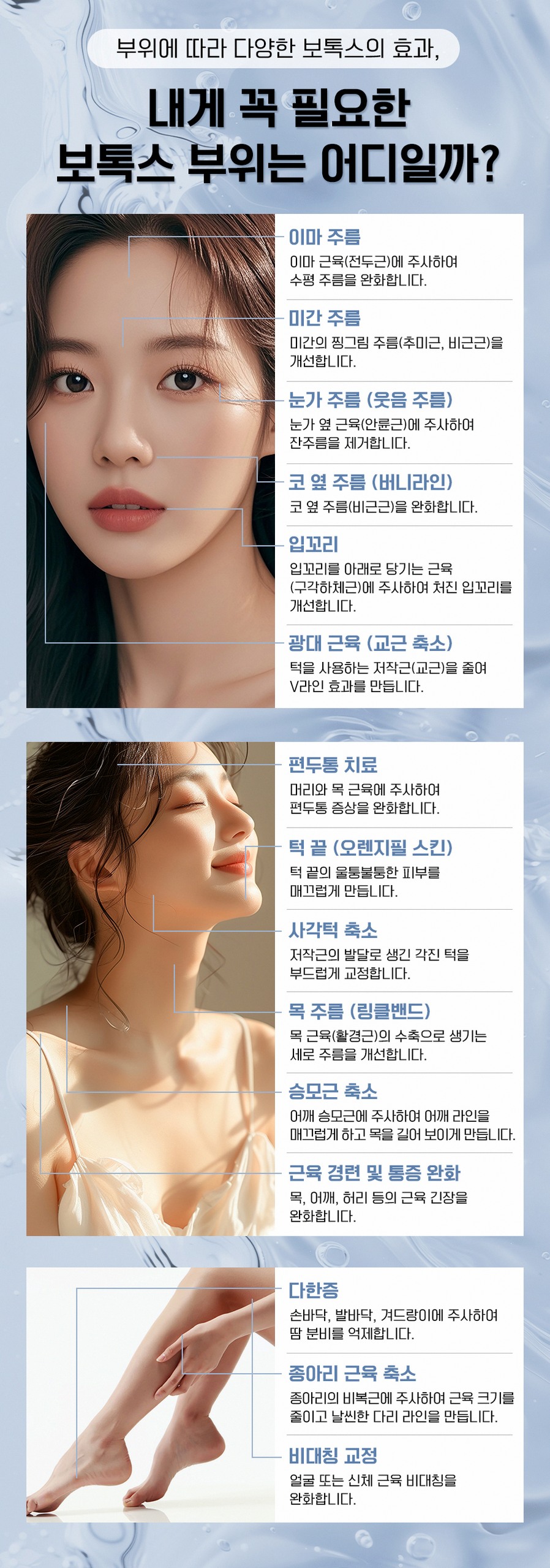
Common facial areas for botox at a community clinic include forehead horizontal lines, glabellar frown lines between the eyebrows, crow’s feet around the eyes, bunny lines on the nose, dimpling on the chin, masseter muscles for jawline slimming, vertical neck bands, and sometimes a subtle eyebrow lift effect.
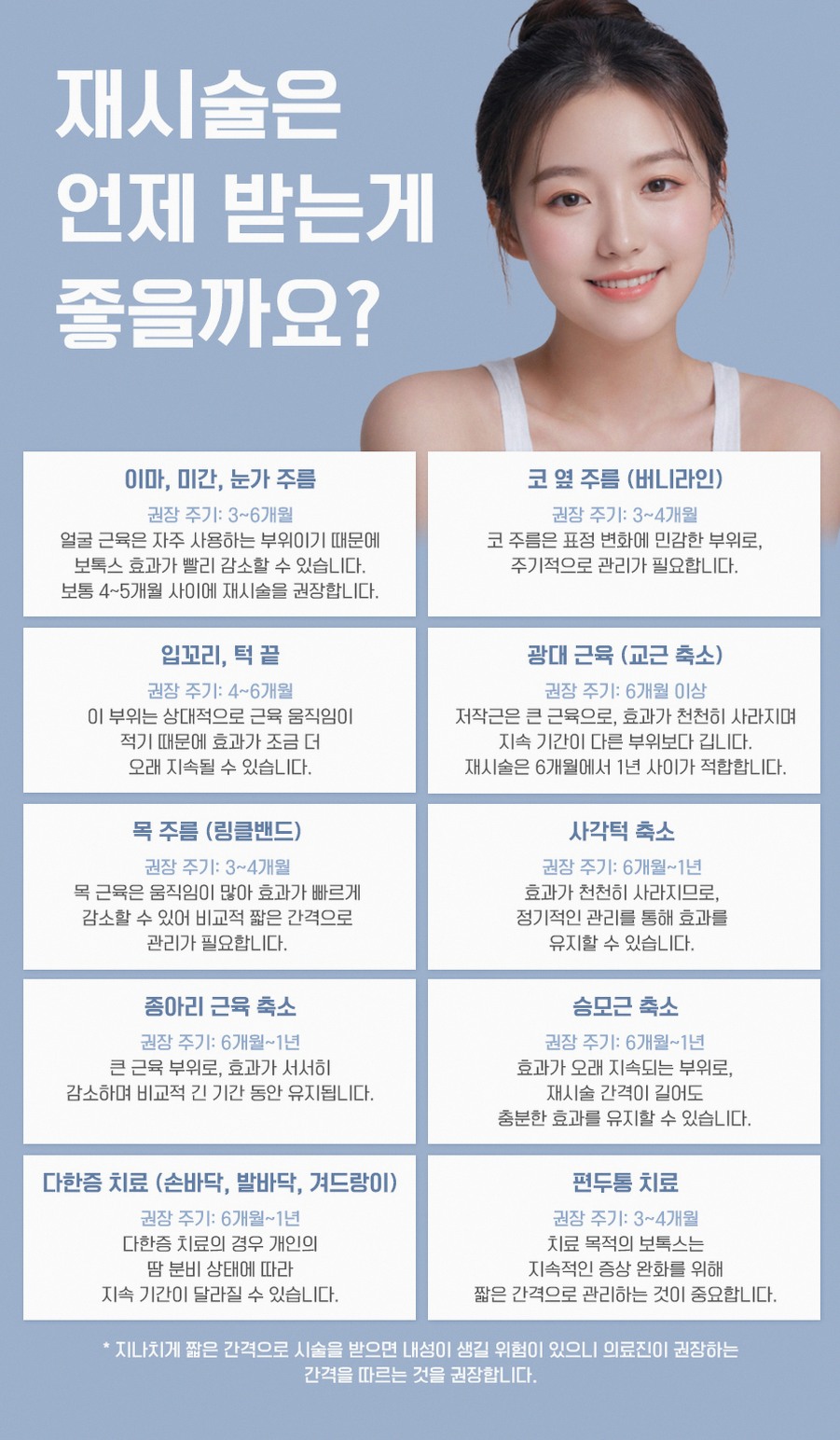
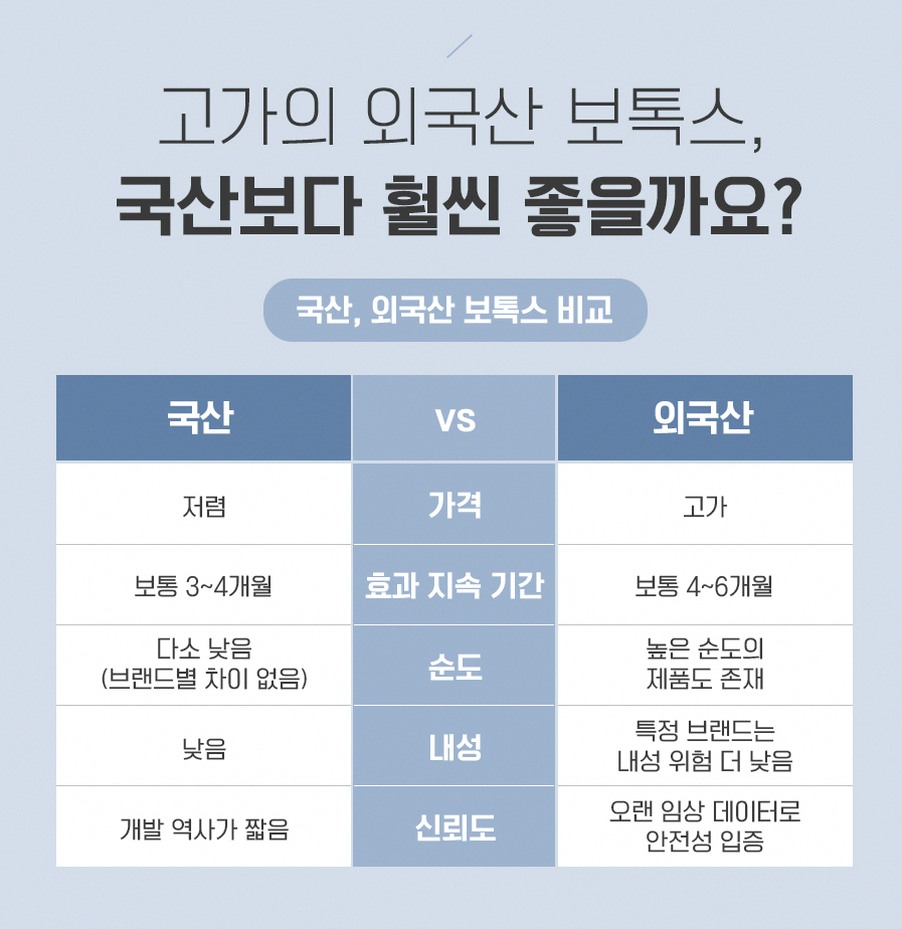
Effects usually begin to appear within several days, with a more noticeable result around 1 to 2 weeks. The duration is typically about 3 to 6 months, depending on the area treated, the dose used, and individual factors such as metabolism and muscle strength. Because the effect is temporary, many people plan maintenance sessions a few times per year.
Why precise dosing and technique matter
Botox needs to be placed at accurate points and in appropriate doses for each individual. Too much in one area or injections in the wrong depth or position can lead to an unnatural look, heaviness of the brows, or asymmetry.
In a one-physician clinic, the same doctor who evaluates your facial expressions and muscle strength also performs the injections. This continuity can help with fine-tuning the dose over time, especially for first-time patients who prefer a conservative, natural result and then gradual adjustment.
Because the clinic also treats skin diseases and scalp conditions, botox is planned with an understanding of your overall skin and health status, not only cosmetic goals. This can be reassuring for patients who have eczema, allergies, or other chronic skin issues.
Who may consider botox in Galhyeon-dong
Adults with dynamic wrinkles that appear or deepen with facial expressions are typical candidates. Examples include forehead lines that show when you raise your eyebrows, frown lines when you concentrate, and crow’s feet when you smile.

People who feel their jawline looks wide mainly because of strong chewing muscles may consider masseter botox after proper evaluation. This can gradually soften the angle of the jaw over repeated sessions.
Botox can also be an option for those who want a relatively quick, non-surgical procedure with temporary effects. Because it is not permanent, the plan can be adjusted at each visit according to how you liked the previous result.
Extra caution or alternative options may be needed for people with certain neuromuscular disorders, those taking specific medications, or individuals with very severe skin laxity where lifting procedures or other treatments might be more appropriate than botox alone. Pregnant or breastfeeding individuals are usually advised to postpone botox. Final candidacy should always be decided through in-person consultation with the doctor.
Why choose this clinic in Galhyeon-dong for botox
Single-physician care
In this clinic, consultation, planning, and injection are all handled by Director Lee Hyo-su. You do not see one doctor for consultation and another for the actual injection. This one-doctor system can be helpful for overseas patients who may only have one or two chances to visit during a short stay.
Disease plus aesthetics together
The clinic regularly treats skin diseases such as warts, corns, cysts, scalp conditions, alopecia, burns, and allergies. This means your botox plan can be integrated with management of acne, pigmentation, scars, or sensitive skin if needed.
If you have scalp or hair loss concerns, these can be evaluated in the same visit. For patients worried about overall skin and hair health when considering facial injectables, this combination of services can be practical.
Aesthetic devices and combination options
Besides botox, the clinic offers lifting devices such as InMode, Shurink Universe, Tencera, and Ten Triple, as well as fillers. These can sometimes be combined with botox for more comprehensive facial contouring or wrinkle care.
For example, botox can relax dynamic wrinkles, while fillers may be used for volume loss, and lifting devices can help with mild sagging. However, whether such combinations are suitable must be decided after the doctor examines your skin, facial structure, and expectations in person.

Dedicated foot center
The clinic includes a foot center that manages problems such as athlete’s foot, ingrown toenails, calluses, and fungal nail infections, including laser treatment where appropriate. For international visitors, this can be convenient if you want to address both facial botox and chronic foot issues in a single neighborhood clinic.
Convenient hours for busy schedules
Weekday evening hours and opening on weekends and public holidays make it easier for office workers and travelers in Galhyeon-dong and wider Eunpyeong-gu to schedule botox without taking time off work or losing sightseeing time.
Because botox is a quick procedure with minimal downtime for most people, you can often fit it into an evening or a short break in your travel schedule, as long as you follow the doctor’s aftercare instructions.
Initial consultation and planning process
During the first consultation, the doctor listens to your main concerns, such as forehead wrinkles, frown lines, crow’s feet, or jawline width. You can also discuss how natural or noticeable you want the change to be. Some patients prefer very subtle softening; others are comfortable with a stronger effect.
The doctor will observe your facial expressions, evaluate muscle strength and any asymmetry, and check for existing drooping of the eyelids or brows. Skin elasticity is also considered to see whether botox alone is suitable or whether you might benefit from additional treatments such as lifting devices or skin procedures.
Based on this assessment, a customized plan is created. Dose and injection points are adjusted by area and by your individual muscle strength. For first-time patients, a conservative dose is often chosen, with the option to adjust at a follow-up visit if needed.
Before the injection, the doctor should explain expected onset and duration, potential side effects, and typical post-treatment precautions. This informed consent process is important, especially for overseas patients who may not be able to return easily if they have questions later.
Step-by-step botox procedure
Pre-treatment steps
Before botox, makeup is usually removed from the treatment area and the skin is cleansed. The doctor may ask you to make certain expressions, such as frowning or smiling, while marking injection points to identify the most active muscles.
Topical anesthetic cream or cooling can be applied to reduce discomfort if needed, although many patients find that the injections with a fine needle are tolerable without strong anesthesia. The exact approach can be discussed during consultation.
Injection process
Botulinum toxin is injected in very small amounts into targeted muscles using a fine needle. The number of injection points depends on the area treated. For example, the forehead may require several small injections across the upper face, while the masseter muscle for jawline slimming is usually injected at a few deeper points.
The injection time itself is generally short, often within several minutes for common areas. Including preparation and explanation, the whole visit may still be relatively brief compared to surgical procedures.
Immediately after treatment
After injections, the doctor or staff may gently compress the sites to reduce minor bleeding or swelling. You will usually receive verbal or written aftercare instructions before leaving the clinic.
Most people can return to daily activities right away. It is common to see mild redness, tiny bumps, or small bruises at some injection points, which usually settle over time. Makeup may be allowed after a certain period, depending on the doctor’s guidance.
Aftercare and precautions
Typical aftercare recommendations
After botox, patients are often advised not to rub or massage the treated area for a certain period, to avoid unwanted spread of the toxin. You may also be told to avoid lying flat or bending your head down for a few hours immediately after treatment.
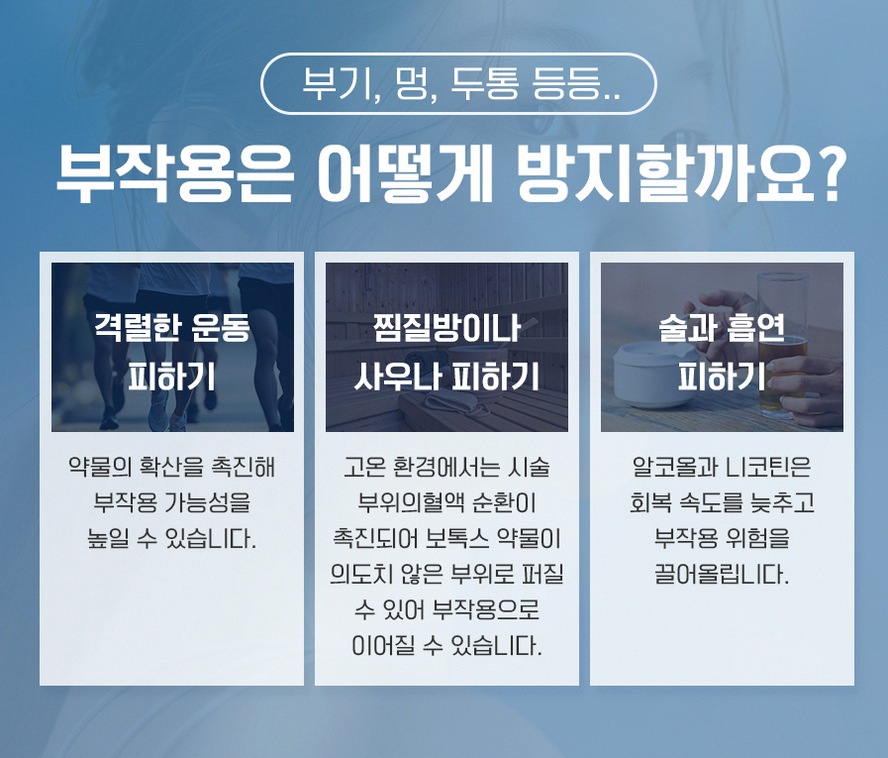
Intense exercise, saunas, or hot baths might be restricted for a short time, according to the clinic’s instructions. Alcohol and blood-thinning supplements may be limited around the time of treatment to help reduce bruising risk, depending on your medical situation.
Follow-up and maintenance
A follow-up visit may be recommended to check symmetry and the degree of effect, especially for first-time patients. This visit is useful to discuss whether the dose felt too strong, too weak, or appropriate, so that future sessions can be adjusted.
For overseas patients, you may not be able to return for follow-up in person. In that case, you can ask during your visit how to monitor your own result, what to expect over the coming weeks, and when to plan your next session if you return to Korea.
Safety considerations
Botox should only be done after a medical consultation that reviews your medical history, medications, allergies, pregnancy or breastfeeding status, and any neuromuscular conditions. You should inform the doctor about any previous reactions to botulinum toxin or other injectables.
If you notice unusual symptoms after treatment, such as significant weakness in nearby muscles or other concerning changes, you should contact the clinic promptly or seek medical attention.
Integration with other services at the clinic
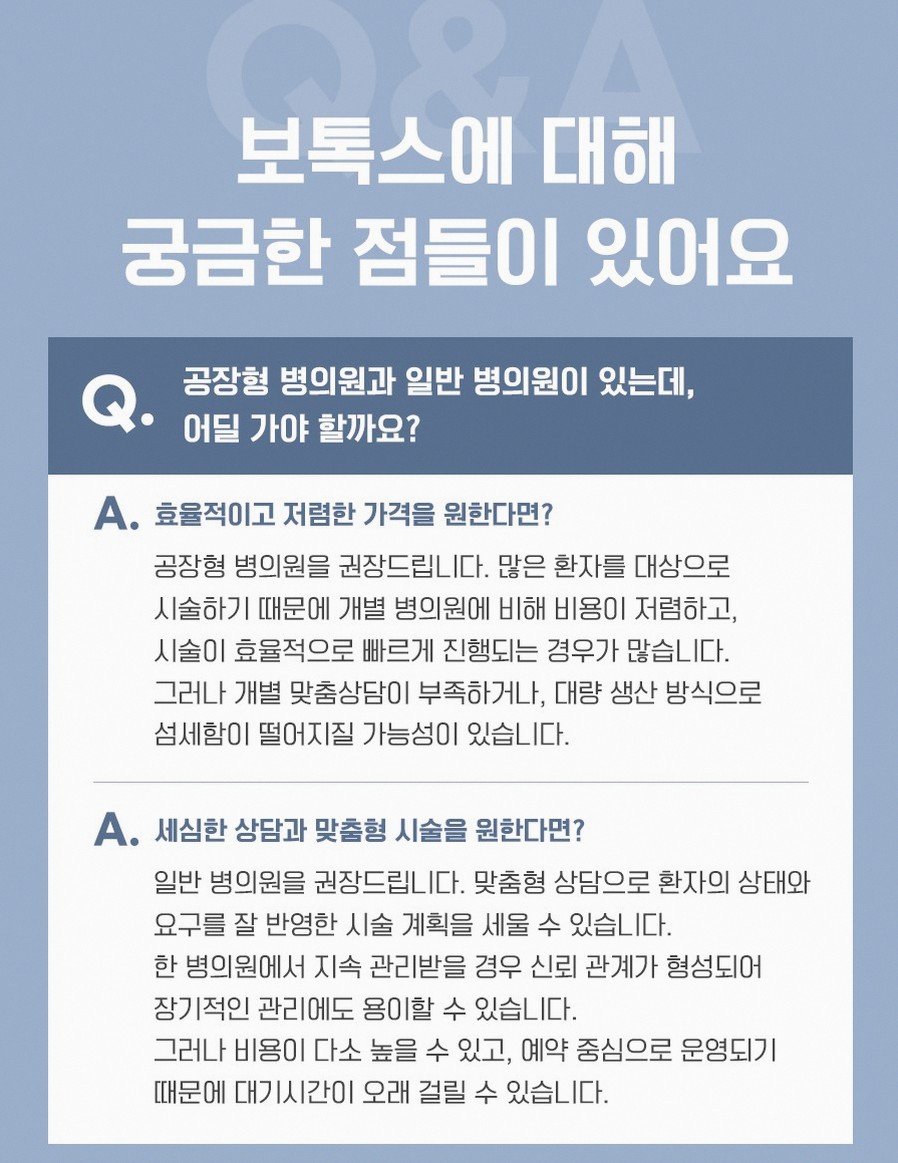
Because the clinic also treats acne, scars, pigmentation, and offers lifting devices and fillers, you can receive a more comprehensive facial plan rather than isolated botox injections. For example, if you have both dynamic wrinkles and acne scars, the doctor might suggest scheduling botox together with skin treatments in a way that fits your travel schedule.
Patients with scalp issues or hair loss can have these concerns evaluated in parallel. This may be convenient for those who want to manage overall appearance and skin health at one location instead of visiting separate clinics.
IV therapies such as multivitamin or nutrient infusions are available and may help with general fatigue or wellness for some people, but they are not a replacement for medical treatment of disease. They should be considered cautiously and discussed with the doctor.
For foot problems like ingrown toenails or fungal infections, treatment can be arranged in the same clinic. Local residents often appreciate handling multiple issues in one visit; international patients may also find it efficient to combine foot care with facial botox during a short stay.
Online consultation and pre-visit preparation
Before contacting the clinic, it can help to prepare the following information:
Your main concerns, such as forehead lines, frown lines, crow’s feet, or jawline width.
Any previous experience with botox or fillers, including approximate dates and whether you were satisfied with the results.
Your medical history, including chronic diseases, medications, allergies, and any neuromuscular conditions.
Your planned travel dates and how many days you can stay in Seoul.
You may also want to prepare questions, for example:
Which areas are suitable for botox in my case?
How conservative or strong can the first treatment be?
Is it possible to combine botox with other treatments during the same visit?
What aftercare should I follow if I will be flying soon after the procedure?
Expected Korea visit timeline for botox
For most international patients, botox can be completed in a short timeline.
Day 1: Consultation and treatment
On the first day, you can usually have consultation and treatment in the same visit, provided there are no medical reasons to delay. The doctor will examine your face, discuss your goals, and propose a plan. If you agree, cleansing, marking, and injection can be done right away.
You should allow enough time for registration, consultation, possible anesthetic cream application, the injections, and post-treatment explanation. This may take longer than the injection time itself, so avoid scheduling other tight appointments immediately afterward.
Days 2 to 7: Early changes
Mild redness or small bruises, if they occur, usually improve over several days. Early effects of botox may start to appear within 3 to 5 days, but the full result is more visible after about 1 to 2 weeks.
If you are staying in Korea for only a few days, you may not see the full effect before you leave, but you can still discuss expectations and what to watch for once you return home.
Weeks 2 to 4: Peak effect
The peak effect is typically around 1 to 2 weeks. If you are able to stay longer or visit again within this period, a follow-up can be used to fine-tune future plans. If you cannot, you can take photos for your own record and share your impressions with the clinic if you plan to return for repeat treatment in the future.
Months 3 to 6: Gradual fading
Over 3 to 6 months, the effect gradually wears off as nerve signals recover and muscles regain strength. Many people schedule their next session when they notice expression lines returning more clearly. For international patients, this may mean planning botox during each trip to Seoul.
Local and practical information
The clinic is located in Galhyeon-dong, Eunpyeong-gu, making it a practical choice for residents and workers in the area, as well as visitors staying nearby who want a neighborhood clinic rather than a large city-center cosmetic-only facility.
Operating hours are as follows:
Weekdays: 11:00–20:00, with a lunch break from 14:00–15:00.
Saturday, Sunday, and public holidays: 11:00–17:00, with no lunch break.
Closed on Wednesdays and Thursdays.
Because schedules and services can change, you should confirm the latest operating hours and available treatments by contacting the clinic before visiting.
Frequently asked questions
What areas can I treat with botox during a short trip to Korea?
In a neighborhood dermatology clinic, common areas include forehead lines, frown lines between the eyebrows, crow’s feet, bunny lines on the nose, chin dimpling, masseter muscles for jawline slimming, and neck bands. Which areas are suitable for you depends on your facial structure, muscle strength, and skin condition. During consultation, the doctor can prioritize the most important areas if your schedule is limited.
Timing depends on individual factors. Some clinicians may advise scheduling botox at least one day before a long flight so any immediate redness or minor bruising has time to settle, but this is not a universal rule. Confirm the best timing with your treating physician at the clinic based on your medical history, the treatment area, and any aftercare instructions; follow their guidance about travel after the procedure.
You should also have enough time to receive and understand aftercare instructions. If your schedule is very tight, discuss this with the clinic in advance so they can advise you individually.
Can I combine botox with other treatments in one visit?
In many cases, botox can be combined with other non-surgical treatments such as fillers, lifting devices, or skin procedures, depending on your condition and the doctor’s judgment. However, not all combinations are suitable for every patient, and the order or timing may need to be adjusted. The doctor will consider your skin type, medical history, and travel schedule before recommending a combined plan.

How often will I need to repeat botox if I visit Korea regularly?
Botox effects generally last about 3 to 6 months. Many people repeat treatment two to three times per year, depending on how strong they like the effect and how quickly their muscles recover. If you travel to Korea once or twice a year, you can discuss with the doctor how to time your sessions so that you maintain a reasonable result between visits.
Soft call to action for overseas patients
If you are planning a trip to Seoul and are considering botox in a local Galhyeon-dong dermatology clinic that also manages general skin, scalp, and foot problems, you can contact Malgeunsu Clinic in advance to check availability and schedule. Preparing your questions, medical history, and preferred dates before you reach out will help the clinic guide you more efficiently.
Medical information notice
The information in this article is for general educational purposes and does not replace a personal consultation with a qualified physician. Botox and other medical treatments can have different results and risks for each individual. All decisions about treatment, dosage, and combinations with other procedures should be made after direct evaluation and discussion with the doctor at the clinic.
- 공유 링크 만들기
- X
- 이메일
- 기타 앱


댓글
댓글 쓰기