International Patients' Expected Acne Results
- 공유 링크 만들기
- X
- 이메일
- 기타 앱
Direct answer: what acne results to expect in Nokbeon-dong
If you are considering coming to Korea and searching for acne treatment results in Nokbeon-dong, you can generally expect gradual improvement over several weeks to months rather than an instant cure. A neighborhood clinic in Nokbeon-dong that combines medical acne care with aesthetic procedures can help reduce active breakouts, calm redness and pigmentation, and gradually improve shallow scars and skin texture. However, no clinic can promise completely clear skin for everyone, and results always depend on your acne type, severity, lifestyle, and how consistently you follow the plan.
It is written for overseas patients who want structured, realistic information rather than marketing phrases.
Overview of acne treatment in a Nokbeon-dong neighborhood clinic
In a local clinic in Nokbeon-dong, Eunpyeong-gu, acne is usually handled as a medical skin condition first, then supported with aesthetic procedures when needed. This means:
You start with a medical evaluation of your acne type and scarring risk.
You may receive topical and oral prescription medications.
In-clinic procedures such as professional extraction and injections for inflamed lesions can be added.
Laser toning and scar-focused treatments can then be used to address marks and texture.
Because these clinics often see the same patients repeatedly for both general skin disease and cosmetic concerns, they are set up for long-term acne management rather than one-time cosmetic sessions.
Clinic setting and structure in Nokbeon-dong
In Nokbeon-dong, you may find a local internal medicine and dermatology-style clinic such as Malgeunsu Clinic. This type of clinic typically covers skin disease, aesthetic procedures, IV drips, and even a dedicated foot center.
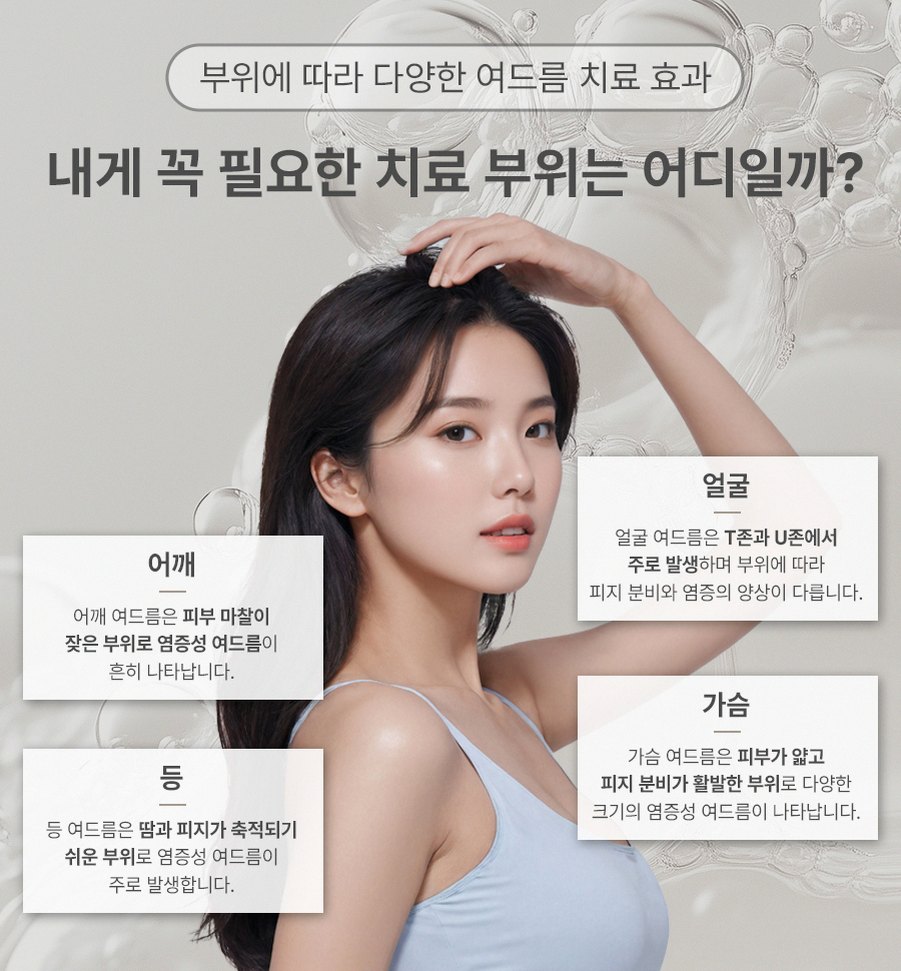
At this clinic, all consultations and procedures are performed by one physician, Director Lee Hyo-su. This one-physician system means that the same doctor who evaluates your acne also performs or directly oversees your procedures, which can help keep your treatment plan consistent over time.
The clinic offers evening hours on weekdays until 20:00 and is open on Saturdays, Sundays, and public holidays, which is relatively rare for a skin-focused clinic. For international patients, these extended hours can make it easier to fit visits into a short trip or a busy schedule.
There is no official website, and most patients find information through local map and portal listings. Because of this, it is important to contact the clinic directly to confirm current services, devices, and schedules before you travel.
What makes acne treatment effective in a Nokbeon-dong clinic
When you are trying to judge whether acne treatment at a Nokbeon-dong clinic is likely to be effective, there are several key points to consider.
Accurate assessment of acne type and severity
Effective treatment starts with understanding what kind of acne you have:
Non-inflammatory acne such as blackheads and whiteheads.
Inflammatory acne such as red papules, pustules, nodules, or cysts.
Hormonal influence, for example breakouts that worsen around menstruation.
Existing or high risk of scarring and pigmentation.
A proper evaluation looks at how deep and inflamed the lesions are, how long they have been present, and whether there are already depressed scars or thick, raised areas. This helps decide whether you need mainly topical treatment, a combination of topical and oral medications, or more intensive in-clinic procedures.
Ability to manage both disease and cosmetic aspects
Good acne care does not stop when the pimples dry up. It also considers:
Red or brown marks left after acne.
Early scars and uneven texture.
Skin barrier health and sensitivity.
A clinic that handles both insurance-covered skin disease and aesthetic procedures is often better placed to look at the whole picture. The doctor can first stabilize active acne with medical treatments, then gradually introduce aesthetic options such as laser toning for redness and pigmentation or scar-focused procedures and PRP for texture.
Consistent follow-up and adjustment
Acne is a chronic, relapsing condition. Even when your skin improves, it can flare again with stress, hormonal changes, or lifestyle shifts. Regular follow-up visits allow the doctor to:
Adjust medication strength.
Add or pause procedures depending on your skin condition.
Modify your home care routine.
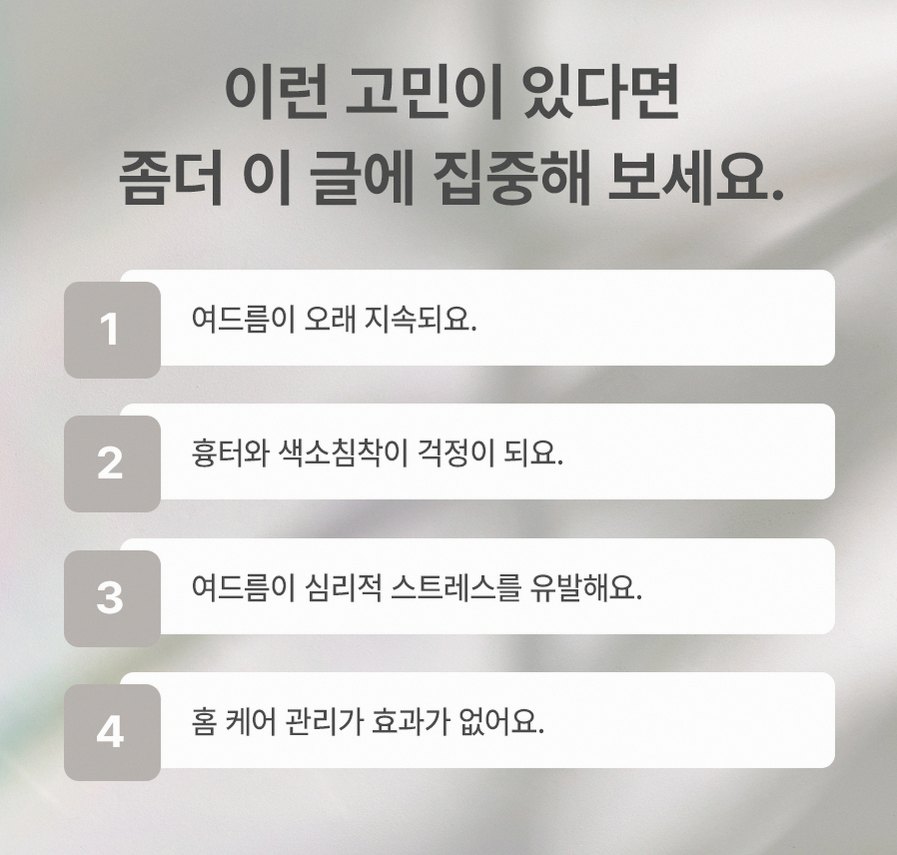
Evening and weekend hours at a Nokbeon-dong clinic make it easier for both local and visiting patients to keep these follow-up appointments, which indirectly supports better long-term results.
Realistic time frame for acne improvement
For example:
Active inflammatory acne may calm over 1 to 3 months with medication and in-clinic care.
Redness and brown marks after acne often need a series of laser toning sessions spaced a few weeks apart.
Depressed scars and uneven texture usually require several rounds of scar-focused treatments and PRP, with gradual improvement over time.
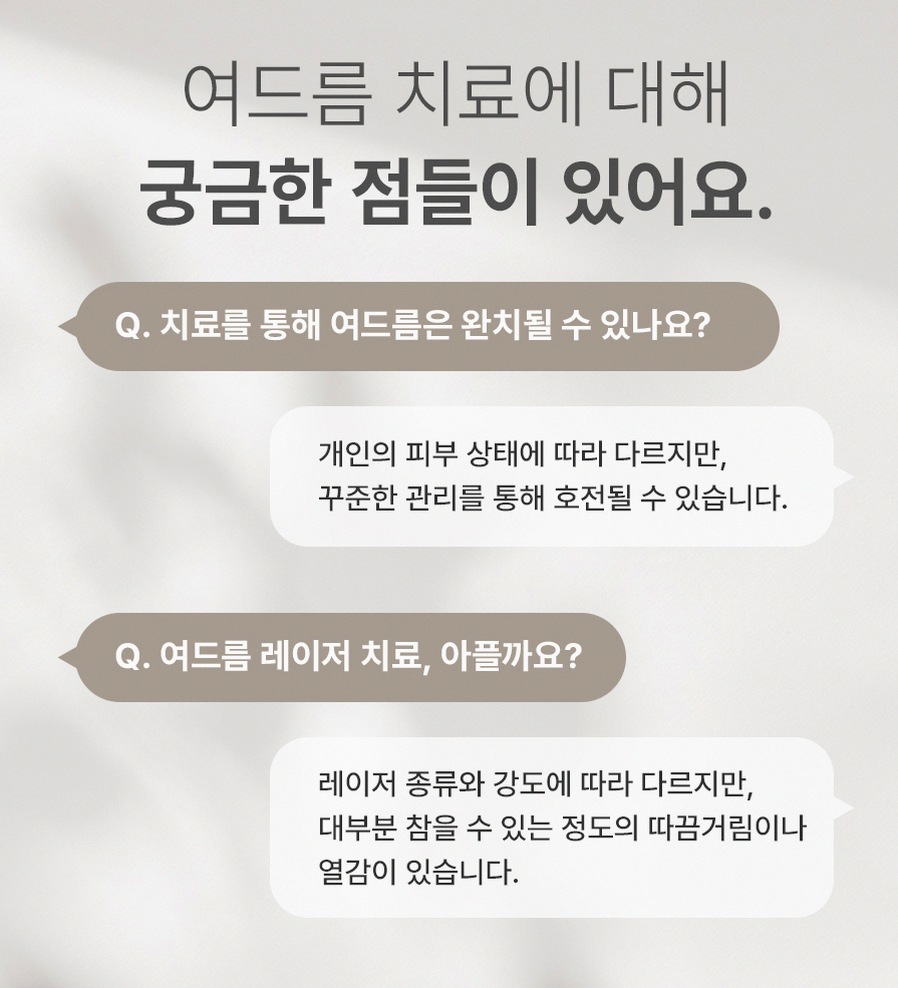
No clinic can guarantee complete clearance or a specific percentage of improvement, so it is important to enter treatment with the goal of control and scar prevention rather than a one-time cure.
Step-by-step acne treatment flow in a Nokbeon-dong clinic
First visit and evaluation
On your first visit, the doctor will usually:
Examine your skin closely to identify acne type, distribution, and severity.
Check for existing scars, enlarged pores, and post-inflammatory redness or pigmentation.
Ask about your lifestyle, skincare routine, diet patterns, stress level, menstrual cycle, and previous treatments.
Review your medical history, medications, and allergies.
During this consultation, you should also hear an explanation that acne tends to be chronic and that treatment aims to control breakouts, reduce inflammation, and prevent or soften scars, rather than promising permanent elimination.
Basic medical management
After the evaluation, a basic medical plan is usually set up. This may include:
Topical medications such as retinoid-type creams, antibacterial or anti-inflammatory gels, and products to help unclog pores.
Oral medications when needed, such as anti-inflammatory drugs, antibiotics for a limited period, or other acne-related prescriptions depending on your situation.
Guidance on gentle cleansing, non-comedogenic moisturizers, and appropriate sunscreen.
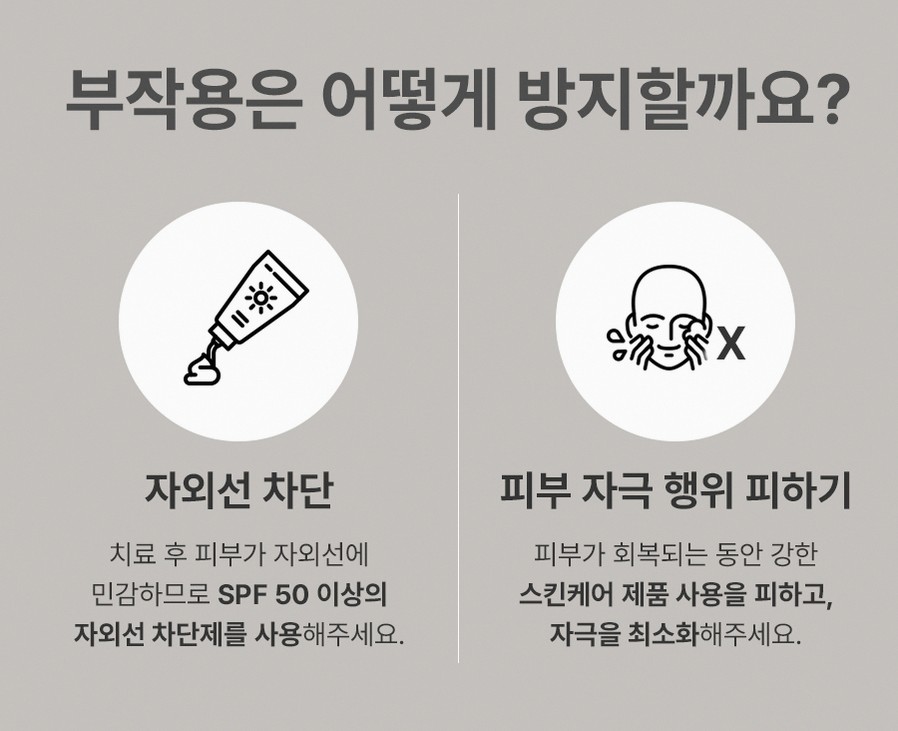
You will be advised to avoid self-extraction, picking, or using harsh scrubs and strong home acids that can damage the skin barrier and increase the risk of scarring and pigmentation.
In-clinic procedures for active acne
For active breakouts, a Nokbeon-dong clinic may offer several in-clinic procedures to support medical treatment.
Professional extraction
When blackheads, whiteheads, or certain pustules are dense, the doctor may perform professional extraction using sterile tools and controlled techniques. This can help clear pores more safely than home squeezing and may reduce the risk of infection and scarring when done properly.
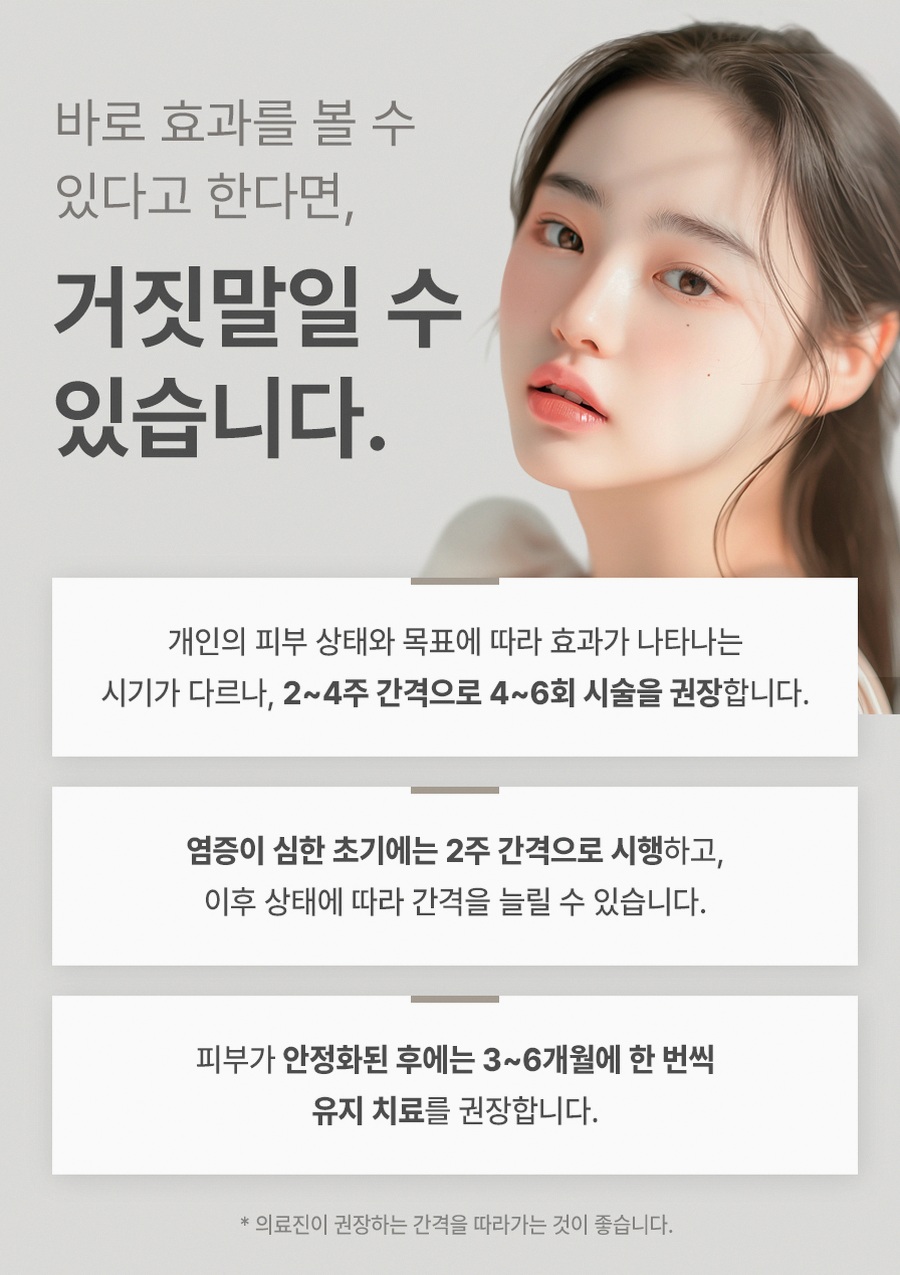
Inflammation-focused treatments (some clinics offer intralesional injections for selected nodules—ask the clinic if they provide this option).
For large, painful nodules or cystic lesions, the clinic may provide injections designed to calm severe inflammation. These injections are placed directly into the inflamed lesion to help reduce swelling and tenderness more quickly than topical treatment alone. They are usually used selectively for a few problematic spots rather than for every pimple.
Skin barrier and hydration support
If your skin is irritated, dry, or sensitive from acne itself or from medication, the clinic may suggest gentle in-clinic care to support barrier function and hydration. These are not direct cures for acne but can make it easier to continue medical treatment without excessive dryness or peeling.
Device-based support for acne marks and scars
Once active inflammation is better controlled, attention can shift to marks and scars.
Laser toning for redness and pigmentation
For red or brown marks left after acne, the clinic may use laser toning devices. In this context, options such as Genesis-type toning and Alexandrite-based toning are used to target redness and pigment.
Laser toning is usually described as a gentle, repetitive treatment. Over multiple sessions, it may help:
Even out skin tone.
Soften the appearance of red or brown post-acne marks.
Improve overall brightness and clarity.
Sessions are typically spaced a few weeks apart, and improvement is gradual. The exact device settings and number of sessions depend on your skin type and the intensity of your pigmentation.
Scar-focused treatments and PRP
For depressed scars and uneven texture, the clinic may offer scar-focused procedures along with PRP.
Scar treatments may involve techniques that stimulate collagen remodeling in the deeper layers of the skin. PRP, which uses components from your own blood, may be combined with these procedures to support skin regeneration in certain cases.
These treatments usually require a series of sessions. Results vary by individual, and while many patients see smoother texture and softer scars over time, it is important not to expect complete erasure of all scars.
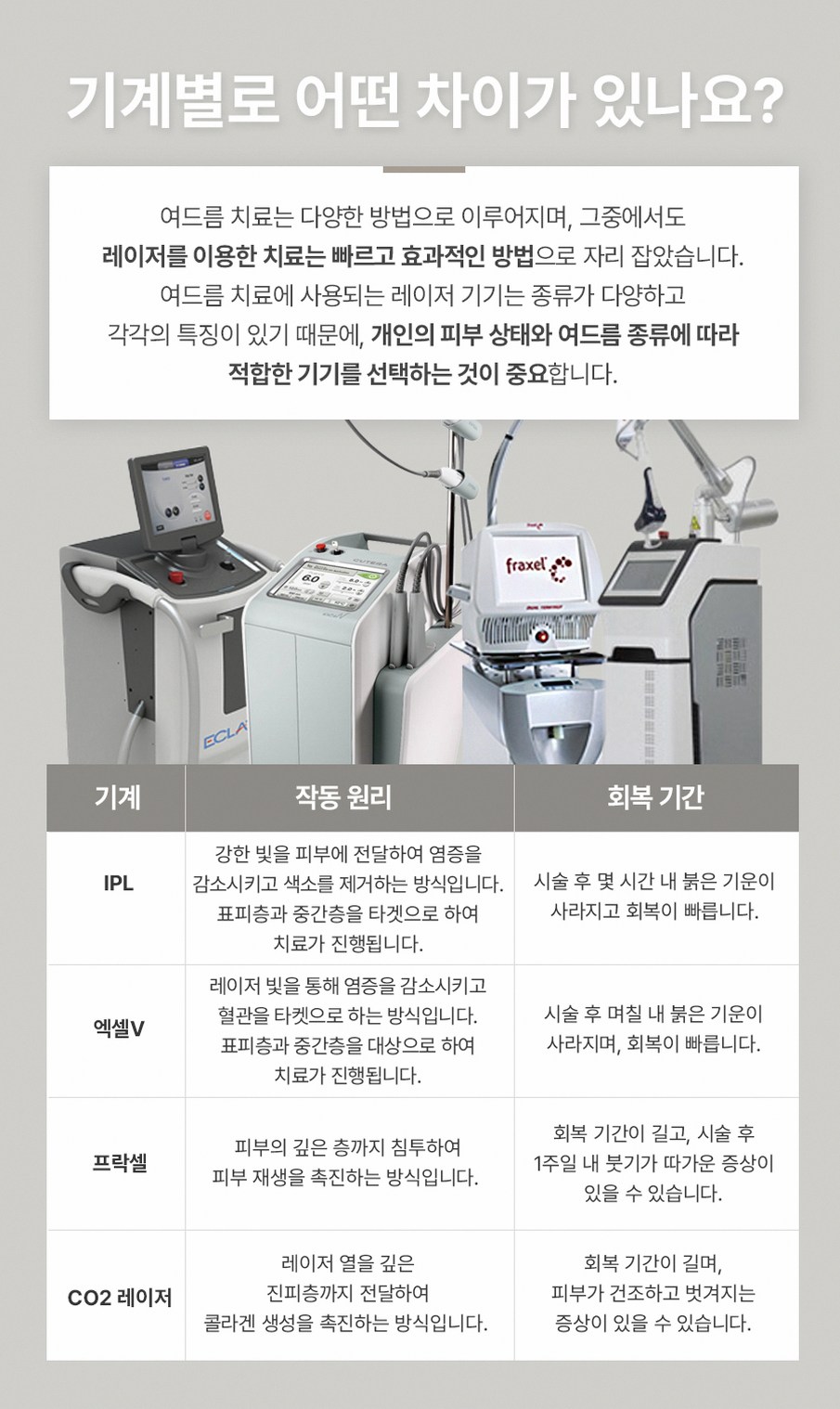
The exact combination of scar treatments, PRP, and any other procedures should always be decided after an in-person examination and discussion with the doctor.
Long-term maintenance and relapse prevention
After your acne has improved, the focus shifts to maintenance.
This phase may include:
Lower-intensity topical medications to keep pores clear.
Occasional in-clinic visits for extraction or toning if new marks appear.
Adjustments to your skincare routine as your skin becomes less acne-prone.
Because a Nokbeon-dong clinic with extended hours is relatively easy to access, it can serve as a long-term partner for your skin, especially if you live in or frequently visit Seoul.
Other services as context: foot center, lifting, and IV drips
Some local clinics in Nokbeon-dong also run a dedicated foot center for conditions such as athlete’s foot, ingrown toenails, and calluses. They may offer non-surgical, no-anesthesia-required laser options for fungal nail infections. These services are separate from acne treatment but show that the clinic is familiar with managing chronic skin and nail conditions in a structured, stepwise way.
In addition, the device lineup may include lifting platforms such as InMode, Shurink Universe, Tencera, and Ten Triple, as well as injectables like botulinum toxin and fillers. These are typically used for facial contouring, tightening, and wrinkle care, not for acne itself.
Various IV drips, such as whitening, antioxidant, placenta, vitamin D, and multivitamin infusions, may be offered mainly for fatigue or general condition. They should not be viewed as proven acne cures or replacements for proper acne diagnosis and treatment.
For acne, the most relevant device-based options are laser toning for redness and pigmentation and scar-focused procedures including PRP. Lifting devices and aesthetic injectables can sometimes be combined with acne care in a broader anti-aging plan, but they are not primary acne treatments.
Safety, limits, and realistic expectations
No acne treatment can guarantee complete clearance or permanent results for everyone. When considering treatment in Nokbeon-dong, keep these safety and expectation points in mind.
Individual variation
Your outcome will depend on:
Skin type and sensitivity.
Acne severity and depth.
Hormonal and genetic factors.
Lifestyle, stress, and sleep.
How closely you follow medical and skincare advice.
Because of these variables, it is more accurate to say that treatments may help, can support improvement, or may reduce certain symptoms, rather than promising perfect skin.
Procedures and discomfort
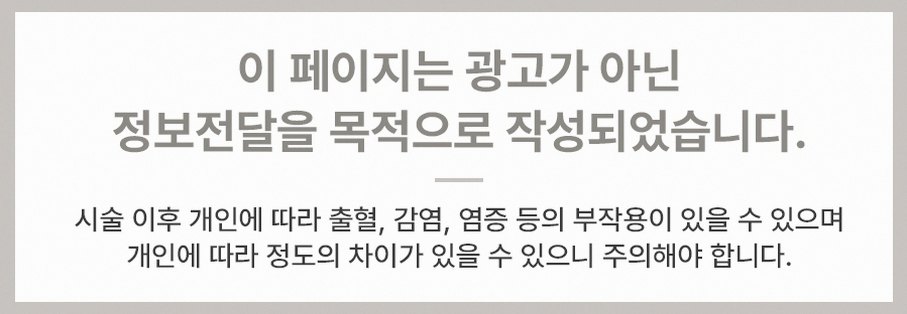
Most acne-related procedures are well tolerated, but they are not always painless. You may feel temporary discomfort during extraction, injections, or laser sessions, and some redness or mild swelling afterward. Your doctor can explain expected sensations and recovery time for each procedure.
If the clinic offers injections described as improving skin quality or redness, ask about the exact ingredients and regulatory approvals. Avoid assuming that any one injection will cure acne.
Medical history and communication
Before starting acne or any other treatment, you should:
Inform the doctor about all medications and supplements you are taking.
Mention any history of allergies, keloid scarring, or photosensitivity.
Discuss pregnancy, breastfeeding, or plans to become pregnant.
Clear communication helps the doctor choose safe, appropriate options and avoid interactions or complications.
Who might consider this Nokbeon-dong clinic for acne
A Nokbeon-dong clinic with this structure may be suitable if you:
Live, work, or frequently stay in Nokbeon-dong or nearby Eunpyeong-gu and want a local place for ongoing acne management.
Prefer having the same doctor handle both your medical acne treatment and any related aesthetic procedures such as scar care or laser toning.
Need evening or weekend appointments because of work or school.
Also have other skin issues such as scalp concerns, hair loss, warts, or foot-related skin conditions and would like to manage them in one location.
For international patients planning a short stay, the clinic can help set up an initial plan, start medications and early procedures, and then coordinate with you for follow-up visits when you return to Korea.
Online consultation and pre-visit preparation for overseas patients
Before you travel to Korea, it is helpful to prepare for your acne consultation.
Information to organize in advance
Prepare the following details to share with the doctor:
How long you have had acne and how it has changed over time.
Treatments you have tried, including over-the-counter products, prescriptions, and procedures.
Any known triggers such as stress, certain foods, or menstrual cycles.
Photos of your skin taken in natural light from different angles.
You can also write down your main concerns: for example, whether you are more bothered by active breakouts, red marks, or scars.
Questions to ask during online or pre-visit contact
When you contact the clinic by phone or message, you may want to ask:
Whether they currently accept overseas patients.
What kinds of acne-related services they provide, including extraction, injections, laser toning, and scar treatments.
How they usually schedule sessions if you are only in Korea for a short time.
What approximate time gaps they recommend between laser or scar sessions.
Because there is no official website and information is mainly through local map and portal listings, direct communication is the best way to confirm up-to-date details.
Visit planning for acne care — timelines vary by case and clinic; confirm scheduling and recommended duration with the clinic before you travel.
If you are visiting Korea primarily for acne treatment in Nokbeon-dong, you can plan your trip around the typical flow of care.
Short stay: 3 to 7 days
During a short stay, you can usually:
Have a full consultation and skin assessment.
Start topical and oral medications if appropriate.
Receive basic in-clinic care such as extraction and selective injections for inflamed lesions.
Possibly undergo an initial laser toning session if your skin is suitable.
You will then continue medications and skincare at home, with the option to return for additional sessions on a future trip.
Medium stay: 2 to 4 weeks
With a longer stay, you may:
Have time for 2 or more laser toning sessions spaced about 1 to 2 weeks apart.
Begin early scar-focused treatments if your acne is sufficiently controlled.
Fine-tune your home care routine under direct supervision.
This can be a good option if you want to see more noticeable change in redness and pigmentation before you leave.
Long-term or repeated visits
If you live in Korea or visit regularly, you can follow a more comprehensive plan that includes:
Ongoing medical management of acne.
A full series of laser toning sessions.
Several rounds of scar-focused treatments and PRP if indicated.
Periodic maintenance visits to prevent relapse.
The doctor can adjust the schedule based on your response and availability.
Aftercare and daily life during treatment
After in-clinic procedures, proper aftercare supports better results and reduces the risk of side effects.
General aftercare points
Common recommendations include:
Gentle cleansing with lukewarm water and mild, non-stripping cleansers.
Regular use of non-comedogenic moisturizers to support the skin barrier.
Daily broad-spectrum sunscreen, especially after laser treatments.
Avoiding picking, scratching, or squeezing lesions.
You may be asked to avoid saunas, very hot showers, intense exercise, or alcohol for a short period after certain procedures. The doctor will explain specific restrictions based on what you receive.
Lifestyle considerations
Sleep, stress management, and diet can all influence acne. While there is no single acne diet, some people notice that high-sugar or dairy-heavy foods worsen their skin. During your visit, you can discuss realistic lifestyle adjustments that fit your situation.
Practical visit information
Clinic name: Malgeunsu Clinic.
Director: Lee Hyo-su. Acne consultations and procedures are provided directly by Director Lee Hyo-su from consultation to procedure.
Location context: local clinic in Nokbeon-dong, Eunpyeong-gu, Seoul.
Hours: weekdays 11:00–20:00 with a lunch break from 14:00–15:00; Saturdays, Sundays, and public holidays 11:00–17:00 with no lunch break; closed on Wednesdays and Thursdays.
Online information: mainly via local map and portal listings. Exact treatment combinations, availability, and pricing should be confirmed directly with the clinic.
If you plan to visit from overseas, it is wise to call ahead to confirm opening hours, which services are available on your intended dates, and whether the clinic can accommodate your treatment goals within your stay.
Frequently asked questions about acne treatment in Nokbeon-dong
How long does it usually take to see acne improvement at a local Nokbeon-dong clinic?
Many patients begin to notice some reduction in active breakouts within 4 to 8 weeks of consistent medical treatment, including topical and, if needed, oral medications. In-clinic procedures such as extraction and injections for inflamed lesions can help specific spots calm more quickly. However, more visible changes in marks and scars generally take several months and multiple sessions of laser toning or scar-focused treatments. The exact timeline varies widely depending on your skin, acne severity, and adherence to the plan.
Can acne scars be improved with treatments like laser toning and PRP?
Laser toning mainly targets redness and pigmentation left after acne, and over several sessions it can help even out skin tone and soften the appearance of marks. For depressed scars and uneven texture, scar-focused procedures combined with PRP may support collagen remodeling and gradual smoothing. These treatments usually require a series of sessions and realistic expectations: scars often become less noticeable rather than disappearing completely. An in-person assessment is essential to decide which methods are appropriate for your specific scar type.
Is it okay to get lifting or other aesthetic procedures while treating acne?
In many cases, lifting procedures and other aesthetic treatments can be combined with acne care, but they are not primary treatments for acne itself. The priority is usually to control active inflammation first. Once your acne is more stable, the doctor may discuss whether lifting devices, injectables, or other aesthetic options fit your overall goals and skin condition. It is important to avoid overloading sensitive, acne-prone skin with too many procedures at once, so coordination under one physician can be helpful.
How often should I visit the clinic for effective acne management?
During the initial phase, visits are often scheduled every few weeks to monitor response, adjust medications, and perform in-clinic procedures as needed. Laser toning sessions for post-acne marks are typically spaced several weeks apart, while scar-focused treatments and PRP may follow their own intervals. Once your acne is under better control, visit frequency can be reduced to maintenance appointments. The exact schedule should be tailored to your skin condition, travel plans, and how easily you can access the clinic.
What should I prepare or avoid before my first acne consultation?
Before your consultation, prepare a list of all skincare products, medications, and supplements you are using, as well as any previous acne treatments. If possible, bring or send clear photos of your skin in natural light. In the days before your visit, it is usually best to avoid aggressive exfoliation, new strong products, or sunburn, as these can make your skin harder to evaluate. Do not undergo other facial procedures immediately before your appointment unless advised by the clinic. Being honest about your habits and concerns helps the doctor design a realistic, safe plan.
Soft call to action for online consultation
If you are an international patient considering acne treatment in Nokbeon-dong, it can be helpful to start with an online or phone inquiry. Share your basic history, current photos, and travel dates so the clinic can advise whether a meaningful treatment plan is possible within your stay and what kind of schedule you might expect.
Use the information in this guide as a checklist of questions to ask, rather than as a replacement for medical advice. Final decisions about medications, procedures, and timing should always be made after a direct consultation and examination with the treating physician.
- 공유 링크 만들기
- X
- 이메일
- 기타 앱


댓글
댓글 쓰기