How to Judge Reviews Before Acne Treatment
- 공유 링크 만들기
- X
- 이메일
- 기타 앱
Introduction
If you are searching for Nokbeon-dong dermatology reviews because of stubborn acne, you may be wondering whether a small neighborhood clinic can really help with both active breakouts and leftover scars. Many people are also unsure how to judge online reviews and what the actual treatment process will feel like over several months.
This guide brings those points together. Instead of inventing personal stories, it explains what to look for in real reviews, how acne treatment usually proceeds in a local clinic, and what is characteristic about a one-doctor setting such as Malgeunsu Clinic in the Nokbeon-dong area of Eunpyeong-gu, Seoul.
Because this type of clinic handles both medical skin problems and cosmetic acne procedures in one place, it can be especially useful if your acne is linked with inflammation, sensitivity, or even scalp and hair issues.

What People Usually Want to Know in Nokbeon-dong Dermatology Reviews
When people read Nokbeon-dong dermatology reviews for acne, they tend to focus on a few key questions.
First is effectiveness. Review readers want to know whether breakouts decreased, how long it took to see changes, and whether red marks or scars improved over time. For acne, it is important that the doctor can tell the difference between inflammatory pustules, hormonal patterns along the jawline, and long-standing acne that already has scars. Reviews that mention tailored plans for different acne types are often more helpful than short comments like “it was good” or “it did not work.”
Second is communication. Many patients pay attention to whether the doctor explains the treatment plan clearly, including medication options, possible procedures, and side effects such as dryness or temporary purging. Reviews that describe step-by-step explanations, or that mention the doctor answering detailed questions, can be useful signals.
Third is pressure. In any area with cosmetic clinics, some people worry about being pushed into large procedure packages. In reviews, you can check whether patients felt that recommendations were reasonable and gradual, or whether they felt pressured to do many treatments at once.
Finally, convenience matters. In a residential neighborhood like Nokbeon-dong, people often want a clinic they can visit regularly over months, not just a one-time procedure center. Reviews that mention evening or weekend hours, waiting times, and how easy it is to book follow-up appointments are especially relevant for acne, which usually requires repeated visits.
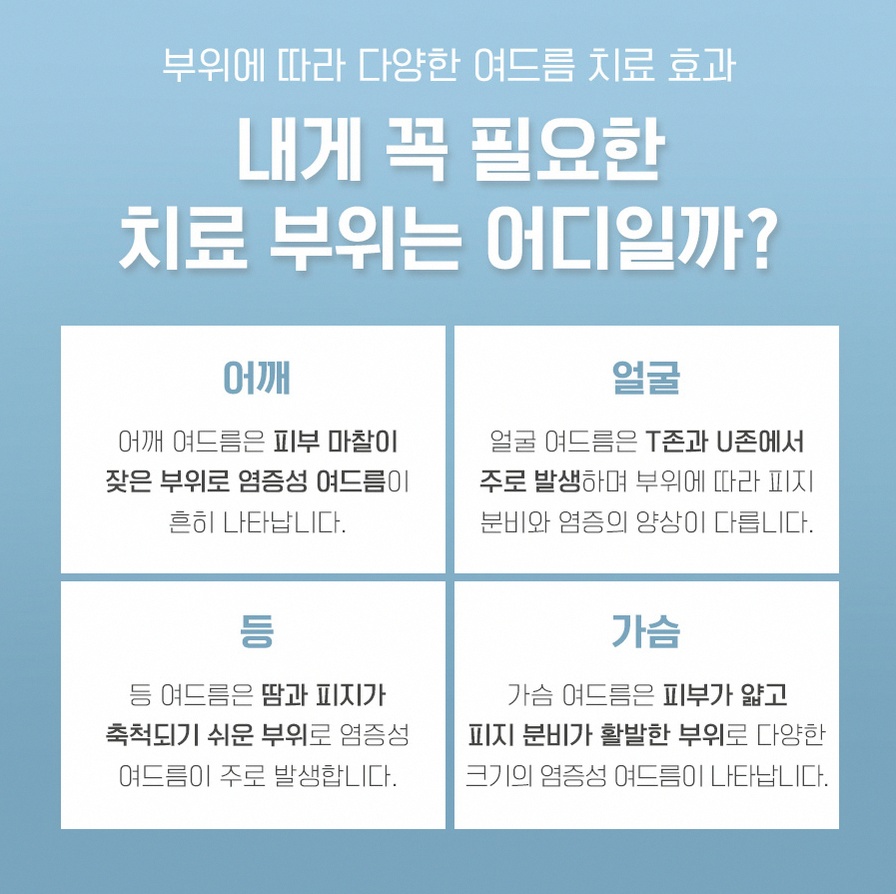
Acne Treatment Basics: What a Local Dermatology Clinic Can Offer
In a clinical setting, acne treatment usually starts with a medical consultation. The doctor will ask about how long you have had acne, previous treatments, your skincare routine, and lifestyle factors such as stress or menstrual patterns. Based on this, they may prescribe topical creams or gels, oral medications, or both.
For active lesions, in-clinic procedures can be added. These may include injections into painful cystic spots, gentle extractions, or light and laser-based treatments aimed at calming inflammation and reducing bacteria on the skin. The focus at this stage is to control inflammation, regulate sebum production, and stabilize the skin barrier.
Acne scars are a separate phase. Once breakouts are under control, the focus shifts to texture, pigmentation, and collagen remodeling. Scar treatments may involve lasers for redness and pigment, procedures that stimulate collagen to improve depressed scars, or treatments that refine enlarged pores.
A clinic that also treats general skin disease can manage related issues that often appear together with acne, such as sebaceous cysts, warts, or allergic reactions to cosmetics. For some patients, scalp or hair problems like seborrheic conditions or hair shedding coexist with facial acne. In that case, it can be helpful to see a doctor who looks at the entire pattern, not just the face in isolation.
How a One-Doctor Clinic Handles Acne Treatment
In a one-doctor clinic, the same physician takes responsibility for your care from start to finish. At Malgeunsu Clinic, Director Lee Hyo-su conducts the initial consultation, designs the treatment plan, and personally performs or directly supervises procedures. For patients who dislike being passed between multiple staff members, this continuity can be reassuring.
Over time, this style often shows up in reviews as comments about the doctor remembering previous visits without needing long reminders, gradually adjusting medications based on how your skin responds, and explaining why certain procedures are recommended or postponed. Because the same doctor is following your skin over months, they can notice small changes and fine-tune the plan.
This is different from some large cosmetic centers where the person who consults you may not be the one performing procedures, and where staff turnover can be higher. In a one-doctor setting, the strength is usually meticulous follow-up and consistent decision-making rather than a huge menu of separate departments.
Acne Procedures and Devices You May Encounter
Beyond basic medical treatment, many Nokbeon-dong clinics offer cosmetic procedures that support acne care and scar improvement. These can be roughly divided into treatments for active acne and treatments for marks and texture.
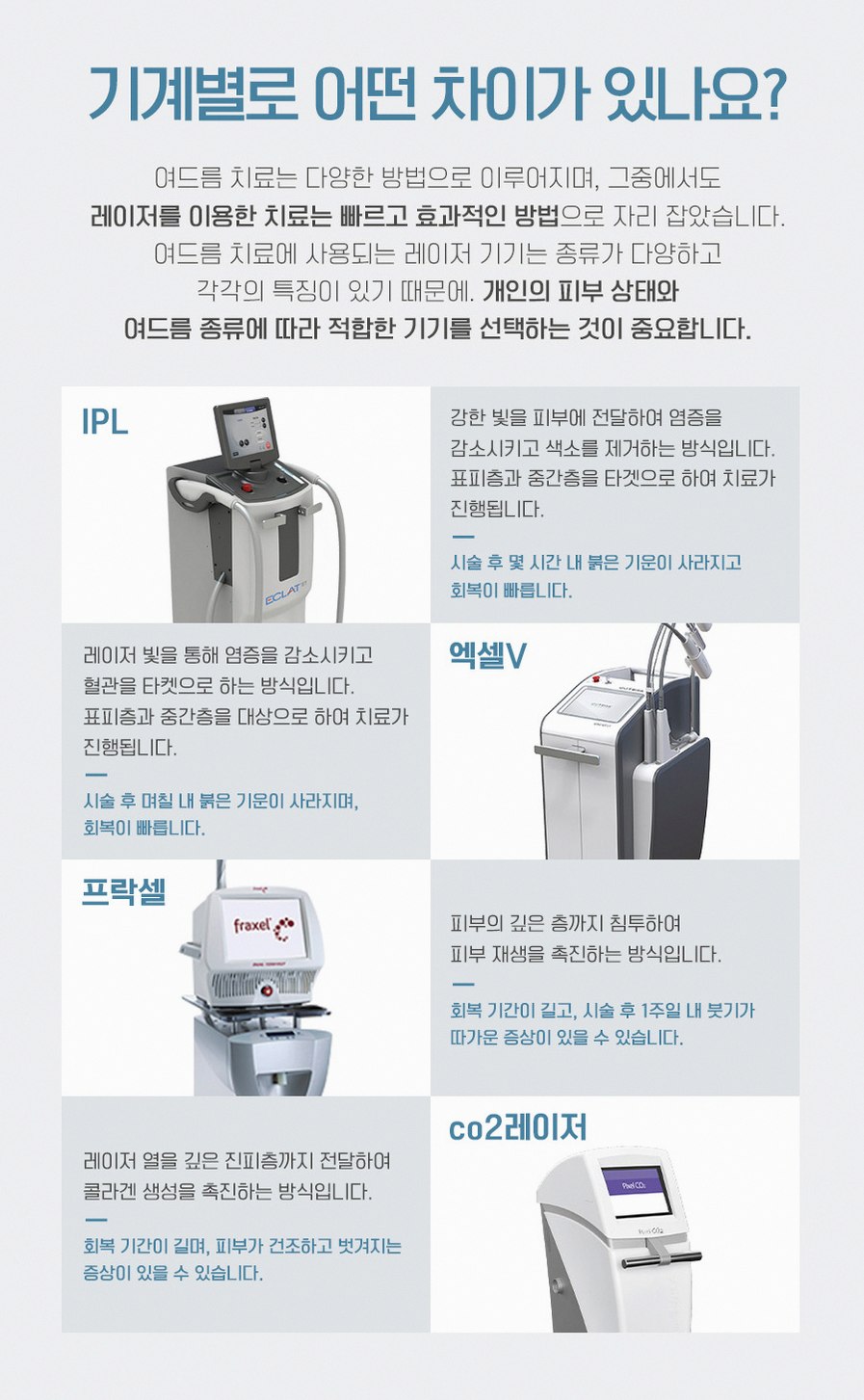
For active acne, procedures may include light-based treatments to calm inflammation, targeted injections for painful nodules, and gentle resurfacing to clear clogged pores. These are usually combined with home care and medications rather than used alone.
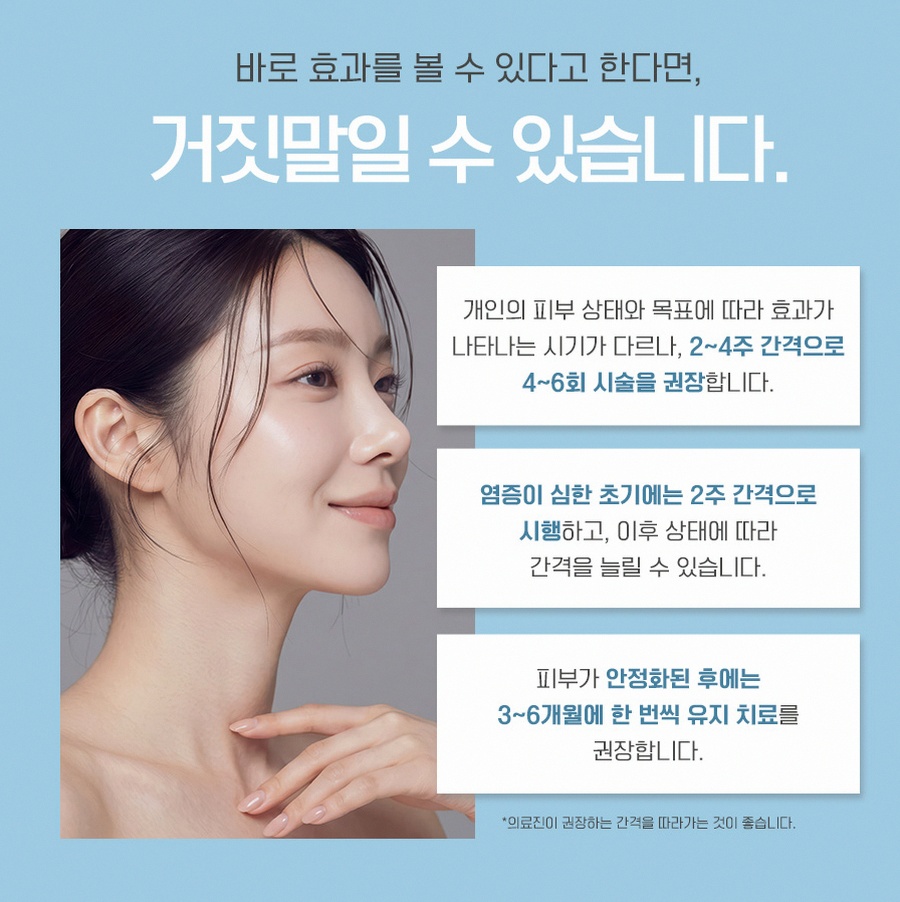
For scars, pigmentation, and texture, device options become more important. A clinic in this area may use toning lasers to address spots and redness, especially after inflammation has settled. Lifting and tightening devices such as Inmode, Shurink Universe, Tencera, or Tent Triple can sometimes be used to improve overall skin firmness and, in some cases, the appearance of enlarged pores or mild laxity around old scars.
Injectable treatments like skin boosters and fillers may also be offered. Skin boosters can help with hydration and fine texture, while fillers may be carefully used to support certain depressed scars or areas of volume loss. For acne patients, these are typically considered only after active breakouts are under control.
A key point is that device choice should be individualized. Skin type, acne severity, scar depth, pain tolerance, and schedule all matter. No single device is right for everyone, and not every acne patient needs multiple machines. When reading reviews, it is a good sign if patients describe a stepwise approach rather than feeling that many procedures were suggested at once without clear reasoning.
What a Typical Acne Treatment Journey Looks Like
In a Nokbeon-dong neighborhood clinic, a realistic acne treatment journey usually follows several stages.
First visit. The doctor takes a detailed history: how long you have had acne, which areas are affected, what treatments you have tried, and whether your breakouts seem linked to your cycle, stress, or certain products. They examine your skin closely to distinguish between active inflammation, clogged pores, and existing scars. Basic photos may be taken for reference.
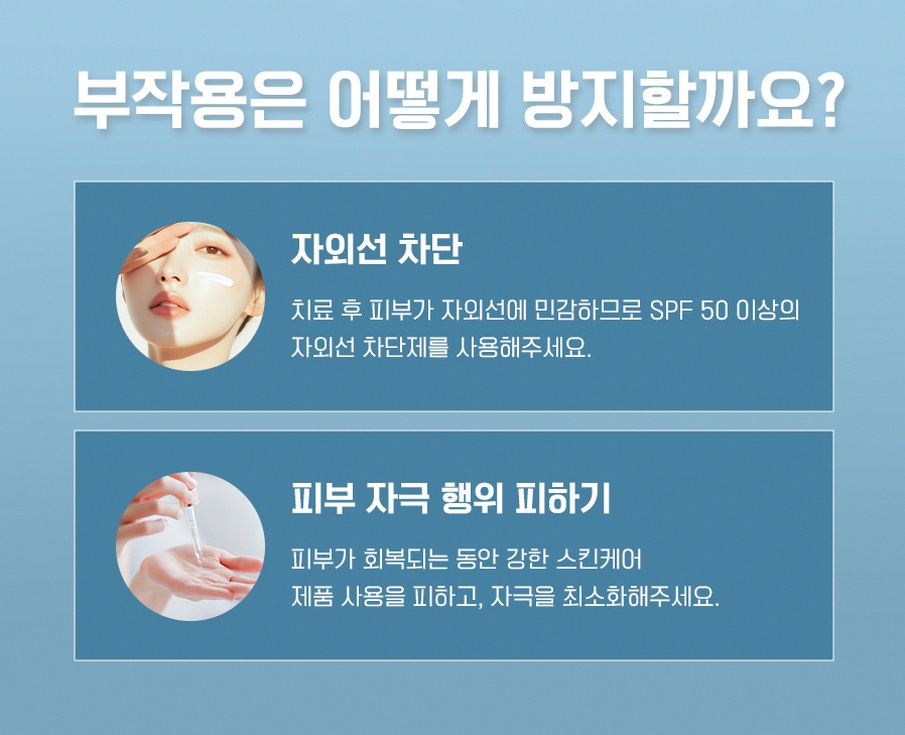
Initial plan. Based on this, you receive a plan that often includes topical products, possible oral medication, and recommendations for in-clinic procedures if needed. For example, severely inflamed cysts might be treated with targeted injections, while milder cases may start with topical treatment alone. You may also receive guidance on cleansing, moisturizers, and sunscreen.
Follow-up visits. Over the next weeks and months, you return regularly. The doctor checks how your skin is responding, whether dryness or irritation is appearing, and whether the number of new lesions is decreasing. Medication doses or types may be adjusted, and procedures can be spaced out or intensified depending on improvement and side effects.
Transition phase. Once active acne is reasonably controlled, the focus can shift to scars and marks. At this stage, you might discuss laser options for redness or brown spots, procedures to improve depressed scars and texture, or treatments to refine enlarged pores. This phase tends to take longer and often requires multiple sessions spaced out over time.
If you read reviews carefully, you may notice that early comments often mention fewer painful breakouts and less oiliness, while later reviews focus more on smoother texture or lighter marks. It is important to remember that acne treatment usually requires weeks to months. A trustworthy clinic will set realistic expectations, explaining that there is no instant cure but that steady improvement is possible with consistent care.
How to Read and Use Nokbeon-dong Dermatology Reviews for Acne
Online reviews can be helpful if you know what to look for. Instead of focusing only on star ratings, pay attention to details that match your own situation.
First, check whether the reviewer seems to have a similar acne type and age group. Teen acne, adult hormonal acne, and long-standing acne with scars can require different approaches. If you are in your 30s with sensitive skin and post-inflammatory marks, a review from someone with very mild teenage acne may not be as relevant.
Second, look for comments about explanations. Does the reviewer mention that the doctor clearly described treatment options, expected timelines, and possible side effects? Do they mention being told what to do if their skin becomes dry or if breakouts temporarily worsen?
Third, note whether the plan was adjusted over time. Reviews that describe changes in medication or procedure intervals based on response suggest that the clinic is monitoring progress rather than repeating the same approach indefinitely.
Fourth, pay attention to pressure. Some reviews will mention whether they felt pushed to buy large packages or whether the recommendations felt appropriate and gradual. For acne, a step-by-step plan is usually more realistic than a promise of quick results with many procedures at once.
Finally, remember that a clinic like this may also treat other conditions, such as general skin disease or foot problems. Some reviews will focus on those topics, so you may need to filter by keywords like acne, pimples, scars, or pores to find the most relevant experiences.
Convenience Factors: Hours, Access, and Follow-Up
For acne treatment, convenience is not a minor detail. Because you will likely need repeated visits for monitoring and procedures, clinic hours and access can strongly influence how well you stick to the plan.
In the Nokbeon-dong and Eunpyeong-gu area, a neighborhood clinic that offers evening and weekend hours can be especially practical for students and working adults. This particular clinic operates on weekdays from 11:00 to 20:00, with a lunch break from 14:00 to 15:00. On Saturday, Sunday, and public holidays, it is open from 11:00 to 17:00 without a lunch break. It is closed on Wednesdays and Thursdays, which is important to remember so you do not visit on closed days.
When reading reviews, see whether patients mention being able to come after work, how long they usually wait, and whether follow-up appointments are easy to book. Consistency is a major factor in acne control, so a clinic that fits your schedule may be more valuable than one that is slightly farther away but less accessible.
Safety, Expectations, and When to Ask More Questions
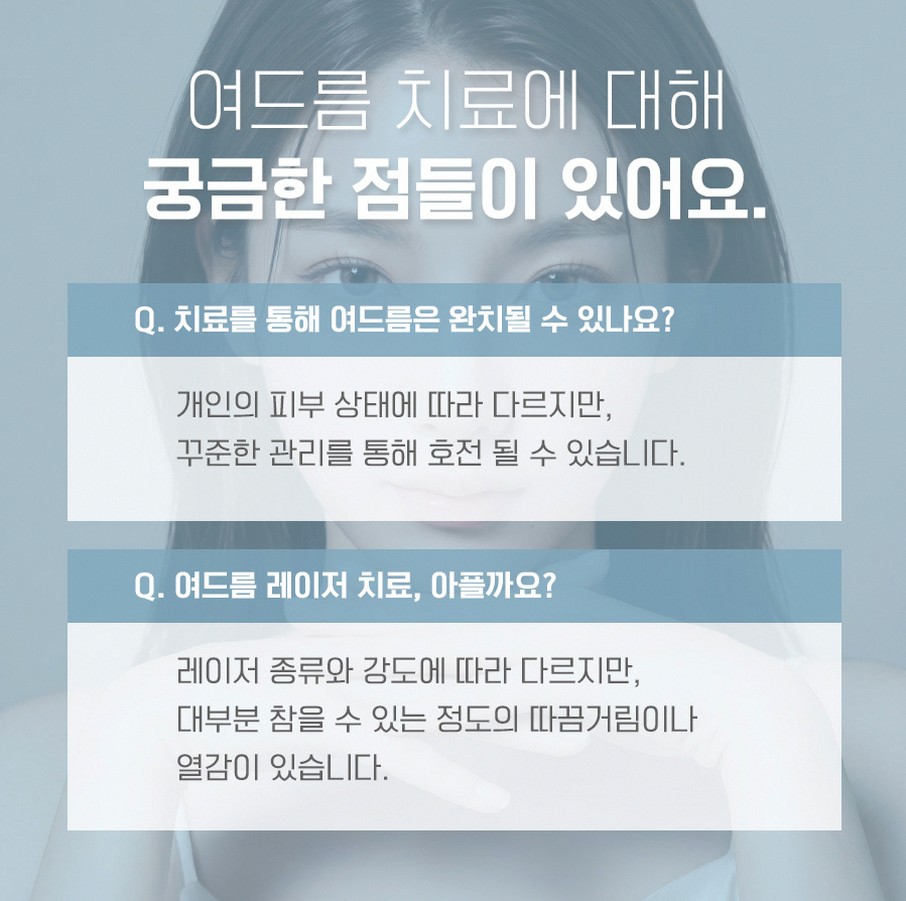
Acne treatment always involves individual variation. Your results will depend on factors such as acne severity, skin type, hormonal influences, and how closely you follow the plan. No clinic can promise a complete cure, and it is better to be cautious of any claims that sound absolute.

During consultation, it is reasonable to ask about the expected number of sessions, possible side effects of medications and procedures, and how to manage common issues like dryness or temporary flare-ups. You should also ask what to do if your acne suddenly worsens between appointments.
Some clinics offer injections or infusions that are described as helpful for skin condition, fatigue, or general wellness. These may be used as supportive care, but they should not replace evidence-based acne treatments such as appropriate medications and targeted procedures. When in doubt, ask how any additional treatment fits into the main acne plan.
A careful clinic will avoid promises like “no pain” or “no downtime” and instead explain how they aim to reduce discomfort, what level of redness or swelling is expected, and how long it usually takes to settle. Reviews that mention honest explanations about downtime and aftercare can be reassuring.
Summary: Choosing an Acne Clinic in the Nokbeon-dong Area
When choosing an acne clinic around Nokbeon-dong, it can help to focus on a few main criteria. These include the doctor’s experience and continuity of care, the ability to manage both medical and cosmetic aspects of acne in one place, realistic explanations about timelines and side effects, and clinic hours that make regular follow-up practical.
Malgeunsu Clinic can serve as an example of a one-doctor neighborhood clinic in Eunpyeong-gu that combines insured skin disease care with cosmetic acne procedures and lifting devices. This kind of setting may appeal to people who prefer long-term management and gradual improvement rather than one-off treatments.

Ultimately, online reviews are only one part of the decision. After narrowing down your options based on location, hours, and review patterns, it is wise to visit in person for a consultation. Meeting Director Lee Hyo-su directly, listening to the explanation of your acne type and proposed plan, and asking your own questions will help you decide whether the style of care matches your expectations.
If you are considering starting or changing your acne treatment in the Nokbeon-dong area, you can begin by checking recent reviews on portal map and place services, then scheduling a consultation to discuss a tailored plan for your skin.
- 공유 링크 만들기
- X
- 이메일
- 기타 앱


댓글
댓글 쓰기