Eungam Station acne care at a local clinic for ongoing treatment
- 공유 링크 만들기
- X
- 이메일
- 기타 앱
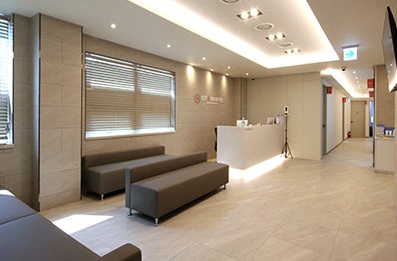
Direct answer for people searching “Eungam Station acne”
If you are searching for “Eungam Station acne,” you are probably looking for a nearby clinic where you can receive both medical acne treatment and aesthetic procedures in one place, without traveling far into the city center. In the Eungam‑dong and wider Eunpyeong‑gu area, a neighborhood internal medicine and skin‑focused clinic such as Malgeunsu Clinic offers this kind of combined approach: acne is treated as a skin disease first, and then aesthetic options are added as needed for scars, redness, and marks.
This style of clinic is different from a large cosmetic chain. One main physician, Dr. Lee Hyo‑su, sees you in person, evaluates your skin, and then also performs the acne procedures, so your care is continuous from consultation to treatment.
What proper acne treatment near Eungam Station should include
Acne is a chronic inflammation of the hair follicles and sebaceous glands. Oil, dead skin cells, and bacteria can block the pores and lead to whiteheads, blackheads, red bumps, and deeper painful lesions. Because it is an inflammatory skin disease, self‑treatment with over‑the‑counter products or only cosmetic facials often does not control repeated breakouts or prevent scars.
A proper acne visit near Eungam Station usually starts with a medical evaluation. The doctor checks what types of acne you have, such as whiteheads and blackheads, red papules and pustules, or deeper nodules. The severity and distribution on the face, chest, or back are assessed.
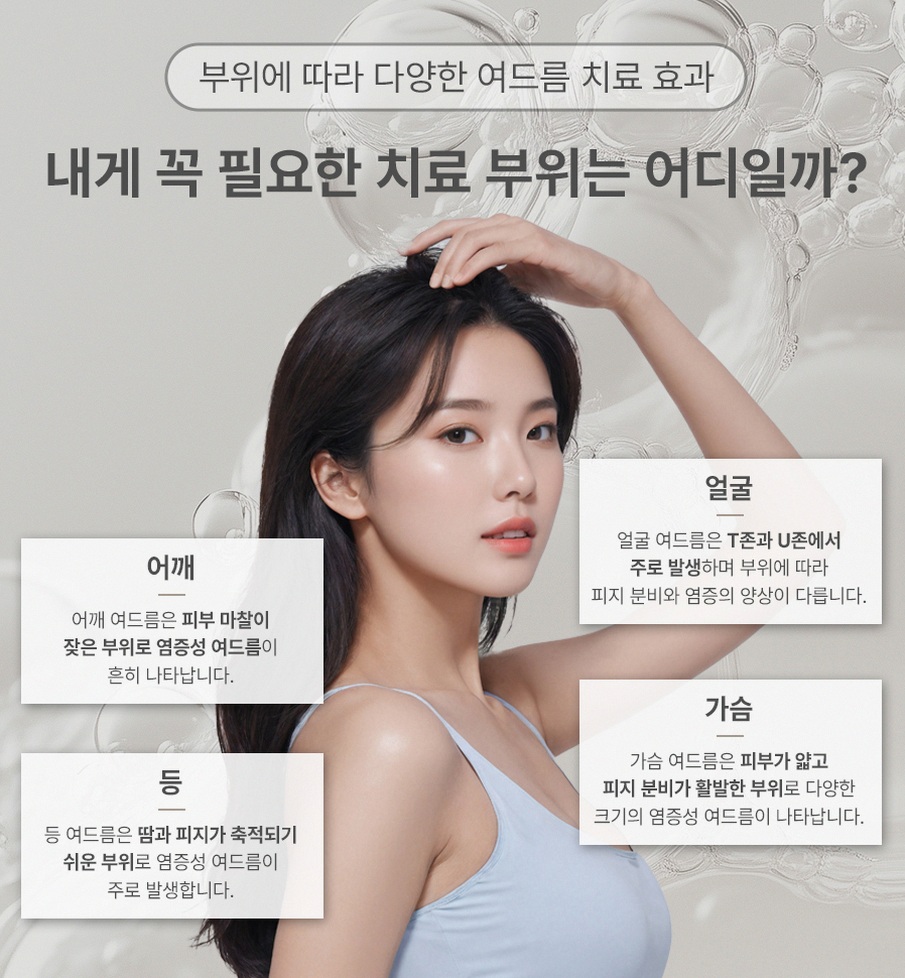
Your skin type is also important. Oily, combination, or sensitive skin may respond differently to treatments. The doctor will ask about possible triggers, including hormonal changes, stress, diet patterns, sleep, and cosmetic products. Current skin care, makeup, and any medications or supplements are reviewed to see what may be helping or worsening your acne.
For inflamed or recurrent acne, it is helpful to see a physician who routinely treats skin disease, not only cosmetic concerns. This is because inflamed acne can leave scars, cause infection, or sometimes be confused with other conditions that look similar.
Step‑by‑step acne care flow at a local clinic
Initial consultation
At a local clinic near Eungam Station, your first visit usually starts with a one‑on‑one consultation with Dr. Lee Hyo‑su. You are treated by Dr. Lee Hyo‑su from consultation to procedure, so the same person listens to your concerns, examines your skin, and performs any medical or aesthetic treatments.
During this consultation, realistic goals and timelines are discussed. Acne control usually takes several weeks to months of consistent care, and improvement in scars and pigmentation often takes even longer. The aim is to create a plan that you can follow regularly, rather than expecting a single‑session solution.
Medical treatment options
Medical acne care may include topical medications such as creams or gels to help unclog pores, reduce oil, and calm inflammation. In some cases, oral medications are considered, for example for more widespread or stubborn acne. Specific drug names and doses are chosen individually after the doctor reviews your health status.
For very painful or swollen lesions, anti‑inflammatory injections can be used on selected spots. These injections may help reduce the size and tenderness of severe breakouts and can be considered when there is a risk of deeper scarring.
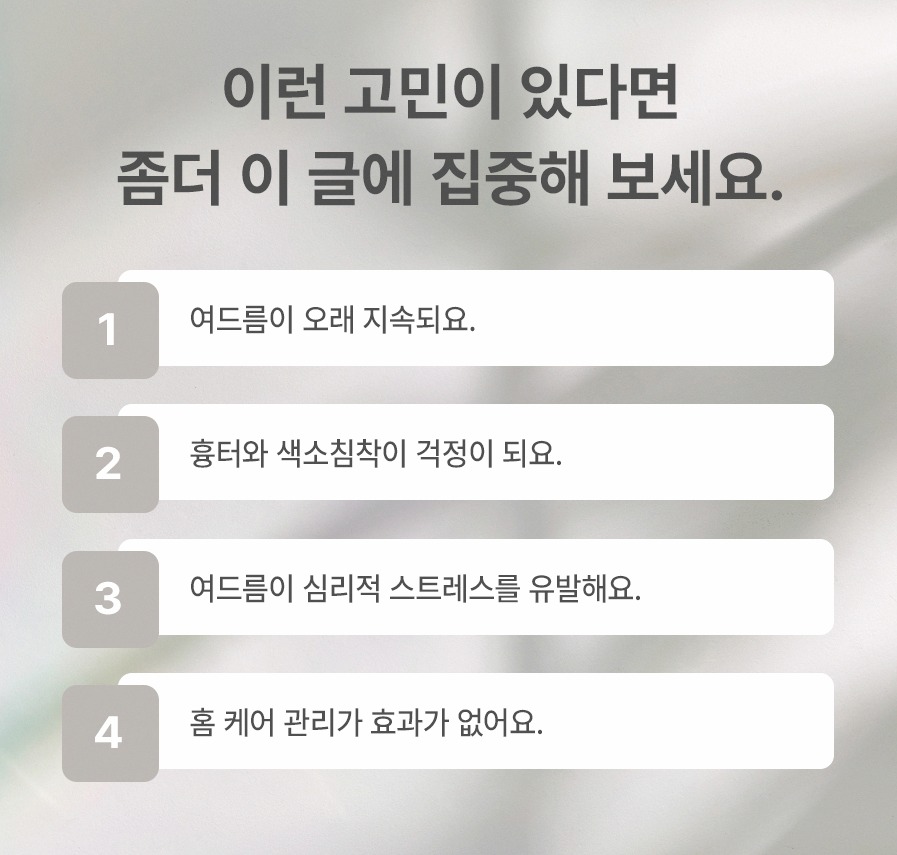
If you have damaged or picked lesions, dressing care can be provided. This involves cleaning, protecting, and supporting the healing of broken skin to lessen the chance of marks and scars.
Because this is a medical skin clinic, some of these services may be covered by national health insurance when they are performed for inflammatory skin disease. Details depend on your situation and insurance status, so it is important to ask directly during consultation.
Aesthetic and device‑based options
Alongside medical treatment, aesthetic procedures can be added to address active acne, redness, and scars.
Laser toning, including options such as Genesis toning and Alexandrite toning, may help improve the appearance of redness and pigmentation after acne. These treatments use laser energy to gently target blood vessels and pigment in the skin. They are usually done in a series of sessions, with intervals decided according to how your skin responds.
For acne scars, scar‑focused treatments such as PRP and skin boosters like Rejuran Healer or Juvelook can be considered. PRP uses a preparation from your own blood, and skin boosters are injected into the skin in small amounts. Both are used with the goal of supporting collagen remodeling and improving the texture of depressed scars over time. Results vary from person to person, and multiple sessions are often needed.
Because pigmentation and blemishes often appear after acne, experience with treating spots, flat warts, age spots, and other skin lesions is also helpful. A clinic that routinely treats various skin marks can choose appropriate methods to address post‑acne discoloration while protecting the surrounding skin.
Gentle procedures such as aqua peel can be combined with medical treatment. Aqua peel and similar cleansing treatments are designed to help remove sebum and dead skin cells in a controlled way, which may support pore care without harsh scrubbing. Hydration‑focused care is sometimes added to support the skin barrier, especially when medications or procedures cause temporary dryness or sensitivity.
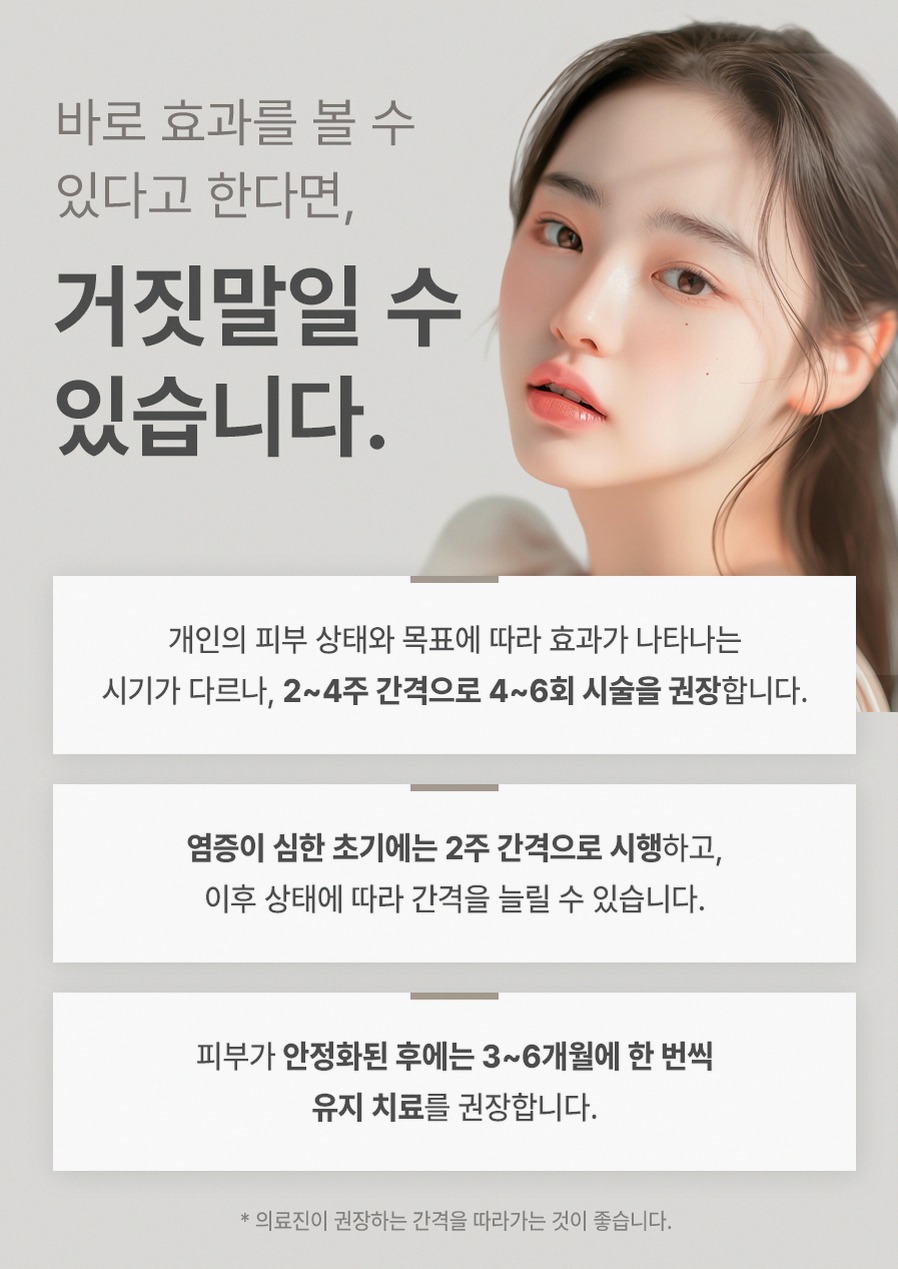
Not every patient needs every procedure. Combinations are tailored to your skin condition, budget, schedule, and tolerance for downtime. Some people mainly need medical treatment and simple care, while others may gradually add lasers or scar procedures once inflammation is under better control.
Why a disease‑plus‑aesthetic clinic can be helpful for acne
Compared with large cosmetic chains, a local clinic near Eungam Station that handles both skin disease and aesthetic procedures offers some practical advantages for acne.
At some large centers, the person who consults with you and the person who performs the procedure may be different, or you may see different practitioners at each visit. In a one‑physician system, the same doctor manages your entire course. This continuity can make it easier to adjust your plan quickly based on how your skin is reacting.
A clinic that regularly treats skin disease can also distinguish acne from other conditions that look similar, such as folliculitis, rosacea‑like redness, or eczema‑type rashes. This is important, because these conditions may need different medications or procedures.
If complications arise, such as severe inflammation, infection, or a high risk of scarring, a medically oriented clinic is equipped to manage them. For example, dressing care, prescription medications, and close follow‑up can be arranged in the same place.
In addition to facial acne, the clinic may also see patients with scalp conditions and hair loss, which are also related to hair follicles and inflammation. There is also a foot center dealing with athlete’s foot, ingrown toenails, calluses, and laser treatment for fungal infections. These services show that the clinic is used to handling a range of skin‑related issues, even though acne remains the main focus for many younger patients.
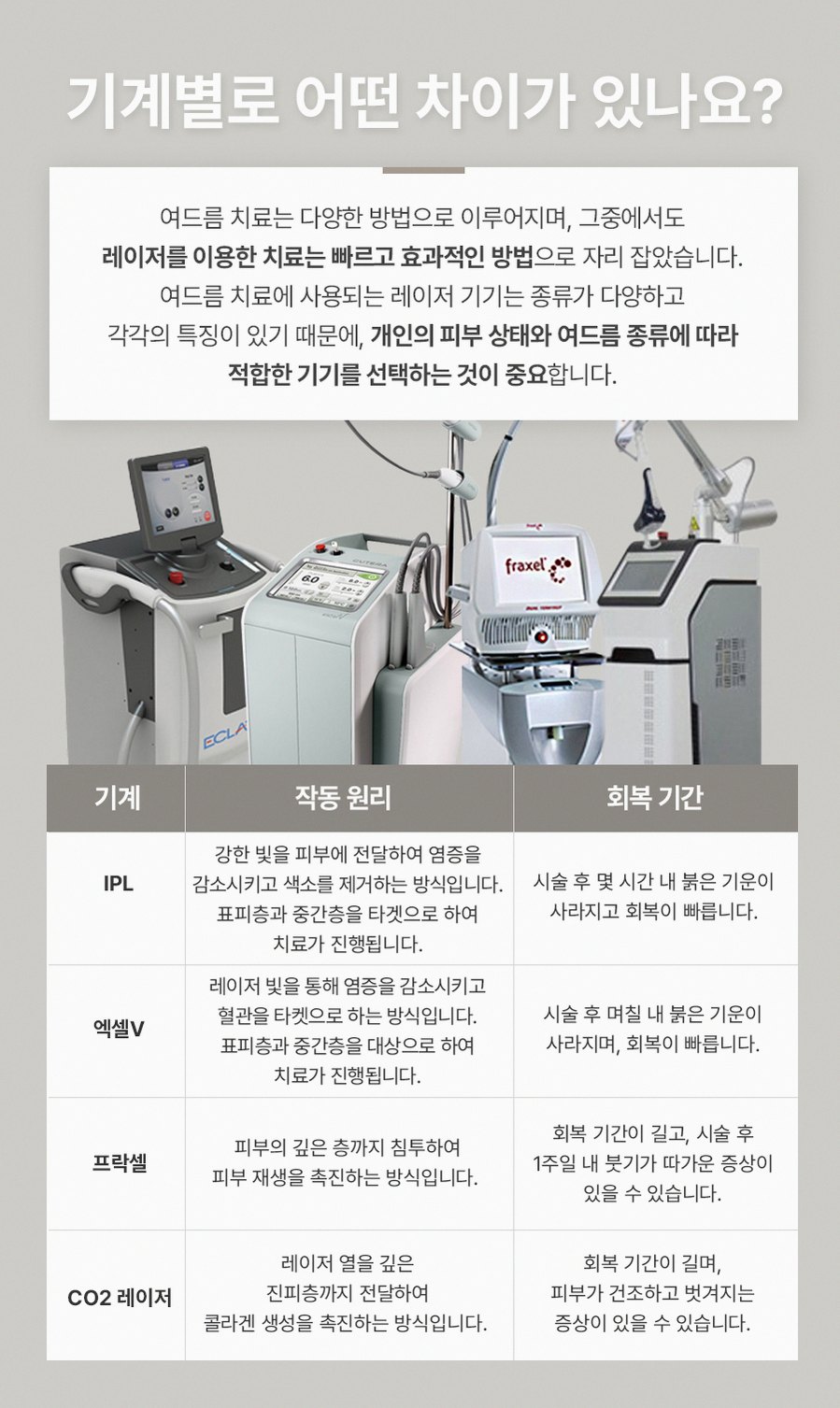
For aesthetic needs beyond acne, lifting devices such as InMode, Shurink Universe, Tenseera, and Ten Triple, as well as injectables like botulinum toxin, fillers, and contour injections, are available. These are usually considered separately from acne care and can be discussed later if you are interested in overall facial rejuvenation.
Safety, expectations, and what to ask during consultation
Before starting acne treatment, it is important to share your current medications, health conditions, and any allergies with the doctor. This includes prescription drugs, over‑the‑counter products, supplements, and herbal remedies. Some medications can affect the skin or interact with acne drugs, so the doctor needs a full picture.
You should also ask about possible side effects of each procedure. For example, laser toning and scar treatments may cause temporary redness, swelling, or mild irritation. Aqua peel and other cleansing procedures can sometimes lead to short‑term sensitivity or dryness. Ask how long these effects usually last, what kind of downtime to expect, and what home care is recommended.
Discuss realistic timelines. Medical treatment aims to reduce new breakouts and calm inflammation first. This phase may take several weeks. Improvement in scars and pigmentation is usually slower and may require a series of sessions over months. Using phrases such as “may help improve” and “aims to reduce” reflects the fact that individual responses differ.
Some clinics also offer IV therapies, such as vitamin or whitening drips. These are optional add‑ons that may help with fatigue or general condition, but they are not core treatments for acne. It is important to understand this distinction and not rely on IV therapy alone for acne control.
During your consultation, you may find it useful to bring a list of questions, such as:
Which type of acne do I have, and are there any signs of scarring already?
Which medical treatments do you recommend first, and why?
How often should I come for follow‑up visits?
Which aesthetic procedures, if any, are suitable for my current skin condition?
What should I avoid in my daily skin care, makeup, or lifestyle while on this plan?
Convenience for people near Eungam Station
For residents and workers in Eungam‑dong and Eunpyeong‑gu, traveling far into central districts can be time‑consuming, especially when regular follow‑ups are needed. A local clinic near Eungam Station offers practical access for ongoing acne care.
Weekday evening hours until 20:00 can suit office workers and students who finish work or classes later in the day. You can stop by after work for a quick review, prescription refill, or short procedure without taking time off.
The clinic is open on Saturdays, Sundays, and public holidays from late morning to late afternoon. Weekend and holiday availability is relatively uncommon for skin‑focused clinics, and it makes it easier to keep a consistent schedule. Regular follow‑up is important for chronic acne, because treatment plans often need to be adjusted based on how your skin changes over time.
One important point for planning is that the clinic is closed on Wednesdays and Thursdays. Knowing this in advance helps you avoid unnecessary visits and arrange your appointments on suitable days.
Brief overview for overseas patients considering treatment in Korea
If you are an overseas patient planning to visit Korea and stay near Eungam Station or elsewhere in Eunpyeong‑gu, you can still consider local acne care instead of only visiting large city‑center clinics.
A typical visit timeline for international patients might look like this:
Before your trip, you arrange an online or phone consultation, send photos of your skin in natural light, and share your acne history and current medications.
In the first week in Korea, you have an in‑person consultation and start medical treatment. If your skin condition allows, a gentle procedure such as aqua peel or basic laser toning may be done.
Over the next 2 to 4 weeks, you return for follow‑up visits, adjustment of medications, and additional procedures such as further laser toning or early scar care.
Before leaving Korea, you receive guidance on how to continue treatment at home, including prescriptions where appropriate and instructions for follow‑up with a local doctor in your country.
Because acne is a chronic condition, a single short trip may not be enough to complete all stages of care. However, even a few weeks of focused treatment can help you establish a structured plan and calm active inflammation, which you can then maintain with your local physician.
Online consultation and pre‑visit preparation
For both local and overseas patients, preparing before your first visit can make the consultation more efficient.
It helps to write down a simple record of your acne history. Include when it started, how it has changed over time, and which areas are affected. Note any previous treatments you have tried, such as topical creams, oral medications, chemical peels, or laser procedures, and how your skin responded.
List your current skin care products, including cleansers, toners, serums, moisturizers, sunscreens, and makeup. If possible, bring photos of the product labels or the products themselves. This allows the doctor to see which ingredients might be irritating or comedogenic for you.
If you take any regular medications or supplements, prepare a list with names and doses. Mention any known allergies or past adverse reactions to medications or procedures.
For an online consultation, taking clear photos of your face in natural daylight from the front and both sides is helpful. Avoid heavy makeup in these photos. While final decisions are usually made after in‑person examination, online review can give you a preliminary idea of suitable options and the likely number of visits.
Aftercare and long‑term maintenance
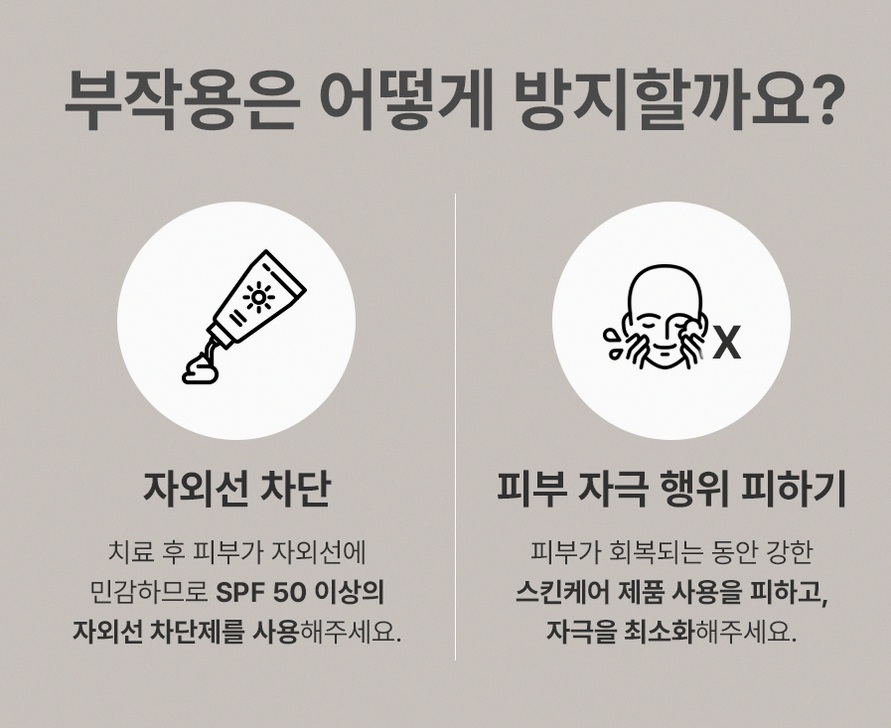
After acne procedures, gentle care is important. The clinic will usually recommend avoiding harsh scrubs, strong acids, or home devices for a certain period. You may be advised to use mild cleansers, non‑comedogenic moisturizers, and broad‑spectrum sunscreen.
If you receive laser toning or scar treatments, you may experience temporary redness or sensitivity. Cooling, soothing creams, and sun protection are often suggested. It is important not to pick or scratch at treated areas, as this can increase the risk of marks.
For long‑term maintenance, the goal is to keep inflammation under control and protect the skin barrier. This often means a simple, consistent routine rather than frequent changes of products. Periodic follow‑up visits can help adjust medications and procedures as your skin improves.
Lifestyle factors such as sleep, stress management, and balanced diet can also influence acne. While there is no single diet that fits everyone, some people notice that very high sugar intake or certain foods seem to worsen their breakouts. You can discuss any patterns you have observed with the doctor.
Frequently asked questions about Eungam Station acne care
Who should consider acne treatment at a local clinic near Eungam Station?
People who live, work, or study in Eungam‑dong or nearby Eunpyeong‑gu and want regular acne care without long travel times may benefit from a local clinic. This includes teenagers with new breakouts, adults with persistent or hormonal acne, and anyone concerned about early scarring or marks. Overseas visitors staying in the area for several weeks can also consider starting or adjusting treatment during their stay.
What is the usual visit schedule for acne treatment?
The schedule depends on your skin condition and chosen treatments. In many cases, the first few visits are spaced about 2 to 4 weeks apart to monitor response to medications and early procedures. Laser toning or aqua peel may be done at similar intervals. Scar‑focused treatments are often spaced further apart, for example every 4 to 8 weeks, to allow time for collagen remodeling. Your doctor will suggest a plan that fits your timetable and skin response.
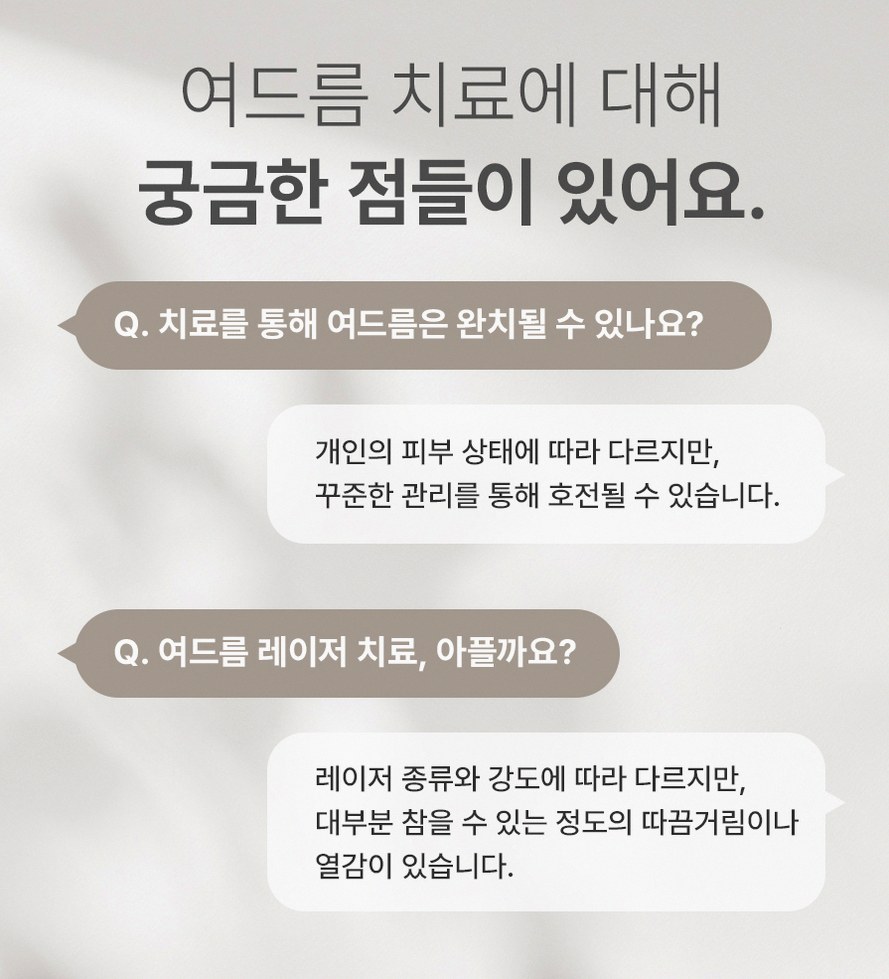
Are acne treatments painful and do they have downtime?
Most medical acne treatments, such as topical and oral medications, do not involve procedural pain, though they can cause temporary dryness or irritation. Procedures like laser toning, PRP, or skin boosters may cause some discomfort, but numbing measures and cooling are used to help lessen it. There can be short‑term redness, swelling, or sensitivity after procedures, and downtime varies by treatment type and individual skin. These details are explained before you decide.
Can I combine acne treatment with other aesthetic procedures?
In many cases, yes, but the timing and combination need to be planned carefully. When acne is very inflamed, the priority is usually to calm the breakouts first. Once inflammation is better controlled, you may gradually add treatments for scars, pigmentation, or lifting, such as laser toning, PRP, skin boosters, or devices like InMode or Shurink Universe. The doctor will help you decide which procedures are suitable for your current skin condition and overall goals.
Soft call to action for consultation
If you are searching for “Eungam Station acne” and want practical, continuous care in a neighborhood setting, you can consider arranging a consultation at Malgeunsu Clinic. Before visiting, prepare a simple record of your acne history, current skin care, and medications, and bring or send clear photos if you are starting with an online inquiry.
Because opening hours and schedules can change, it is a good idea to confirm up‑to‑date information by phone or through the clinic’s Naver Place page before you come, especially if you plan to visit on weekends or public holidays. With regular follow‑up and a plan tailored to your skin, you can work step by step toward calmer skin and reduced risk of future scars.
- 공유 링크 만들기
- X
- 이메일
- 기타 앱


댓글
댓글 쓰기