Daecho-dong filler: travel timeline & clinic tips
- 공유 링크 만들기
- X
- 이메일
- 기타 앱
Direct answer summary
If you are searching for Daecho-dong filler while planning a trip to Seoul, you are usually looking for a nearby clinic that can safely perform dermal filler injections for areas such as nasolabial folds, lips, chin, under-eye hollows, or overall contouring. In the Daecho-dong and wider Eunpyeong-gu area, you will find small neighborhood clinics as well as larger cosmetic centers. This guide focuses on what it is like to receive filler in a small, disease-and-aesthetic combined clinic setting, and how international patients can plan their visit.
You will find an overview of how dermal filler works, who may consider it, how consultation and treatment are usually organized in a one-doctor clinic, what timeline to expect during a stay in Korea, and how to prepare before you travel.
What people mean by Daecho-dong filler
When people type Daecho-dong filler into a search engine, they usually want a clinic close to home or hotel in the Daecho-dong and Eunpyeong-gu area that can provide natural-looking filler with careful medical judgment. Many of these patients are interested in subtle volume restoration rather than dramatic cosmetic changes.

Dermal filler is an injectable gel, most often based on hyaluronic acid, a substance that also exists naturally in the body. It is used to restore lost volume, smooth wrinkles and folds, and refine facial lines or contours. Common target areas include nasolabial folds, marionette lines, lips, chin, cheeks, and under-eye hollows.
In a local clinic setting, filler is often combined with other non-surgical options such as botulinum toxin injections, lifting devices, or skin boosters, depending on your skin condition and facial structure. Malgeunsu Clinic in Eunpyeong-gu is an example of a primary-care style clinic where the same doctor manages both skin disease and aesthetic procedures, which can be reassuring if you have sensitive or problematic skin.
Basics of dermal filler for Daecho-dong residents and visitors
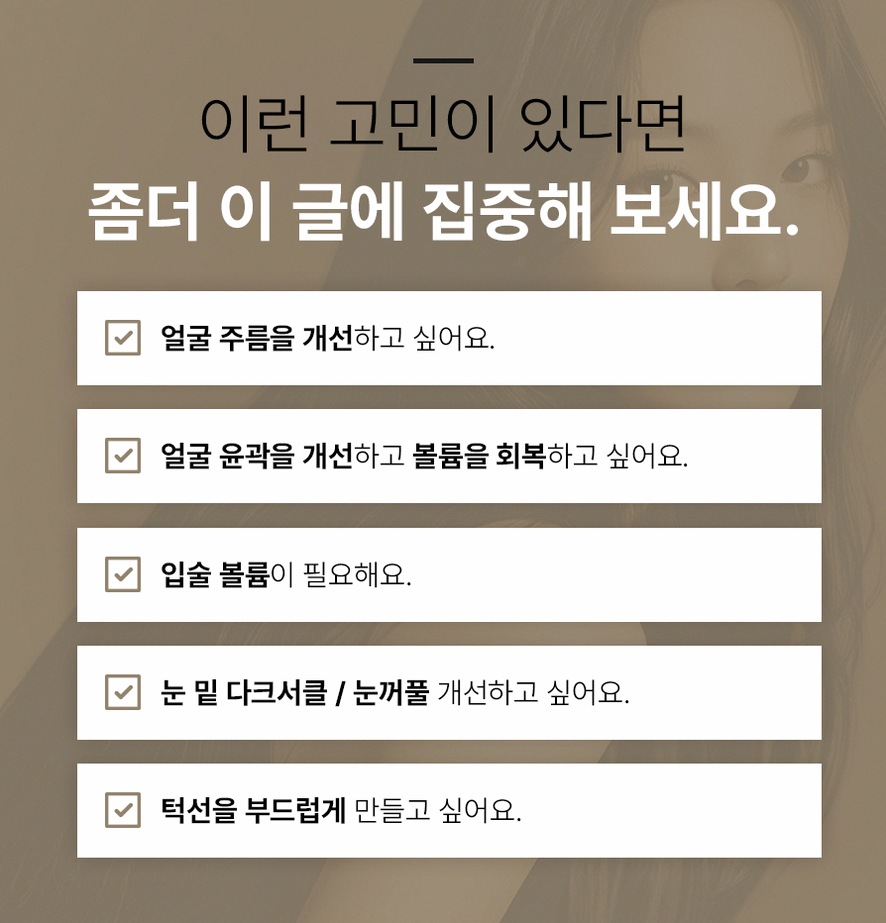
Dermal filler is most often considered when certain lines or hollows start to bother you in photos or daily life. Common indications include deepening nasolabial folds running from the nose to the corners of the mouth, marionette lines that create a downturned expression, a flat or recessed chin that affects the side profile, volume loss in the mid-cheek area, under-eye hollows that create a tired look, and mild asymmetry between left and right facial features.
Hyaluronic acid fillers are widely used because they are temporary and can be adjusted. If there is overcorrection or an unwanted lump, an enzyme called hyaluronidase can be injected to dissolve the product. This reversibility is one reason many patients choose hyaluronic acid fillers for first-time treatment.
Filler is usually done as an outpatient procedure. You come to the clinic, have consultation and treatment, and then go home or back to your hotel the same day. Downtime is usually short, but mild bruising, swelling, and tenderness are common and can last several days. The degree of swelling and bruising differs by person, injection area, and technique.
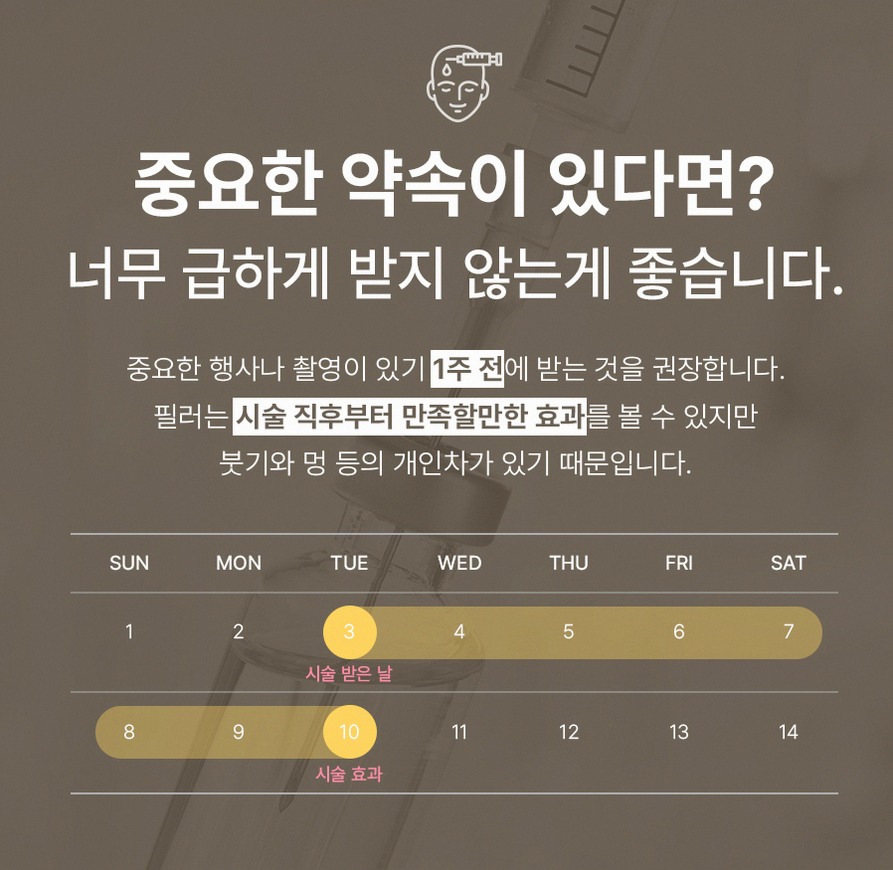
For international patients staying in Korea for a limited time, it is useful to plan a few extra days in case of visible bruising or the need for a follow-up check.
Consultation and planning in a one-doctor clinic
In a small clinic with a one-doctor system, the same physician usually handles every step: consultation, design, product selection, injection, and follow-up. This continuity can be especially valuable for patients who have existing skin issues or a history of previous procedures.
The consultation typically begins with a medical history review. You will be asked about medications such as blood thinners, allergies, autoimmune conditions, previous filler or surgery, and any history of abnormal scarring or delayed healing. For international patients, bringing a written list of medications and past procedures in English is very helpful.
At Malgeunsu Clinic, Director Lee Hyo-su directly examines the skin and soft tissue before planning filler. This includes checking for active dermatitis, acne, scars, or other skin disease in the planned injection area. If there is significant inflammation or infection, it may be safer to treat that first and delay filler.
During facial assessment, the doctor will look at your face from the front and side, both at rest and with expression. The goal is not only to fill lines, but also to understand the underlying structure, such as bone support, fat pads, and skin thickness. Sometimes, what looks like a deep line is partly due to skin laxity rather than pure volume loss.
In these cases, the doctor may explain that lifting devices such as Inmode, Shurink Universe, Tencera, or Ten Triple could be considered alongside or instead of filler. For example, a sagging jawline with minimal volume loss may respond better to lifting and tightening, while a flat chin or deep under-eye hollow is more of a volume issue suited to filler.
Procedure overview: what to expect from a filler session
On the day of treatment, the process usually follows several clear steps.
First, the skin is cleansed and disinfected to reduce the risk of infection. Makeup is removed in the treatment area, so you may want to bring your own cosmetics if you plan to reapply afterward.
Second, the doctor confirms the treatment plan and may mark injection points on the skin while you are sitting upright. This helps with symmetry and design, especially for areas like the chin, lips, or cheeks.
Third, topical anesthetic cream may be applied and left on for a short time, or the filler itself may contain local anesthetic. Pain perception varies by person and area. Most patients describe the sensation as mild to moderate discomfort rather than severe pain, but it cannot be guaranteed to be completely painless.
Fourth, the doctor injects the filler using a fine needle or a blunt-tipped cannula. A cannula can sometimes reduce the risk of bruising in certain areas, though technique choice depends on the region and the doctor’s preference. The doctor may gently mold or shape the filler with fingers immediately after injection.
Fifth, symmetry and balance are checked with you sitting up. You may be asked to look in a mirror and share your impression, keeping in mind that there will be some early swelling.
The entire session, including consultation and numbing, often takes around 20 to 40 minutes, depending on the number of areas treated. After the procedure, patients usually return to daily activities, but are advised to avoid strong pressure, massage, or intense exercise for a short period as instructed.
A follow-up visit may be recommended to check how the filler has settled, assess symmetry and volume retention, and monitor for any delayed reactions. For overseas visitors, it is ideal to schedule this check within several days to one or two weeks, depending on your length of stay.
Safety, side effects, and when to be cautious
All medical procedures carry potential risks, and dermal filler is no exception. Understanding these helps you make an informed decision.
Common temporary reactions include redness, swelling, mild pain or tenderness, and small bruises at injection sites. There may also be temporary asymmetry due to uneven swelling, which usually improves as the swelling subsides.
More serious complications are rare but possible. These include infection, nodules or lumps, prolonged swelling, and vascular occlusion, where filler accidentally enters or compresses a blood vessel. Early recognition is critical. Symptoms such as severe pain, whitening or mottled discoloration of the skin, or sudden visual changes require urgent medical attention.
For this reason, it is important to be treated by a medical doctor familiar with facial anatomy and experienced in both disease and aesthetic procedures. In a clinic that also treats skin disease, the doctor is used to evaluating inflammation, infection, and other conditions that may affect safety.
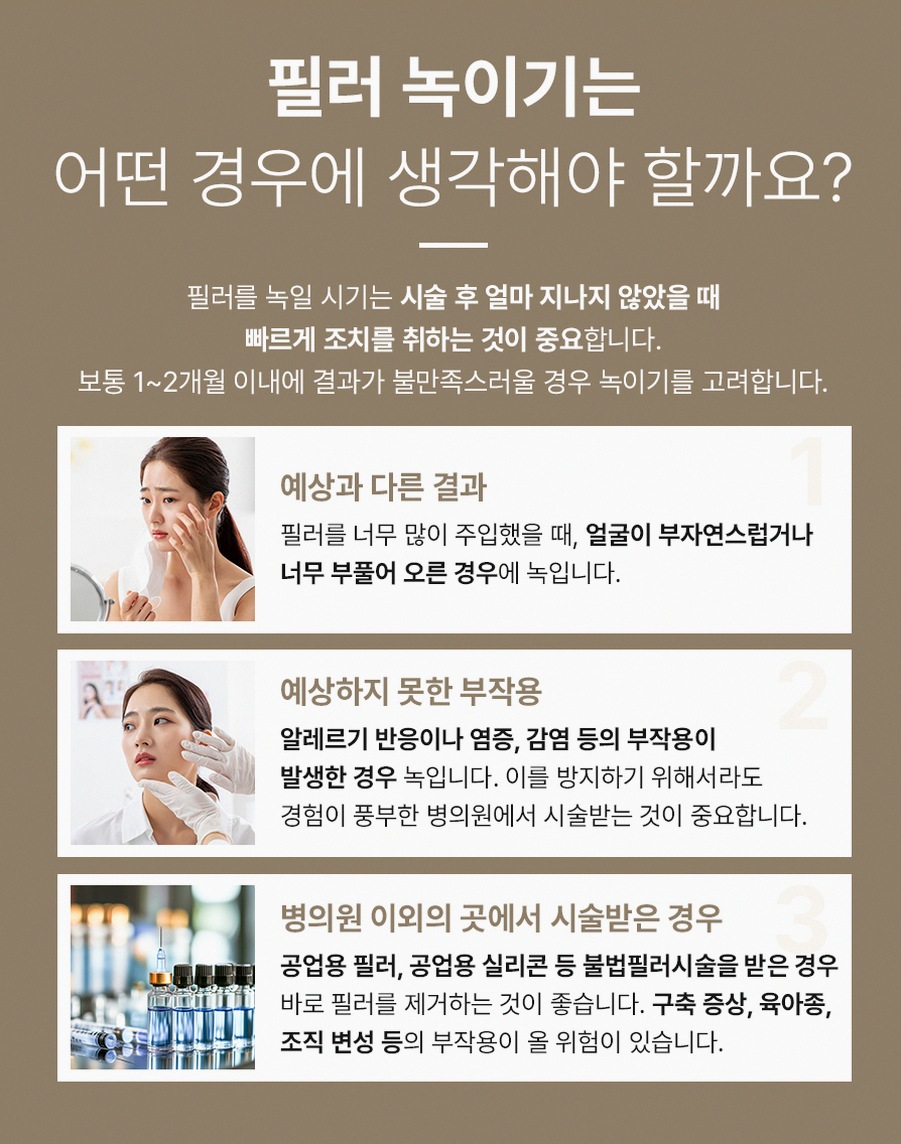
Before treatment, inform the clinic if you are pregnant or breastfeeding, taking blood-thinning medications, have immune system conditions, or have had previous filler complications. Dermal filler is a temporary, adjustable option, and duration varies by product, area, and your own metabolism. It is not correct to promise permanent results or zero side effects.
Choosing a Daecho-dong and Eunpyeong-gu clinic for filler
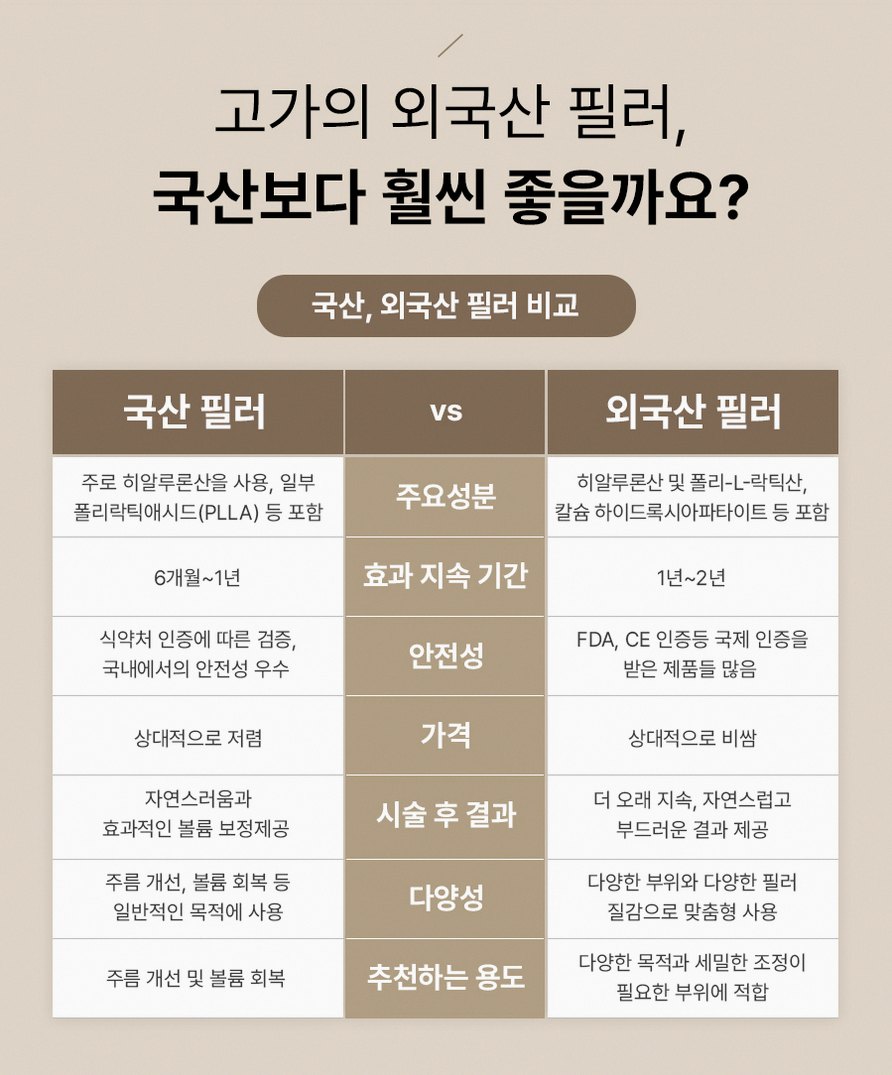
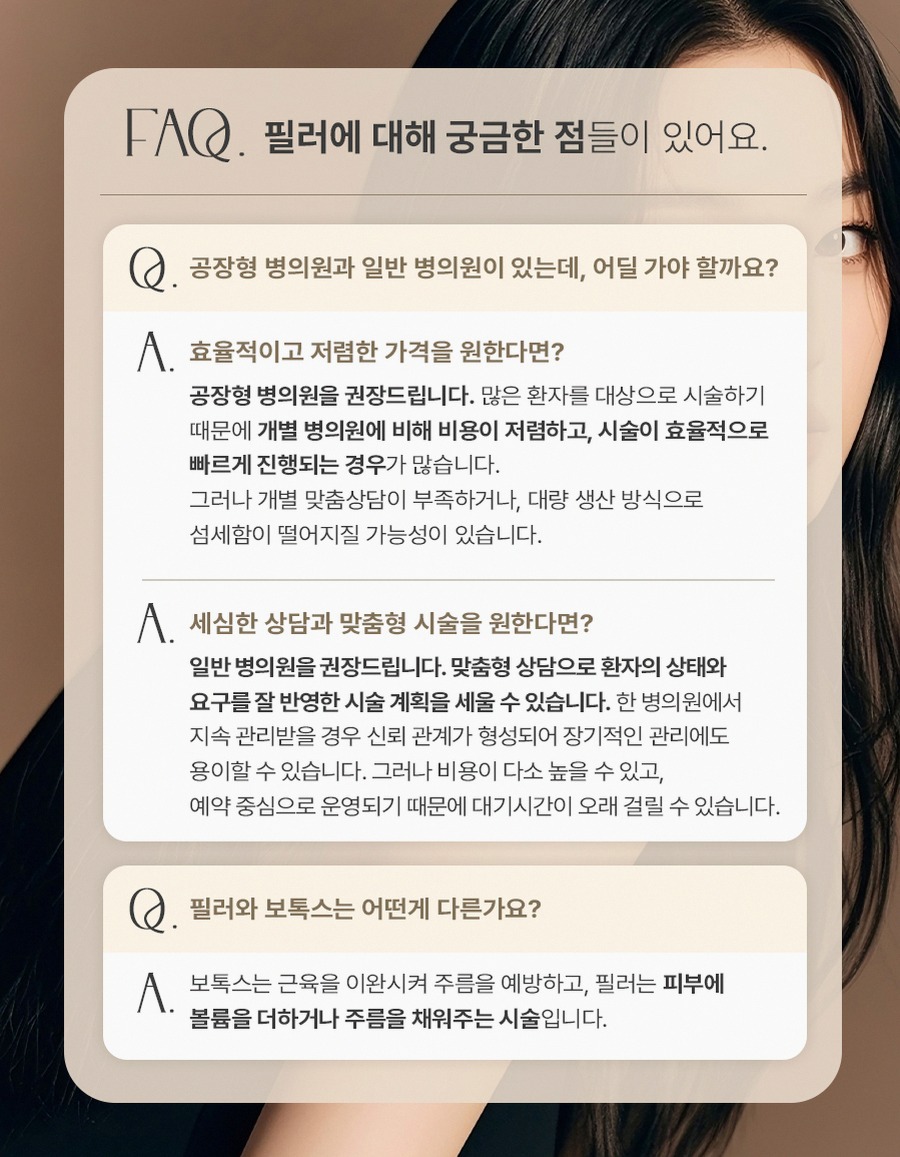
When comparing clinics in the Daecho-dong and Eunpyeong-gu area, international patients often look beyond price alone. Key points to consider include whether a qualified doctor directly performs the injections, how clearly the clinic explains the type of filler used and expected duration, and whether counseling is realistic about both benefits and limitations.
A reliable clinic should also have an accessible follow-up system, so that you know whom to contact if you have questions after returning to your accommodation. For overseas visitors, having clear communication channels such as email or messaging apps can be very helpful.
A clinic that also manages skin disease can evaluate acne, dermatitis, or scars around the injection area and coordinate treatment. This may be particularly reassuring if you have sensitive skin, a history of eczema, or chronic acne. Malgeunsu Clinic operates as a neighborhood primary-care style clinic, combining insurance-covered skin disease care with aesthetic procedures such as dermal fillers, botulinum toxin injections, lifting devices, and skin boosters.
Because Malgeunsu Clinic has several lifting devices including Inmode, Shurink Universe, Tencera, and Ten Triple, treatment plans can be tailored to your specific combination of skin laxity and volume loss. Instead of relying on filler alone for every concern, the doctor may suggest a combination approach or a staged plan.

Who might consider filler versus other options
Filler may be suitable for people who notice localized volume loss or lines and want a non-surgical, relatively quick procedure with adjustable results. Examples include deep nasolabial folds that make you look tired, a flat chin that affects facial balance, or under-eye hollows that persist even when you are well rested.
On the other hand, if your main concern is sagging skin without significant volume loss, lifting or skin-tightening devices might be more appropriate. For example, a patient with jowls and a blurred jawline but full cheeks may benefit more from energy-based lifting than from adding more filler.
In many cases, a combination is used. Lifting devices address sagging, fillers restore structural volume, and skin treatments such as acne care, scar management, or pigment removal improve texture and tone. Skin boosters like Rejuran Healer or Juvelook and Juvelook Volume may be suggested for overall skin quality rather than contour changes.
When you visit for consultation, bringing reference photos can help clarify your goals. These might be older photos of yourself at a time you liked your appearance, or images that show what bothers you most. The doctor can then prioritize areas and propose a staged plan instead of placing too much filler at once.
Online consultation and pre-visit preparation
For international patients, an online consultation before traveling to Korea is very useful. Many clinics can review photos and medical history in advance and give you a rough idea of possible treatment options and timelines.
To prepare, take clear photos of your face in good lighting from the front, 45-degree angles, and side views, both at rest and smiling. Avoid heavy makeup so that skin texture and lines are visible. Include close-ups of specific problem areas such as under-eye hollows or nasolabial folds.
Prepare a short medical summary listing your medications, allergies, past procedures or surgeries, and any chronic conditions. If you have had filler before, note the product name and approximate date if possible.
In your online inquiry, you may want to ask questions such as which filler brands are commonly used, how long they typically last in each area, how many days of visible swelling you should expect, and how many follow-up visits are recommended for someone staying in Korea for a limited time.
Expected Korea visit timeline for filler
If you are visiting Seoul mainly for filler and similar non-surgical treatments, a stay of about three to seven days is often comfortable, depending on how much time you want for recovery and sightseeing.
On day one or two, you can have in-person consultation and treatment. Sometimes the doctor may recommend treating active skin disease first or adjusting the plan after seeing you directly, but in many cases filler can be done on the same day as consultation.
For the next few days, you may have mild swelling or bruising. Many patients feel comfortable going out with light makeup, but you may prefer to schedule major social events after the initial swelling has improved.
If your schedule allows, a follow-up visit three to seven days after treatment is helpful to check how the filler has settled and discuss any minor touch-ups. If your stay is shorter, ask in advance how the clinic handles follow-up for overseas patients and what to do if you notice issues after returning home.
Aftercare and lifestyle tips around filler
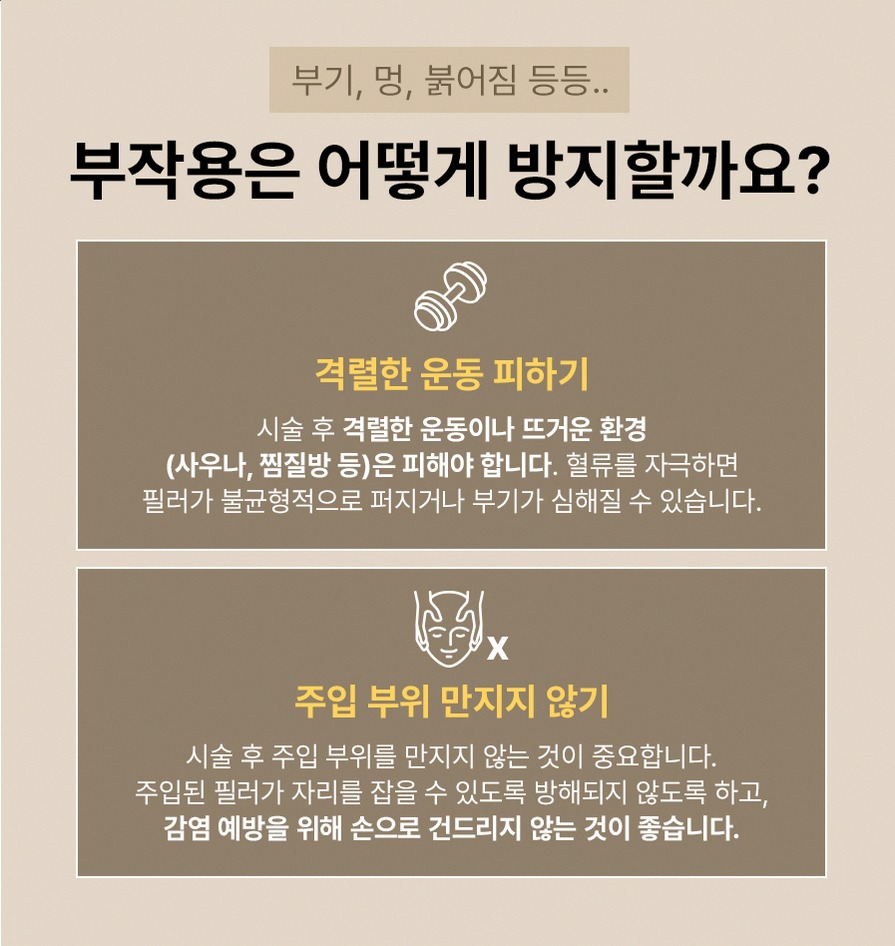
After filler treatment, general aftercare guidance usually includes avoiding strong pressure or massage on the treated area unless your doctor specifically instructs otherwise. This is particularly important for the first few days while the filler is settling.
You may be advised to avoid saunas, hot baths, and very intense exercise for a short period, as heat and increased blood flow can worsen swelling or bruising. Alcohol intake is often best minimized immediately after the procedure for the same reason.
Monitor the treated area for unusual pain, color changes such as whitening or mottled discoloration, or signs of infection like increasing redness, warmth, pus, or fever. If any of these occur, contact the clinic promptly or seek medical care.
Visible results are usually immediate because filler physically adds volume, but the final look becomes clearer over several days as swelling subsides. Minor asymmetry can sometimes be adjusted with a small touch-up if needed and if the doctor agrees it is appropriate.
Practical information for local and overseas readers
Malgeunsu Clinic is located in the Eunpyeong-gu area of Seoul and provides both insurance-covered skin disease care and aesthetic procedures including dermal filler, botulinum toxin injections, lifting treatments, and skin boosters. This combined approach may suit patients who want medical evaluation of skin condition and inflammation before aesthetic procedures.

For busy residents and visiting patients, the clinic offers weekday evening hours until 20:00, and is open on Saturdays, Sundays, and public holidays during the day. However, it is closed on Wednesday and Thursday. Because opening hours can change, it is always best to check the current schedule and make a reservation before visiting.
When searching for Daecho-dong filler, consider not only price but also the clinic’s approach to safety, medical assessment, and follow-up. A careful consultation with a doctor who understands both skin disease and aesthetics can help you choose the most suitable combination of filler, lifting, and skin treatments for your individual situation.
Frequently asked questions about Daecho-dong filler
How long does dermal filler usually last in areas like nasolabial folds or chin
Duration varies by product, injection depth, and individual metabolism, but many hyaluronic acid fillers last roughly six to eighteen months in areas such as nasolabial folds or the chin. Areas that move more, like the lips, may see a shorter duration, while deeper structural areas can sometimes maintain effect longer. Your doctor can explain the expected range for the specific product and area planned.
Is filler safe if I have acne or sensitive skin
Filler can be performed in people with acne or sensitive skin, but active inflammation or infection in the injection area should be carefully evaluated first. In some cases, it is safer to treat acne or dermatitis before injecting filler. A clinic that also manages skin disease can assess the condition of your skin and recommend the right timing and combination of treatments.
How much downtime should I plan for during my Korea trip
Most patients can resume light daily activities immediately after filler, but mild swelling and bruising are common for several days. If you are traveling from overseas, planning at least three to five days in Seoul after treatment gives you time for initial recovery and a follow-up visit if needed. Individual responses vary, so discuss your schedule with the clinic in advance.
Can filler be combined with lifting devices in one visit
In some cases, filler and lifting treatments such as Inmode or Shurink Universe can be combined, either on the same day or in a staged plan. The sequence and timing depend on your skin condition, pain tolerance, and travel schedule. Your doctor will usually design a plan that considers safety, expected swelling, and how much time you have in Korea.

Soft call to action for online consultation
If you are considering Daecho-dong filler during a visit to Seoul and want both aesthetic improvement and careful medical evaluation of your skin, arranging an online consultation before you travel can make your trip smoother. By sharing photos, medical history, and your main concerns in advance, you can receive personalized guidance on whether filler, lifting, or a combination approach is likely to suit you.
Contact Malgeunsu Clinic ahead of your visit to discuss your goals, possible treatment options, and a realistic schedule that fits your time in Korea. This preparation helps you use your stay efficiently while keeping safety and long-term skin health in mind.
- 공유 링크 만들기
- X
- 이메일
- 기타 앱


댓글
댓글 쓰기