Acne treatment options near Yeokchon Station for overseas patients
- 공유 링크 만들기
- X
- 이메일
- 기타 앱
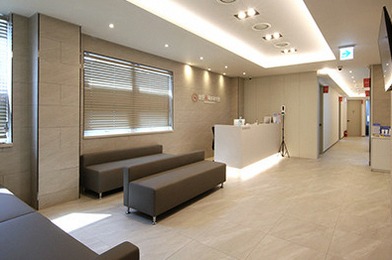
Direct answer: finding acne care near Yeokchon Station
The clinic is located in Eunpyeong-gu and can be accessible to some visitors from the Yeokchon area; it offers medical acne diagnosis, procedures, and follow-up with evening and weekend hours that can fit study or work schedules.
This guide explains how acne is typically assessed and treated at a neighborhood clinic level, what to expect if you visit a clinic such as Malgeunsu Clinic near Yeokchon Station, and how to plan your trip to Korea for safe and realistic acne care.
Overview of acne treatment near Yeokchon Station
In the Yeokchon Station area of Eunpyeong-gu, some local clinics combine medical skin disease care and aesthetic procedures in one place. This means the same physician who manages conditions like warts, cysts, burns, or alopecia areata can also diagnose and treat acne, acne scars, and related redness.
For overseas visitors, this style of clinic is useful because you can receive both prescription-based treatment and in-clinic procedures in a coordinated way. Instead of a one-time promotional package, the focus is on steady control of breakouts, protection against new scars, and gradual improvement in marks and texture.
At a single-doctor clinic, consultations and procedures are usually handled directly by the same physician. In the case of Malgeunsu Clinic, patients are treated directly by Director Lee Hyo-su, which supports continuity from first visit to follow-up.

Who may consider acne treatment here
You may consider visiting an acne clinic near Yeokchon Station if any of the following apply:
You have repeated inflammatory acne with redness and pain that leaves marks or scars.
You tried over-the-counter products at home but still have frequent breakouts.
You have sensitive skin that reacts easily, and you are unsure which products or procedures are safe.
You developed acne or clogged pores after moving to a new climate, changing diet, or wearing a mask for long hours.
You already have visible acne scars such as shallow dents or uneven texture and want to improve them gradually.
You live, study, or work around Yeokchon Station or in Eunpyeong-gu and want regular follow-up, not only a one-time session.
Both teenagers and adults can be candidates for treatment. Adult acne is common, especially in people with stress, hormonal fluctuations, or long working hours. A doctor-based clinic can also consider your general health, medications, and lifestyle when planning your care.
How acne is diagnosed at a local clinic
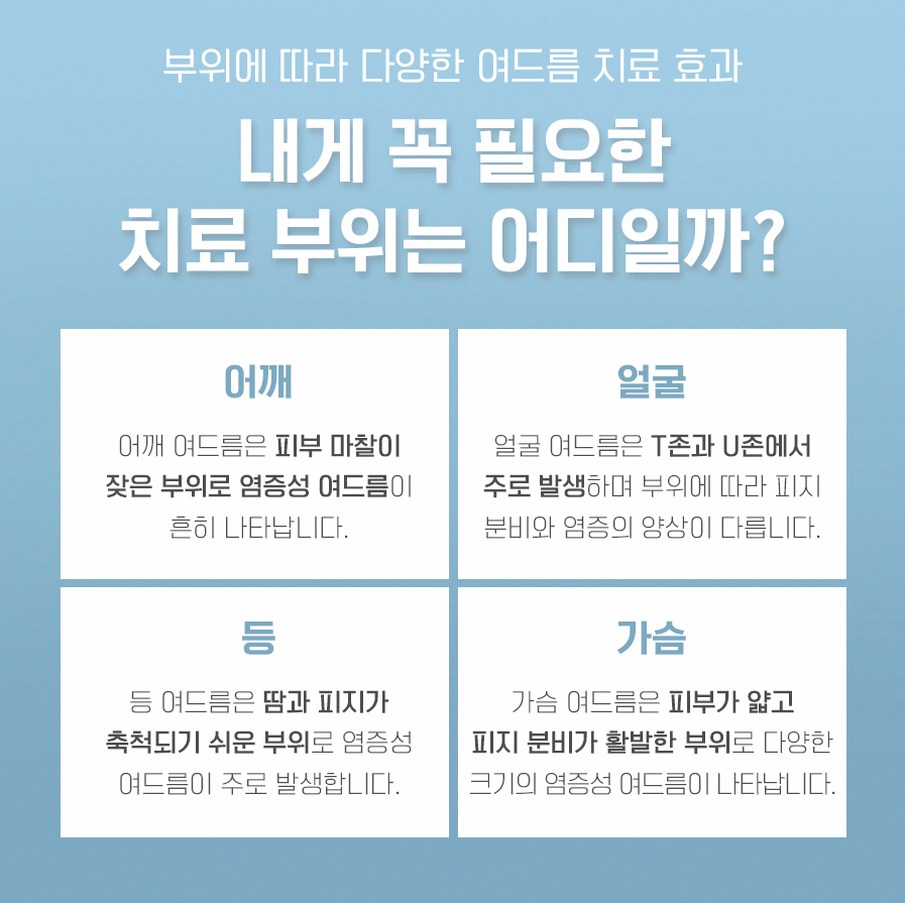
Effective acne treatment starts with proper diagnosis. During the initial consultation, the doctor typically looks at several points rather than only counting pimples.
Types of acne
The doctor checks which types of lesions are present:
Comedonal acne: whiteheads and blackheads from clogged pores.
Inflammatory acne: red papules and pustules.
Nodular or cystic acne: deeper, painful lumps that can easily scar.
Post-inflammatory marks: brown or red spots left after old acne.
Understanding which type is dominant helps decide whether you mainly need sebum control, anti-inflammatory treatment, or scar-focused procedures.
Skin sensitivity and underlying issues
The doctor also examines:
How easily your skin becomes red or irritated.
Whether there are signs of other skin conditions that can mimic or worsen acne.
Areas of dryness or damage from previous harsh products.
This is important because some strong treatments can worsen irritation if the skin barrier is already weak. A clinic that also treats general skin diseases is usually familiar with balancing treatment strength and safety.
Lifestyle and external factors
During history taking, you can expect questions about:
How long you have had acne and how it has changed over time.
Previous treatments, including products, medications, or procedures.
Family history of acne or scarring.
Work or school schedule, stress level, and sleep.
Diet patterns and any recent changes.
Mask use, sweating, or exposure to humid or polluted environments.
These details help the doctor identify triggers and design a plan that you can realistically follow, especially if you are in Korea only for a limited time.
Medical treatment options for acne
Once your acne type and skin condition are clarified, the clinic can suggest a combination of medical and procedural treatments. Plans are individualized, and not every patient needs every option.
Prescription creams and gels
Topical medications are often the base of acne therapy. Depending on your skin, the doctor may prescribe products to:
Help unclog pores and reduce comedones.
Lower inflammation in red pimples.
Control bacteria associated with acne.
Lighten post-inflammatory marks over time.
These medications are usually applied at home once or twice daily. The doctor will explain how to start slowly if your skin is sensitive and what level of dryness or peeling is acceptable.
Oral medications when needed
For more severe or widespread acne, oral medications may be considered. These can include options to:
Reduce inflammation.
Regulate sebum production.
Support control of hormonal tendencies in some patients.
Because oral medications can have side effects or require monitoring, they should be prescribed and followed by a physician. It is important to tell the doctor about all medicines and supplements you are already taking.
Injections for intense inflammation
If you have very painful, swollen nodules that risk scarring, the clinic may offer injections to help calm intense inflammation in those spots. These are done in the clinic using a fine needle directly into the lesion.
Such injections can help reduce pain and swelling more quickly than creams alone, but they are usually used selectively, not for every pimple. Your doctor will explain possible temporary side effects, such as local thinning or color change, and when this option is appropriate.
Procedural treatments for acne and scars
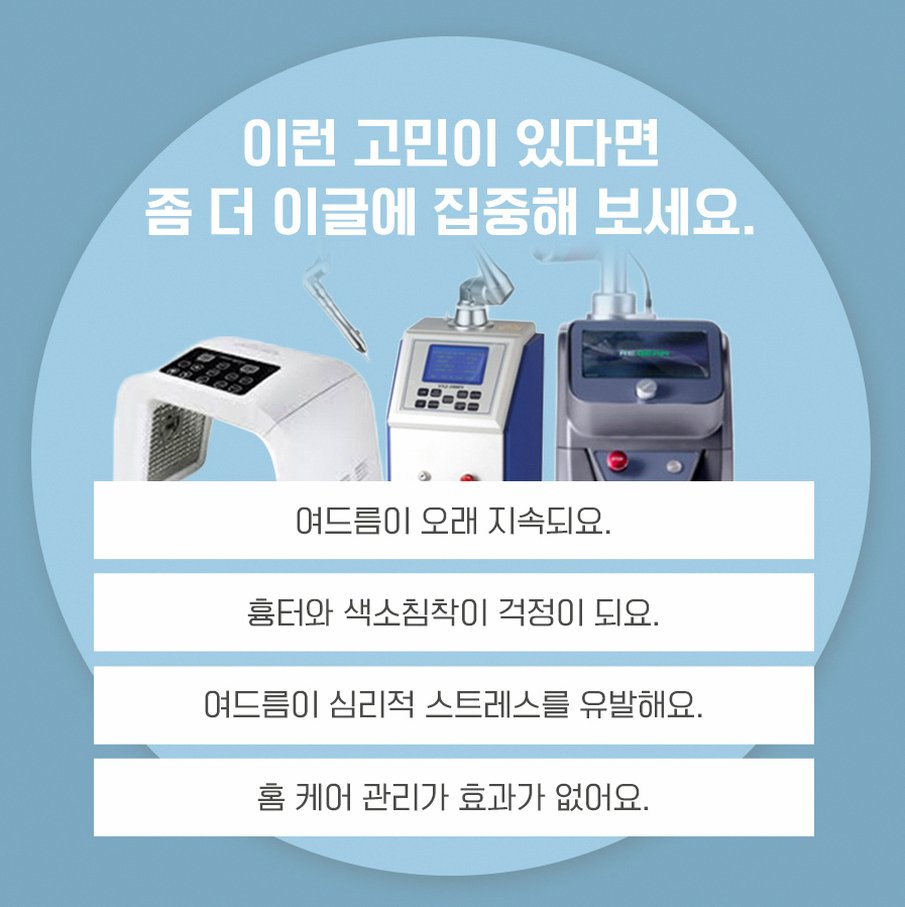
In addition to medication, many clinics near Yeokchon Station provide device-based and procedural treatments to support acne control and scar improvement. At a medical clinic, these are performed under medical hygiene standards and adjusted to your skin condition.
Medical cleansing and aqua peel
Medical cleansing procedures, including aqua peel, are useful for:
Removing excess sebum and blackheads.
Gently exfoliating dead skin cells.
Preparing the skin for other treatments.
Aqua peel uses a solution and suction to cleanse pores while minimizing irritation. For international patients with limited time, combining medical cleansing with other procedures in the same visit can be efficient, as long as the doctor agrees it is safe for your skin.
Laser toning for redness and marks
Laser toning devices, such as Genesis-style or Alexandrite-based toning, are used to address:
Redness after acne.
Brown post-inflammatory pigmentation.
Overall uneven tone from repeated breakouts.
These treatments use controlled laser energy to target pigment and superficial vessels. Sessions are usually spaced several weeks apart, and improvement tends to be gradual. Temporary redness or warmth after treatment is common, and sun protection is important.
Acne scar care
If you already have visible scars, the clinic may suggest a combination of methods, depending on whether your scars are boxcar, rolling, or icepick type. Options can include:
Energy-based devices to stimulate collagen.
Needling techniques to break fibrous bands and encourage remodeling.
PRP (platelet-rich plasma) injections to support healing response.
Fillers for selected depressed scars to raise the surface.
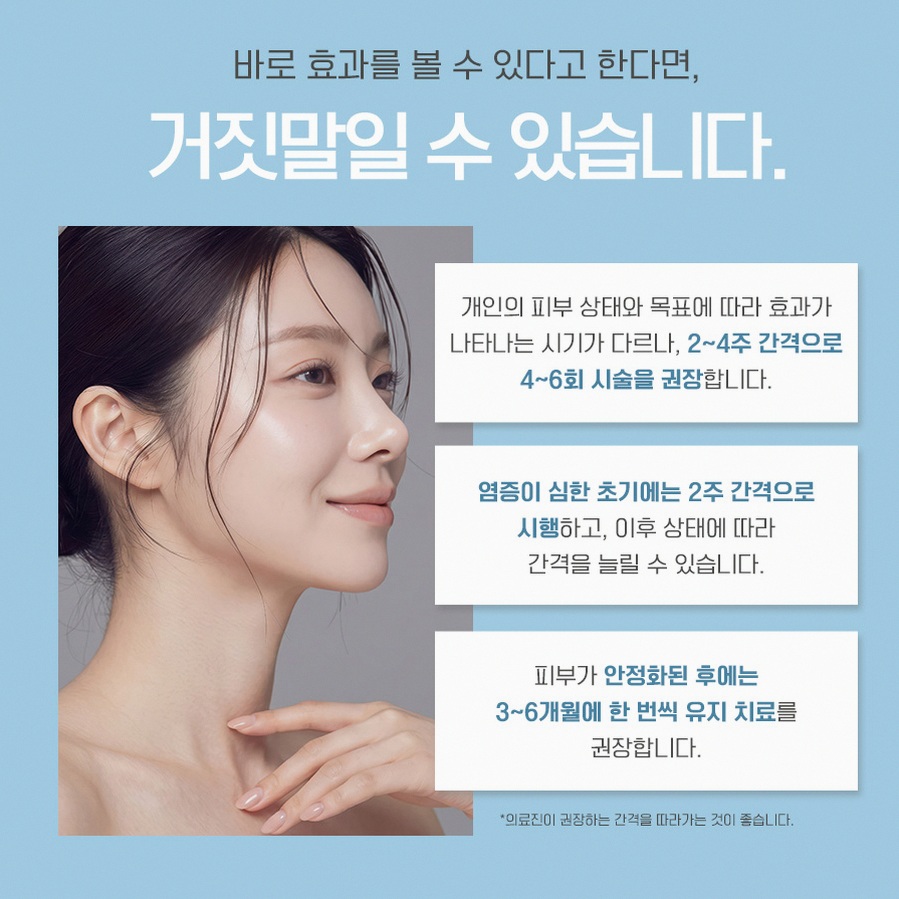
Scar treatment almost always requires multiple sessions over several months. The goal is usually softening and smoothing rather than complete erasure. A realistic discussion with your doctor about expected degree of change is essential.
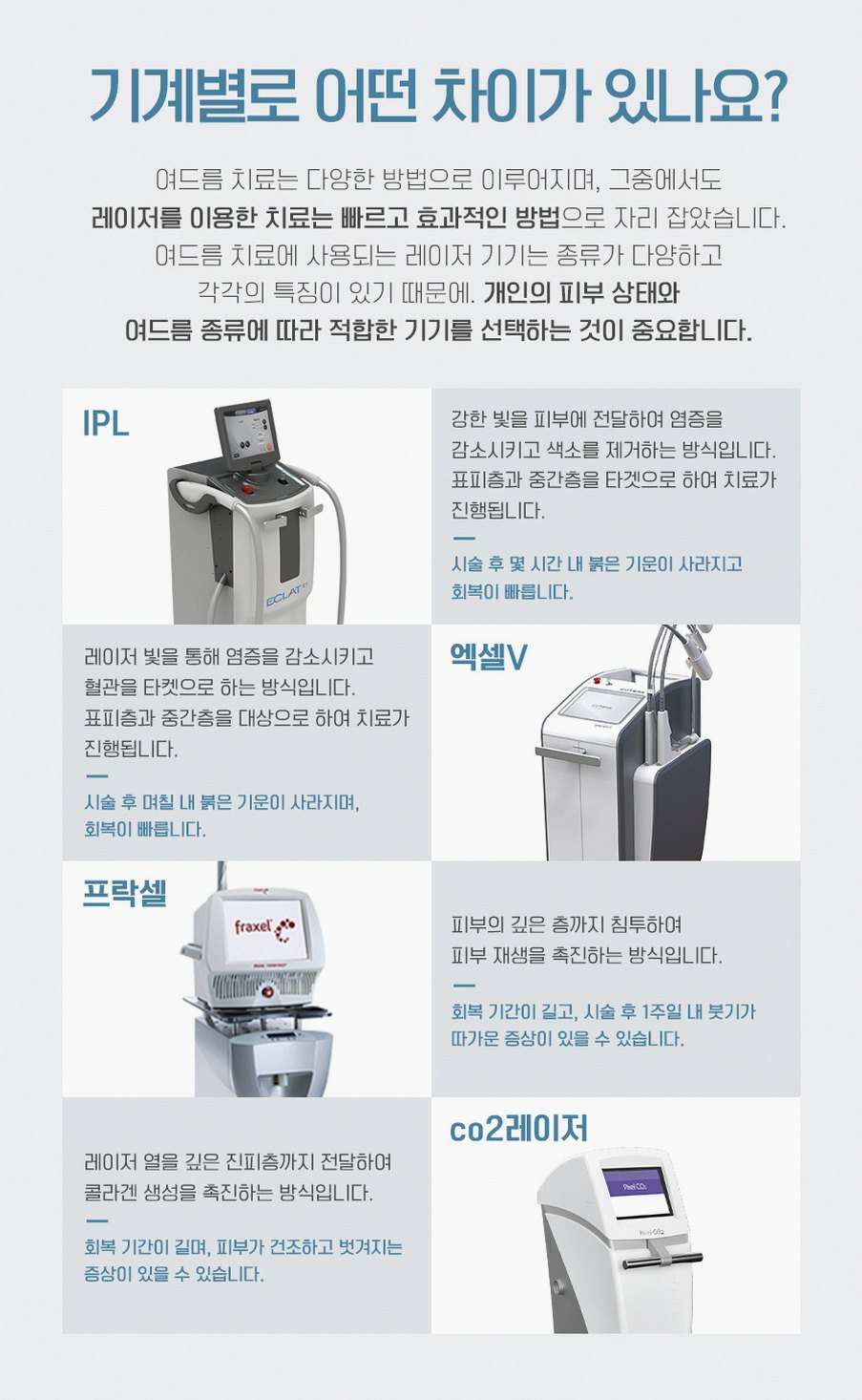
Lifting and contour devices in the same clinic
Some clinics in this area also have lifting and contour devices such as InMode, Shurink Universe, Tencera, and Ten Triple. These are mainly used for facial sagging or contouring rather than active acne. They may become relevant later, after acne is under control and you wish to address skin laxity or jawline definition. For your first acne-focused visit, they are usually not the priority.
How an acne visit typically proceeds
For overseas patients, understanding the usual flow of a visit helps you plan time and expectations.
Initial consultation
At your first appointment, you can expect:
Registration and basic information collection.
History taking about your acne duration, previous treatments, scarring, family history, and lifestyle.
Review of any medications or supplements you use.
Skin examination to check the distribution of lesions, presence of scars, sensitivity, and any other skin problems.
If you have photos of your skin from earlier stages or from your home country, bringing them can help the doctor understand how your acne behaves over time.
Treatment planning
After examination, the doctor will usually explain:
Short-term goals: calming active inflammation, reducing pain and swelling, and preventing new breakouts.
Mid- to long-term goals: decreasing scars and pigmentation, improving texture, and maintaining stable skin.
You may discuss:
Which medications are suitable during your stay in Korea and after you return home.
Which procedures (such as aqua peel, laser toning, or scar-focused treatments) fit your skin type and schedule.
How often you can realistically visit during your trip.
What home care routine to follow, including cleansers, moisturizers, and products to avoid.
Procedure session
If you and the doctor agree, some procedures may be performed on the same day as your consultation, depending on your skin condition and time.
A typical session includes:
Cleansing and preparation of the treatment area.
The selected procedure, such as acne extraction under medical hygiene standards, aqua peel, laser toning, or a scar-focused treatment.
Cooling or soothing care afterward when appropriate, to calm the skin and reduce temporary redness.
Many procedures can often be performed with minimal anesthesia, such as topical numbing cream, but this depends on the technique and your pain tolerance. You should tell the staff if you are particularly sensitive so they can adjust.
Follow-up and continuity of care
Acne and scars rarely improve with a single session. Regular follow-up allows the doctor to:
Adjust medication strength and frequency.
Change procedure intervals based on your response.
Review any irritation or side effects.
Update your home care routine as your skin becomes more stable.
At a single-doctor clinic, the same physician usually sees you each time, which can be reassuring if you are planning repeated visits during a longer stay in Korea or on future trips.
Safety, expectations, and what to ask
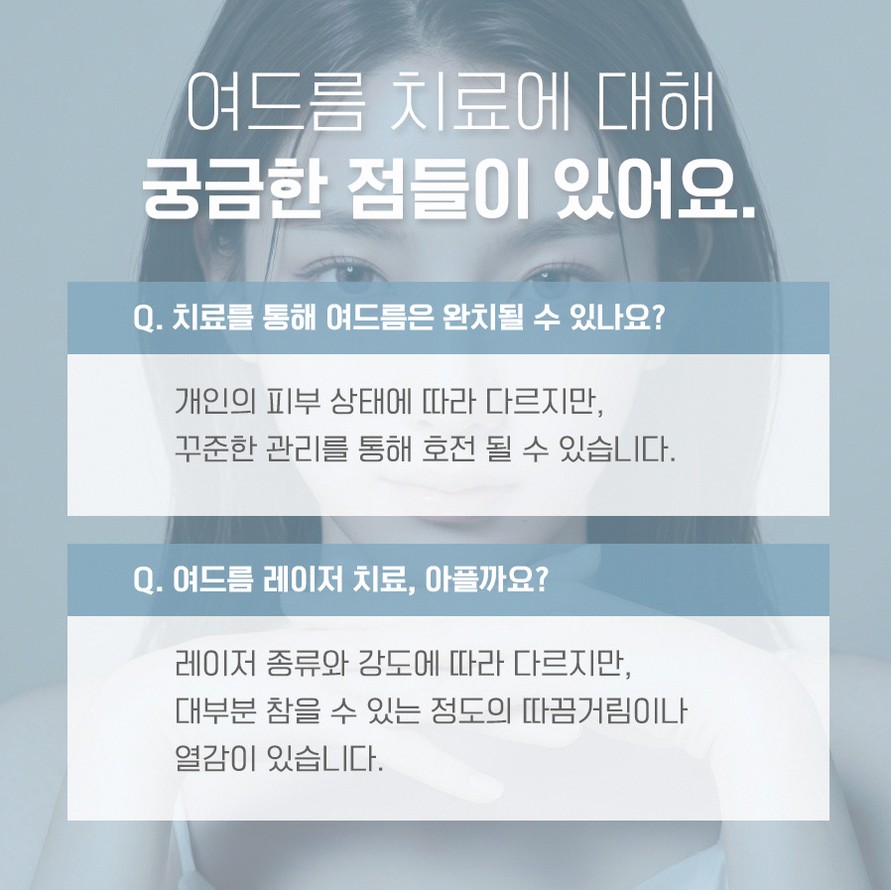
Realistic expectations
Acne treatment can bring meaningful improvement, but complete removal of every lesion or scar cannot be guaranteed. Results depend on acne severity, skin type, lifestyle, and how consistently you follow the plan.
Improvements are usually gradual:
First, fewer painful breakouts and calmer redness.
Later, lightening of marks and smoother texture.
Finally, maintenance with milder treatments and good home care.
Possible side effects
Depending on the treatment, you may experience:
Temporary redness, swelling, or warmth after procedures.
Dryness, flaking, or mild stinging from prescription creams.
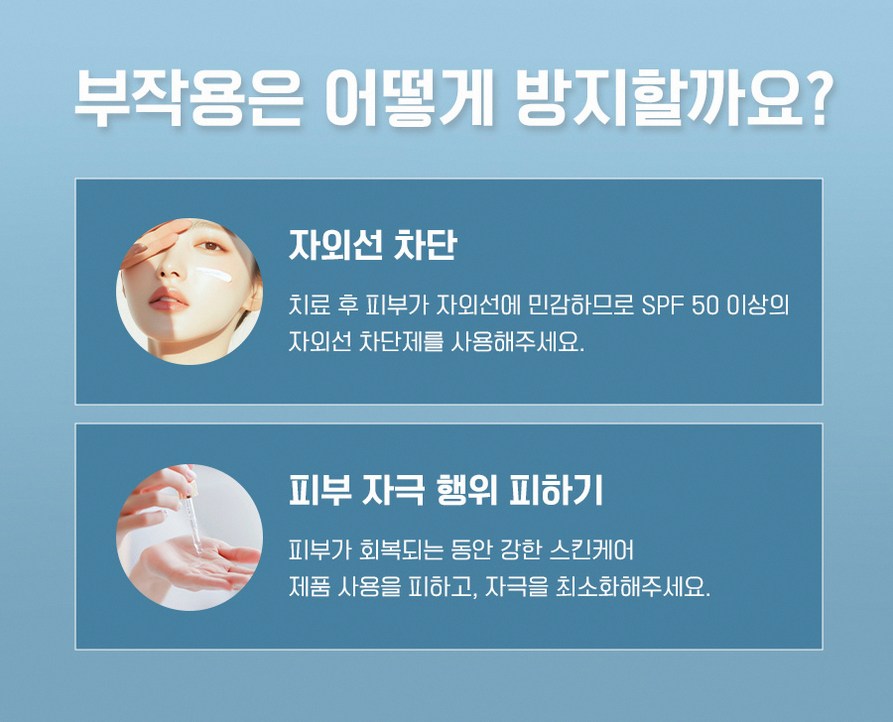
Short-term sensitivity to sunlight.
Occasional pigmentation changes in some skin types, especially if sun protection is not adequate.
Serious complications are uncommon when treatments are properly selected and performed, but you should always inform the doctor about your medical history, allergies, and any unusual reactions.
Questions to prepare before your visit
To make the most of your consultation, it helps to prepare a simple checklist. Examples include:
How many sessions are usually recommended for my level of acne and scarring?
What is the approximate interval between sessions?
Which treatments can I complete during my current stay in Korea, and what should I continue at home?
What level of redness or downtime should I expect after each procedure?
Which skincare ingredients or products should I avoid before and after treatment?
How should I coordinate procedures with work, school, or travel plans?
Bringing a written list of questions and photos of your usual products can help the doctor give more precise advice.
Other services available in the same clinic
For some patients, acne is not the only concern. A clinic that handles a range of skin-related issues can be convenient.
Scalp and hair concerns
If you have both acne and scalp problems or alopecia areata, This allows coordinated care when skin and hair issues are linked to stress or hormonal changes.
Foot center services
Some clinics in this area also run a foot center, offering care for athlete’s foot, ingrown toenails, calluses, and laser treatment for fungal infections. While this is separate from acne care, it shows a broader focus on medical skin and related conditions.
Lifting and contouring later on
After acne is under control, some patients are interested in lifting or contouring treatments to refine facial shape or address sagging. Devices like InMode, Shurink Universe, Tencera, and Ten Triple, as well as contour injections, may be options at the same clinic. These are usually considered only after inflammation is stable, to avoid irritating active acne.
Location and clinic hours near Yeokchon Station
For international visitors staying in or commuting through Eunpyeong-gu, location and hours are important.
Clinics such as Malgeunsu Clinic are located in Eunpyeong-gu and are convenient for people using Yeokchon Station. This makes it easier to fit appointments between classes, work, or sightseeing.
Typical consultation hours are:
Weekdays: 11:00 to 20:00, with a lunch break from 14:00 to 15:00. Evening hours can be helpful for students and workers.
Saturday, Sunday, and public holidays: 11:00 to 17:00, usually without a lunch break.
Closed on Wednesdays and Thursdays.
Because schedules can change, it is always wise to confirm the latest hours by phone before you visit or plan your travel.
Pre-visit preparation and online consultation
While full medical consultation requires an in-person visit, early contact can help with:
Checking available dates and hours during your stay.
Explaining your main concerns (active acne, scars, or both).
Asking whether specific treatments you are interested in are offered.
Clarifying what medical records or information you should bring.
When preparing for your visit, consider gathering:
A list of your current skincare products with photos of ingredient lists.
Names and doses of any medications or supplements you take.
Photos of your skin in natural light from the last few months.
Information about any previous procedures or allergies.
This preparation allows the doctor to understand your situation more quickly, which is useful if your time in Korea is limited.
Expected Korea visit timeline for acne treatment
If you are planning a short trip, for example one to two weeks, a realistic schedule might look like this:
Day 1–2: First consultation and basic treatment plan. Possible start of prescription creams and, if appropriate, a gentle procedure such as aqua peel or light laser toning.
Day 3–7: Monitoring your skin’s reaction. You may return for a second session if recommended, especially for inflammatory lesions or early scar care.
Day 8–14: A follow-up visit to adjust medications, perform another procedure if suitable, and create a long-term plan you can continue at home.
For longer stays or repeated visits to Korea, your plan can include more structured scar treatments and several laser or needling sessions with appropriate intervals.
Aftercare and home management
After procedures and during medication use, proper aftercare is essential for both results and safety.
General aftercare tips include:
Use gentle, non-fragranced cleansers and moisturizers recommended by your doctor.
Apply sunscreen daily, as many treatments increase sun sensitivity.
Avoid picking or squeezing acne lesions or scabs.
Do not add new strong exfoliants or active ingredients without medical advice.
Follow the prescribed schedule for creams and oral medications.
If you notice unusual pain, intense redness, or other concerning symptoms, contact the clinic promptly for guidance.
Simple FAQ for overseas acne patients near Yeokchon Station
How many acne treatment sessions will I need during a short trip?
The number of sessions depends on your acne severity and how long you stay in Korea. For a one to two-week visit, many patients receive one to three sessions focused on calming inflammation and starting basic scar care. The doctor can then design a plan you continue at home, with the option to return for more advanced scar treatments on future trips.
Is it safe to start new acne medication while I am traveling?
Starting new medication can be safe when it is prescribed after a proper consultation and when you clearly share your medical history and current drugs. The doctor may begin with lower doses or milder products to see how your skin responds. You should keep enough time before your flight home to review any reactions and adjust the plan if needed.
Will I have visible redness after procedures, and can I go sightseeing?
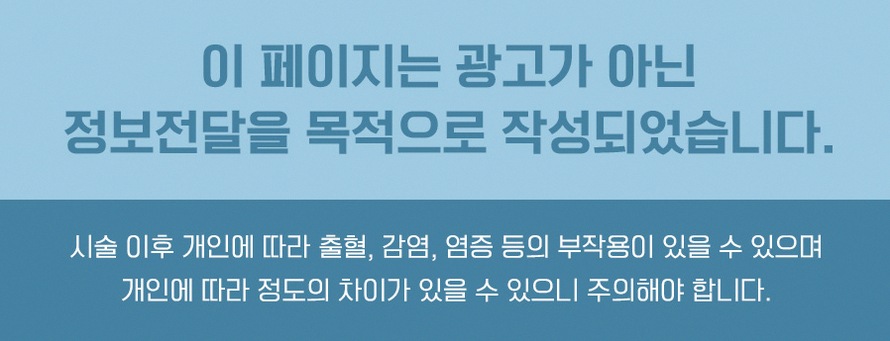
Mild redness or swelling is common after many acne-related procedures, especially extractions or laser toning. In most cases, this settles within hours to a few days. If you plan sightseeing or photos, discuss timing with your doctor so that more intensive treatments are scheduled when you can rest or wear appropriate sun protection and gentle makeup if allowed.
Can I continue treatment after I return to my home country?
Yes, in many cases you can continue with prescription creams, oral medications, and a structured skincare routine after you go home. The clinic can provide written instructions or a summary of your treatment plan. You may then follow up with a local doctor in your country, or plan another visit to Yeokchon Station area clinics for further scar or maintenance procedures when you next travel to Korea.
Soft call to action
If you are considering the best acne treatment near Yeokchon Station and want medically guided care rather than only cosmetic facials, a neighborhood clinic in Eunpyeong-gu can be a practical choice. Clinics like Malgeunsu Clinic offer continuity with one doctor, a mix of medical and procedural options, and evening and weekend hours that fit busy schedules.
Before you book flights or hotels, consider making an online or phone inquiry through local listing information. Share your main concerns, travel dates, and any previous treatments, and prepare your questions in advance. With clear communication and realistic expectations, your visit to Korea can be a valuable step toward calmer, more stable skin.
- 공유 링크 만들기
- X
- 이메일
- 기타 앱


댓글
댓글 쓰기