Yeokchon Station acne treatment options at a local clinic
- 공유 링크 만들기
- X
- 이메일
- 기타 앱
Direct answer summary
If you are looking for acne treatment near Yeokchon Station in Eunpyeong-gu and prefer a medical clinic rather than a large cosmetic chain, you can receive doctor-led care that covers both active acne and acne scars in one place.
This guide explains how medical acne treatment around Yeokchon Station typically works, who may benefit, what to prepare before visiting Korea, how a short treatment schedule can be organized, and what to expect from aftercare and follow-up.
Understanding acne and why medical care matters
Acne is a chronic inflammatory condition of the hair follicle and sebaceous glands. It is driven by several factors at the same time: increased sebum production, clogged pores, overgrowth of certain bacteria, and the body’s inflammatory response.
People searching for acne treatment near Yeokchon Station are often dealing with one or more of the following situations. They may have persistent red or pus-filled pimples that do not settle with over-the-counter products. They may experience frequent breakouts that leave red or brown marks. Some already see shallow depressed scars on the cheeks. Others notice that their acne worsens during stressful periods, lack of sleep, or long mask use at work or school.

Medical acne care is different from simple facials or basic spa treatments. A doctor first identifies your acne type and skin type, checks for early scarring and pigmentation, and then combines prescription medication with procedures when needed. This approach aims to calm inflammation, prevent new lesions, and reduce the risk of permanent scars, while also planning for later scar and texture improvement.
Why choose a doctor-led local clinic near Yeokchon Station
Around busy areas, some large cosmetic clinics separate the roles of consultation and procedure. One doctor may briefly consult, while other staff members perform most of the treatments. The focus can sometimes lean toward selling fixed packages rather than adjusting care step by step.
At a solo-practitioner clinic near Yeokchon Station, the same doctor usually handles consultation, treatment planning, and procedures. When one doctor follows you, they can see how your skin responds and adjust the strength, intervals, or combination of treatments accordingly.
In addition, a neighborhood clinic that treats both medical skin problems and cosmetic concerns is used to distinguishing acne from other conditions that look similar, such as folliculitis, eczema-like rashes, or scalp-related issues. The doctor can also check for related problems such as sebaceous cysts, warts, corns, or foot skin issues, which can be managed in the same place. The overall style is careful, experience-based care rather than aggressive upselling, which is especially important for sensitive, acne-prone skin.
Components of acne treatment near Yeokchon Station
Assessment
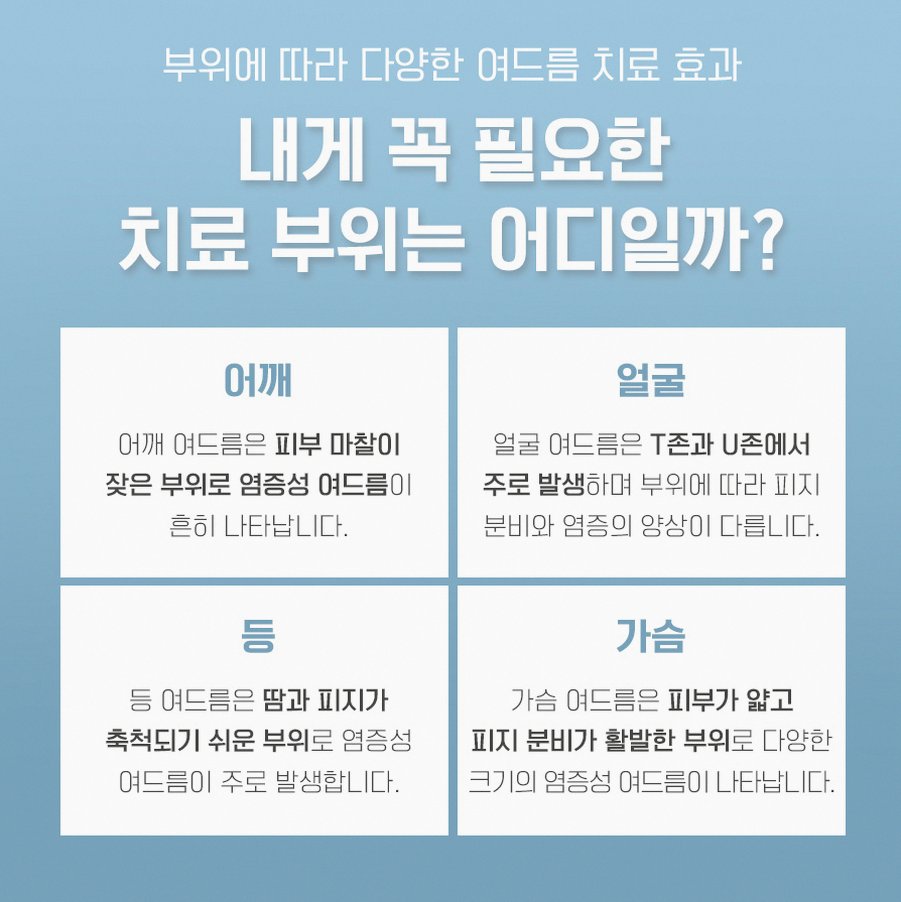
The first step is a detailed assessment. The doctor evaluates your acne type, looking for comedonal lesions like whiteheads and blackheads, inflammatory papules and pustules, and deeper nodules or cysts. They also examine existing marks and scars, including red post-inflammatory marks, brown pigmentation, and depressed or uneven scars.
A good assessment includes a brief lifestyle review. The doctor may ask about your current skincare routine, types of cosmetics, cleansing habits, occupation, mask use, stress level, sleep pattern, and any hormonal fluctuations. For international patients, it can be helpful to bring photos of your usual skincare products or a list of active ingredients you are already using.
Medical management
After assessment, a medical plan is created. Topical treatments often form the foundation. These may include retinoid creams or gels to normalize cell turnover, antibacterial or anti-inflammatory creams, and keratolytic agents that help unclog pores. The exact combination and frequency are tailored to your skin’s sensitivity.
Oral medication may be suggested for more severe or widespread inflammation. Short-term antibiotics can help bring down intense redness and swelling, while other systemic options may be considered depending on your age, gender, and medical history. Because these medicines can have side effects, they require medical supervision and regular follow-up.
For large, painful cystic lesions, targeted anti-inflammatory injections can sometimes be used. These injections are placed directly into the lesion to help reduce swelling more quickly and lower the risk of deep scarring. Not every pimple needs an injection; the doctor decides based on size, depth, and timing.
Procedural and device-based care
Procedures are often added once a basic medical routine is in place. For active acne, gentle comedone extraction or lesion procedures may be performed. The aim is to relieve clogged pores and speed up the resolution of certain lesions while minimizing trauma to the skin.
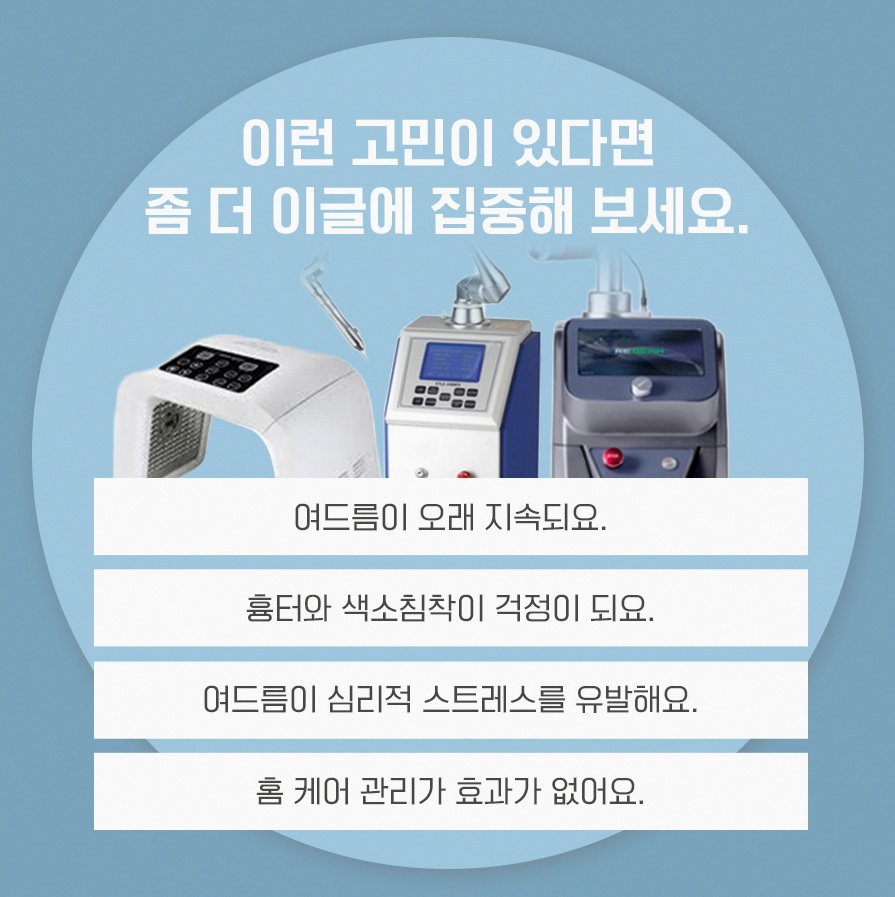
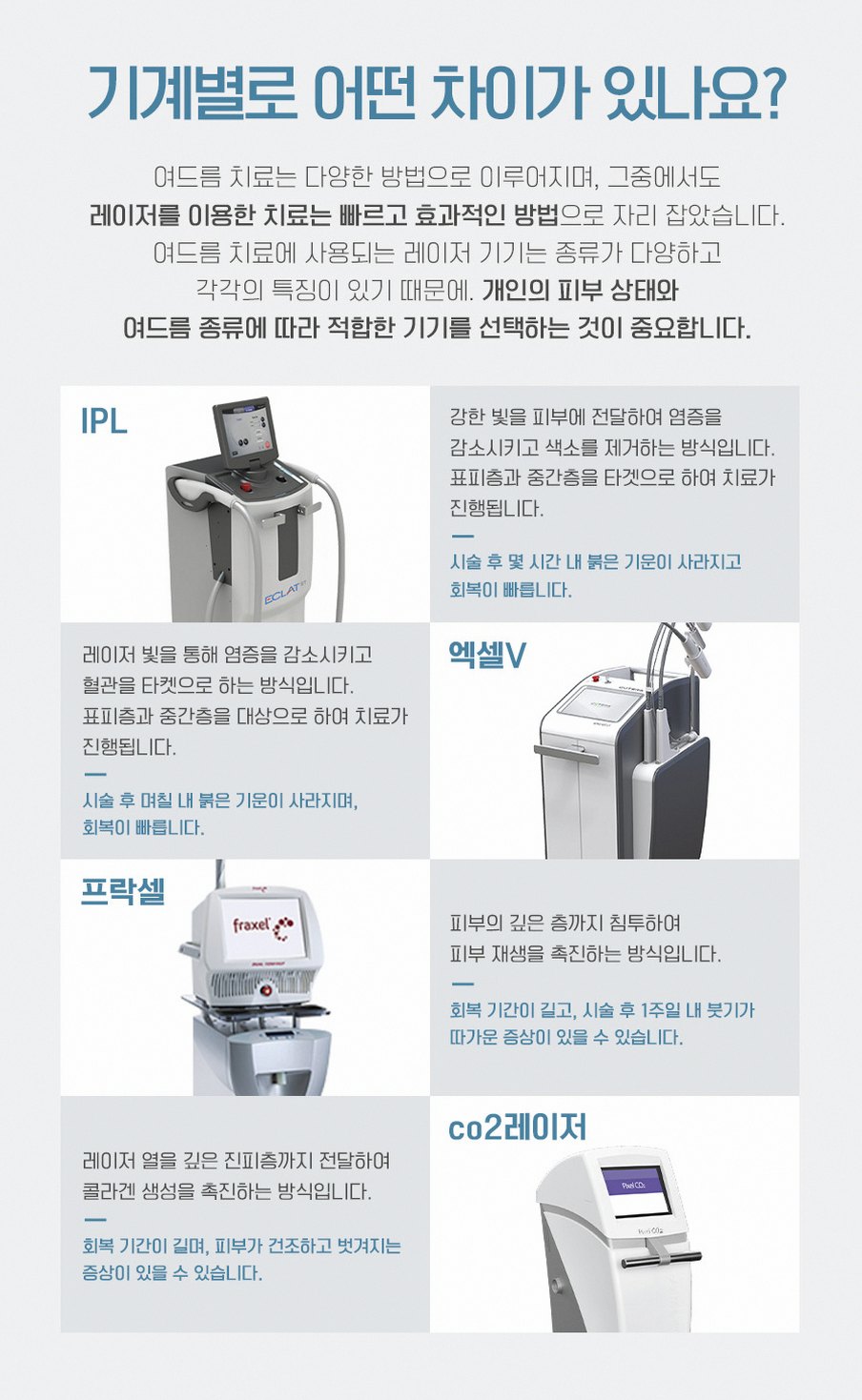
Laser and light-based treatments can support both active acne and post-acne marks. Around Yeokchon Station, some clinics offer different laser toning options, such as Genesis-style toning or Alexandrite-based toning. These are generally non-ablative laser procedures designed to help with redness, post-inflammatory pigmentation, and overall skin tone in acne-prone skin. They are usually done in a series of sessions, and the degree of improvement varies from person to person.
For acne scars and texture, scar-focused treatments are available. These may include laser-based scar care and procedures combined with regenerative injectables such as skin boosters or polynucleotide-based products. The goal is to gradually improve depressed scars and uneven texture over multiple sessions, not to erase scars completely.
Skin care and maintenance
Even while treating acne, the skin barrier needs support. Basic skin management options such as aqua peel and moisture-focused care may be used in selected patients. Aqua peel can help remove surface impurities and excess sebum, while hydration-focused treatments can support the barrier.
However, these must be customized for acne-prone skin. Over-exfoliation or frequent strong peels can worsen irritation and trigger more breakouts. A doctor-led plan will space out such treatments and adjust their intensity based on how your skin reacts.
Combining disease and cosmetic perspectives in one clinic
A neighborhood clinic near Yeokchon Station often functions like a primary-care style skin center, handling both insured skin disease treatment and cosmetic procedures under one roof. For acne patients, this integrated structure has several advantages.
First, active inflammatory acne is treated as a medical condition, not just a cosmetic concern. This means you can receive prescription creams, oral medication, and lesion-specific procedures when clinically indicated.
Second, if you have related issues such as sebaceous cysts, warts, folliculitis, or even foot skin problems like corns, they can be addressed in the same clinic. This is convenient for people who prefer to manage multiple concerns without visiting many different places.
Third, once inflammation is under control, the same doctor can smoothly transition your care toward scar and pigmentation management. This may involve laser toning, scar procedures, and regenerative injections, adjusted to your skin type and schedule. Because one person oversees the whole journey, the plan can be more coherent and long-term rather than a one-time cosmetic package.
Equipment and procedures relevant to acne and scars
Laser toning
Laser toning procedures, including Genesis-style and Alexandrite-based toning, are commonly used to support acne-prone skin. They are usually applied at low to moderate energy levels over multiple sessions. The aim is to reduce persistent redness, improve post-inflammatory hyperpigmentation, and even out overall tone.
These treatments are often combined with medical acne management. For example, once your breakouts are better controlled with creams and possibly oral medication, laser toning can be introduced to focus on the red and brown marks left behind. Temporary redness or sensitivity after the session is possible, so sun protection and gentle skincare are important.
Scar and texture procedures
For depressed or uneven acne scars, clinics near Yeokchon Station may offer scar-targeted procedures. These can include fractional-style laser treatments and regenerative injections such as skin boosters, polynucleotide-based injectables, or platelet-rich plasma, depending on your needs and the clinic’s protocols.
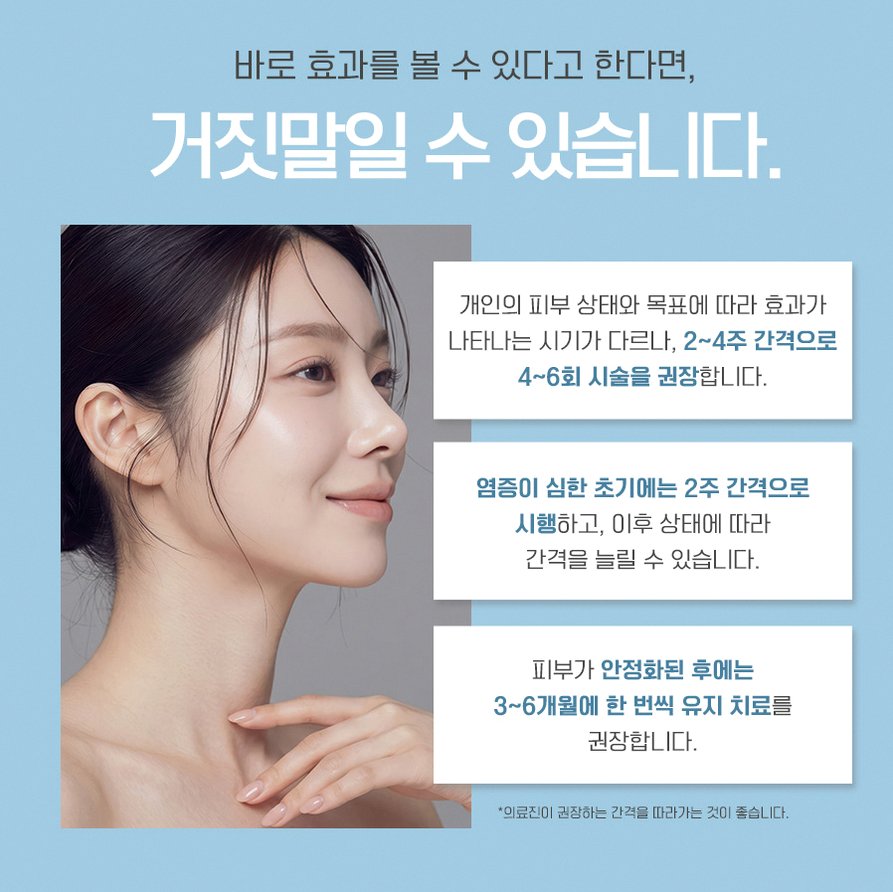
The goal is gradual remodeling of the scarred tissue and improvement in skin quality. Results typically build over several months and multiple sessions. Because scar tissue behaves differently from normal skin, the doctor will usually start with a conservative plan and adjust based on how your skin heals.
Skin management
Aqua peel and moisture-focused facials can be useful tools when used selectively. In acne-prone skin, they may help with clogged pores and hydration, especially in combination with prescription treatments. The key is moderation. The doctor will decide how frequently these should be done and which steps to include or skip to avoid over-irritation.
All device-based procedures should be seen as supportive options rather than guaranteed cures. A realistic plan combines them with consistent home care and medical supervision.
Who may consider acne treatment near Yeokchon Station
You may be a good candidate for this style of care if your acne does not improve with over-the-counter products or simple facials. If you are starting to notice red or brown marks and shallow scars after repeated breakouts, early medical intervention can help reduce further damage.
Office workers and students who need evening appointments after work or class often appreciate clinics that open until 20:00 on weekdays. International visitors staying in the Eunpyeong-gu area can also benefit from weekend and holiday hours, making it easier to fit consultations and procedures into a short stay.
This type of clinic is also suitable if you prefer a consistent relationship with one doctor rather than rotating staff. Patients who have both acne and other skin or foot issues may find it convenient to manage everything in a single place.
Online consultation and pre-visit preparation for overseas patients
Before traveling to Korea, it is useful to arrange an online or message-based consultation if the clinic offers it. This allows the doctor or staff to understand your main concerns and to suggest a rough treatment outline that fits your travel dates.
To prepare, you can take clear photos of your face in natural light from the front and both sides. Avoid heavy makeup in these photos. Prepare a list of current and past acne medications, including any oral antibiotics, hormonal treatments, or strong topical creams you have used in the last year. Mention any allergies, chronic illnesses, or pregnancy and breastfeeding status.
It is also helpful to write down your priorities. For example, decide whether your main goal during a short visit is to calm active breakouts, to start scar treatment, or to set up a long-term plan you can continue at home. Share your approximate schedule in Seoul so the clinic can suggest realistic appointment times.
Expected Korea visit timeline for acne care
Short visit of one week or less
If you are in Korea for less than a week, the focus is usually on assessment, starting or adjusting medical treatment, and possibly one or two gentle procedures. On the first visit, you will have a consultation, skin examination, and discussion of your goals. The doctor may prescribe topical and, if appropriate, oral medication, and perform basic lesion care or a mild laser toning session if your skin condition allows.
Follow-up within such a short stay may be limited to one review visit to check for any early reactions to medication and give home-care instructions for when you return to your country.
Stay of two to four weeks
With a stay of two to four weeks, there is more room to structure a small series of treatments. After the initial consultation and plan, you might have one or two additional sessions of laser toning, aqua peel, or early scar-focused procedures, spaced about one week apart.
This period is often used to stabilize inflammation, fine-tune medication doses, and start addressing post-acne marks. The clinic can also coordinate with you on how to continue topical care and oral medication after you leave.
Longer stay or repeated visits
If you live in Korea or visit regularly, a more comprehensive mid- to long-term plan becomes possible. The early phase, usually the first one to two months, focuses on calming inflammation and reducing new breakouts. Medications are adjusted based on tolerance and response, and gentle procedures are introduced when appropriate.
Once inflammation is controlled, the emphasis shifts toward scar and pigmentation management. This may involve repeated laser toning, scar procedures, and regenerative injections over several months. Maintenance visits are then scheduled to prevent relapse, especially for chronic or hormonally influenced acne.
Aftercare and long-term maintenance
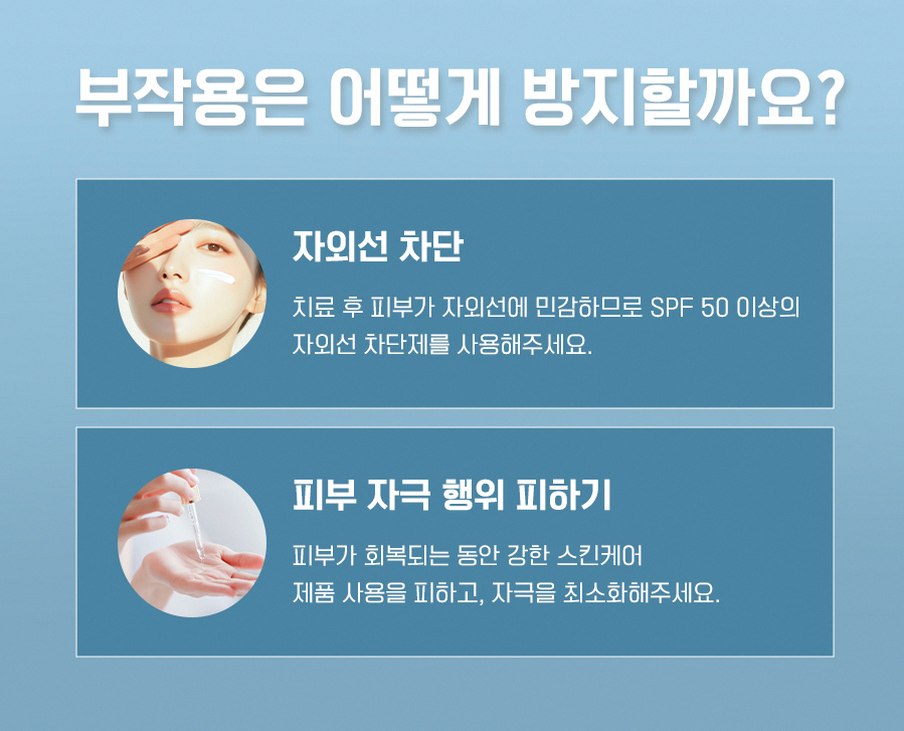
After procedures such as laser toning, scar treatments, or aqua peel, your skin may feel slightly warm, red, or sensitive for a short period. The clinic will usually recommend gentle cleansing, adequate moisturization, and strict sun protection. Avoiding harsh scrubs, strong acids, and self-extraction is important during the healing phase.
Long-term maintenance involves consistent use of suitable cleansers, non-comedogenic moisturizers, and sunscreen. Some patients may need intermittent use of topical retinoids or other prescription creams to keep pores clear. Periodic follow-up visits help the doctor adjust your routine as your skin and lifestyle change.
Realistic expectations are essential. Acne is a chronic condition for many people, and the goal is to reduce flare-ups and improve skin quality over time, not to achieve instant perfection. Scars and pigmentation usually require multiple sessions and gradual improvement.
Convenience for the Yeokchon Station and Eunpyeong-gu area
For residents and workers around Yeokchon Station and the wider Eunpyeong-gu area, a local clinic offers practical advantages. You do not need to travel far into central business districts for every follow-up, which is especially helpful when you need frequent visits in the early phase of treatment.
Some clinics in this area function as neighborhood skin and foot centers, managing both everyday skin diseases and cosmetic concerns. This structure suits long-term acne management, where regular reviews and small adjustments often matter more than one-time intensive procedures.
Malgeunsu Clinic (Director Dr. Lee Hyosu) keeps distinctive hours: weekdays 11:00–20:00 with a lunch break from 14:00–15:00, and weekends/public holidays 11:00–17:00 (no midday break). The clinic is closed on Wednesdays and Thursdays. If you plan to visit, check the clinic's Naver Place listing or contact them to confirm the latest schedule and avoid a wasted trip.
Frequently asked questions about acne treatment near Yeokchon Station
What is the difference between getting acne treatment at a local medical clinic near Yeokchon Station and going to a large cosmetic chain?
At a local medical clinic, you typically see the same doctor at each visit, from consultation through procedures. This continuity allows for gradual adjustment of medications and treatment settings based on how your skin responds. The focus is usually on medical reasoning and long-term management rather than fixed packages.
Large cosmetic chains may have more staff and a wider menu of aesthetic services, but the consulting doctor and the person performing procedures can be different. In some cases, there may be more emphasis on selling set programs. For acne, where overtreatment can easily cause irritation or pigmentation, many patients prefer a careful, doctor-led approach.
How many sessions are usually needed for acne scar improvement?
The number of sessions depends on the type and depth of your scars, your skin type, and the specific procedures used. Mild, shallow scars and color changes may show noticeable improvement after a few laser toning or gentle scar treatments, while deeper depressed scars often require a longer series of sessions spaced several weeks apart.
Most doctors will suggest an initial plan, for example three to five sessions, and then reassess. Because scar remodeling is gradual, it is important to allow time between treatments and to follow aftercare instructions closely.
Can I start acne treatment in the evening after work or on weekends?
Yes, if you choose a clinic near Yeokchon Station that offers evening and weekend hours, you can start treatment after work or on your days off. For example, weekday appointments up to 20:00 and weekend or public holiday hours from late morning to late afternoon make it easier for busy people to attend consultations and procedures.
When planning your first visit, consider that the initial consultation may take a bit longer due to history taking, examination, and discussion of options. It can be helpful to book in advance and to confirm the clinic’s current hours, as schedules may change.
Is it possible to treat both active acne and old scars at the same clinic?
Yes, many neighborhood clinics around Yeokchon Station are structured to manage both active acne and old scars under one roof. The doctor will usually focus first on calming active inflammation and preventing new lesions. Once your skin is more stable, attention can shift to scar and pigmentation treatment.
Treating both in the same place allows the doctor to coordinate the timing and intensity of procedures so that scar treatments do not trigger new breakouts. It also simplifies follow-up, as you do not need to move between different providers.
What should I avoid doing at home while receiving medical acne treatment?
During medical acne treatment, it is advisable to avoid aggressive scrubbing, frequent use of strong exfoliating acids, and self-extraction of pimples or blackheads. These actions can increase irritation, prolong redness, and raise the risk of scarring.
You should also be cautious about adding new over-the-counter acne products without discussing them with your doctor, as they may overlap with prescription ingredients and cause dryness or sensitivity. Consistent use of sunscreen and gentle cleansing is usually recommended.
How does laser toning help with post-acne redness and pigmentation?
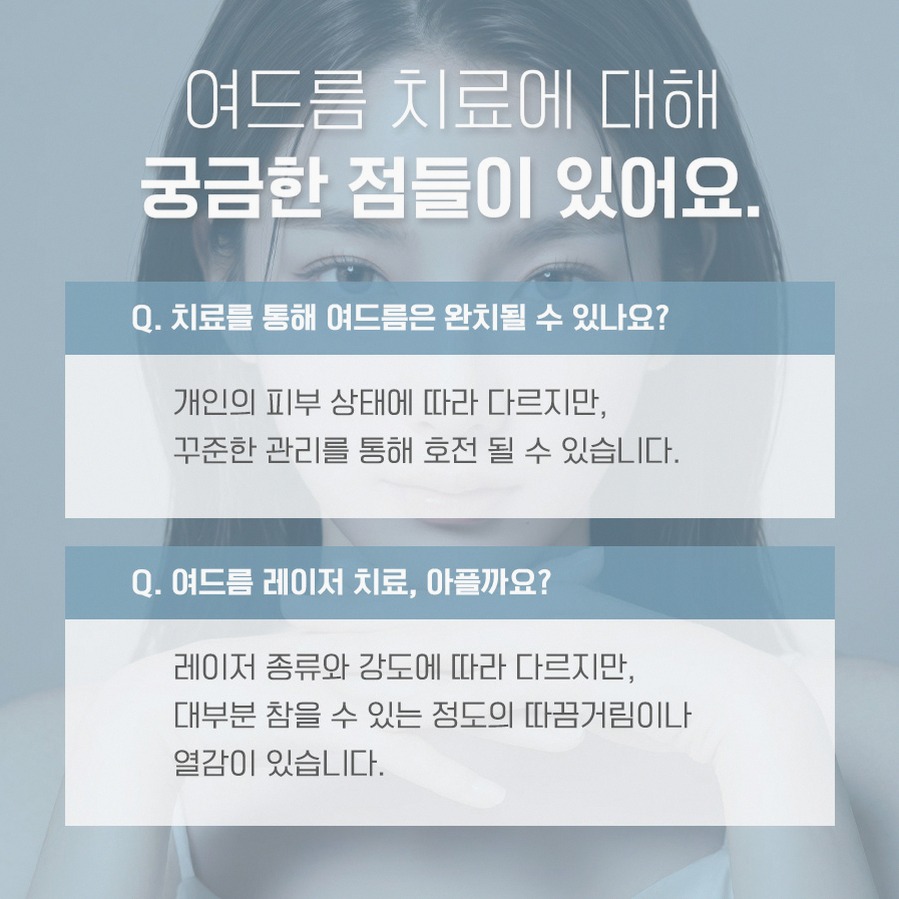
Laser toning uses controlled laser energy at specific wavelengths to target pigment and, in some cases, superficial blood vessels. For post-acne redness and brown marks, this can help gradually reduce color intensity and improve overall skin tone.
The effect is usually subtle but cumulative over several sessions. Because it is a light-based treatment, strict sun protection is important before and after sessions to reduce the risk of unwanted pigmentation changes.
When should I consider oral medication for acne instead of just creams?
Oral medication is generally considered when topical treatments alone are not enough to control moderate to severe inflammatory acne, when there are many deep or painful lesions, or when acne is causing significant risk of scarring. It may also be used when acne involves large areas such as the chest and back.
The decision to start oral medication should be made with a doctor after reviewing your medical history, current medications, and possible side effects. Regular follow-up is important to monitor your response and adjust the dose or duration as needed.
Soft call to action for online consultation
If you are planning a trip to Seoul and are interested in acne or acne scar treatment near Yeokchon Station, check Malgeunsu Clinic's Naver Place listing or contact the clinic directly to confirm appointment options and whether remote or message-based consultations are available. If the clinic offers remote consultation, ask how best to share photos or medical history in advance so a visit can be scheduled efficiently.
Whether your priority is calming frequent breakouts, starting scar improvement, or setting up a long-term maintenance strategy you can continue at home, a doctor-led neighborhood clinic can help you organize your options in a clear, step-by-step way.
- 공유 링크 만들기
- X
- 이메일
- 기타 앱


댓글
댓글 쓰기