Yeokchon-dong Ultherapy vs filler costs
- 공유 링크 만들기
- X
- 이메일
- 기타 앱
Quick answer for people searching Yeokchon-dong Ultherapy-type prices
If you're researching Ultherapy specifically, confirm with each clinic whether they offer the Ultherapy brand. This article uses 'Ultherapy-type' to refer generally to focused ultrasound lifting treatments and comparable energy-based options.
If you're checking Ultherapy-type prices in Yeokchon-dong, you likely want to know the cost of non-surgical lifting and what results your budget can buy. Locally, many patients considering focused-ultrasound lifting are also suitable for facial filler, or for a combined approach using energy-based lifting devices plus filler. Availability of specific brands and devices varies by clinic, so confirm options during your consultation.
This guide focuses on filler as the main treatment category. It explains what filler is, how it differs from Ultherapy-style energy devices, what usually affects filler cost, and how a neighborhood primary-care style clinic in Yeokchon-dong, such as Malgeunsu Clinic, may plan treatment in a one-doctor system.
Overview of filler versus Ultherapy-type lifting
Filler is an injectable gel, most commonly based on hyaluronic acid, that is placed under the skin to restore volume, enhance facial contours, and soften deep lines or folds. Because it physically fills and supports the tissue, the effect is usually visible right away. Typical areas include the cheeks, chin, jawline, nasolabial folds, marionette lines, under-eye hollows in selected cases, and lips.

Ultherapy-type treatments, and similar devices such as Shurink Universe or Tensera, work in a very different way. They use focused ultrasound or other energy to heat deeper layers of the skin and supporting tissues. This controlled heating stimulates collagen production over time, which can lead to tightening and a mild lifting effect. The change is more gradual, and these treatments do not replace lost volume.
In a local clinic setting in Yeokchon-dong, it is common to combine both ideas: energy-based lifting for skin laxity and filler for volume loss and contour. However, when you are comparing prices and planning a budget, it is helpful to understand that filler and Ultherapy-type devices are not interchangeable. They solve different parts of the aging process.
When filler is more suitable than Ultherapy-type lifting
Many people start by asking about Ultherapy price because they feel their face is sagging or tired. During consultation, the doctor may find that the main issue is not only loose skin, but also reduced volume in key areas. In these situations, filler is often more important than a lifting device.
Typical concerns where filler is often prioritized include:
Deep nasolabial folds and marionette lines that are mainly caused by volume loss along the midface and corners of the mouth.
Flat or sunken cheeks and hollow temples, which can make the face look tired or older.
A weak chin or jawline that lacks definition and needs structural support.
Under-eye hollows or tear troughs in carefully selected patients, where subtle volume can reduce the shadowed, tired look.
Lip enhancement for people who want more volume or clearer shape.
In younger patients in their 20s to 40s with mild sagging but clear contour deficiencies, filler can give a more visible change than energy-based lifting alone. For example, adding structure to the chin and jawline can improve the profile and reduce the impression of a double chin, even without strong lifting.
On the other hand, Ultherapy-style lifting or devices such as Shurink Universe and Tensera may be prioritized when the main concern is overall skin laxity, early jowls, or a mild double chin in someone who already has reasonable facial volume. In these cases, tightening the deeper layers can refine the lower face without adding fullness.

A one-doctor clinic that regularly sees both skin disease and aesthetic cases is often in a good position to judge whether your main problem is skin laxity, volume loss, or both. This is important because it prevents over-reliance on a single device and helps tailor the plan to your actual anatomy.
How filler pricing is usually determined in Yeokchon-dong
Exact filler prices vary between clinics in Yeokchon-dong and across Eunpyeong-gu, and they also change over time. You need to confirm current fees directly with each clinic. Still, there are common patterns in how pricing is structured.
Filler is often priced in one of the following ways:
Per syringe, usually measured in milliliters.
By treatment area, such as under-eye, nasolabial folds, or chin.
As part of a package, for example filler plus a lifting device session or filler combined with botulinum toxin.
Several key factors influence the final cost of filler treatment:
Type and brand of filler. Premium brands with longer-lasting or more cohesive gels usually cost more than basic options.
Amount of filler required. A subtle touch-up may need only a small volume, while full-face contouring or significant volume restoration can require multiple syringes.
Complexity of the area. Under-eye, nose, and certain contouring areas require more time, skill, and caution, which may be reflected in the price.
Doctor’s experience and involvement. A system where the same doctor consults, plans, and injects can be valued differently from a large chain where you may not know who will perform the procedure.
Safety techniques. Use of cannulas in sensitive areas, ultrasound guidance when available, and thorough follow-up systems may influence cost but can add safety value.
Compared with Ultherapy-type lifting, filler is usually focused on specific areas rather than the entire face. For the same budget, filler can sometimes create more dramatic change in a limited region, such as the chin or midface, while Ultherapy-style treatments may give a more subtle, overall tightening across the face and neck.
When comparing prices, it is wise to focus not only on the lowest number but on what is included: product quality, doctor involvement, safety protocols, and follow-up care.
What a filler session is like in a one-doctor clinic
If you visit a neighborhood primary-care style clinic in Yeokchon-dong, the flow of a filler appointment is usually straightforward but structured. A typical session may look like this:
Consultation. The doctor asks about your medical history, medications, allergies, and any previous procedures. You discuss your main concerns, such as nasolabial folds, jawline definition, or under-eye shadows. At this stage the doctor also considers whether filler alone is suitable, or whether lifting devices like Shurink Universe, Tensera, or InMode should be part of the plan.
Facial analysis. The doctor examines facial symmetry, bone structure, soft tissue support, and skin quality. You may hear an explanation of which areas have lost volume, which are sagging, and what can realistically be improved.
Treatment planning. Together you prioritize areas. For example, a plan might start with cheeks and chin, then address nasolabial folds if needed. The doctor selects filler types and estimates the volume. If you are also considering lifting, the doctor may suggest doing a device session first or after filler, depending on your situation.
Preparation. The skin is cleansed, and treatment points may be marked. Topical anesthetic cream or local anesthesia can be used to reduce discomfort, but some sensation is still expected.
Injection. Using a fine needle or a blunt-tipped cannula, the doctor places the filler at specific depths and points. In a one-doctor clinic, the same person who consulted you performs the injections, which can be reassuring if you prefer not to be handed off to someone else.

Immediate check. Right after injection, the doctor checks symmetry, contour, and early signs of swelling or bruising. Small adjustments may be made on the spot.
Aftercare explanation. You receive instructions about what to avoid for the next few days, such as strong pressure on the treated area, intense exercise, saunas, or heavy drinking. The doctor explains what level of swelling or bruising is normal, when you should contact the clinic, and when to return for review.
In a clinic that also treats skin disease and scalp conditions, the doctor is used to managing inflammation, allergies, and wound healing. This background can be helpful if you experience minor reactions after filler.
Safety and possible side effects of filler
Any injectable treatment carries some level of risk, and filler is no exception. Most side effects are mild and temporary, but it is important to understand them before you decide.
Common short-term side effects include:
Redness and swelling at the injection sites.
Bruising, which can be more visible around the eyes or lips.
Tenderness or mild discomfort when touching the area.
Temporary asymmetry due to swelling, which often settles as the tissue relaxes.
Rare but more serious complications can occur. These include:
Vascular compromise, where filler unintentionally blocks a blood vessel.
Infection at the injection site.
Severe pain, pale or dusky skin, or visual changes, which require urgent medical attention.
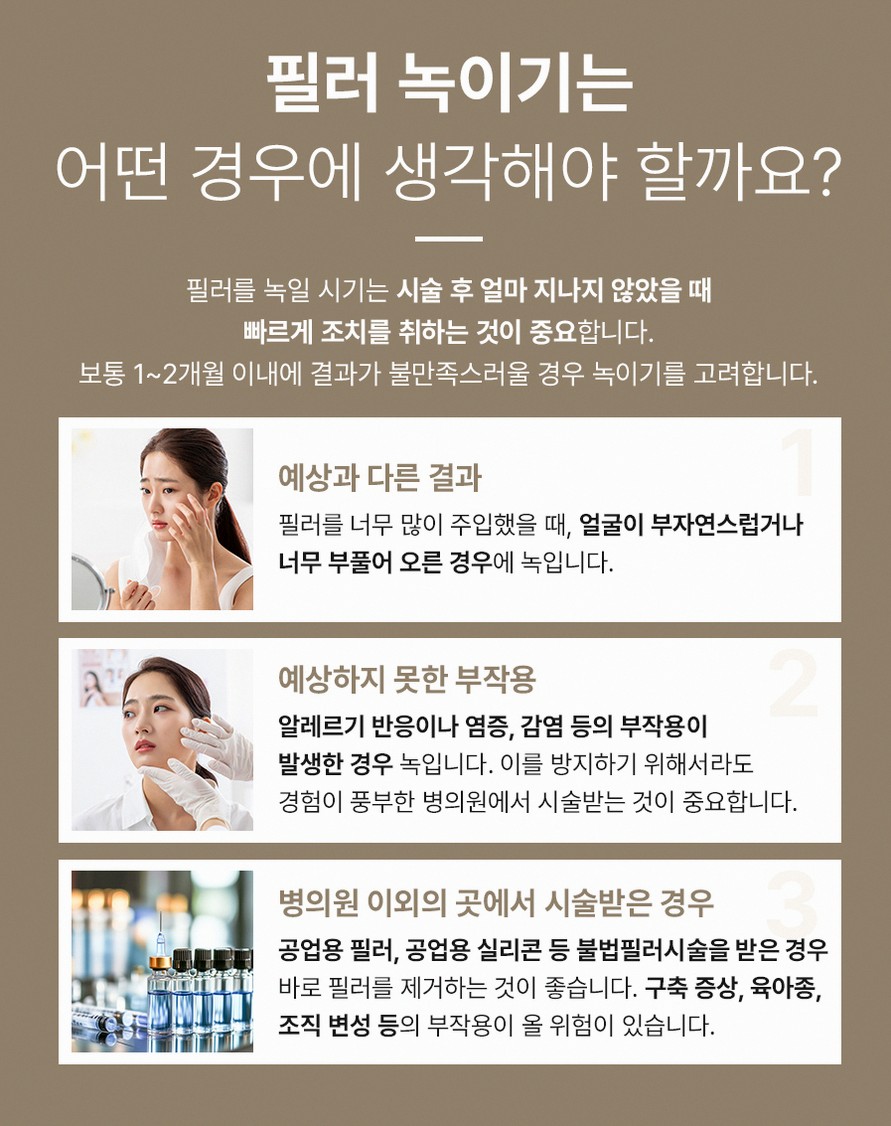
A careful clinic will take several steps to reduce risk:
Detailed medical history and allergy check before treatment.
Conservative dosing, especially for first-time patients, and staged sessions rather than heavy filling in one visit.
Use of cannulas in high-risk areas where appropriate.
Keeping hyaluronidase available to dissolve hyaluronic acid filler if needed.
Clear follow-up instructions and easy access to the same doctor who performed the injection.
No clinic can honestly claim zero side effects or guaranteed safety, but a responsible approach focuses on prevention, early recognition, and prompt management of any issues.
Combining filler with lifting devices such as Shurink Universe or Tensera
For many people who start by asking about Ultherapy price in Yeokchon-dong, the most satisfying plan is a layered approach. This means using devices for tightening and collagen stimulation, and filler for structural support and volume.
Common combination strategies include:
First using a lifting device such as Shurink Universe, Tensera, InMode, or Ten Triple to tighten the overall face and jawline. After the skin has responded, filler is added to restore midface volume, refine the chin, or soften deep folds.
Starting with conservative filler in key areas to see how much improvement is achieved, then deciding whether additional lifting is necessary.
The sequence and intensity depend on age, skin thickness, degree of sagging, facial structure, and budget. For example, someone in their early 30s with mild laxity may do well with a small amount of filler and a light device session, while someone in their 50s may need more staged filler and repeated lifting sessions.
A clinic that has several devices available is not limited to one machine. It can choose the device and settings that match your skin type and tolerance, and then integrate filler where it will make the biggest visual difference.
Why some Yeokchon-dong residents prefer a one-doctor clinic for filler
In Yeokchon-dong and the wider Eunpyeong-gu area, there are both large chain clinics and smaller one-doctor practices. For injectables like filler, many people feel more comfortable when the same doctor handles every step.
Advantages of a one-doctor system can include:
Consistent communication, because the person who listens to your concerns is the same person who plans and performs the injections.
Better tracking of long-term changes, as the doctor sees your face over time and can adjust the plan gradually.
Clear responsibility, so you know exactly whom to contact if you have questions or side effects after treatment.
Malgeunsu Clinic is positioned as a neighborhood primary-care style clinic, seeing both medical issues such as acne, scars, scalp problems, alopecia, fungal infections, and ingrown toenails, as well as aesthetic procedures like filler, lifting devices, thread lifting, and PRP. This mixed practice style can be reassuring if you prefer a clinic that is used to managing general skin and scalp health alongside cosmetic treatments.
For busy office workers or students in Yeokchon-dong, the clinic’s hours can also be practical. Weekdays run from 11:00 to 20:00 with an afternoon lunch break from 14:00 to 15:00. Saturday, Sunday, and public holidays are 11:00 to 17:00 without a lunch break. The clinic is closed on Wednesdays and Thursdays, so it is wise to plan your visit around these days.
Practical checklist for comparing filler and Ultherapy-type prices in Yeokchon-dong
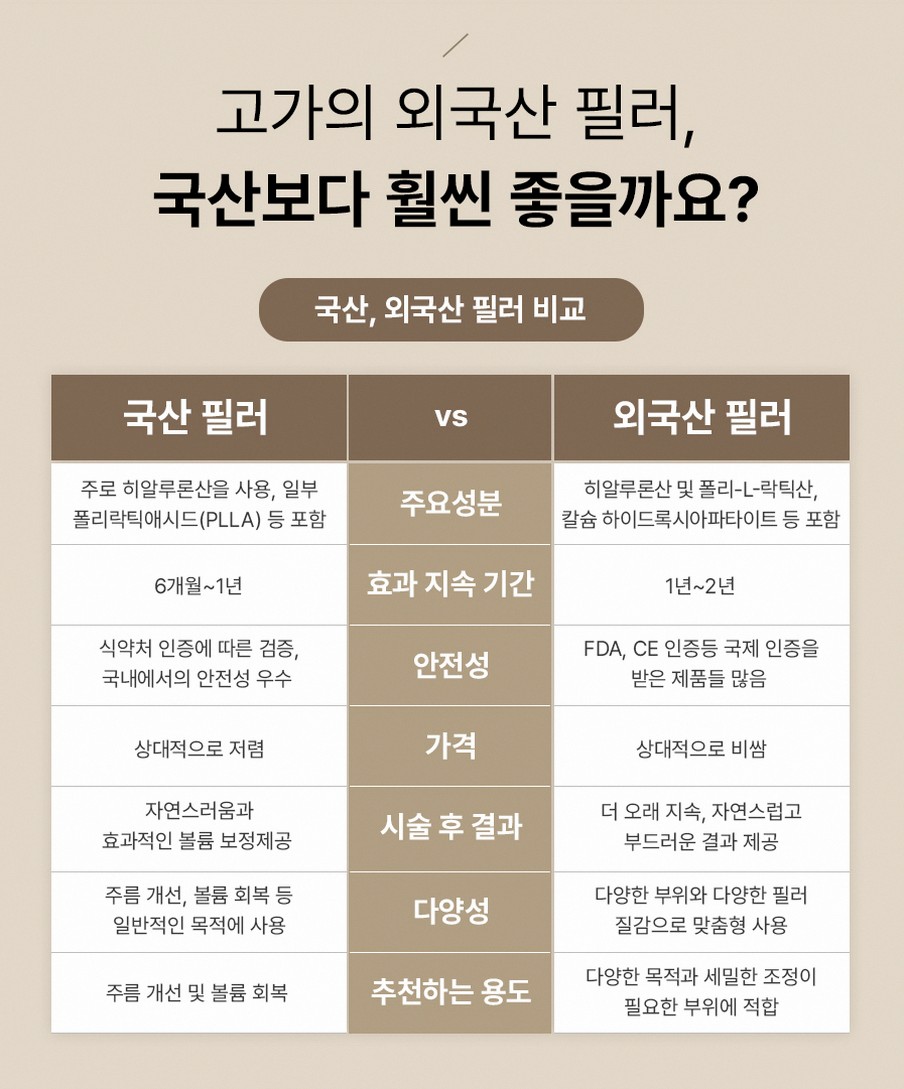
When you start calling or messaging clinics in Yeokchon-dong about Ultherapy price and filler, it helps to have a simple checklist so you can compare fairly. Here are practical points to ask about:
Which filler brands are used, and whether they are officially approved and sourced through legal channels.
Who will perform the injection, and how experienced they are with the specific area you want treated, such as under-eye or chin.
How the price is calculated. Is it per syringe, per area, or part of a package? How many milliliters are typically used for your concern?
What kind of follow-up is included. Is there a review visit? What happens if touch-ups or small corrections are needed?
If you are also considering lifting, which devices are available, such as Shurink Universe, Tensera, InMode, or Ten Triple, and how they might be combined with filler over time.
Beyond the numbers, ask about safety protocols: use of cannulas where appropriate, availability of hyaluronidase, and how the clinic handles urgent concerns. These details matter as much as the base price.
How to prepare for an online consultation and visit to Korea
If you are an overseas patient planning to visit Yeokchon-dong for filler or lifting, an online consultation before your trip can save time.
Before your online consultation, prepare:
Clear photos of your face from the front and both sides, in good lighting.
A list of your main concerns in order of priority, such as under-eye shadows, smile lines, or jawline.
Your medical history, including medications, allergies, and previous procedures.
An approximate budget range, so the clinic can suggest realistic options.
During the online consultation, ask the doctor or staff:
Whether filler, lifting devices, or a combination is recommended for your case.
How many sessions are likely within your planned stay in Korea.
What kind of downtime you should expect, especially if you plan sightseeing or business meetings.
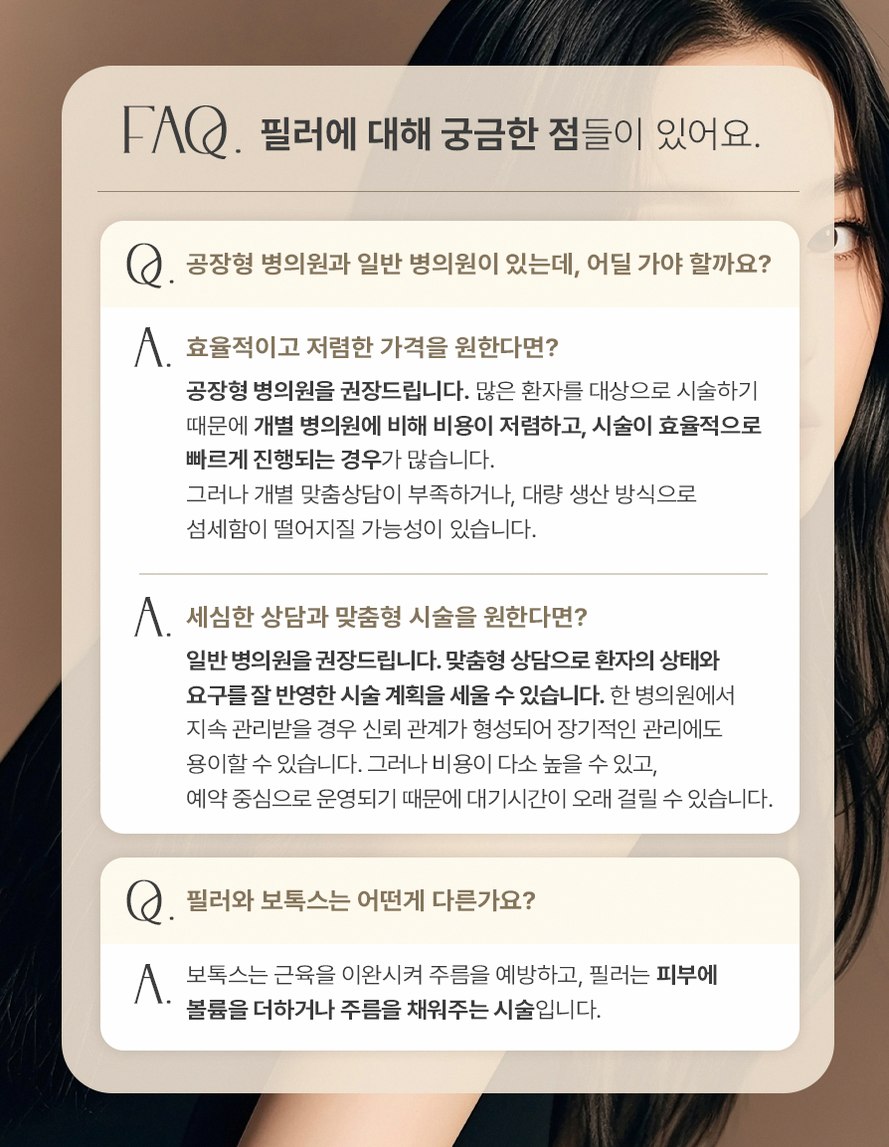
Expected Korea visit timeline for filler
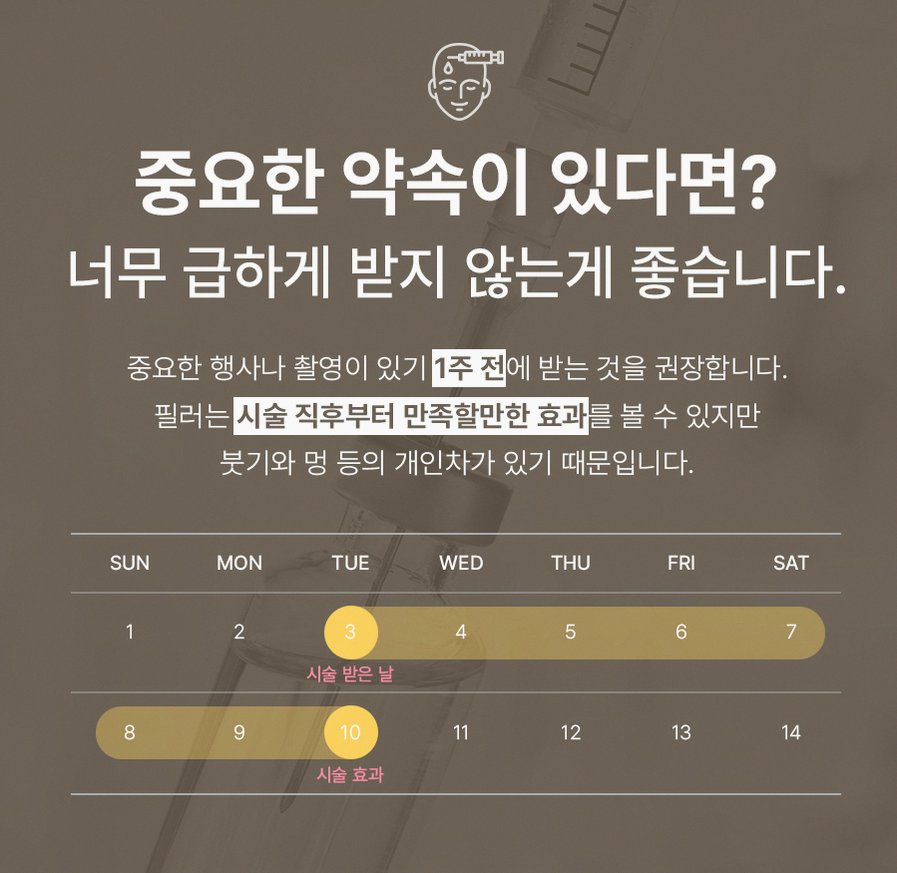
For most visitors, filler treatment can fit into a short stay in Seoul. A common schedule might look like this:
Day 1: In-person consultation and facial analysis. If both sides agree and you are medically suitable, filler can often be done on the same day.
Day 2–3: Mild swelling or bruising may appear or peak. Light activities and gentle sightseeing are usually fine, but it is better to avoid heavy exercise and saunas.
Day 5–7: Swelling often settles, and the result looks more natural. If your stay is long enough, a brief follow-up visit can be scheduled to check symmetry and answer questions.
If you plan to combine filler with a lifting device, the sequence and timing may be adjusted. Some people do both on the same day, while others separate them by a few days or weeks. This should be discussed with the doctor in advance.
Aftercare and what to watch for
After filler, basic care is simple but important:
Avoid pressing or massaging the treated areas unless your doctor specifically instructs you to do so.
Skip intense exercise, hot baths, and saunas for a short period after treatment.
Limit alcohol intake for the first day or two, as it can increase bruising.
Sleep on your back if possible on the first night to avoid pressure on one side of the face.
Contact the clinic promptly if you notice severe pain, pale or blotchy skin, unusual warmth, fever, or any visual changes. Early communication allows the doctor to assess and manage problems quickly.
Frequently asked questions about filler and Ultherapy-type treatments in Yeokchon-dong

Is filler or Ultherapy-style lifting better for a sagging face?
Neither option is universally better; they address different issues. Filler is usually better for restoring volume and improving contours, such as cheeks, chin, and folds around the mouth. Ultherapy-style treatments and similar devices like Shurink Universe or Tensera focus on tightening the deeper layers of the skin and can help with mild jowls and general laxity. Many people benefit from a combination, which should be decided after a face-to-face consultation.
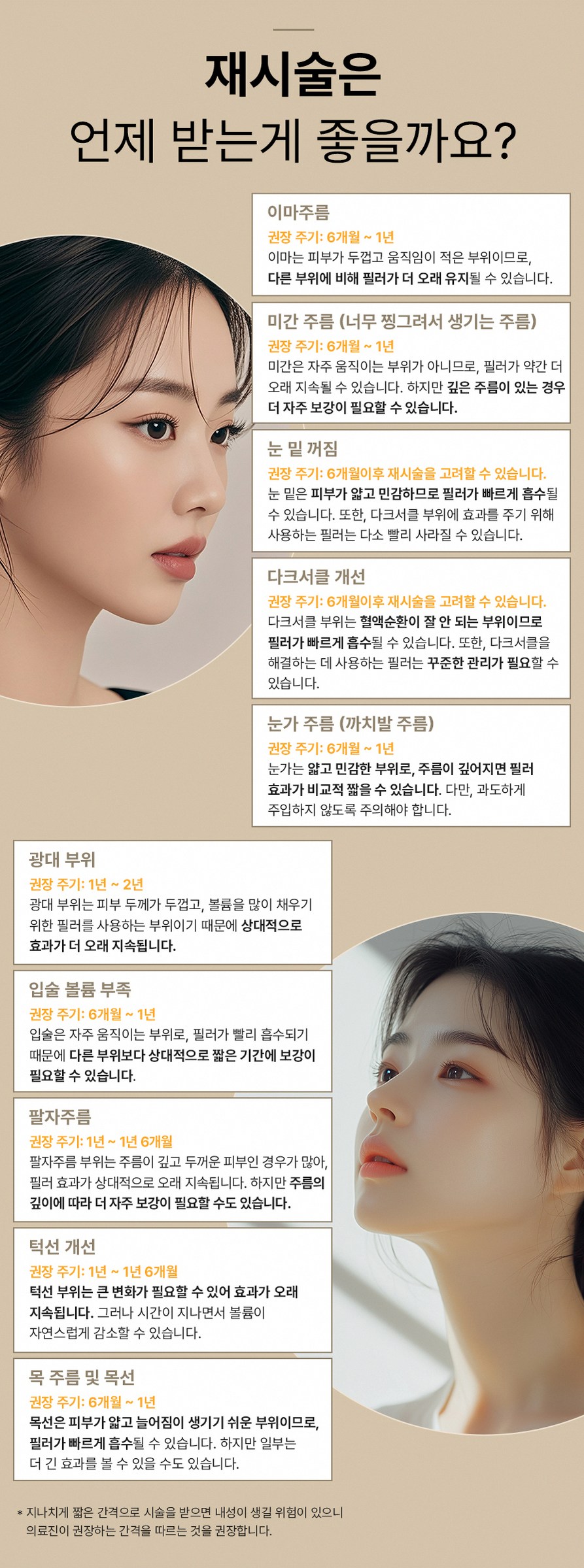
How long do filler results usually last?
The duration of filler results depends on the product used, the area treated, and your own metabolism. In general, hyaluronic acid fillers can last from several months up to over a year in many areas. Areas with more movement, such as the lips, may break down faster, while deeper structural areas like the chin can sometimes last longer. Maintenance sessions are usually needed to keep the effect.
Can I get filler and a lifting device treatment in one visit?
In many cases, it is possible to combine filler and a lifting device in a single visit, especially if your schedule in Korea is short. However, the decision depends on your skin condition, the areas being treated, and the doctor’s preference. Some doctors prefer to perform the lifting first and then adjust volume with filler later, while others may do conservative filler and then refine with devices. This should be planned individually.
What should I ask when I contact a clinic about Ultherapy price in Yeokchon-dong?
When you contact a clinic, ask not only for the Ultherapy-type price but also which lifting devices they use, how they decide between devices and filler, and who will perform the injections. Confirm which filler brands are available, how pricing is structured, and what aftercare is provided. It is also useful to ask about the clinic’s hours, especially if you need evening or weekend appointments, and whether the same doctor will manage your consultation and treatment.
Closing thoughts and how to start
Searching for Ultherapy price in Yeokchon-dong is often the first step in planning non-surgical facial rejuvenation. During a proper consultation, you may learn that filler, lifting devices, or a thoughtful combination will suit you best. Filler remains the main tool for restoring volume and refining contours, while Ultherapy-type treatments and devices such as Shurink Universe or Tensera focus on tightening and collagen stimulation.

If you are considering treatment in Yeokchon-dong or Eunpyeong-gu, you can start with an online consultation to share photos, medical history, and your budget. A one-doctor clinic like Malgeunsu Clinic, with evening hours on weekdays and weekend availability, can then suggest a realistic plan that fits your schedule, keeping in mind that it is closed on Wednesdays and Thursdays.
This article is intended for general information only and does not replace an in-person consultation with a qualified doctor. Individual assessment is essential before any medical or aesthetic procedure.
- 공유 링크 만들기
- X
- 이메일
- 기타 앱


댓글
댓글 쓰기