What to Expect at Local Clinics
- 공유 링크 만들기
- X
- 이메일
- 기타 앱
Direct answer: Focused ultrasound lifting in the Gusan-dong, Eunpyeong-gu area is commonly used to tighten and subtly lift sagging skin, refine the jawline, and improve early jowl appearance over weeks to months. Many patients notice firmer skin and a cleaner lower-face contour, though individual results and how long they last vary with age, skin quality, and lifestyle. When volume loss is significant, local clinics often combine ultrasound-type lifting with dermal fillers to restore cheek, chin, or under-eye volume for a more complete facial contour.
This article explains how Ulthera-type lifting works, how it compares and combines with fillers, what to expect if you visit a neighborhood clinic in Gusan-dong, and how to prepare if you are coming from overseas.
Ulthera-type lifting versus filler: different tools, different effects
Ulthera-type ultrasound lifting
Ulthera-type treatments are non-surgical procedures that use focused ultrasound energy. The device delivers energy to deeper layers of the skin and to the superficial muscular aponeurotic system (SMAS), which is the layer that surgeons often address in a facelift.
By heating these deeper layers in a controlled way, the treatment stimulates collagen remodeling. Over time, this can lead to tighter, firmer skin and a mild lifting effect without cutting the skin. In the lower face, this may help with early jowls, a slightly blurred jawline, and skin that feels looser than before.

The key point is that Ulthera-type lifting does not add volume. It tightens and firms the existing tissue from the inside.
Filler as the main contouring option
Dermal filler is an injectable gel, most commonly based on hyaluronic acid. It is used to restore or add volume and to refine facial contours. Typical filler areas include:
Cheeks to restore mid-face volume and support the under-eye and nasolabial fold area
Nasolabial folds and marionette lines to soften deep lines that form from volume loss and sagging
Chin and jawline to project a weak chin, define the jaw, and support a slimmer V-line impression
Under-eye or tear trough area to reduce the look of hollowness and tiredness
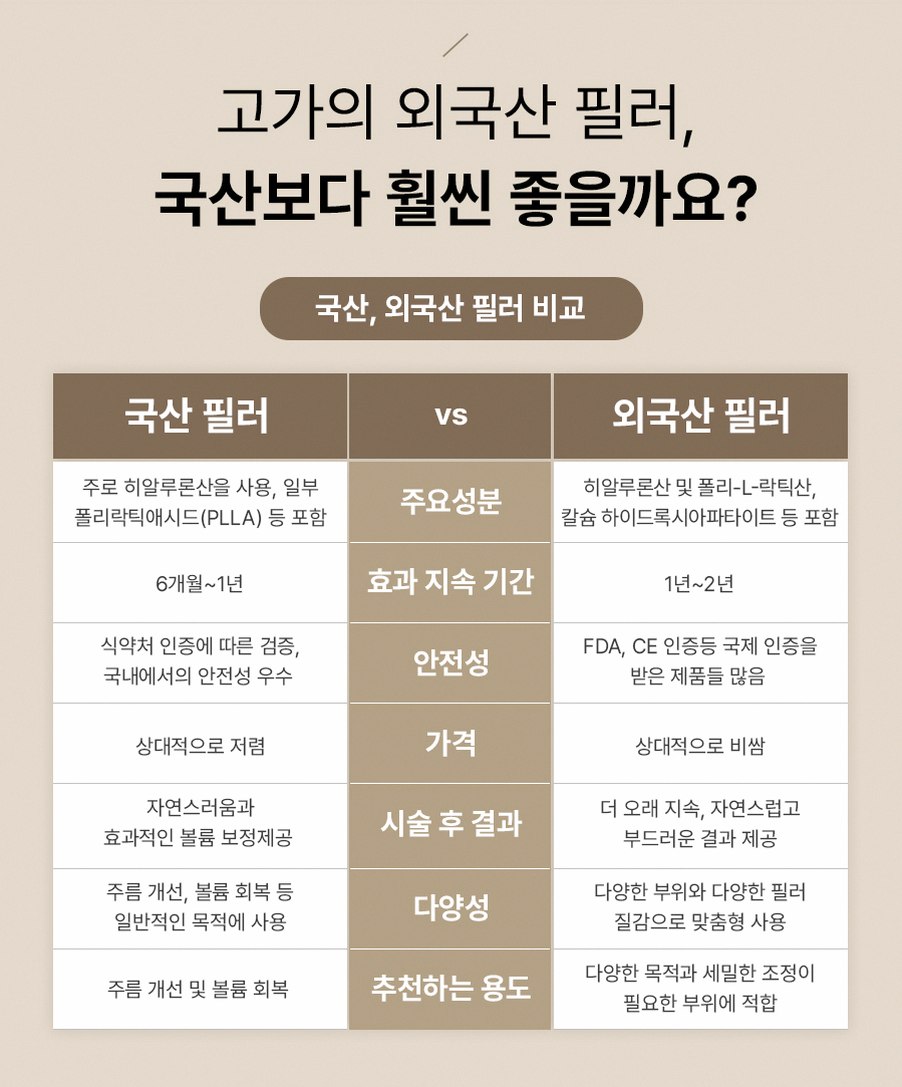
While Ulthera-type lifting works by tightening, filler works by building structure and volume. Because of this, filler is often the main tool for contouring and reshaping, while ultrasound lifting is a supportive method for tightening.
How they differ and how they work together
Ulthera-type lifting: internal tightening and mild lifting
Filler: external volume and contouring support
In a neighborhood clinic setting, the doctor can choose which tool to emphasize after examining whether your main issue is sagging, volume loss, or both.
Expected Ulthera-type effects for people around Gusan-dong
Typical visible changes
For local residents around Gusan-dong and Eunpyeong-gu who are noticing early sagging, Ulthera-type lifting is usually recommended for:
Gradual improvement in skin firmness and elasticity over several weeks to months
A crisper jawline and a slightly more defined lower-face contour
Mild lifting of the cheek area, which can indirectly soften nasolabial folds
Subtle improvement in fine lines that are mainly due to skin laxity, especially around the lower face and jawline

The changes are usually not dramatic like surgery. Instead, they tend to look like a more rested, slightly tighter version of yourself.
How long the effects may last
Many patients experience noticeable tightening that can last around 6–12 months or sometimes longer. However, collagen continues to age, and lifestyle factors such as sun exposure, smoking, and sleep patterns all influence how long the effect feels satisfying.
Because of this, maintenance sessions are often suggested at intervals that fit your skin condition and budget. Some people repeat ultrasound lifting once a year; others may plan shorter intervals with lower energy or fewer lines.
Factors that influence results
Age and degree of sagging: Early sagging in the late 20s to 40s usually responds better than very advanced laxity.
Skin thickness: Thicker skin may show clearer contour changes; very thin skin may show more texture improvement than lifting.
Facial structure: A naturally strong bone structure supports better visible lifting.
Lifestyle: Sun protection, nutrition, and smoking status all affect collagen quality.
A careful consultation is important to match expectations with what ultrasound lifting can realistically do in your case.
When Ulthera-type lifting is not enough and filler becomes essential
Recognizing volume loss
If your main concern is that your face looks sunken or tired rather than simply saggy, volume loss is likely a key issue. Signs include:
Flat or hollow cheeks
Deep nasolabial folds that cast a shadow
Marionette lines pulling the corners of the mouth downward
A receding or small chin that makes the jawline look less defined
Hollow under-eye or tear trough area
In these situations, tightening alone cannot fully restore a youthful or balanced look. The skin may become firmer, but the underlying structure still lacks support.

How filler complements Ulthera-type lifting
Mid-face filler
By restoring volume in the cheeks, filler can:
Lift and support the mid-face
Softly reduce the depth of nasolabial folds
Improve the transition from lower eyelid to cheek
This structural support often gives a fresher appearance than tightening alone.
Chin and jawline filler
For people with early jowls and a weak chin, chin and jawline filler can:
Project the chin forward
Create a clearer separation between jawline and neck
Support a more defined V-line impression
Combined with ultrasound lifting, this can enhance both the firmness of the skin and the sharpness of the contour.
Under-eye filler
Ulthera-type lifting does not add volume under the eyes. When hollowness is the main issue, carefully placed filler in the tear trough area can:
Reduce the shadow under the eyes
Make the face look less tired
This is often combined with gentle mid-face filler rather than relying on lifting devices.
Choosing between lifting and filler
A doctor who works in a primary-care style clinic and regularly treats both skin conditions and aesthetic concerns will typically assess:

Is the main problem sagging, volume loss, or both
Which areas need structural support first
How much tightening is realistic for your age and skin type
From there, the plan may involve filler as the main procedure, with Ulthera-type lifting as a secondary tool for tightening, or vice versa. The goal is to use each method where it is strongest instead of forcing one solution for every problem.
Consultation and planning in a single-doctor neighborhood clinic
Continuity of care
In a single-doctor clinic, one physician sees you from the first consultation through the procedure and follow-up. This continuity is especially helpful when combining fillers and lifting devices, because the same person:
Assesses your skin and facial structure
Listens to your expectations, schedule, and budget
Chooses which lifting device and filler areas to prioritize
Performs the injections and the ultrasound treatment
Monitors your response over time
This can reduce miscommunication that sometimes happens when a separate consultant makes promises that a different procedure doctor must then deliver.
Medical mindset in an aesthetic setting
In this type of neighborhood clinic, the doctor may also manage skin diseases, pigmentation issues, and other medical concerns alongside aesthetic procedures. This background can support a more cautious approach when planning fillers and lifting, taking into account:
History of skin conditions such as eczema or rosacea
Previous scars, keloid tendency, or sensitivity
Medication use, including blood thinners
Autoimmune conditions or allergies
The same doctor can adjust the plan if your skin reacts unexpectedly or if you need to balance aesthetic goals with ongoing medical treatment.
Safety, pain, and downtime
Ulthera-type lifting experience
During an ultrasound lifting session, many patients describe the sensation as heat, tingling, or brief sharp stings along the treatment lines. Pain levels vary widely. To make the procedure more comfortable, clinics may use topical anesthetic cream, adjust energy settings, or choose a device that suits your pain tolerance.
Downtime is usually minimal. Possible short-term effects include:
Temporary redness
Mild swelling or puffiness
Tenderness along the jawline or cheek
These effects typically settle over a few days. In rare cases, there may be temporary numbness or sensitivity, which should be discussed with the doctor if it occurs.
Filler safety and common reactions
Filler injections commonly cause temporary:
Swelling
Redness at injection points
Mild bruising
Slight asymmetry that improves as swelling decreases
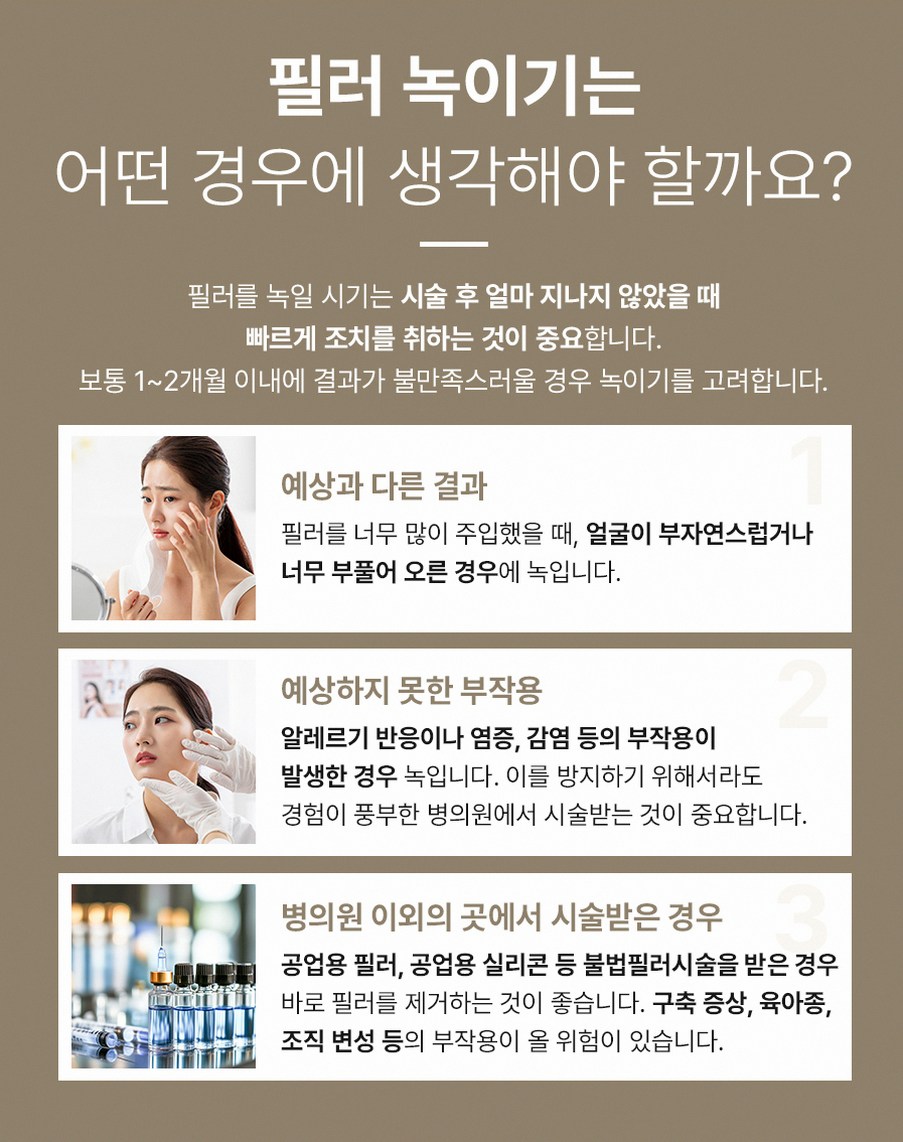
Most of these changes improve within several days to two weeks. To reduce risks, it is important that the injector has a solid understanding of facial anatomy, because rare but serious complications such as vascular occlusion can occur if filler is placed into a blood vessel.
In a clinic that also treats medical skin conditions, injections are usually approached with a medical rather than purely cosmetic mindset. This includes careful disinfection, conservative dosing when needed, and clear instructions on what to watch for after treatment.
Information to share with your doctor
Before any filler or lifting procedure, you should tell the doctor about:
All medications and supplements, especially blood thinners
Any history of allergies or previous reactions to injectables
Autoimmune or connective tissue diseases
Previous aesthetic procedures, including fillers, threads, or energy devices
This helps the doctor plan safely and avoid overlapping treatments that may irritate your skin or increase risk.

Who might consider Ulthera plus filler in Gusan-dong
Typical candidates
People in their late 20s to 40s with mild to moderate sagging who want prevention and subtle lifting without surgery
Individuals noticing early jowls, a softer jawline, or a heavier lower face
Those with both sagging and volume loss who need a combined plan: ultrasound lifting for tightening and filler for structural support
For overseas patients staying in or near Eunpyeong-gu, a neighborhood clinic can be an appealing option if you prefer a quieter environment and a single doctor rather than a large city-center hospital.
Busy office workers and short-stay visitors
Weekday evening hours and weekend availability can be important for people who work full-time or who have limited days in Korea. The clinic described here is open:
Weekdays: 11:00–20:00, with evening hours
Weekends and public holidays: 11:00–17:00
Closed on Wednesday and Thursday
If you are visiting from overseas, these hours can make it easier to fit consultation, treatment, and follow-up into a short itinerary. It is still wise to confirm the schedule before your visit, as hours may occasionally change.
Online consultation and pre-visit preparation for overseas patients
Sharing photos and concerns in advance
Before traveling to Korea, many international patients choose to have an online consultation. To make this useful, prepare:
Clear photos of your face from the front, 45-degree angle, and side, taken in natural light
A short description of your main concerns, such as sagging jawline, deep smile lines, or hollow cheeks
Any previous treatments you have had in the last two years, including fillers, threads, or lifting devices
This allows the doctor to suggest whether filler, Ulthera-type lifting, or a combination is likely to match your goals, and to outline a rough treatment plan and timeline.
Medical history and documents
If you have eye conditions, systemic diseases, or take regular medication, prepare a simple summary in English. Include:
Diagnosis names if known
Current medications and doses
Any history of allergies or adverse reactions to injections or anesthesia
You do not need to provide complex medical records in most cases, but a clear summary helps the doctor plan safely.
Questions to ask before you decide
Before booking flights or committing to treatment, consider asking:
Which areas do you recommend filler for, and which areas would you treat with ultrasound lifting
How many sessions are usually needed and what is the expected timeline for visible change
What kind of downtime should I expect in the first week after treatment
How do you handle follow-up if I have concerns after I return to my country
These questions help you understand whether the clinic’s approach and schedule fit your needs.
Expected Korea visit timeline for Ulthera and filler
Typical short-stay schedule
For many overseas visitors, a 3–7 day stay is enough for consultation and treatment. A possible schedule could look like this:
Day 1: In-person consultation, facial assessment, and treatment planning. If both you and the doctor agree, filler and ultrasound lifting may be done on the same day, depending on your condition.
Day 2–3: Light swelling or tenderness from filler and lifting. You can usually move around the city, but you may prefer quiet activities and good rest.
Day 4–7: Swelling continues to settle. A brief follow-up visit can be scheduled if you are still in Korea to check symmetry and healing.

If you are planning more extensive filler work or multiple lifting sessions, a longer stay or a staged plan over several visits may be recommended.
Activity and travel considerations
Most patients can fly within a few days after filler and ultrasound lifting, but it is sensible to:
Avoid heavy alcohol intake and intense exercise for several days
Protect your skin from strong sun exposure
Allow extra time in your schedule in case you want a follow-up check before leaving
Discuss your travel dates with the clinic in advance so they can schedule appropriately.
Aftercare and maintaining results
Short-term care
After filler and Ulthera-type lifting, you will usually receive instructions such as:
Avoid pressing or massaging treated areas unless the doctor specifically instructs you to do so
Use gentle cleansing and avoid very hot water on the face for a short period
Apply sunscreen daily and avoid tanning
Watch for unusual pain, color changes, or swelling and contact the clinic if these occur
Following these guidelines helps reduce the risk of complications and supports smoother healing.
Long-term maintenance
To maintain results from both filler and lifting:
Schedule maintenance filler only when needed, based on how your face looks and feels rather than on a fixed calendar alone
Discuss repeat ultrasound lifting sessions at intervals that suit your skin condition
Support collagen health with sun protection, adequate sleep, and balanced nutrition

A doctor who follows you over time in a neighborhood clinic can gradually adjust your plan as your face and lifestyle change.
Practical checklist for choosing a clinic in Gusan-dong
Points to confirm
When comparing clinics in Gusan-dong or nearby Eunpyeong-gu, consider checking:
Does the same doctor handle both consultation and procedures
Is there experience with both lifting devices and fillers, not just one technique
Does the doctor explain realistic effects, possible side effects, and alternative options
Are follow-up visits available if swelling, asymmetry, or other concerns arise
You may also ask which lifting devices are available, such as different ultrasound or radiofrequency platforms, and how the doctor decides which to use for your skin type and pain tolerance.
Planning your visit time
Because the clinic offers weekday evening hours and is open on weekends and public holidays, it can be convenient for office workers and travelers. However, it is closed on Wednesday and Thursday, so it is important to plan your itinerary and book appointments in advance.
Frequently asked questions about Ulthera-type effects and filler in Gusan-dong
What kind of Ulthera-type lifting results can I realistically expect?
Most people notice a gradual improvement in skin firmness and a slightly sharper jawline over several weeks to months. Early jowls may look less heavy, and the lower face can appear more defined. The change is usually subtle and natural rather than dramatic. How visible the effect is depends on your age, degree of sagging, skin thickness, and lifestyle habits.
How long do Ulthera-type lifting and filler results last?
Focused ultrasound lifting can give a noticeable tightening effect for a number of months, but this varies by person. Filler longevity depends on the product used and the treated area; some fillers can last many months to over a year. Because aging continues, many patients plan periodic maintenance rather than expecting a one-time permanent change.
Do I need both filler and Ulthera, or can I choose only one?
Some people benefit mainly from filler, especially if volume loss and hollowness are the main issues. Others with good volume but loose skin may focus on ultrasound lifting. Many patients, however, have both sagging and volume loss, so a combination plan can give more balanced results. A detailed consultation is necessary to decide which approach matches your facial structure, priorities, and budget.
Is it safe to have filler and Ulthera-type lifting during a short trip to Korea?

For healthy individuals, it is often possible to safely receive both treatments during a short stay, as long as there is enough time for proper consultation and at least a few days of observation before flying home. You should share your full medical history and travel schedule with the doctor in advance. The clinic can then plan the timing, explain expected swelling, and arrange a follow-up visit if your itinerary allows.
Soft call to action
If you are considering filler-based contouring with focused ultrasound lifting in the Gusan-dong or Eunpyeong-gu area, prepare clear photos and your medical history before your visit so the doctor can assess options efficiently. The clinic's Naver Place listing is its primary online channel for inquiries and basic information; final treatment decisions and scheduling are typically made in person during consultation.
This article is for general information only and does not replace a personal consultation with a qualified doctor. Individual assessment and treatment planning are always necessary before any medical or aesthetic procedure.
- 공유 링크 만들기
- X
- 이메일
- 기타 앱


댓글
댓글 쓰기