Single-Doctor Clinic for Medical Acne and Scar Care
- 공유 링크 만들기
- X
- 이메일
- 기타 앱
Direct answer for patients searching around Gusan Station
If you are staying near Gusan Station in Eunpyeong-gu and need acne treatment, you can find a local, primary-care style clinic where one experienced doctor manages both the medical side of acne and cosmetic procedures for scars and marks.
This guide explains how acne is usually assessed and treated near Gusan Station, what kind of treatments may be combined, and how an overseas visitor can plan a realistic treatment schedule in Seoul.
Overview of acne treatment near Gusan Station
Around Gusan Station, you can find clinics that treat acne as a skin disease and also offer cosmetic procedures for scars, redness, and pigmentation. This combined approach is important because acne often leaves red or brown marks and sometimes depressed scars if inflammation is not controlled early.
A typical acne treatment plan may include:
Medical care such as topical or oral prescriptions and, in some cases, anti-inflammatory injections for severe lesions.
Cosmetic procedures such as gentle laser toning for redness and pigmentation, skin boosters and collagen-inducing procedures for texture and scars, and skin management like aqua peel and hydrating care for sebum control.

In a single-doctor clinic, the same doctor checks your skin, decides whether your problem is acne or another condition that looks similar, and then adjusts the plan step by step rather than pushing a single package from the start.
What to look for in acne treatment near Gusan Station
Acne is more than a cosmetic issue. It is an inflammatory skin disease that can leave long-lasting pigmentation and scars if it is not managed in time. When you look for acne treatment near Gusan Station, it helps to focus on a few key points.
First, proper evaluation. A careful doctor will look at your skin type, the type of acne you have, and your daily habits. For example, they will check whether your main problem is inflamed red pimples, whiteheads and blackheads, or deeper nodules and cysts. They may also ask about your skincare products, makeup, work or school schedule, and stress and sleep patterns.
Second, integrated care. It is useful to choose a clinic that can provide both insurance-covered medical treatment for acne as a disease and cosmetic procedures for scars and marks in the same place. That way, your active breakouts, pigmentation, and scars can be managed under one overall plan instead of being treated separately at different locations.
Third, continuity with one doctor. Acne often comes and goes over months or years. Having the same doctor follow you over time makes it easier to adjust medication doses, decide when to start scar treatment, and avoid procedures that may be too strong for your current skin condition.
How a primary-care style clinic approaches acne
A neighborhood primary-care style clinic is a place where one doctor handles a wide range of skin-related issues, from warts and burns to acne, lifting devices, and general skin management. In this setting, acne is seen as part of overall skin health, not only as a cosmetic concern.
Because the doctor regularly treats skin diseases, they can distinguish acne from similar conditions such as folliculitis or certain types of dermatitis. This is important because the wrong treatment can irritate the skin and sometimes worsen breakouts.
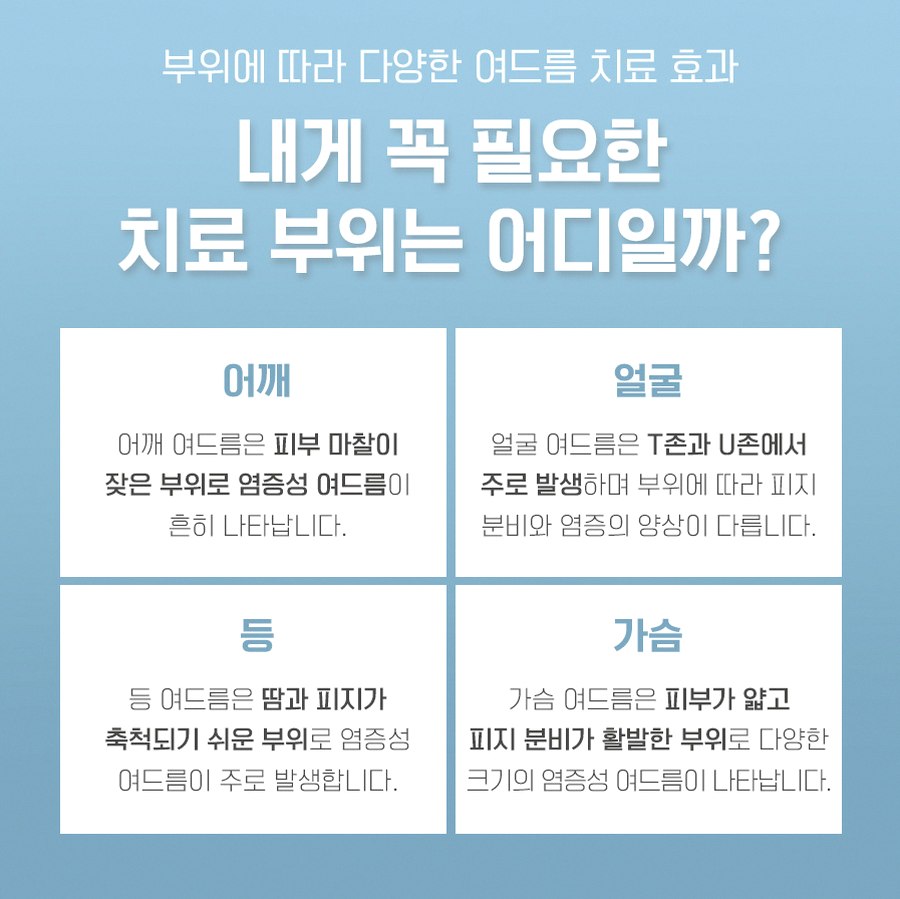
In this kind of clinic, acne care is usually planned in steps.
First step: stabilize inflammation. The focus is on calming active breakouts with topical or oral prescriptions, lifestyle guidance, and sometimes targeted anti-inflammatory injections for very painful or stubborn lesions. Harsh cosmetic procedures are usually avoided at this stage.
Second step: manage pigmentation and mild texture changes. Once inflammation is more stable, gentle laser toning options such as Genesis-type or Alex-type toning may be considered for redness and brown marks after acne. Aqua peel can be used to help with sebum and blackheads, and hydrating care can support a weakened skin barrier.
Third step: address deeper scars and texture. For depressed scars or more noticeable texture issues, options such as collagen-inducing procedures, PRP, or skin boosters like Rejuran-type or Juvelook-type products may be discussed. These are usually planned over multiple sessions and combined with continued medical management if needed.
The emphasis is not on a single quick procedure but on gradual, realistic improvement over time.
Typical acne treatment process with one doctor
At a single-doctor clinic near Gusan Station, such as Malgeunsu Clinic, the process usually follows a clear sequence.
Initial consultation and assessment
You meet directly with Director Lee Hyo-su rather than a non-medical counselor. During this visit, the doctor examines your skin closely, checks whether there are signs of other skin conditions, and classifies the type and severity of your acne.
You will usually be asked about:
Your current skincare routine and makeup products.
Any previous acne treatments, including medications or procedures.
Your work or school schedule, sleep pattern, and stress level.
Any important events or travel dates that may affect your treatment timing.
Your budget range and how often you can realistically visit the clinic.
Based on this, the doctor suggests a plan that fits your situation rather than a one-size-fits-all package.
Medical management
Medical treatment for acne can include:
Topical prescriptions to unclog pores, reduce oil, and control bacteria.
Oral medications such as antibiotics or other acne medicines when appropriate.
Lifestyle guidance on cleansing, makeup removal, and product selection.
Occasional anti-inflammatory injections for very large or painful lesions when indicated.
These steps aim to reduce the number and severity of new breakouts and protect against future scars.
Device-based and cosmetic care
When active inflammation is more controlled, the doctor may suggest additional procedures, depending on your skin condition and goals.
Laser toning: Gentle toning options such as Genesis-type or Alex-type toning can be used to improve redness and pigmentation after acne. These are usually done at intervals and adjusted in strength according to skin sensitivity.
Skin boosters and scar procedures: For depressed scars and rough texture, procedures that stimulate collagen, including PRP or skin boosters like Rejuran-type or Juvelook-type products, may be considered. These generally require several sessions, and the degree of improvement varies from person to person.
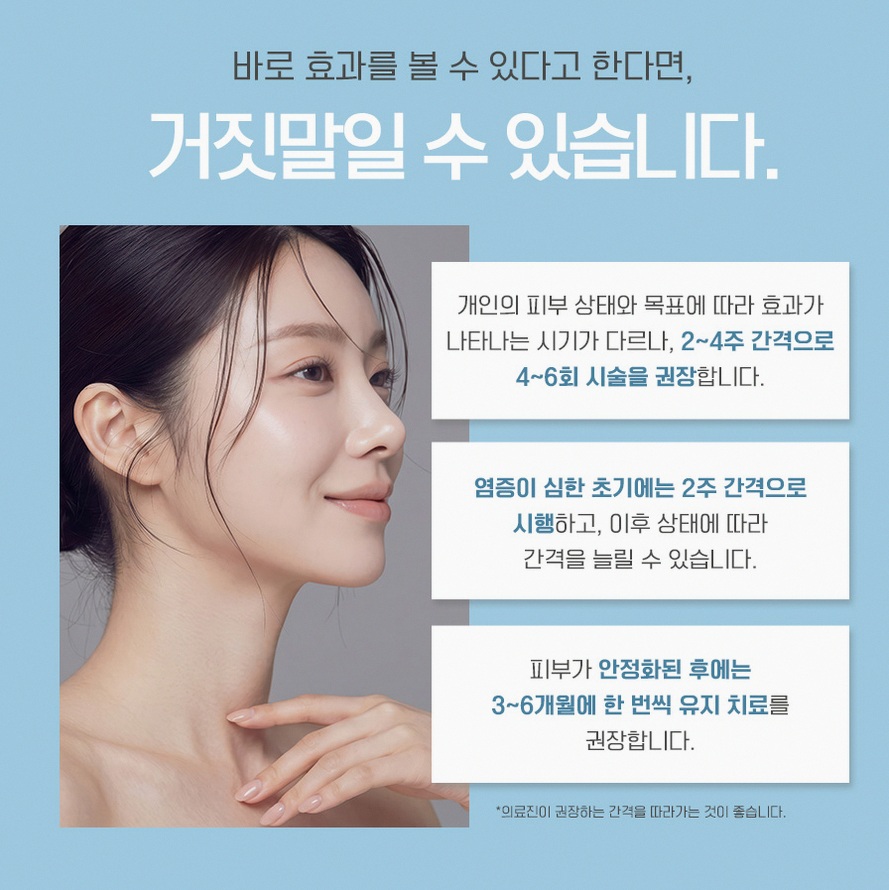
Skin management: Aqua peel can help with sebum control and blackheads while being relatively gentle. Hydrating care supports sensitive, dehydrated, acne-prone skin, which is especially important if you are using drying medications.
Some clinics also provide lifting devices such as InMode, Shurink Universe, Tense-ra, or Ten Triple for contouring and firmness. These are not acne treatments but can be part of a broader aesthetic plan if you have multiple concerns.
Follow-up and adjustment
Because the same doctor sees you at each visit, they can monitor how your skin responds and adjust the plan. If your skin becomes too dry or irritated, the doctor may reduce the intensity of procedures or change your home care products. If your acne improves, visits may become less frequent, and focus can shift more to scars and pigmentation.
Acne scars and pigmentation: when to start treatment
Many people are unsure when to move from treating active acne to treating scars. Understanding the difference between various marks can help you discuss timing with your doctor.
Active acne: These are red, inflamed bumps, pustules, or deeper nodules that are still ongoing. The main goal here is to calm inflammation and prevent new lesions.
Red or brown marks: After a pimple heals, it often leaves a flat red or brown spot. These are not true scars but post-inflammatory erythema or hyperpigmentation. They often fade slowly over time but can be helped by laser toning, sun protection, and gentle skincare.
Depressed scars: These are small pits or indentations where collagen has been lost. They usually require specific scar procedures such as collagen-inducing treatments, PRP, or skin boosters.
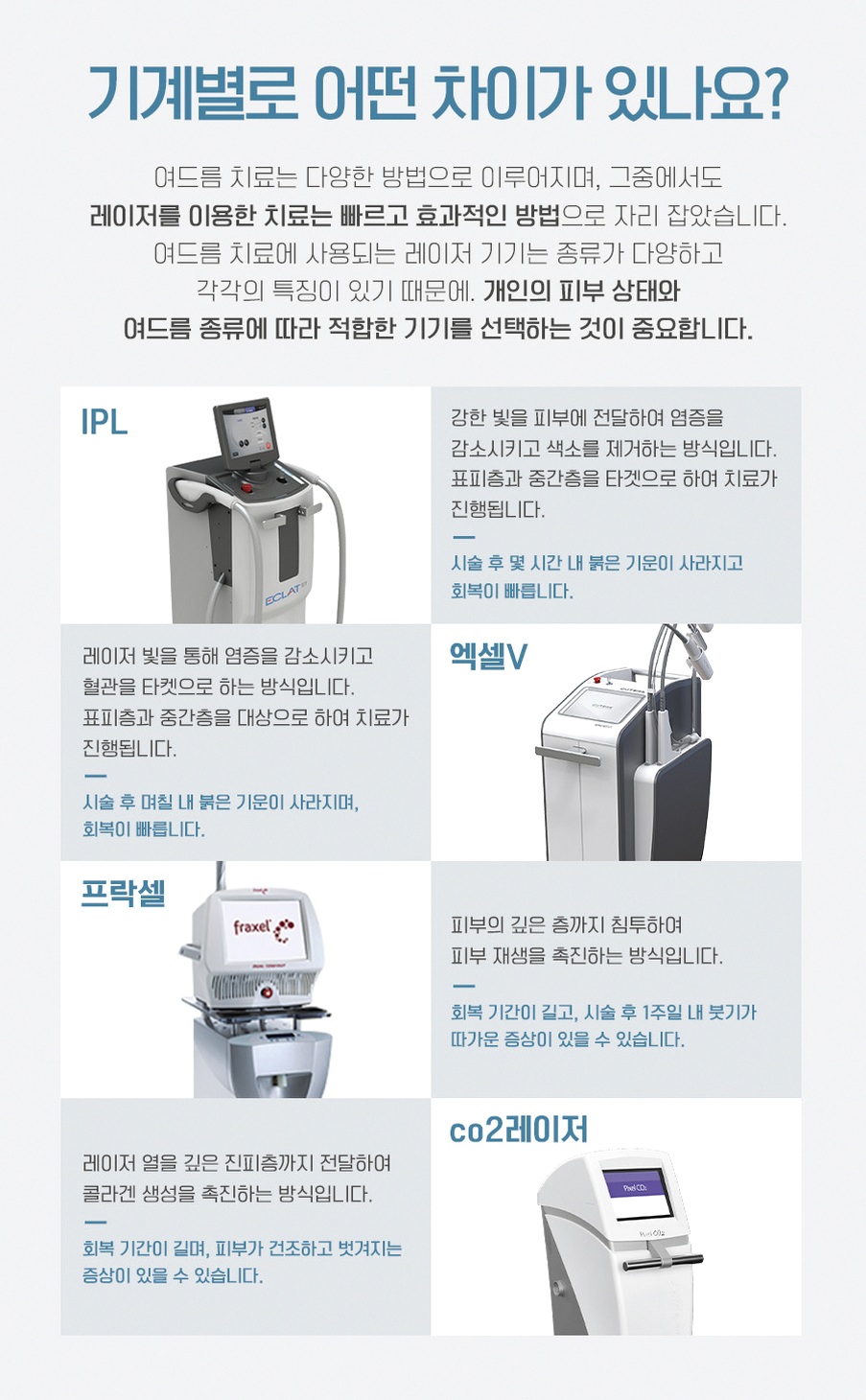
In general, more aggressive scar treatments are delayed until active inflammation is under good control. Mild pigment care and some gentle procedures may be combined with ongoing acne treatment, but your doctor will decide how much your skin can safely tolerate.
Realistic expectations are important. Scar and pigment improvement is usually gradual, often over several sessions. Sun protection, consistent home care, and avoiding picking or squeezing are essential to support any in-clinic procedures.
Convenience factors for acne patients around Gusan Station
For overseas visitors and local residents, practical details such as opening hours and location matter as much as the treatment plan.
Location and access
Gusan Station is in Eunpyeong-gu, a residential and commuting area in northwest Seoul. A clinic near the station is convenient if you are staying nearby, commuting through the area, or combining treatment with sightseeing in other parts of the city.
Evening and weekend hours
At Malgeunsu Clinic, weekday hours are 11:00 to 20:00, with a lunch break from 14:00 to 15:00. This allows students and office workers to visit after school or work.
On Saturdays, Sundays, and public holidays, the clinic is open from 11:00 to 17:00 without a lunch break, which is helpful if you cannot come on weekdays or if you are in Seoul only for a short stay.
Important closure days
The clinic is closed on Wednesdays and Thursdays. This is unusual compared with many clinics, so it is important to check the day of the week carefully before you plan your visit, especially if you are arranging a tight travel schedule.
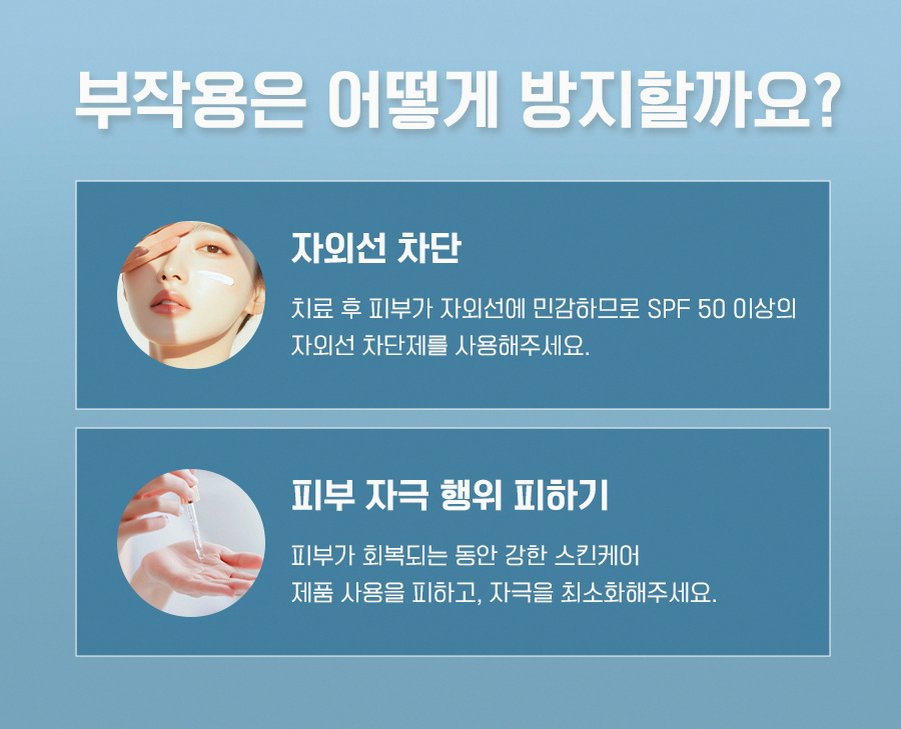
Because one doctor manages your care, it can be easier to maintain continuity even if you can only visit on specific days.
Online consultation and pre-visit preparation for overseas patients
If you are considering acne treatment in Korea as an international patient, an online consultation before your trip can help you plan realistically.
Before you contact the clinic, it can be useful to prepare the following:
Clear photos of your face in natural light from the front and both sides, without heavy makeup.
A list of current skincare products, including cleansers, toners, serums, creams, and sunscreens.
Information about any prescription acne medications you are using or have used in the past, including how long and at what dose.
Details of previous procedures such as peels, lasers, or injections, and how your skin reacted.
Your planned travel dates, where you will stay in Seoul, and how many times you could realistically visit the clinic during your stay.
During an online consultation, the doctor can explain which types of treatment are likely to be realistic for your schedule. For example, if you are staying only a few days, the focus may be on medical evaluation, starting appropriate prescriptions, and possibly one or two gentle procedures. If you are staying longer, a short series of laser toning or skin management sessions may be possible.
Expected Korea visit timeline for acne treatment
The ideal treatment timeline depends on how long you will be in Korea.
Short stay: about 3 to 5 days
If you are visiting for less than a week, the main goals are accurate diagnosis, starting or adjusting medical treatment, and performing only those procedures that do not require long recovery.
Day 1: In-person consultation, skin examination, and treatment planning. You may receive prescriptions and, if appropriate, a first session of gentle laser toning or aqua peel.
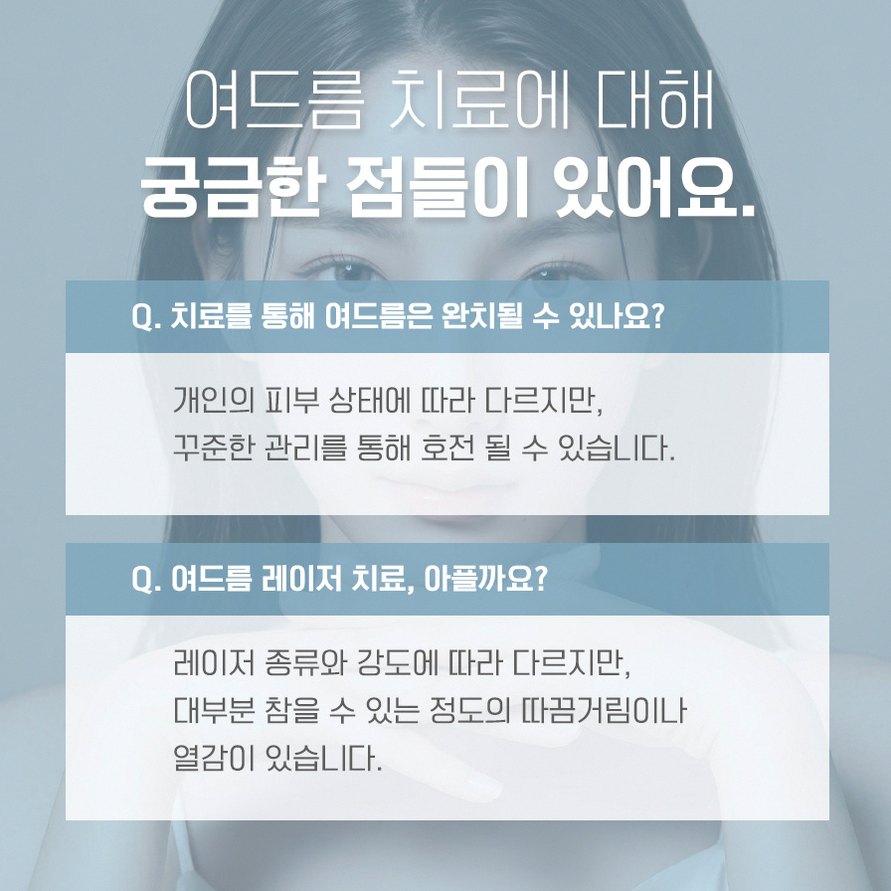
Day 3 to 5: Optional second visit to check early response, adjust medications, and possibly repeat a mild procedure if the doctor feels it is safe.
Medium stay: about 1 to 2 weeks
With a slightly longer stay, you may be able to:
Have one or two sessions of laser toning for redness and pigmentation.
Receive initial skin booster or collagen-inducing procedures if your skin is ready and inflammation is controlled.
Combine medical management with two or three sessions of skin management such as aqua peel and hydrating care.
The doctor will space sessions to allow your skin to recover between visits.
Longer stay or repeated visits
If you live in Korea or visit regularly, a more comprehensive plan for both acne control and scar treatment can be designed. This may include a series of collagen-inducing procedures, repeated toning sessions, and ongoing adjustments to your medical treatment.
Aftercare and daily care after acne procedures
After acne-related procedures, proper aftercare is important to support healing and reduce the risk of irritation.
General aftercare tips include:
Gentle cleansing with lukewarm water and a mild cleanser.
Regular use of a non-irritating moisturizer to support the skin barrier.
Daily sunscreen during the day, especially after laser or pigment treatments.
Avoiding picking, squeezing, or scratching the skin.
Avoiding new, harsh skincare products or strong exfoliants without the doctor’s approval.
Depending on the procedure, the doctor may advise you to avoid saunas, very hot showers, or intense exercise for a short time. Some procedures may cause temporary redness, swelling, or dryness, which usually improves over several days.

If you are returning to your home country soon after treatment, ask for written instructions and clarify which products you can continue to use and which you should stop. It is also helpful to know when to contact the clinic if you have concerns after you leave Korea.
Safety and realistic expectations in acne procedures
Safe acne treatment starts with proper diagnosis. Before any procedure, the doctor should examine your skin and review your medical history, including allergies, medications, and any tendency to form keloids or strong scars.
Pain tolerance differs from person to person, so this is decided individually.
It is important to understand that acne treatment is usually a process rather than a one-time cure. The goals are to reduce inflammation, prevent new lesions as much as possible, and minimize the risk of long-term scars. Results and the number of sessions needed vary widely, and consistent follow-up and home care are key.
Frequently asked questions about acne treatment near Gusan Station
How often do I need to visit for acne treatment near Gusan Station
Visit frequency depends on how severe your acne is and which treatments you choose. Many patients start with visits every 2 to 4 weeks for medical check-ups, prescriptions, and possible procedures like laser toning or aqua peel. As the skin becomes more stable, the interval between visits can often be extended. Your doctor will adjust the schedule based on how your skin responds and your personal timetable.
Can I treat acne and acne scars at the same time
In some cases, mild scar and pigment care can be combined with active acne treatment. For example, gentle toning for redness or aqua peel for blackheads may be done while you are still taking acne medications. However, more intensive scar procedures, such as deeper collagen-inducing treatments or certain skin boosters, are usually planned after inflammation is under better control. The doctor will decide the timing to balance effectiveness and safety.
Is acne treatment covered by insurance in Korea
In Korea, acne as a skin disease may be eligible for insurance-covered medical treatment in some situations, especially when it involves inflammatory lesions. This usually applies to consultations and certain prescriptions. Cosmetic procedures aimed at scars, pores, lifting, or general rejuvenation are normally not covered and are paid out of pocket. Because rules and coverage can vary, it is best to confirm details directly at the clinic reception.
I have sensitive skin. Are acne procedures still possible
Sensitive skin can still receive acne treatment, but the plan needs to be more cautious. A doctor who regularly treats skin diseases can select milder products, lower energy settings for devices, and longer intervals between procedures. They may focus first on calming the skin barrier and inflammation before adding more intensive treatments. Be sure to tell the doctor about any past reactions to skincare or procedures so they can adjust your plan.
What should I prepare before my first acne visit in Korea
Before your first visit, it helps to prepare photos of your skin, a list of your current skincare and medications, and information about any previous treatments you have tried. On the day of consultation, try to avoid heavy makeup so the doctor can see your skin clearly. Also be ready to discuss your daily routine, stress level, and sleep pattern, as these can influence acne. If you are an overseas visitor, bring your travel schedule so the doctor can design a realistic plan within your stay.
Note: Malgeunsu Clinic has no official website; Naver Place is the clinic's only online channel. If you plan to visit or need to confirm services (including whether online consultation options are available), please check the clinic's Naver Place listing or contact the clinic directly by phone to confirm appointments and services.
Clinic hours / Visit note:
- Weekdays: 11:00–20:00 (lunch break 14:00–15:00)
- Saturdays, Sundays, and public holidays: 11:00–17:00
- Closed: Wednesdays and Thursdays
If you are considering acne treatment near Gusan Station and would like a plan that combines medical care with cosmetic options under one doctor, Sharing clear photos and your treatment history will help the doctor suggest a realistic approach for your time in Seoul. Whether you are a local resident or an overseas visitor, focusing on accurate diagnosis, stepwise management, and consistent follow-up can make your acne care more effective and manageable over the long term.
- 공유 링크 만들기
- X
- 이메일
- 기타 앱


댓글
댓글 쓰기