Non-Surgical Options and Visit Plan for Overseas Patients
- 공유 링크 만들기
- X
- 이메일
- 기타 앱
If you are looking for acne scar treatment near Dokbawi Station in Eunpyeong-gu, you can find non-surgical options such as laser, combined therapies, and injection-based treatments at a small, physician-led clinic.
This guide explains what to expect from acne scar treatment near Dokbawi Station, how a single-doctor clinic works, and how to plan your visit as an overseas patient.
What acne scars are
Acne scars form when inflammation from acne damages the deeper layers of the skin. Not all marks after acne are true scars, and understanding the type of mark you have helps in choosing the right treatment.
Depressed acne scars
Depressed scars sit lower than the surrounding skin.

Icepick scars are narrow, deep holes that look like they were made with a sharp object. They are often difficult to smooth completely and usually need repeated, targeted treatments.
Boxcar scars are wider with more defined edges, like small craters. They may respond to fractional-style lasers, needling-type procedures, and collagen-stimulating treatments.
Rolling scars have gentle, wave-like depressions that make the skin surface look uneven, especially under side lighting. They are often related to fibrous bands under the skin and may improve with treatments that stimulate collagen and remodel the skin texture.
Raised acne scars
Raised scars sit above the skin surface. They are less common on the face but may appear on the chest, shoulders, or jawline. These can require a different approach, sometimes including injections that soften the scar tissue or specific laser settings aimed at thickened skin.
Post-inflammatory marks after acne
Not every mark is a structural scar.
Post-inflammatory hyperpigmentation is flat brown or dark spots left after acne heals. These are not true scars but can last for months. They often respond to laser toning, topical brightening agents, and strict sun protection.
Post-inflammatory redness appears as pink or red marks after acne, especially in lighter skin types. Vascular-focused laser settings and gentle skin care can help these fade more quickly.
Why early management matters
If you still have active acne along with scars, it is important to control breakouts while improving scars. Treating only the scars while new acne continues to appear can lead to new scars and frustration.
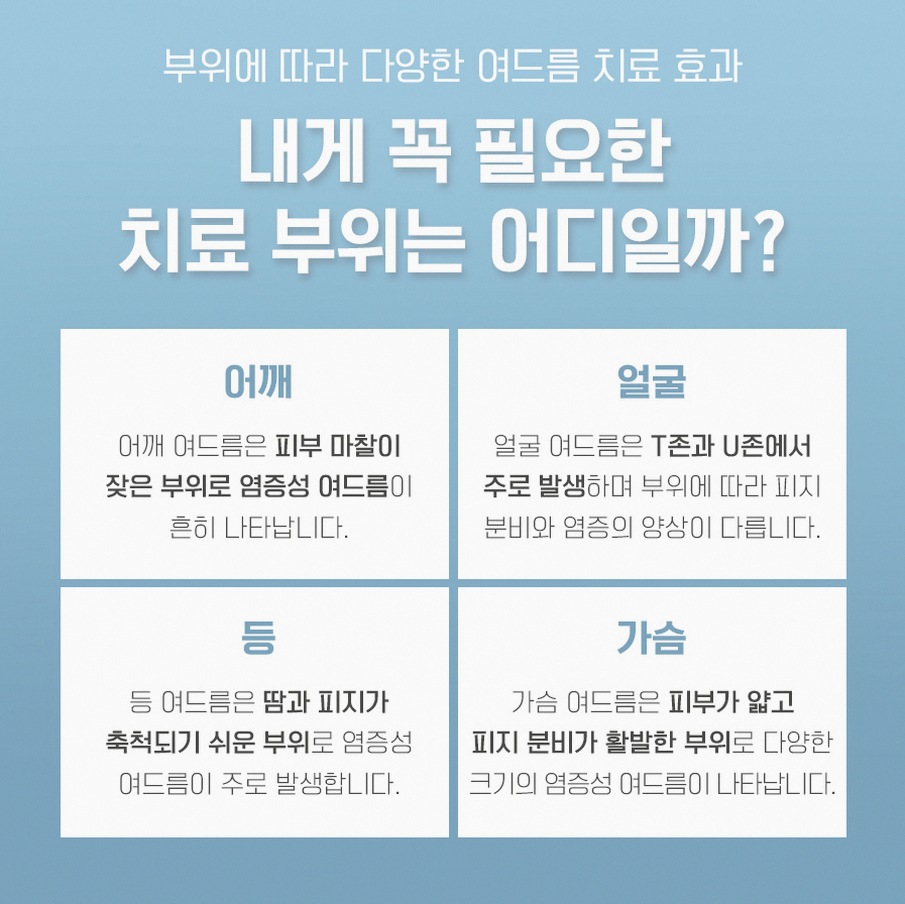
A physician who regularly manages skin disease as well as aesthetic procedures can check for ongoing inflammation, hormonal influences, or other skin conditions and adjust your plan so that acne control and scar improvement happen together.
Approach to acne scars at a local clinic near Dokbawi Station
Near Dokbawi Station in Eunpyeong-gu, there are small clinics that function like local primary-care style skin centers. They see a wide range of conditions, from warts, corns, burns, and alopecia to cosmetic concerns like acne, scars, lifting, and injectables.
At Malgeunsu Clinic, all consultations and procedures are carried out by a single doctor, Director Lee Hyo-su. This single-doctor system means the same physician assesses your active acne, evaluates your scars, performs the procedures, and follows your progress over time.
Combined acne and scar assessment
During your first visit, the doctor typically:
Checks whether you still have active inflammatory acne, clogged pores, or cystic lesions.
Identifies the types of scars you have: icepick, boxcar, rolling, raised scars, or mainly pigmentation and redness.
Evaluates your skin type, sensitivity, and any history of keloids, allergies, or previous treatments.
Asks about your lifestyle, work or school schedule, and how long you will stay in Korea.
From this, a step-by-step plan can be made. For some patients, the first priority is calming active acne and reducing new breakouts. For others with mostly old scars and stable skin, the focus can be on resurfacing and collagen stimulation.
Single-doctor continuity of care
Because the same doctor designs and performs every session, your treatment can be adjusted based on how your skin responds. Settings can be changed, intervals between sessions can be lengthened or shortened, and combination therapies can be added or simplified without changing doctors.
This continuity is especially helpful for overseas patients who may have limited time in Korea and need clear planning of what is realistic within their stay.
Non-surgical acne scar treatments available
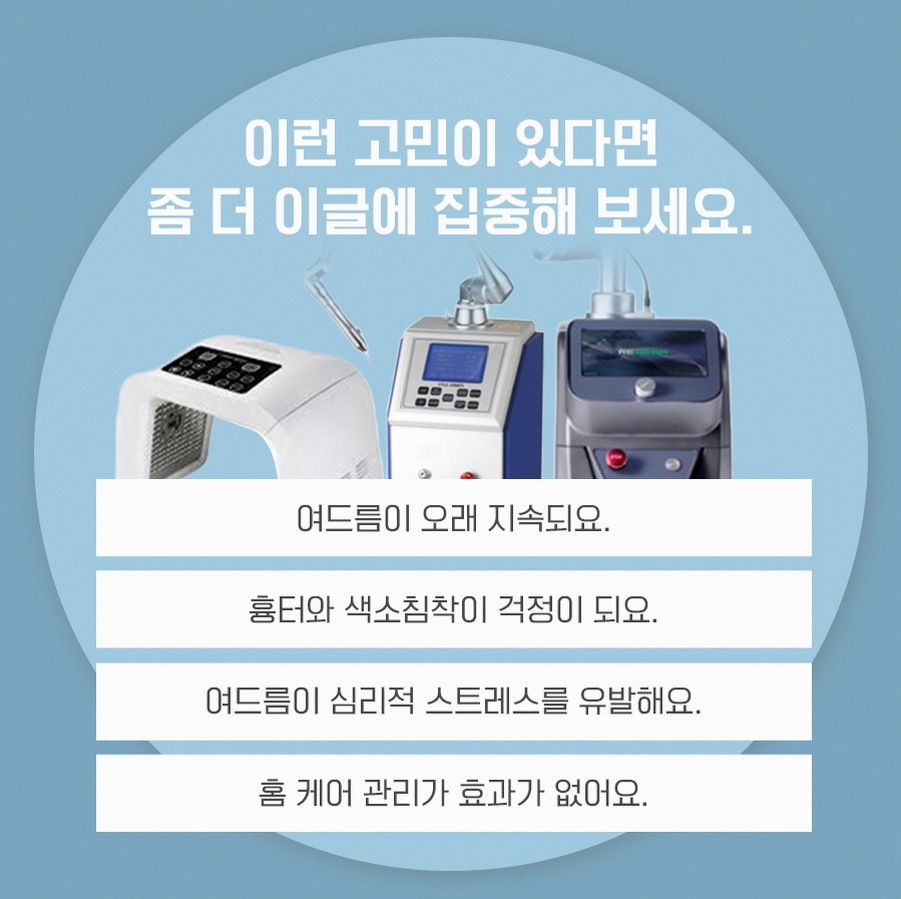
A local clinic near Dokbawi Station typically offers non-surgical treatments for acne scars. These focus on gradually improving texture, depth, and color rather than removing scars completely.
Laser toning for pigmentation and redness
Laser toning uses low to moderate energy settings to target pigment and overall tone.
It may help with post-inflammatory hyperpigmentation, uneven tone, and some forms of redness.
Sessions are usually short, and downtime is often mild, though temporary redness or dryness can occur.
Multiple sessions are usually needed, spaced one to several weeks apart.
Fractional-style laser for texture and depressed scars
Fractional-style lasers create microscopic columns of controlled injury in the skin, surrounded by healthy tissue. This stimulates collagen production and gradual remodeling.
They are commonly used for boxcar and rolling scars, and sometimes for enlarged pores and overall texture.
Depending on the intensity, you may experience redness, swelling, and flaking for a few days.
Topical anesthesia cream is often used to reduce discomfort.
Several sessions are usually planned, with intervals of 3–6 weeks or more.
Injection-based treatments for scars
Injection-based treatments can be used to support scar improvement.
Skin boosters and collagen-stimulating injectables may help improve hydration, elasticity, and fine texture around scars.
For certain raised scars, specific injections may be used to soften the thickened tissue.
These treatments are usually combined with laser or needling approaches rather than used alone.
Combination therapy
In practice, acne scar treatment often works best when methods are combined.
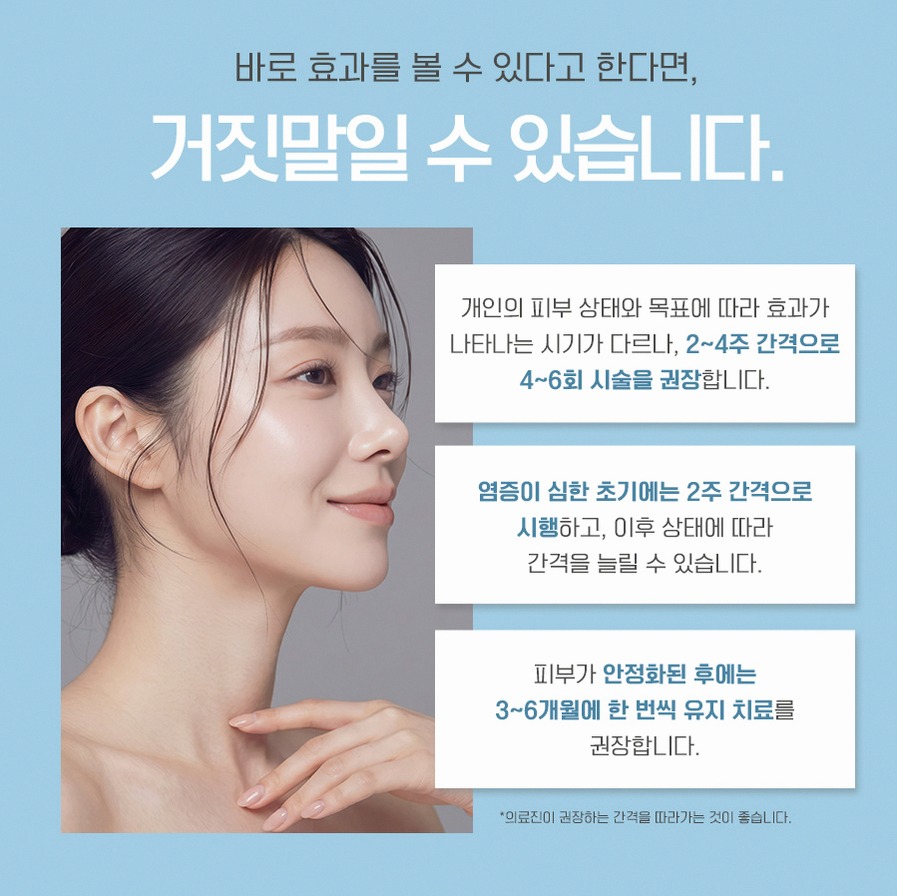
Examples of combinations include:
Fractional-style laser plus laser toning to address both texture and pigmentation.
Needling-style procedures with topical or injectable agents to enhance collagen stimulation.
Acne-controlling medications or topical treatments together with scar-focused procedures.
Energy-based devices used mainly for lifting and contouring, such as InMode or Shurink Universe, may be present in the clinic. While these are not primary acne scar treatments, they can sometimes be used to support skin tightening or jawline contouring in patients who also want lifting, but the main focus for scars remains on resurfacing and collagen remodeling.
Typical treatment process
Initial online consultation
You may be asked to send clear photos of your face in good lighting from the front and both sides.
The clinic can ask about your medical history, previous treatments, allergies, and any medications you are taking.
You can share your planned travel dates so the doctor can suggest a realistic schedule.
In-person first visit
When you arrive in Korea and visit the clinic near Dokbawi Station, your first appointment usually includes:
Face-to-face examination of your skin and scars.
Discussion of your priorities: texture, dark marks, redness, or active acne control.
Explanation of treatment options, expected number of sessions, and approximate downtime.
Planning of which procedures to do during your stay.
Treatment session steps
A typical non-surgical acne scar treatment session may include:
Cleansing of the skin to remove makeup, sunscreen, and sebum.
Application of topical anesthesia cream if a fractional-style laser or needling-type procedure is planned. This is usually left on for a set time and then removed.
The procedure itself, such as laser toning, fractional-style laser, or injections.
Cooling and soothing care with packs or calming products.
Explanation of post-care instructions, including what to avoid and how to protect the skin.
Course of treatment and realistic expectations
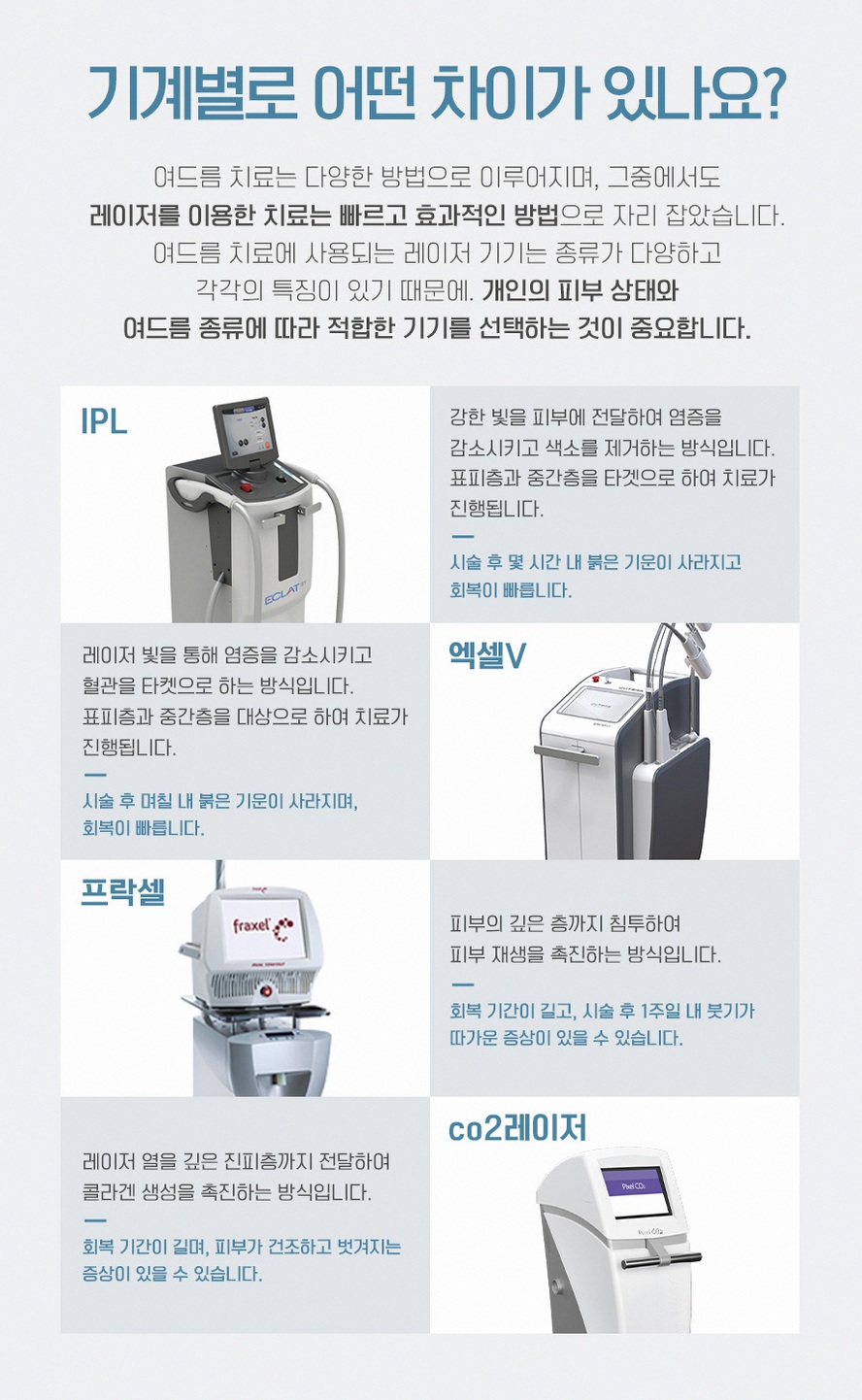
Acne scars usually require multiple sessions for visible improvement. For many patients, a course of several sessions over a few months is typical.
Complete removal of scars is usually not realistic. The goal is to make scars shallower, soften edges, smooth overall texture, and even out skin tone so that scars are less noticeable in daily life and under normal lighting.
Pain and downtime can vary depending on the method used, your pain tolerance, and the intensity chosen. Many procedures can be performed with topical anesthesia and are designed to reduce discomfort, but some temporary redness, swelling, or sensitivity is common.
Who may consider acne scar treatment near Dokbawi Station
You may consider treatment at a small, physician-led clinic near Dokbawi Station if:
You live in or are staying near Eunpyeong-gu and want convenient access to follow-up sessions.
You have lingering acne scars such as boxcar, rolling, icepick scars, or pigmentation and redness after acne.
You prefer a clinic where the same doctor handles both medical skin issues and cosmetic procedures.
You need evening or weekend appointments because of work or study.
Patients who also have scalp issues or stress-related hair loss may appreciate that the clinic also sees scalp disease and alopecia, allowing related concerns to be discussed in one place.
Online consultation and pre-visit preparation
Before you travel to Korea, it is helpful to prepare the following information for an online consultation.
Clear photos of your face without makeup in natural or bright indoor light.
A list of any previous treatments for acne or scars, such as oral medications, peels, lasers, or injections.
Information on any chronic illnesses, medications, or known allergies.
Your approximate schedule in Korea, including arrival and departure dates and any days you are not available.
Questions you may want to ask before booking
What types of acne scar treatments are available for my specific scar type?
How many sessions are realistic within my stay, and what kind of improvement can I reasonably expect?
How many days of visible redness or swelling should I plan for after each session?
Are there any medications or skincare products I should stop before treatment?
Expected Korea visit timeline for acne scar care
Short stay: about 3–7 days
If you are in Korea for less than a week, you may be able to:
Have a detailed consultation and skin assessment.
Receive one main procedure session, such as fractional-style laser combined with toning.
Return for a quick check or soothing care if needed, depending on your schedule.
In this case, the goal is usually to start the process and receive guidance you can continue with in your home country.
Medium stay: about 2–4 weeks
With a longer stay, you may:
Have one or two main treatment sessions, spaced 1–2 weeks apart.
Combine laser, toning, and possibly injection-based treatments.
Have time for follow-up checks and adjustment of settings.
Longer stay or residents
If you live in Korea or plan to stay for several months, a more complete course can be planned, with sessions every few weeks and gradual adjustment according to your skin’s response.
Evening and weekend hours near Dokbawi Station
For office workers, students, or travelers with daytime plans, clinic hours are important.
The clinic near Dokbawi Station operates on weekdays from 11:00 to 20:00, with a lunch break from 14:00 to 15:00. On Saturdays, Sundays, and public holidays it is open from 11:00 to 17:00 (no separate lunch break). The clinic is closed on Wednesdays and Thursdays. Please confirm these hours on Malgeunsu Clinic's Naver Place before visiting to avoid a wasted trip.
This schedule can be particularly convenient if you need multiple sessions or want to minimize time away from work or study.
Safety, downtime, and aftercare
Safety considerations
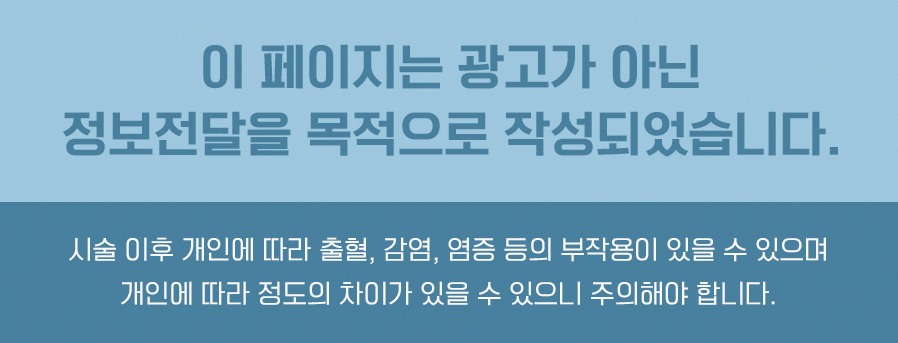
Non-surgical acne scar treatments are widely used, but they still involve controlled injury to the skin. A careful medical assessment helps reduce risks.
During consultation, inform the doctor if you:
Have a history of keloid or hypertrophic scars.
Are taking medications that affect healing or bleeding.
Have recently had strong peels, other laser treatments, or sunburn.
Possible temporary reactions
After treatment, it is common to experience some of the following, depending on the procedure:
Redness and warmth in the treated area.
Mild swelling or a feeling of tightness.
Dryness, flaking, or rough texture for several days.
Temporary darkening of pigmentation before it lightens.
If you notice unusual pain, blisters, intense swelling, or signs of infection, you should contact the clinic promptly for evaluation.
Basic aftercare tips
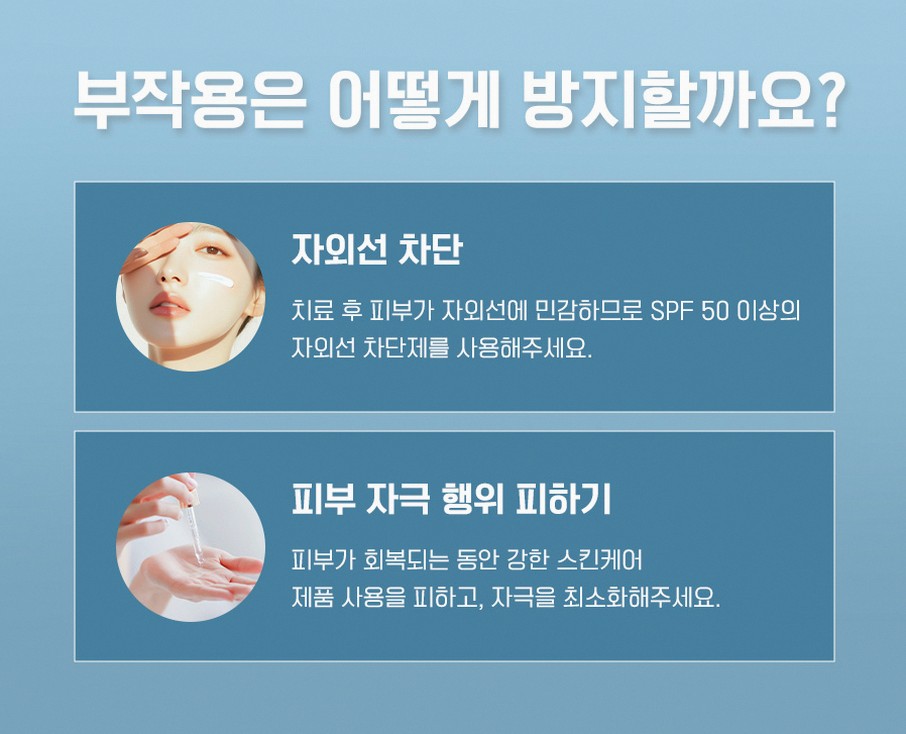
Sun protection is essential. Use a broad-spectrum sunscreen recommended by the doctor and avoid strong sun exposure, especially in the first days after treatment.
Cleanse gently with a mild cleanser and lukewarm water. Avoid scrubs, harsh brushes, or exfoliating products until your skin has recovered.
Keep the skin moisturized with products approved by the clinic.
Avoid picking, scratching, or peeling off flaking skin, as this can worsen scars or cause pigmentation.
Follow the doctor’s guidance on when you can resume makeup, exercise, sauna, or swimming.
Advantages of a single-doctor clinic with extended hours
For acne scar treatment near Dokbawi Station, a small clinic with a single-doctor system offers several practical advantages.
Consistent medical judgment
Since one doctor sees you at every visit, your treatment plan is based on a consistent understanding of your skin history, response to previous sessions, and personal preferences.
Integrated care for acne and other skin issues
A clinic that manages both insured skin diseases and aesthetic procedures can address active acne, sensitive skin, or other conditions like eczema or scalp issues while planning your scar treatments.
Flexible scheduling
With weekday evening hours until 20:00 and weekend and public holiday hours from 11:00 to 17:00, it is easier to fit treatments around work, school, or travel plans. Just remember that the clinic is closed on Wednesdays and Thursdays.
Step-by-step adjustments
Because the same doctor performs each procedure, treatment intensity and combinations can be adjusted step by step, which is helpful if your skin is sensitive or if you are trying laser or injections for the first time.
Frequently asked questions
How many acne scar treatment sessions will I need?
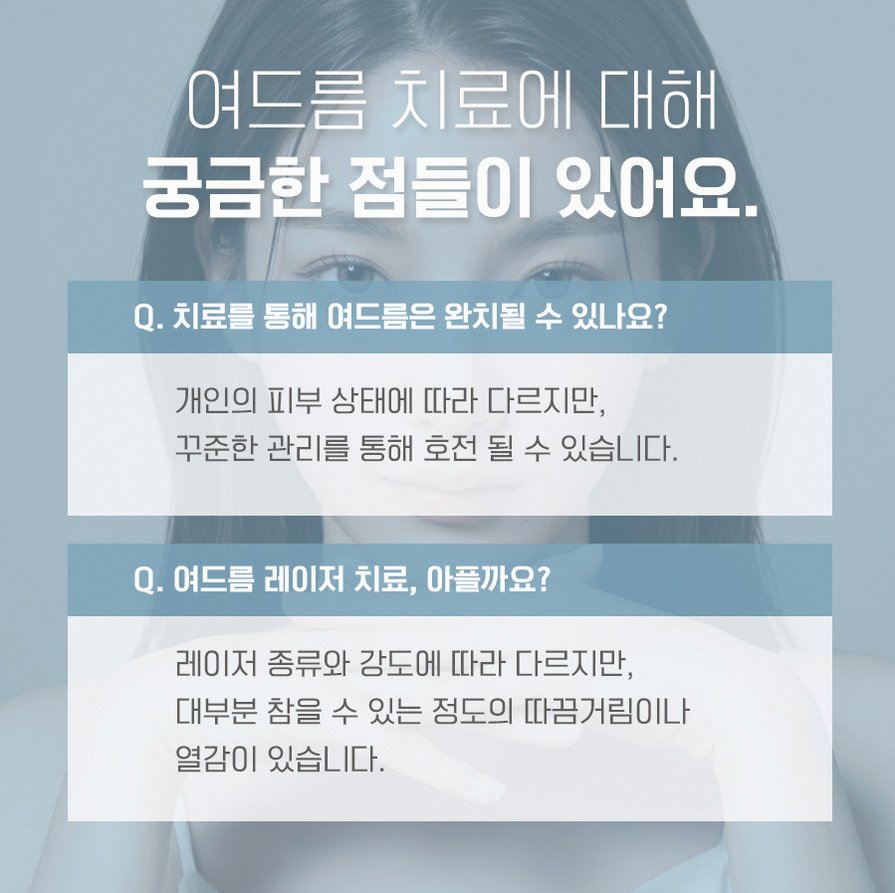
The number of sessions depends on your scar type, depth, skin condition, and goals. Many patients need several sessions for noticeable improvement, often spaced a few weeks apart. During your consultation, the doctor can suggest a realistic range based on your photos and in-person examination, but it is important to understand that gradual improvement is the goal rather than complete removal of scars.
Is acne scar treatment painful?
Most non-surgical acne scar treatments can be performed with topical anesthesia to reduce discomfort. You may feel heat, tingling, or a prickling sensation during laser or needling procedures. Some soreness or sensitivity can continue for a short time after treatment. Pain tolerance varies from person to person, so the doctor can adjust settings and methods to balance effectiveness and comfort.
When can I start scar treatment after active acne?
If you still have frequent, inflamed breakouts, the first step is usually to control active acne. In many cases, mild scar-focused treatments can begin while acne is being managed, but strong resurfacing is often delayed until inflammation is more stable. During consultation, the doctor will check your current acne activity and suggest whether to start with acne control, scar treatment, or a combination.
Can I schedule acne scar treatment after work or on weekends?
Yes. The clinic near Dokbawi Station offers evening hours on weekdays until 20:00, which can be convenient after work or school. Treatment is also available on Saturdays, Sundays, and public holidays from 11:00 to 17:00. Keep in mind that the clinic is closed on Wednesdays and Thursdays, so you should plan your appointments around these days, especially if you are visiting from overseas.
How much does acne scar treatment cost?
Costs vary depending on the type of treatment, the number of sessions, and the combination of procedures used. Because each plan is individualized based on scar type and skin condition, it is difficult to give a precise figure without assessment. During online or in-person consultation, you can ask for a general range for the recommended plan, but decisions should be based not only on price, but also on methods used, expected downtime, and follow-up care.
Soft call to action for online consultation
If you are considering non-surgical acne scar treatment near Dokbawi Station and would like a plan that considers both active acne and scars, consider starting with an online consultation if the clinic offers one. Check availability and booking options directly with Malgeunsu Clinic or via their Naver Place before arranging remote consultations. If an online option is available, sharing photos, your medical history, and your travel schedule in advance can help the clinic provide guidance on suitable options and how to organize in-person visits during your time in Korea.
This article is for general information only and does not replace a personal consultation with a qualified physician. Individual conditions, risks, and treatment responses vary, so please discuss your specific situation with the doctor before deciding on any procedure.
- 공유 링크 만들기
- X
- 이메일
- 기타 앱


댓글
댓글 쓰기