Nokbeon Station Acne Treatment: Clinic Guide for Overseas Patients
- 공유 링크 만들기
- X
- 이메일
- 기타 앱
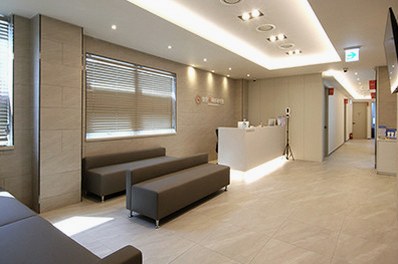
Direct answer for people searching Nokbeon Station acne treatment reviews
If you are looking up acne treatment reviews around Nokbeon Station and wondering what it is actually like to visit a small local clinic in this area, you can expect a medically focused approach that combines prescription care, in-clinic procedures, and later scar management. At a clinic such as Malgeunsu Clinic in Eunpyeong-gu, acne is handled as both a skin disease and a cosmetic concern, with one doctor following you from first consultation through each procedure, and with evening and weekend hours that make regular visits easier while you are in Korea.
This article explains what that experience is typically like, what kinds of acne treatments are usually offered, how an overseas visitor might plan a Korea trip around treatment sessions, and what to prepare before you come.
Overview of acne treatment near Nokbeon Station
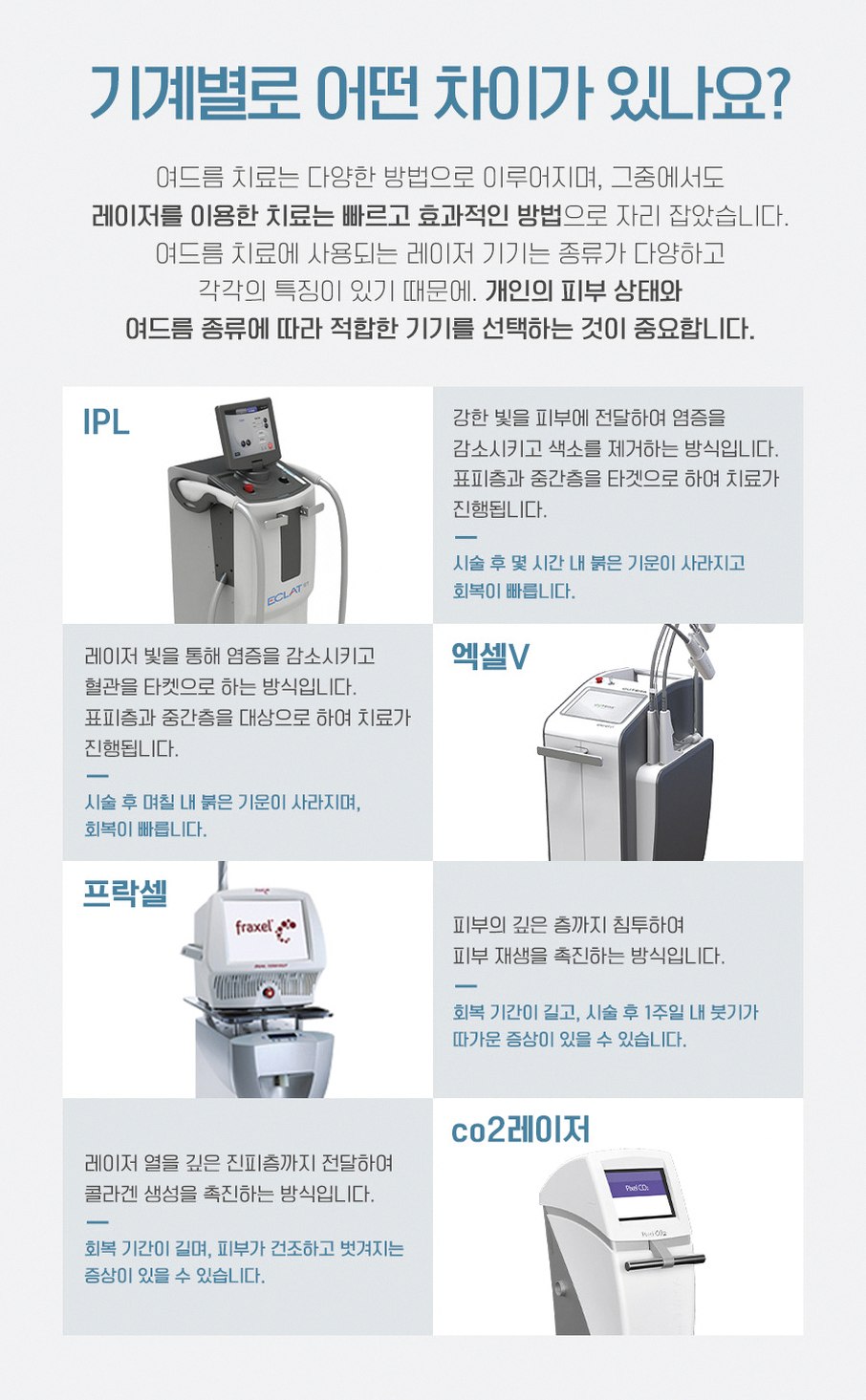
Around Nokbeon Station, you will mainly find small, local clinics rather than large chain aesthetic centers. These clinics often see a mix of patients with everyday skin problems and those seeking cosmetic procedures. For acne, this usually means you can receive both medical treatment for active breakouts and cosmetic procedures for scars and marks in one place.
In this kind of setting, the doctor usually starts by checking what type of acne you have: whiteheads and blackheads, red inflamed spots, or deeper nodules and cysts. They also look at whether there are already scars, how sensitive your skin is, and what you have tried before. Based on this, they suggest a step-by-step plan rather than a single one-time procedure.

Because the clinic also treats other skin conditions such as warts, corns, cysts, burns, and scalp issues, the doctor is used to thinking about inflammation, infection, and skin barrier health. This can be reassuring if you are worried that a purely cosmetic approach might irritate your skin.
What people usually worry about before acne treatment
Before starting acne treatment in a new country, many people have similar questions.
One common concern is pain and downtime. Most acne procedures are done with topical numbing cream or gentle settings, but there can still be some discomfort and temporary redness. A realistic clinic will explain this clearly, instead of promising that everything will be completely painless.
Another worry is cost-effectiveness and pressure to buy packages. Larger aesthetic centers sometimes focus on fixed packages. In contrast, a small one-doctor clinic near Nokbeon Station is more likely to adjust the plan according to your skin response and your schedule. It is still important to ask clearly about how many sessions are recommended, what each session includes, and what is optional.
People also wonder whether the doctor truly views acne as a medical issue, not only a cosmetic one. When a clinic regularly treats skin diseases, there is usually more attention to factors like dermatitis, contact irritation from cosmetics, or scalp and hairline problems that can worsen acne.
Finally, overseas visitors worry about communication. Even if the doctor’s English is limited, the one-doctor system means that you talk to the same person every time. This continuity can make it easier to communicate with simple words, photos, or translation apps, and to feel that your questions are heard.
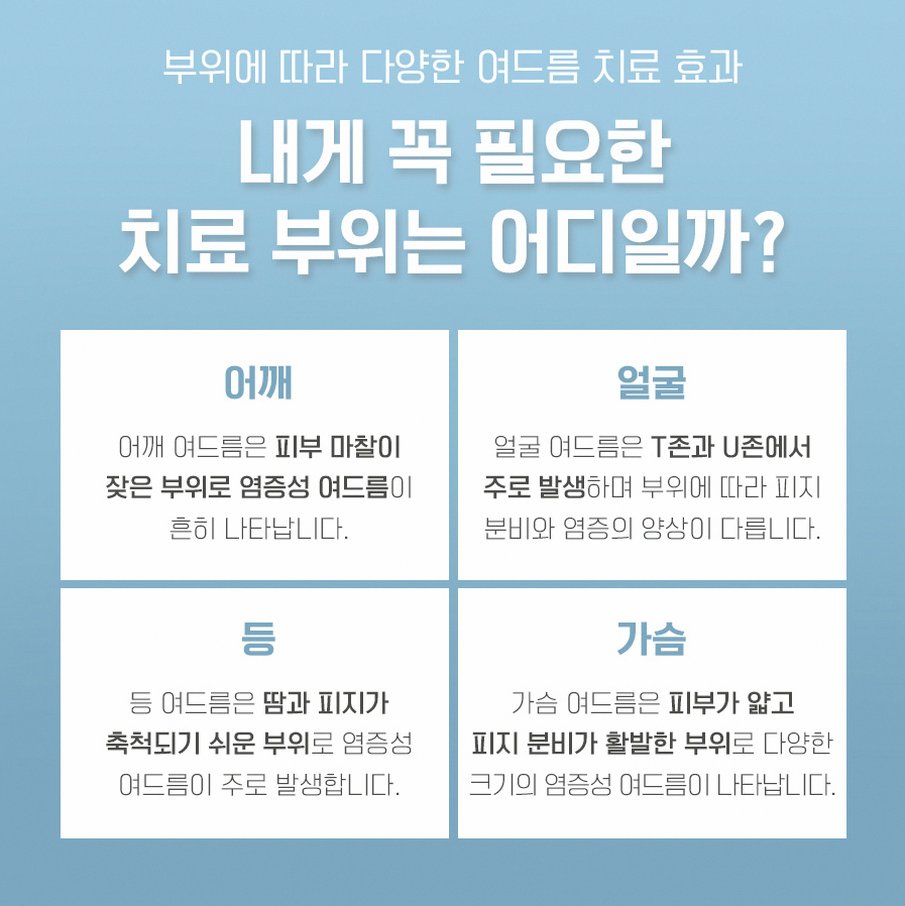
First visit and consultation experience
At a small clinic near Nokbeon Station, the first visit usually follows a simple, structured flow.
When you arrive, you fill out a basic form with your personal information, medical history, current medications, and main concerns. If you are an overseas visitor, it helps to bring a written list of any allergies and past treatments in English, so staff can easily understand.
You then meet the doctor, for example Director Lee Hyo-su at this clinic. The consultation typically includes questions such as how long you have had acne, whether it gets worse around your period or with stress, what skincare products and makeup you use, and whether you have tried oral medications, peels, or laser treatment before.
The doctor examines your face closely, sometimes also checking the neck, chest, or back if you have breakouts there. They may point out which areas are mainly clogged pores, which are inflamed, and where early scars or pigmentation are forming. This explanation helps you understand why a certain combination of treatments is being suggested.
Instead of offering everything at once, the doctor usually proposes a staged plan. For example, the first stage may focus on calming inflammation and reducing new breakouts with medication, gentle procedures, and skincare changes. Once the skin is more stable, a second stage can address red marks, brown spots, and uneven texture with laser toning or scar-focused treatments.
Types of acne treatments that may be suggested
In a local clinic around Nokbeon Station, acne care usually combines medical management with in-clinic procedures. Not every patient needs every option; the plan is customized according to severity, skin type, and how long you will stay in Korea.
Medical management
For many patients, topical and oral medications are the foundation. Topical creams or gels may include ingredients to reduce oil, unclog pores, and calm inflammation. Oral medications can be used for more severe or widespread acne, or when topical care alone has not been enough. The doctor will consider your general health, pregnancy plans, and other medications before prescribing.
Because the same clinic also handles other skin diseases, there is usually attention to side effects such as dryness, irritation, or sensitivity. If your skin barrier is already weak, the doctor may start with milder products and build up slowly.
In-clinic procedures for active acne
For stubborn whiteheads and blackheads, professional extraction is often suggested. This differs from squeezing pimples at home: at this one-doctor clinic, the doctor performs extractions using sterile tools and a controlled technique to reduce the risk of scarring and infection.
For very painful or deep inflamed lesions, targeted anti-inflammatory treatments may be considered. Discuss options with the doctor to learn what is appropriate for your specific lesions and situation.
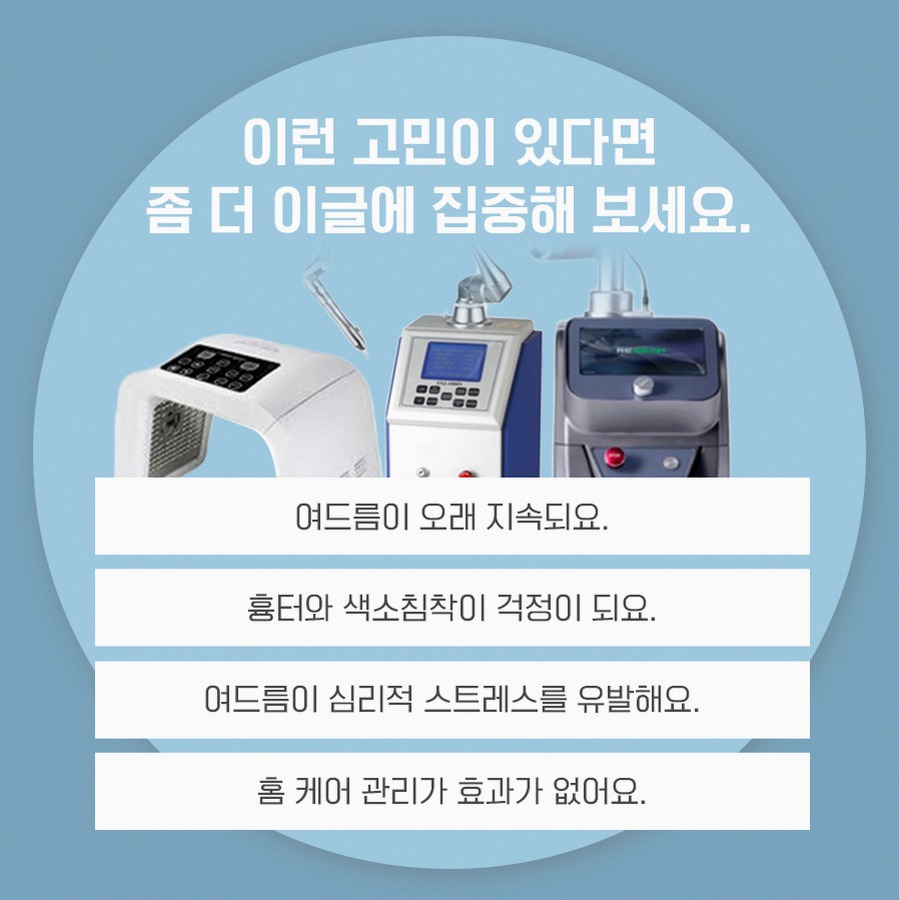
Light-based or laser treatments can be added to help reduce redness, support inflammation control, and improve overall skin tone. Settings are typically adjusted depending on how sensitive your skin is and whether you have darker or lighter skin.
Gentle peeling treatments may also be used to help with clogged pores and surface texture. These are usually milder than strong chemical peels and are spaced out so that the skin has time to recover.
Scar and mark care
Once active inflammation is better controlled, the focus often shifts to the marks and texture left behind. Red marks and brown spots after acne can be addressed with laser toning or similar devices that aim to even out skin tone gradually. Examples include toning modes that target redness or pigmentation.
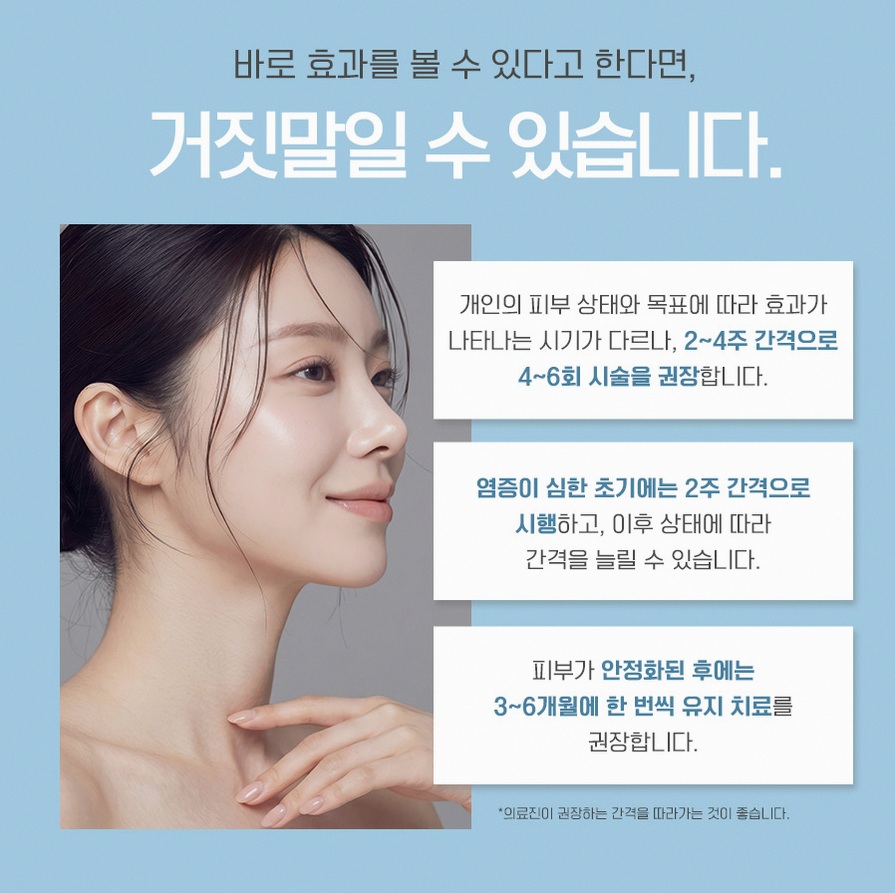
For shallow scars and uneven texture, scar-focused procedures may be suggested. These can include treatments that create controlled micro-injury to stimulate collagen, or devices that combine heat and needling. The goal is gradual softening and smoothing rather than instant change.
Regenerative injectables, sometimes called skin boosters, may also be considered. Products similar to Rejuran-type or Juvelook-type injectables are used with the idea of supporting collagen and overall skin quality. They are usually placed in a series of sessions and are often combined with other scar treatments. Results vary, and they are not a replacement for basic acne control, but they can be part of a long-term plan.
Combination of disease and cosmetic care
One of the main differences between a local primary-care style clinic and a purely aesthetic center is the range of conditions treated. In addition to acne, such a clinic may see patients for warts, corns, cysts, burns, alopecia, and other skin or scalp problems.
For acne patients, this means the doctor is used to thinking about underlying issues that may be aggravating breakouts. For example, contact dermatitis from certain cosmetics, irritation from shaving, or scalp conditions along the hairline can all influence acne. The doctor may suggest treating these at the same time, or adjusting your daily routine to reduce triggers.
The clinic may also have several devices for lifting and rejuvenation, such as Inmode, Shurink Universe, Tense-ra, or Ten Triple. While these are not the main focus for acne, it can be helpful to know that different options exist if you later decide to address skin laxity or fine lines. For acne-related concerns, however, the emphasis remains on inflammation control, tone correction, and scar management.
One-doctor system and consultation style
A key point for many patients is that all consultations and procedures are handled by the same doctor from start to finish. In a one-doctor system, the person who examines your skin and explains the plan is also the one who performs injections, laser sessions, and follow-up checks.
This continuity can feel different from larger clinics where you might see one doctor for a brief consultation and then have procedures done by various practitioners. At a small clinic, you can ask follow-up questions at each visit, and the doctor can directly see how your skin has responded to the last session.
The consultation style is usually careful and step-by-step. The doctor may ask about your skincare routine in detail, including how you cleanse, what kind of sunscreen you use, and whether you wear heavy makeup daily. They may also ask about stress, sleep, and diet, not because these are the only causes of acne but because they can influence flare-ups.
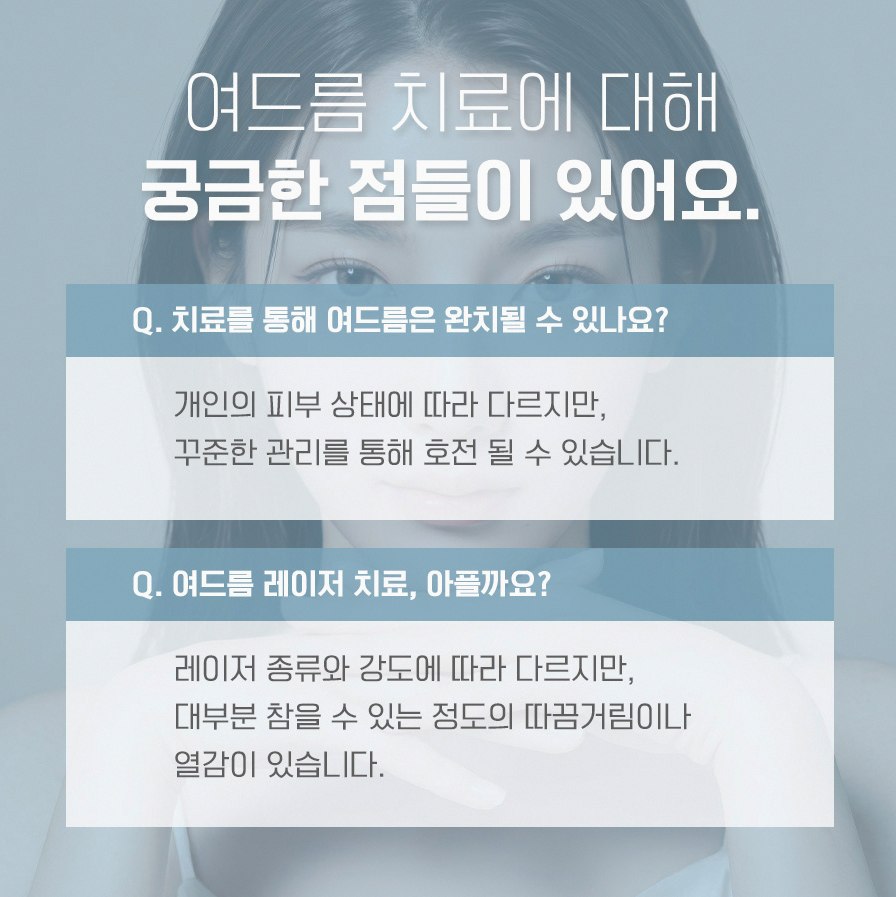
Realistic expectations are an important part of the conversation. Acne control is generally a process over months, not a one-time fix. The doctor will usually give you an approximate idea of how many visits might be needed for the initial phase, and explain that the plan may be adjusted depending on your response.
Who may consider acne treatment here
Acne treatment around Nokbeon Station may suit several types of overseas visitors.
It can be a good option if you prefer a quieter, local environment rather than a busy city-center chain clinic. Patients who value seeing the same doctor every time, and who want both medical and cosmetic aspects considered together, may appreciate this setting.
If you are staying in Seoul for several weeks or months, you can schedule regular sessions for active acne control and then move on to scar care. Even if you are visiting for a shorter period, you may still benefit from a thorough consultation, a starter treatment plan, and a prescription you can continue at home under the guidance of your local doctor.
People with sensitive skin, mixed issues like acne plus dermatitis, or concerns about burns and scars may also feel more comfortable in a clinic that routinely handles skin disease. However, if you have very severe or complicated medical conditions, it is always wise to discuss with your home doctor first and bring any relevant medical records.
Online consultation and pre-visit preparation
Before traveling to Korea, it is helpful to prepare as much as possible so your in-person visit can be efficient.
If the clinic offers online or messaging consultation, you can send clear photos of your skin in natural light, along with a short history: when the acne started, what treatments you have tried, and any known allergies. Even if the reply is brief, this can help the clinic estimate whether your case is suitable for their services and how many sessions might be realistic during your stay.
Before your visit, prepare a list of questions such as:
Which parts of my acne can realistically improve during my stay in Korea, and which will need longer-term care?
Which treatments are priorities for me: reducing pain and inflammation, lightening marks, or improving texture?
How often should I come for procedures, and what is the minimum interval between sessions?
What home care products should I avoid or stop using before and after procedures?
It is also useful to bring or photograph the skincare and makeup products you currently use. The doctor can then point out which ones may be clogging pores or irritating your skin.
Expected Korea visit timeline for acne treatment
The ideal schedule depends on how long you will be in Korea.
If you are staying for one to two weeks, you may be able to have one detailed consultation and one or two treatment sessions. The focus will usually be on calming active inflammation, starting or adjusting medication, and giving you clear instructions for home care.
For a stay of three to four weeks, you might fit in several sessions of gentle procedures such as extractions, light-based treatments, or toning, spaced about one week apart. This can help reduce ongoing breakouts and begin to fade recent marks.
If you can stay for two to three months or visit Korea repeatedly, a more structured plan can be created, including both active acne control and early scar management. The doctor can monitor your response and adjust energy levels, intervals, and combinations of treatments.
Because Malgeunsu Clinic is open on evenings and weekends, scheduling is more flexible. Weekdays run from 11:00 to 20:00, with a lunch break from 14:00 to 15:00. On Saturday, Sunday, and public holidays, the clinic is open from 11:00 to 17:00 without a lunch break. The clinic is closed on Wednesdays and Thursdays, so you should avoid planning your only available day on those midweek days.
Aftercare and daily life during treatment
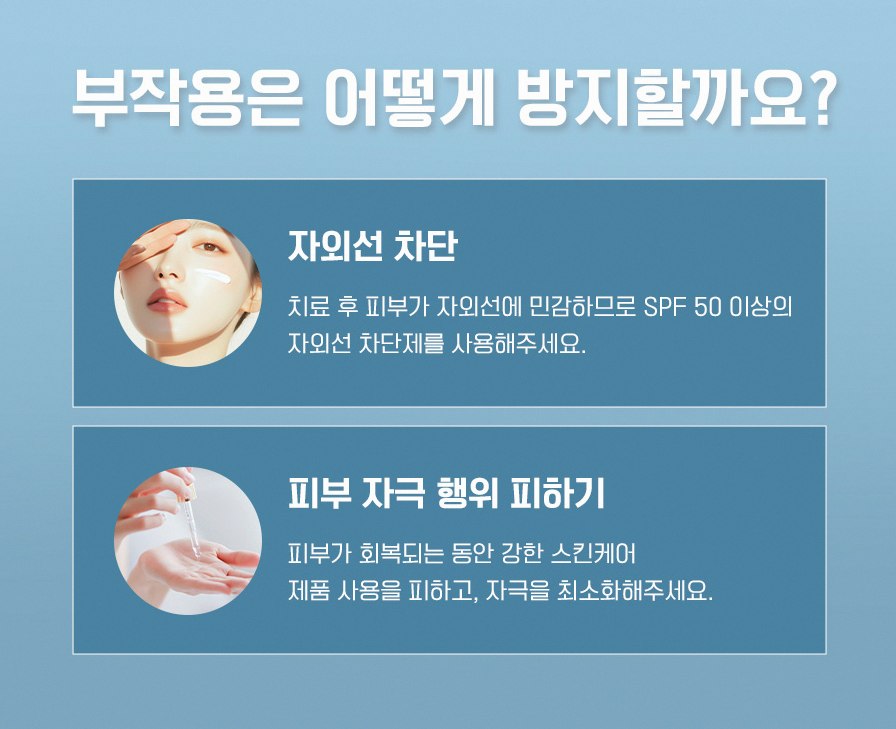
After acne procedures, you can usually return to daily activities, but you may have temporary redness, mild swelling, or small marks from extractions. The clinic will typically recommend gentle cleansing, frequent sunscreen application, and avoidance of harsh scrubs, strong acids, or heavy makeup for a short time.
If you are sightseeing in Seoul, it is important to protect your skin from sun exposure. A broad-brimmed hat and reapplying sunscreen can help reduce the risk of pigmentation after procedures. Avoid hot saunas and very spicy or salty food immediately after treatment if your skin tends to flush easily.
The doctor may give you specific instructions such as how long to avoid swimming pools, how to manage any dryness or peeling, and when to start or restart certain topical medications. Following these instructions carefully can support better outcomes and reduce irritation.
Progress and realistic expectations
With consistent treatment and home care, many patients notice gradual changes such as fewer new breakouts, less redness, and reduced pain from deep lesions. Over time, marks may lighten and texture may become smoother, especially if scar-focused procedures and skin boosters are added when appropriate.
However, individual results vary. Hormones, stress, and lifestyle continue to play a role, and some people may need ongoing maintenance. A realistic clinic will explain that acne can be controlled and improved, but not always completely eliminated, and that occasional flare-ups are possible.
During follow-up visits, the doctor will usually check how your skin has responded, ask about any side effects, and adjust the plan. For example, they may reduce the strength of a topical product if dryness is severe, or change the interval between laser sessions if your schedule is tight.
Practical information for Nokbeon Station area readers
For people living, studying, or working near Nokbeon Station in Eunpyeong-gu, the location and schedule of a local clinic are important practical points. Being able to visit after work or on weekends makes it easier to keep up with regular sessions, which is often more important for acne control than any single procedure.
As mentioned, this clinic’s hours are:
Weekdays: 11:00 to 20:00, with a lunch break from 14:00 to 15:00
Saturday, Sunday, and public holidays: 11:00 to 17:00, no lunch break
Closed on Wednesdays and Thursdays
Because there is no large official website, most information is found through local listing platforms. It is a good idea to call or message ahead to confirm current hours, whether reservations are required, and what languages can be used for basic communication. You can also ask in advance about approximate treatment intervals so you can plan your travel and other activities.
Frequently asked questions about acne treatment near Nokbeon Station
How many acne treatment sessions will I need during a short trip?
This depends on your skin condition and how long you stay in Korea. For a one- to two-week trip, many patients fit in one consultation and one or two sessions focused on calming active acne and setting up a home care routine. For longer stays, more sessions can be spaced out to address both breakouts and early marks. The doctor will usually outline a realistic plan at your first visit.
Is it safe to start new acne medication while traveling?
In many cases, yes, but it should be done carefully. The doctor will ask about your medical history, allergies, and any current medications before prescribing. Some oral acne medications require blood tests or long-term monitoring, so they may not be suitable to start during a very short trip. Topical treatments and certain short-term oral medications are more commonly used for visitors, with advice to follow up with a local doctor at home.
Can I combine acne treatment with other cosmetic procedures?
It is sometimes possible to combine acne care with other procedures such as lifting or general skin rejuvenation, especially if the clinic has multiple devices. However, the priority is usually to control inflammation and protect the skin barrier first. The doctor will explain which combinations are reasonable and which should be delayed until your skin is more stable.
Will I be able to communicate my concerns if I do not speak Korean?
Many overseas patients manage well using simple English, photos, and translation apps. The one-doctor system means you see the same person each time, which can make communication smoother over repeated visits. It helps to prepare written notes about your history, allergies, and goals in advance, and to bring pictures of any previous reactions or treatments if available.
If the clinic offers online or message-based consultations via its Naver Place listing, consider using that channel; confirm availability and details on the clinic's official Naver Place page before planning.
If you are considering acne treatment near Nokbeon Station and want a setting where one doctor follows your case from consultation to procedure, you may find this style of local clinic suitable. Before you travel, consider reaching out for an online or message-based consultation with Malgeunsu Clinic, sharing clear photos and a brief history of your skin. This can help you plan your visit, understand what is realistic during your stay in Korea, and prepare questions so that your in-person appointments are as effective and comfortable as possible.
- 공유 링크 만들기
- X
- 이메일
- 기타 앱


댓글
댓글 쓰기