Nokbeon-dong Acne Scar Treatment: A Practical Guide for International Patients in Seoul
- 공유 링크 만들기
- X
- 이메일
- 기타 앱
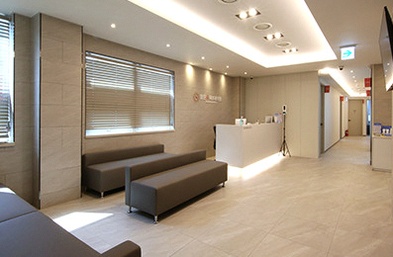
Quick answer: Yes — neighborhood clinics in Nokbeon-dong offer stepwise care for acne and acne scars, starting with medical control of active acne and planning staged procedures for existing scars, often managed by a single physician.
If you are staying in or near Nokbeon-dong in Eunpyeong-gu and are concerned about acne scars, you can receive step-by-step care that addresses both active acne and existing scars in a neighborhood-style clinic setting. Instead of a one-time cosmetic package, treatment is usually planned as a series of sessions using a mix of methods such as laser and toning, microneedling or fractional procedures, energy-based devices, and various injections or topical treatments. A key point in this area is that the same doctor, such as Director Lee Hyo-su, may follow you from the first consultation through to the procedures, which can feel different from large cosmetic-only centers where consultation and treatment are often separated.
This guide explains what acne scars are, how a local clinic in Nokbeon-dong typically approaches them, what international patients can expect during a visit to Korea, and how to prepare before you travel.
What acne scars are and why early care matters
Acne scars are permanent changes in the skin structure that remain after inflammatory acne has healed. They are different from temporary red or brown marks that slowly fade over time.
Red or brown marks after acne are often called post-inflammatory erythema (redness) or post-inflammatory hyperpigmentation (brown or dark spots). These are flat, not sunken or raised, and usually improve gradually with sun protection, gentle skincare, and sometimes laser or topical treatment.
True acne scars involve a change in the skin surface. Atrophic scars are the most common. These include ice-pick scars (narrow, deep holes), boxcar scars (wider, sharp-edged depressions), and rolling scars (broad, shallow waves or dents). Some people develop hypertrophic or keloid scars, which are thick, raised, and sometimes itchy or uncomfortable.
For people living or working in Nokbeon-dong, early control of active acne is important. The longer inflamed pimples stay on the skin, the higher the risk that they will destroy collagen and leave deeper pits or raised scars. A clinic that manages both skin disease and cosmetic procedures can help you calm active breakouts and plan scar treatment in the same place.
Types of acne scars and how they are evaluated
During a consultation, the doctor will first distinguish between real scars and temporary marks.
Atrophic scars
These are depressed scars where the skin has lost volume. Ice-pick scars look like tiny, deep holes. Boxcar scars are wider and have more defined edges. Rolling scars create an uneven, wavy texture. These usually require collagen-stimulating procedures such as microneedling, fractional treatments, or certain energy-based devices.
Hypertrophic and keloid scars
These are raised, firm scars that may appear on the jawline, chest, back, or shoulders. They can be treated with scar injections to soften and flatten them gradually. The doctor will also check if you have a personal or family tendency to form keloids, because this affects the choice and intensity of procedures.
Post-inflammatory erythema and pigmentation
Flat red marks and brown spots after acne often respond to gentle laser or toning treatments, topical prescriptions, and strict sun protection. These are usually easier to improve than deep pits, but they still require time and repeated care.
From active acne to scars: how a local clinic plans treatment
In a primary-dermatology style clinic in Nokbeon-dong, scar treatment does not start from a price list of cosmetic procedures. It usually begins with a medical consultation.
Medical history
The doctor will ask about the duration and severity of your acne, previous treatments, your skin type, any history of keloids or strong scarring, and your lifestyle. For international patients, it is helpful to bring a list of medicines and skincare products you are currently using, including any oral acne medications, retinoids, or supplements.
Skin examination
Next, the skin is examined in good lighting. The doctor distinguishes between active acne lesions, atrophic scars, raised scars, and pigmentation. Sometimes photos are taken for medical records so that progress can be tracked over time.
Prioritizing problems
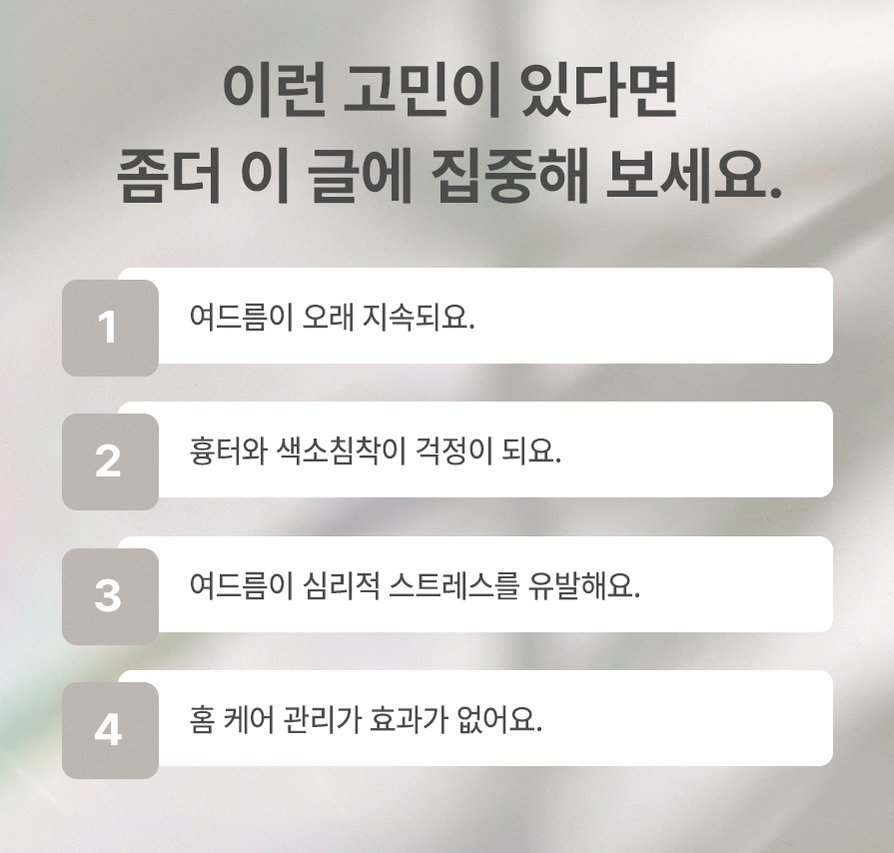
If you still have many inflamed pimples, the priority is usually to control active acne first. Treating scars aggressively while acne is still very active can increase irritation and may not be efficient. However, in some cases, mild scar procedures can be combined with acne management when planned carefully.
Personalized plan
Based on your scar type, skin color, sensitivity, schedule, and tolerance for downtime, the doctor suggests a combination of treatments. This may include laser or toning sessions for redness and pigmentation, microneedling or fractional procedures for texture, energy-based devices for tightening around scars, and injections for deep pits or raised scars. Topical and oral medications are often added to prevent new breakouts.
In many neighborhood clinics in Nokbeon-dong, including practices run by a single physician such as Director Lee Hyo-su, the same doctor handles consultation, procedure planning, and the actual treatments. This structure can feel different from large cosmetic centers where you may consult with one doctor and be treated by another, or see different staff at each visit.
Common acne scar treatments used in Nokbeon-dong
Laser and toning treatments
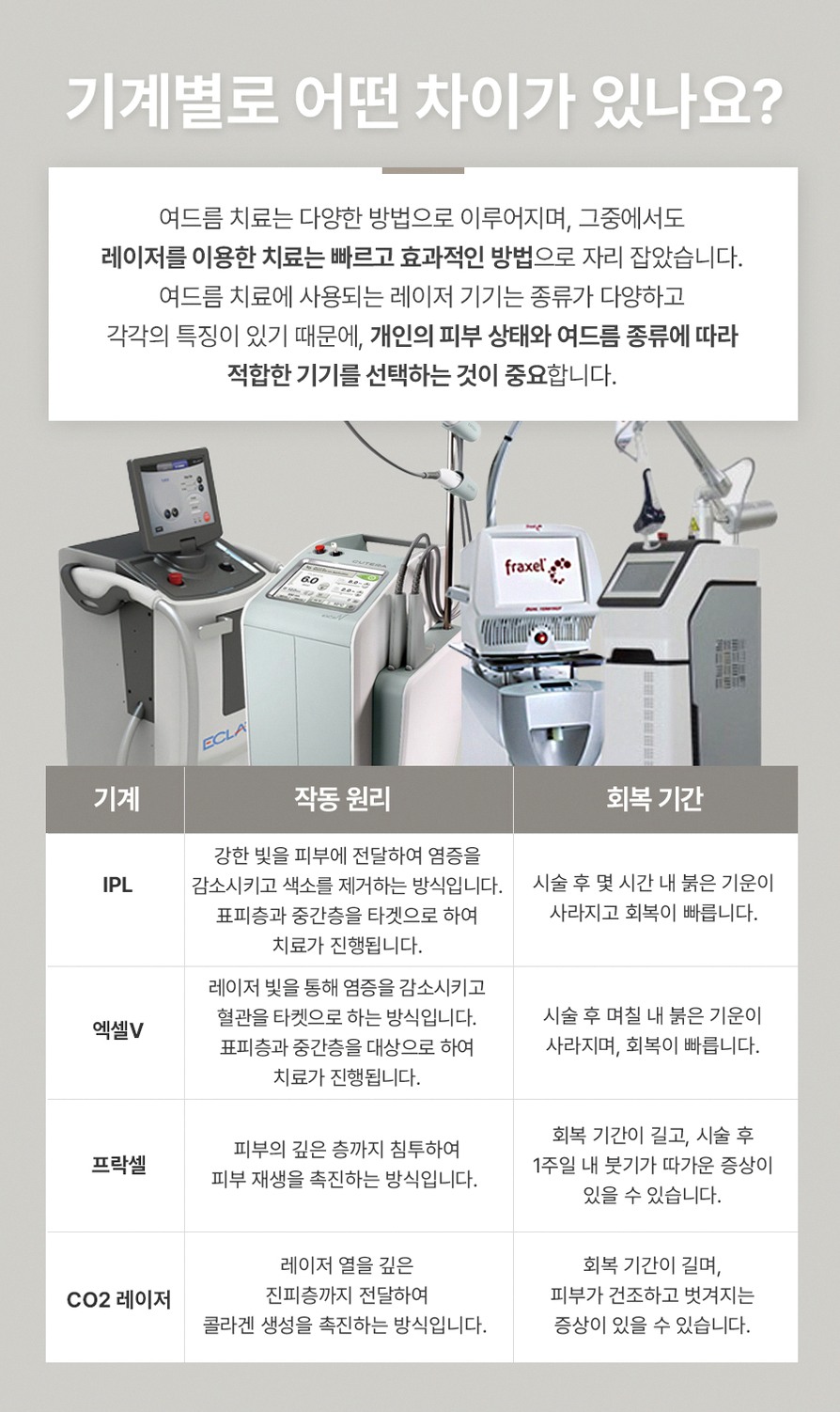
Laser and toning procedures are often used to improve redness after acne, uneven skin tone, and some shallow scars. They can reduce post-inflammatory erythema and help brown marks fade more evenly. For many patients, several sessions spaced a few weeks apart are needed. These treatments are often combined with other procedures like microneedling or injections to address both color and texture.
Energy-based lifting devices
Devices such as Inmode, Shurink Universe, Tense-ra, and Ten Triple are widely known for facial lifting and tightening. In experienced hands, certain modes can also help with skin firmness and texture around atrophic scars. By tightening the surrounding tissue and stimulating collagen, they may make rolling or broad shallow scars less noticeable over time. In a Nokbeon-dong clinic that has a broad lineup of such devices, the doctor can choose settings that match your skin type and combine them with other scar-focused treatments.
Microneedling and fractional approaches
Microneedling and fractional procedures create controlled micro-injuries in the skin to stimulate collagen remodeling. Over several months, this can gradually lift and smooth depressed scars. Sometimes platelet-rich plasma (PRP) or similar solutions are applied during or after the procedure to support healing.
These treatments usually involve some redness and pinpoint scabs for a few days. Improvement is gradual, not instant, and multiple sessions are typically recommended.
Filler or volumizing injections
For very deep, localized atrophic scars, small amounts of filler or volumizing products, including options like Juvelook volume, may be used to lift the base of the scar. This can be helpful for individual pits that do not respond well to other methods. The effect and duration vary by product and by person, so the doctor will explain what to expect and how often touch-ups might be considered.
Scar injections for raised scars
Hypertrophic and keloid scars can be softened with scar injections. These are usually performed at intervals of several weeks. Over time, the scar may become flatter, less red, and more comfortable. Because people with a keloid tendency can react strongly to procedures, planning is especially careful for this group.
Topical and medical acne care
A key part of long-term success is preventing new scars. Prescription topical treatments such as retinoids, anti-inflammatory creams, or other medicated products can reduce new breakouts and improve skin turnover. In some cases, oral medications or injections for very inflamed lesions are recommended.
Unlike purely cosmetic centers, a neighborhood clinic that also treats warts, burns, cysts, and other skin problems is used to managing side effects, infections, and long-term skin health. This can be reassuring if you are worried about safety while undergoing repeated procedures.
How this Nokbeon-dong clinic setting differs from large cosmetic centers
In Nokbeon-dong and the wider Eunpyeong-gu area, many patients prefer a local clinic where they can see the same doctor regularly. A clinic like the one directed by Lee Hyo-su manages both medical skin issues and cosmetic procedures. That means the doctor who plans your acne scar program is also accustomed to diagnosing rashes, infections, burns, scalp problems, and more.
For acne scars, this approach often leads to:
A focus on medical consultation first, rather than choosing a package by price alone.
Attention to active acne, sensitivity, and other skin diseases before or alongside scar treatment.
Combination use of various devices such as Inmode, Shurink Universe, Tense-ra, Ten Triple, and toning lasers, which is relatively broad for a single-doctor practice.
Integration of PRP and different injection options into scar protocols when appropriate, without presenting them as miracle cures.
Who may consider acne scar treatment in Nokbeon-dong
You may be a good candidate for treatment in this area if you:
Live, work, or are staying near Nokbeon-dong or Eunpyeong-gu and can visit regularly.
Have visible acne scars such as pits, dents, or raised areas that bother you.
Still have some active acne but want to start planning for scars at the same time.
Prefer being followed by one doctor who manages both medical and cosmetic aspects.
Understand that improvement, not perfection, is the realistic goal.
People with darker skin types, a history of keloids, or very sensitive skin can also be treated, but require more cautious planning, gentler settings, and close follow-up.
Safety, downtime, and realistic expectations
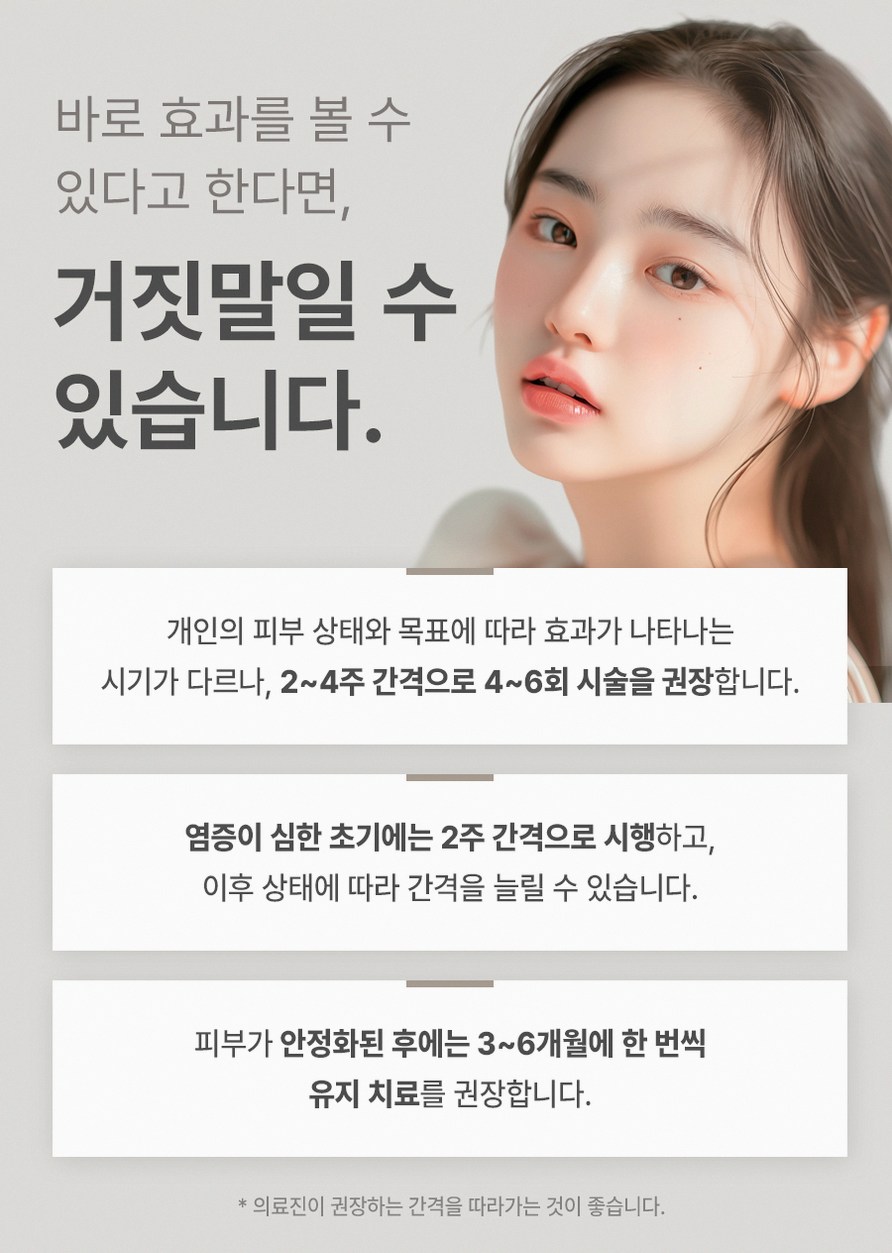
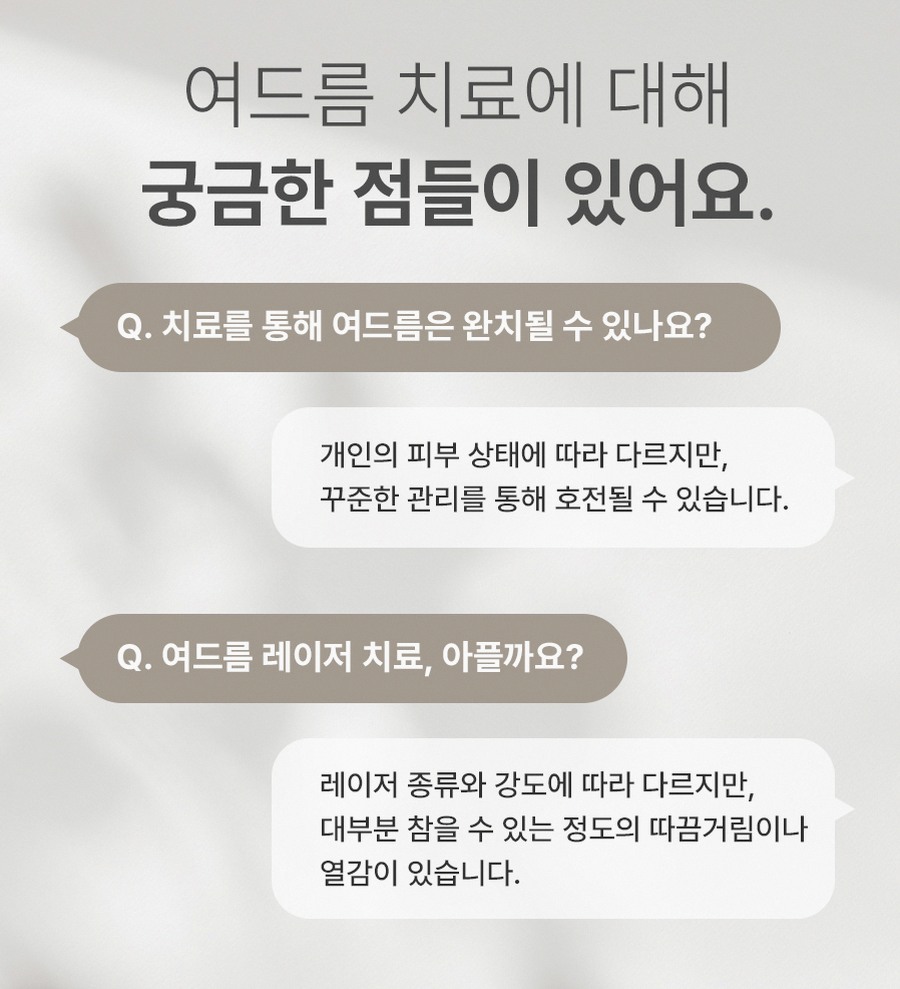
Acne scar treatment is a gradual process. Most patients need several sessions over months to see meaningful change. Complete removal of scars is not realistic, but smoother texture and less noticeable marks are common goals.
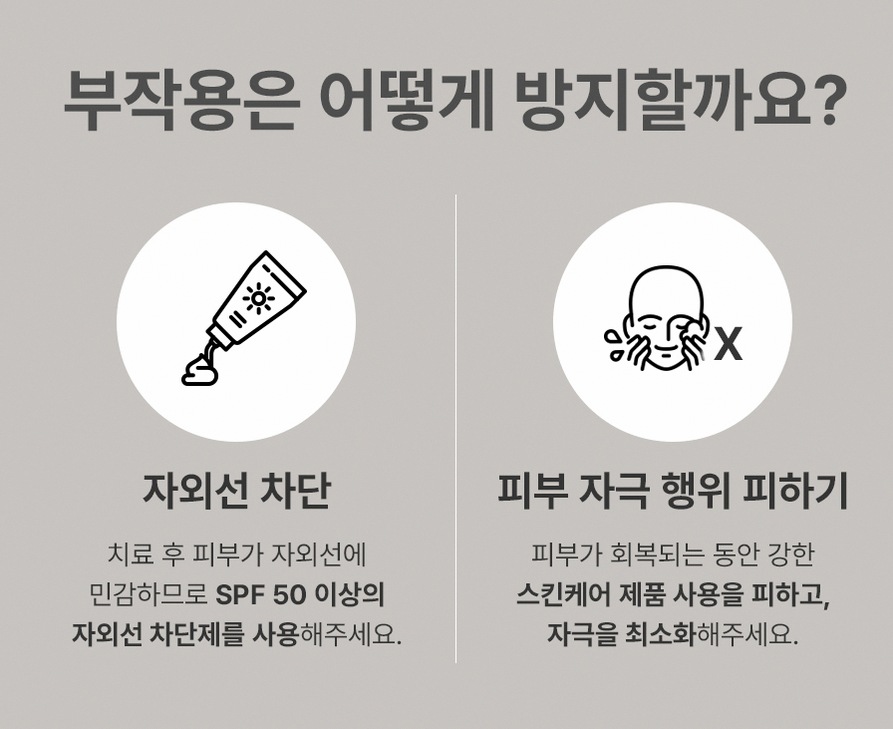
Typical short-term side effects may include temporary redness, swelling, pinpoint bleeding or scabs, dryness, and mild sensitivity. Sun protection is essential after procedures, especially for those prone to pigmentation.
Pain control is individualized. Some lighter laser or toning sessions may be tolerable with minimal discomfort, while microneedling, fractional procedures, or certain injections usually involve numbing cream or other methods to reduce pain. You can discuss your pain tolerance and previous experiences with the doctor so that an appropriate plan can be made.
If you notice strong swelling, severe pain, blisters, or signs of infection after treatment, you should contact the clinic promptly for evaluation.
Integration with other services
Acne scar care in a Nokbeon-dong clinic can be combined with:
Active acne management using topical or oral medications and, when needed, injections for very inflamed lesions.
Gentle procedures such as aqua peel or moisture care between stronger sessions to help the skin barrier recover.
Scalp and hair-related consultations, if you also have acne around the hairline or scalp problems, since some clinics in this area treat both skin and scalp conditions.
Some clinics also offer injection drips such as vitamin or whitening drips. These may help with general fatigue or overall condition, but they are not direct treatments for acne scars and should be viewed as supportive options only.
Preparing from overseas: online consultation and pre-visit steps
If you are planning to travel to Seoul for acne scar treatment near Nokbeon-dong, preparation makes a big difference.
Before your trip, you can:
Request an online or messaging-based consultation if available. Many local clinics use platforms like Naver Place messages or messaging apps rather than a formal website.
Send clear photos of your skin in natural light from several angles so the doctor can roughly assess scar types and active acne.
Provide a list of medications and skincare products you use, including any past procedures, allergies, or history of keloids.
Explain your travel schedule, how long you will stay in Korea, and how much downtime you can accept between sightseeing or work.
Ask about which treatments are realistically possible within your stay and what kind of follow-up you might need once you return home.
Expected Korea visit timeline for acne scar care
For a short visit of one to two weeks, the focus is usually on assessment, starting medical acne control if needed, and performing low to moderate intensity procedures that do not require long recovery.
Day 1 to 2: In-person consultation, detailed examination, and basic tests or photos. Discussion of priorities, explanation of options, and confirmation of what can be done during your stay. Some patients receive their first gentle laser or toning session on the same day.
Day 3 to 7: Depending on your skin response and schedule, you may have one or two additional procedures, such as microneedling, fractional treatment, or energy-based tightening. Stronger procedures are usually timed so that redness or scabs improve before your flight home.
Day 7 to 14: Follow-up check, adjustment of topical medications, and planning for what you can continue abroad. The doctor may recommend a long-term plan that includes future visits if you plan to return to Korea.
For longer stays or those living in Seoul, sessions are typically spaced every three to six weeks, allowing the skin to recover and collagen to remodel between treatments.
Aftercare and long-term management
After each session, you will receive instructions on cleansing, moisturizing, and sun protection. In general, you should avoid harsh scrubs, strong acids, and picking at scabs. A simple, gentle routine is usually best while the skin is healing.
Topical prescriptions such as retinoids may be paused for a few days before and after certain procedures, then restarted according to the doctor’s advice. Oral medications should also be taken as directed, and any side effects should be reported.
Long-term, the goal is to reduce new breakouts, slowly remodel existing scars, and maintain a stable skin barrier. Regular, shorter visits are often more effective than rare, very aggressive procedures.
Clinic hours and access for Nokbeon-dong residents
For people living or staying in Nokbeon-dong and Eunpyeong-gu, one of the advantages of a neighborhood clinic is convenient hours and easy access for repeated sessions.
Typical hours in this area include:
Weekdays: 11:00 to 20:00, with a lunch break from 14:00 to 15:00.
Saturday, Sunday, and public holidays: 11:00 to 17:00, usually without a lunch break.
Closed days: often Wednesdays and Thursdays.
Because schedules can change, it is important to confirm the latest opening hours and any holiday changes by phone or through the clinic’s Naver Place page. Many local patients use Naver Place to check maps, reviews, and real-time information instead of a separate website.
FAQ about acne scar treatment near Nokbeon-dong
How many sessions are usually needed for acne scars?
Multiple treatment sessions over several months are commonly required. The exact number depends on scar type, skin characteristics, and the chosen procedures; your doctor will recommend a personalized plan and estimate the appropriate number of sessions after an examination.
The number of sessions depends on the type and depth of your scars, your skin type, and how aggressively you can be treated. Deep or long-standing scars may require more. Your doctor in Nokbeon-dong will estimate a range after examining your skin, but the plan can change based on how you respond.
Is it possible to treat scars while acne is still active?
In many cases, some level of treatment is possible while acne is still active, but the priority is to control inflammation. Strong scar procedures are usually delayed until breakouts are more stable. However, gentle laser or toning for redness, topical care, and certain injections may be combined with acne treatment. The doctor will balance the benefits of early intervention with the risk of irritation.
What is the downtime like? Can I work or study after treatment?
Downtime varies by procedure. Light laser or toning sessions often cause mild redness that settles within hours to a day, so many people can return to work or school quickly. Microneedling and fractional treatments may cause more noticeable redness and pinpoint scabs for a few days, so you may prefer to schedule them before a weekend or short break. Your clinic in Nokbeon-dong can help you choose dates that fit your work, study, or travel plans.
What is the difference between treating red marks and deep pits?
Red marks (post-inflammatory erythema) and brown spots (hyperpigmentation) are mainly color problems. They often respond to laser or toning, topical prescriptions, and sun protection, and may improve faster. Deep pits and dents are structural issues that require collagen remodeling with microneedling, fractional treatments, energy-based devices, or sometimes filler-type injections. These usually take longer and need more sessions to show visible change.
When should I seek medical help after a procedure?
Mild redness, swelling, and dryness are expected after many treatments. However, you should contact the clinic promptly if you notice strong pain, rapidly increasing swelling, blisters, pus, fever, or any symptom that worries you. Since a Nokbeon-dong neighborhood clinic also manages general skin diseases, it is usually well prepared to evaluate and treat side effects when they occur.
Soft call to action for online consultation
If you are considering acne scar treatment while staying in or near Nokbeon-dong, it can be helpful to start with an online inquiry. You can prepare recent photos, a list of your medications, and your planned travel dates, then contact the clinic via phone or its Naver Place page to ask about consultation availability. Discussing your goals and schedule in advance allows the doctor to suggest a realistic plan for your time in Seoul.
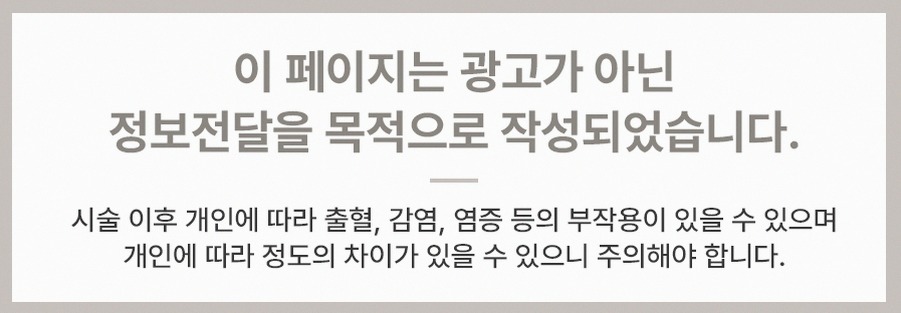
This article is intended for general information only and does not replace a personal medical consultation. Individual diagnosis and treatment should always be decided in direct discussion with a qualified physician.
- 공유 링크 만들기
- X
- 이메일
- 기타 앱


댓글
댓글 쓰기