Nokbeon-dong Acne Scar Clinic Recommendation for International Patients
- 공유 링크 만들기
- X
- 이메일
- 기타 앱
Direct answer for overseas patients
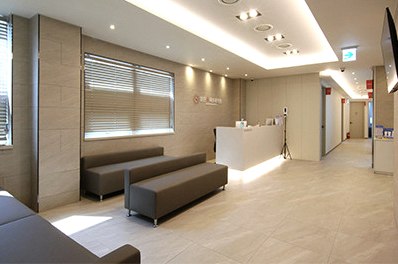
If you are staying in or near Nokbeon-dong in Eunpyeong-gu and need acne scar care, this is a single-doctor neighborhood clinic where Director Lee Hyo-su handles consultations and procedures personally. Treatments combine resurfacing and injectables—for example, fractional laser plus PRP for pitted, atrophic scars, or targeted filler/injection approaches for depressed areas—using the clinic's available devices. The clinic offers evening and weekend hours, which can be convenient if you are visiting Korea for a short stay.
In this guide, you will find an overview of acne scar types, how treatment is usually planned at a local clinic in Nokbeon-dong, what kind of international patient might consider it, how to prepare before you travel, a sample visit timeline, aftercare tips, and answers to common questions.
Understanding acne scars before you visit
Types of acne scars
Acne scars are not all the same, and this is important when you are choosing treatment.
Atrophic scars are the most common type after inflammatory acne. These are depressed scars where the skin surface looks uneven or pitted.
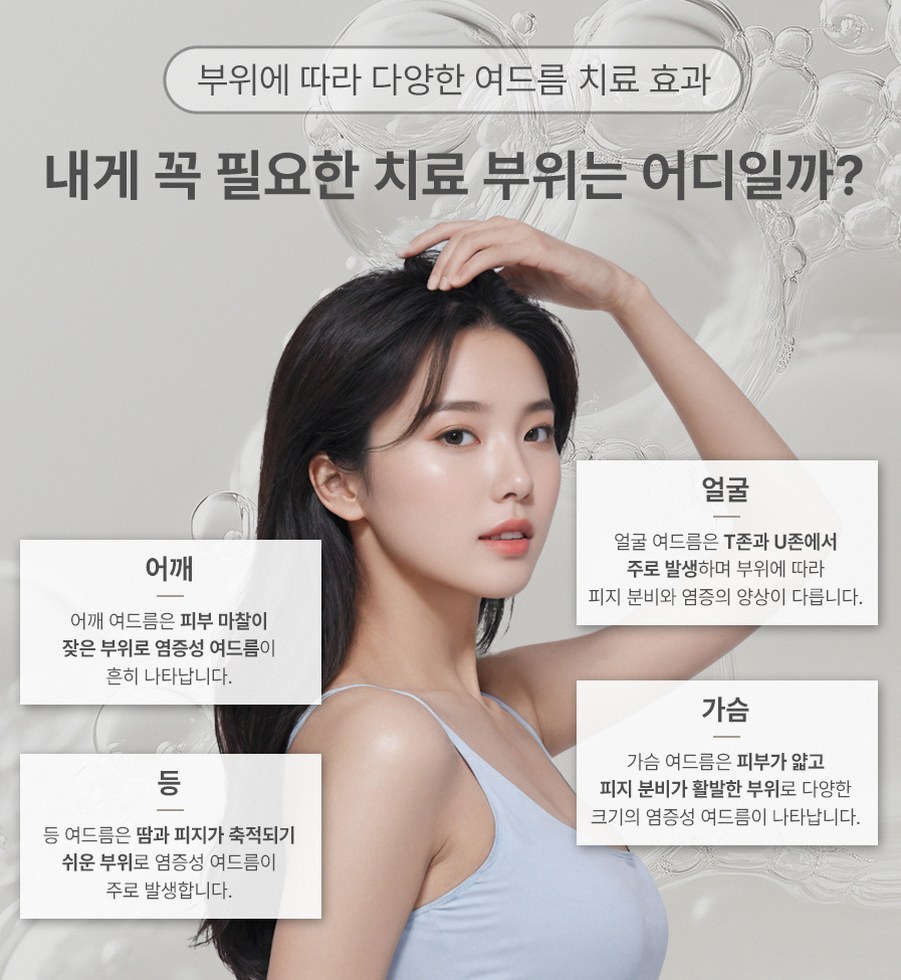
Icepick scars are narrow and deep, like tiny holes.
Boxcar scars are wider with more defined edges, like small craters.
Rolling scars have softer edges and make the skin look wavy or uneven.
Hypertrophic scars are raised and thicker than the surrounding skin. They may appear on the chest, back, jawline, or shoulders.
Post-inflammatory erythema and pigmentation are different from true scars. After acne heals, you may see red marks (erythema) or brown spots (pigmentation). These can fade over time but often remain for months, and they are usually treated differently from deep pits.
When you send photos or visit the clinic in Nokbeon-dong, the doctor will first decide which of these patterns you have, because the treatment plan for red marks is not the same as for deep atrophic scars.
How a local Nokbeon-dong clinic approaches acne scars
Doctor-led, step-by-step care
At this clinic in Nokbeon-dong, Director Lee Hyo-su is the single physician in charge. The same doctor who listens to your concerns also examines your skin and performs or directly supervises the procedures. For many patients who feel nervous about lasers or injections, this continuity can be reassuring.
Because the clinic works as a primary-care style internal medicine and skin practice, it sees both insured skin diseases and cosmetic concerns. This means that acne, eczema, rashes, burns, warts, and hair loss may be treated in the same place as acne scars, pigmentation, and lifting. For acne scars, this background is helpful: the doctor is used to monitoring skin reactions, sensitivity, and inflammation, and can adjust the plan if your skin becomes irritated.
In general, effective acne scar care is not a one-time session. It usually involves several methods over a period of months. The exact combination depends on your scar type, skin tone, pain tolerance, schedule, and budget.
Laser and energy-based treatments
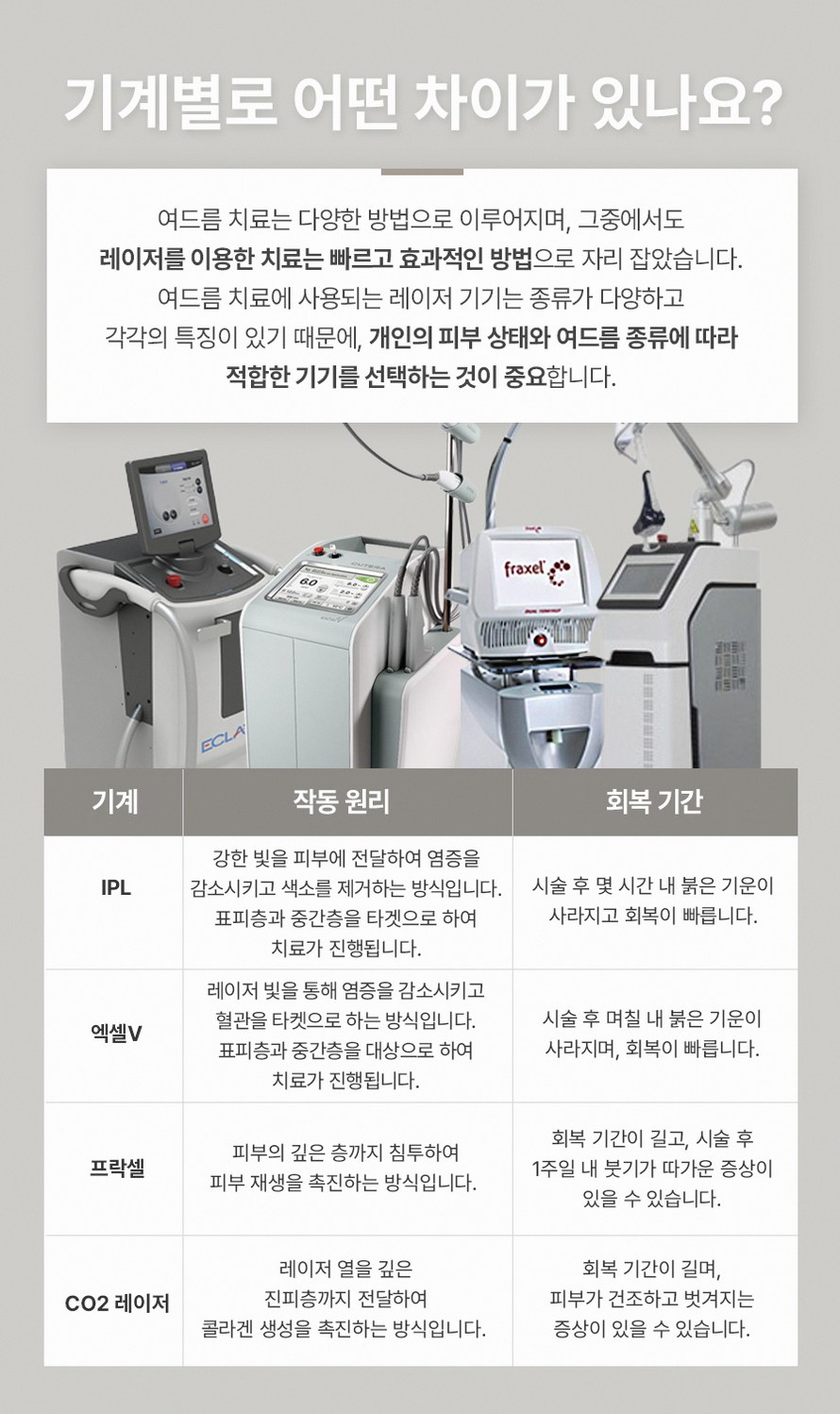
For red or brown marks after acne, toning-type lasers are often used. At this Nokbeon-dong clinic, devices such as Genesis Toning and Alex Toning are available. These can be applied to help reduce the appearance of post-inflammatory erythema and pigmentation, and to support more even skin tone over time.
For uneven texture and pitted atrophic scars, clinicians commonly use fractional lasers or other resurfacing energy devices. The clinic also maintains several lifting systems, including InMode, Shurink Universe, Tense-ra, and Ten Triple, which are used primarily for tightening and contour support. Combining resurfacing treatments with lifting or injectable options can help improve overall skin texture and tone, though outcomes vary by patient.
The exact laser settings, treatment intervals, and treated areas are decided individually. The doctor will usually start with safer, conservative settings and adjust depending on your response.
Injection-based treatments for scars
Some acne scars, especially atrophic scars, may benefit from injection-based treatments that aim to support collagen production and skin regeneration.
At this clinic, options include PRP (platelet-rich plasma), skin boosters such as Rejuran Healer, and products like Juvelook and Juvelook Volume. These are placed into or under the skin to help improve texture and elasticity over time. They do not erase scars completely, but they may help soften the edges of pits and make the surface appear smoother.
These injections can be used alone or in combination with lasers. For example, a patient might receive toning treatments for redness, fractional-type procedures for texture, and periodic skin boosters or PRP to support healing.
Combined approach with lifting and contouring
Some adults with long-standing acne scars also notice sagging or loss of firmness in the cheeks or jawline. In such cases, the doctor may suggest combining scar-focused treatments with lifting or tightening procedures using devices such as InMode, Shurink Universe, Tense-ra, or Ten Triple, or with thread lifting and contour injections.
The idea is not to treat scars in isolation, but to consider the overall facial contour. Improving skin firmness can sometimes make scars less noticeable and give a more refreshed impression, even if the pits themselves are still present to some degree.
The choice of treatment always depends on your age, skin thickness, tolerance for downtime, and what kind of change you are realistically hoping for.
Why active acne and skin disease must be treated together with scars
Controlling inflammation first
If you still have frequent, inflamed acne, treating only the scars is usually not recommended. New breakouts can create new scars, which can cancel out the improvements you gain from procedures.
Because this Nokbeon-dong clinic also treats insured skin conditions, it can address active acne and other skin problems at the same time as planning scar care. This may include prescription medications, anti-inflammatory injections for severe nodules, and management of conditions such as itching, cysts, warts, burns, or alopecia.
Checking for sensitivity and other conditions
A doctor who regularly manages skin disease is used to checking for allergies, photosensitivity, and other medical issues before recommending aggressive treatments. During your consultation, Director Lee can look for signs of very sensitive skin, rosacea-like redness, or other conditions that might increase the risk of side effects from strong lasers or peels.
If needed, the clinic may suggest a period of medical acne control first, followed by a gradual introduction of scar-focused procedures. This stepwise approach can be important for safety, especially for international patients who may not be able to visit frequently.
Who may consider acne scar care in Nokbeon-dong
Typical candidates
You may consider acne scar treatment at this local clinic if:
You have pitted or uneven scars on the cheeks, temples, or jawline after past acne.
You have red or brown marks that have stayed for months after pimples healed.
You prefer a neighborhood clinic with a single doctor rather than a large chain.
You are staying in or near Eunpyeong-gu and want to avoid long trips to downtown areas.
You need evening or weekend appointments because of work or study.
Situations where caution is needed
You may need a more careful or delayed approach if:
You have very sensitive or reactive skin.
You are taking medications that affect healing or increase sun sensitivity.
You have uncontrolled skin disease, severe eczema, or active widespread acne.
You are pregnant or breastfeeding and unsure about which procedures are appropriate.
In these cases, it is important to share your full medical history and current medications during the consultation. The doctor can then decide whether to start with gentle treatments, focus on medical acne control first, or postpone certain procedures.
What to expect during consultation and treatment
Initial online contact and pre-visit questions
Before you travel to Korea, it is helpful to contact the clinic online or by phone. Since there is no official website, most information is available through local map or portal listings. You can ask for an email or messenger contact to send photos.
When you reach out, prepare the following information:
Clear photos of your face in natural light from the front and both sides.
A brief history of your acne: when it started, how severe it was, and what treatments you have tried.
Any past procedures such as lasers, peels, or injections, and how your skin reacted.
Your planned travel dates and how many days you can stay in Seoul.
Your main priorities: for example, reducing red marks, softening deep pits, or improving overall texture.
First in-clinic consultation with Director Lee Hyo-su
When you visit the clinic in Nokbeon-dong, you will first fill out a medical questionnaire. Then Director Lee will:
Review your acne and medical history.
Examine your skin type, scar patterns, and any active acne or inflammation.
Explain which types of scars you have (atrophic, hypertrophic, redness, pigmentation).
Discuss possible treatment options and which ones are realistic within your stay.
At this stage, the doctor will also explain the expected range of improvement, the approximate number of sessions usually needed, and potential side effects such as temporary redness, swelling, pinpoint bleeding, crusting, or risk of pigmentation, particularly in darker skin tones. There is no promise of complete removal, but the goal is gradual, visible improvement.
Designing a personalized plan
Based on your situation, the clinic may suggest a plan such as:
Toning laser sessions (Genesis or Alex Toning) for red and brown marks.
Fractional-type or other energy-based procedures for texture and pits.
PRP, Rejuran, or Juvelook-type injections to support collagen remodeling.
Lifting or tightening treatments if sagging and scars coexist.
Home care including gentle cleansing, moisturizers, sun protection, and possibly topical medications.
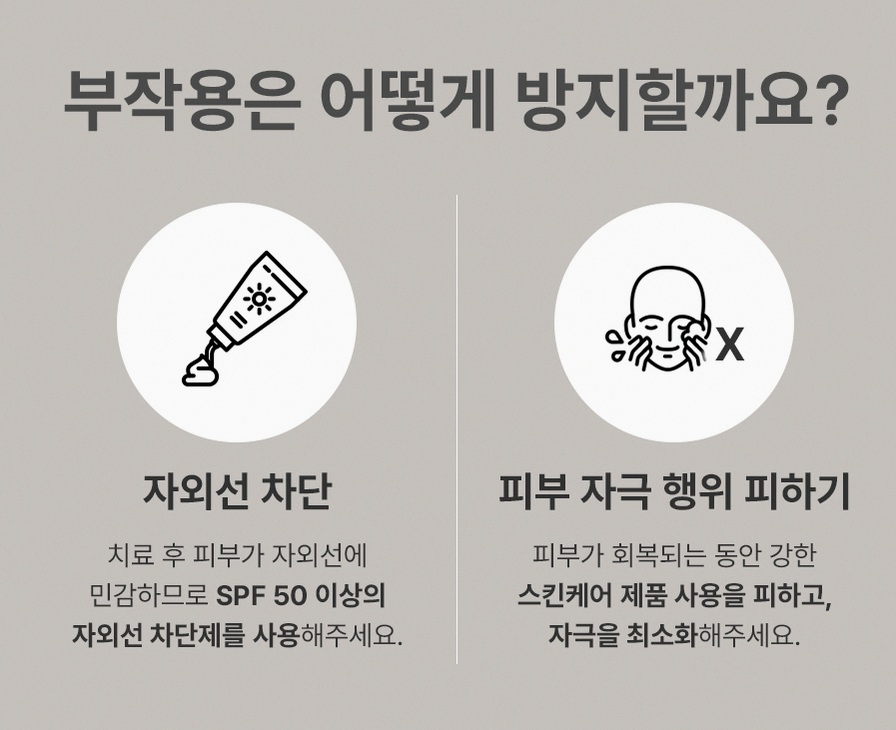
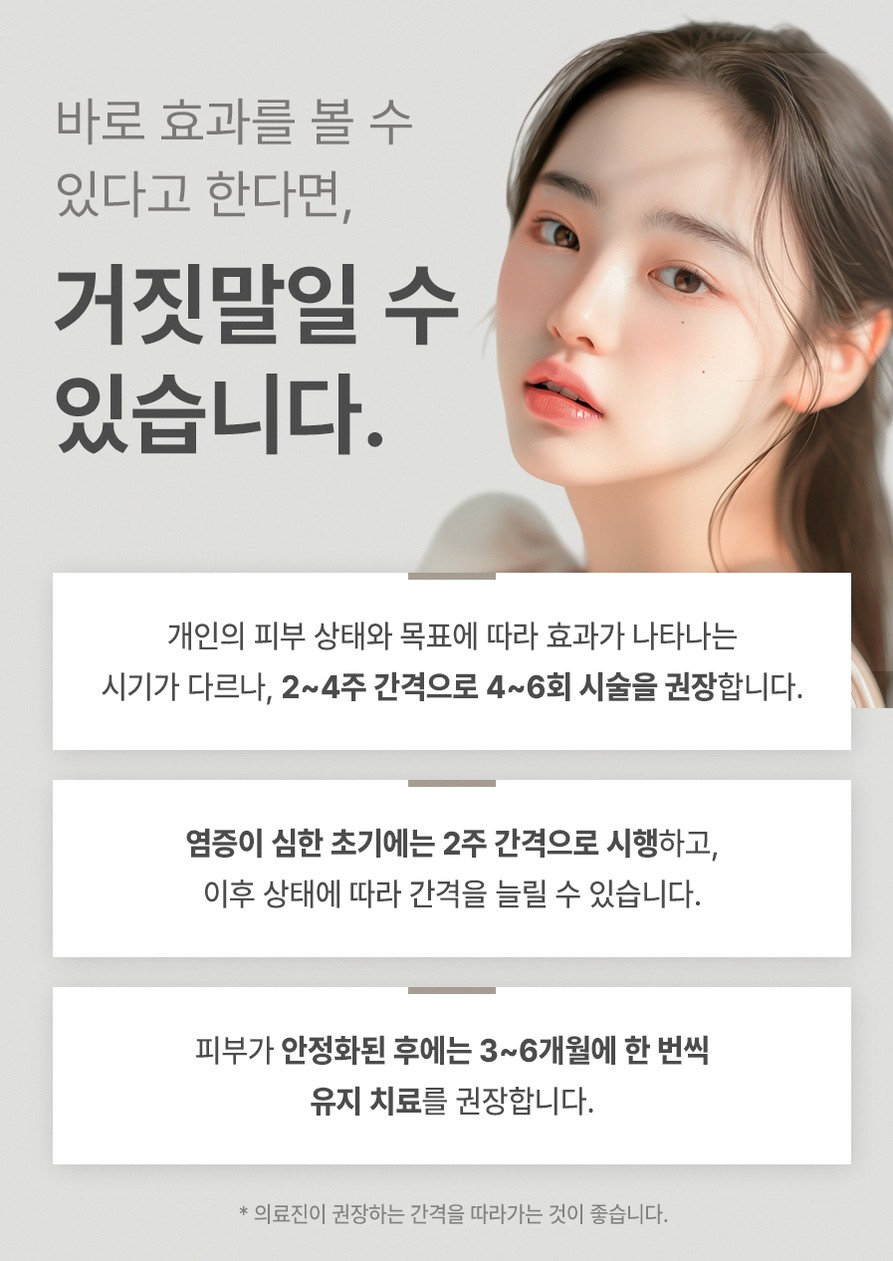
Sessions are usually spaced several weeks apart to allow the skin to recover and to observe changes. For international patients with limited time, the clinic may condense treatments into a shorter period, but still within safe limits.
Pain control and comfort
Some procedures can be performed with minimal or no anesthesia, while others may require topical numbing cream or other methods to reduce discomfort. Pain level varies by procedure and by individual tolerance. The staff will explain what to expect for each step and how long any redness or swelling is likely to last for most patients.
Expected visit timeline for international patients
Short stay of 3–5 days
If you are visiting Korea for less than a week, a realistic plan might include:
Day 1: Consultation, skin assessment, and possibly a first round of gentle treatments such as toning laser or mild procedures with short downtime.
Day 2–3: Observation of skin reaction, optional additional treatment if appropriate and if the skin looks stable.
Day 4–5: Final check, instructions for home care after you return to your country, and planning for possible future visits.
Medium stay of 1–2 weeks
With a slightly longer stay, you may be able to combine:
One or two sessions of toning for redness and pigmentation.
One session of a more intensive texture-focused procedure.
Injection-based treatment such as PRP or a skin booster.
The doctor will space these to allow at least a few days of recovery between more intense procedures.
Longer-term or repeat visits
For deeper scars, multiple visits over several months are usually more effective. Some international patients plan to return to Korea every few months, combining their travel with follow-up sessions. In such cases, the clinic can keep a detailed record of your previous settings and responses to adjust the plan each time.
Aftercare and lifestyle tips
Immediate post-treatment care
After laser or injection procedures, you will usually receive:
Instructions on cleansing and moisturizing.
Guidance on avoiding hot baths, saunas, or intense exercise for a short period.
Advice on not picking at scabs or crusts.
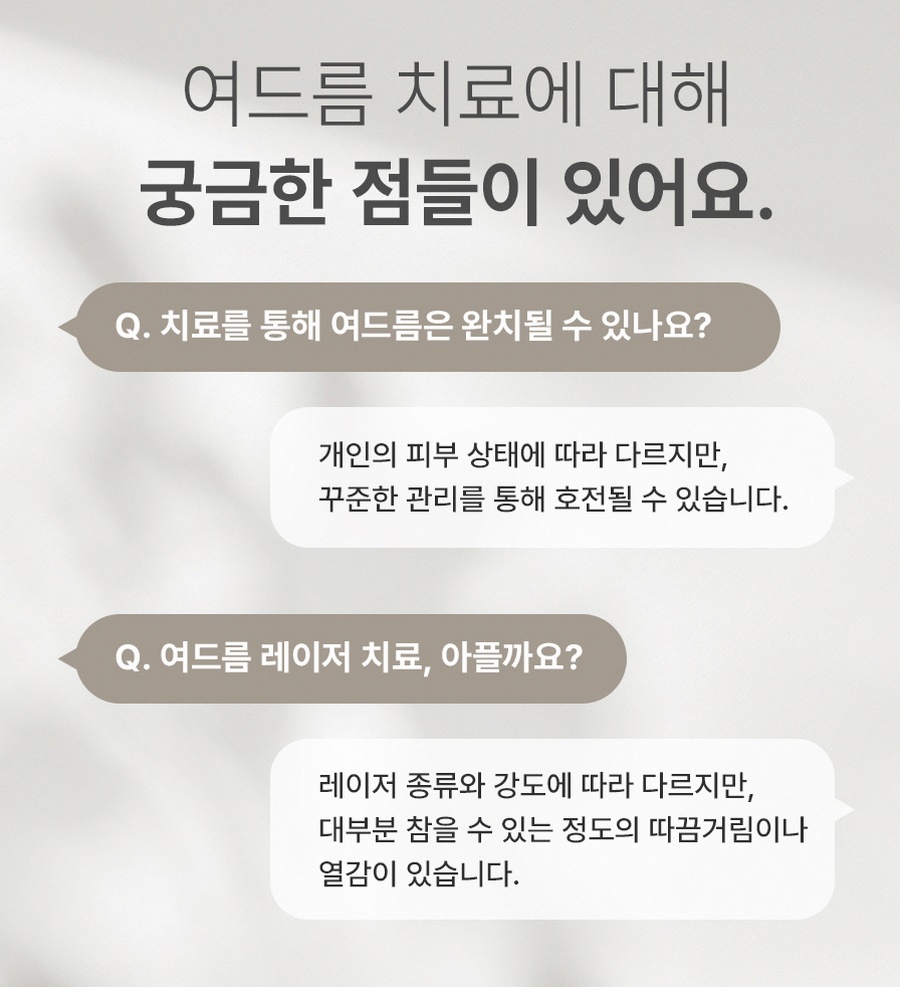
Sun protection is especially important after treatments that affect pigmentation. A broad-spectrum sunscreen, hats, and avoiding strong midday sun can help reduce the risk of darkening.
Long-term care Acne scar improvement is gradual. To support your results:
Maintain a gentle skincare routine without harsh scrubs.
Avoid squeezing pimples, which can cause new scars.
Follow any prescribed acne medications to keep breakouts under control.
Stay in contact with the clinic through email or messaging to report any unusual reactions and to plan future sessions.
Why choose a Nokbeon-dong clinic for acne scars
Local accessibility and atmosphere
For residents or long-stay visitors in Eunpyeong-gu, traveling far into central Seoul can be time-consuming. A neighborhood clinic in Nokbeon-dong offers an accessible option, with a more relaxed atmosphere than some busy downtown cosmetic centers.
Single-doctor system
At this clinic, the single-doctor system means that Director Lee Hyo-su is responsible for your care from start to finish. The same physician who evaluates your scars also performs or oversees the treatments. This continuity can help build trust, especially if you are concerned about side effects or have had mixed experiences elsewhere.
Range of devices in a small clinic
Although it is a single-doctor clinic, the lineup includes lifting devices such as InMode, Shurink Universe, Tense-ra, and Ten Triple; toning lasers like Genesis Toning and Alex Toning; and various injectables including Rejuran Healer, Juvelook and Juvelook Volume, PRP, contour injections, and thread lifting. For acne scars, this means the doctor can choose from multiple tools instead of relying on a single standard package.
Convenient hours
The clinic operates with extended hours that can suit students, office workers, and international visitors:
- Weekdays: 11:00–20:00 (with a lunch break from 14:00–15:00)
- Saturday, Sunday, and public holidays: 11:00–17:00 (no lunch break)
- Closed: Wednesday and Thursday
Because it is closed on Wednesdays and Thursdays, it is important to plan your visit accordingly to avoid a wasted trip.
Practical information and preparation checklist
Location and access
The clinic is located in Nokbeon-dong, Eunpyeong-gu, Seoul, in a neighborhood setting. Exact directions and map links are usually available through local portal map services. For international patients, it can be helpful to save the address in your navigation app and show it to taxi drivers.
Before you contact the clinic, prepare a short checklist:
Your travel dates and available time slots.
Photos of your skin and a summary of past treatments.
Questions about downtime, work or school schedule, and activities you cannot postpone.
Any medical conditions or medications you are concerned about.
Since there is no official website, calling ahead or using a local map/portal messaging system is the best way to confirm current hours, available treatments, and whether English communication is possible on your preferred date.
Frequently asked questions
What kind of acne scars can be treated at a Nokbeon-dong clinic?
A local clinic in Nokbeon-dong can usually address atrophic scars such as icepick, boxcar, and rolling scars, as well as red and brown marks after acne. It may also offer options for some hypertrophic or raised scars, depending on their location and severity. During your consultation, the doctor will examine your skin and explain which types of scars you have and which methods are likely to help.
How many sessions are usually needed for acne scars?
Acne scars typically require multiple sessions over several months. Some patients notice visible changes after a few treatments, while deeper scars may need a longer course. The exact number depends on scar depth, skin type, and how your skin responds. The clinic will usually suggest a step-by-step plan and adjust it based on your progress rather than promising a fixed number of sessions.
Is acne scar treatment painful, and is there downtime?
Most procedures involve some level of discomfort, but methods to reduce discomfort, such as topical numbing cream or cooling, can be used. Toning lasers for redness often have relatively mild sensations and short downtime for many patients. More intensive texture-focused treatments may cause temporary redness, swelling, or small scabs that can last several days. The doctor will explain the expected recovery time for each option so you can plan around work or travel.
Can I start acne scar treatment while I still have active acne?
If you have a few small pimples, some scar treatments may still be possible, but if you have frequent, inflamed acne, the clinic will usually focus on controlling active acne first. Treating scars while new breakouts continue can lead to new marks and may not be efficient. Because this Nokbeon-dong clinic also treats medical skin conditions, it can combine acne control and scar planning, but the order and timing will be decided after examining your skin.
Soft call to action for online consultation
If you are considering acne scar care during your stay in Korea and would like a doctor-led, step-by-step plan in a neighborhood setting, you can contact the Nokbeon-dong clinic in advance with your photos and travel dates. An online or phone consultation before you arrive can help you understand what is realistic within your schedule and prepare a treatment plan that fits your skin type and lifestyle.
This article is for general information only and does not replace a personal consultation with a qualified doctor. Actual diagnosis and treatment options should always be decided after a face-to-face examination and discussion of your individual condition.
- 공유 링크 만들기
- X
- 이메일
- 기타 앱


댓글
댓글 쓰기