How a local Daejo-dong clinic treats scars over months
- 공유 링크 만들기
- X
- 이메일
- 기타 앱
Direct answer summary
If you are living in or near Daejo-dong and have long-lasting acne scars, it is possible to treat them in a neighborhood clinic setting in Seoul without traveling far into the city center. A clinic such as Malgeunsu Clinic in Eunpyeong-gu can evaluate your skin, calm any remaining acne, and then combine methods like laser toning, energy-based devices, injections, and skincare procedures over several months to gradually soften pitted scars and even out color.
Why acne scars need a different approach than active acne
Active acne and acne scars are related, but they are not the same problem. Active acne means inflamed bumps, whiteheads, blackheads, and cysts that are still forming. Acne scars are the marks that remain after inflammation has calmed down.
There are several types of acne-related changes.
Atrophic scars are depressed or pitted scars. Ice-pick scars are narrow and deep, like tiny holes. Boxcar scars have sharp edges and look like small craters. Rolling scars are more shallow and create a wavy texture on the skin.

Hypertrophic scars are raised and thicker than the surrounding skin. Some people also have a tendency to form keloids, where scars grow beyond the original area.
Post-inflammatory erythema refers to lingering red marks after acne. Post-inflammatory hyperpigmentation refers to brown or darker spots that remain after a pimple heals. These are not true pits, but they can be just as bothersome.
Because these problems are different, they need different approaches. Oily, inflamed skin with fresh pimples needs acne control first. Deep pits may require energy-based treatments or injections. Red or brown marks often respond better to toning lasers and careful skincare.
Early control of active acne is very important before starting aggressive scar procedures. If new pimples keep appearing, they can create new scars faster than existing scars can be improved. A clinic that also manages skin disease can check for ongoing inflammation, infection, or other skin conditions such as dermatitis or sensitivity before planning scar treatment. This helps reduce the risk of flare-ups when stronger procedures are used.
How acne scars are evaluated in a neighborhood skin clinic
When you visit a local clinic in Daejo-dong or nearby Eunpyeong-gu for acne scars, the first step is a careful evaluation rather than immediate procedures. The doctor will usually ask how long you have had acne, what treatments you have tried, your skin type, and any medications or supplements you are taking.
The skin is then examined under good lighting. The doctor looks for several things at the same time: whether there is still active acne, what types of scars are present, and whether there are red or brown marks in addition to pits.
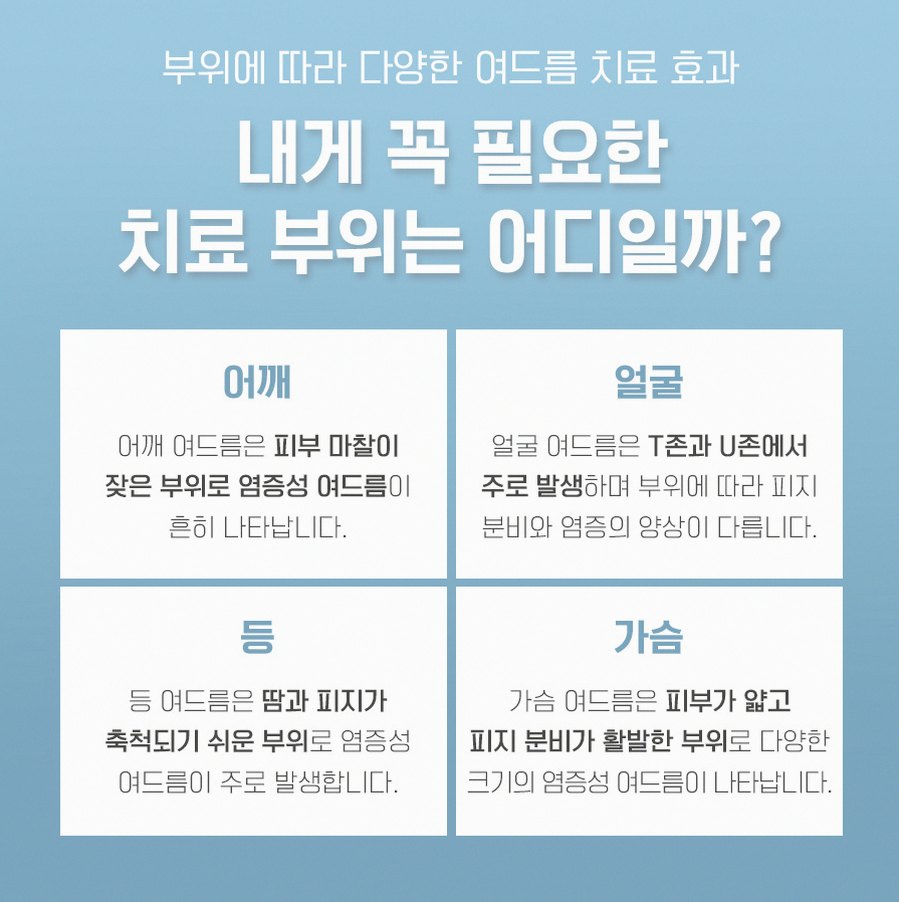
Red marks are often a sign of recent inflammation and small blood vessels. Brown marks are related to pigment. True depressions are structural changes in the skin where collagen has been lost. Each of these needs a different combination of treatments.
The doctor also checks for signs of very sensitive skin, a history of allergies, or a tendency to form thick or keloid scars. This is important because some people need gentler settings, longer intervals between sessions, or a limited choice of procedures.
In a primary-care style clinic that handles both insured skin disease and cosmetic care, the same doctor who treats conditions like inflammation, cysts, burns, or alopecia is also the person planning your acne scar procedures. This continuity can help build trust, because the doctor already understands how your skin reacts and can adjust the plan if you have flares or side effects.
Treatment options for acne scars: from toning to injections
Acne scar treatment in a neighborhood clinic near Daejo-dong usually does not rely on a single machine or one-time procedure. Instead, several methods are combined over time, depending on the type and depth of scars, your skin condition, and your tolerance for discomfort or downtime.
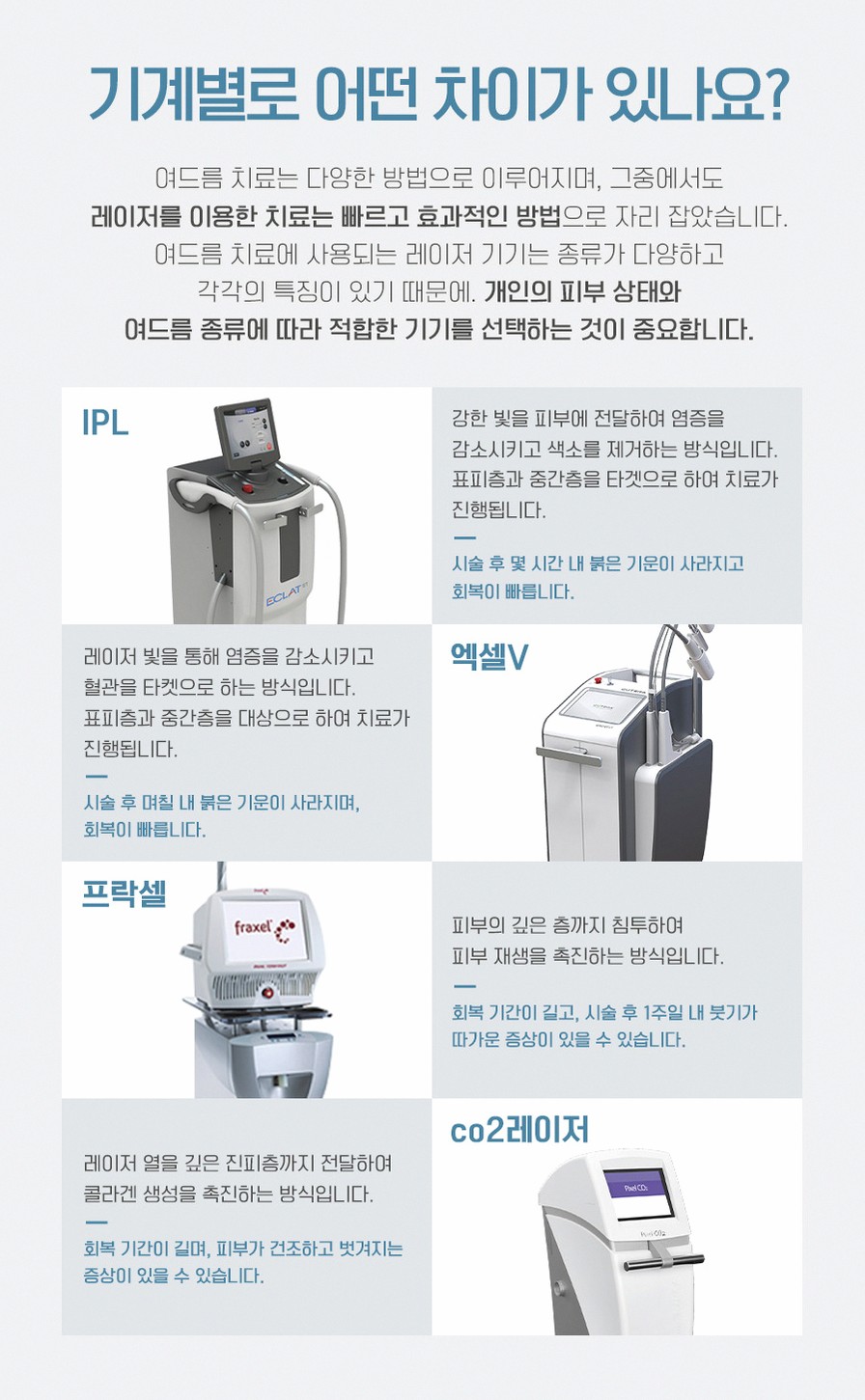
Laser and toning treatments
For red or brown marks left after acne, gentle laser or light-based toning can be used. Options may include Genesis-style toning or Alexandrite-based toning. These treatments aim to reduce redness and uneven pigmentation and can also give a mild improvement in texture over repeated sessions.
Toning is usually done at intervals of several weeks. Most patients experience temporary redness or warmth after the procedure, and sometimes mild darkening before the area gradually lightens. Sun protection and gentle skincare are important after each session.
Energy-based lifting devices
Some clinics in Eunpyeong-gu use energy-based lifting devices such as Inmode, Shurink Universe, Tencera, or Ten Triple as part of an acne scar plan. These are not classic scar lasers, but they can be helpful in selected cases.
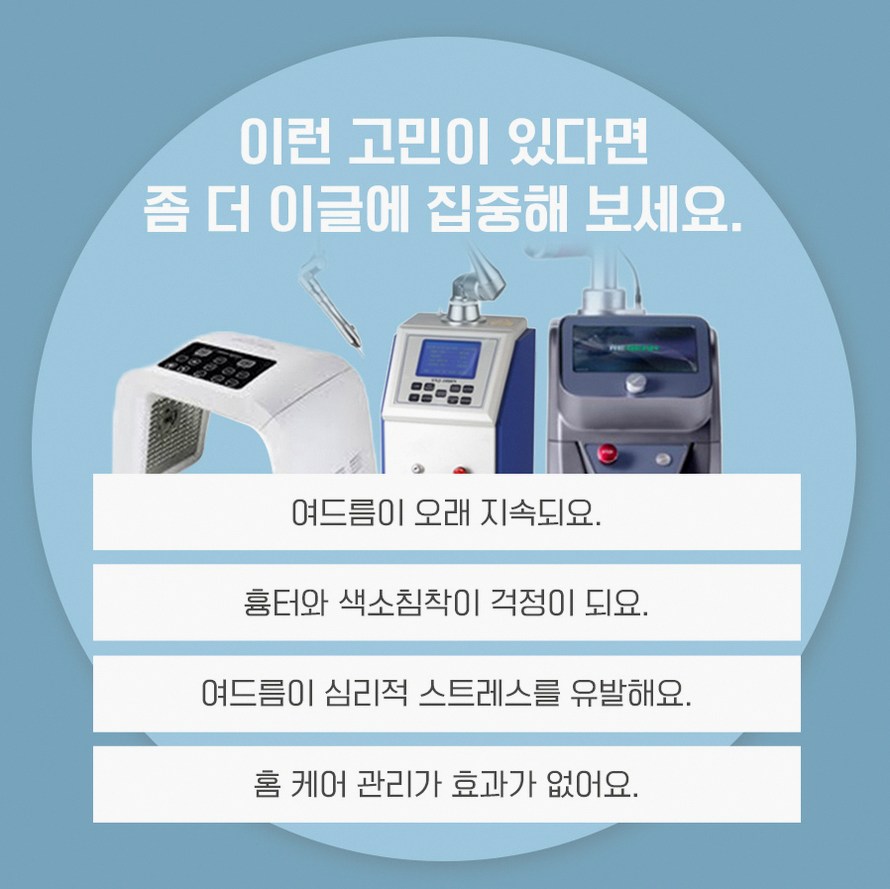
By delivering focused energy into deeper layers of the skin, these devices may support skin tightening and collagen remodeling. For patients with mild laxity, enlarged pores, or shallow rolling scars around the cheeks, combining these devices with other scar-focused treatments can contribute to an overall smoother look.
Because they are not specifically designed for deep pits, they are usually used as an adjunct, not the only treatment. Settings and shot counts are adjusted based on skin thickness, sensitivity, and the areas being treated.
Injection-based treatments
For texture and regeneration, injection-based treatments may be suggested. Skin boosters such as Rejuran Healer or similar products, and PRP (platelet-rich plasma), are examples. These are injected into or under the skin to support regeneration and hydration.
Some patients notice gradual improvement in fine texture, glow, and the appearance of shallow scars over a series of sessions. However, responses vary, and they are not a guarantee for deep scar removal. The doctor will usually plan several sessions spaced weeks apart, with topical anesthetic cream beforehand to reduce discomfort.
Fillers and volumizing injectables
For certain depressed scars, especially broader, shallow depressions, volumizing injectables can be considered. Products such as Juvelook volume or similar fillers may be placed under the scar to lift the depression and smooth the surface.
This approach is often combined with other treatments. It can be useful when there is a clear volume deficit under the scarred area. The choice of product, depth of injection, and amount used depend on your skin thickness and the pattern of scars.
Basic procedures and supportive skincare
Alongside devices and injections, basic care remains essential. If you still have active acne, medical acne treatment is usually prioritized. This may include topical or oral medications, depending on your situation, and in some cases can be covered by insurance.
Flat warts, milia, or pigmentation spots around the acne area may also be treated if they interfere with overall skin clarity. Hydrating procedures such as Aqua peel, water-drop lifting, or moisture care can support the skin barrier, help with dryness or roughness, and prepare the skin for stronger procedures.
These supportive treatments do not replace scar procedures, but they can make the skin more resilient and comfortable, which is important when you are undergoing repeated sessions over several months.
How a local clinic like Malgeunsu Clinic may approach acne scars
In Daejo-dong and the wider Eunpyeong-gu area, many patients prefer a clinic that feels like a neighborhood medical practice rather than a large chain. A clinic like Malgeunsu Clinic combines insured skin disease care with cosmetic procedures such as acne management, scar treatments, lifting, and injectables.
One characteristic is the one-doctor system. Director Lee Hyo-su personally conducts the consultation, designs the plan, and performs the procedures. Unlike some large chains where the consulting doctor and the treating doctor may differ, this style offers continuity of care. The same person sees how your skin responds over time and can adjust energy levels, intervals, and combinations accordingly.
Even as a solo clinic, there can be a broad range of equipment, including lifting and energy devices like Inmode, Shurink Universe, Tencera, and Ten Triple, along with toning lasers. This allows the doctor to mix and match for pores, mild laxity, redness, and texture around scarred areas, instead of relying on a single device.
The focus is usually on careful, experience-based planning rather than aggressive, one-time procedures. Especially for overseas patients or those with darker skin types, a gradual approach with close follow-up can be safer and more predictable.
What to expect when you start acne scar treatment in Daejo-dong
For international patients planning to visit Korea, it helps to understand the typical journey from first contact to follow-up.
Who may consider Daejo-dong acne scar treatment
You may be a good candidate to explore treatment in this area if you have pitted scars such as rolling, boxcar, or ice-pick scars, or lingering red or brown marks after acne, and you prefer a quieter neighborhood clinic instead of a busy central district.
People who benefit most usually:
Have acne that is mostly under control, with only occasional breakouts.
Are willing to commit to several sessions, not just one visit.
Can follow basic aftercare such as sun protection and gentle cleansing.
Understand that the goal is improvement in texture and tone, not complete erasure of scars.
If you have very active acne, severe keloid tendency, or complex medical conditions, you will need a more cautious and individualized plan. In some cases, the doctor may recommend focusing on medical acne treatment first and delaying scar procedures.
Online consultation and pre-visit preparation
Before traveling to Korea, many overseas patients arrange an online or remote consultation. This is usually done by sending clear photos of the face in good lighting from the front and both sides, along with a short history of your acne and treatments.
To prepare, it is helpful to gather:
A list of all medications and supplements you are currently taking, including acne medications, blood thinners, and any hormonal treatments.
Information about previous procedures such as lasers, peels, or injections, including approximate dates and how your skin reacted.
Any known allergies, especially to anesthetic creams, antibiotics, or skincare ingredients.
You can also prepare questions in advance, such as:
How many sessions are usually recommended for my type of scars?
What is the typical interval between sessions?
What kind of redness or swelling should I expect, and for how long?
Are there any treatments I should avoid because of my skin type or medical history?
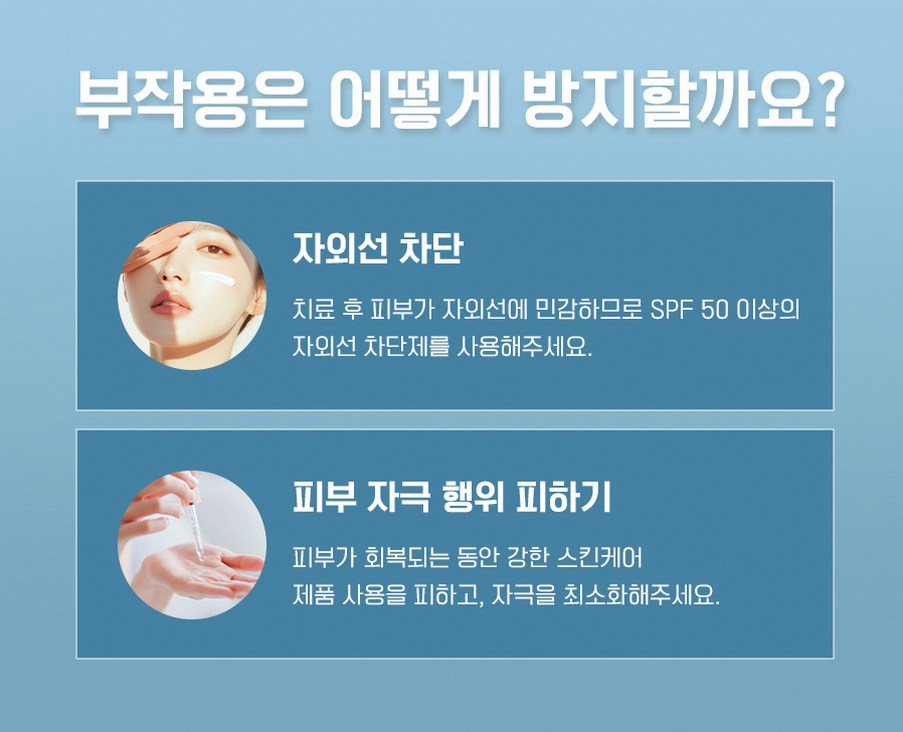
Sharing this information allows the clinic to suggest a realistic treatment window that matches your travel schedule.
Expected Korea visit timeline for acne scar care
If you are staying in Korea for a short period, for example two to three weeks, the plan may focus on one or two key sessions that fit safely within your stay. If you can return to Korea several times a year, a longer-term staged plan is possible.
A typical first in-person visit in Daejo-dong includes:
Detailed consultation and skin examination.
Checking for active acne, sensitivity, or infection.
Clarifying your priorities: texture vs redness vs pigmentation.
Planning which procedures can be done during your stay.
On the same day, some patients may receive gentle treatments such as toning or basic care. More intensive procedures might be scheduled on another day to allow time for patch testing or for you to consider the plan.
Between sessions, there are usually intervals of several weeks to let the skin recover and to see how it responds. For overseas patients with limited time, the doctor may prioritize the most suitable combination for that visit and then give guidance for home care until your next trip.
Pain, downtime, and aftercare
Topical anesthetic cream is commonly used for some acne scar procedures to help reduce discomfort, though the specific anesthesia method depends on the treatment and the clinic. Sensitivity varies by person; during procedures you may feel sensations such as heat, tingling, or an elastic snap on the skin.
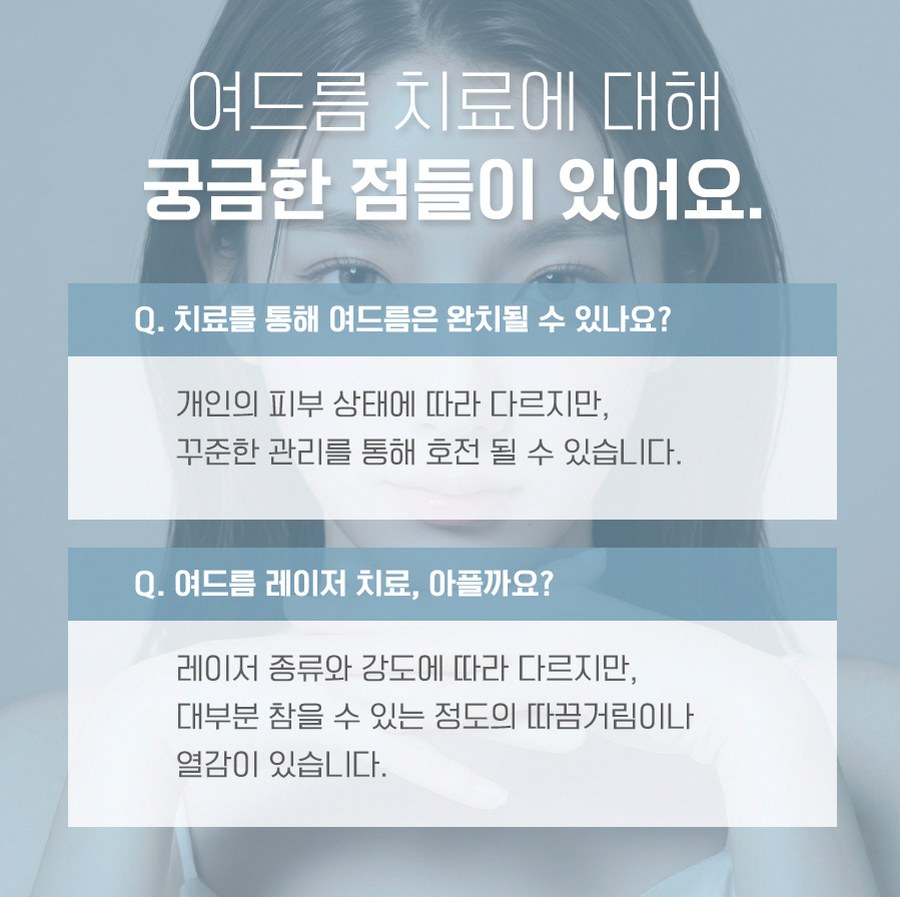
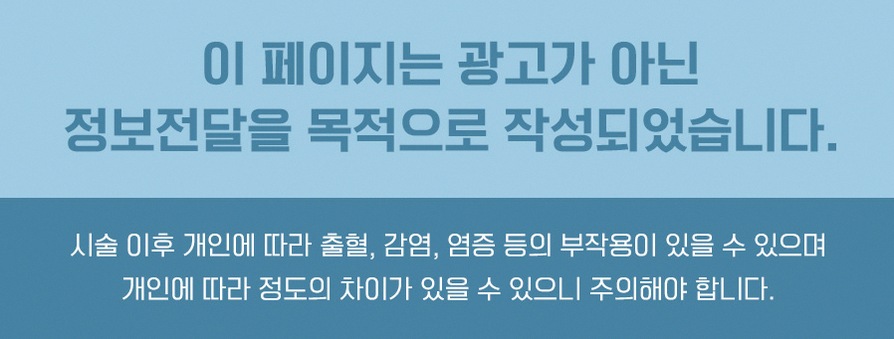
After treatment, it is common to have temporary redness, mild swelling, or a feeling of tightness. In some cases, there can be temporary darkening of spots before they lighten. The doctor will usually advise you to avoid saunas, hot baths, and intense exercise for a short period after certain procedures.
Basic aftercare usually includes:
Gentle cleansing with a mild, non-irritating cleanser.
Regular use of moisturizer to support the skin barrier.
Daily sunscreen with adequate protection, reapplied as needed.
Avoiding picking, scratching, or rubbing treated areas.
If you are flying soon after treatment, you may want to schedule stronger sessions earlier in your trip so that redness and swelling can settle before your return flight.
Local convenience factors for Daejo-dong residents
For residents of Daejo-dong and nearby Eunpyeong-gu neighborhoods, one advantage of a local clinic is convenience. You do not need to travel long distances for repeated sessions, which is important because acne scar treatment usually requires multiple visits.
Malgeunsu Clinic hours: Weekdays 11:00–20:00 with a lunch break from 14:00–15:00; closed on Wednesday and Thursday. Saturdays, Sundays, and public holidays 11:00–17:00 (no lunch break). Because hours can change, please confirm the current schedule on the clinic's Naver Place before visiting.
It is important to note that this type of clinic may be closed on certain weekdays, for example Wednesdays and Thursdays, so checking the schedule in advance can prevent wasted visits. Many local patients find directions and updated information through Naver Place, as there is no official homepage.
Safety, expectations, and who should be cautious
Acne scar treatment is a process, and results vary. Improvement depends on scar severity, skin type, chosen methods, and how consistently you follow the recommended schedule.
People with a strong keloid tendency, very sensitive or reactive skin, or medical conditions such as autoimmune disease or blood clotting disorders need careful assessment. Some medications, like certain blood thinners or isotretinoin, may affect the timing or choice of procedures.
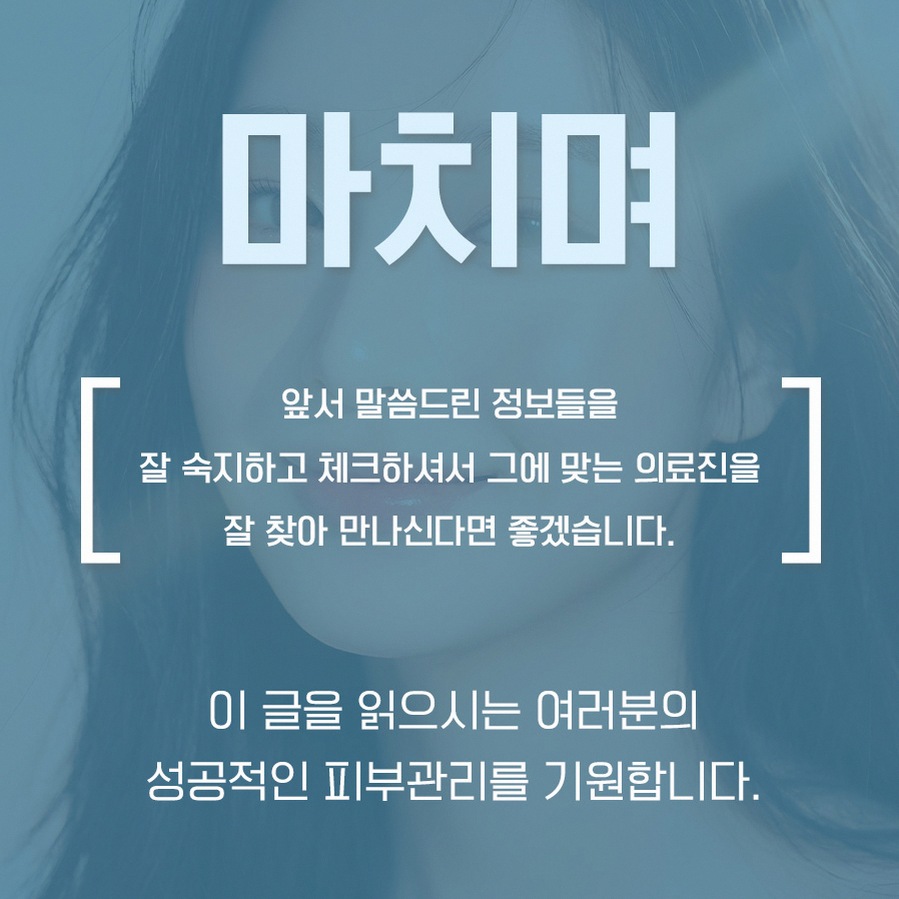
It is important to understand that no treatment can promise complete cure or permanent removal of scars. The realistic goal is to reduce the appearance of scars, improve texture, and even out tone so that makeup sits better and bare skin looks smoother in daily life.
If you are considering additional services such as whitening or vitamin infusion drips, keep in mind that these are usually positioned as supportive care that may help with fatigue or general well-being, not as direct acne scar solutions.
Frequently asked questions about Daejo-dong acne scar treatment
How many sessions do I usually need for acne scars?
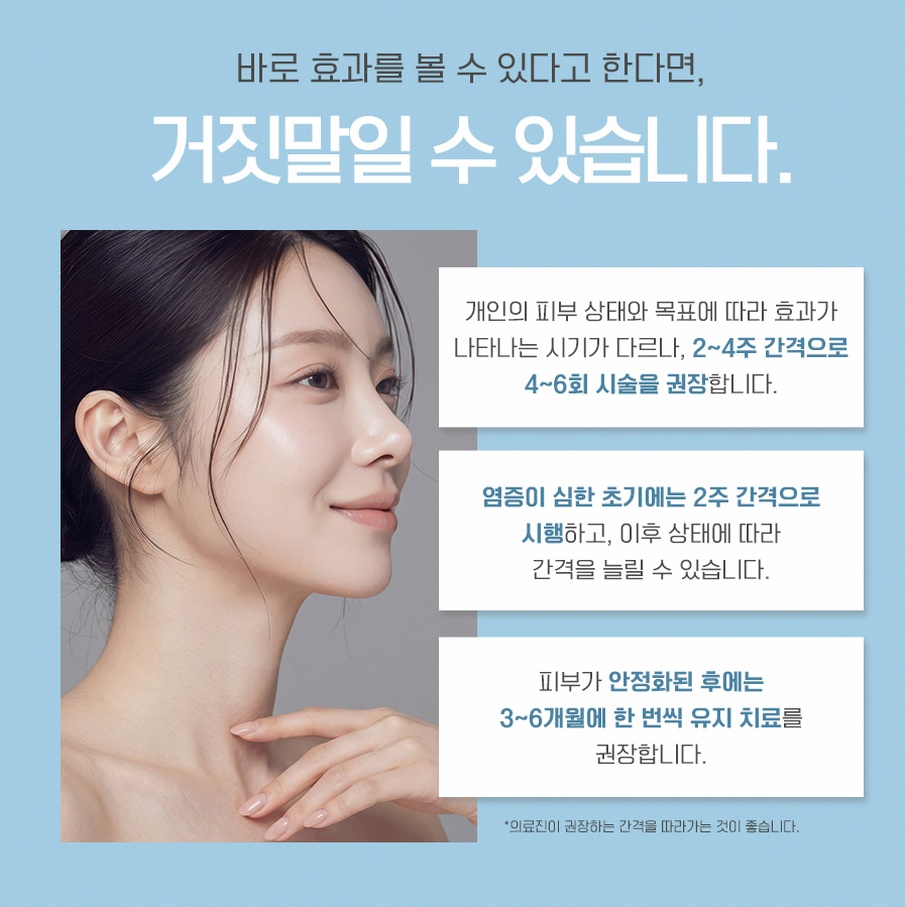
The number of sessions depends on how deep and widespread your scars are. Many patients need several treatments over a period of months to see noticeable changes. For example, toning for red or brown marks might be done every few weeks, while energy-based or injection treatments may be spaced out more. During consultation, the doctor can suggest a rough range based on your skin and travel schedule.
Can I treat active acne and scars at the same time?
In many cases, basic acne control and gentle scar-related treatments can be done together. However, if you have frequent, inflamed breakouts or cysts, the priority is usually to calm active acne first. Treating scars aggressively while acne is still very active can lead to new marks and irritation. A clinic that also manages skin disease can help balance both goals in one plan.
Is acne scar treatment safe for darker skin tones?
Darker skin can be more prone to pigmentation changes, so settings and treatment choices need to be adjusted carefully. Gentler energy levels, longer intervals, and a focus on sun protection are especially important. Many patients with darker skin still benefit from scar treatment, but the doctor may avoid certain aggressive methods and monitor your response closely.
How should I choose a clinic in Daejo-dong for acne scars?
When comparing clinics, look beyond price alone. Check whether the same doctor will follow you from consultation to treatment, what types of devices and injection options are available, and how they explain risks and aftercare. It can be helpful to ask about expected downtime, pain control, and how they adjust plans for overseas patients with limited time in Korea. Reading recent reviews and confirming opening days and hours can also prevent inconvenience.
Soft call to action for online consultation
If you are an overseas patient planning a visit to Seoul and interested in acne scar treatment while staying near Daejo-dong, arranging an online consultation in advance can make your trip more efficient. Malgeunsu Clinic does not have an official website; Naver Place is the clinic’s primary online channel — use it to contact the clinic and, if requested, send clear photos (good lighting, front and both sides), a brief acne/treatment history, and your available dates so the clinic can outline a realistic, step-by-step plan.
Whether you are aiming to soften deep pits, reduce red marks, or simply make your skin texture more even, consistent, doctor-led care in a local neighborhood clinic can be a practical path. Preparing questions, understanding that improvement takes time, and choosing a clinic that values careful planning will help you make the most of your acne scar treatment in Eunpyeong-gu.
- 공유 링크 만들기
- X
- 이메일
- 기타 앱


댓글
댓글 쓰기