Galhyeon-dong acne review style guide for overseas patients in Korea
- 공유 링크 만들기
- X
- 이메일
- 기타 앱
Direct answer summary
It covers how the first consultation is usually done, how treatment plans are decided, what in-clinic acne and scar procedures may feel like, how the skin can change over several visits, and what to expect in terms of schedule and convenience. It is written for international patients who may be staying in Korea for a short or medium period and want both medical acne control and cosmetic scar care in one place.
This is not a promise of results, but a practical explanation of typical processes so you can decide whether this style of clinic and treatment rhythm suits your situation.
Overview of acne treatment in a neighborhood clinic
In the Galhyeon-dong area of Eunpyeong-gu, many people look for a clinic that feels like a primary-care skin clinic rather than a large cosmetic chain. A typical neighborhood clinic in this area manages both insured skin problems such as warts, corns, burns, cysts, and scalp issues, and also cosmetic concerns like acne, acne scars, lifting, and pigmentation.
For acne, care usually has two big phases. The first phase focuses on active acne: calming inflammation, reducing new breakouts, and preventing painful cysts as much as possible. The second phase focuses on marks and scars left behind: redness, brown spots, and uneven texture. Many neighborhood clinics operate as solo-doctor practices; at the advertiser clinic, for example, head physician Dr. Lee Hyo-su oversees care from the initial consultation through treatments.
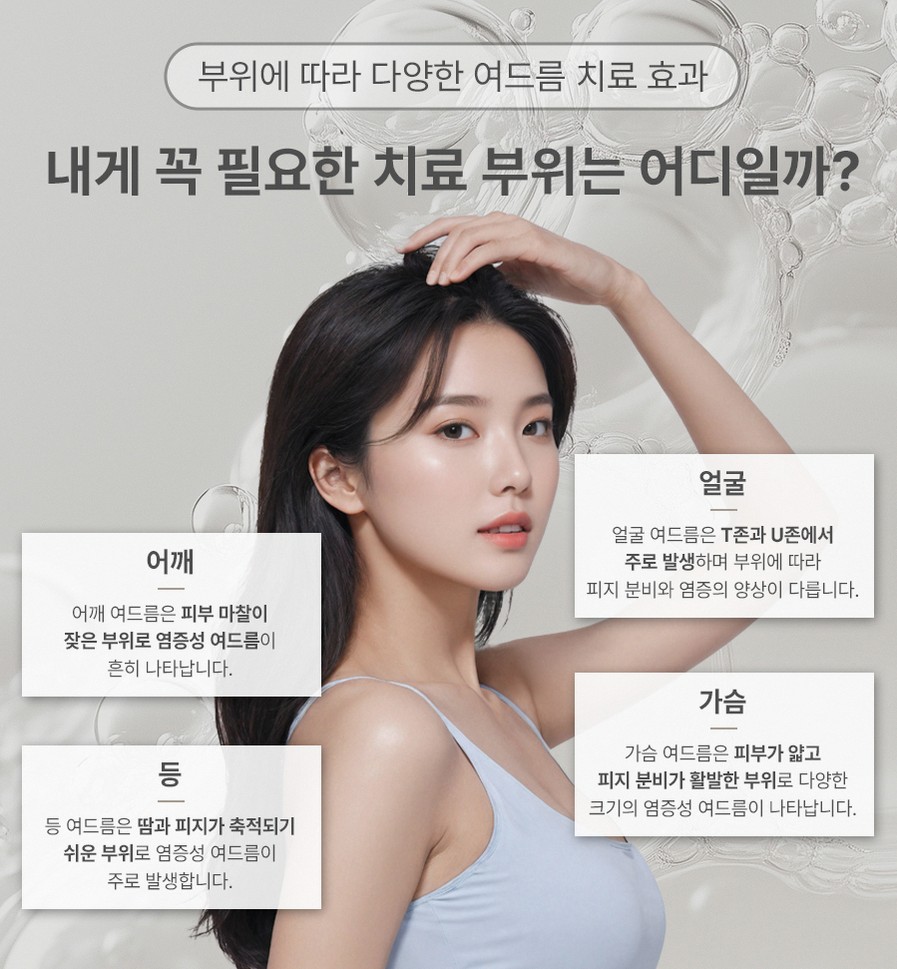
Because the same doctor also sees many other skin diseases, they can usually distinguish between typical acne and other conditions that look similar, such as folliculitis or certain rashes. This can be useful for international patients whose skin may react differently to climate, stress, or new products while staying in Korea.
Who may consider acne treatment in Galhyeon-dong
International patients might consider an acne-focused visit to a Galhyeon-dong clinic if they fall into one of these groups:
Students staying in Eunpyeong-gu or nearby who have persistent breakouts that are not improving with basic skincare.
Office workers or interns who finish late and need evening appointments up to around 20:00 on weekdays.
Adults with long-standing acne who now also have scars, redness, and pigmentation and want a combined plan.
People who prefer a smaller, solo-doctor clinic over a large chain, and want continuity with the same doctor at each visit.
Because the clinic style is primary-care oriented, it may suit those who want both medical prescriptions and in-clinic procedures in one place, without traveling into busy city centers.
First visit: consultation and diagnosis
When you visit a Galhyeon-dong acne clinic for the first time, the consultation usually starts with a detailed discussion rather than immediate procedures. The head doctor typically asks about:
How long you have had acne and where it appears (forehead, cheeks, jawline, back, chest).
Your current skincare routine, including cleansers, toners, exfoliants, and any acne products.
Previous treatments such as antibiotics, hormonal medications, or procedures in other countries.
Lifestyle factors like stress, sleep, diet, mask use, and makeup habits.
Any medications you are currently taking and any known allergies.
Because the clinic also treats a wide range of skin conditions, the doctor will usually check whether your breakouts are classic acne or whether there are overlapping problems like sensitivity, dermatitis, or fungal issues. This can influence which products and procedures are safe for you.
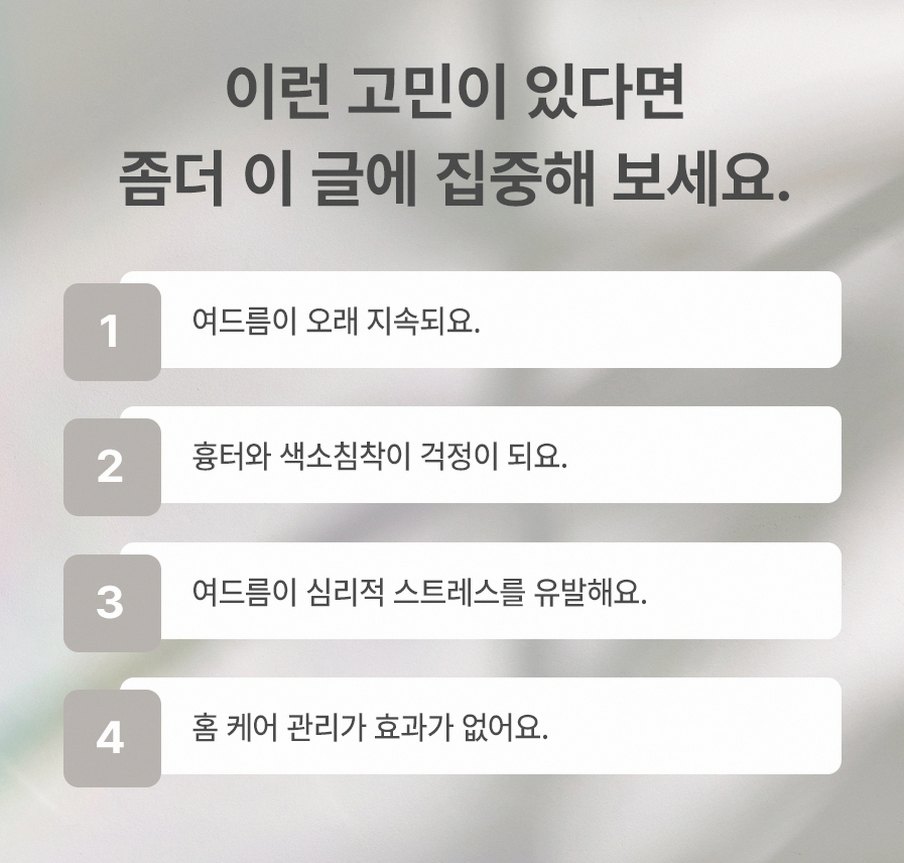
After examining your skin, the doctor typically explains a step-by-step plan. This may include:
Topical treatments such as prescription creams or gels.
Oral medications if needed, such as anti-inflammatory or anti-acne tablets, depending on your health status.
In-clinic procedures for active acne, such as gentle extraction, anti-inflammatory injections for certain lesions when appropriate, or calming treatments.
Later-stage procedures for scars and pigmentation, such as laser toning or skin boosters, once inflammation is under better control.
The doctor usually explains the pros and cons of each option, how often you would need to come, and roughly how long it may take before you notice changes. For international patients, this is the time to explain how long you will stay in Korea so the plan can be adjusted to your schedule.
How treatment plans are decided
Treatment combinations are not the same for everyone. In a solo-doctor clinic, the head doctor generally decides the plan after seeing your skin in person and considering:
Your skin type: oily, dry, combination, or sensitive.
Severity and type of acne: whiteheads, blackheads, papules, pustules, cystic lesions.
Presence of existing scars: shallow pits, deeper scars, or mainly red and brown marks.
Lifestyle and schedule: how often you can visit, whether you can avoid sun exposure after procedures, and whether you can follow home-care instructions.
For example, if your main problem is frequent inflamed pimples, the plan may focus on medical control with topical and oral medication plus in-clinic treatments to calm inflammation. If your acne is relatively calm but you have many marks and uneven texture, the doctor may suggest more focus on laser toning, scar procedures, or skin boosters that aim to improve texture and pigmentation.
In-clinic acne procedures: what it feels like
Active acne care sessions
During an acne session for active breakouts, the general flow often looks like this:
Cleansing: Staff or the doctor removes makeup and sunscreen and gently cleanses the skin.
Assessment: The doctor checks which lesions are suitable for extraction or local care that day.
Extraction: Some clogged pores and comedones may be gently extracted. This can feel slightly uncomfortable, but it is usually done carefully to avoid unnecessary trauma.
Anti-inflammatory care: For certain inflamed lesions, the doctor may use targeted injections or devices to help reduce swelling and redness, when appropriate.
Calming care: After procedures, soothing packs, cooling devices, or calming products are often applied to reduce heat and irritation.
Pain levels vary by person and by procedure. Many treatments can be done with minimal anesthesia or numbing cream, depending on your sensitivity and the type of device used. Staff usually explain each step so you know what to expect and can ask to pause if you feel too much discomfort.
Scar and pigmentation care sessions
Once active inflammation is more stable, the focus can gradually shift to scars and marks. Options that may be discussed include:
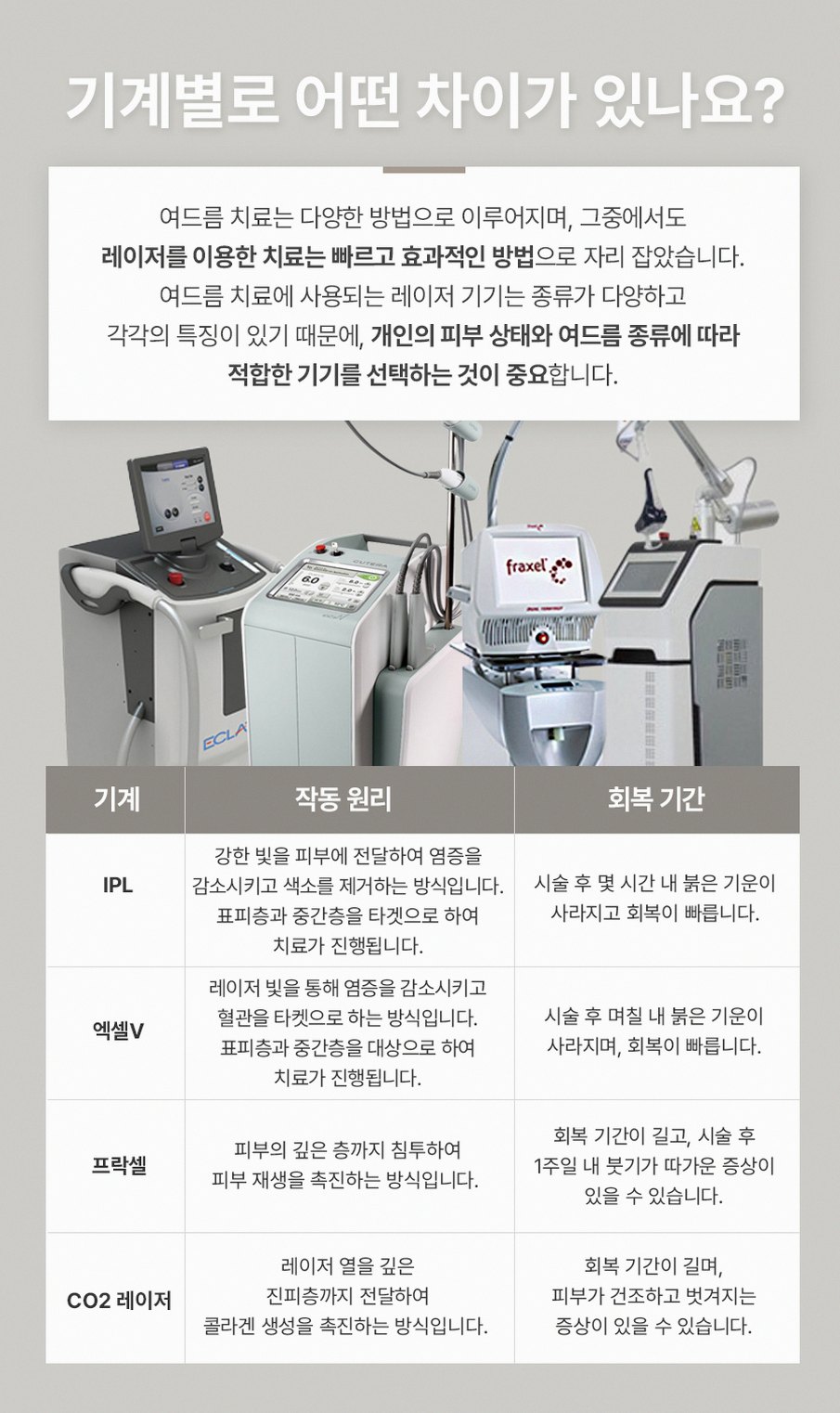
Laser toning, such as Genesis-style toning or Alexandrite-based toning, which aims to help with redness, pigmentation, and overall tone.
Collagen-stimulating treatments and skin boosters, such as Rejuran or Juvelook, which are often used to help with texture and shallow scars, depending on individual assessment.
Combination sessions where gentle toning is paired with other devices for lifting or tightening, if there is also concern about elasticity.
These procedures can involve light heat or prickling sensations. Numbing cream is sometimes applied before certain treatments. The goal is to design sessions that balance effectiveness with manageable downtime, but some redness or temporary sensitivity after procedures is common and should be expected.
Progress over several visits
Acne rarely changes overnight. In a realistic Galhyeon-dong acne review style timeline, many patients experience the following pattern over several weeks or months:
During the first few weeks, the main goal is to calm active inflammation and prevent new severe lesions. You may still see breakouts, but they may become less deep or less painful as treatment continues.
Over one to three months, with consistent medication and procedures, the number of new lesions may gradually decrease. Redness from old spots may start to fade, and overall texture can feel less bumpy.
After inflammation is better controlled, the focus often shifts more clearly to scars and pigmentation. At this stage, laser toning sessions or skin boosters may be added at intervals recommended by the doctor.
Because the same head doctor sees you each time, small adjustments can be made at every visit. For example, the doctor may change the strength of your topical medication if your skin becomes too dry, adjust the interval between laser sessions, or add scar-focused treatments once your skin is calm enough.
It is important to keep expectations realistic. Even with steady care, occasional flare-ups can happen, especially with stress, hormonal changes, or travel. The aim is not a guaranteed cure, but better control, fewer severe lesions, and gradual improvement of marks and texture.
Environment and convenience for Galhyeon-dong and Eunpyeong-gu residents
One of the reasons local residents search for Galhyeon-dong acne review is convenience. A small neighborhood clinic in this area usually offers:
A solo-doctor system, where the person who consults with you is the same person who plans and performs or directly supervises your procedures.
A calm, clinic-style environment rather than a busy beauty center. Because the clinic also sees insured skin disease patients, the waiting room often feels like a general medical clinic.
Location within Eunpyeong-gu, which is practical for those living or staying nearby and does not require long travel to central Seoul.
For international students and workers, the schedule is often a key benefit. Typical hours may include weekday evening appointments up to 20:00, which allows visits after school or work, and weekend or public holiday hours from 11:00 to 17:00. There is usually a lunch break on weekdays, for example from 14:00 to 15:00.
Difference from large cosmetic clinics
When reading Galhyeon-dong acne review posts, you may notice a contrast with large chain aesthetic centers in busier districts.
In large centers, the person who does your initial consultation may be different from the person who performs your procedure. There may be multiple doctors and many staff members, which can be convenient for volume but may feel less personal.
In a solo-doctor neighborhood clinic, the same head doctor usually follows your case from the first consultation through each session. This can help with continuity, especially for long-term acne management where small adjustments over time are important.
Another difference is background. Because the clinic also treats a wide range of skin diseases such as warts, corns, burns, scalp conditions, and cysts, the doctor is used to handling sensitive or complicated skin. This can be reassuring if you have a history of dermatitis, allergies, or unusual reactions.
Many of these clinics also have devices for lifting and other cosmetic concerns, such as InMode, Shurink Universe, Tense-ra, or Ten Triple. However, for acne-focused patients, these are usually side options rather than the main treatment. The central plan still revolves around controlling inflammation and improving scars and pigmentation.
Online consultation and pre-visit preparation for overseas patients
If you are planning a visit from overseas, it is helpful to prepare before you come to Korea. Some clinics may accept inquiries through messaging apps or phone calls.
Before your visit, you can prepare the following:
Clear photos of your skin in natural light, without heavy makeup.
A list of current medications and supplements.
Names and strengths of any acne medications or creams you have used in the last six months.
Information about any previous procedures such as peels, lasers, or injections.
Your planned stay dates in Korea and how many times you could realistically visit the clinic.
During an online or pre-visit consultation, useful questions to ask include:
How often do patients usually come for acne treatment in the beginning phase?
When does the clinic usually start scar or pigmentation procedures after active acne is controlled?
What kind of home-care routine is recommended between sessions?
What are common temporary reactions after laser toning or skin boosters, and how long do they usually last?
Expected Korea visit timeline for acne care
Your ideal schedule depends on how long you will stay in Korea.
Short stay (about 1–2 weeks)
In this case, the focus is usually on assessment, starting appropriate medication if suitable, and possibly one or two in-clinic sessions for active acne. You may not have time for full scar care, but you can set up a long-term plan to continue in your home country.
Medium stay (about 1–3 months)
This period allows for a more structured plan. You might:
Have an initial consultation and start medication.
Visit every one to two weeks for in-clinic acne care.
Begin early-stage scar and pigmentation treatments once inflammation is more stable.
Longer stay (3 months or more)
With more time, you can:
Work on both active acne control and multiple sessions of scar and pigmentation care.
Allow the doctor to adjust your plan based on how your skin responds.
Consider additional options such as skin boosters or combined lifting and toning, if appropriate.
In all cases, it is important to discuss your schedule honestly with the doctor so they can prioritize which steps are most realistic within your stay.
Aftercare and home management
After each procedure, you will receive instructions tailored to your skin and the specific treatment. Common points often include:
Gentle cleansing with a mild, non-irritating cleanser.
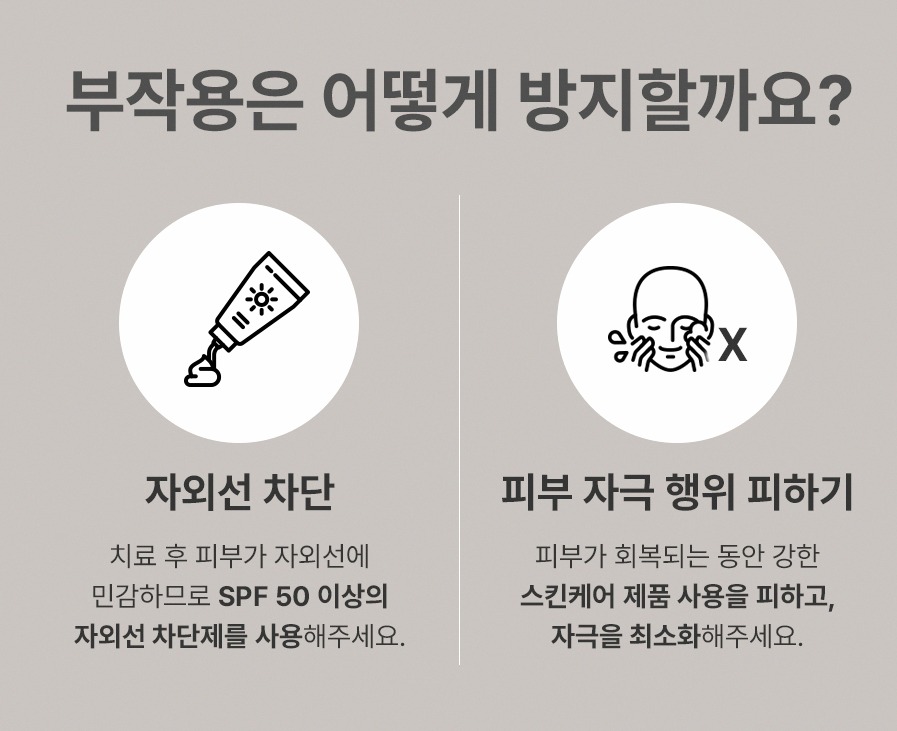
Regular use of sunscreen during the day, especially after laser toning or procedures that may increase sensitivity.
Avoiding harsh scrubs, strong acids, or new products for a certain period after treatment.
Not picking or squeezing lesions, as this can increase the risk of scars and pigmentation.
For those on oral or topical medications, you may be asked to follow a specific routine and report any side effects such as dryness, redness, or stomach discomfort. Adjustments are usually made at follow-up visits.
If you are returning to your home country, ask the doctor for a summary of what has been done and suggestions for how your local doctor can continue or adapt the plan. Remember that results can continue to evolve for weeks after your last session, especially for scar and pigmentation treatments.
Frequently asked questions
How many sessions are usually needed for acne treatment in Galhyeon-dong?
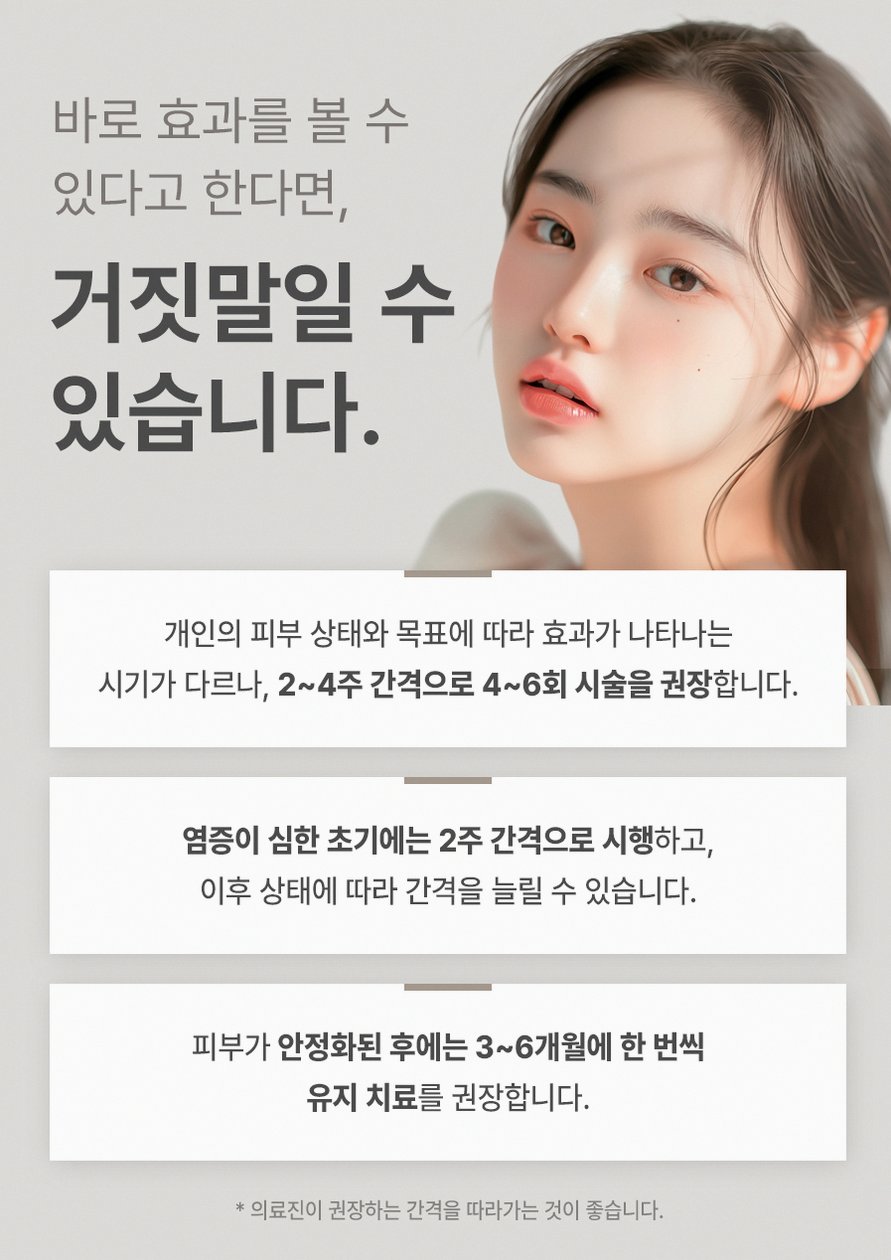
The number of sessions varies widely depending on acne severity, skin type, and how your skin responds. Many patients start with visits every one to two weeks for the first month or two, then adjust the interval as inflammation becomes more controlled. Scar and pigmentation care often requires multiple sessions spaced several weeks apart. There is no fixed number that suits everyone, so the plan is usually reviewed and adjusted at each visit.
Can I do both active acne treatment and scar procedures at the same time?
In many cases, the doctor will first focus on stabilizing active acne before performing more aggressive scar procedures. However, some gentle treatments for redness and pigmentation may be combined with active acne care, depending on your skin condition. The exact timing and combination are decided after face-to-face assessment to avoid irritating already inflamed skin.
Is acne treatment painful and is there downtime?
Discomfort levels depend on the specific procedure and individual sensitivity. Simple extractions and mild toning may cause brief discomfort or warmth, while certain scar treatments or injections can feel stronger. Numbing cream or other measures may be used to help reduce discomfort. Some redness or temporary sensitivity after procedures is common, and you may need to avoid strong sun exposure and harsh products for a short period, but most people can return to daily activities soon after, following the doctor’s instructions.
Are evening and weekend appointments really available?
Many neighborhood clinics in the Galhyeon-dong area offer extended weekday hours, often from 11:00 to 20:00, with a lunch break around 14:00 to 15:00. Weekend and public holiday hours are commonly from 11:00 to 17:00 without a lunch break. However, these clinics are often closed on Wednesdays and Thursdays, so it is essential to confirm the exact schedule through local listing platforms or by phone before you visit.
Soft call to action for online consultation
If you are an overseas patient staying in or near Eunpyeong-gu and you are searching for Galhyeon-dong acne review to decide where to go, consider reaching out to a local solo-doctor clinic for an online or pre-visit consultation. Prepare clear photos, your medical history, and your planned stay dates, and ask specific questions about visit intervals, treatment options, and aftercare.
By understanding how consultations are done, how treatment plans are built, and what a realistic progress timeline looks like, you can choose a clinic that matches your expectations and schedule. Acne care is a gradual process, and working consistently with one doctor who understands both medical skin disease and cosmetic procedures may help you manage breakouts and scars more systematically during your time in Korea. Practical note: Typical clinic hours are weekdays 11:00–20:00 with a lunch break from 14:00–15:00; weekends and public holidays are usually 11:00–17:00 (no lunch break). Many local clinics, including the advertiser clinic, are closed on Wednesdays and Thursdays — always confirm current hours and closures via the clinic's listing (for example, Naver Place) before visiting.
- 공유 링크 만들기
- X
- 이메일
- 기타 앱


댓글
댓글 쓰기