Eunpyeong Acne Treatment Results and What Overseas Patients Can Expect
- 공유 링크 만들기
- X
- 이메일
- 기타 앱
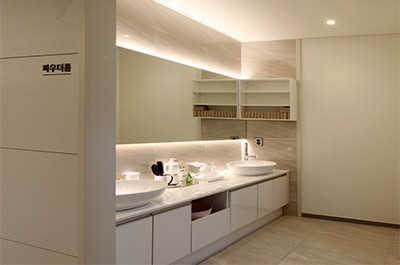
Direct answer: does in-clinic acne treatment in Eunpyeong really help?
For many people living in or visiting Eunpyeong-gu, the main question is whether visiting a clinic for acne actually leads to better results than home care or cosmetics alone. In most cases, medical acne care in a clinic can support clearer skin by reducing new breakouts, calming inflammation faster, and managing scars more systematically. However, the degree and speed of improvement vary a lot from person to person, and acne is usually managed step by step rather than fixed in a single visit.
This guide explains how acne treatment results are usually achieved at a small, physician-led clinic in Eunpyeong-gu that also treats general skin disease. It is written for international patients who may be planning a visit to Korea and want to understand what is realistic before they travel.
What acne treatment results really mean
When people say they want to see “results” from acne treatment, they often imagine dramatic before-and-after changes. In real medical practice, improvement is usually more gradual and can be seen in several different ways.
First, it helps to understand the main types of acne. Inflammatory papules and pustules are the red or yellow spots that feel sore or tender. Comedonal acne includes whiteheads and blackheads that may not be very inflamed but make the skin look bumpy or rough. Nodules and cysts are deeper, larger, and often more painful lesions that can easily leave scars. After active acne settles, many people are left with post-acne marks and scars: red or brown spots, uneven texture, or small depressions.
So when a clinic talks about acne treatment results, it usually refers to several goals. These include fewer new breakouts, faster healing of existing spots, less redness or brown pigmentation after a pimple disappears, smoother skin texture over time, and reduced pain or swelling from inflamed lesions. Not everyone will achieve all of these to the same degree, but they are common treatment targets.
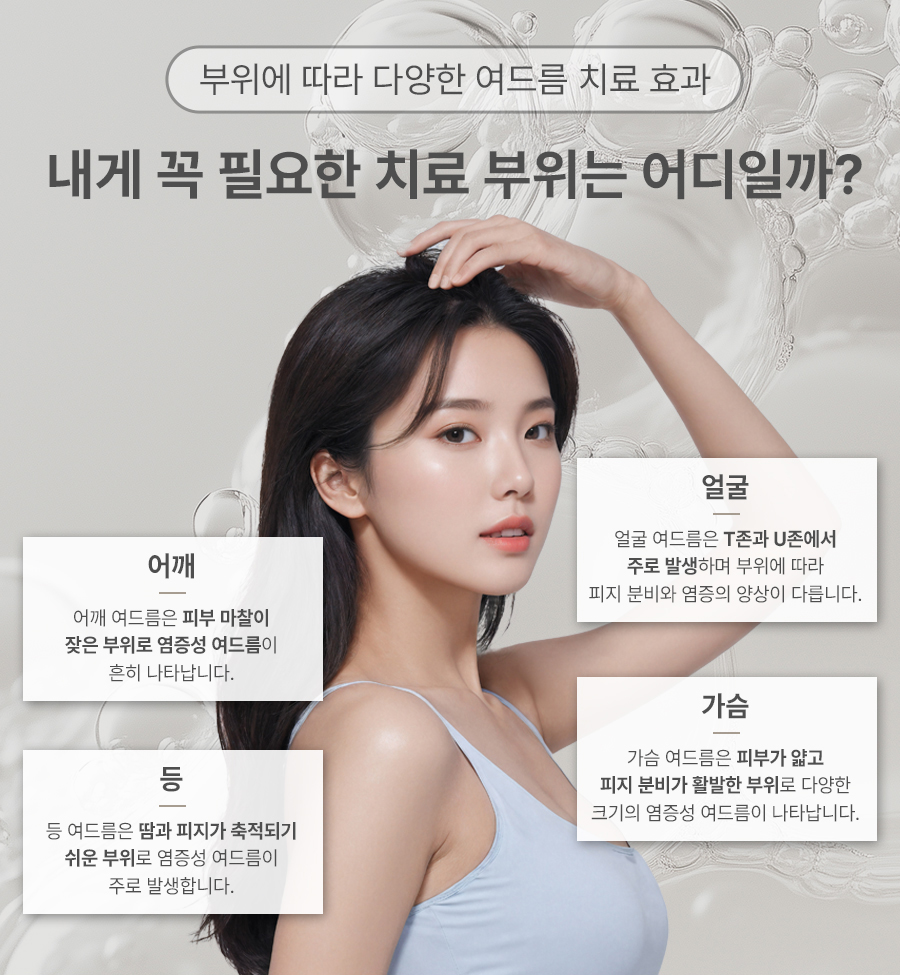
Many factors influence how visible the improvement will be. Acne severity at the start, skin type, hormonal influences, stress level, sleep, diet patterns, and how consistently you follow the treatment plan all play a role. Underlying skin conditions that mimic or worsen acne, such as folliculitis or certain types of eczema, can also affect outcomes. This is why a direct consultation with a doctor is important before deciding what to expect.
Why consider a doctor visit instead of only home care
Home care and over-the-counter products are useful for mild acne, especially if you mainly have oiliness and small comedones. Cleansers with gentle acids, non-comedogenic moisturizers, and spot treatments can support the skin barrier and help keep pores more clear.
However, these products have limits. Many cosmetic items focus on oil control or exfoliation and may irritate sensitive or already inflamed skin if used too often or in high concentrations. Some people try multiple products at once, which can lead to redness, burning, or even worsening breakouts.
A medical evaluation in a local clinic in Eunpyeong-gu offers several advantages. A physician can distinguish true acne from other conditions that look similar, such as folliculitis, rosacea-like problems, or allergic reactions. This matters because the wrong self-treatment can sometimes aggravate non-acne conditions.
In a clinic, you also have access to prescription-strength topical agents and, when appropriate, oral medication. These may include retinoid creams, topical antibiotics, benzoyl peroxide combinations, or carefully chosen oral treatments. The doctor can adjust the type and strength based on your skin response.
Another benefit is the management of complications. Deep cysts, nodules, and secondary infections can be painful and more likely to scar. A clinic that routinely treats skin disease such as warts, corns, burns, cysts, and scalp problems is used to handling inflammation, infection, and wound healing. This experience can be relevant when dealing with inflamed acne and trying to reduce the risk of long-term scars.
Overview of in-clinic acne treatment components
For overseas patients, it is helpful to know what usually happens during acne care at a small, physician-led clinic in Eunpyeong-gu.
The first step is assessment. The doctor examines your skin closely, noting where lesions are located, how deep they are, and whether there are signs of scarring or other skin disease. You will usually be asked about your current skincare routine, makeup, and any home treatments you have tried. The physician may also ask about possible triggers such as your work environment, long mask use, stress, menstrual cycle patterns, or other medical conditions.
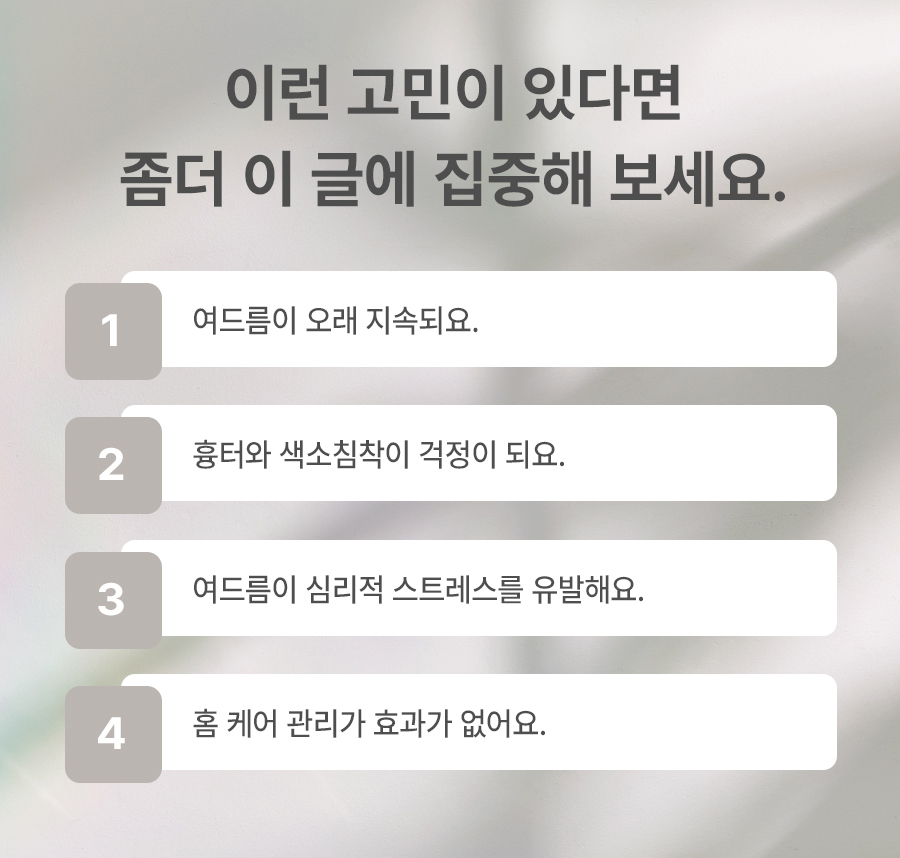
Based on this evaluation, a treatment plan is created. This may include prescription topical agents such as retinoids, antibiotics, or benzoyl peroxide-based products. For some patients, oral medication is considered, for example short-term antibiotics or other systemic treatments when indicated. These are chosen individually and require monitoring.
For severe nodules or cysts, the doctor may suggest an injection into the lesion to help reduce inflammation. This is usually done for selected spots and is not a guarantee of instant cure, but it can support faster calming of very painful or stubborn lesions.
Device-based treatments may be proposed for certain cases. These can include laser toning or other energy-based devices for active acne and pigmentation, as well as microneedling-type procedures. For post-acne scars and texture issues, fractional laser, needling, or other scar-focused procedures may be used. At this Eunpyeong-gu clinic, there is also experience with energy-based lifting devices such as Inmode, Shurink Universe, Tencera, and Tentripe. While these are often used for lifting and contouring, the underlying familiarity with energy-based skin procedures can be relevant when planning safe treatments for acne and scars.
Throughout this process, the focus is usually on combining medical control of inflammation with careful attention to marks and texture, rather than relying on a single procedure.
How a one-doctor clinic approach can influence results
In this Eunpyeong-gu setting, all consultations and procedures are performed by the same physician, Dr. Lee Hyo-su. Being treated directly by Dr. Lee Hyo-su from consultation to procedure can offer certain practical advantages.
Because the same doctor follows you over time, the treatment plan can be more consistent. The physician sees how your skin responds from visit to visit and can adjust medication strengths, procedure intensity, and treatment intervals accordingly. For example, if your skin becomes too dry or sensitive, the doctor can quickly reduce frequency or change the formulation. If inflammation is well controlled, the focus can shift more toward pigment and scar care.
The clinic describes its style as careful treatment based on long experience. This is a description of the approach rather than a promise of superior results. Acne outcomes still depend on individual factors and how well you can follow the agreed plan, but having one doctor oversee the whole course may make communication and adjustments smoother.
Stepwise course of acne treatment and general timeline
Acne treatment is usually a journey rather than a single event. Understanding the typical phases can help set realistic expectations before you travel to Korea.
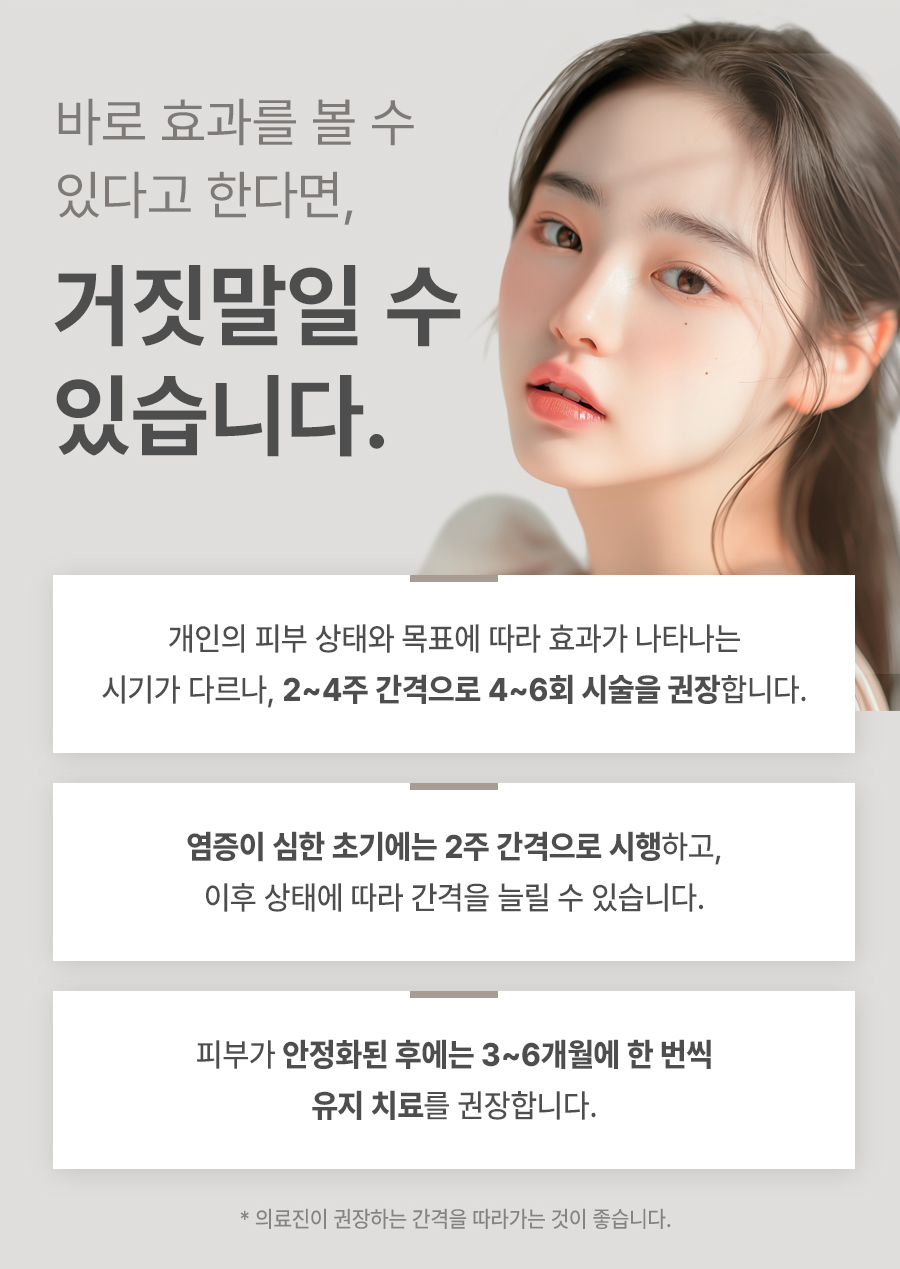
In the early phase, during the first few weeks, the skin may go through an adjustment period. When starting prescription creams or certain procedures, some patients notice temporary dryness, flaking, or sensitivity. In some cases, there may even be a short-term flare as clogged pores come to the surface. During this phase, the main goal is to stabilize inflammation and begin to reduce new breakouts while protecting the skin barrier.
In the middle phase, around two to three months into consistent care, many people begin to notice fewer active lesions and faster healing of spots. Redness after each pimple may still be present but often becomes less intense. At this stage, the doctor may fine-tune the regimen: adjusting strengths, spacing out procedures, or adding treatments that focus more on marks and pigmentation.
Long-term management is about maintenance and relapse prevention rather than aiming for a one-time cure. Acne has a tendency to fluctuate with hormones, stress, and lifestyle changes. For some patients, a lighter maintenance routine with occasional clinic visits works well. For others, more regular follow-up is needed. Ongoing gentle skincare, sun protection, and avoiding harsh, pore-clogging cosmetics are usually part of the plan.
Because of these individual differences, it is not possible to promise specific timeframes or percentages of improvement. Instead, treatment is usually described in terms of what may help, what can support improvement, and what is often aimed at in each phase.
Acne scars and marks: when to focus on them
Many people coming to Eunpyeong-gu for acne care are concerned not only about active breakouts but also about the marks and scars left behind.
It is helpful to distinguish between red or brown post-inflammatory marks and true scars. Red or pink marks and brown spots after a pimple are often part of the healing process. With time, sun protection, and appropriate care, they may gradually fade. However, the speed of fading varies widely.
True scars involve changes in the skin structure. Depressed scars look like small pits or indentations. Raised scars feel thicker than the surrounding skin. Irregular texture can make pores appear larger or the surface look uneven. These changes are less likely to disappear on their own and may require procedural treatment.
Once active inflammation is better controlled, the doctor may suggest scar-focused treatments. For redness and pigmentation, laser toning or other light-based treatments can be considered. For depressed scars, fractional laser or needling-type procedures are often used to stimulate remodeling of the deeper layers. Sometimes a combination approach is chosen depending on scar type, skin color, and sensitivity.
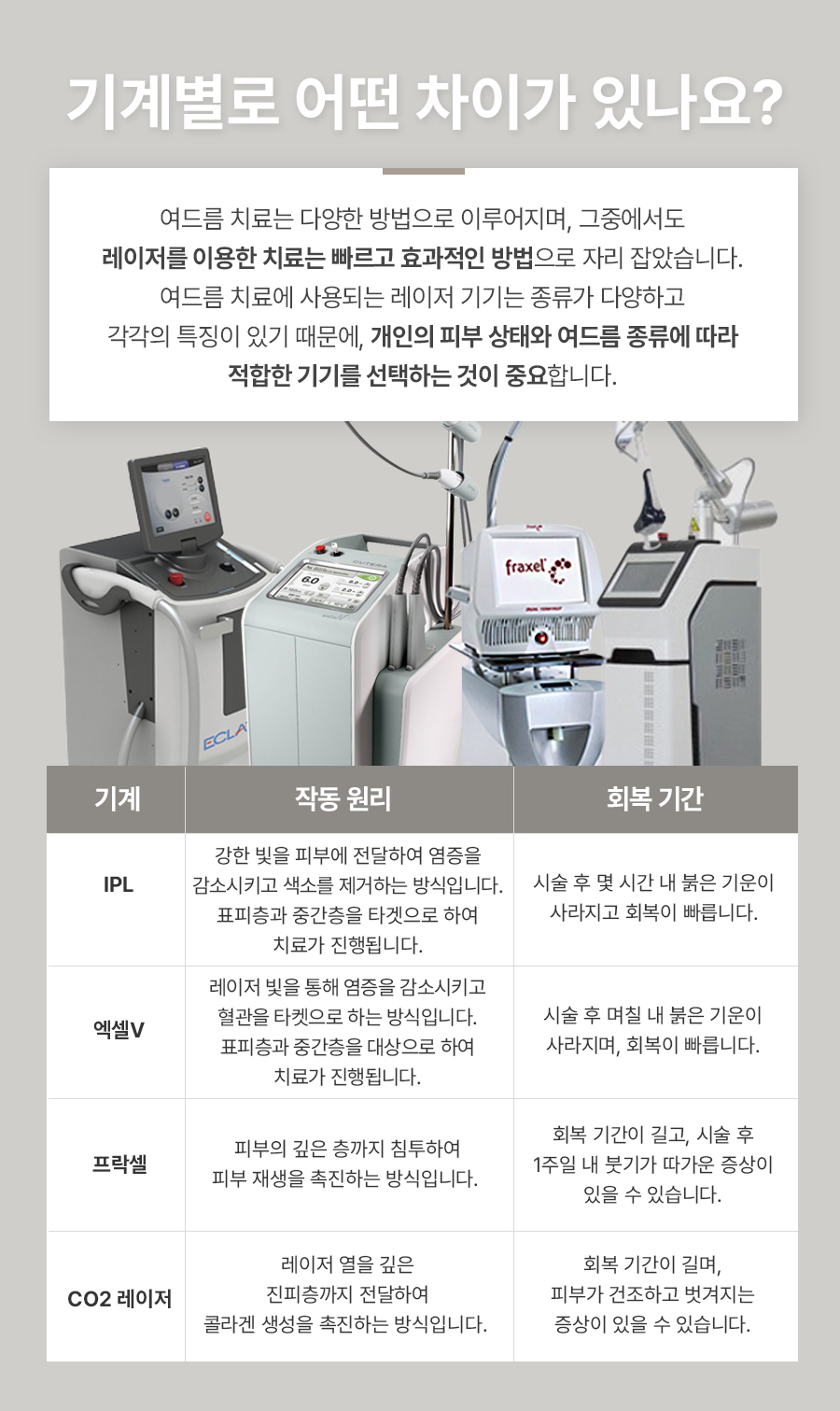
Multiple sessions are usually needed for scar care, and results vary by individual. The aim is gradual smoothing and softening rather than total erasure of every mark. This is important to understand before planning a short visit to Korea, as some treatments need to be spaced out over weeks or months.
Safety, pain, and downtime
Safety and comfort are common concerns for overseas patients who may have limited time in Eunpyeong-gu.
Different procedures have different levels of discomfort. Some can be performed with minimal or no anesthesia, depending on the method and your pain tolerance. Others may use topical numbing cream or cooling to make the session more comfortable. It is helpful to discuss your sensitivity and any previous experiences with the doctor in advance.
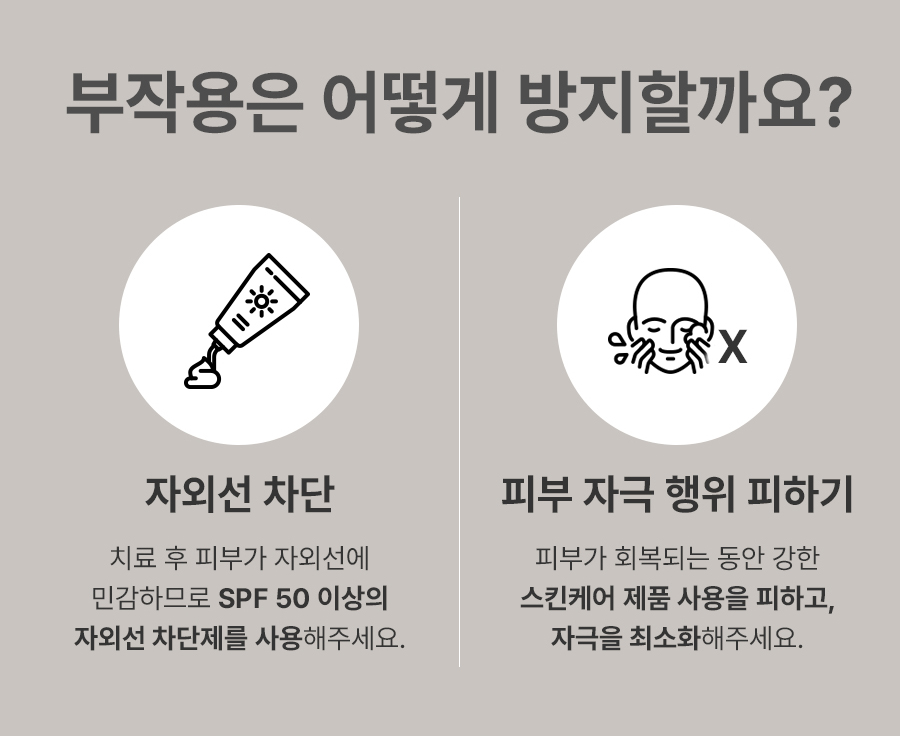
After treatment, there may be temporary redness, swelling, or sensitivity. For example, after certain laser or needling procedures, the skin can look flushed for a short period and feel warm or tight. These reactions usually improve over time, but the exact duration differs from person to person and depends on the intensity of the procedure.
Before you decide on any treatment, you should ask about expected recovery, how long you might want to avoid heavy makeup or intense sun exposure, and what aftercare products are recommended. Clear instructions on cleansing, moisturizing, and sun protection after procedures are an important part of safe acne and scar care.
Practical advantages for Eunpyeong-gu residents and visitors
For people living in Eunpyeong-gu or staying nearby during a trip to Seoul, location and schedule can make a real difference in acne results. Regular follow-up is important for monitoring side effects, adjusting medication, and timing procedures.
This one-doctor clinic in Eunpyeong-gu is open late on weekdays and also operates on weekends and public holidays, which can be convenient for students and workers. The usual hours are:
Weekdays: 11:00 to 20:00, with a lunch break from 14:00 to 15:00.
Saturdays, Sundays, and public holidays: 11:00 to 17:00, without a lunch break.
Closed on Wednesdays and Thursdays.
For overseas patients, this schedule can make it easier to fit consultations and treatments around sightseeing or business plans. Evening and weekend availability can also help if you prefer to recover from a procedure overnight before going out again.
Other related services as supporting context
Although the main focus here is acne and acne scars, this Eunpyeong-gu clinic also manages a wide range of skin-related problems. These include scalp conditions, itching, cysts, warts, burns, and alopecia. There is a dedicated foot-care area for issues such as athlete’s foot, ingrown toenails, and calluses, and laser is used for fungal nail problems.
These services are mentioned not as a main topic, but to show that the clinic regularly deals with inflammation, infection, and wound healing in different parts of the body. This broader experience can be relevant when planning safe and realistic acne and scar care.
Some patients may also see information about injection drips such as whitening, antioxidant, or vitamin infusions. These are generally described as options that may help with fatigue or general condition, rather than direct acne treatments, and they should remain a secondary consideration compared to core acne management.
Who may consider acne treatment in Eunpyeong-gu
International patients might think about visiting an Eunpyeong-gu clinic for acne if they have moderate to severe breakouts that have not responded well to home care, or if they are particularly worried about scarring. Those who already plan to be in Seoul for study, work, or travel and can attend at least a few visits may benefit most.
People with sensitive skin, mixed acne and other skin conditions, or long-standing scars may also find value in a medical evaluation. Because treatment plans are individualized, it is important to share your full history and expectations during consultation.
Online consultation and pre-visit preparation
Before traveling to Korea, many overseas patients prefer to have an initial online discussion to see whether a visit to Eunpyeong-gu makes sense for their situation. While this clinic does not have an official website, it maintains a local listing profile where basic information is available. For more detailed questions, you may be able to arrange contact through the phone number or messaging details listed there.
To prepare for an online or pre-visit consultation, it is helpful to gather the following:
A list or photos of your current skincare and makeup products, including cleansers, toners, serums, creams, and sunscreens.
Information about any prescription or over-the-counter acne treatments you have used in the past, and how your skin reacted.
A note of any medications or supplements you are currently taking, including hormonal treatments or herbal products.
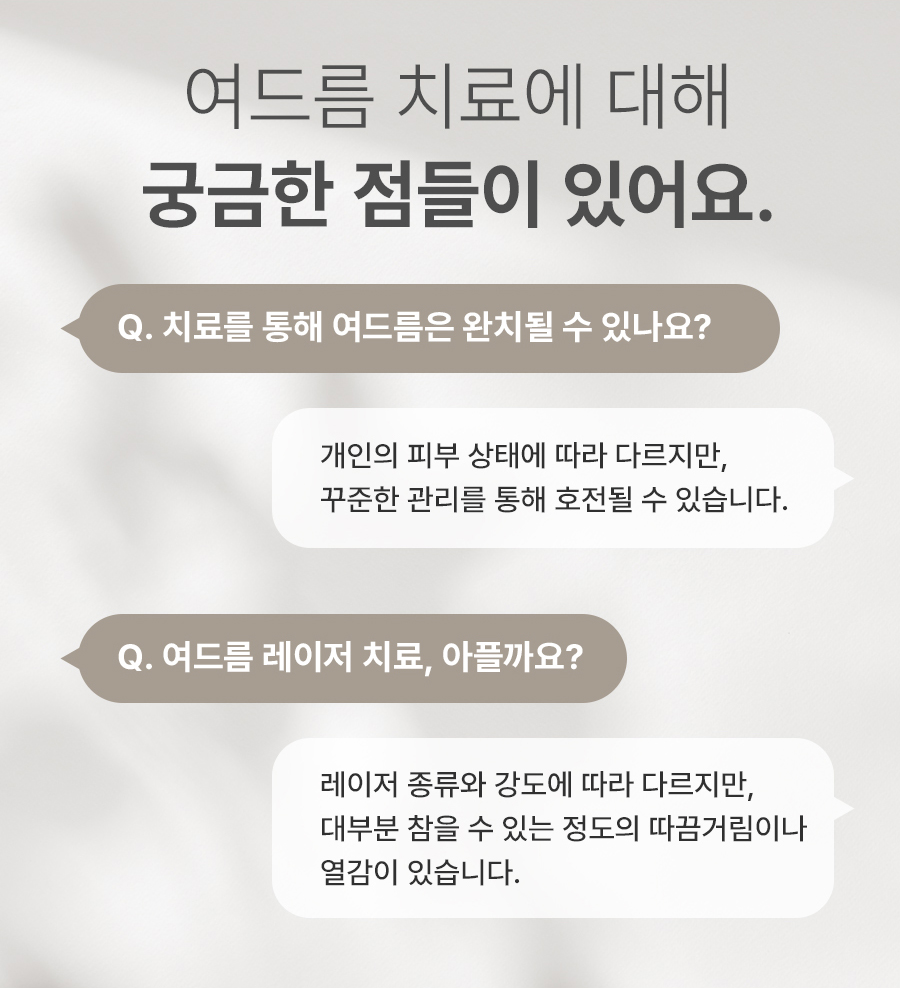
Photos of your skin in natural light from different angles, if the clinic requests them. These can help the doctor get a general idea before you arrive.
During the consultation, you can ask about possible treatment directions, how many visits might be useful during your stay, and which procedures are likely to be realistic within your schedule. Final decisions are usually made only after an in-person examination, but early discussion can help you plan your trip.
Expected Korea visit timeline for acne care
If you are visiting Eunpyeong-gu from overseas, your treatment timeline will depend on how long you can stay.
For a short visit of one to two weeks, the focus may be on thorough assessment, starting or adjusting topical and oral medication, and possibly performing gentle procedures with minimal downtime. The aim is to set up a plan that you can continue at home, with clear instructions for follow-up in your own country.
For a medium stay of several weeks, there may be room for a series of treatments, such as two or three sessions of device-based care spaced apart. In this case, the doctor can monitor your response and modify the approach as needed.
For long-term residents or students in Eunpyeong-gu, treatment can follow the full stepwise course, from early inflammation control to scar-focused procedures and maintenance. Regular visits allow more detailed fine-tuning and closer monitoring for side effects.
In all cases, it is important to be honest about how long you will be in Korea and how often you can realistically visit the clinic. This helps the physician design a plan that fits your situation rather than one that assumes unlimited time.
Aftercare and long-term habits
After any in-clinic acne treatment, daily habits make a big difference to maintaining results. Gentle cleansing, non-irritating moisturizers, and consistent sun protection are basic but essential steps.
You may be advised to avoid harsh scrubs, strong peels, or new, untested cosmetics for a period after procedures. Picking or squeezing pimples increases the risk of marks and scars, so the doctor will usually recommend avoiding this as much as possible.
If you return to your home country, keeping a simple record of your skin changes, any side effects, and the products you use can be helpful. If needed, you can share this information with local doctors or during any future contact with the Eunpyeong-gu clinic.
Frequently asked questions about Eunpyeong acne treatment results
Do clinic-based acne treatments in Eunpyeong-gu work better than cosmetics alone?
For many people with mild to moderate acne, clinic-based treatments can support better control than cosmetics alone, especially when there is significant inflammation or early scarring. Medical evaluation allows the use of prescription-strength products and targeted procedures that are not available over the counter. However, results still vary, and good home care remains important even when you are receiving in-clinic treatment.
How long does it usually take to see visible improvement?
Some patients notice small changes, such as faster healing of individual spots, within a few weeks. More noticeable improvements in the number of breakouts and overall texture often become clearer after several weeks to a few months of consistent care. Because acne is influenced by many factors, it is not possible to guarantee a specific timeline. The doctor in Eunpyeong-gu will usually explain what is commonly aimed for at each stage rather than promising exact results.
Can I treat acne scars during a short trip to Korea?
It is possible to begin scar-focused treatment during a short trip, but expectations should be realistic. Many scar procedures, such as fractional laser or needling, are planned as a series of sessions spaced over time. One or two sessions may provide some improvement, but they are usually part of a longer process. If your stay is brief, the doctor may prioritize controlling active acne first and then discuss which scar options are practical within your schedule.
Is acne treatment at this Eunpyeong-gu clinic suitable for sensitive or darker skin?
People with sensitive or darker skin can also receive acne treatment, but the plan may need to be adjusted carefully. Certain products or procedures can increase the risk of irritation or pigmentation changes in these skin types. Because this clinic is used to managing various skin diseases and conditions, the doctor can take your skin type and history into account when suggesting treatments. It is important to mention any past problems such as strong redness, burns, or dark marks after previous procedures.
Soft call to action for online consultation
If you are considering visiting Eunpyeong-gu for acne treatment and want to know whether it fits your situation, you can start by arranging an online or phone-based consultation using the contact details on the clinic’s local listing profile. Prepare photos, a list of your current products, and your planned travel dates.
During this initial discussion, you can ask about possible treatment directions, how many visits might be useful, and what kind of results are usually aimed for in cases similar to yours. Final decisions and detailed plans will be made after an in-person examination with Dr. Lee Hyo-su, who will treat you directly from consultation to procedure.
With realistic expectations, clear communication, and consistent care, many patients do see meaningful stepwise improvement in their acne and scars while being treated in Eunpyeong-gu.
- 공유 링크 만들기
- X
- 이메일
- 기타 앱


댓글
댓글 쓰기