Daejo-dong Acne Treatment Reviews and What Overseas Patients Can Expect
- 공유 링크 만들기
- X
- 이메일
- 기타 앱
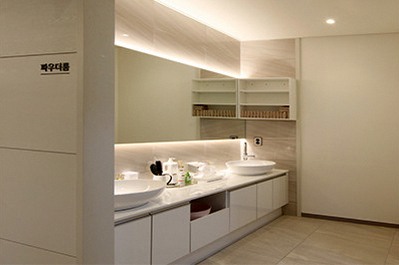
If you are looking up Daejo-dong acne treatment reviews because your breakouts and acne scars are not improving with basic products, you will mostly find experiences from small neighborhood clinics that combine medical acne care with cosmetic procedures. These clinics in the Eunpyeong-gu area usually focus on steady, step-by-step improvement rather than dramatic one-time changes. Patients often describe a process that includes medical diagnosis, prescription support when needed, careful extraction, and laser or injection-based care for inflammation and scars.
This guide brings together what you can typically expect from a neighborhood clinic in Daejo-dong that handles both skin disease and cosmetic treatments, led by one physician such as Director Lee Hyo-su. It is written in an experience-based, review-style tone, but it is not a personal diary. Instead, it explains usual treatment flows, common feedback patterns, and practical points for overseas visitors who may be considering acne care during a stay in Korea.
Understanding acne as a medical condition
Acne is a chronic inflammatory skin condition that develops when pores become clogged with oil and dead skin cells, and bacteria contribute to inflammation. It can appear as blackheads, whiteheads, red bumps, pustules, or deeper nodules and cysts. When left untreated or repeatedly squeezed at home, acne can leave long-lasting red or brown marks and depressed scars.
In a clinic setting, acne is approached as a medical condition, not just a cosmetic concern. A doctor will usually distinguish between inflammatory and non-inflammatory lesions, check for hormonal or lifestyle factors, and look at your overall skin type and sensitivity. Based on this, they may recommend topical or oral prescription medications, in-clinic procedures, or both.
It is important to keep expectations realistic. Proper acne management is usually a gradual process over weeks to months, not a one-time cure. Many patients in Daejo-dong reviews describe seeing fewer painful breakouts after several sessions, followed by slow improvement in redness and shallow scars.
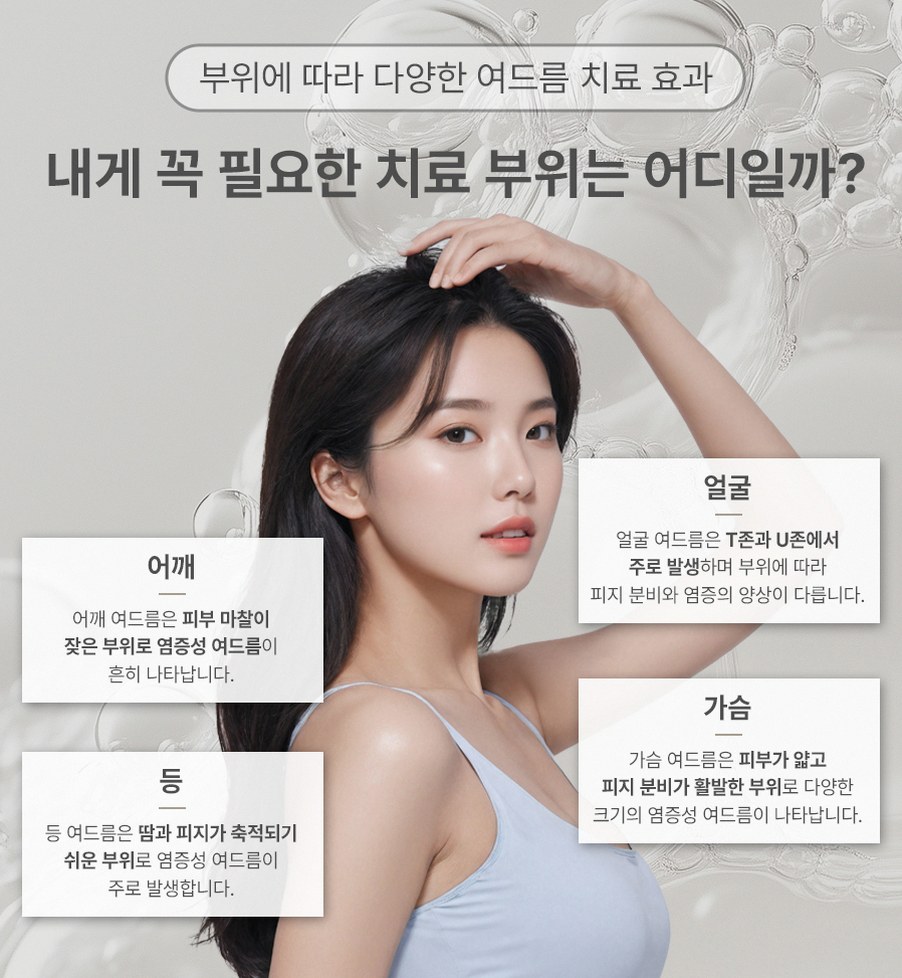
How clinic-based acne treatment is usually structured
Clinic-based acne care in the Daejo-dong and Eunpyeong-gu area often combines three elements.
First, medical diagnosis and planning. The doctor examines your skin, asks about your history, and classifies your acne type. They consider whether your breakouts are mostly clogged pores, inflamed papules and pustules, or deeper nodules and cysts. They also ask about your menstrual cycle, stress, sleep, diet, and cosmetics or skincare products.
Second, prescription support when appropriate. Depending on severity and your medical background, the doctor may prescribe topical creams, gels, or lotions, and in some cases oral medications. These aim to reduce oil production, normalize skin cell turnover, and calm inflammation. The exact names and doses are decided individually, and you are usually asked to return for follow-up to monitor response and side effects.
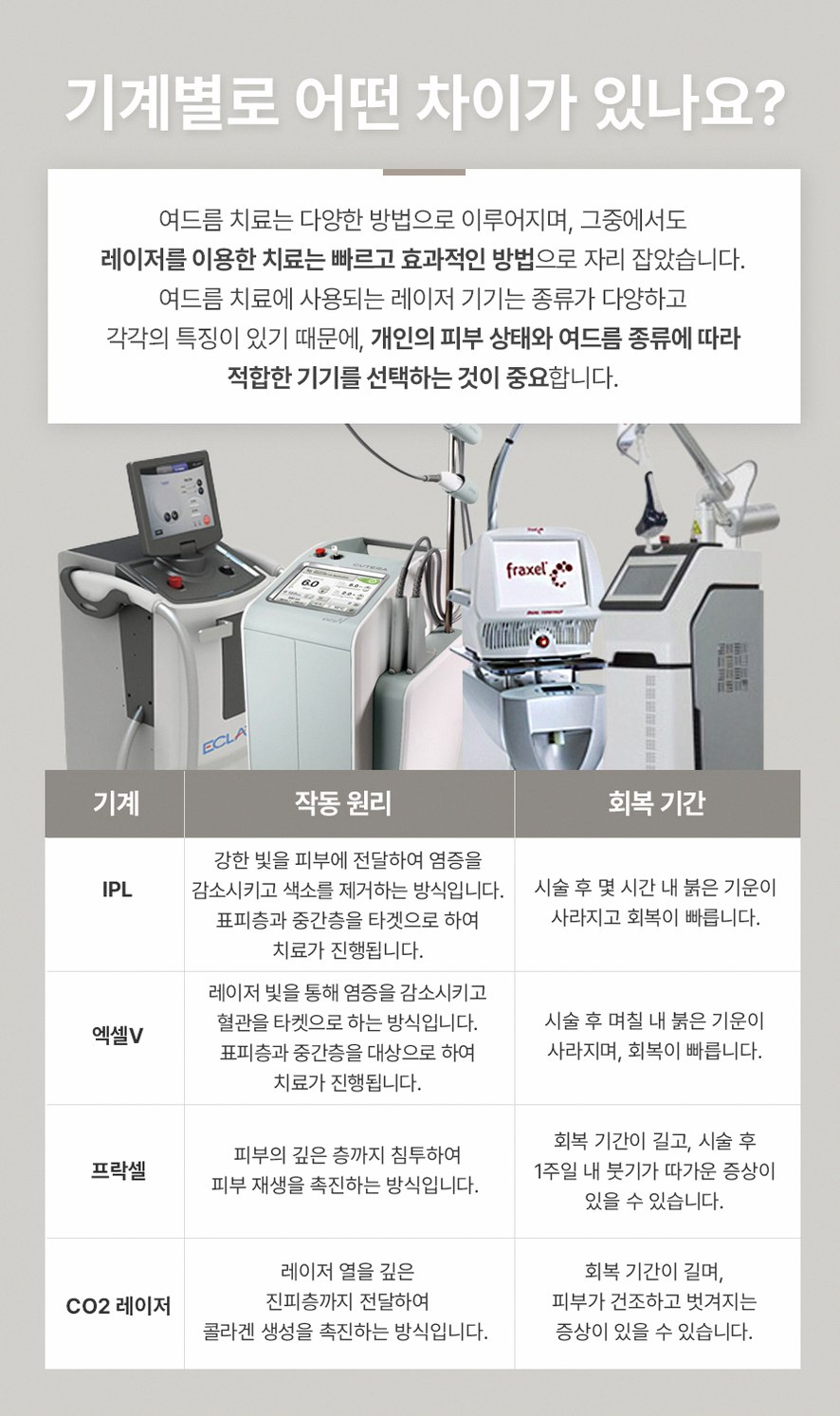
Third, in-clinic procedures. This is where many review-style comments focus, because patients can feel and see more direct changes. Procedures may include professional acne extraction, anti-inflammatory injections for painful lesions, laser or light-based treatments for inflammation and redness, and scar-focused procedures for uneven texture.
Why some patients choose a small neighborhood clinic
In Daejo-dong, many residents prefer a neighborhood dermatology clinic that treats both medical skin conditions and cosmetic concerns in one place. Rather than a large cosmetic chain, these clinics often operate as single-doctor practices. For example, at a clinic led by Director Lee Hyo-su, the same physician typically handles the initial consultation, develops the treatment plan, and performs the procedures.
This continuity can be reassuring for patients who are worried about scars or side effects. The doctor is familiar with both insured medical skin conditions, such as warts, cysts, burns, or scalp issues, and with cosmetic tools like laser toning and injections. For acne patients, this means they can receive both medical inflammation control and aesthetic scar and pigmentation care under one roof.
Another point often mentioned in local feedback is the schedule. Evening hours on weekdays and opening on weekends and public holidays make it easier for office workers and students to keep up with regular sessions. This is important because acne care usually requires repeated visits.
Acne lesion care at a Daejo-dong clinic
Professional cleansing and extraction are a core part of in-clinic acne care. Instead of squeezing pimples at home, which can worsen inflammation and scarring, the clinic uses sterilized tools and controlled techniques. The skin is cleansed, sometimes softened with solutions or devices, and then clogged pores and certain inflamed lesions are carefully opened and emptied.
For severe, painful nodules or cystic lesions, the doctor may recommend anti-inflammatory injections. These are targeted shots into or near the lesion designed to reduce swelling and pain more quickly than topical products alone. Not every pimple is injected; the doctor decides based on size, depth, and your overall condition.
These lesion-focused treatments are often combined with soothing masks, cooling packs, or gentle light-based procedures to calm the skin after extraction.
Scar and mark management
Once active inflammation is better controlled, many patients in Daejo-dong are most concerned about the marks left behind. These can include red or brown flat marks, as well as shallow, uneven scars.
For depressed or uneven scars, the clinic may propose scar-focused treatments. These can involve devices that stimulate collagen remodeling in the deeper layers of the skin. The intensity, depth, and intervals are adjusted according to your scar pattern and skin sensitivity. Multiple sessions are usually needed.
For redness and pigmentation after acne, laser or light-based toning treatments are commonly used. Such toning treatments aim to gently target blood vessels or pigment in the skin. Energy levels are usually kept low to moderate, especially at the beginning, to reduce the risk of irritation. Patients often notice gradual brightening and a more even skin tone over several sessions rather than sudden changes.
Supportive skin management
Because prescription acne medications and procedures can cause dryness or temporary irritation, many clinics in Daejo-dong include supportive skin management in their plans. This may involve hydration-focused treatments like aqua peel or moisture-rich facials.
An aqua peel typically combines gentle exfoliation with suction and infusion of hydrating solutions. The goal is to remove excess dead skin and sebum without harsh scrubbing, and to help the skin accept active ingredients more comfortably. Moisture-focused facials and barrier-supporting treatments may use calming masks, serums, or devices that enhance absorption.
These supportive sessions are usually spaced between stronger procedures or combined in a single visit, depending on how your skin reacts. The doctor adjusts frequency and content to balance acne control with barrier protection.
A typical patient journey in Daejo-dong
First visit
A common scenario is a patient in their twenties or thirties visiting the clinic because of persistent acne on the cheeks and jawline that worsens with stress and mask-wearing. At the first visit, the doctor takes a detailed history. Questions often include when the acne started, whether it flares around the menstrual cycle, what skincare and cosmetics are used, diet patterns, sleep quality, and any previous treatments.
The doctor examines the skin closely, noting the mix of clogged pores, inflamed papules, pustules, and any nodules or cysts. They also check for existing scars and pigmentation. Then they explain the overall plan: first, control inflammation and prevent new deep lesions; second, reduce the risk of new scars; third, gradually address existing marks and shallow scars.
The doctor usually emphasizes that several months of consistent care are needed, and that the goal is steady improvement rather than perfection. This realistic explanation is often mentioned positively in review-style comments.
Initial treatment plan
The initial plan commonly combines home medication and in-clinic sessions. Topical or oral prescriptions may be started to regulate oil, prevent clogged pores, and reduce inflammation. At the same time, the clinic schedules regular visits for professional care.
Early in-clinic sessions may include gentle extraction of clogged pores, anti-inflammatory procedures such as injections for selected lesions, and low-energy laser toning to calm redness. The doctor may start with conservative settings to see how your skin responds.
Home care guidance is a key part of the first visit. Patients are usually advised to use a mild cleanser, avoid over-washing, and choose non-comedogenic moisturizers and sunscreens. The doctor will typically recommend avoiding harsh scrubs, strong at-home peels, and squeezing pimples. Simple, consistent routines are encouraged.
Follow-up visits
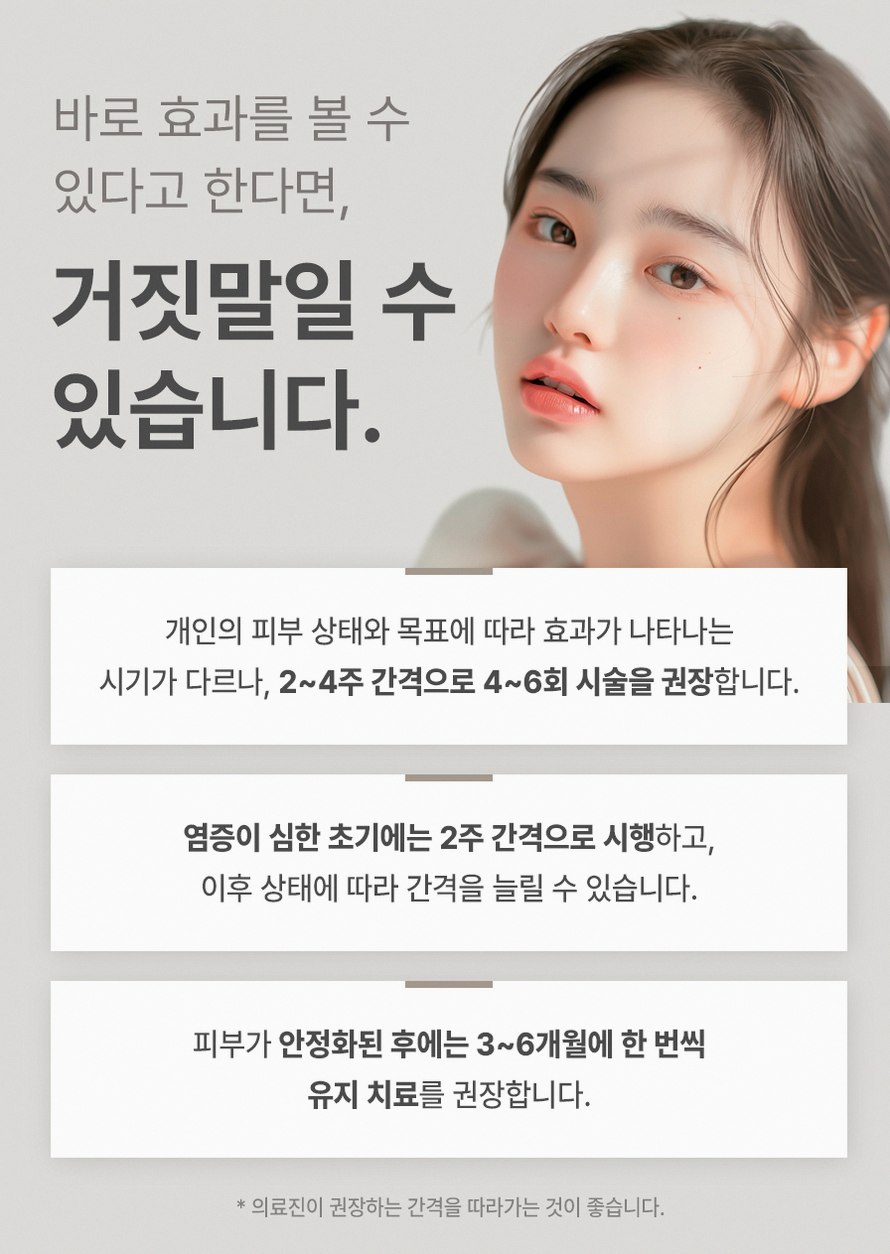
Over the next several weeks, patients often return every one to two weeks, depending on the plan. At each visit, the doctor checks how many new lesions are appearing, whether existing ones are healing without excessive marks, and how the skin is tolerating medications and procedures.
If inflammation is decreasing, the focus may gradually shift toward treating redness and post-inflammatory marks with additional toning or scar-focused treatments. If the skin is very sensitive or dry, the doctor may reduce the intensity of procedures and add more hydration-focused care.
Intervals between sessions can be adjusted as the skin stabilizes. Some patients move from frequent visits to maintenance sessions once every few weeks or months.
Typical outcomes
In many Daejo-dong acne treatment reviews, patients describe outcomes such as fewer new breakouts, less pain and swelling from individual pimples, and a more even skin tone over time. Shallow scars may appear softer and less noticeable after repeated scar-focused treatments.
However, results vary by individual. Factors such as hormones, lifestyle, and adherence to home care all influence progress. Some patients may need longer-term maintenance or periodic touch-up sessions. The clinic usually explains that acne is a chronic tendency, and that ongoing management may be necessary even after major improvement.
Strengths for local Daejo-dong and Eunpyeong-gu residents
Location and accessibility
For residents of Daejo-dong and the wider Eunpyeong-gu area, a neighborhood clinic is often easier to visit than a central Seoul facility. Shorter travel times make it more realistic to attend regular sessions, which is important for acne care.
Many patients appreciate clinics that offer weekday evening hours until around 20:00, allowing visits after work or classes. Opening on Saturdays, Sundays, and public holidays from late morning to late afternoon also helps those with irregular schedules. At the same time, it is important to note that some clinics, including the one led by Director Lee Hyo-su, are closed on Wednesdays and Thursdays, so planning ahead is necessary.
One-doctor system
The one-doctor system is another strength mentioned in feedback. The same physician handles consultation, procedure planning, and follow-up. For patients anxious about acne scars or side effects, this continuity can build trust. You do not have to repeat your history to different practitioners, and the doctor can track subtle changes in your skin over time.
Comprehensive skin and scalp care
Some Daejo-dong clinics also manage scalp conditions and hair loss, along with other skin diseases. This can be useful for patients who have both facial acne and seborrheic scalp issues, or who are worried about other skin symptoms. Being able to discuss multiple concerns in one place can make visits more efficient.
Safety, downtime, and realistic expectations
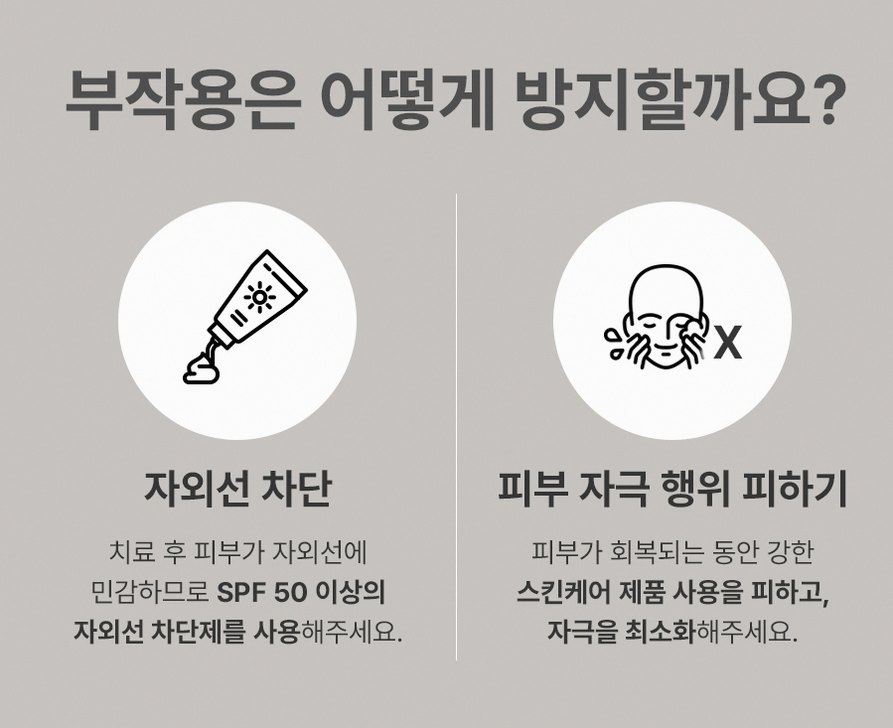
Any acne procedure can cause temporary redness, sensitivity, or dryness. After extraction or laser toning, the skin may look flushed for a short period, and you may be advised to avoid hot baths, saunas, or intense exercise for a day or two. Hydrating products and sun protection are usually emphasized.
Clinics in Daejo-dong generally design treatment settings to reduce discomfort as much as possible, but some sensations such as tingling, warmth, or mild stinging can still occur during procedures. Downtime varies by procedure type and by individual skin response. The doctor will typically explain expected recovery and possible side effects before starting.
Who might consider acne treatment in Daejo-dong
Acne treatment at a neighborhood clinic in Daejo-dong may be suitable for several types of patients.
People whose acne has not improved with basic cosmetics alone often benefit from medical evaluation and prescription options. Those who want both inflammation control and cosmetic improvement of scars and pigmentation can make use of the combined medical and procedural approach.
Residents of Daejo-dong and nearby areas, including office workers and students, may appreciate the flexible hours and the ability to visit regularly without long travel. Overseas visitors staying in the Eunpyeong-gu area for several weeks or months can also consider starting a course of treatment, especially if they plan to return for follow-up later.
Pre-visit online consultation and preparation for overseas patients
If you are coming from overseas, it is wise to arrange an online consultation or at least a messaging-based pre-visit discussion before your trip. While there is no official website for this clinic, it mainly uses a local platform listing for basic information such as location, operating hours, and contact details. Through this, you can usually find a phone number or messaging channel.
Before contacting the clinic, prepare the following information.
Your main concerns: active acne, scars, redness, pigmentation, or all of the above.
Your medical history: any chronic illnesses, current medications, allergies, pregnancy or breastfeeding status.
Previous acne treatments: prescription creams or pills, past procedures such as lasers or peels, and how your skin reacted.
Your travel schedule: arrival and departure dates, and how many visits you can realistically make.
If possible, take clear photos of your skin in natural light from several angles. These can help the doctor estimate what kind of plan might be suitable and what is realistic within your stay. However, final decisions are usually made after an in-person examination.
Expected Korea visit timeline for acne treatment
Short stay of one to two weeks
With a very short stay, the focus is usually on assessment, starting or adjusting prescription medications, and performing a small number of low-intensity procedures such as gentle extraction and mild toning. This can help stabilize active inflammation and set up a long-term plan you can continue at home.
Medium stay of three to six weeks
With more time, you may be able to schedule several in-clinic sessions at intervals of a few days to a week. The doctor can adjust treatments based on your skin’s response, gradually increasing intensity if appropriate. You might see noticeable reduction in active breakouts and some improvement in redness by the end of your stay.
Longer stay of two to three months or more
A longer stay allows for a more complete treatment cycle, including both inflammation control and initial scar-focused procedures. You may progress from frequent visits to less frequent maintenance sessions before leaving Korea. The doctor can also coordinate a handover plan for continued care in your home country.
In all cases, it is important to discuss your schedule openly so the clinic can propose a realistic plan. Some procedures may be avoided close to your departure date if they require longer downtime or careful follow-up.
Aftercare and continuing management at home
After each procedure, the clinic will usually provide instructions on cleansing, moisturizing, and sun protection. You may be advised to avoid picking or scratching, to skip harsh exfoliants, and to use gentle, fragrance-free products.
For overseas patients, an important part of aftercare is communication. Ask the clinic how you can contact them if you have questions after returning home, and whether they can review photos or provide general guidance by message. While they cannot replace in-person care in another country, they may help you understand what is normal and when to seek local medical attention.
Because acne is a chronic condition, ongoing maintenance is often needed. This may involve continuing certain topical medications, maintaining a consistent skincare routine, and avoiding known triggers such as heavy comedogenic makeup or very harsh cleansing habits.
Practical information and operating hours
The clinic discussed in this guide, led by Director Lee Hyo-su, does not have an official website. Most online information is available through a local platform listing, where you can check the address, map, and basic details.
Operating hours are generally as follows.
Weekdays: 11:00 to 20:00, with a lunch break from 14:00 to 15:00.
Saturdays, Sundays, and public holidays: 11:00 to 17:00, without a lunch break.
Closed on Wednesdays and Thursdays.
Because devices, treatment menus, and pricing can change over time, it is important to confirm details directly with the clinic before visiting. When you contact them, you can ask which acne-related devices are currently available, how they usually combine procedures in a single session, and what kind of follow-up schedule they recommend for your situation.
Frequently asked questions about Daejo-dong acne treatment
What kind of results can I realistically expect from acne treatment in Daejo-dong
Most patients can expect a gradual reduction in the number and severity of breakouts, less pain and swelling from individual pimples, and a slow evening of skin tone. Shallow scars may become less noticeable over time with appropriate procedures. However, the degree of improvement varies by person, and some may need longer-term maintenance. The clinic will usually explain that acne is a chronic tendency, so the goal is control and improvement, not a guaranteed cure.
How many sessions will I need, and how often are they scheduled
The number of sessions depends on your acne severity, scar pattern, and how your skin responds. Many patients start with more frequent visits, such as once a week or once every two weeks, then move to less frequent maintenance sessions. For scar-focused treatments, several sessions spaced weeks apart are common. During consultation, the doctor will outline a tentative schedule but may adjust it based on your progress and availability.
Are the procedures painful, and is there downtime
Most acne procedures are designed to reduce discomfort, but you may still feel sensations such as pressure during extraction or warmth and tingling during laser toning. Pain levels vary by individual and by procedure type. Downtime also differs: mild redness after toning may fade within hours to a day, while more intensive scar treatments can require a longer recovery period. The doctor will discuss expected sensations and recovery with you before each procedure.
Can overseas patients start acne treatment during a short trip to Korea
Yes, overseas patients can start acne treatment during a short stay, especially if the goal is to receive a professional assessment, begin or adjust prescription medications, and have a few low-intensity procedures. For more advanced scar work, a longer stay or repeated visits over time are usually more effective. If you are visiting for only one to two weeks, it is important to share your schedule in advance so the clinic can suggest a realistic plan and avoid procedures that need extended follow-up.
Soft call to action for online consultation
If you are exploring Daejo-dong acne treatment reviews and wondering whether a neighborhood clinic in Eunpyeong-gu fits your needs, the next practical step is to arrange an online or messaging-based consultation. Prepare photos, your treatment history, and your travel or work schedule, and ask the clinic what kind of plan they would consider for your situation.
By understanding the typical treatment flow, expected timeline, and aftercare in advance, you can make better use of your time in Korea and set realistic goals for your skin. Direct communication with the clinic will give you the most accurate, up-to-date information about available devices, procedures, and scheduling options for your acne care.
- 공유 링크 만들기
- X
- 이메일
- 기타 앱


댓글
댓글 쓰기