Bulkwang Acne Treatment Review and What to Expect at a Small Local Clinic
- 공유 링크 만들기
- X
- 이메일
- 기타 앱
Direct answer summary
It covers why I chose a local primary-care style skin clinic, how the consultation and diagnosis went, what the actual acne and scar procedures felt like, how many sessions were suggested, and what kind of changes I noticed over time. The clinic I visited offers both insurance-covered care for skin conditions and cosmetic acne procedures in one place, and I was treated directly by the director from consultation to each procedure.
Why I chose this Bulkwang-dong clinic for acne
I live not far from Bulkwang Station, so location was my first filter. I wanted somewhere I could realistically visit after work without crossing half of Seoul. This clinic is in Bulkwang-dong, so it is convenient for people living in Eunpyeong-gu, and it is easy to reach by subway or bus.
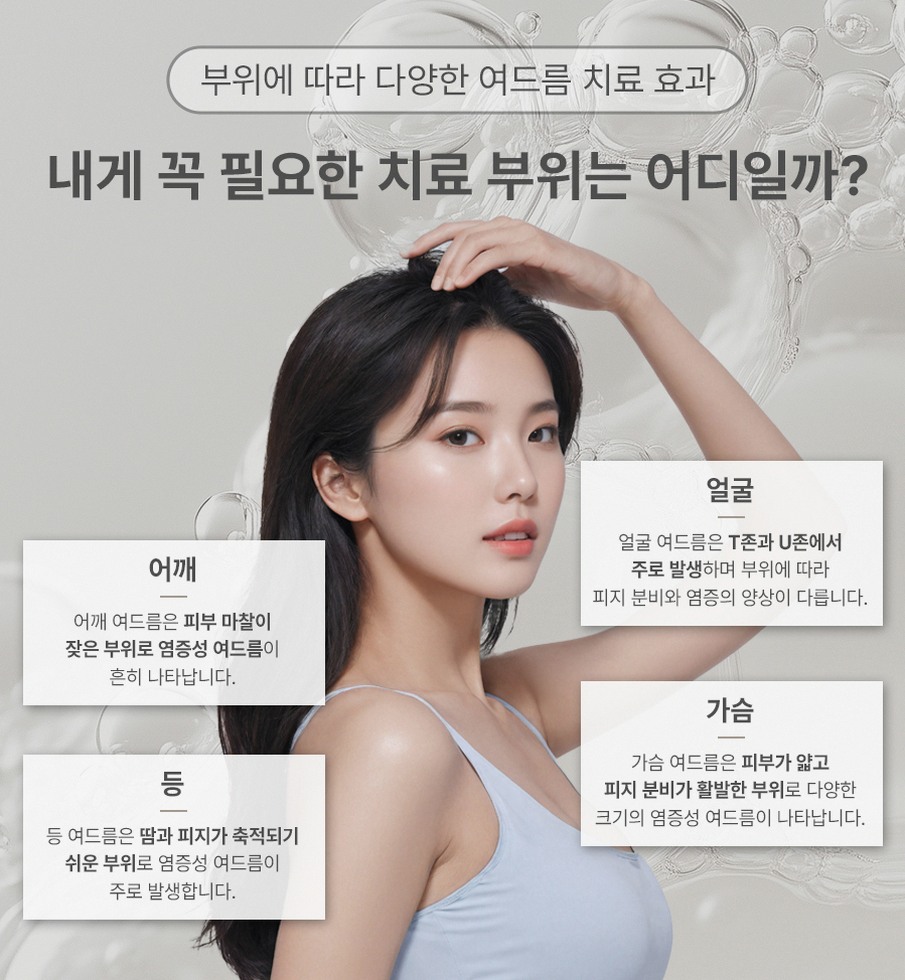
Another reason I chose this place is that it functions as a local primary-care style skin clinic. They see a wide range of skin disease cases such as warts, corns, burns, scalp problems, and alopecia, not only cosmetic procedures. That gave me more confidence that they understand inflammatory skin conditions and do not treat acne as just a beauty issue.
From the first consultation and diagnosis of my acne type, to prescriptions, lesion care, and laser treatment for scars, I was treated directly by the director. I preferred this to a large chain where staff and doctors might change frequently.
Finally, the opening hours fit my schedule. They are open on weekdays until 20:00, which makes it possible to book after work. They also see patients on Saturdays, Sundays, and public holidays from late morning to late afternoon. One thing to remember is that they are closed on Wednesdays and Thursdays, so it is better to check the day carefully before visiting.
First visit: consultation and diagnosis
At the first visit, I filled out a basic form about my skin and health, then met the director. The consultation started with a detailed look at my skin. The director checked what type of acne I had: inflamed red pimples, whiteheads and blackheads, and some deeper, painful nodules around the jawline that suggested a hormonal tendency. Old red marks and a few shallow depressed scars on my cheeks were also pointed out.
The director asked about my lifestyle: how much I sleep, my stress level, whether I wear a mask for long hours, what kind of makeup and sunscreen I use, and what products or treatments I had tried before. I was also asked about any medications, allergies, and whether my acne worsens around certain times of the month.
What I appreciated was the way the director separated the issues clearly. Active acne, like inflamed lesions and clogged pores, was explained as one category that might need medical treatment such as topical creams, oral medication, and sometimes anti-inflammatory injections for very swollen spots. Residual problems like red marks, pigmentation, enlarged pores, and early scars were described as another category that could be addressed with procedures such as laser toning or scar-focused treatments.
Instead of pushing a fixed package, the director suggested a customized plan based on my skin sensitivity, work schedule, and budget. I was told that acne is a chronic condition for many people, so the goal is control and gradual improvement, not an instant cure.
Acne treatment plan and options
My plan combined medical management with in-clinic procedures. The medical part started with a prescription cream for nightly use to help with clogged pores and skin turnover, plus a short course of oral medication to calm down the inflamed lesions. For a few very painful nodules on my chin, the director suggested anti-inflammatory injections. These were explained as small injections directly into the swollen acne to help reduce inflammation faster, not as a miracle cure.
For procedural options, the director outlined several steps without forcing everything at once. The first focus was acne lesion care. This included professional cleansing and manual extraction of clogged pores under medical supervision. The director emphasized hygiene and minimizing trauma, explaining that squeezing at home often causes more scarring.
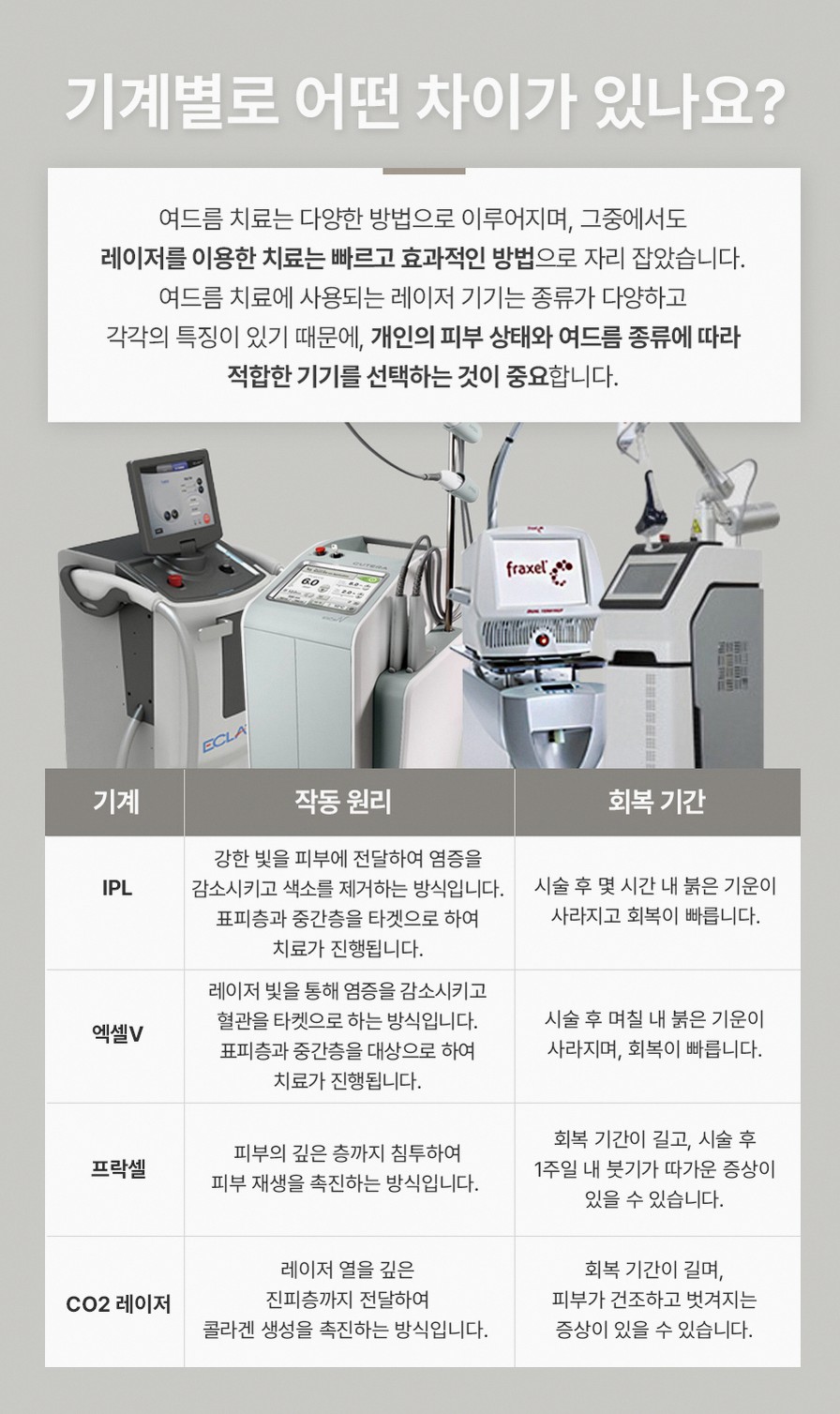
Once the active inflammation was more stable, we discussed treatments for post-acne redness and pigmentation. The clinic uses toning-type lasers, such as Genesis-type or Alex-type toning, to help even out tone and reduce the look of red or brown marks over time. The director was careful to say that this does not guarantee whitening or complete removal of marks, but many patients see gradual improvement with repeated sessions.
For my shallow depressed scars, scar-focused procedures were mentioned as an option. These were described as treatments that stimulate collagen in the deeper layers of the skin to help the surface look smoother. The director made it clear that scar work usually needs multiple sessions and that the goal is softening and improvement, not a perfectly flat surface.
Before starting, the director went over the expected number of sessions, possible downtime such as temporary redness and sensitivity, and the importance of home care like sunscreen and gentle cleansing. I found it helpful that the explanation included both benefits and limitations.
Actual session experience
On a typical treatment day, the process followed a similar flow. First, there was a short consultation and skin check with the director. We compared how my skin looked compared to the previous visit, whether new inflamed spots had appeared, and how I tolerated the medication and procedures.
After that, I moved to the treatment room. Staff helped with cleansing and preparation, removing makeup and sunscreen carefully. They explained each step so I knew what was coming next.
For acne extraction sessions, the director marked the main areas to treat and either performed or closely supervised the procedure. The extractions themselves involved some pressure and stinging, especially around the nose and chin, but they tried to work efficiently and paused if I needed a break. Tools were laid out neatly, and I saw disposable items being used.
On laser toning days, a cooling gel was applied, and the device was adjusted according to my skin condition that day. The sensation was like quick snaps of heat and light. It was not comfortable, but it was tolerable. Before starting, the director asked about my pain tolerance and explained that energy levels could be adjusted if it felt too strong.
For scar-focused treatments, a topical anesthetic cream was applied in advance and left on for a while. This helped reduce discomfort, but I could still feel some pricking and heat during the procedure. Again, the staff and director checked in frequently, and cooling packs were used afterwards.
At the end of each session, there was soothing care with cooling masks or packs, and sometimes a calming product to reduce redness. Before I left, the director or staff reviewed post-care instructions: no hot baths or saunas that day, gentle cleansing, moisturizing, and strict sunscreen use.
In terms of pain, I would describe the procedures as manageable but not painless. The clinic clearly tries to reduce discomfort with anesthetic cream, cooling, and adjusting settings, and they are open to feedback during the session.
Safety and hygiene
One of my concerns before starting was safety, especially with extractions and laser. The clinic environment felt clean and organized. Treatment beds were covered with fresh sheets, and equipment surfaces were wiped down. I observed routine hygiene practices during my visit.
Staff wore gloves during procedures, and there was a clear routine for disinfection. The director also checked for any signs of unusual reaction at each visit and asked about side effects such as excessive dryness, peeling, or breakouts after treatment.
Changes after several sessions
The director set expectations from the beginning that visible changes would take several weeks to months, not days. After a few sessions, I started to notice that the number of new inflamed acne spots was gradually decreasing. The big, painful nodules became less frequent, and when they did appear, they tended to calm down faster.
Redness and swelling in existing lesions also became less intense. Old red marks on my cheeks and jawline began to fade slowly. They did not disappear overnight, but when I compared photos on my phone over a couple of months, the overall tone looked more even.
For early depressed scars, the improvement was more subtle and slower. After repeated scar-focused treatments, some shallow areas looked a bit softer and less obvious in certain lighting. The director reminded me that scar response varies a lot from person to person and that long-standing, deep scars usually need more time and realistic expectations.
Overall, the biggest change was that my skin felt more stable. Breakouts still happened, especially around stressful periods, but they were less explosive and easier to manage.
Home care and lifestyle guidance
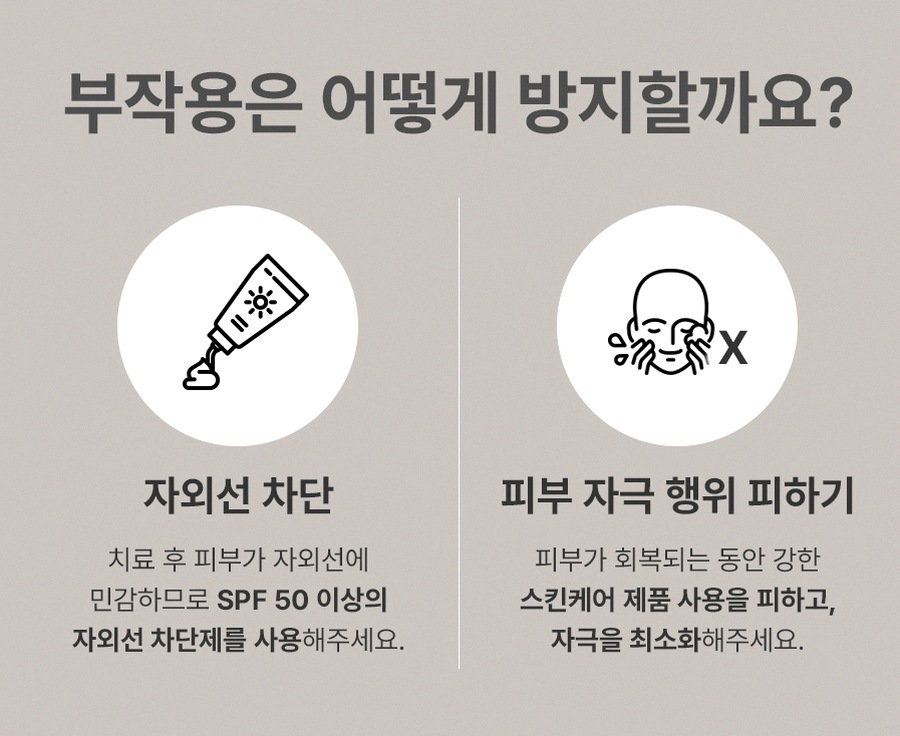
Alongside in-clinic treatment, the director gave consistent advice on home care and lifestyle. I was told to use a gentle, non-foaming cleanser and avoid harsh scrubs or brushes that could irritate the skin. For moisturizer, the recommendation was a non-comedogenic, light formula that would not block pores.
Sunscreen was emphasized at every visit, especially after laser and scar procedures. The director explained that unprotected sun exposure can darken post-inflammatory marks and slow improvement.
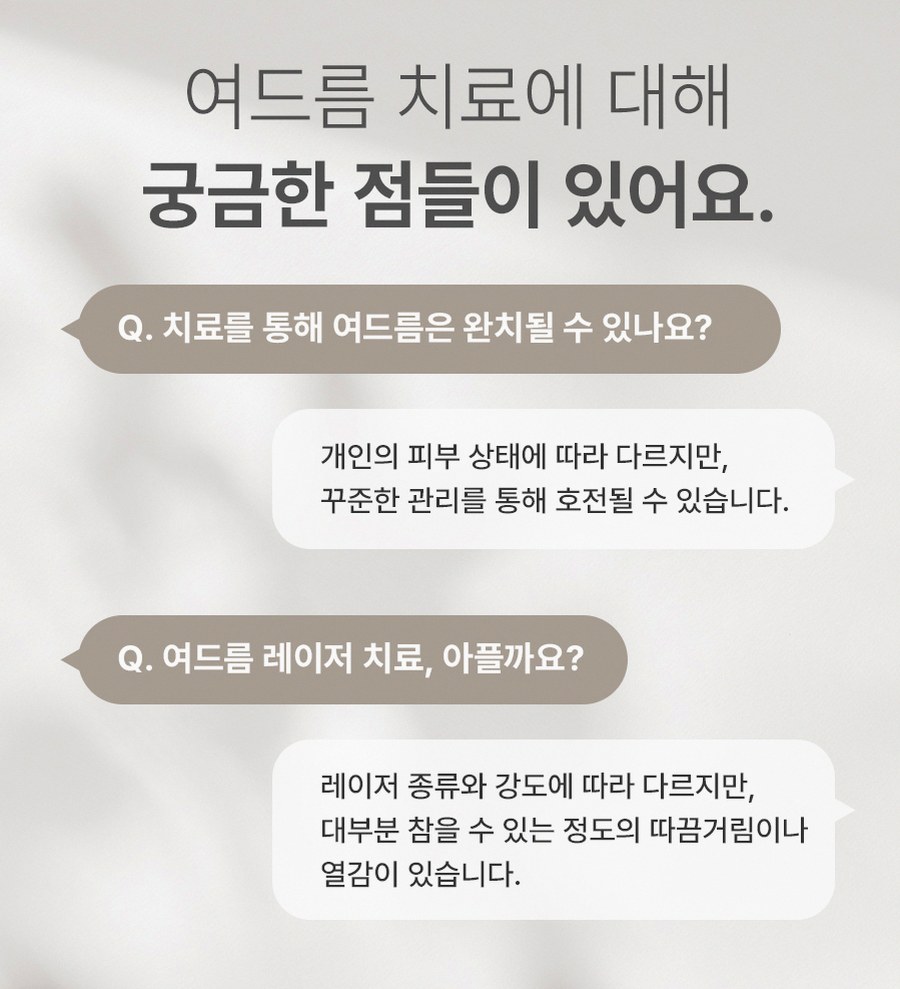
I was strongly advised not to squeeze pimples at home, even if they looked ready. Instead, I was told to apply the prescribed spot treatment and, if something was very swollen, to come in for a professional injection or lesion care.
Lifestyle tips included trying to keep a more regular sleep schedule, managing stress where possible, and avoiding very heavy, occlusive makeup. For long mask use, the director suggested changing masks regularly and using a lighter moisturizer under the mask area.
Who this Bulkwang acne clinic suits
Based on my experience, this type of Bulkwang-dong clinic is suitable for people who want consistent, doctor-led care rather than quick, one-time procedures. It is a good fit if you live in Bulkwang-dong or nearby Eunpyeong-gu and prefer to see the same physician at every visit.
It is also practical if you have both active acne and leftover issues like scars and pigmentation, and you want to manage them in one place instead of visiting separate clinics. The combination of medical treatment, lesion care, and access to devices for tone and texture can be helpful.
Busy workers and students may appreciate the weekday evening hours until 20:00 and the fact that they are open on Saturdays, Sundays, and public holidays. However, you do need to remember that they are closed on Wednesdays and Thursdays.
This clinic might not be ideal if you expect dramatic changes after one or two sessions or if you cannot commit to multiple visits and consistent home care. Acne management here is approached as a step-by-step process.
Practical information and visit planning
One point to note is that this clinic does not operate an official website; its Naver Place listing is the primary online channel. Also note the clinic's weekday lunch break is 14:00–15:00. Because of limited online information, it is wise to call ahead to confirm details.
Their typical hours are as follows:
Weekdays: 11:00 to 20:00, with a lunch break in the afternoon.
Saturdays, Sundays, and public holidays: 11:00 to 17:00, usually without a separate lunch break.
Closed: Wednesdays and Thursdays.
Since device use and detailed acne programs can change over time, calling in advance also helps you check whether specific treatments such as laser toning or scar procedures are available on the day you plan to visit.
If you are comparing clinics in Bulkwang-dong and Eunpyeong-gu, it may help to prepare a small checklist before calling or booking. For example, you can note down questions about how they combine medication with procedures, how often they recommend visits, what kind of devices they use for acne-related redness and scars, and what their approach is to pain management and downtime.
FAQ about Bulkwang acne treatment at a small local clinic
How many acne treatment sessions are usually needed?
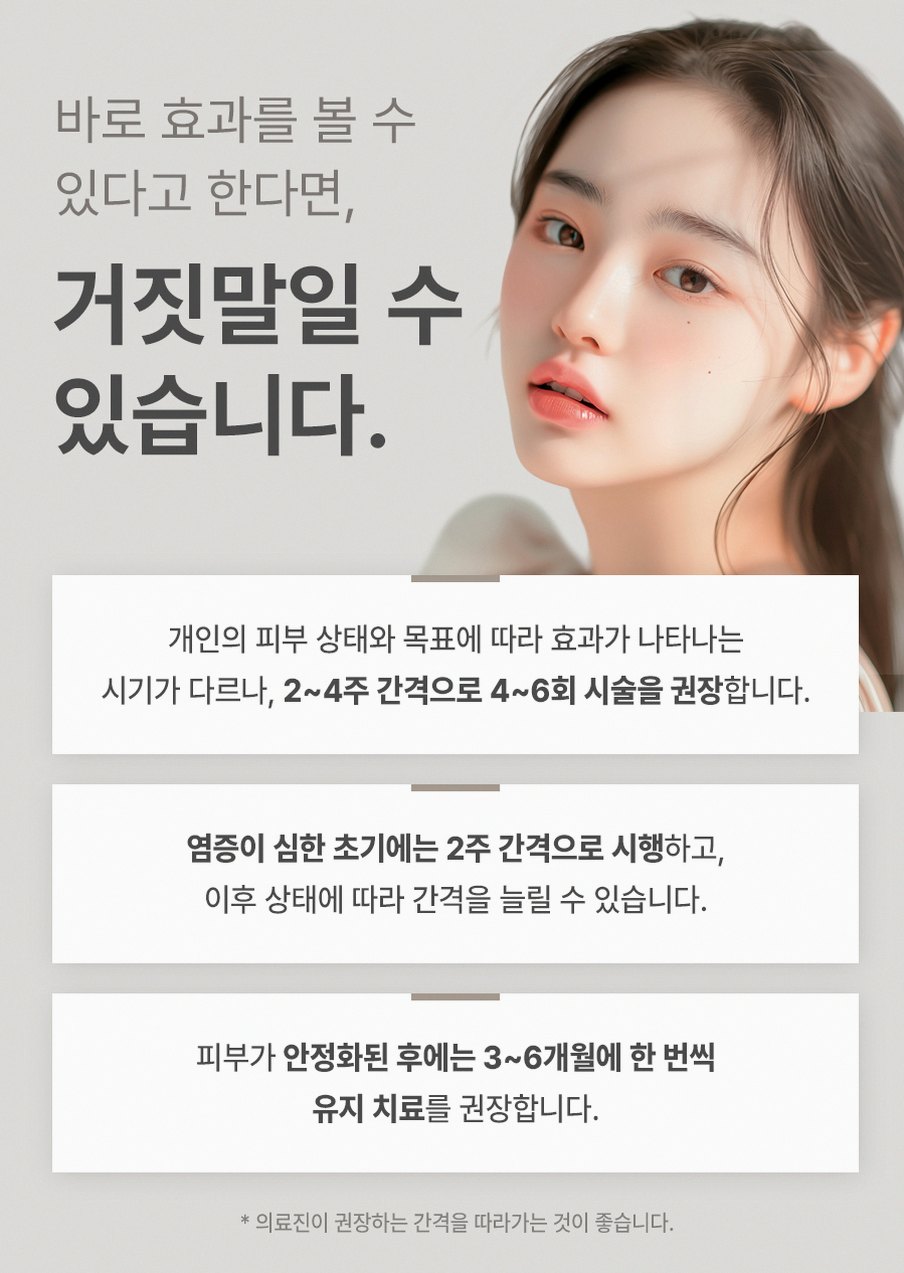
The number of sessions depends on your skin type, the severity of your acne, and whether you are also treating scars and pigmentation. In many cases, clinics suggest regular visits every two to four weeks for several months. Active inflammation may calm down within a few sessions, but work on marks and scars often continues longer. Your doctor can adjust the plan based on how your skin responds.
Are the procedures very painful?
Most people feel some discomfort during extractions, laser toning, and scar-focused treatments. The sensation can range from stinging and pressure to heat and pricking. Clinics like the one in Bulkwang-dong usually use topical anesthetic cream for deeper procedures and cooling before and after to reduce discomfort. Energy levels can often be adjusted if you find it too intense, so it is important to communicate honestly about how it feels.
Can a small neighborhood clinic really handle both acne and scars safely?
A small local clinic can manage both inflamed acne and post-acne issues safely if it has an experienced physician and appropriate equipment. In the Bulkwang example, the same director who treats skin diseases such as warts, burns, and scalp problems also plans and performs cosmetic acne procedures. This kind of setup can be reassuring because your acne is approached as a medical condition first, with cosmetic steps added in a controlled way. However, safety always depends on individual training and protocols, so a thorough consultation is essential.
What should I ask before starting acne treatment in Bulkwang-dong?
Before starting, you may want to ask how the clinic differentiates between active acne and scars, what combination of medication and procedures they recommend for your case, and how often you will need to visit. It is also useful to ask about expected downtime, what home care products they suggest, and what signs of side effects you should watch for. Finally, confirm their opening days and hours, especially since some local clinics are closed on specific weekdays like Wednesday and Thursday.
Soft call to action
If you are living in Bulkwang-dong or nearby Eunpyeong-gu and are hesitating between different places for acne treatment, it can help to start with a simple consultation. Prepare photos of your skin, a list of products you use, and any medications you are taking, then contact the clinic by phone to ask about their current acne programs and available time slots. Taking the first step toward a structured, doctor-led plan often makes acne feel more manageable and less frustrating over the long term.
- 공유 링크 만들기
- X
- 이메일
- 기타 앱


댓글
댓글 쓰기