Acne Scar Treatment in Eunpyeong-gu, Seoul: Practical Guide for International Patients
- 공유 링크 만들기
- X
- 이메일
- 기타 앱
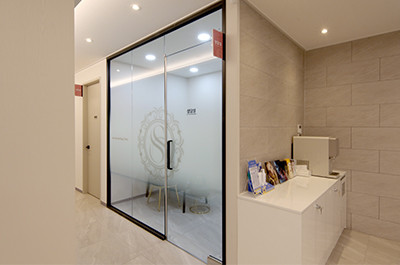
Direct answer summary
At such a clinic, acne scars are evaluated together with active acne, sensitivity, and other skin issues, and you are treated directly by one physician, Dr. Lee Hyo-su, from consultation to procedure. Treatment usually combines methods such as fractional laser, microneedling, energy-based devices, topical prescriptions, and targeted injections over several sessions, with gradual but visible improvement rather than complete erasure.
This article explains what acne scars are, which treatments are commonly used, how a local clinic near Yeokchon Station typically organizes care, and what an overseas visitor can expect before, during, and after a trip to Korea.
Understanding acne scars
Acne and acne scars are related but different problems. Active acne means you still have inflamed or clogged spots: whiteheads, blackheads, red papules, pustules, or deeper cysts. Acne scars are the marks that remain after the inflammation has settled. Once true scars form, they usually do not disappear with cosmetics or simple home care.
Acne scars can be described in simple groups. Some are shallow dents or uneven texture that you feel when you run your fingers over the skin. Others are deeper pits, such as ice-pick scars that look like small, narrow holes, or boxcar and rolling scars that create broader depressions or waves in the skin. Some marks are raised or bumpy, where collagen has built up instead of being lost.
Color changes are also common. Red or pink marks after acne are often called post-inflammatory erythema. Brown or darker spots are post-inflammatory hyperpigmentation. These are not always true scars, but they can last for many months and may need medical care if they are stubborn.
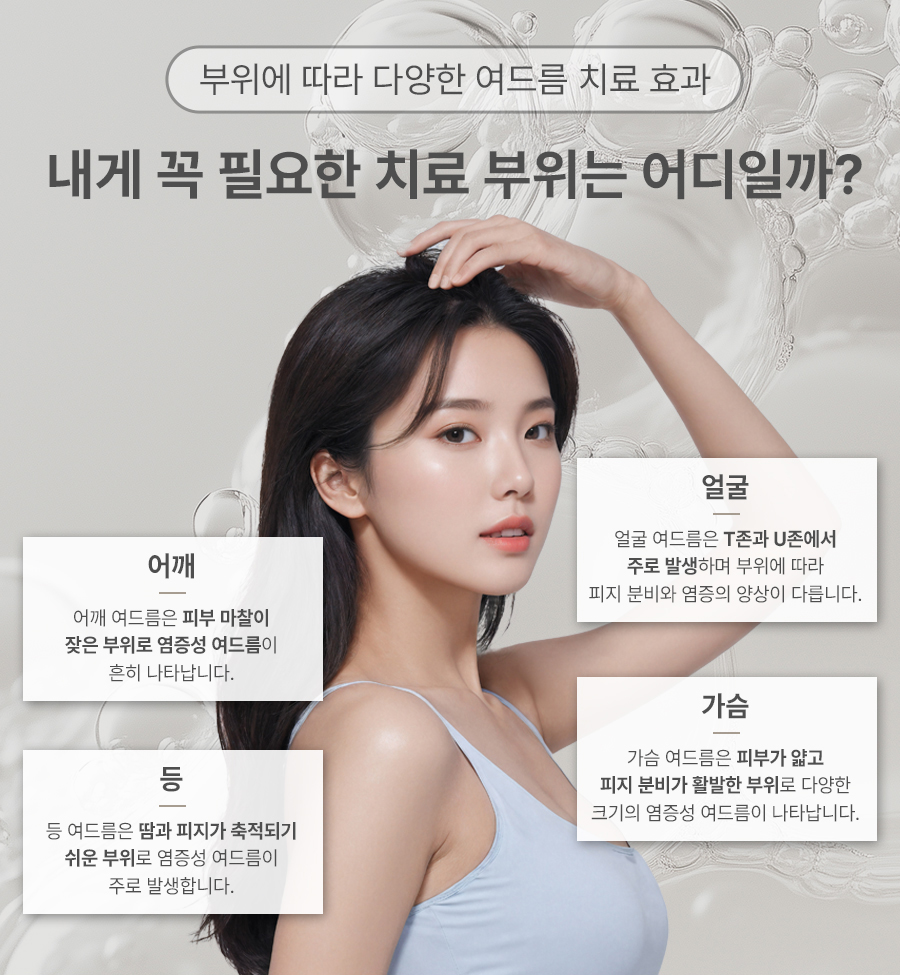
Once the collagen structure of the skin has changed, creams alone rarely rebuild it. In many cases, energy-based or procedural treatments, such as lasers, microneedling, or injections, are needed to stimulate new collagen and smooth the surface. The first and most important step is a proper diagnosis of your scar type, your current skin condition, and whether you still have active acne.
Why choose a skin-disease-focused clinic for acne scars
Many people with acne scars still have ongoing breakouts, sensitive skin, or oily and seborrheic skin. Some also have other skin conditions such as eczema-like rashes, itching, folliculitis, cysts, warts, burns, or hair and scalp problems. If these are not considered, scar procedures may be less effective or the skin may react more strongly than expected.
A clinic that functions as a primary-care style skin clinic, handling both insured medical skin disease care and cosmetic procedures in one place, can be helpful in this situation. At such a clinic near Yeokchon Station, the same doctor is used to seeing a wide range of skin problems every day, so they are familiar with inflammation, infection risk, healing speed, and how different skin types react to procedures.
Being treated directly by Dr. Lee Hyo-su from consultation to procedure means that the person who first evaluates your skin is also the one who selects the treatment methods and performs them. This continuity can be especially important for acne scars, because they usually require a series of sessions over several months. The doctor can adjust settings, intervals, and combinations based on how your skin actually responds, rather than handing you over to different providers.
In addition to acne and scar care, the clinic offers other aesthetic treatments such as lifting devices, injectables, and structured skin care programs, as well as a dedicated foot center and IV therapy for general wellness. These are background services that may be combined when appropriate, but the core focus for you as an acne scar patient is safe, step-by-step improvement of texture and color.
Overview of non-surgical acne scar treatments
Non-surgical acne scar treatment usually means using devices and procedures that stimulate the skin to remodel itself without cutting or general anesthesia. The main categories are lasers and energy-based devices, microneedling and collagen-inducing procedures, injection-based treatments, and topical medical management.
Laser and energy-based treatments
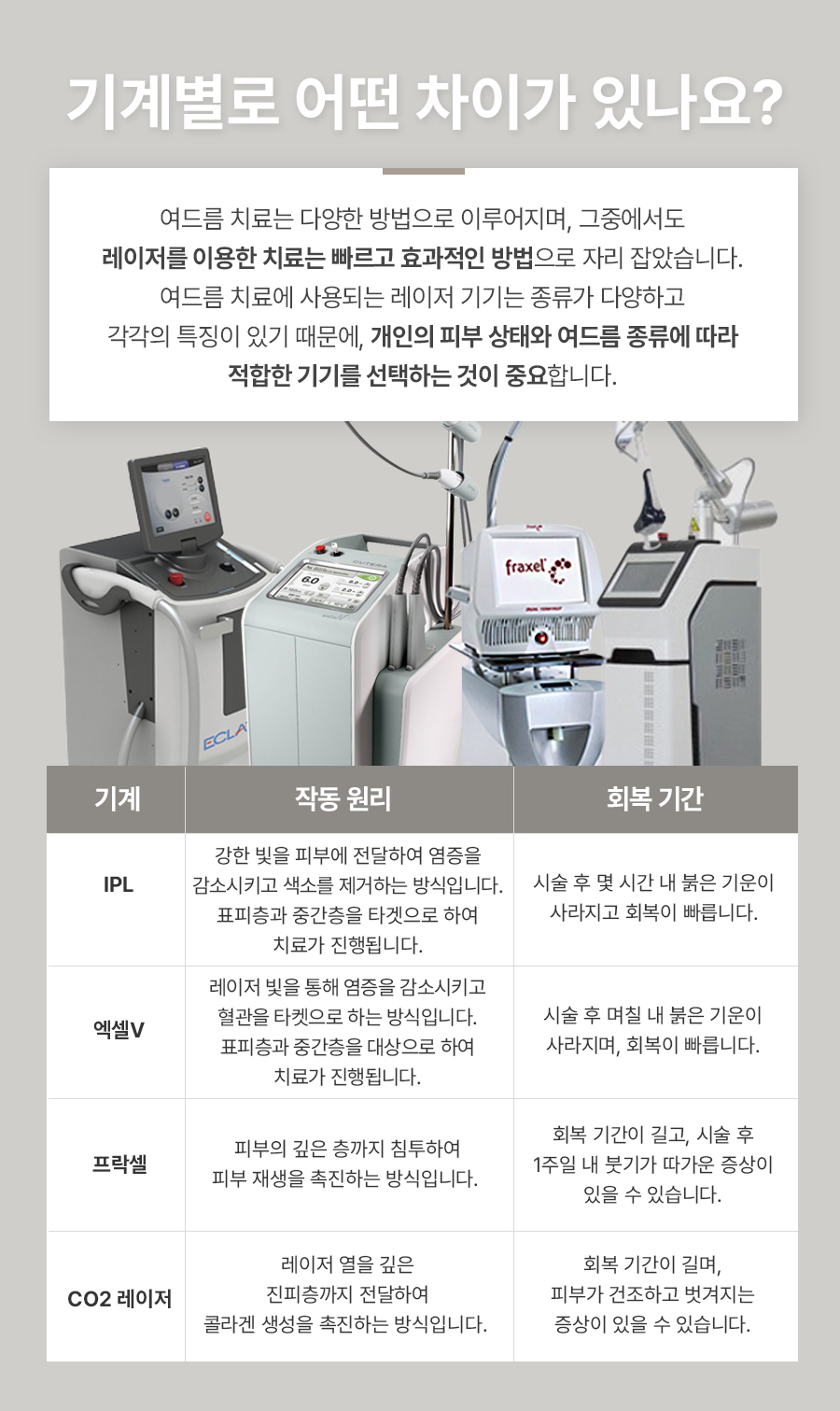
Fractional lasers create many tiny columns of controlled micro-injury in the skin, leaving surrounding tissue intact. This pattern encourages collagen remodeling and can gradually soften depressed scars and improve overall texture. Toning-type lasers use lower energy, more gentle settings that mainly target redness or pigmentation, helping red or brown marks fade more evenly.
Radiofrequency and ultrasound devices deliver energy deeper into the skin without removing the surface. Some are designed to tighten and stimulate collagen in the dermis, which can be combined with scar care to support smoother contours. Others can be paired with microneedling, where the energy is delivered through fine needles directly into scarred areas.
Downtime after these treatments can vary. Some fractional lasers may cause a few days of redness and roughness, while gentler toning or certain energy devices may have shorter visible recovery. The exact plan is customized to your skin type, lifestyle, and how much downtime you can accept during your stay in Korea or between visits.
Microneedling and collagen-inducing procedures
Microneedling uses very fine needles to create controlled micro-channels in the skin. These tiny injuries signal the body to produce new collagen and elastin. Over a series of sessions, this process can gradually soften shallow depressed scars and improve overall texture.
Some procedures combine microneedling with radiofrequency energy or with topical solutions applied through the micro-channels. The goal is to maximize collagen remodeling while keeping the surface damage minimal. Patients typically feel sensations such as scratching, pressure, warmth, or tingling, and the procedure can be performed with topical anesthesia aimed at reducing discomfort.
Injection-based treatments
Injection-based treatments for acne scars are tailored to the type of scar. For tethered depressed scars, subcision is often considered. In subcision, a needle is used under the skin to gently break the fibrous bands pulling the scar downward. This can allow the surface to lift slightly over time as collagen fills in.
Raised or thick scars may be managed with intralesional injections, where medication is placed directly into the scar tissue to soften and flatten it gradually. Other physician-selected injectables may be used to improve texture, hydration, or redness around scarred areas, depending on your skin needs and medical judgment.
Topical and medical management
For red or brown marks left after acne, prescription creams and anti-inflammatory care can be important. Pigment-control agents, gentle exfoliating ingredients, and barrier-supporting moisturizers may be used to help even out tone and support healing after procedures.
At a clinic that also manages skin disease, active acne itself is usually treated at the same time. This may involve topical or oral medications, cleansing routines, and lifestyle guidance. Controlling new breakouts is crucial, because fresh inflammation can create new scars even while you are treating old ones.
Combination therapy
In real life, most patients benefit from a combination of methods rather than a single procedure. For example, a plan might include fractional laser for deeper texture, toning laser for redness, microneedling for overall collagen support, and topical prescriptions for pigmentation and active acne.
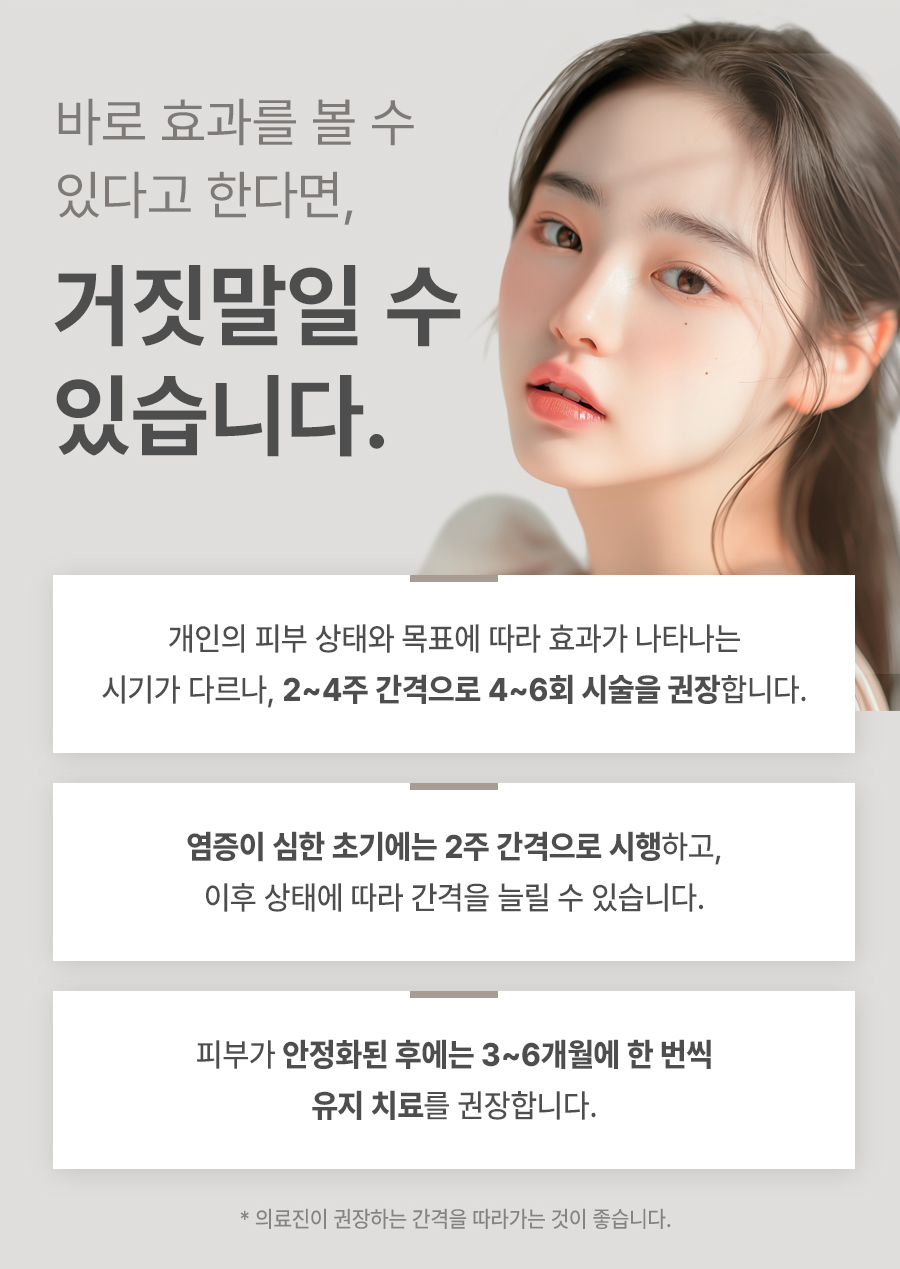
The mix and sequence depend on scar depth, distribution, skin color, sensitivity, and your schedule. Treatments are usually spaced several weeks to a few months apart, so the skin can recover and the doctor can observe gradual changes. The aim is steady, cumulative improvement with attention to safety and comfort.
Treatment process near Yeokchon Station
If you are planning to visit a clinic near Yeokchon Station for acne scars, it can help to understand the typical journey from first contact to follow-up.
Initial consultation
Your first step is usually an in-person or online consultation. At the clinic, your skin and scars are assessed directly by Dr. Lee Hyo-su. The doctor looks at scar types, depth, distribution, and any active acne, as well as general skin condition such as sensitivity, oiliness, or dryness.
Because this clinic also manages skin diseases and scalp issues, the doctor may ask about other symptoms such as itching, rashes, dandruff, hair shedding, or previous infections. These can influence how your skin heals after procedures and which methods are suitable.
Your medical history, medications, allergies, and lifestyle are also reviewed. For overseas patients, it is helpful to share details about your travel schedule, how long you will stay in Korea, and whether you plan to return for additional sessions.
Treatment planning
Based on the consultation, a treatment plan is created. This usually includes choosing which procedures to start with, how strong they should be, and how often they can be repeated. Factors such as pain tolerance, acceptable downtime, and budget are discussed openly.
For example, if you are in Korea for a short visit, the plan may focus on procedures with limited visible downtime and strong long-term benefits, while scheduling more aggressive treatments for a later trip when you can stay longer. If you live near Yeokchon Station, the plan may spread sessions out more comfortably over months.
The doctor explains the expected number of sessions and the typical interval between them. For many non-surgical scar treatments, visits might be scheduled every four to eight weeks, but this can vary by method and individual response.
Procedure day
On the day of your procedure, the treatment area is cleansed. For many laser, microneedling, or injection-based treatments, topical anesthesia can be applied to aim at reducing discomfort. This usually requires some waiting time before the actual procedure.
During the treatment, you may feel warmth, tingling, pressure, or temporary stinging, depending on the device or technique. The staff monitors your comfort and communicates with you throughout. Because you are treated directly by the same doctor who planned your care, small adjustments can be made on the spot if your skin appears more sensitive or more tolerant than expected.
After the procedure, cooling or soothing products may be applied. You will receive instructions about what to expect in the next few days, including possible redness, swelling, or dryness.
Aftercare and follow-up
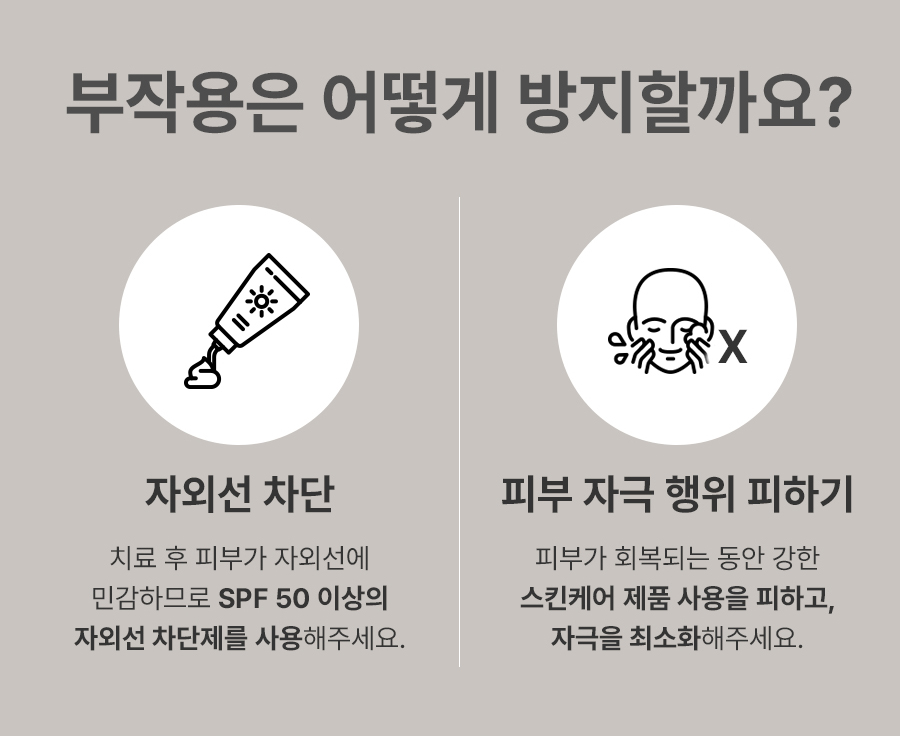
Aftercare is an important part of acne scar treatment. In the days following a procedure, gentle cleansing and moisturizing are recommended. Strong scrubs, harsh exfoliants, and unverified home devices should be avoided, as they can irritate the skin and slow healing.
Sun protection is essential, especially after lasers or microneedling. A broad-spectrum sunscreen and physical protection such as hats can help reduce the risk of post-inflammatory pigmentation.
You will be advised not to pick at scabs or flakes, even if the skin feels rough. Picking can create new marks or prolong redness. Follow-up visits are used to monitor progress, adjust the plan, and decide when to repeat or change procedures.
For local residents or visitors in Eunpyeong-gu, evening and weekend appointments may make follow-ups easier. The clinic's hours are weekdays 11:00–20:00 (with a lunch break from 14:00–15:00), and Saturdays, Sundays, and public holidays 11:00–17:00 (no lunch break). The clinic is closed on Wednesdays and Thursdays. Because of the lunch break and the closed days, confirm the schedule before visiting.
Realistic expectations and safety
Acne scar improvement is usually gradual. Even with modern devices and techniques, complete erasure of scars is uncommon. However, many patients can expect visible softening of depressions, smoother texture, and more even color over time.
Results depend on several factors: how old and deep the scars are, your natural skin type and color, how well active acne is controlled, and how closely you follow aftercare instructions. Younger, shallower scars may respond more quickly, while older, deeper scars often need more sessions.
Temporary side effects can include redness, swelling, mild bruising, or a feeling of tightness. In some cases, treated areas may become temporarily darker or lighter before settling. These reactions are usually manageable under medical supervision, but they should be discussed in advance so you know what is normal and what requires attention.
It is important to avoid unlicensed treatments or aggressive self-treatments, such as strong chemical peels or needling devices used at home without guidance. These can damage the skin barrier and sometimes make scarring worse.
Who may consider acne scar treatment near Yeokchon Station
You may be a good candidate for professional acne scar treatment at a clinic near Yeokchon Station if you have one or more of the following:
Persistent depressed scars, such as ice-pick, boxcar, or rolling scars, that do not improve with home care.
Red or brown marks that have lasted many months after acne has cleared.
Uneven texture that affects your confidence in daily life or work.
Ongoing acne combined with old scars, where you want both problems managed in one place.
People with very active skin disease, uncontrolled systemic illness, or certain medications may need to stabilize their condition before starting scar procedures. This is another reason why a clinic that also handles skin disease and general health aspects can be helpful.
For overseas patients, it is also important to consider your travel schedule. If you can visit Korea more than once, a longer-term plan with multiple sessions can be arranged. If you have only one short trip, the doctor can focus on treatments that provide benefit from a single session, while explaining what could be continued in your home country.
Contact the clinic through its Naver Place listing to ask about pre-visit inquiries and whether online consultations or remote follow-up are available. If the clinic confirms they accept remote submissions, you may be asked to provide clear photos under good lighting and a brief note about your skin history (when the acne began, past treatments, and current medications).
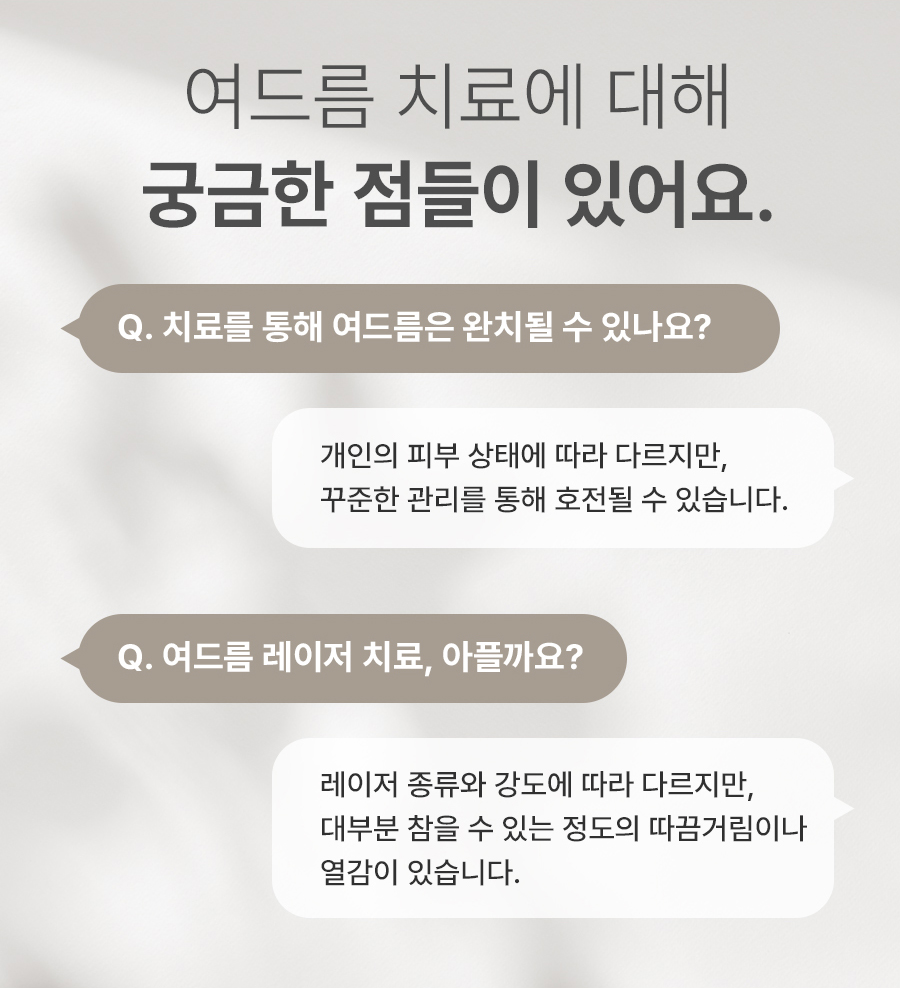
When preparing for an online consultation, it is useful to note:
Any history of keloid or raised scars on your body.
Past reactions to lasers, peels, or cosmetic procedures.
Current and recent medications, including acne drugs, blood thinners, or herbal supplements.
Your typical daily routine, including sun exposure and skincare products.
You can also prepare questions, such as which methods are likely to be used for your scar type, how many days of visible redness you might expect, and how many visits would be ideal. This helps you match the treatment plan to your travel dates and work or study obligations.
Expected Korea visit timeline for acne scar care
For a first-time overseas patient, a typical visit for acne scar treatment near Yeokchon Station might look like this:
Day 1: In-person consultation, skin assessment, and possibly a gentle first procedure if time allows and your skin is suitable.
Day 2–3: Early recovery, with mild redness or swelling depending on the method. You can usually move around the city, but you may prefer to avoid heavy sun exposure or very hot saunas.
Day 4–7: Gradual settling of the skin. Some procedures may cause temporary roughness or fine flaking. At this stage you can often apply light makeup if approved by the doctor.
If you stay longer, a second, different type of procedure may be scheduled after a few days or weeks, but this depends on your skin and the methods chosen. Many energy-based treatments are spaced several weeks apart, so long-term planning is often needed.
After you return home, you can continue topical care and maintain contact with the clinic through online follow-up if needed. When you plan your next trip to Korea, the previous records and photos help the doctor adjust the next steps.
Aftercare for international patients
For visitors from abroad, aftercare has two parts: what you do in Korea immediately after the procedure, and what you continue at home.
While in Korea, you will receive specific instructions about cleansing, moisturizing, and sun protection. The clinic may suggest certain products that are gentle and suitable for post-procedure skin. You should avoid new, untested cosmetics during this period.
Once you return home, you can maintain a simple, consistent routine. Avoid frequent switching of products, strong acids, or scrubs unless recommended. If you plan to have additional procedures in your own country, it is helpful to share your Korean treatment records with your local doctor so they can coordinate safely.
If any unusual reactions occur after you leave Korea, such as prolonged swelling, severe itching, or unexpected color changes, you should contact the clinic with photos and also consider seeing a local physician. Clear communication helps manage issues early.
Convenience for local residents near Yeokchon Station
For people living or working in Eunpyeong-gu, the location near Yeokchon Station makes it easier to fit acne scar care into a busy schedule. You can visit for a consultation after work, receive treatments that match your available downtime, and return for follow-up without long travel.
The clinic’s evening hours on weekdays until 8 p.m., plus Saturday, Sunday, and public holiday opening until 5 p.m., are designed to support those who cannot take time off on weekdays. Because the clinic is closed on Wednesdays and Thursdays, it is important to confirm current hours and make a reservation before visiting.
Brief note on related services
Alongside acne and acne scar care, the clinic also provides management for general pigmentation, lifting and tightening procedures, and structured skin-care programs. These can be combined with scar treatment when appropriate, for example to address sagging or dullness around scarred areas.
There is also care for scalp conditions and hair loss, IV therapies that may support general wellness and fatigue, and a dedicated foot center for issues such as fungal infections and ingrown nails. These services are secondary to acne scar treatment but may be relevant if you prefer to handle multiple skin and related concerns in one place.
Frequently asked questions
What kind of acne scars can be treated near Yeokchon Station?
Clinics near Yeokchon Station commonly treat a wide range of acne scars, including shallow and deep depressed scars, rolling and boxcar scars, ice-pick scars, and raised or thickened scars. They also manage red and brown marks that remain after acne. The specific methods used depend on the scar type, with fractional lasers and microneedling often used for depressed scars, and intralesional injections or other approaches for raised scars.
How many sessions do I usually need for acne scar improvement?
Most people need multiple sessions for noticeable acne scar improvement. A common range is several treatments spaced four to eight weeks apart, but this varies by scar depth, skin type, and chosen methods. During your consultation, the doctor will estimate a realistic number of sessions and explain that results are gradual rather than instant. The plan can be adjusted based on how your skin responds over time.
Is acne scar treatment painful and how long is the downtime?
Many non-surgical acne scar treatments can be performed with topical anesthesia aimed at reducing discomfort. During procedures you may feel warmth, tingling, pressure, or temporary stinging, but most patients find this manageable. Downtime depends on the method: some fractional lasers may cause several days of redness and roughness, while gentler toning or certain energy devices may have shorter visible recovery. Your doctor will match the intensity of treatment to your schedule and tolerance.
Can I start acne scar treatment while I still have active acne?
Yes, in many cases acne scar treatment can begin while you still have some active acne, as long as the breakouts are being medically managed. A clinic that also treats skin disease can address active acne with medications and skincare while planning scar procedures around flare-ups. In some situations, the doctor may recommend focusing on controlling inflammation first, then increasing the intensity of scar treatments once new breakouts are reduced.
Soft call to action
If long-standing acne scars are affecting your confidence and you are looking for non-surgical options near Yeokchon Station in Eunpyeong-gu, it may be time to move beyond cosmetics and home remedies. A medical consultation with a clinic that manages both skin disease and aesthetic procedures can help you understand your scar type, your skin’s current condition, and the realistic options available.
You can start with an online consultation to share photos and your treatment history, then plan a visit to Korea or schedule an in-person appointment if you already live nearby. Before you come, remember to confirm the clinic’s current hours and reservation requirements, especially because it is closed on Wednesdays and Thursdays. With a step-by-step plan and consistent follow-up under one doctor, many patients achieve gradual, meaningful improvement in their acne scars while maintaining their daily routines.
- 공유 링크 만들기
- X
- 이메일
- 기타 앱


댓글
댓글 쓰기