Yeonsinnae Station Ulthera-Type Lifting and Filler Guide for International Patients
- 공유 링크 만들기
- X
- 이메일
- 기타 앱
Direct answer summary
If you are searching for Ulthera-type lifting and dermal filler near Yeonsinnae Station in Eunpyeong-gu, you can find a neighborhood clinic setting where one doctor manages both medical skin care and aesthetic treatments. At this type of clinic, dermal fillers are used to restore facial volume and refine contours, while energy-based devices such as Inmode, Shurink Universe, Tencera, and Ten Triple are used for lifting and tightening. Patients are treated directly by the director from start to finish, and treatment plans can combine lifting and filler for natural, everyday results.
This guide explains how filler and Ulthera-type lifting differ, who might consider them, how to prepare from overseas, what a typical visit to Korea might look like, and what to expect after treatment.
Overview of filler and Ulthera-type lifting near Yeonsinnae Station
Around Yeonsinnae Station, many office workers and local residents look for facial filler while also considering Ulthera-style or HIFU lifting. The goal is usually not a dramatic makeover, but subtle anti-aging and contour correction that still looks natural at work and in daily life.
Dermal filler is an injectable gel, most commonly based on hyaluronic acid, that adds volume where it is placed. It can soften deep folds, fill hollows, and gently adjust facial lines. Ulthera-type or HIFU lifting, and similar devices such as Shurink Universe, Tencera, and Ten Triple, deliver focused energy to deeper layers of the skin to tighten and lift over time.

In a small internal medicine and dermatology-oriented clinic near Yeonsinnae Station, the same doctor handles both skin disease and aesthetic procedures. This means your filler plan can be made with an understanding of your skin condition, scars, or inflammation, not only cosmetic goals. Patients are treated directly by the director from consultation through the procedure, which can help maintain consistent judgment and follow-up.
What dermal filler does and when it is used
Dermal filler is designed to replace or add volume in specific areas of the face. The gel is injected under the skin in carefully planned amounts and depths.
Common treatment areas include under-eye hollows, nasolabial folds, marionette lines, cheeks, chin, jawline, lip contour, nose bridge for non-surgical reshaping, and drooping mouth corners.
Typical reasons to consider filler are visible volume loss with age, deep folds that do not improve enough with lifting alone, facial asymmetry, or a desire for a more defined profile. For example, someone in their 40s may want to soften deep smile lines while another person in their 30s may prefer a slightly sharper chin or smoother under-eye area.
In a neighborhood clinic setting near Yeonsinnae Station, the aesthetic goal is usually natural change. Rather than chasing trends or extreme volume, the focus is on harmony with your existing features, so that colleagues or friends simply feel you look more rested or refreshed, not obviously altered.
Filler vs Ulthera-type lifting and other devices
Filler and Ulthera-type lifting work in very different ways and are often complementary.
Filler adds volume directly where it is injected. The effect is usually visible immediately, with final settling over the following days or weeks as swelling decreases.
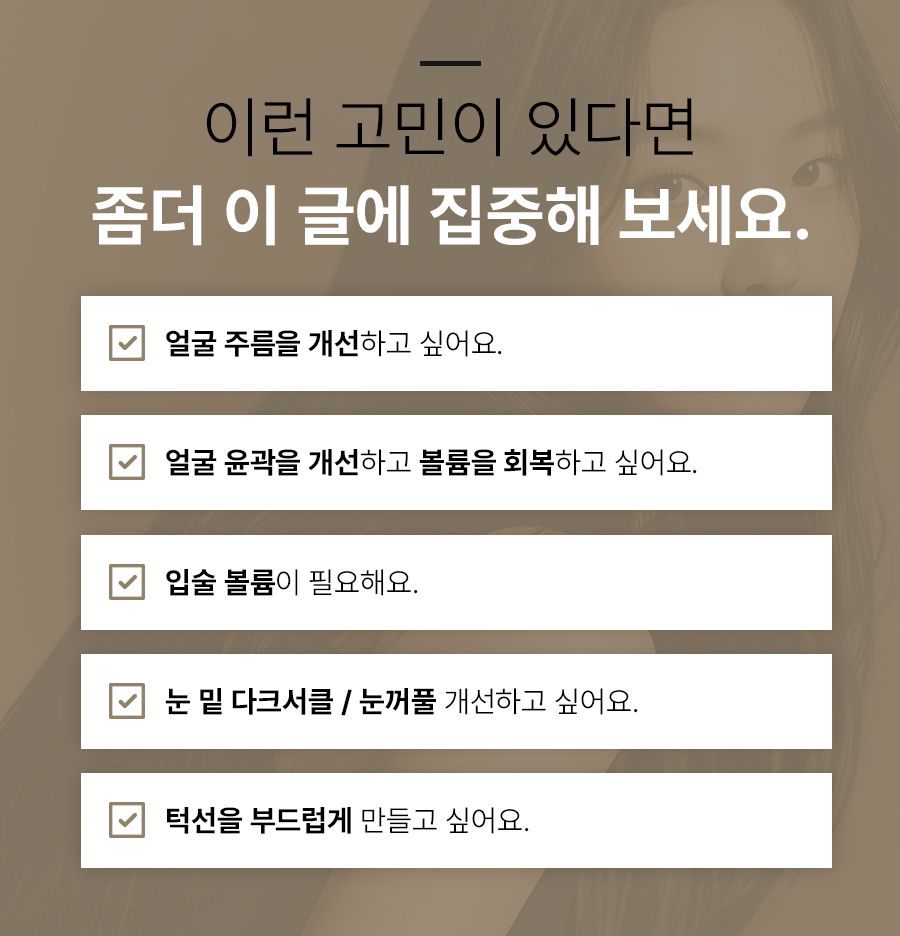
Ulthera-type lifting and devices such as Shurink Universe, Tencera, and Ten Triple use focused energy to heat deeper layers of tissue. This can stimulate tightening and lifting over time, especially along the jawline, jowls, mild double chin, and areas of general skin laxity.
Filler is usually more suitable for deep static wrinkles and folds caused by volume loss, as well as flat or recessed areas such as cheeks, chin, and under-eye hollows. Lifting devices are more suitable for sagging, such as a drooping jawline or early jowls, when the main problem is loose tissue rather than missing volume.
Many patients near Yeonsinnae Station benefit from a combination. A common approach is to perform lifting first to reposition and tighten the tissues, then use filler to refine remaining folds or hollows. Because the same doctor plans both treatments, the risk of overfilling or mismatched results can be reduced. The lifting equipment lineup, including Inmode, Shurink Universe, Tencera, and Ten Triple, is relatively broad for a solo clinic and allows tailored lifting plans to match your filler design.
How filler consultation and procedure are typically carried out
Step 1: Consultation and facial analysis
Your visit usually begins with a detailed consultation. The doctor reviews your medical history, current medications, and any previous filler, lifting, or other aesthetic treatments. For international patients, it is helpful to bring or send photos and a brief history in advance.
The doctor assesses your skin condition, including any underlying skin diseases, scars, or inflammation that might affect the plan. You discuss your desired image, such as a softer or younger look, a sharper jawline, a more defined nose bridge, or brighter under-eye area.
Step 2: Treatment planning
Based on this assessment, the doctor decides which areas to treat, the approximate volume needed, and the type of filler suitable for each region. Specific brand names may vary and are usually discussed in person.
If you are also considering Ulthera-type or HIFU lifting, the sequence and timing are explained. Often, lifting is recommended first, with filler added later in the same visit or a subsequent visit, depending on your schedule and the doctor’s judgment.
Step 3: Procedure
On the day of the procedure, the skin is cleansed and disinfected. A topical anesthetic cream or local anesthesia may be used to reduce discomfort as much as possible, depending on the area and your sensitivity.
The doctor injects the filler using a fine needle or a blunt-tipped cannula, chosen according to the treatment area and safety considerations. During the procedure, the doctor may ask you to sit or lie in a semi-upright position to check symmetry and how the face looks in a natural posture.
Immediate shaping and fine adjustments are done on the spot. Because the director handles the injections personally, there is direct continuity from your initial concerns to the final shaping.
Step 4: Post-procedure check and instructions
After the injections, the doctor checks the treated areas and explains what to expect. Temporary reactions such as mild swelling, redness, or bruising are common and usually improve over several days.
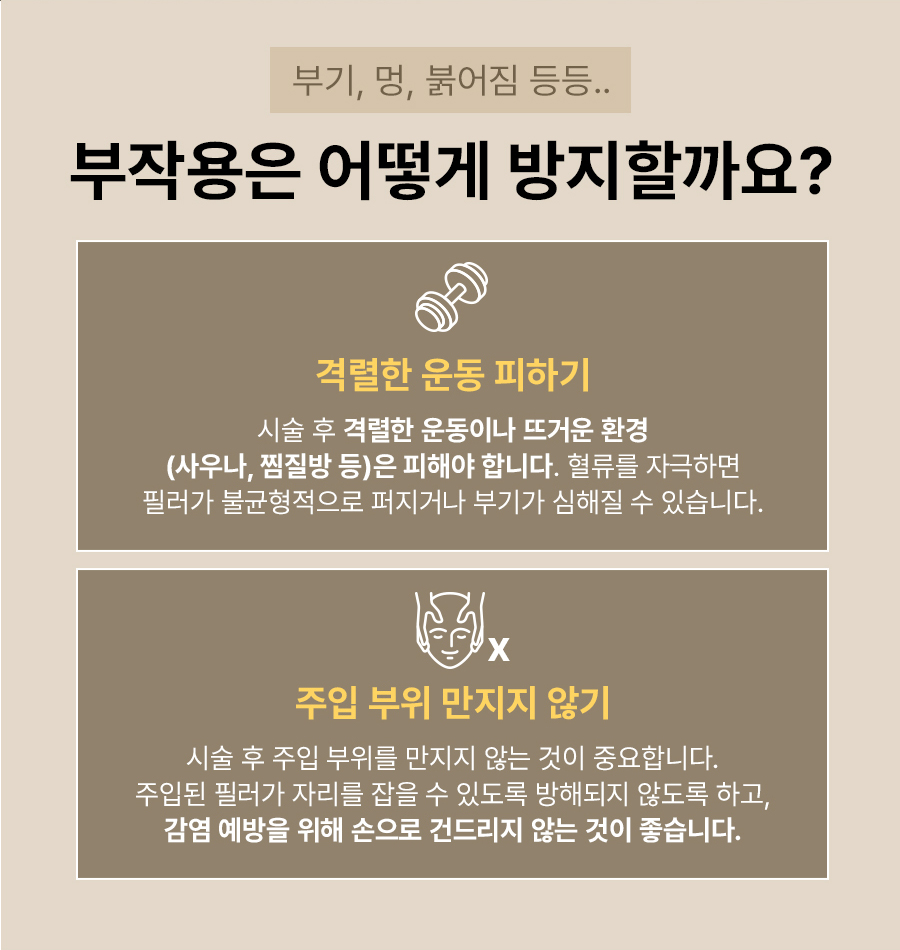
You receive aftercare guidance, which may include avoiding strong pressure on the treated area, intense exercise, sauna, or alcohol for a short period as advised. A follow-up visit can be scheduled, especially for international patients who stay in Korea for several days, to check how the filler is settling and to discuss any small touch-ups if appropriate.
Safety, side effects, and the clinic’s approach
Like any medical procedure, filler injections have potential side effects and risks. Common, usually mild side effects include swelling, redness, bruising, and temporary tenderness at the injection sites.
Rare but serious complications can include vascular occlusion, where filler blocks a blood vessel, infection, significant asymmetry, or nodules. For this reason, it is important to be treated by a doctor familiar with facial anatomy and experienced in both disease and aesthetic procedures.
Careful technique, including appropriate injection planes, slow injection, and aspiration where indicated, can help reduce risks. Clinics performing fillers should have emergency protocols and medications available; ask your provider directly how suspected vascular compromise would be managed at their facility.
In a single-doctor system, the same physician who consults with you also performs the filler. This continuity can help maintain consistent judgment about how much filler to use, where to place it, and when to be conservative. Experience with skin disease, scars, and inflammatory conditions also helps in deciding when to delay or modify filler plans for safety.
The clinic also manages other medical services such as insurance-covered skin disease, lasers, IV drips, and a dedicated foot center, as well as scalp-related treatments. These broader services support a more comprehensive understanding of tissue health, even though the main focus for you may be filler and lifting.
Natural-looking filler design for everyday life near Yeonsinnae Station
For residents and office workers around Yeonsinnae Station, the ideal filler result is usually subtle. The aim is to look well-rested and balanced rather than obviously treated.
The aesthetic philosophy emphasizes harmony with your existing face instead of chasing short-lived trends. Volume is adjusted conservatively, with the option to add more later rather than filling too much at once. The doctor considers how your face will look in everyday situations such as commuting, working under office lighting, or wearing minimal makeup.
Examples include softening deep nasolabial folds without making the midface look puffy, slightly lifting the mouth corners with filler or combining filler with mouth-corner lifting techniques, and refining the jawline or chin to balance the profile. In some cases, these are combined with lifting devices or contour injections to achieve a more defined yet still natural line.
Who may consider filler near Yeonsinnae Station
Dermal filler can be considered by a wide range of age groups.
In the late 20s to 30s, people often seek subtle contouring, nose bridge refinement, or early correction of under-eye hollows. The goal is usually to enhance structure and prevent tired-looking shadows.
From the 40s and above, the focus often shifts to volume restoration in the cheeks, nasolabial folds, and marionette lines. Many in this age group combine filler with lifting treatments to address both sagging and volume loss.
Filler is also suitable for people who cannot take long downtime and prefer treatments that allow a quick return to daily life. Office workers who rely on evening or weekend appointments may find the clinic’s schedule convenient.
However, there are situations where caution or delay is needed. These include active skin infection or inflammation at the planned injection site, uncontrolled systemic disease, pregnancy or breastfeeding, or a history of severe allergies or previous filler complications. In such cases, an individual consultation with the doctor is essential before deciding on treatment.
Comparison with other aesthetic options offered
Besides filler and lifting devices, the clinic offers other aesthetic options that may complement your plan.
Botulinum toxin injections are more suitable for dynamic wrinkles caused by muscle movement, such as forehead lines, frown lines between the eyebrows, and crow’s feet. Filler, in contrast, is used for volume and structure.
Energy-based lifting with Inmode, Shurink Universe, Tencera, and Ten Triple focuses on tightening and lifting tissues. These devices can improve jawline definition and skin firmness but do not replace the need for volume where tissue has thinned.
Skin boosters and regenerative injections, such as PDRN-type treatments, are used to improve skin quality and texture rather than structural volume. They may be combined with filler to address both surface and deeper concerns.

The doctor can combine these methods according to your individual needs, but filler remains the central tool for contouring and volume correction in this context.
Online consultation and pre-visit preparation for overseas patients
If you are planning to travel to Korea for filler and Ulthera-type lifting near Yeonsinnae Station, an online consultation in advance is very helpful.
Before contacting the clinic, prepare clear facial photos from the front and both sides under natural or bright indoor light. Avoid heavy makeup so the doctor can see your natural contours, folds, and skin condition.
Write a short summary of your concerns, such as deep smile lines, tired under-eye area, weak chin, or sagging jawline. Mention your age range, any previous filler or lifting procedures, allergies, medications, and medical history. If you have had complications from filler before, describe them in detail.
During online consultation, you can ask which areas the doctor recommends treating, whether lifting, filler, or both are advised, and how many visits would be ideal within your travel schedule. You can also ask about expected downtime, typical side effects, and how long you should stay in Korea for follow-up.
It is wise to prepare a list of questions before the consultation, such as how the doctor decides the amount of filler, whether dissolving filler is possible if needed, and how emergency situations are handled.
Expected Korea visit timeline for filler and lifting near Yeonsinnae Station
For many international patients, a short stay of several days is planned. A typical schedule might look like this, though exact plans should be confirmed directly with the clinic.
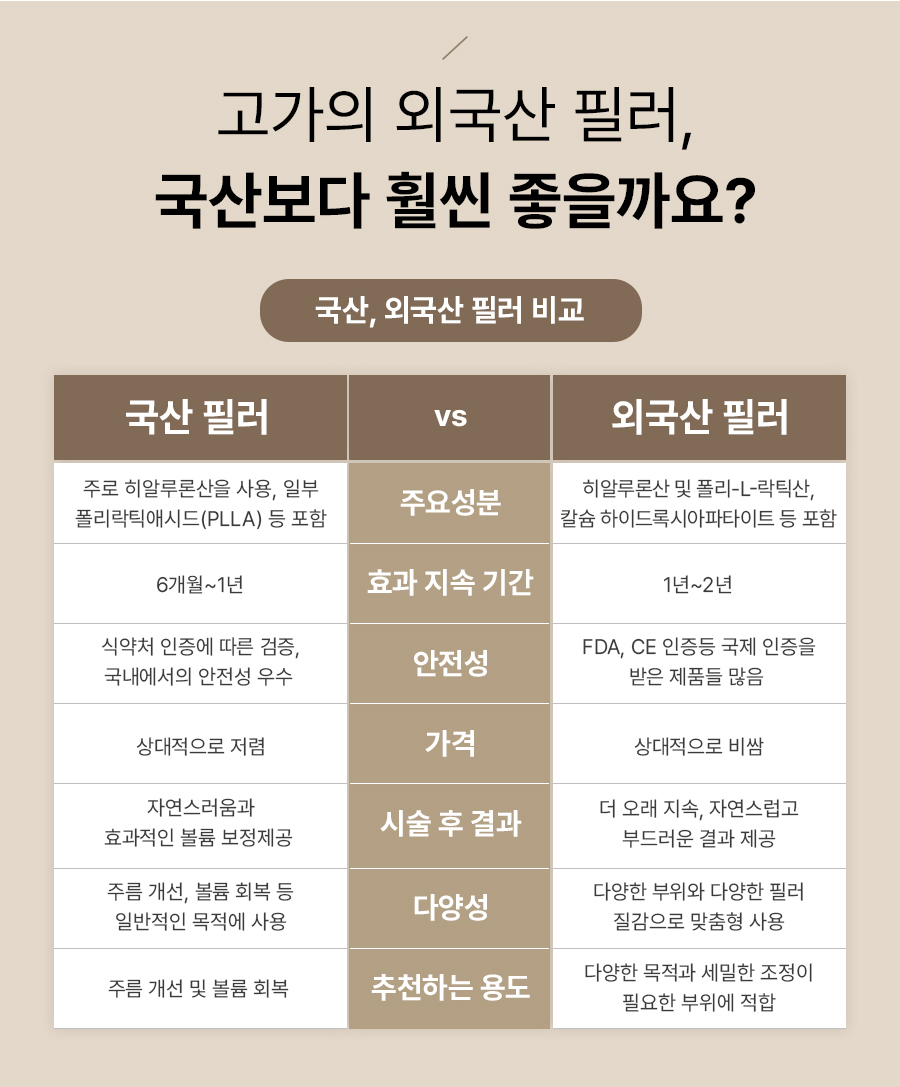
Day 1: In-person consultation and possible lifting
On the first day, you meet the doctor in person near Yeonsinnae Station. The doctor confirms your medical history, examines your face directly, and refines the plan discussed online.
If Ulthera-type or HIFU lifting with devices such as Shurink Universe, Tencera, Ten Triple, or Inmode is part of your plan, it may be performed on this day. Mild redness or swelling can occur, but many patients can resume light activities the same day.
Day 2 or 3: Filler treatment and first check
Filler injections may be scheduled on the same day as lifting or within the next one to two days, depending on your skin condition, personal preference, and the doctor’s recommendation. After the procedure, you can usually return to daily activities with some care.
A short check-up can be done later the same day or the next day to ensure there are no early concerns. If you are staying longer, a follow-up in several days allows the doctor to see how the filler is settling.
Last day: Final check before departure
Before you leave Korea, a final brief visit can confirm that there are no visible issues and that you understand aftercare instructions. The clinic may ask you to send follow-up photos by email or messaging after you return home.
Aftercare and follow-up from overseas
After filler treatment, you may experience mild swelling, redness, or bruising for several days. Sleeping with your head slightly elevated and avoiding strong pressure on the treated areas can be helpful.
For a short period after treatment, the doctor may advise you to avoid intense exercise, sauna, hot baths, or alcohol. You should also avoid massaging or pressing the treated areas unless specifically instructed.
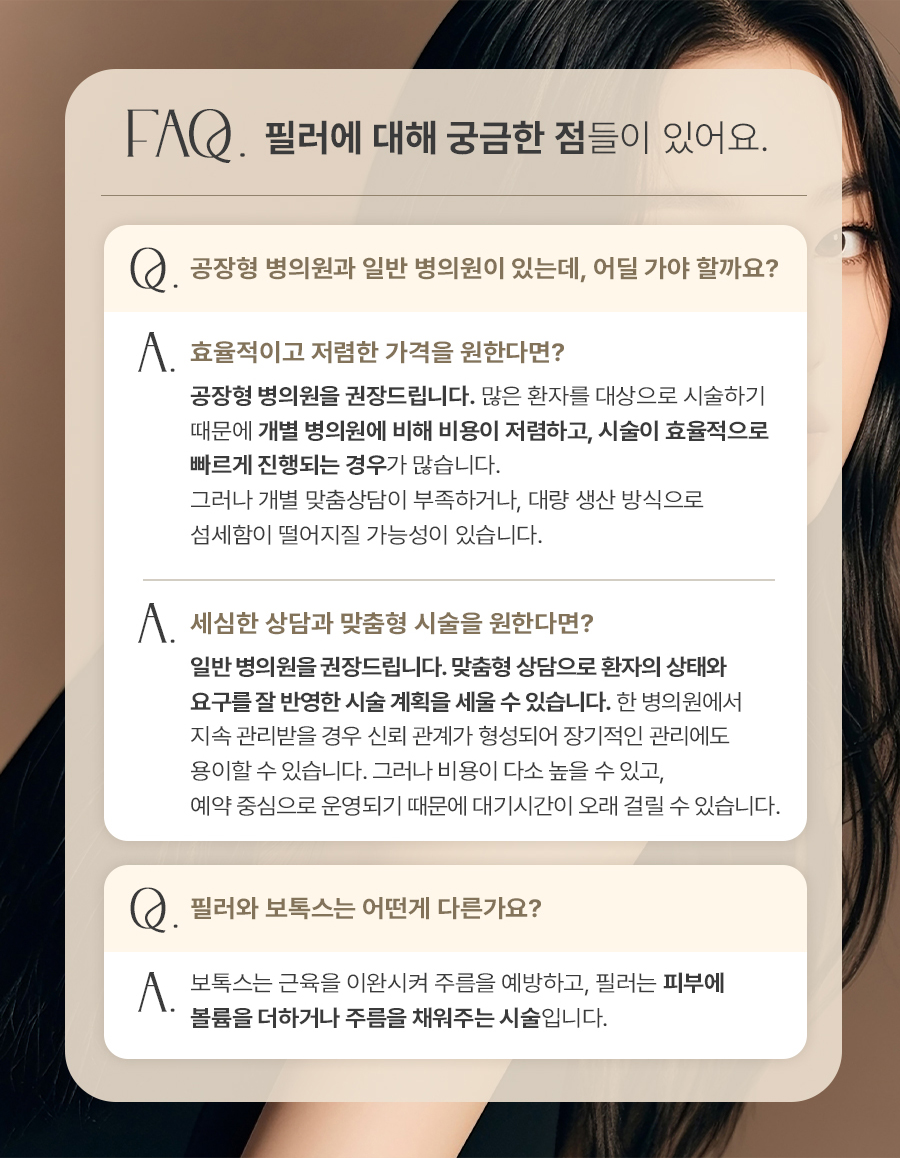
If you notice unusual pain, skin color changes such as whitening or mottled discoloration, or signs of infection such as warmth and increasing redness, you should contact the clinic immediately, even if you have already returned home. The clinic can guide you on whether to seek urgent care locally.
Because filler results gradually change over months, you may plan maintenance visits when you return to Korea, or you can coordinate with a local doctor in your home country. It is helpful to keep a record of the type and amount of filler used and the injection areas.
Practical information: location and operating hours
Malk-eun-su Clinic — medical director Dr. Lee Hyosu provides consultation and treatment from start to finish. The clinic is located near Yeonsinnae Station in Eunpyeong-gu. Hours: Weekdays 11:00–20:00 (lunch break 14:00–15:00); closed on Wednesdays and Thursdays. Saturday, Sunday, and public holidays: 11:00–17:00 (no lunch break). The clinic does not have a website; Naver Place appears to be the only online channel. Please confirm services, equipment, and appointment details directly with the clinic before visiting.
The clinic is located in the Yeonsinnae Station area of Eunpyeong-gu, making it convenient for local residents and commuters using public transport. It provides both insurance-covered skin disease care and aesthetic procedures, as well as IV drips, a foot center, and scalp-related treatments.
The clinic does not operate an official website and mainly provides information through a major local platform. For the most accurate and up-to-date details, including available filler products and current services, it is best to contact the clinic directly by phone or message.
Operating hours are designed to suit office workers and busy residents. On weekdays, the clinic is open from 11:00 to 20:00, with a lunch break from 14:00 to 15:00. On Saturday, Sunday, and public holidays, it is open from 11:00 to 17:00 without a lunch break. The clinic is closed on Wednesday and Thursday. Because schedules can occasionally change, you should confirm opening hours and book an appointment in advance.
FAQ about filler and Ulthera-type lifting near Yeonsinnae Station
How long do filler results usually last, and how often is maintenance needed?
The duration of filler results depends on the type of filler used, the treatment area, your metabolism, and lifestyle factors. In many cases, hyaluronic acid fillers in facial areas last several months to over a year, with some areas such as lips or under-eye potentially changing sooner.
Maintenance is usually planned when you and your doctor feel the effect has softened enough that folds or hollows are returning. Instead of waiting until all volume is gone, some people prefer smaller, periodic touch-ups to keep a steady, natural look. Your doctor can suggest an approximate schedule based on your first treatment.

Can I get filler and Ulthera-type lifting on the same day near Yeonsinnae Station?
In some cases, filler and lifting can be performed on the same day, but the sequence and timing depend on your individual situation. Many doctors prefer to perform lifting first so the tissues are tightened and repositioned, then add filler to refine the remaining folds or hollows.
For international patients with limited time, the doctor may adjust the schedule to fit your stay while still prioritizing safety and natural results. This is something to discuss clearly during online consultation and again at your in-person visit.
What is the typical recovery time after facial filler, and when can I go back to work?
Most people can return to light daily activities and office work either the same day or the next day after filler injections, especially if only a few areas are treated. Mild swelling, redness, or bruising can occur and may be visible for several days, depending on your skin and the injection sites.
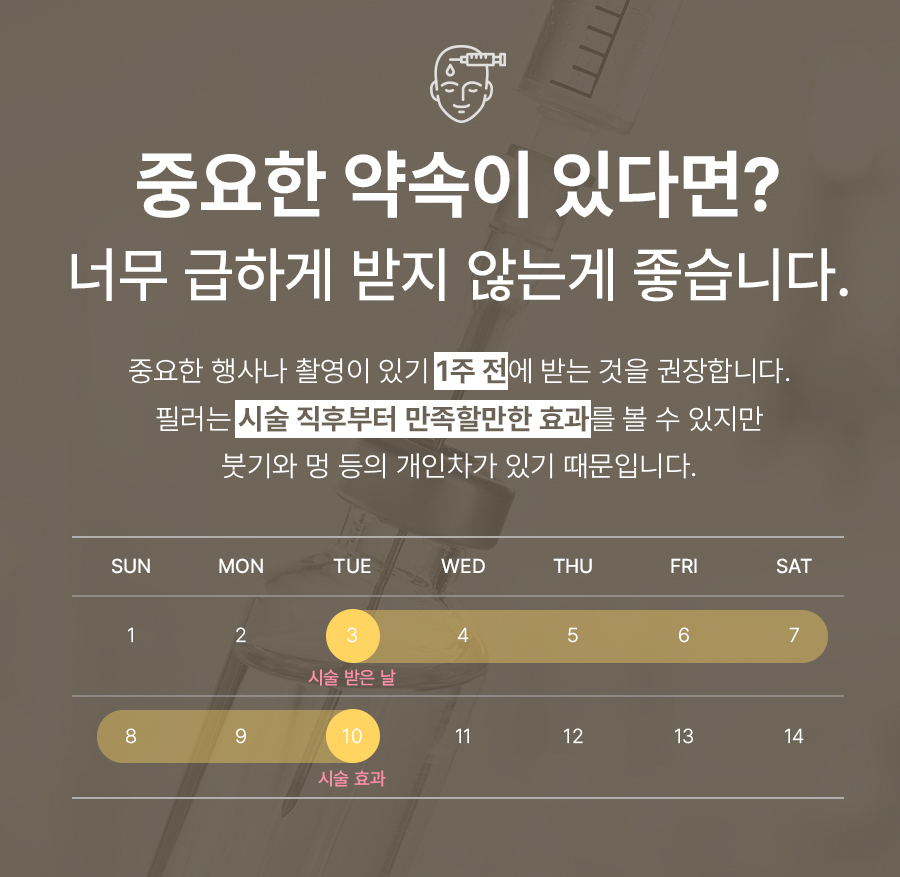
If you have an important event or photo session, it is safer to schedule filler at least one to two weeks in advance. Your doctor can give more specific advice based on the planned areas and your tendency to bruise.
Is it possible to dissolve or adjust filler if I do not like the result?
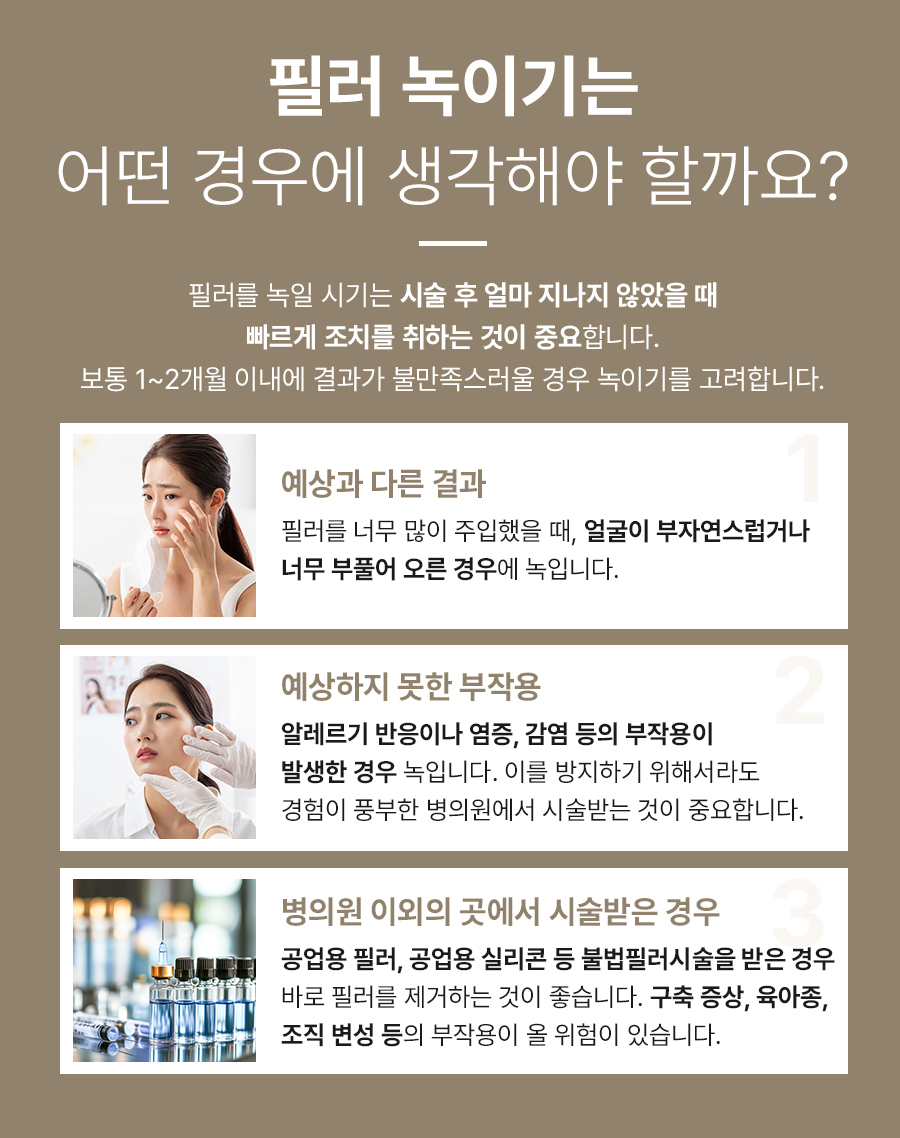
For many hyaluronic acid fillers, an enzyme injection can be used to dissolve the filler partially or completely if necessary. This can be considered in cases of overfilling, asymmetry, or certain complications.

However, dissolving filler is also a medical procedure with its own considerations and should be done by a qualified doctor after careful evaluation. It is better to start with a conservative amount of filler and adjust gradually, which is the usual approach in a detail-oriented neighborhood clinic.
Soft call to action for online consultation
If you are considering filler and Ulthera-type lifting near Yeonsinnae Station during your visit to Korea, an online consultation can help you plan your schedule and understand realistic options. By sharing clear photos, your medical history, and your goals in advance, the doctor can suggest a tailored combination of filler and lifting devices such as Inmode, Shurink Universe, Tencera, or Ten Triple.
Before you book flights or hotels, contact the clinic to confirm available dates, operating hours, and approximate visit plans. This preparation can make your trip smoother and help you use your time in Korea efficiently while aiming for natural, everyday-friendly results.
- 공유 링크 만들기
- X
- 이메일
- 기타 앱


댓글
댓글 쓰기