Yeonsinnae Station dermatology filler reviews and how to choose a clinic
- 공유 링크 만들기
- X
- 이메일
- 기타 앱
Direct answer summary
If you are searching “Yeonsinnae Station dermatology filler reviews,” you will mostly find comments about small, local clinics that treat both skin conditions and cosmetic concerns in one place. For fillers, patients usually pay attention to whether the same doctor consults and injects, how carefully facial balance is checked, how pain and bruising are managed, and how the clinic handles follow‑up. This guide explains what those reviews really mean, what to expect from facial filler at a neighborhood clinic near Yeonsinnae Station, and how overseas visitors can plan a safe and efficient trip to Korea.
Overview of facial fillers near Yeonsinnae Station
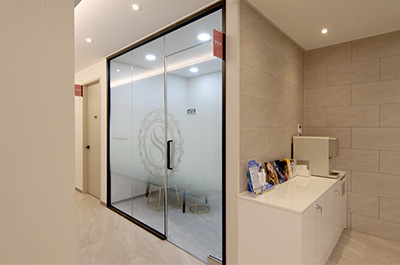
Around Yeonsinnae Station in Eunpyeong‑gu, there are small internal medicine and skin‑focused clinics where one physician looks after both medical skin problems and aesthetic procedures. In this type of clinic, the same doctor who treats rashes, inflammation, or scalp issues may also perform fillers, lifting, and laser.
Many international patients find this style reassuring because it feels like a neighborhood primary‑care clinic rather than a purely cosmetic shop. Instead of flashy marketing, the emphasis tends to be on careful diagnosis, realistic expectations, and long‑term skin health.
In one such clinic near Yeonsinnae Station, all consultations and filler injections are done directly by the director. The clinic also runs a foot center for fungal infections, ingrown toenails, and calluses, and treats scalp problems and hair loss. This broad medical scope can be a positive sign when you read reviews, because it shows that the clinic is used to managing inflammation, infection risk, and follow‑up care.
What makes a good filler clinic near Yeonsinnae Station
When people write reviews about fillers in this area, several themes appear again and again. Understanding these can help you read local reviews more effectively, even if you are new to Korea.
Same doctor for consultation and injection
Many reviewers mention that they felt more secure when the same doctor who analyzed their face also performed the injection. In a one‑doctor system, there is no handover between a consultant and a separate injector. This continuity can reduce misunderstandings about your goals and can make it easier to adjust the plan during the procedure.
Careful facial analysis
Good reviews often describe how the doctor took time to check facial asymmetry, bone structure, and existing volume loss. Patients appreciate when the doctor explains why certain areas, such as under‑eye hollows or the chin, may benefit from subtle volume rather than chasing every small line.
In a clinic that regularly treats skin disease, the doctor is also used to looking at skin thickness, elasticity, and any signs of sensitivity or inflammation. This can influence where and how deeply fillers are placed.
Experience with skin disease and inflammation
Because these clinics are not purely aesthetic centers, they are used to managing conditions like dermatitis, acne, fungal infections, and scalp problems. In reviews, patients often mention feeling safer knowing that the clinic can recognize and manage inflammatory reactions or delayed side effects if they occur after filler.
Handling of side effects and follow‑up
Another common review topic is how the clinic responds when something does not feel perfect. Patients often comment on:
Whether the doctor clearly explained possible side effects such as swelling, bruising, or temporary unevenness.
Whether they were encouraged to return for a check‑up.
How the clinic handled minor touch‑ups or concerns about asymmetry.
When reading reviews, it is a good sign if people mention that they could easily ask questions after the procedure and that the clinic took their concerns seriously.
Filler basics for first‑timers
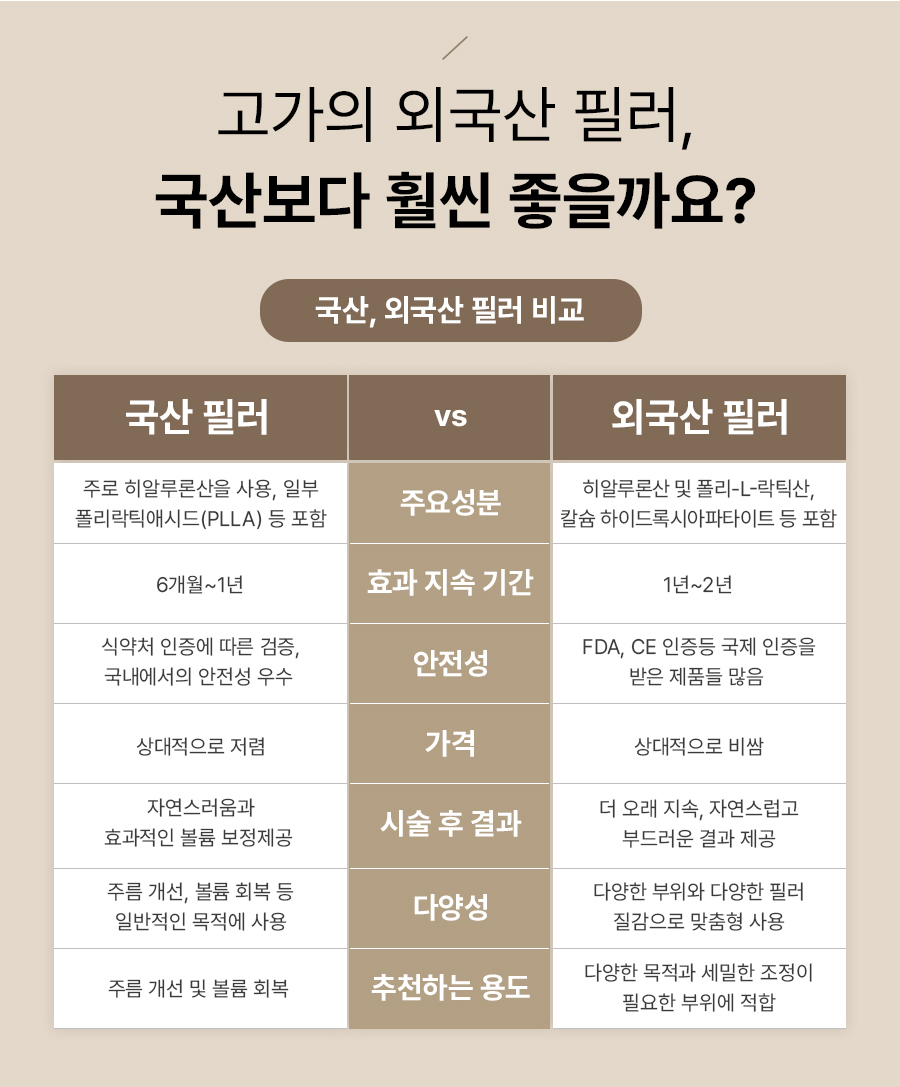
Dermal fillers are injectable gels used to restore lost volume, improve facial contours, and soften certain lines. Many commonly used fillers are resorbable and gradually break down over time, though product types vary; the clinic will explain product choice during consultation.
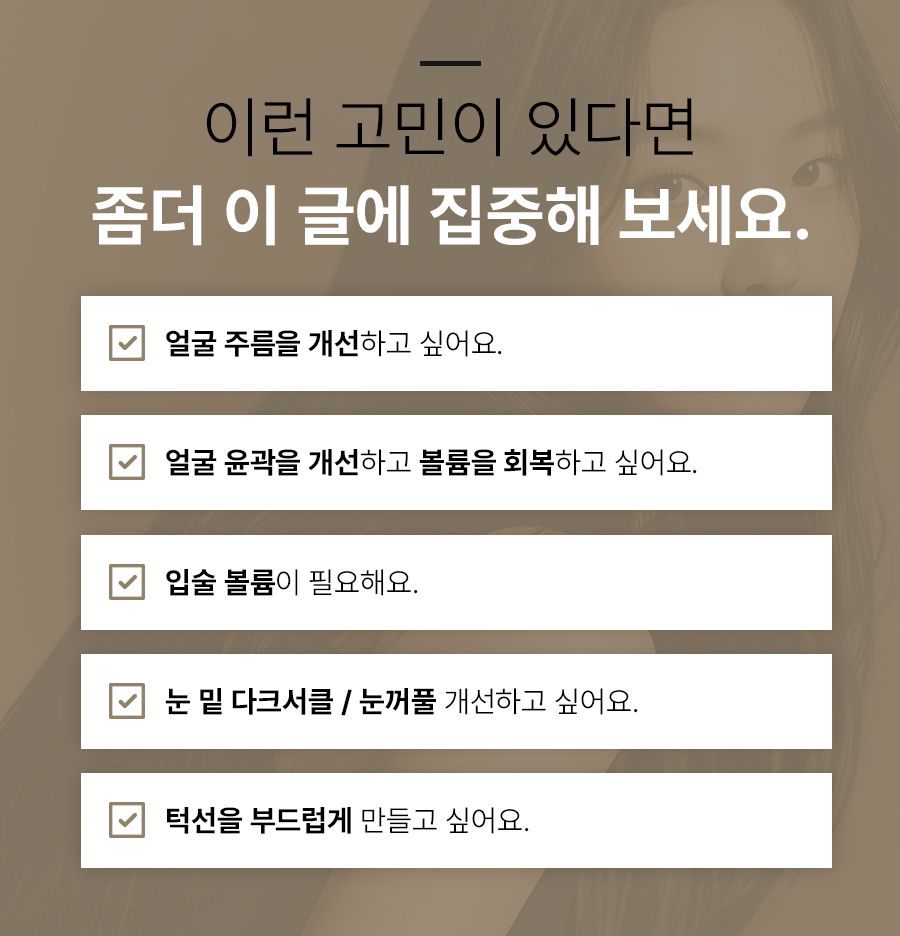
Common treatment areas include under‑eye hollows, nasolabial folds around the mouth, marionette lines, lips, chin, jawline, forehead, and nose bridge. Some patients also receive small amounts in the temples or cheeks to improve overall facial balance.
Product choice, injection depth, and volume should always be individualized. During a face‑to‑face consultation, the doctor considers your age, facial structure, skin quality, and previous procedures. The goal is usually to harmonize the face rather than to copy a specific celebrity look.
Results and duration vary depending on the product, the area treated, and individual metabolism. Some areas may appear fuller for longer, while others may soften more quickly due to movement. Because of these differences, responsible clinics avoid promising a fixed duration or guaranteeing specific results.
How fillers are typically performed at a one‑doctor clinic
At a small clinic near Yeonsinnae Station, the filler process usually follows a clear sequence from consultation to aftercare.
Initial consultation
First, you meet the doctor and discuss your concerns. The doctor asks about your medical history, current medications, allergies, and any previous filler, thread lifting, or surgeries. This step is important for safety, especially if you have a history of autoimmune disease, bleeding tendency, or strong allergic reactions.
Facial analysis
Next, the doctor carefully examines your face from the front and side. They assess symmetry, bone structure, soft tissue thickness, and skin elasticity. Many reviewers appreciate when the doctor uses a mirror to point out where volume loss is contributing to a tired or sagging look, and where filler might or might not help.
Treatment plan
Based on this analysis, the doctor suggests specific areas for filler, an approximate volume range, and a general product category. At this stage, you should hear a clear explanation of:
Which areas are likely to benefit most.
What kind of change you can realistically expect.
Which concerns cannot be solved with filler alone.
In a clinic that also offers lifting devices and threads, the doctor may sometimes recommend combining treatments or choosing another option instead of filler if volume is not the main issue.
Procedure steps
On the treatment day, the usual steps are:
Cleansing of the skin to reduce the risk of infection.
Marking of injection points while you are sitting, so gravity and natural expression are considered.
Application of topical anesthetic cream and, if needed, small local anesthetic injections to reduce pain.
Filler injection using a fine needle or a blunt‑tip cannula, depending on the area and technique.
Because the same doctor has followed you from consultation to injection, they can adjust the plan slightly during the procedure if they see that less or more volume is appropriate in a specific spot.
Immediate check and minor adjustments
After the main injections, the doctor usually checks the result with you in a mirror. Small adjustments may be made to improve symmetry or smoothness. Some areas may look slightly overfilled at first due to swelling; a careful doctor will explain this and avoid chasing perfection while the tissue is still reacting.

Aftercare explanation
Before you leave, the staff or doctor explains how to care for the treated areas. Typical advice includes:
Possible swelling and bruising over the next few days.
When to apply cold compresses and when to avoid pressure.
Whether gentle massage is appropriate or should be avoided, depending on the product and area.
Which activities to avoid temporarily, such as intense exercise, saunas, or alcohol.
You are usually given instructions about when to return for a follow‑up visit. In a one‑doctor clinic, you see the same doctor again, which many patients mention positively in reviews.
Safety, pain, and downtime from a review‑reader perspective
Pain management
Topical anesthetic cream is commonly used, and some filler products may include a mild anesthetic. Pain control practices vary by clinic and treatment area—confirm specifics during your consultation.
Reviews often describe the pain as tolerable or brief, but sensitivity varies by person and by area. The lips and nose bridge can feel more intense, while cheeks and chin are often easier.
When reading reviews, look for comments about whether pain control was discussed in advance, and whether the clinic was willing to pause or add more anesthetic if needed.
Swelling and bruising
Temporary swelling and bruising are common short‑term reactions. Patients often report that swelling is most noticeable in the first one to three days, then gradually settles. Bruising, if it occurs, may take longer to fade but can usually be covered with makeup after the skin has closed.
Useful reviews mention how long swelling lasted, whether bruising was visible in daily life, and whether the clinic prepared the patient with realistic expectations.

Safety checks and emergency response
A safe filler clinic pays close attention to sterile technique and has a good understanding of facial vascular anatomy. While serious complications are uncommon, it is important that the clinic knows how to respond quickly if symptoms such as severe pain, unusual color changes, or visual disturbances appear.
When reading reviews, it is reassuring to see comments that the doctor explained warning signs and what to do if something feels wrong. Some patients also mention that when they called with concerns, the clinic arranged a prompt check‑up.
How this kind of clinic differs from large cosmetic chains
In Seoul, you can find both large cosmetic chains and small neighborhood clinics near subway stations like Yeonsinnae. Each has a different style.
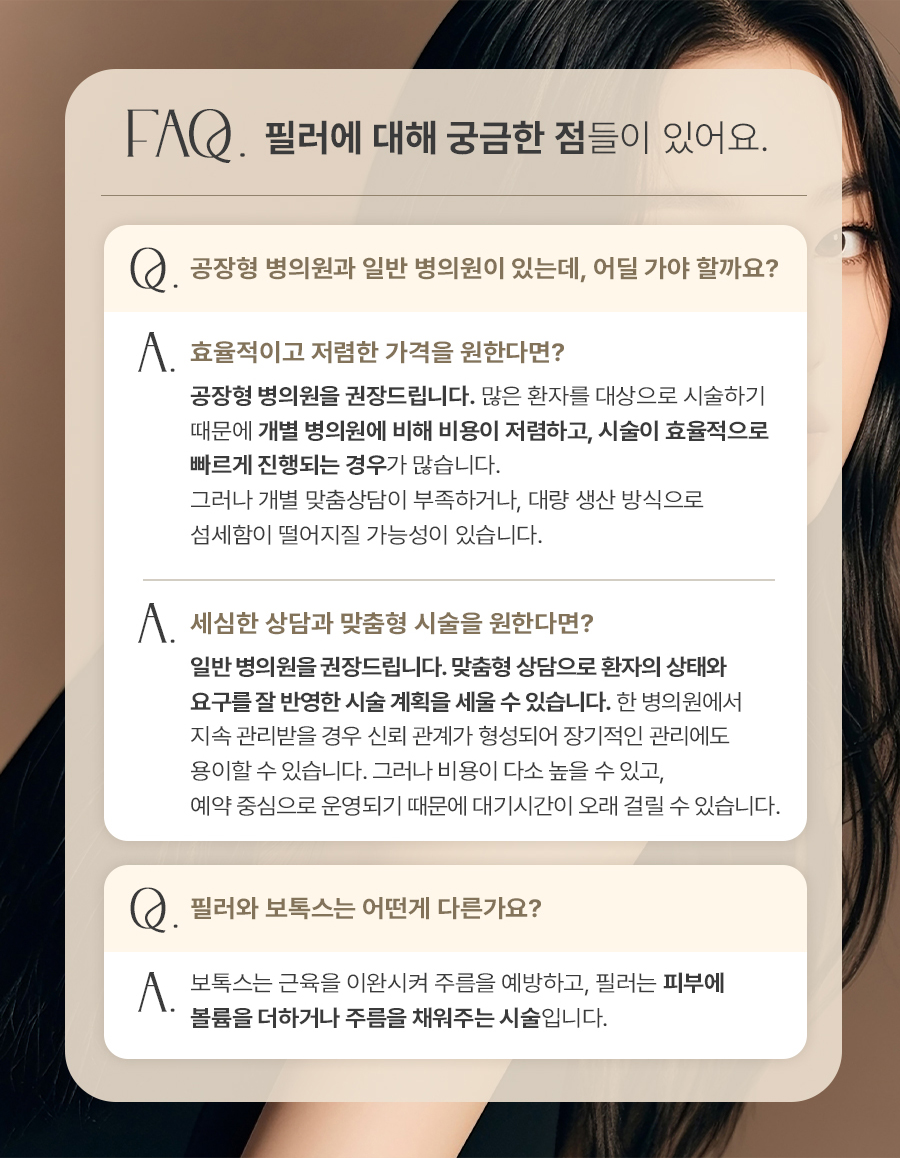
Large chains often separate the roles of consultant and injector. You may first speak with a counselor about price and packages, and then meet the doctor briefly before the procedure. These clinics sometimes focus on volume discounts and seasonal promotions.
In contrast, a one‑doctor clinic near Yeonsinnae Station usually has the same physician handling consultation, injection, and follow‑up. Because the clinic also manages skin disease, scalp issues, and foot problems, the atmosphere feels more like a local medical practice that also offers fillers, lifting devices, and lasers.
Reviews for this type of clinic often highlight careful explanations, conservative volume recommendations, and long‑term follow‑up rather than just low prices. Patients may mention that the doctor did not push unnecessary areas, or suggested alternative treatments when filler was not the best choice.
Comparison with other aesthetic options
Besides fillers, these clinics may offer device‑based lifting such as Inmode, Shurink Universe, Tencera, and Ten Triple, as well as thread lifting, contour injections, PRP, and various lasers.
Fillers mainly add volume and structure. They are useful for hollow areas, weak chin or jawline, and certain folds.

Device‑based lifting focuses on tightening and mild lifting by delivering energy to deeper layers of the skin. It does not replace lost volume but can improve skin firmness.
Thread lifting uses fine threads placed under the skin to provide mechanical lifting and to stimulate collagen over time.
When reading reviews, it is a good sign if patients mention that the doctor suggested a combination or an alternative when filler alone would not address their concerns. This suggests that the clinic is prioritizing overall facial harmony rather than selling a single procedure.
Practical guidance for reading “Yeonsinnae Station dermatology reviews”
Checking photos
Many local reviews include photos, but lighting, camera angle, and makeup can strongly influence how results look. Try to focus on overall facial balance and natural expression rather than only on close‑up before‑and‑after images.
Look for comments about how natural the result appears in everyday life and after swelling has settled, not just immediately after the procedure.
Follow‑up and communication
Good reviews often mention that follow‑up visits were encouraged and that small asymmetries could be discussed calmly. Pay attention to comments about how easy it was to ask questions, whether the doctor listened, and whether explanations were clear.
Clinic atmosphere and waiting time
While not directly related to medical quality, the atmosphere and waiting time can affect your experience, especially if you are visiting from overseas with a tight schedule. Reviews that mention organized appointment systems, manageable waiting times, and kind staff can be helpful.
Questions to prepare before your visit
Before you book a filler consultation near Yeonsinnae Station, it helps to prepare a short list of questions. For example:
Which filler products are commonly used for my target areas, and why are they recommended for me.
How much volume is suggested, and what kind of visual change that amount is expected to create.
What are the possible short‑term and long‑term side effects, and how does the clinic handle them.
What is the recommended timing for follow‑up, and what happens if I am not satisfied with a specific area.
Bringing reference photos of yourself at a younger age can also help the doctor understand your natural facial structure and what kind of restoration looks most harmonious.
Visit timeline for overseas patients
If you are planning to travel to Korea for fillers near Yeonsinnae Station, it is useful to understand the clinic’s schedule and typical recovery pattern.
Location and extended hours
Clinics in this area are located within walking distance of Yeonsinnae Station in Eunpyeong‑gu, which is convenient for both local residents and visitors staying elsewhere in Seoul. One representative clinic operates with extended hours:
Weekdays: 11:00 to 20:00, with a lunch break from 14:00 to 15:00.
Saturdays, Sundays, and public holidays: 11:00 to 17:00 without a lunch break.
Closed on Wednesdays and Thursdays.
These hours are particularly helpful for office workers and travelers who need evening or weekend appointments. If you are coming from overseas, avoid scheduling on Wednesdays and Thursdays to prevent wasted visits.
Suggested schedule for a short trip
For a typical three to five day visit, a practical plan might be:
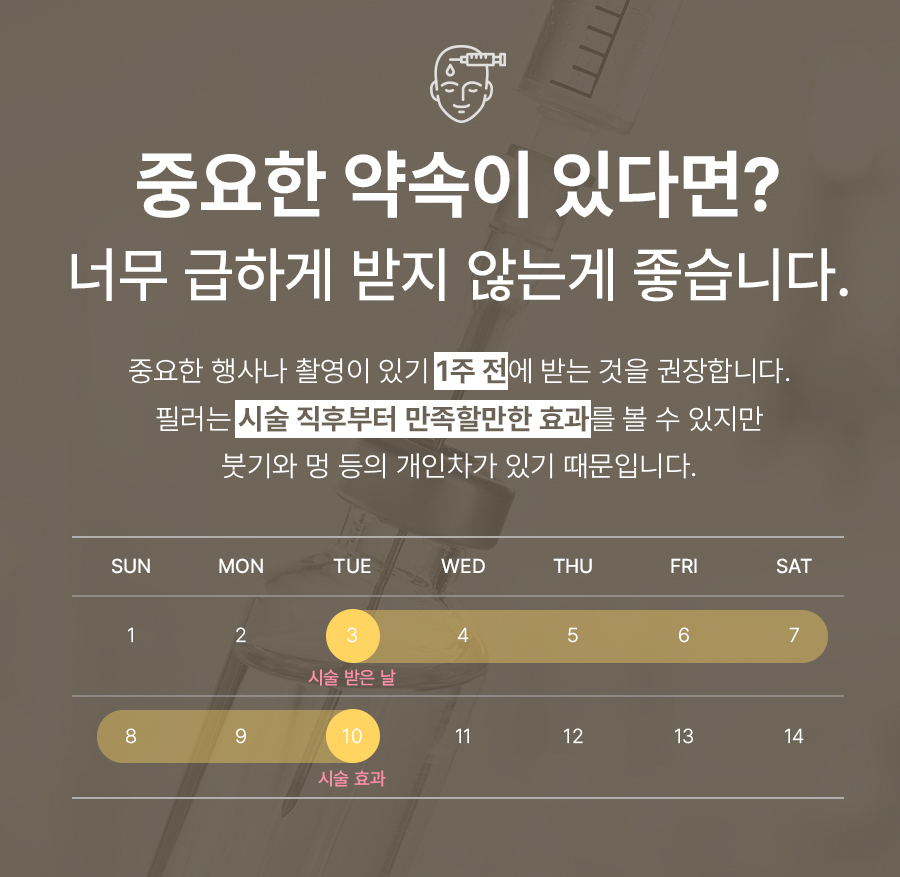
Day 1: In-person consultation near Yeonsinnae Station. Same-day filler may be possible if both you and the doctor agree after an in-person medical assessment and if clinic scheduling allows. Confirm availability and any pre-visit requirements (for example, photos or medical history) with the clinic before you travel.
Day 2–3: Initial swelling and possible bruising. Light sightseeing is usually possible, but you may prefer calm activities and avoid heavy exercise or saunas.
Day 4–5: Swelling often decreases, and the result becomes closer to the final look. If your stay is long enough, you can schedule a brief follow‑up visit before leaving Korea.
Individual recovery varies, so discuss your travel dates openly with the clinic during online consultation.
Online consultation and pre‑visit preparation
Because this type of clinic does not always have an official homepage, many patients first find information through map platforms and local listings. For overseas visitors, the usual steps are:
Contacting the clinic through a messaging app or email listed on map platforms.
Sending clear photos of your face from the front and both sides in natural lighting.
Explaining your main concerns, previous procedures, and travel dates.
The clinic can then give you general guidance about whether filler is likely to help, which areas may be considered, and how many visits are recommended. Final decisions, however, are made only after an in‑person examination.
Before you travel, prepare a simple medical summary including any chronic illnesses, medications, allergies, and previous aesthetic procedures. This helps the doctor assess safety quickly and accurately.
Aftercare and returning home
After filler treatment, you will receive specific aftercare instructions from the clinic. In general, patients are advised to:
Avoid pressing or massaging the treated areas unless the doctor specifically recommends it.
Limit intense exercise, saunas, hot baths, and alcohol for a short period.
Monitor for unusual pain, color changes, or other worrying symptoms, and contact the clinic promptly if they occur.
If you are returning to another country soon after treatment, ask the clinic how to reach them for advice later, for example via email or messaging. Take clear photos if you have concerns, so the doctor can assess the situation as well as possible from a distance.
Frequently asked questions about fillers near Yeonsinnae Station
What do local reviews say about pain and downtime for fillers?
Many reviews describe filler injections near Yeonsinnae Station as manageable in terms of pain, especially with anesthetic cream and products that contain a mild anesthetic. Some areas can feel sharper, but the discomfort is usually brief. Downtime is often short, with most people returning to daily activities quickly, though mild swelling and bruising can last several days. Individual experiences vary, so it is important to discuss your own pain tolerance and schedule with the doctor.
How long should I stay in Seoul after getting fillers?
For overseas patients, staying at least two to three days after filler is often recommended so that early swelling and any immediate concerns can be checked. If possible, a four to five day stay allows more time for swelling to settle and for a brief follow‑up visit. However, many visitors with tight schedules still manage a shorter stay; in that case, clear communication with the clinic before and after treatment becomes even more important.
Can I combine fillers with lifting devices or threads at the same clinic?
Yes, some clinics near Yeonsinnae Station offer fillers along with lifting devices such as Inmode, Shurink Universe, Tencera, and Ten Triple, as well as thread lifting and contour injections. Whether you can combine treatments on the same day depends on your skin condition, target areas, and overall plan. The doctor may suggest doing fillers and device‑based lifting on separate days or focusing on one priority treatment during a short visit. It is best to discuss this in detail during consultation.

How can I tell from reviews if a clinic is cautious and medically focused?
Look for reviews that mention careful explanations, realistic expectations, and attention to medical history. Comments such as “the doctor did not push unnecessary volume,” “took time to check my skin condition,” or “explained side effects and follow‑up clearly” suggest a more cautious approach. Reviews that note the clinic also treats skin disease, scalp issues, or foot problems can indicate that it functions as a comprehensive medical clinic rather than only a cosmetic shop.
Soft call to action for online consultation
If you are considering facial fillers during a trip to Seoul and want a clinic near Yeonsinnae Station with a one‑doctor system and extended evening and weekend hours, it can be helpful to start with an online consultation. By sharing your concerns, photos, and travel dates in advance, you and the doctor can decide whether filler is suitable for you and how to plan your visit efficiently.
Use local map platforms to find clinics in the Yeonsinnae area, review patient comments carefully, and do not hesitate to ask detailed questions before you book. Thoughtful preparation and open communication with the clinic are key steps toward a safe, balanced filler experience in Korea.
- 공유 링크 만들기
- X
- 이메일
- 기타 앱


댓글
댓글 쓰기