Yeokchon-dong Thermage Reviews vs Fillers: A Practical Guide for International Patients
- 공유 링크 만들기
- X
- 이메일
- 기타 앱
Direct answer summary
Energy-based skin-tightening treatments can help tighten mildly sagging skin but do not replace lost volume in areas like the cheeks, under-eyes, or deep folds around the mouth. Dermal fillers are injectable gels used to restore volume, smooth lines, and refine the chin and jawline, often producing noticeable change shortly after treatment; discuss expected outcomes and options with your provider.
This guide explains how fillers compare with Thermage-style lifting, what real filler reviews from Yeokchon-dong residents usually focus on, and how a small neighborhood clinic in Eunpyeong-gu typically plans and performs these treatments for both local and overseas patients.
Treatment overview: fillers for facial contour and volume
Fillers are injectable gels, most often based on hyaluronic acid, a substance that naturally exists in the body. When placed carefully under the skin, they can restore lost volume, soften wrinkles, and refine facial contours.
Common treatment areas include under-eye hollows, nasolabial folds (smile lines), marionette lines at the corners of the mouth, cheeks, chin, jawline, lips, and the nose bridge. In a neighborhood clinic in Yeokchon-dong, these areas are often combined into a tailored plan rather than treated one by one in isolation.

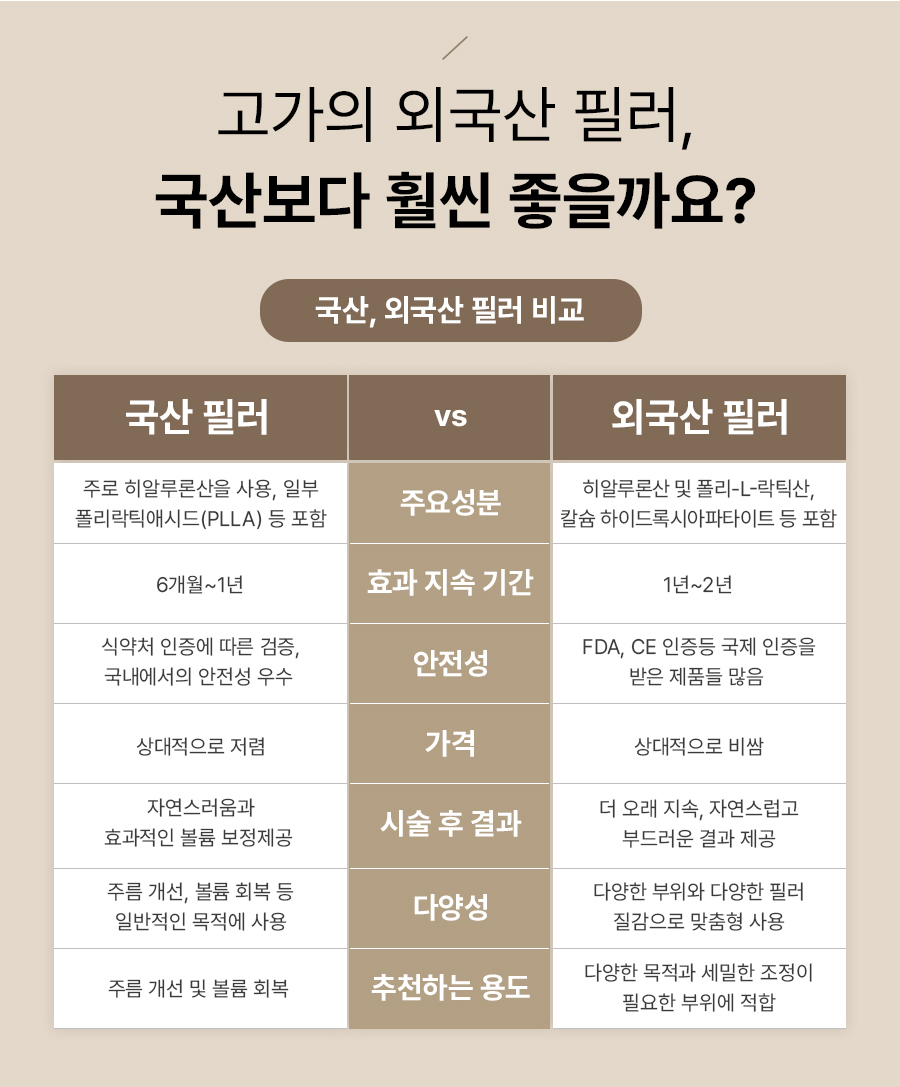
Because fillers add volume, effects are often noticeable immediately after the procedure and then settle over a few days as any minor swelling decreases. How long results last depends on the product used, the treatment area, and individual factors; some fillers may last several months to a year or more. Confirm the expected duration and follow-up plan with your clinician.
How this differs from Thermage-type lifting
Thermage-style treatments use radiofrequency energy to heat deeper layers of the skin. This heat can stimulate collagen and cause a tightening effect over time. It is generally better for mild to moderate skin laxity, soft jowls, or a slightly sagging jawline.
However, Thermage-type lifting does not fill hollow areas or rebuild lost fat and bone support. Deep folds around the nose and mouth, sunken under-eyes, or flat cheeks are mainly volume problems, not only skin laxity problems. In these cases, simply tightening the skin may not give the refreshed look you expect.
Fillers are often chosen when the main issue is volume loss or contour definition. For example, a sharper chin, more defined jawline, or subtle nose bridge refinement are all structural goals that a tightening device alone cannot achieve. In many Yeokchon-dong reviews, patients mention that they originally searched for Thermage but were advised that fillers would better match their goals.
Who may consider fillers instead of Thermage
You may be a good candidate to focus on fillers if one or more of these apply to you:
You have deep folds around the nose and mouth that remain even when you gently lift the skin upward with your fingers.
You notice sunken cheeks or under-eye hollows that make you look tired, even if your skin is relatively firm.
You want a sharper chin or jawline without surgery.
You are interested in subtle nose bridge or tip refinement, for example to improve side-profile balance.

In these situations, a doctor in a Yeokchon-dong neighborhood clinic may explain that Thermage-type lifting could slightly tighten the skin, but fillers will more directly address the structural issues you see in the mirror.
When combination treatment makes sense
There are also cases where both approaches are useful. If you have mild to moderate sagging plus volume loss, a staged plan can work well:
First stage: an energy-based skin-tightening treatment (for example, radiofrequency or focused ultrasound) to gently tighten and support the skin.
Second stage: targeted dermal fillers to restore volume in key areas and refine the final contour.
For overseas patients, this can be helpful: you can receive a realistic explanation of what each step can and cannot do, and a plan that fits the length of your stay in Korea.
What real filler reviews in Yeokchon-dong tend to focus on
When you read local reviews from Yeokchon-dong and Eunpyeong-gu, you will notice that patients do not only talk about the final look. They often describe the whole experience, from consultation to follow-up. Here are the main themes to pay attention to.
Consultation quality
Patients frequently comment on whether the doctor took time to explain why filler was recommended instead of, or together with, Thermage-type lifting. Good consultations usually include a discussion of facial proportions, long-term aging patterns, and how the face will look not only right after treatment but also as the filler gradually fades.
Look for reviews that mention detailed explanations, drawing or showing diagrams, and checking the patient’s own photos to understand how their face has changed over time. This kind of conversation often leads to a more natural and satisfying result.
Safety and technique
Another common review topic is how carefully the procedure was performed. Patients may note whether the clinic used single-use sterile needles or cannulas, whether the doctor marked important areas before injecting, and whether injections were done slowly and in small amounts.
Comments about checking symmetry from multiple angles, sitting the patient up during the procedure, and adjusting the plan in real time are all signs of a cautious, technique-focused approach.
Natural-looking results
Many Yeokchon-dong filler reviews focus on whether the outcome looks natural rather than “overfilled” or puffy. Patients often describe feeling like they look more rested or refreshed, with friends noticing that they look better without easily guessing that filler was done.
You can use these descriptions as a guide. If you prefer subtle changes, look for reviews that mention smooth blending with the existing facial structure and gradual improvements rather than dramatic, obvious volume.
Pain and downtime
Reviews also tend to mention how uncomfortable the injections were and how long swelling or bruising lasted. In a local clinic, topical numbing cream or local anesthesia is usually applied before treatment.

Most patients describe mild swelling or small bruises that improve over a few days. Many feel comfortable returning to work or social activities within one to two days, sometimes even the same day if makeup is allowed and bruising is minimal. However, this can vary by individual and by treatment area.
Follow-up and aftercare
Finally, real reviews often highlight how the clinic handles follow-up. Patients appreciate when a follow-up visit is offered to check symmetry and make small adjustments if needed.
Clear instructions on sleeping posture, whether to avoid pressing or massaging the area, and how long to avoid heat, saunas, or intense exercise are also frequently mentioned. Overseas patients should pay attention to reviews that describe flexible follow-up arrangements within a short stay.
How a one-doctor neighborhood clinic approaches fillers
In Yeokchon-dong, many aesthetic procedures are performed in small, primary-care-style clinics. In the clinic described here, a single physician runs the practice and handles both medical skin conditions and aesthetic procedures.
Clinicians who treat a range of skin and wound issues may be familiar with tissue response, inflammation, and healing—knowledge that can inform injection planning. Ask your clinician about their specific training, experience with injectable treatments, and how they manage potential complications to understand their approach to safe injection depth and placement.
Consultations and procedures are performed directly by the same doctor from start to finish. Many local patients mention in their reviews that they value not being passed between multiple practitioners. They often feel more comfortable knowing that the person who assessed their face is also the one injecting and later checking the results.

Because of this, the doctor is not forced to recommend filler when it is not the most suitable option. Instead, they can suggest a combination or a different starting point, depending on your skin, bone structure, and available time in Korea.
Step-by-step: what to expect from a filler session
If you are visiting from overseas and planning to receive fillers in Yeokchon-dong, it helps to know the typical journey.
Pre-consultation and online preparation
Before you travel, you can often arrange an online consultation. This may include sending clear photos of your face from the front and both sides, without heavy makeup and in good lighting.
You can prepare by listing your main concerns in simple terms, such as “deep smile lines,” “tired under-eyes,” or “weak chin profile.” It is also helpful to share your medical history, allergies, any previous fillers or energy-based treatments, and your approximate travel dates and schedule.
During the online consultation, the doctor can explain whether fillers, Thermage-type lifting, or a combination is likely to suit your goals, and roughly how many sessions might be needed.
In-clinic consultation
Once you arrive in Korea and visit the clinic, the in-person consultation usually begins with standardized photos for before-and-after comparison. The doctor will examine your face at rest and in motion, asking you to smile, talk, and make expressions.
You can expect a discussion about which areas will benefit most from volume restoration, how much change you want, and how long the effects are likely to last. The doctor may suggest softer fillers for delicate areas like under-eyes and firmer products for structural areas such as the chin or jawline.

Treatment planning
Together, you and the doctor will decide which areas to treat and the approximate volume to use. The plan may be staged, especially if you prefer gradual changes or if you are combining fillers with a lifting device.
Realistic expectations are important. The doctor should explain that fillers cannot stop aging but can improve certain features for a period of time. You may also discuss the possibility of touch-up sessions in the future, and how that can fit with potential return visits to Korea.
Procedure day
On the day of treatment, your face will be cleansed and disinfected. Numbing cream or local anesthetic is applied to reduce discomfort. The doctor may draw small marks on the skin to guide injection points.
Fillers are then injected using a fine needle or a blunt-tipped cannula, depending on the area and technique. Throughout the procedure, the doctor will check symmetry, sometimes asking you to sit up and look in a mirror so you can give feedback.
The whole process, including numbing time, often takes between 30 minutes and an hour, depending on how many areas are treated.
Aftercare and immediate recovery
Right after the procedure, you may notice mild swelling, redness, or small needle marks. The clinic may provide ice packs to reduce swelling and recommend avoiding alcohol, saunas, hot baths, and intense exercise for a short period.
You will receive instructions about sleeping position, such as avoiding pressing your face into the pillow, and whether you should avoid massaging the treated areas. It is important to watch for warning signs like severe pain, sudden color change of the skin, or visual disturbances. If any of these occur, you should contact the clinic immediately or seek urgent medical care.
Safety, risks, and how to interpret reviews
Fillers are widely used, but they are still medical procedures with potential risks. Understanding these helps you read reviews more critically and ask better questions.
Common mild side effects
Most patients experience at least some temporary redness, swelling, tenderness, or small bruises at the injection sites. These usually improve within a few days to a week.
Less common but serious risks
More serious complications, though rare, include vascular occlusion (filler blocking a blood vessel), skin necrosis, or visual complications if filler enters certain blood vessels. These events require prompt recognition and management.
When reading reviews or speaking with the clinic, pay attention to how the doctor talks about these risks. A responsible clinic will not claim that fillers are risk-free. Instead, they will explain how they minimize risk through careful technique and how they would respond if a complication occurs.
What to check in reviews and during consultation
In reviews, look for mentions that the doctor clearly explained risks, obtained informed consent, and answered questions without rushing. Patients may also mention that the doctor adjusted or stopped the procedure when something felt uncomfortable, which shows a safety-first mindset.
During consultation, you can ask whether the clinic has emergency protocols and access to reversal agents such as hyaluronidase for hyaluronic-acid fillers. It is reasonable to ask how often they perform fillers, what areas they treat most commonly, and how they follow up if a patient has concerns.
Local convenience factors for Yeokchon-dong residents and visitors
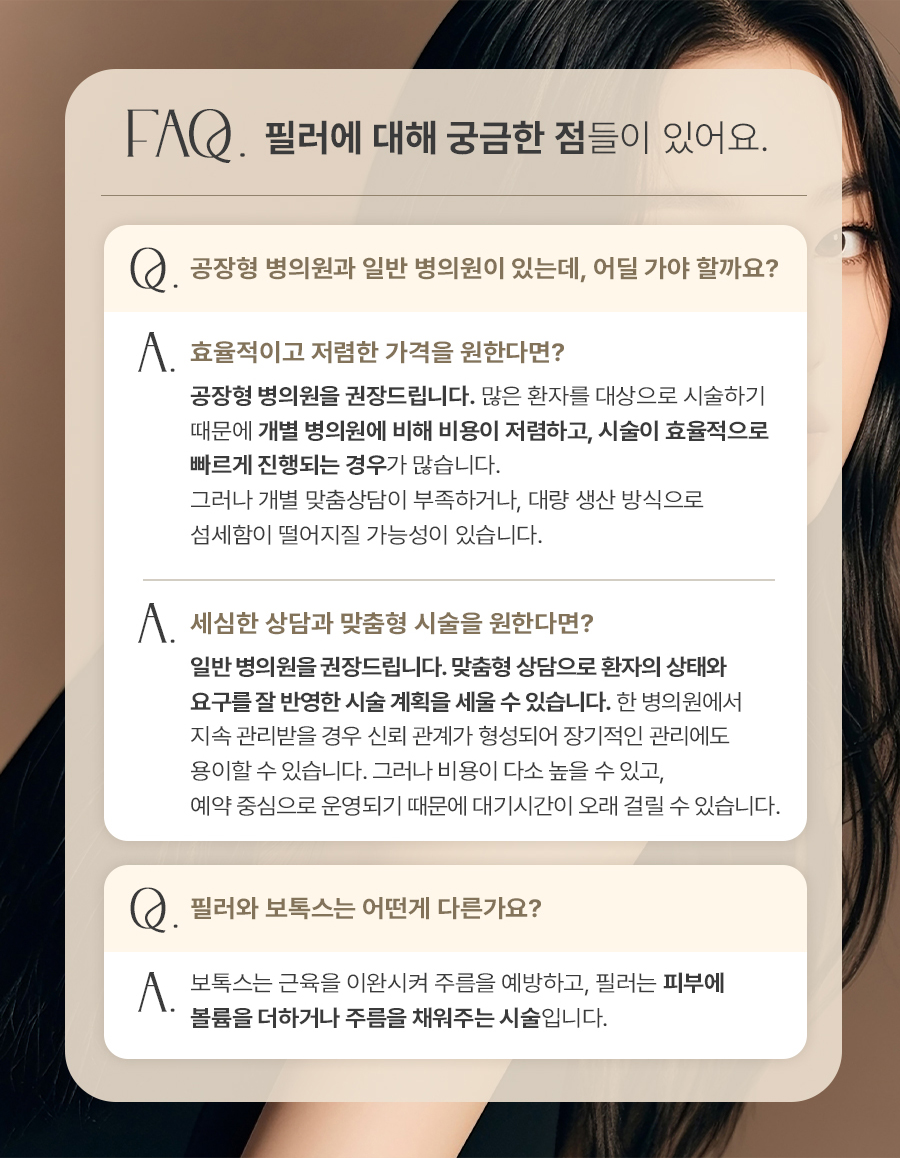
For both local residents and visitors, scheduling and hours matter. Clinic opening times vary: some offer evening or weekend appointments while others do not. Check the clinic's published hours or contact them directly to confirm availability for filler sessions and follow-ups.
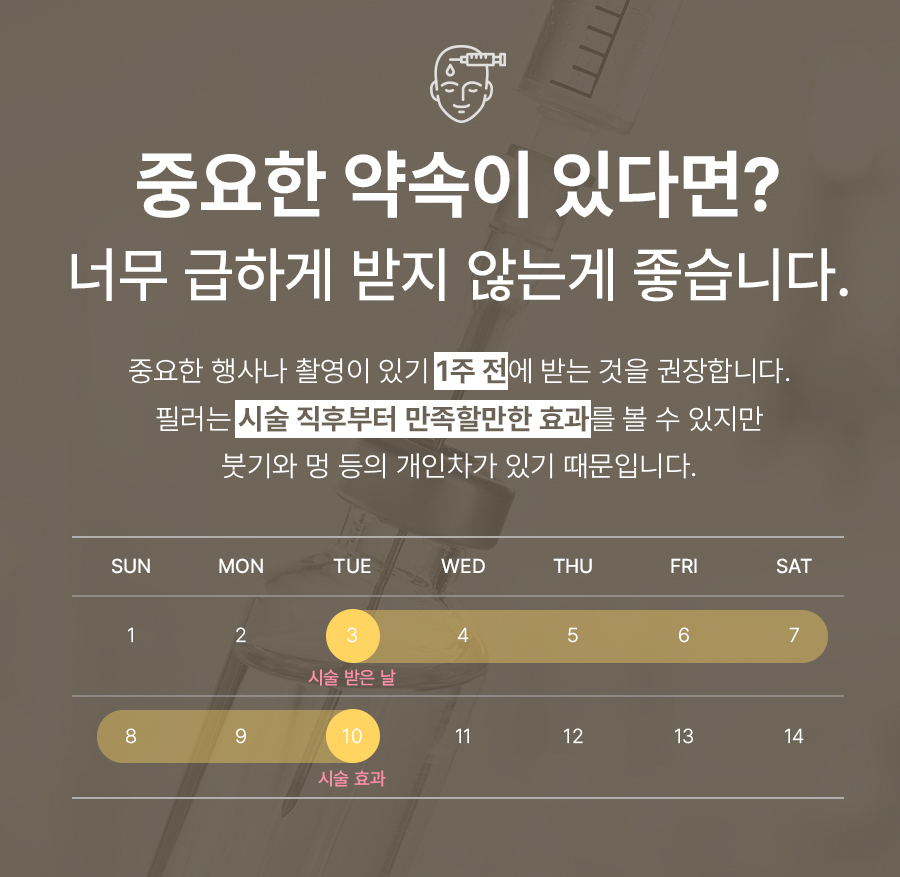
If you are visiting from abroad, it is wise to plan your main procedure at least several days before your departure, and avoid booking it right before the closed days in case you want a quick in-person check.
Suggested Korea visit timeline for filler treatment
For overseas patients, a simple timeline might look like this:
Before travel: Online consultation, sharing photos and medical history, and agreeing on a rough plan.
Day 1–2 in Korea: In-person consultation, final planning, and possibly the first filler session.
Day 3–5: Light sightseeing or work, avoiding heavy exercise or saunas. Swelling typically improves during this time.
Day 5–7: Optional follow-up visit to check symmetry, answer questions, and document results.
If you are combining fillers with a lifting device, the timeline may be adjusted. Sometimes the device treatment is done first, with fillers added later in the same trip or on a future visit, depending on your schedule and the doctor’s recommendation.
Online consultation and pre-visit preparation checklist
To make the most of your online consultation before coming to Yeokchon-dong, it helps to prepare a short checklist.

Prepare clear photos of your face from the front, 45-degree angles, and side views.
Write down your main concerns and what you hope to change.
List your medical conditions, medications, allergies, and any previous procedures.
Note your travel dates, where you will stay, and how much free time you have.
Prepare questions about fillers vs Thermage-type lifting, expected downtime, and follow-up.
Bringing this information to your online or first in-person consultation helps the doctor design a realistic plan that fits both your goals and your schedule.
FAQ
Who is a better candidate for fillers than for Thermage-type lifting?
Fillers are usually more suitable if your main concern is volume loss or contour rather than general skin laxity. Examples include deep folds around the nose and mouth, under-eye hollows, flat cheeks, or a weak chin profile. If your skin is not very saggy but you look tired or sunken, fillers often address the problem more directly than a tightening device alone. A face-to-face consultation is still important, as individual anatomy and preferences vary.
Can I combine fillers with Thermage or other lifting devices during one Korea trip?
In many cases, yes. Some patients receive a lifting device such as InMode or Shurink Universe first, then add fillers to refine contours. Depending on your schedule, both can sometimes be done in the same visit, or staged over several days. The doctor will consider your skin condition, recovery time, and travel plans before suggesting a combined approach.
How long do filler results last, and when should I plan a follow-up visit?
The duration depends on the product used, the area treated, and your own metabolism. Many hyaluronic-acid fillers last from several months to over a year, fading gradually. If you are visiting from overseas, planning a follow-up check within five to seven days after the procedure is often helpful to confirm symmetry and answer questions. Longer-term maintenance can be discussed during consultation, including whether you might return to Korea for future sessions.

What should I do if I notice severe pain or color change after filler?
Severe pain, sudden blanching or darkening of the skin, or visual disturbances are warning signs that require urgent attention. If you are still near the clinic, contact them immediately or go there in person. If you are far away, seek emergency medical care and inform them that you recently had filler injections. Acting quickly can make a significant difference in managing rare but serious complications.
Soft call to action for online consultation
If you are currently comparing Yeokchon-dong Thermage reviews and wondering whether fillers might suit you better, an online consultation with a neighborhood clinic can be a practical first step. By sharing photos, your concerns, and your travel schedule in advance, you can receive a realistic assessment of whether fillers, device-based lifting, or a combination is likely to match your goals.
A one-doctor clinic that handles both medical and aesthetic concerns can guide you through this decision without pushing a single treatment type. Before you book your flight or finalize your itinerary, consider arranging an online consultation to clarify your options and plan a safe, efficient visit to Yeokchon-dong for facial rejuvenation.
- 공유 링크 만들기
- X
- 이메일
- 기타 앱


댓글
댓글 쓰기