Thigh botox in Eunpyeong-gu: non-surgical option for slimmer legs with one-doctor care
- 공유 링크 만들기
- X
- 이메일
- 기타 앱
Direct answer summary
If you are looking for thigh botox in Eunpyeong-gu, you can consider botulinum toxin injections to the thigh muscles as a non-surgical option to gently reduce the appearance of bulky, muscular thighs. This treatment focuses on reducing muscle activity rather than removing fat and is typically performed in a brief outpatient visit by a doctor who also manages general skin and health concerns. Results appear gradually over time and are temporary; safety and realistic expectations are more important than dramatic instant changes.
What is thigh botox and how does it slim the legs?
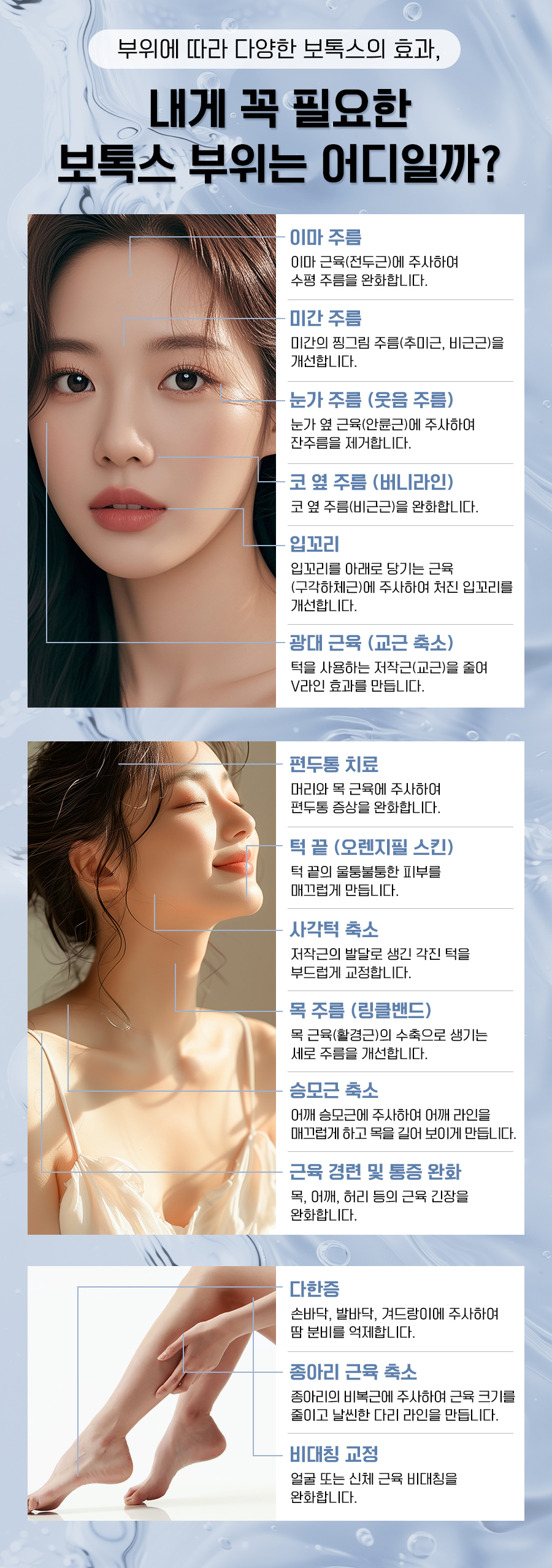
Thigh botox refers to botulinum toxin injections into specific thigh muscles that are overdeveloped or appear bulky. By carefully injecting small amounts of botulinum toxin into these muscles, the doctor can reduce their activity. Over time, this reduced activity may lead to a softer and less prominent muscle contour.
The main goal is to address muscle bulk, not fat. If your thighs feel firm and hard when you press them, and they look especially large when you flex or stand, the volume may be mostly muscle. In this situation, thigh botox may help. If the main issue is soft, pinchable fat or loose skin, other options such as lifestyle changes, body-contouring devices, or fat-focused procedures may be more appropriate.
Many people seek thigh botox because their thighs look very strong or thick in pants or skirts, even when their upper body is relatively slim. Reducing the bulk of the front or outer thigh muscles can help create a more balanced lower body line and a softer silhouette.
The effect of thigh botox is gradual. Muscle relaxation usually begins within several days, but visible contour changes typically appear over two to six weeks as the muscle is used less and may slowly reduce in volume. The result is not a sudden “shrink” but a gentle change in line and firmness.
How thigh botox differs from fat treatments
Thigh botox targets the muscle layer. The injections are placed into the muscle using a fine needle, with the aim of reducing muscle contraction strength.
Liposuction and fat-dissolving injections, in contrast, focus on the fat layer. They aim to remove or reduce fat cells and are usually considered when the thighs feel soft and thick when pinched.
Because of this difference, thigh botox is not a substitute for weight loss or fat reduction. It may be combined with other treatments or exercise and diet changes, depending on your body type and goals. A careful consultation is important to decide whether muscle-focused or fat-focused treatment, or a combination, makes more sense.
Who may consider thigh botox in Eunpyeong-gu?
Good candidates for thigh botox are usually people whose thighs look and feel muscular rather than fatty. When you pinch the front or outer side of your thigh, the tissue may feel firm and resistant, with less soft fat under the skin.
Many candidates are people who:
Have naturally strong leg muscles from genetics.
Have done a lot of sports, squats, or lower body workouts and feel their thighs became too bulky.
Notice that their thighs look especially big when they flex or stand straight, even if their weight is stable.
Want a non-surgical option with a relatively quick procedure and minimal downtime.
Understand that the results are temporary and usually need maintenance every several months.
On the other hand, thigh botox may not be ideal if the main concern is soft fat, cellulite, or sagging skin. In those cases, body fat management, lifestyle changes, or other body-contouring treatments may be more helpful. Some people also have a combination of muscle bulk and fat; for them, a mixed approach may be discussed.
It is also important that candidates are in generally stable health and are willing to share their medical history, including any neuromuscular conditions, medications, and pregnancy or breastfeeding status.
Consultation and assessment with a one-doctor clinic
In Eunpyeong-gu, this type of treatment is often provided in a neighborhood clinic that also manages common skin and health issues. The clinic described here is run on a one-doctor system, where the head doctor, Lee Hyo-su, performs both disease-focused care and aesthetic injections.

During consultation, the doctor will usually:
Check your body type and the balance between upper and lower body.
Evaluate how much of the thigh volume comes from muscle versus fat.
Assess skin elasticity and any sagging or dimpling.
Observe your gait and posture, since muscle balance can affect walking.
Look for underlying skin or vascular issues, such as varicose veins or skin conditions, that might need attention.
To distinguish muscle from fat, the doctor may visually inspect the thighs while you are standing and moving, then palpate the area. Hard, firm tissue that becomes more prominent when you flex or tighten the leg is usually muscle. Softer, easily pinched tissue is more likely fat. This simple but careful examination helps decide whether thigh botox is likely to help.
Your medical history is also important. The doctor will typically ask about:
Previous botulinum toxin treatments and your response to them.
Neuromuscular diseases or general muscle weakness.
Blood-thinning medications or bleeding tendencies.
Pregnancy, breastfeeding, or plans to become pregnant.
Allergies and previous reactions to injections.
Realistic expectations are a key part of the discussion. The doctor can explain how much change is reasonable based on your muscle size, how active you are, and how your body may respond. The aim is often to soften bulk and improve symmetry, but perfect symmetry or a dramatic size reduction cannot be guaranteed.
Procedure overview: how thigh botox is done
A typical thigh botox session in a local Eunpyeong-gu clinic follows a clear, simple flow.
First, you have an in-person consultation and examination with the doctor. You discuss your concerns, goals, and medical history. The doctor examines your thighs, posture, and muscle use.
Next, the doctor marks injection points on the target thigh muscles. This is often done while you are standing or gently flexing the muscles so their borders are clear. Common targets include the front thigh muscles and outer thigh muscles, depending on where the bulk is most visible.
The skin is then cleansed and disinfected to reduce the risk of infection. The doctor may apply local cooling or a topical numbing option to make the injections more comfortable, but it is better not to expect a completely painless experience. Most people describe the feeling as brief stings or pressure.
Using a fine needle, the doctor injects small amounts of botulinum toxin into the muscle layer at multiple points. The number of injection points and the dose depend on your muscle size, strength, and goals. Because the same doctor who examined you is also performing the injection, the plan can be adjusted in real time based on what is felt and seen.

After the injections, patients usually rest for a short observation period while staff and the doctor check for any immediate reactions and provide aftercare instructions. Many patients are able to resume light, everyday activities the same day, but experiences can vary; follow the specific advice of your treating doctor.
The injection portion is brief, but total visit time varies depending on consultation, preparation, and the observation period.
Expected effects and timeline
Muscle relaxation from botulinum toxin generally begins within several days. However, the visible change in thigh contour tends to be more gradual.
Over two to six weeks, as the treated muscles contract less strongly, the thigh line may look softer and slightly slimmer. Clothes such as pants or skirts may fit more smoothly, and some people feel that their legs look more balanced with their upper body.
Possible benefits include:
A softer, less bulky thigh line.
Thighs that appear slimmer in fitted clothing.
Less feeling of tightness or tension in overused thigh muscles for some people.
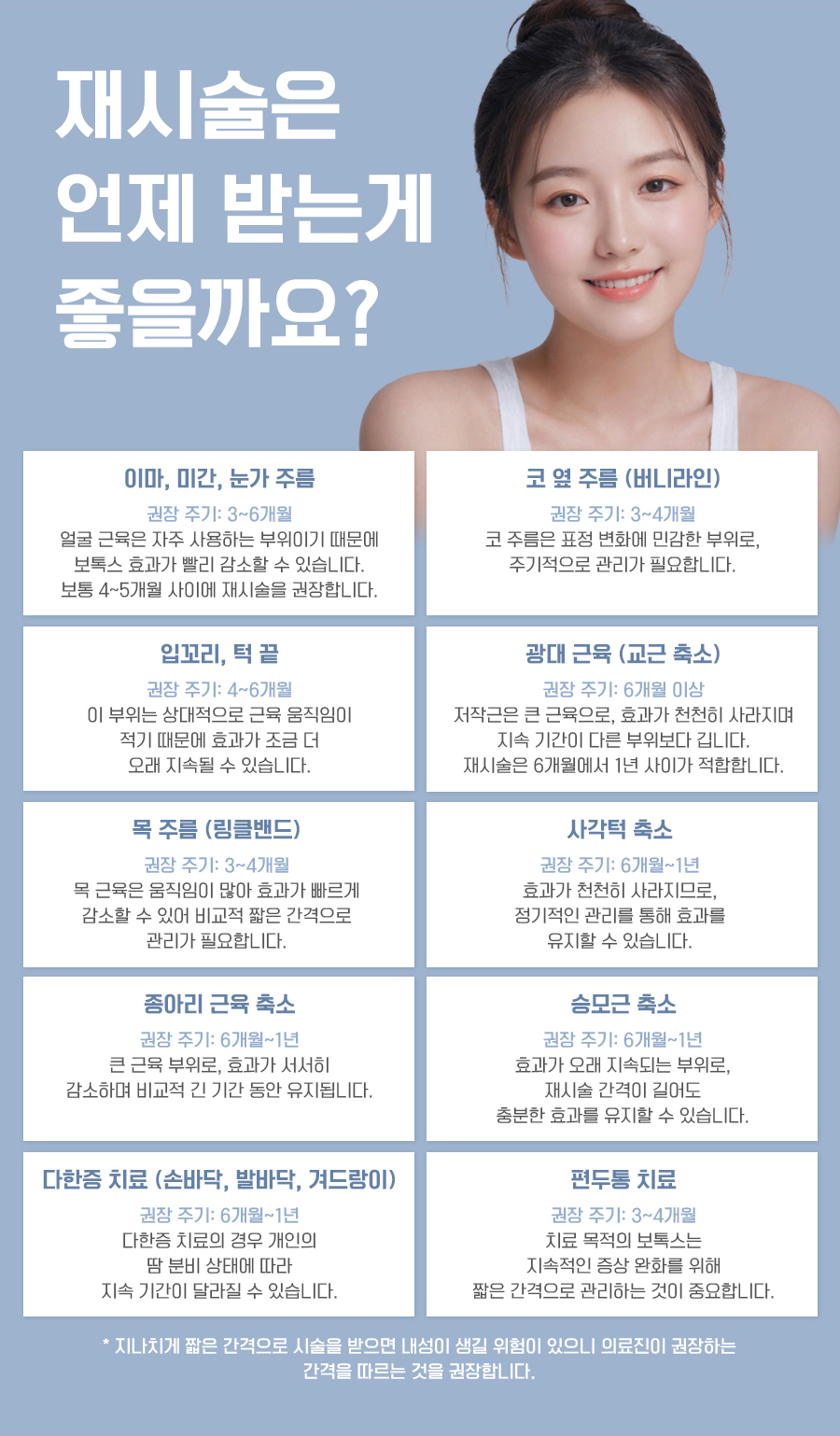
The effect usually lasts around three to six months, depending on your body, the dose used, and how much you use your leg muscles in daily life and exercise. As the effect wears off, muscle activity gradually returns to its original level. Many people choose maintenance sessions at intervals recommended by the doctor.
Individual results vary. Factors such as original muscle size, overall body composition, activity level, and personal response to botulinum toxin all play a role. This is why a personalized plan and follow-up are important.
Safety, side effects, and precautions
Thigh botox is a prescription treatment that must be performed by a qualified medical professional after a face-to-face consultation. Safety depends heavily on proper dosing, correct injection depth, and an understanding of muscle anatomy and gait.
Common temporary reactions can include:
Mild pain or stinging at injection sites.
Small bruises or slight swelling.
A temporary feeling of heaviness or mild weakness in the legs.
These usually improve over days to a couple of weeks. Applying gentle cold packs as advised and avoiding strong massage on the area can help.
Less common but important issues may include:
Asymmetry between the two legs if muscles respond differently.
Changes in gait or walking pattern if the dose or placement leads to more weakness than expected.
An unsatisfactory cosmetic effect if the main problem was actually fat or skin, not muscle.
To reduce risks, it is important to tell the doctor if you have:
Any neuromuscular disease or general muscle weakness.
A history of serious reactions to botulinum toxin.
Bleeding tendencies or are taking blood thinners.
Pregnancy, are breastfeeding, or plan to become pregnant.
The doctor may adjust the plan, delay treatment, or suggest alternatives based on this information.
Aftercare guidance
After thigh botox, most people can walk and perform light daily activities. However, some precautions are usually recommended.
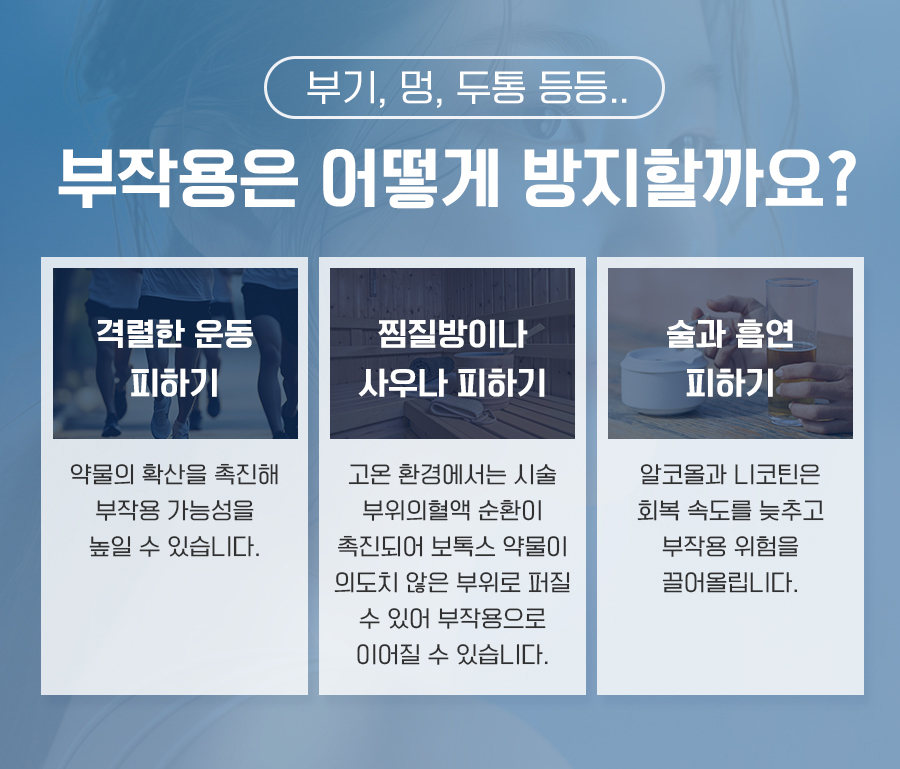
For a few days, it is often advised to avoid intense leg workouts, heavy squats, or long-distance running. This allows the injected area to settle and reduces the chance of bruising or discomfort. Light walking and normal office work are usually fine unless the doctor advises otherwise.
Strong massage, hot baths, or saunas on the treated thighs are typically discouraged for a short period, as they may affect how the product spreads or increase swelling. Showers with moderate water temperature are generally acceptable.
You should monitor your legs for unusual weakness, severe pain, or clear asymmetry that feels new or uncomfortable. If anything feels worrying, contacting the clinic promptly is important so the doctor can assess and advise.
Follow-up visits are useful to check how your body responded, whether the dose was appropriate, and how the contour looks in real life. Based on this, the doctor can adjust injection points or dosing for future sessions to better match your goals and lifestyle.
Thigh botox at a one-doctor clinic in Eunpyeong-gu
In Eunpyeong-gu, some clinics offering thigh botox are not large aesthetic chains but neighborhood-style practices that also handle common skin diseases and general concerns. The clinic described here is run by head doctor Lee Hyo-su, who manages both medical skin and scalp issues and aesthetic procedures.
All consultations and procedures are performed directly by the same doctor from start to finish. This one-doctor system can reduce miscommunication between a consulting doctor and a separate injector, since the person who listens to your concerns is also the one who plans and performs the injections.
Because the clinic also treats conditions such as warts, corns, burns, and scalp problems, the doctor is used to looking at the skin and soft tissues from a medical safety perspective. This can be reassuring for people who want aesthetic treatments but still prioritize health and careful assessment.
The clinic also offers various botulinum toxin treatments and lifting options for the face and body, using devices such as Inmode, Shurink Universe, Tencera, and Ten Triple. For patients interested in overall balance, this allows the doctor to consider not only the thighs but also how the lower body and face line work together, and whether combined treatments might be appropriate.
There is also a dedicated foot center for issues like athlete’s foot, ingrown toenails, and calluses. This broader experience with lower limb conditions can be relevant when assessing gait, pressure points, and overall leg health before thigh botox.
Online consultation and pre-visit preparation for overseas patients
For international patients considering a visit to Eunpyeong-gu for thigh botox, an online or remote consultation is a useful first step. While the actual prescription and injection must be done in person, sharing information in advance can make your trip more efficient.
Before your online consultation, it is helpful to prepare:
Clear photos of your thighs from the front, side, and back while standing naturally.
Additional photos while gently flexing the legs, to show how the muscles stand out.
A short description of your exercise habits and job (for example, long standing, frequent squats, or desk work).
A list of your current medications and any medical conditions.
Information on previous botulinum toxin treatments, if any, and how you responded.
You can also write down questions you want to ask, such as:
- How much change is realistic for my body type?
- How many sessions might I need to maintain the effect?
- What should I avoid before and after the procedure?
- Can thigh botox be combined with other treatments I am considering?
During the online consultation, the doctor can provide a preliminary opinion on whether your thigh bulk appears mainly muscular, suggest a likely treatment plan, and discuss timing and aftercare. Final decisions and exact dosing will still be made after an in-person examination.
Expected Korea visit timeline for thigh botox
For overseas visitors, thigh botox is relatively easy to fit into a short stay in Seoul, including Eunpyeong-gu.
Day 1: In-person consultation and procedure. You visit the clinic, have a full examination, confirm the plan, and receive the injections if you and the doctor agree to proceed. The total time at the clinic is often around one to two hours, including consultation, preparation, and observation.
Days 1 to 3: Light activities. You can usually walk, use public transport, and do sightseeing that does not involve intense leg exercise. You may have mild soreness or small bruises, but most daily activities are possible.
Days 4 to 14: Early effect period. You may start to feel less muscle tension, though visible contour changes are still subtle. If you are still in Korea, a brief follow-up visit can be arranged, but for many international patients, follow-up is done by message or online.
Weeks 2 to 6: Main contour change. By this time you are likely back home. You can send photos or updates if the clinic offers online follow-up, and discuss whether the effect matches what was expected.
Because the main effect appears after you leave Korea, it is important to understand the timeline and stay in contact with the clinic if you have questions.
Clinic hours and access in Eunpyeong-gu
The clinic is located in Eunpyeong-gu, which is convenient for residents of the area and nearby districts who prefer not to travel far into central Seoul for thigh botox. Public transport access is generally good, and the neighborhood setting can feel more relaxed than busy city centers.
To support office workers and busy people, the clinic offers weekday evening hours until 20:00. It is also open on Saturdays, Sundays, and public holidays from 11:00 to 17:00. This makes it easier to schedule a visit around work or travel plans.
One important point is that the clinic is closed on Wednesdays and Thursdays. Because this schedule is unusual, it is important to check the day of the week carefully when planning your visit so you do not arrive on a closed day.
The clinic does not currently have an official website; most online information is shared through Naver Place. For the latest details, including any schedule changes, it is best to call the clinic or check that channel before you visit.
Frequently asked questions about thigh botox
How long does thigh botox last and when will I see results?
Most people begin to feel some muscle relaxation within several days after thigh botox. Visible changes in the thigh contour usually appear gradually over two to six weeks, as the treated muscles are used less and may slowly reduce in volume. The effect typically lasts around three to six months, depending on your muscle size, activity level, and individual response. After that, muscle activity gradually returns, and maintenance sessions may be considered.
Can I exercise after thigh botox?
Light daily activities and gentle walking are usually fine soon after the procedure, unless your doctor advises otherwise. However, intense leg workouts, heavy squats, lunges, or long-distance running are often discouraged for a few days to allow the injected area to settle. Once this initial period has passed, you can usually return to your normal exercise routine gradually. If your lifestyle includes very heavy leg training, discuss this with the doctor so the plan can be adjusted.
Is thigh botox painful?
Most people describe thigh botox injections as brief stings or a feeling of pressure rather than severe pain. The doctor may use cooling or topical numbing options to reduce discomfort, but it is better not to expect the procedure to be completely painless. Any soreness at the injection sites usually improves over a few days. If you are particularly sensitive to needles or pain, you can discuss this in advance so the doctor can explain what to expect and suggest ways to make you more comfortable.
Will thigh botox affect my walking or daily activities?
When performed with appropriate dosing and accurate injection placement, thigh botox is designed to reduce excessive muscle bulk while preserving enough strength for normal walking and daily activities. Some people notice a mild feeling of heaviness or slight weakness at first, which usually improves as they get used to the change. If the dose is too high or placed incorrectly, there is a possibility of more noticeable gait changes, which is why careful assessment and a conservative approach are important. If you notice any unusual difficulty walking, you should contact the clinic promptly.
How often do I need to repeat thigh botox?
Because the effect of botulinum toxin is temporary, many people choose to repeat thigh botox every three to six months, depending on how long the results last for them and how much muscle activity returns. Some prefer to wait until they clearly feel or see the previous bulk returning before scheduling another session. During follow-up, the doctor can help you decide an interval that fits your goals, budget, and lifestyle.
What is the difference between thigh botox and liposuction or fat-dissolving injections?
Thigh botox targets muscle bulk by reducing the activity of overdeveloped muscles. It is most suitable when the thighs feel firm and muscular. Liposuction and fat-dissolving injections focus on the fat layer and are more appropriate when the main concern is soft, pinchable fat. They are different procedures with different risks, recovery times, and goals. In some cases, a combination of muscle-focused and fat-focused approaches may be discussed, but this should always be based on a careful in-person assessment.
Soft call to action for online consultation
If you are considering thigh botox in Eunpyeong-gu and want a non-surgical way to soften muscular thighs, an online consultation can be a good first step. By sharing photos, your medical history, and your goals in advance, you can receive a more personalized explanation of what may be possible for your body type and schedule.
When you are ready, you can contact the clinic through phone or its Naver Place page to ask about online consultation options, available dates, and how to prepare. A careful, one-doctor approach that values safety and realistic expectations can help you decide whether thigh botox is suitable for you and how to plan your visit to Korea accordingly.
- 공유 링크 만들기
- X
- 이메일
- 기타 앱


댓글
댓글 쓰기