Nokbeon Station Thermage Results and What To Expect
Direct answer: Thermage-style lifting near Nokbeon Station
If you're looking into Thermage results near Nokbeon Station, you likely want to know how much lift to expect, how long effects may last, and whether it's worth a short trip.
You will find what kind of changes are typical, who tends to see better results, how it compares with other lifting options like ultrasound devices and threads, and how to plan your visit and aftercare as an overseas patient.
What people near Nokbeon Station mean by Thermage results
Around Nokbeon Station, many people use the word Thermage as a convenient way to refer to non-surgical radiofrequency lifting. The core idea is the same: a device delivers controlled radiofrequency energy into the deeper layer of the skin to tighten and gently lift.
The usual goals are quite similar from patient to patient. People hope for a firmer jawline, less sagging around the cheeks and nasolabial folds, and a more defined facial contour. Some are also interested in finer skin texture and a less tired, more refreshed look without changing their basic facial features.

When someone searches for "Nokbeon Station Thermage results", they are usually trying to understand three things. First, how visible the lifting is in real life. Second, whether the changes look natural or too artificial. Third, how long the improvement tends to last before they may consider a repeat session.
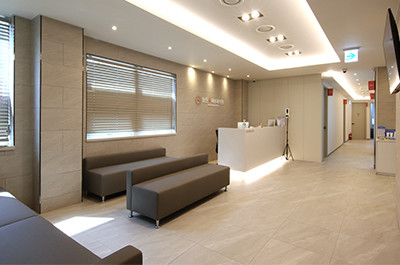
In a local internal-medicine and skin-focused clinic near Nokbeon Station, Thermage-type treatments are not presented as dramatic transformations. Instead, they are used to gently tighten and maintain the face for people who prefer a doctor-led, medical-style environment over a purely cosmetic chain.
How Thermage works and what kind of results to expect
Thermage-style lifting uses radiofrequency energy to heat the dermis, the deeper layer of the skin where collagen fibers are found. When this layer is heated to a controlled temperature, two things happen. Existing collagen fibers contract slightly, and the skin responds over time by producing new collagen.
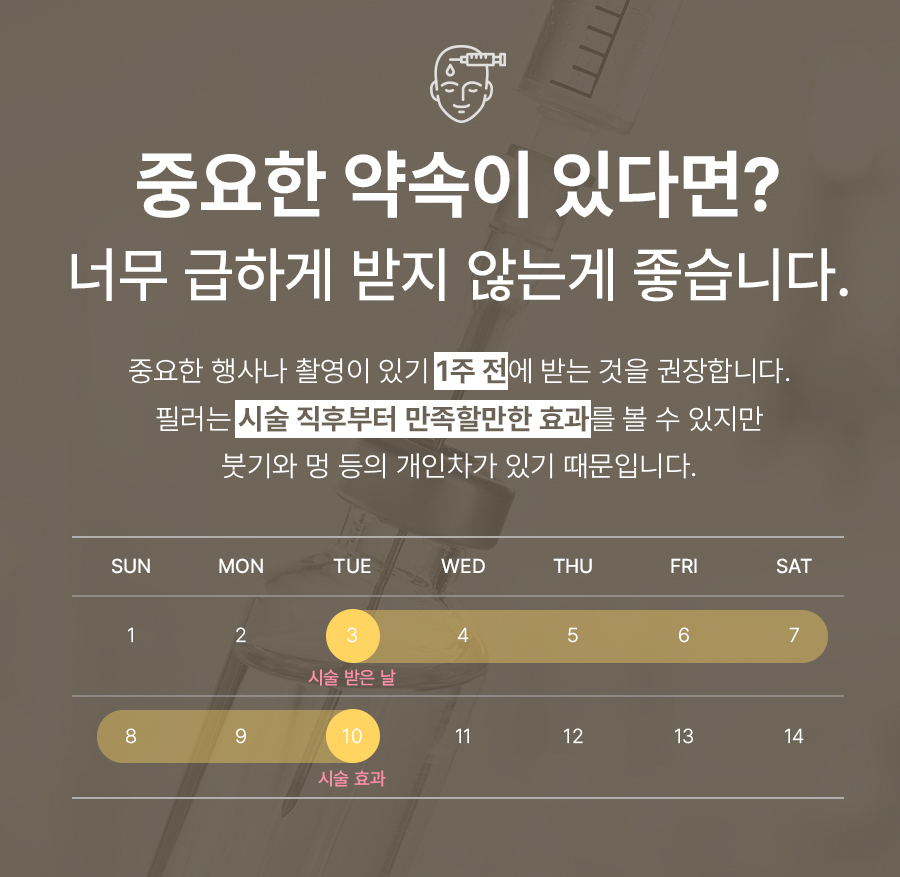
Right after the procedure, some people notice a mild tightening effect and a slightly sharper facial line. This early change comes mainly from collagen contraction and a small amount of tissue tightening from the heat. For others, the immediate change is very subtle and easier to see in photos than in the mirror.
The more meaningful results usually develop gradually over the next two to three months. As new collagen is formed, the skin can feel a bit firmer and look smoother. The jawline may appear more defined, and the sagging around the mouth and lower cheeks may look less pronounced. This process is slow and natural, which is why the face does not suddenly look different overnight.
The duration of effect varies by individual; many patients experience results that last several months. Some people choose maintenance treatments about once a year, while others space treatments further apart depending on their skin and goals.
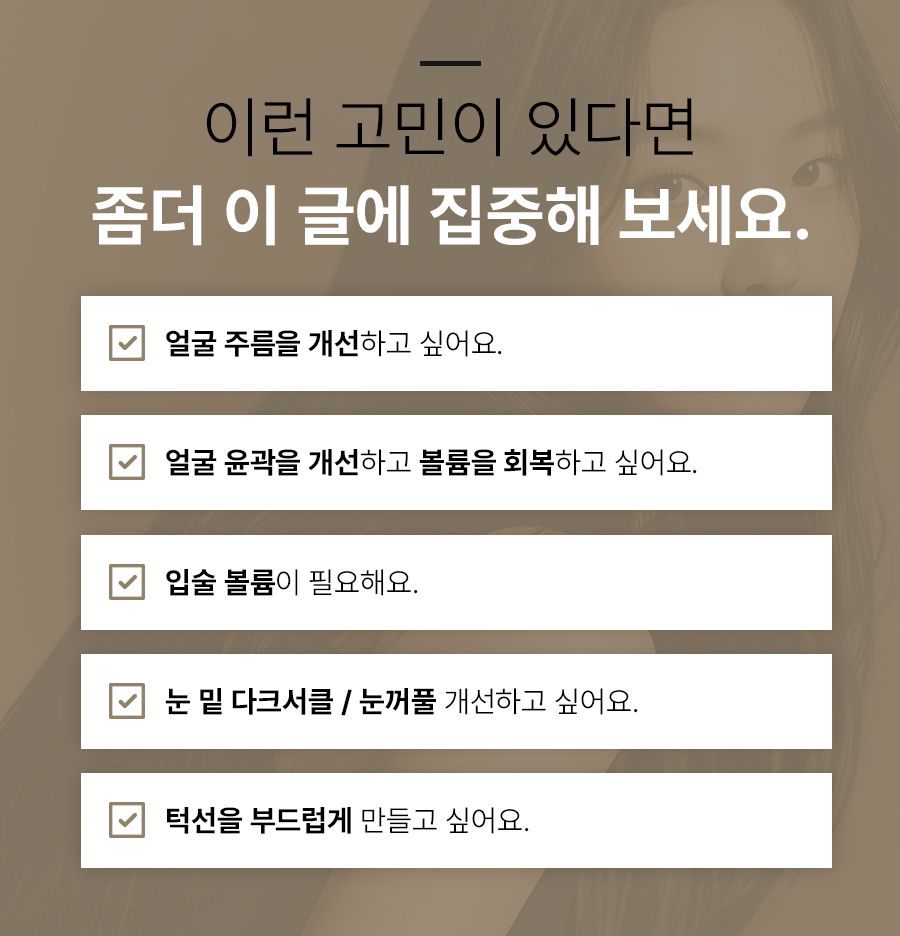
It is important to keep expectations realistic. Thermage does not replace a surgical facelift. It tends to work best for mild to moderate sagging and for people who want to look fresher without obvious signs of having had a procedure. It can soften the feeling of heaviness in the lower face, but it will not remove deep folds or very loose skin.
Results also vary by individual. Thick, elastic skin with good collagen often responds better than very thin or severely sun-damaged skin. The degree of sagging, the amount of facial fat, and the quality of the collagen all influence how noticeable the lifting and tightening will be.
Who tends to see better Thermage results
Clinics commonly consider patients with early signs of skin laxity and reasonable skin elasticity as potential candidates for Thermage-style lifting. Individuals with mild-to-moderate sagging or early jowling may notice improvement, but final suitability should be determined through a personalized assessment by a qualified clinician.
People with thicker skin and a moderate amount of subcutaneous fat tend to show clearer tightening along the jawline and cheeks. Those who do not smoke, protect their skin from the sun, and maintain a stable weight also tend to keep their results longer.
On the other hand, very thin skin, severe sun damage, or already advanced sagging may show more limited improvement with radiofrequency alone. In such cases, a doctor may recommend combining Thermage-type lifting with other options, such as ultrasound lifting, thread lifting, or volume correction using contour injections.
A key advantage of a clinic that manages both skin disease and cosmetic procedures is that the doctor is used to assessing underlying skin health. If you have chronic redness, active acne, dermatitis, or a fragile skin barrier, this can be taken into account before deciding on energy-based lifting. Sometimes it is safer to stabilize the skin first and then plan lifting.
Because facial structure, fat volume, and skin thickness differ widely, an in-person consultation is essential. During a face-to-face visit, the doctor can examine your bone structure, how your skin moves when you talk and smile, and where the sagging is most pronounced. This helps determine whether Thermage-style lifting is appropriate on its own or whether a combination plan would be more effective.
Comparing Thermage-type expectations with other lifting options
Radiofrequency lifting like Thermage is only one of several non-surgical lifting methods available in a typical neighborhood clinic near Nokbeon Station. Another common category is ultrasound-based lifting, such as devices similar to Shurink Universe, which target deeper layers.
In simple terms, radiofrequency focuses more on the dermis, the collagen-rich layer closer to the surface. It is often chosen for overall skin tightening, improving texture, and a gentle lifting effect. It is often used for more structural lifting, especially along the jawline and under the chin.
A clinic like Dr. Lee Hyo-su’s, which offers a wide lifting lineup including InMode, Shurink Universe, Tense-ra, Ten Triple, thread lifting, and contour injections, can combine these tools. For example, a patient might receive ultrasound lifting for deeper support, radiofrequency for dermal tightening, and threads or injectables in selected areas where more support or volume is needed.
The important point is that device choice and settings should be individualized by the treating doctor, not driven only by brand names or marketing terms. Two people asking for the same named procedure may need different energy levels, shot counts, or even a different device to safely reach their goals.
For overseas patients, this means it is better to bring your concerns and photos, and let the doctor recommend a plan, rather than insisting on one specific brand before you have been examined.
Treatment process, pain level, and downtime
A typical Thermage-style session near Nokbeon Station follows several steps. First is the medical consultation, where you discuss your concerns, medical history, and any previous procedures. The doctor examines your face, explains realistic expectations, and suggests whether radiofrequency alone or a combination treatment is suitable.
On the treatment day, the skin is cleansed and any makeup is removed. The doctor may mark treatment areas on your face to guide the pattern of energy delivery. A coupling medium or gel is applied to help the device glide smoothly and support even energy transfer.
During the procedure, the handpiece is placed on the skin and radiofrequency energy is delivered in repeated shots across the face or targeted zones such as the jawline, cheeks, or under the chin. You may feel heat, tingling, or a brief prickling sensation with each shot. To reduce discomfort, topical anesthetic cream, cooling, or adjusted energy settings can be used.
Most patients find the procedure tolerable, but the level of discomfort varies. It is more accurate to say that the clinic aims to reduce pain burden as much as possible, rather than to promise a completely painless experience.
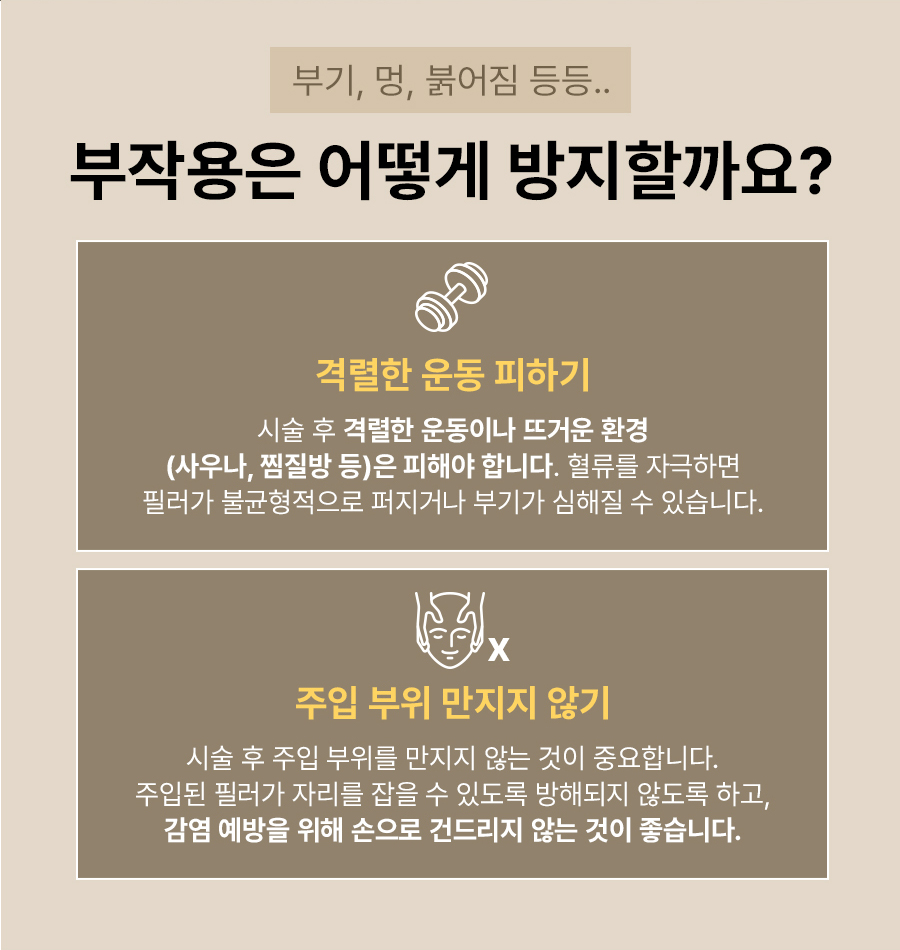
Downtime is usually minimal. Some people experience temporary redness, mild swelling, or tenderness in the treated areas. These effects often settle within a few hours to a couple of days. Makeup can usually be applied soon after, depending on the doctor’s advice.
Aftercare typically includes gentle skincare, good sun protection, and avoiding very hot saunas, steam rooms, or intense exercise for a short period if recommended. The doctor may suggest soothing products and a simple routine to support skin recovery.
Safety, side effects, and why doctor-led treatment matters
Like any energy-based procedure, Thermage-style lifting has possible side effects. The more common ones include temporary redness, swelling, bruising, or sensitivity in the treated area. These are usually mild and short-lived.
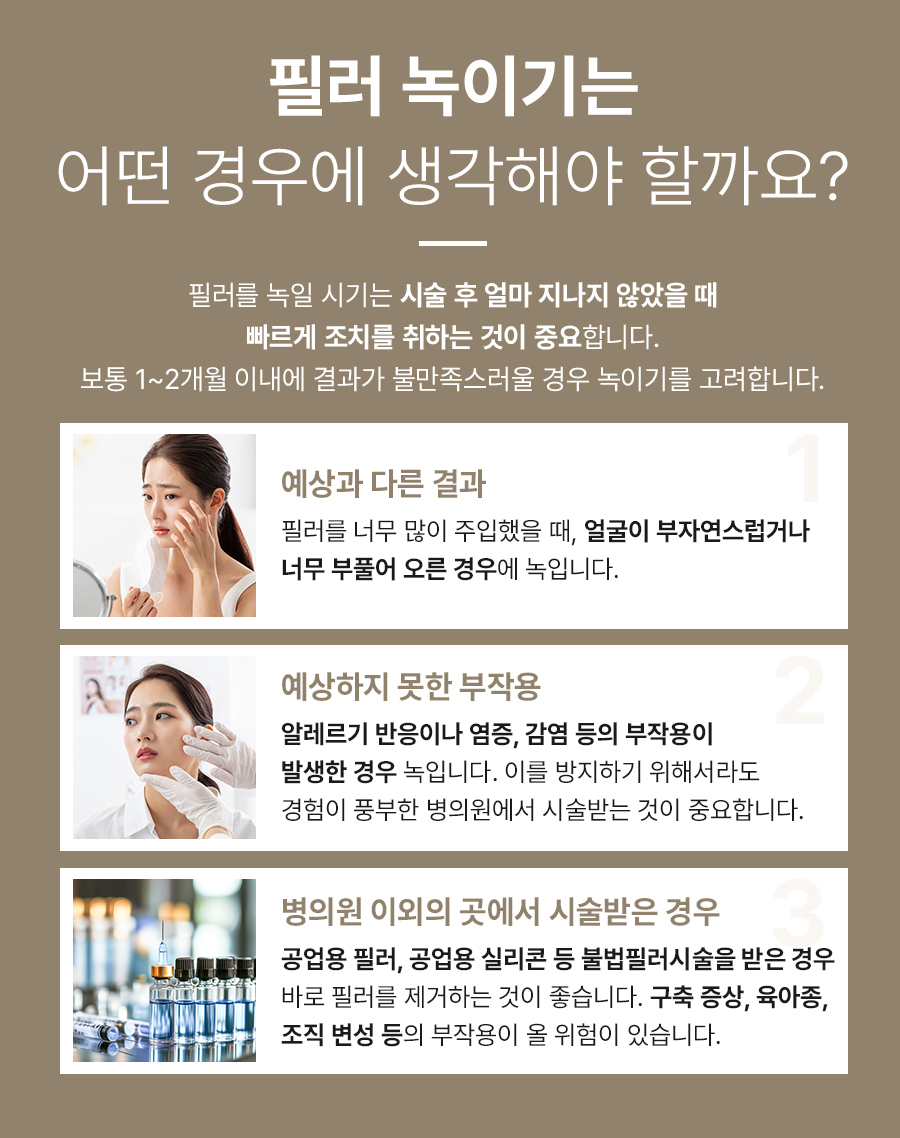
Less common but more serious risks include burns, blisters, or contour irregularities if energy is misapplied or if the skin reacts unexpectedly. Although these events are rare when the procedure is performed carefully, they are important to understand before you decide.
A doctor who routinely treats skin conditions is used to evaluating skin thickness, inflammation, scarring, and underlying problems. This experience can help in choosing safe energy levels, adjusting treatment patterns, and deciding when to avoid or postpone a procedure.
Before any lifting treatment, a full medical consultation should include your history of pacemakers or implanted devices, metal implants in the treatment area, pregnancy or breastfeeding, autoimmune conditions, and any severe skin disease or infection in the planned treatment zone. These factors can influence whether radiofrequency lifting is appropriate for you.
No lifting device can guarantee identical results for everyone. Outcomes depend on individual anatomy, skin quality, lifestyle, and the skill and judgment of the treating doctor. A cautious, medically grounded approach tends to favor safety and natural-looking changes over aggressive settings.
Getting Thermage-style lifting near Nokbeon Station
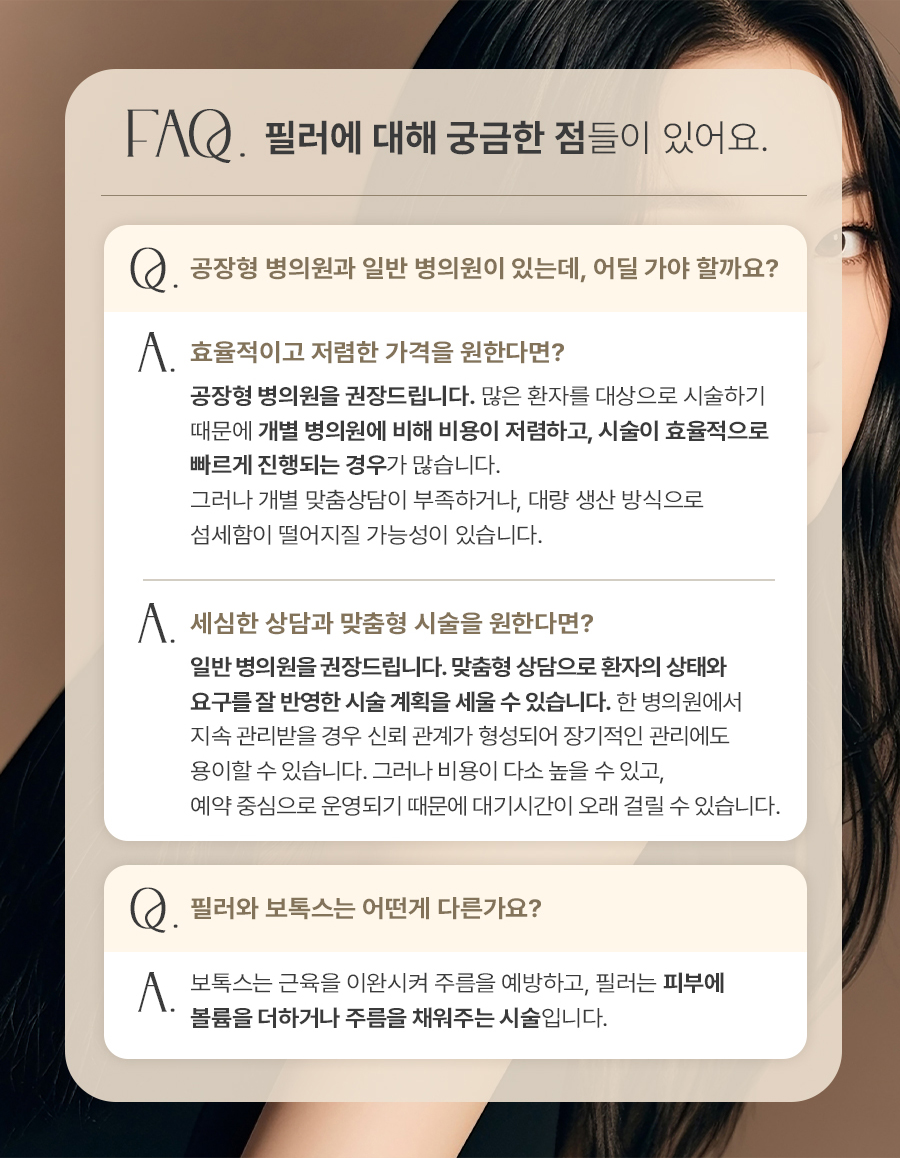
In Eunpyeong-gu near Nokbeon Station, you can find small neighborhood practices that combine internal medicine and skin-focused care with aesthetic procedures. Some clinics have clinicians who perform both consultation and treatment, while others separate those roles; ask each clinic directly about how consultations and procedures are handled.
This one-doctor system can be reassuring for patients who prefer continuity. The same person who listens to your concerns and examines your skin is the one who decides on the device, settings, and treatment pattern, and who follows up on your progress.
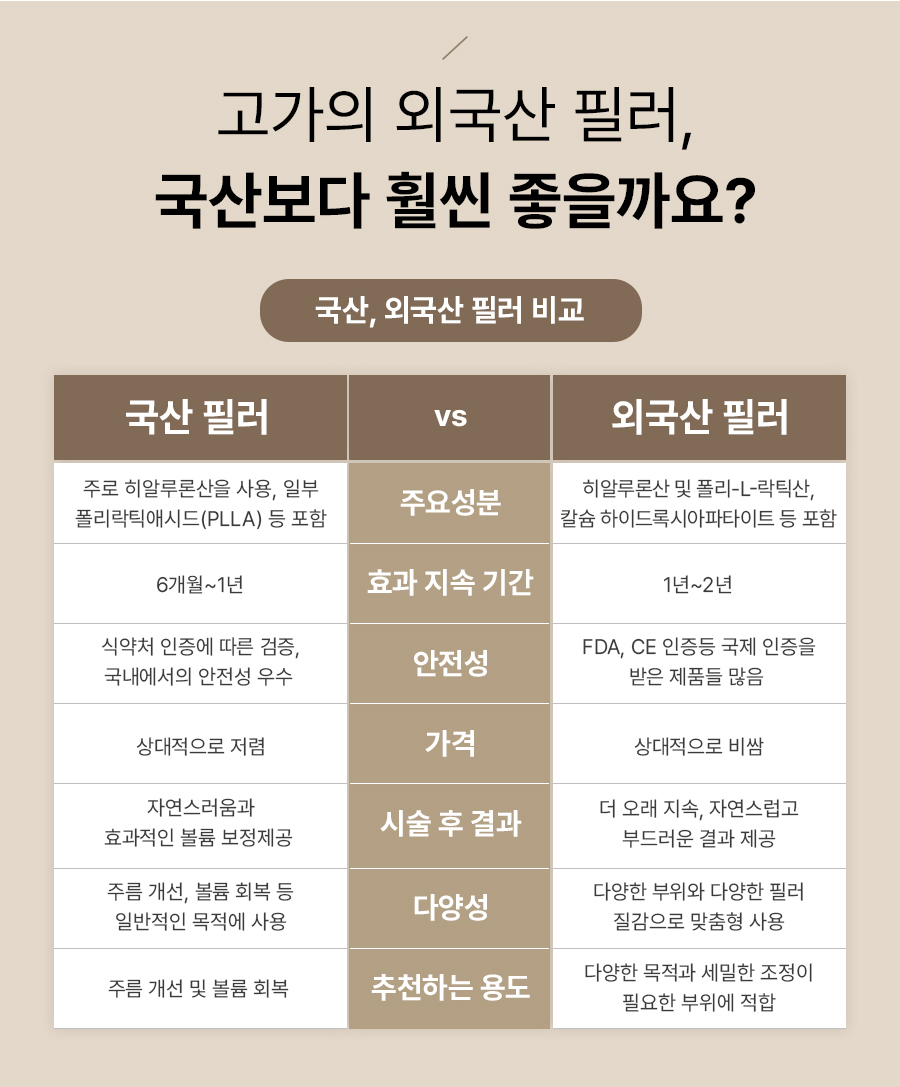
Because some clinics also manage conditions such as warts, corns, burns, scalp issues, hair loss, and foot problems like athlete’s foot, ingrown toenails, and calluses, they may attract patients who want both medical and aesthetic care in one place. For facial lifting, clinics typically use a range of radiofrequency and ultrasound devices and may offer thread lifting and contour injections — check with the specific clinic for details on the equipment and techniques they use.
This range allows the doctor to suggest alternatives if Thermage-type radiofrequency is not the best match for your skin or goals. For example, if your main concern is heavy jowls, ultrasound lifting or threads may be emphasized. If your skin is thin and sensitive, energy levels may be adjusted or combined with gentler treatments.
The clinic does not rely on an official website; most information appears through local listings. Because device lineups and protocols can change over time, overseas patients are encouraged to confirm available devices and exact treatment names directly with the clinic before booking.
Online consultation and pre-visit preparation
As an overseas patient, you can make your visit more efficient by preparing in advance. Many small clinics near Nokbeon Station are used to communicating through messaging apps or email, even if their English is basic. Clear, simple information from your side helps the doctor understand your situation.
Before your trip, prepare recent photos of your face from the front and both sides in good lighting, without filters. Relax your expression in some photos and smile lightly in others. This allows the doctor to see how your skin and soft tissues move.
Write a brief summary of your main concerns, such as sagging jawline, deep nasolabial folds, or tired-looking eyes. Include your age, any previous lifting treatments or injections, and any major medical conditions or medications. If you have had reactions to procedures before, note them clearly.
You can also prepare a short list of questions, for example. How much improvement is realistic in my case. Which device or combination do you recommend and why. How many shots or how much energy is usually used for someone with my concerns. How many days of visible redness or swelling should I plan for.
Sending this information in advance allows the clinic to estimate whether Thermage-style lifting is suitable for you and to suggest a rough treatment plan and visit schedule.
Expected Korea visit timeline for Thermage-style lifting
For most overseas visitors, Thermage-type lifting can be done within a short stay. A typical schedule might look like this.
On day one, you arrive in Seoul and check into your accommodation near Nokbeon Station or along Line 3 for easy access. If possible, you have your first in-person consultation that afternoon or the next morning. During this visit, the doctor confirms your skin condition, adjusts the plan if needed, and explains the procedure and aftercare.
The treatment can often be performed on the same day as the consultation or the following day, depending on the clinic’s schedule and your preference. The procedure time itself is usually under one to two hours, including preparation.
Most patients can return to light sightseeing or work the next day, as downtime is typically minimal. However, if you are sensitive or prone to swelling, it is wise to keep your schedule flexible for one to two days after the procedure.
Because the main collagen-building effect develops over weeks to months, you will not see the final result during your trip. Instead, you can stay in contact with the clinic by sending follow-up photos at one month and three months, so the doctor can check your progress and answer questions.
If you are planning multiple treatments, such as combining ultrasound lifting, threads, and radiofrequency, the clinic may suggest spacing some procedures by a few days. In that case, allow extra days in your itinerary.
Aftercare and long-term maintenance
After Thermage-style lifting, gentle care supports recovery and helps you maintain your results. For the first few days, use mild cleansers and fragrance-free moisturizers, and avoid harsh scrubs or active ingredients unless your doctor approves them.
Sun protection is crucial. Use a broad-spectrum sunscreen and consider a hat or shade when outdoors. Heat and UV exposure can stress the skin and may reduce the durability of your results over time.
Avoid very hot baths, saunas, or intense exercise for a short period if your doctor advises, as these can increase redness or swelling. Alcohol and very salty foods may also worsen temporary swelling in some people.
In the long term, a healthy lifestyle supports collagen. Not smoking, managing stress, maintaining a stable weight, and eating a balanced diet all contribute. Some patients choose to repeat radiofrequency lifting every year or combine it with other maintenance treatments like ultrasound lifting or gentle laser procedures, depending on their skin and aging pattern.
Frequently asked questions about Thermage results near Nokbeon Station
How strong are Thermage-style results compared with surgery
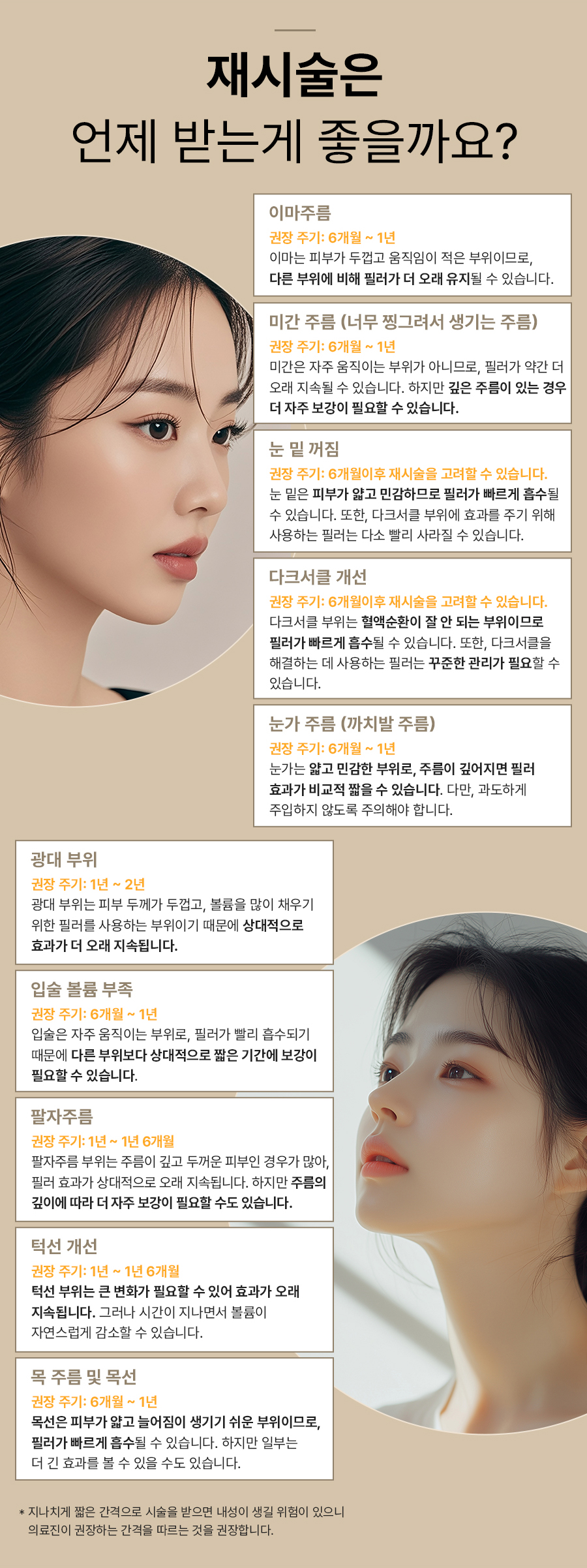
Thermage-style radiofrequency lifting is non-surgical, so its effect is naturally milder than a facelift. It may help tighten and refresh mild to moderate sagging, especially along the jawline and cheeks, but it does not remove large amounts of loose skin or deeply etched folds. Many people choose it when they are not ready for surgery or want a more subtle, gradual change.

How long do Thermage results last
In many patients, the visible effect can last around six to twelve months or more. The exact duration depends on age, skin quality, lifestyle, and how quickly you naturally lose collagen. Some people repeat the treatment annually as maintenance, while others wait longer. A doctor near Nokbeon Station can suggest an interval based on how your skin responds.
Is one session enough, or do I need several
Thermage-style lifting is often performed as a single session, with results developing over the following months. Whether you need additional sessions depends on your degree of sagging and your goals. In some cases, the doctor may recommend combining radiofrequency with ultrasound lifting, threads, or contour injections instead of repeating the same procedure many times.
Can I combine Thermage-style lifting with other treatments during one trip to Korea
Yes, many overseas patients combine lifting with other treatments, but the exact combination should be planned by the doctor. For example, you might have ultrasound lifting and radiofrequency in one visit, then threads or injectables on another day, depending on your skin and swelling tendency. It is important to allow enough days in your schedule and to follow the doctor’s advice on timing.
Practical info: hours and visit tips
A neighborhood clinic near Nokbeon Station that offers Thermage-style lifting may keep extended hours to suit office workers. Opening times and days of operation vary by clinic, so contact the clinic directly or check its official listing for the most up-to-date hours.
Because schedules and device lineups can change, it is wise to call or message in advance to confirm whether Thermage-style radiofrequency lifting is currently available, which devices are in use, and whether an English-speaking staff member is present. Booking a consultation slot with enough time for discussion is especially important if you are traveling from overseas.
Soft call to action for online consultation
If you are considering Thermage-style lifting near Nokbeon Station and want realistic guidance rather than marketing promises, an online consultation can be a helpful first step. By sharing clear photos, your age, medical history, and main concerns, you allow the doctor to assess whether radiofrequency lifting is suitable and to suggest a tailored plan and visit schedule.
Use this guide as a checklist. Prepare your questions, confirm clinic hours and closure days, and ask about available devices and possible combinations. With careful planning and doctor-led treatment, you can make the most of your time in Korea and pursue natural-looking lifting that fits your skin condition and lifestyle.
This article is for general information only and does not replace a personal medical consultation. Individual assessment by a qualified doctor is essential before any procedure.


댓글
댓글 쓰기