Nokbeon Station acne treatment results and what overseas patients can expect
- 공유 링크 만들기
- X
- 이메일
- 기타 앱
Direct answer: what kind of acne results near Nokbeon Station can you expect?
If you are searching for “Nokbeon Station acne treatment results,” you are usually hoping for three realistic changes: calmer breakouts, less redness, and fewer scars in the long term, without having to travel far or spend all day in a large cosmetic chain clinic. Near Nokbeon Station in Eunpyeong-gu, you can find a neighborhood primary-care style clinic that approaches acne as a medical skin disease and also cares for aesthetic concerns like marks and shallow scars.
With consistent medical treatment, many patients see short-term improvement in swelling and tenderness of active pimples, and over several weeks to months, a gradual reduction in new breakouts and fading of red and brown marks. Results are not instant and are never identical for everyone, but a structured plan combining prescriptions, in-clinic procedures, and home care can help bring acne under better control.
What people really mean by “Nokbeon Station acne treatment results”
People who search this phrase are often students, office workers commuting through Nokbeon Station, and local residents of Eunpyeong-gu. They usually share similar concerns.
They want to know whether a nearby clinic can actually reduce inflamed pimples, not only offer cosmetic facials. They hope to avoid deep scars and dark spots that remain for months. They prefer a place where one doctor follows them from consultation to procedure, instead of changing staff every visit. And they need evening or weekend appointments that fit around school or work, without traveling across the city.

In this area, clinics that combine medical skin disease care with aesthetic devices are well suited for this need. They can address active inflammatory acne, comedones, and post-acne marks in one place, with a doctor-led plan rather than a purely cosmetic program.
Why acne needs medical care, not just cosmetic care
Acne is an inflammatory skin disease involving hair follicles and oil glands. It is not only a cosmetic issue. When inflammation is strong or long lasting, it can damage the deeper layers of the skin and leave permanent scars or long-lasting pigmentation.
Medical acne care focuses on calming inflammation, normalizing oil production and keratinization, and preventing new clogged pores. This is different from a simple facial, which may temporarily clean the surface but does not change the underlying disease process.
A clinic near Nokbeon Station with both disease and aesthetic services can offer a more complete approach: controlling active breakouts while also planning for the marks and shallow scars that often follow.
Overview of acne treatment near Nokbeon Station
In a typical neighborhood clinic around Nokbeon Station, acne care usually includes three main elements.
First, medical management using topical and, when needed, oral medications to reduce inflammation, bacteria, and clogged pores. Second, in-clinic procedures such as comedone extraction, injections into large inflamed lesions, and devices for redness and pigmentation. Third, supportive care like gentle cleansing or hydrating treatments to help maintain the skin barrier and manage sebum.
The exact combination is customized after a face-to-face consultation with the doctor, taking into account severity, skin sensitivity, lifestyle, and budget. The goal is not a guaranteed cure, but better control and fewer long-term marks.
Who may consider acne treatment near Nokbeon Station
Several types of patients commonly look for acne treatment in this area.
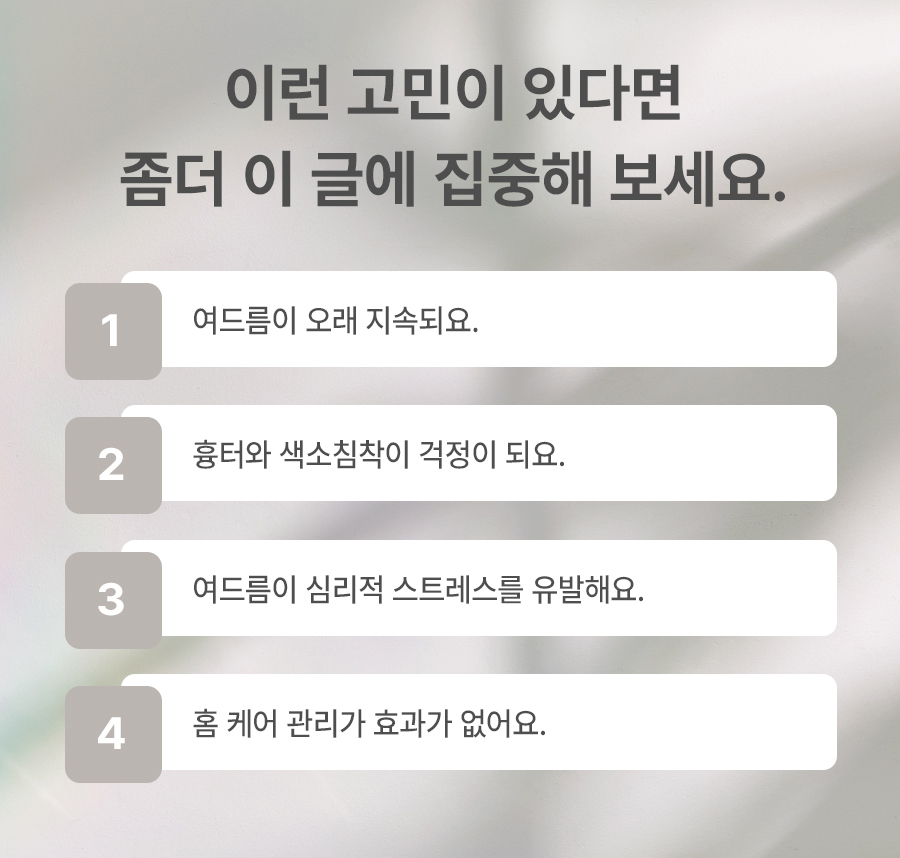
Students who pass through Nokbeon Station on their way to school or academy often struggle with mask-related acne, forehead and cheek breakouts, and stress-related flares. They need a clinic that is easy to reach after class and offers guidance on gentle routines that fit a busy schedule.
Office workers commuting through the station may have jawline or chin acne, often related to stress, hormones, or long mask use. Evening appointments until 20:00 make it possible to visit after work without taking time off.
Residents of Eunpyeong-gu, including adults with long-standing acne or lingering scars from their teenage years, may want a place nearby where they can receive both medical prescriptions and device-based care for texture and pigmentation.
If you are an overseas patient staying in Seoul, a clinic near a subway station like Nokbeon is convenient for moving around the city, and the evening and weekend schedule can be useful if you are combining treatment with sightseeing or business.
How medical acne care is structured
Initial consultation and skin assessment
At the first visit, the doctor usually examines your skin closely. They check what types of acne you have, such as whiteheads and blackheads, red papules and pustules, or deeper nodules and cysts. They also look at where the acne appears: cheeks, forehead, nose, jawline, chest, or back.
Lifestyle factors are important. The doctor may ask about mask use, cosmetics and sunscreen, cleansing habits, stress, sleep, and for female patients, menstrual patterns or hormonal issues. They may also ask about previous treatments, including over-the-counter products, antibiotics, or procedures you tried elsewhere.
Based on this, they explain a realistic plan. For example, they might focus first on calming active inflammation and only later move to scar-focused treatments once the skin is more stable.
Basic medical management
Most acne plans start with topical medications such as retinoid creams, antibacterial or anti-inflammatory gels, and sometimes combined products. These help normalize skin cell turnover and reduce clogged pores and inflammation.
For moderate to severe or widespread acne, oral medications may be suggested, such as antibiotics for a limited period, hormonal regulation in selected patients, or other systemic options depending on your medical history. The purpose is to help control inflammation and reduce the number of new painful lesions.
Lifestyle guidance is also part of medical management. The doctor may recommend a simple cleansing routine, non-comedogenic cosmetics, and consistent sun protection. They will usually advise against over-washing, harsh scrubs, or frequent product changes, which can irritate the skin.
In-clinic procedures for active acne and marks
Comedone extraction is often used for stubborn whiteheads and blackheads that do not respond fully to topical care. Performed carefully, this can help clear clogged pores and reduce the chance that they turn into inflamed pimples.
Intralesional injections into large, painful cysts or nodules can help reduce swelling and tenderness more quickly than topical products alone. These injections are usually used selectively, not on every pimple, and can be helpful before important events or when pain is significant.
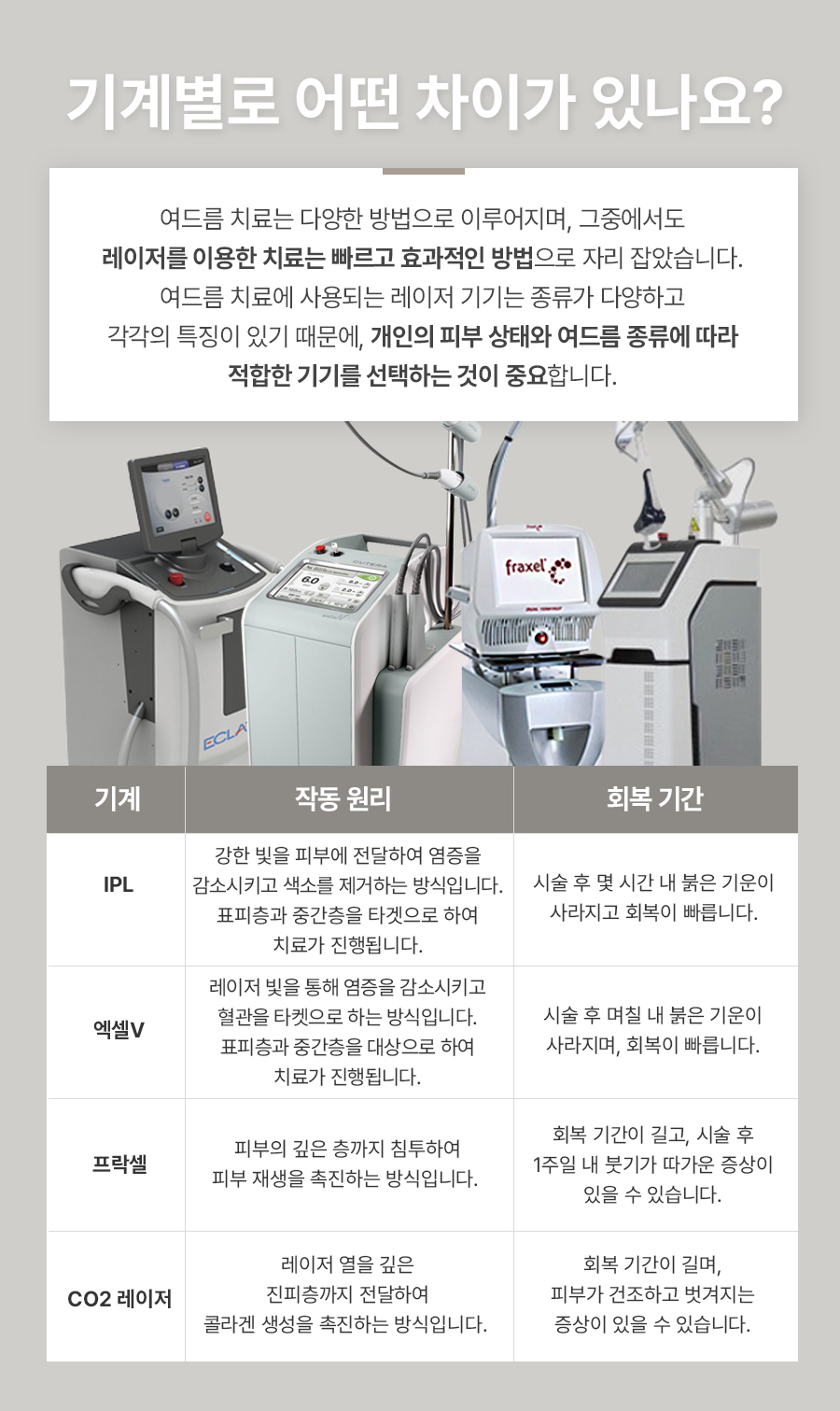
Laser or light-based toning may be recommended once active inflammation is better controlled. Devices similar to Genesis-type toning or Alexandrite-based toning can be used to improve diffuse redness, post-inflammatory pigmentation, and overall skin tone. These are usually done in a series of sessions, spaced several weeks apart.
For shallow acne scars, energy-based treatments such as needling, fractional laser, or other devices may be considered. These aim to stimulate collagen and gradually smooth uneven texture. Multiple sessions are usually needed, and results vary depending on scar depth, skin type, and healing.
Optional hydrating or gentle cleansing facials, such as aqua peel or moisture-focused care, can support the main treatment by helping to manage sebum and remove surface debris. However, they are considered supportive, not a standalone cure for acne.
One doctor system and medical setting
In a neighborhood clinic near Nokbeon Station, a common feature is that the same doctor who sees you in consultation also performs your procedures. For acne patients who worry about scarring or side effects, this continuity can be reassuring.
Because the clinic also deals with other medical skin issues such as scalp problems, warts, or burns, the approach to acne tends to be more medical and cause-focused, rather than only cosmetic. A broad lineup of lifting and toning devices, for example Inmode, Shurink Universe, Tencera, or Tentripe, means that once acne is under control, the doctor can choose from several tools to address sagging or texture changes if needed.
Expected short-term and long-term results
Short-term expectations
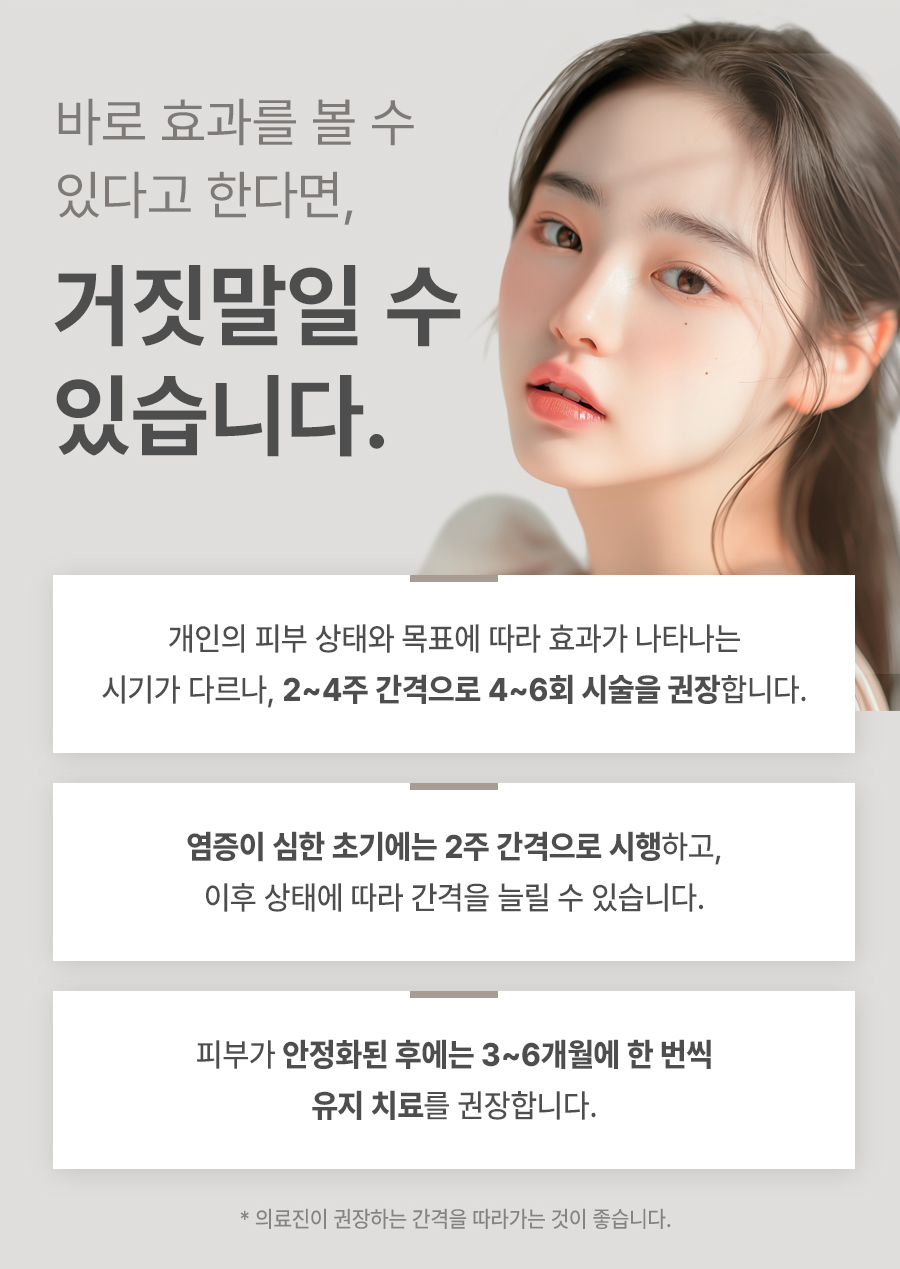
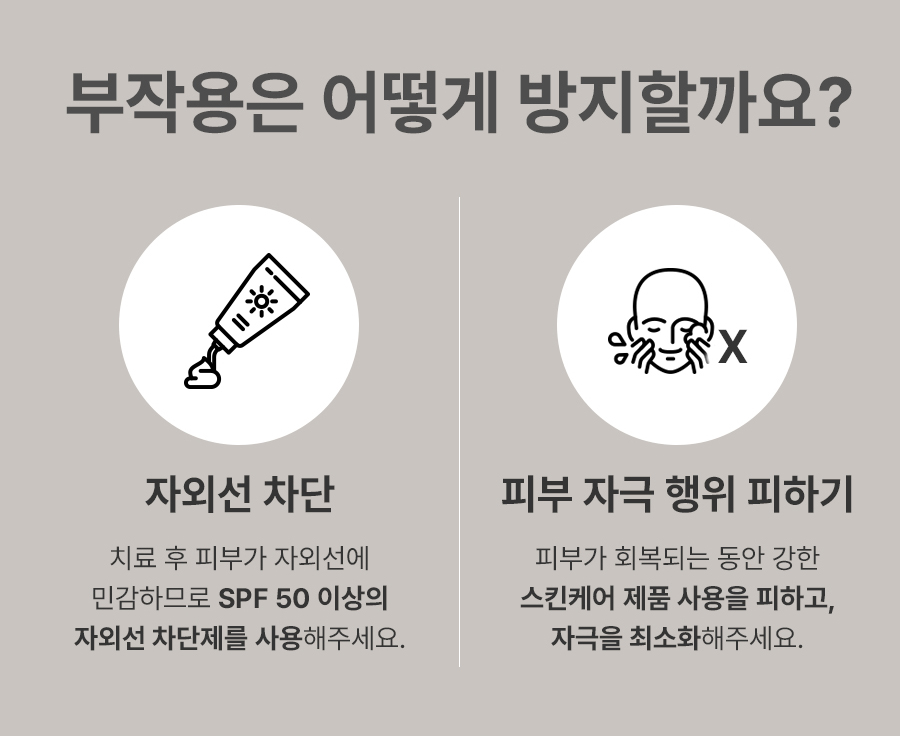
In the first few weeks of treatment, many patients notice that new pimples become less inflamed and less painful. Large cysts or nodules that receive injections often shrink more quickly, reducing discomfort when washing the face or wearing a mask.
Redness around existing lesions may gradually calm, especially when topical anti-inflammatory medications and gentle routines are followed. However, it is also common to experience some dryness, mild peeling, or temporary sensitivity as the skin adjusts to new products. The doctor monitors these effects and can adjust the plan.
Mid- to long-term expectations
Over several months of consistent care, the frequency of new breakouts may decrease, and the overall severity of flares can become milder. Red and brown marks from old pimples often fade gradually, especially when combined with sun protection and, if appropriate, light-based treatments.
Shallow scars may slowly improve in texture with repeated energy-based sessions, though deep scars often need more targeted and longer-term strategies. It is important to understand that individual results differ with acne severity, skin type, hormonal influences, and how closely you follow the treatment plan.
No clinic can promise complete cure or no recurrence. Acne is influenced by many internal and external factors. The realistic goal is better control, fewer painful lesions, and reduced risk of permanent marks.
Safety, side effects, and precautions
Because the same doctor follows you from consultation through procedures, it is easier to track changes in your skin and adjust treatment if side effects appear. Common manageable issues include dryness, irritation, temporary redness, and in some cases, post-inflammatory pigmentation.
Most procedures are done with minimal or no anesthesia, depending on the method. The clinic aims to reduce discomfort as much as reasonably possible, but some sensations such as warmth, tingling, or brief stinging can still occur.
Before starting treatment, you should inform the doctor if you are pregnant or breastfeeding, have chronic illnesses, take regular medications or supplements, or have a history of keloids or abnormal scarring. This information helps the doctor choose safer options and avoid certain drugs or procedures.
If you are an overseas patient, it is also useful to bring a list of medications and products you are currently using, ideally with photos of the packaging, so the doctor can avoid harmful combinations.
Convenience and access for Nokbeon Station users
Location near Nokbeon Station in Eunpyeong-gu makes it practical to visit after school, after work, or between other activities in Seoul. You can usually reach the clinic within a short walk from the station, which is helpful if you plan multiple visits.
Weekday evening hours typically extend until 20:00, allowing commuters to come after work. The clinic is also open on Saturdays, Sundays, and public holidays, often from around 11:00 to 17:00 without a lunch break, so you can schedule appointments even on busy weekends.
One important point is the unusual schedule: the clinic is closed on Wednesdays and Thursdays. To avoid a wasted visit, always check the day of the week when planning your appointment and, if possible, confirm hours in advance.
Online consultation and pre-visit preparation for overseas patients
If you are coming from overseas, it is wise to start with an online consultation before you travel. Many clinics near Nokbeon Station can communicate in basic English or through translation support.
Before your online consultation, prepare the following:
Clear photos of your face and any other affected areas, taken in natural light from the front and both sides. A brief history of your acne: when it started, how it has changed, and any previous treatments or procedures. A list of current skincare products and medications, including any oral acne drugs, hormonal medications, or supplements.
During the online consultation, ask about the likely number of visits needed during your stay, which procedures are realistic within your schedule, and what kind of home care you should continue after returning to your country.
Expected Korea visit timeline for acne treatment
If you are staying in Korea for a short period, for example two to four weeks, the focus is usually on stabilizing active inflammation and setting up a home-care plan.
On the first visit, you will have a detailed consultation, skin assessment, and often the start of topical or oral medications. Simple procedures such as comedone extraction or injections for large lesions may be done the same day if appropriate.
On follow-up visits during your stay, the doctor checks your response, adjusts medications, and may add gentle device-based treatments if your skin is ready. Light-based toning or mild procedures for redness and marks can sometimes be started even within a short trip, as long as expectations are realistic.
For longer stays or for patients who can return to Korea periodically, a more extended plan can include repeated energy-based treatments for scars and texture. These are usually spaced several weeks apart to allow healing.
Aftercare and long-distance follow-up
After each procedure, you will receive instructions about cleansing, moisturizing, and sun protection. In general, you should avoid harsh scrubs, new active ingredients, and strong peels for a period recommended by the doctor.
If you are returning overseas, ask for a written summary of your diagnosis, medications, and procedures, so you can share this with a local doctor if needed. Some clinics may offer follow-up by email or messaging to answer simple questions, but this cannot replace in-person examination.
To maintain results, continue using non-comedogenic products, avoid picking or squeezing pimples, and protect your skin from excessive sun. If new severe breakouts appear later, seek medical care early to reduce the risk of new scars.
Frequently asked questions
What kind of acne improvement can I realistically expect near Nokbeon Station?
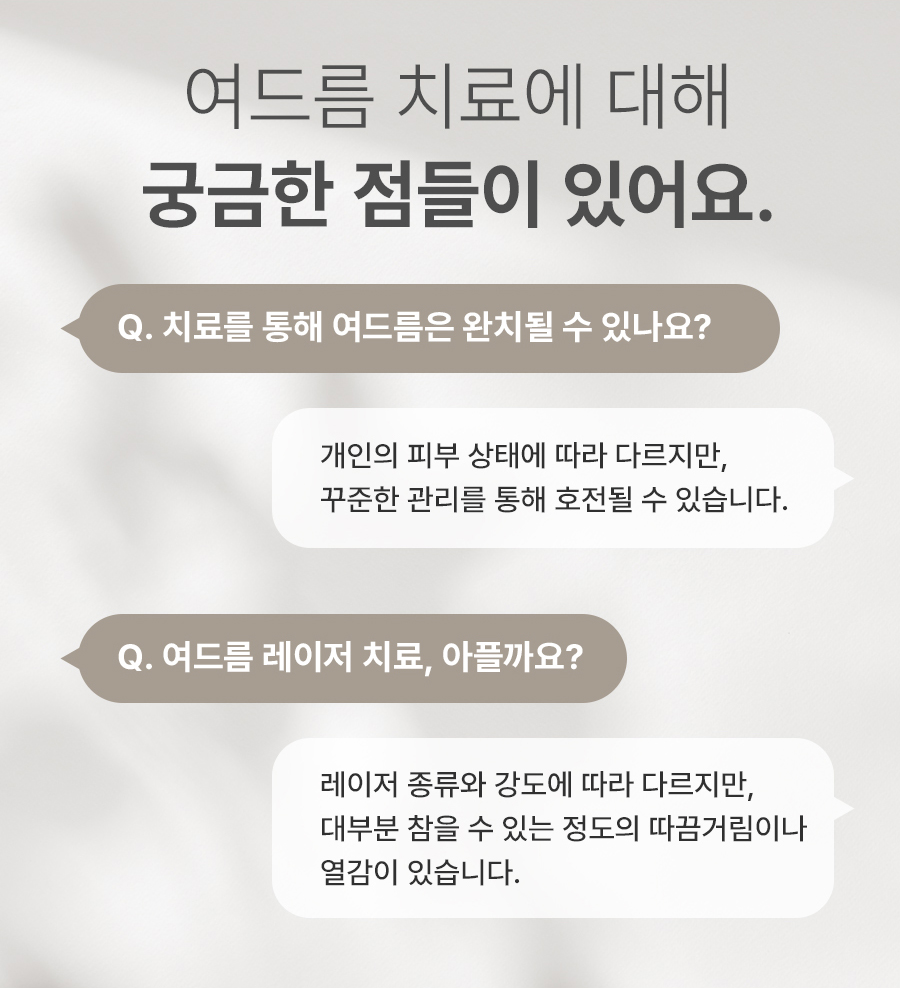
Most patients who follow a consistent plan see reduced redness and swelling of active pimples, fewer painful lesions, and a gradual decrease in new breakouts over time. Red and brown marks usually fade slowly, especially when combined with sun protection and, if suitable, light-based treatments. However, the degree and speed of improvement vary by person, and no clinic can promise complete cure or no recurrence.
How many visits do I need to see results from acne treatment?
Some patients notice early changes, such as less tenderness and fewer new inflamed spots, within a few weeks. However, meaningful and stable improvement typically requires several visits over a few months. Device-based treatments for redness, pigmentation, or scars are often done in a series, for example three to five or more sessions, depending on your skin condition and goals.
Is it possible to start acne treatment during a short trip to Korea?
Yes, even during a short stay, you can usually have a consultation, start appropriate medications, and receive selected procedures such as comedone extraction or injections for large lesions. Gentle toning or supportive care may also be possible if your skin allows. The main goal during a brief trip is to calm active inflammation and set up a clear home-care plan to continue after you return.
Are acne procedures safe, and what side effects should I watch for?
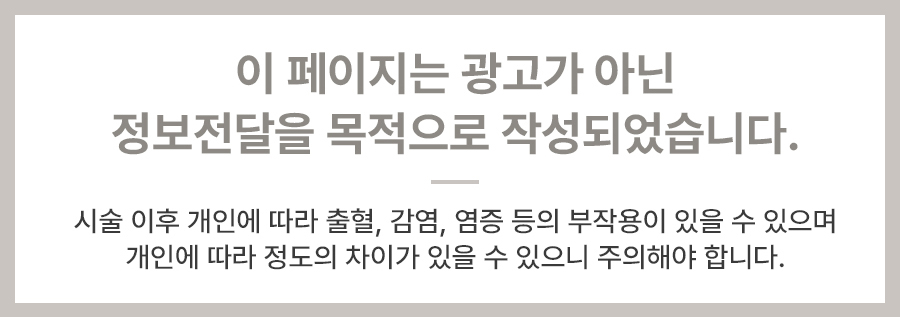
When performed by a doctor who also manages your medical treatment, acne procedures are generally considered safe, but they can still have side effects. These may include temporary redness, swelling, dryness, peeling, or darkening of marks in some skin types. More intensive scar treatments can cause short-term roughness or sensitivity. Inform the doctor immediately if you notice severe pain, blistering, or unexpected changes, and always share your medical history and current medications before starting treatment.
Soft call to action for online consultation
If you are considering acne treatment near Nokbeon Station and want realistic, medically grounded results, an online consultation before your visit to Korea can be very helpful. By sharing photos and your treatment history in advance, you allow the clinic to suggest a plan that fits your schedule, skin condition, and expectations.
You can then use the convenient evening and weekend hours near Nokbeon Station to follow through with your personalized treatment while you are in Seoul, focusing on calm, steady improvement rather than quick but unstable changes.
This article is for general information only and does not replace a personal consultation with a qualified doctor. For diagnosis and treatment tailored to your situation, please visit a medical clinic and discuss your individual condition in detail.
- 공유 링크 만들기
- X
- 이메일
- 기타 앱


댓글
댓글 쓰기