Nokbeon-dong thigh botox guide for slimmer, softer-looking legs
- 공유 링크 만들기
- X
- 이메일
- 기타 앱
Direct answer summary
If you are staying in or visiting Nokbeon-dong in Eunpyeong-gu and want slimmer, less bulky thighs without surgery, thigh botox may be an option. It is an injection of botulinum toxin into overdeveloped thigh muscles to gently reduce muscle activity and soften the leg line. At a neighborhood internal medicine and skin-oriented clinic in Nokbeon-dong, consultation and procedure are both performed directly by Director Lee Hyo-su, who also treats medical skin, scalp, and foot conditions. This allows a careful assessment of whether your thigh size is really from muscle or mainly from fat and skin, and whether thigh botox fits your situation.
This guide explains what thigh botox is, who may consider it, what to expect from a visit to Korea, how the procedure is done, safety points, aftercare, and common questions for overseas patients.
What is thigh botox
Thigh botox overview
Thigh botox is an injection treatment using botulinum toxin into the thigh muscles, usually the front thigh (quadriceps) or outer thigh. The medicine temporarily reduces the activity of these muscles. When the muscle is used less strongly over time, its volume can decrease to some degree, and the leg line may look softer and less bulky.
The main goal is to improve the silhouette of the legs rather than to change your weight. Many people seek thigh botox when they feel their thighs look too muscular or thick in jeans, leggings, or skirts, even if they are not overweight.
What thigh botox can and cannot do
Thigh botox focuses on muscle, not fat. It may help when the thigh looks large because the muscles are very developed from sports, frequent squatting, certain postures, or natural body type. In these cases, reducing muscle activity can make the contour more gentle.
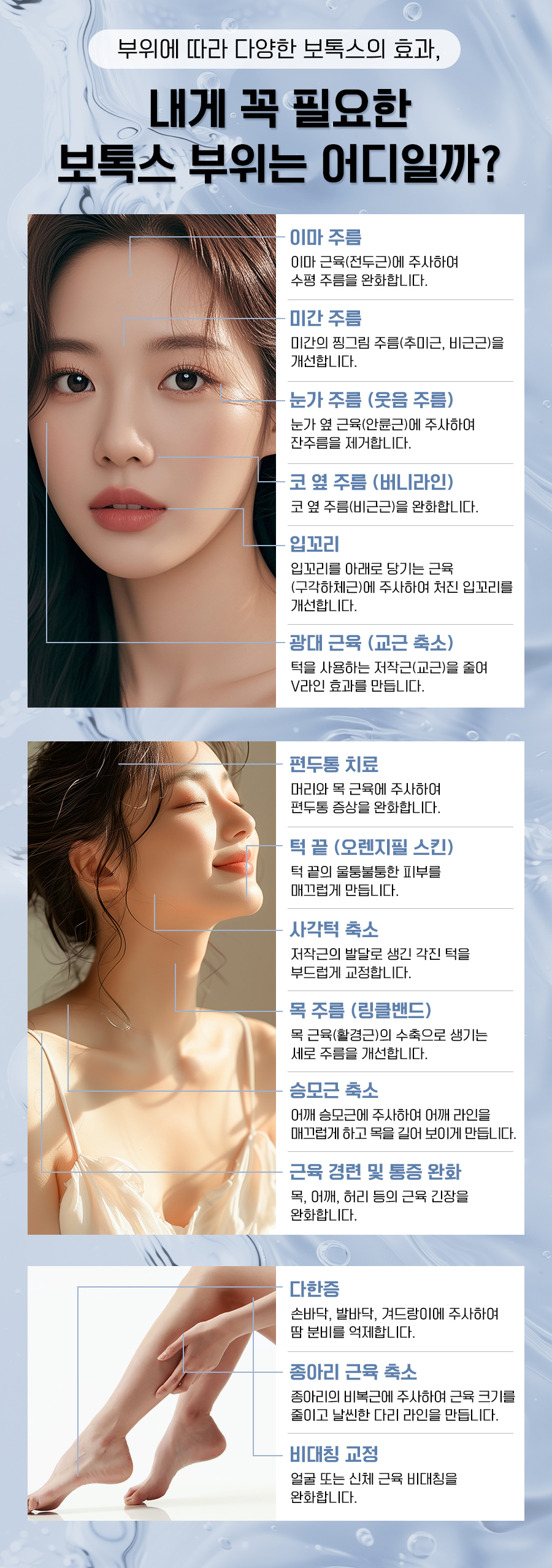
However, if your thigh size is mainly due to fat accumulation or loose, sagging skin, the effect of thigh botox will be limited. It does not remove fat, does not tighten skin, and is not a weight-loss method. It is better to think of it as a contouring tool for specific muscle-related bulkiness.
Who may consider thigh botox in Nokbeon-dong
Good candidates
You may consider thigh botox if some of the following apply to you.
Your thighs look bulky or very strong even when your overall body weight is not high.
You feel your legs look too muscular in tight pants or sportswear.
You have done diet and exercise, but the thigh shape still looks thick mainly from muscle.
You prefer a non-surgical, relatively quick procedure instead of liposuction or other operations.
You are open to combining lifestyle changes, such as diet and exercise, with thigh botox for a more balanced result.
At the Nokbeon-dong clinic, the doctor checks not only the thickness of the thigh but also your posture, walking pattern, and daily activity level to judge whether muscle is the main reason for bulkiness.
Who should be cautious
Thigh botox is not suitable for everyone. You may need to be cautious or postpone treatment if you have one of the following.
Most of your thigh thickness is from fat or sagging skin rather than firm muscle.
You have neuromuscular disorders or certain systemic diseases.
You are taking medicines that can interact with botulinum toxin.
You are pregnant or breastfeeding.
During consultation, it is important to share your medical history, current medications, previous experience with botox, and any chronic conditions. Director Lee Hyo-su evaluates these points and explains whether thigh botox is appropriate for you or whether other approaches should be considered first.
Expected effects and realistic limits
Time course of results
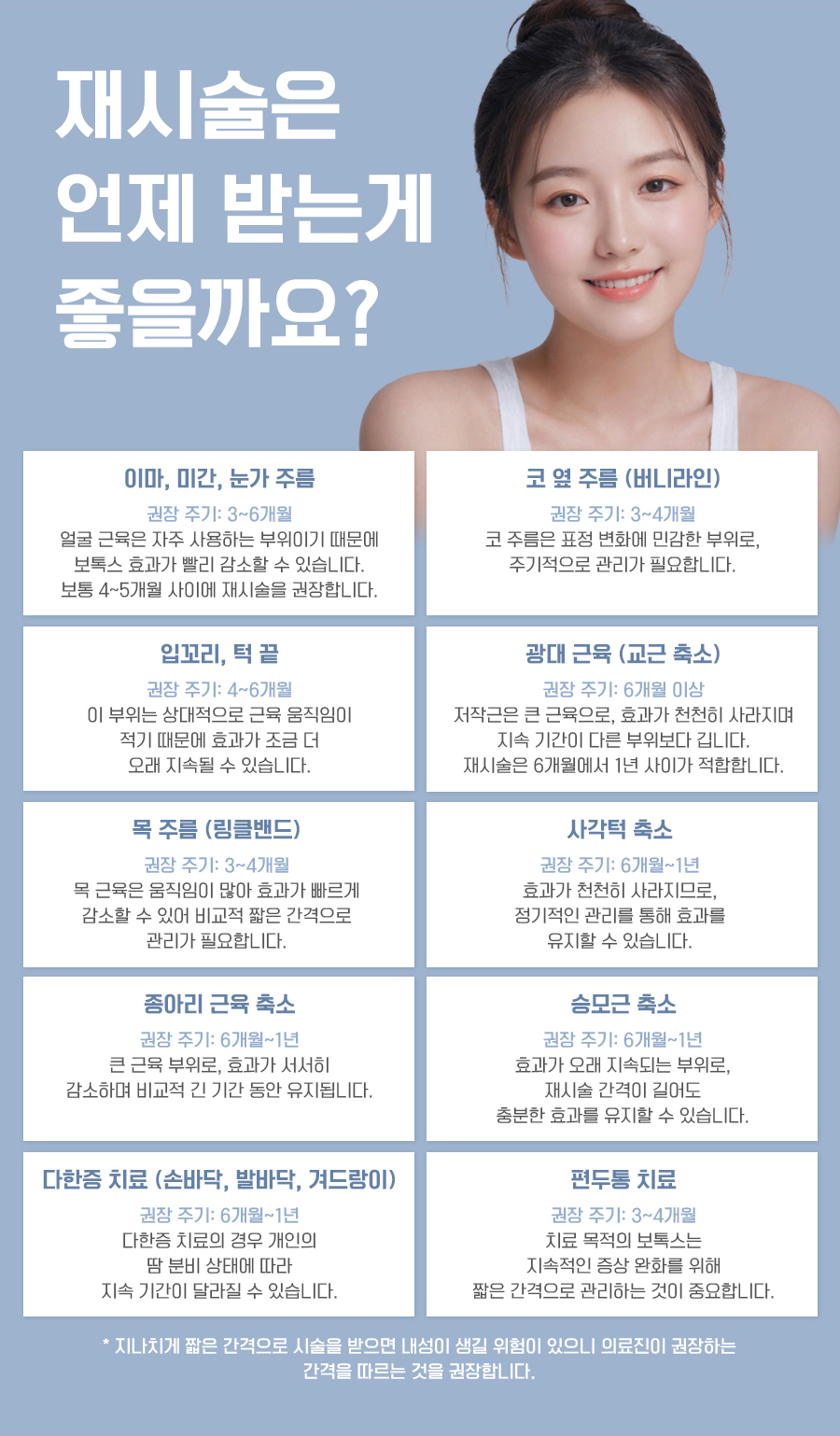
The effect of thigh botox does not appear immediately. After injection, you can usually expect the following general timeline.
Initial changes start to appear over 1 to 2 weeks.
The effect tends to peak around 1 month.
The improvement usually lasts several months and then gradually wears off as the body recovers muscle function.
Because everyone’s body and lifestyle are different, the exact degree and duration of visible change vary. People with very large muscles may notice more difference than those with only mild muscle bulk.
Degree of visible change
Thigh botox is designed to create a softer, slightly slimmer line rather than a dramatic size drop. The final look depends on several factors.
Initial muscle size and shape.
Amount of surrounding fat.
Daily activity level, such as sports, long standing, or frequent stair use.
Individual response to botulinum toxin.
The doctor will discuss with you what kind of improvement is realistically possible after seeing your thighs in person and feeling the muscle and fat distribution. It is important to understand that thigh botox does not replace diet, exercise, or other body-contouring methods, but may complement them.
How the Nokbeon-dong clinic approaches thigh botox
One-doctor system and combined medical perspective
At this neighborhood clinic in Nokbeon-dong, Eunpyeong-gu, all steps from consultation to injection and follow-up are handled directly by Director Lee Hyo-su. The same doctor also manages internal medicine issues, skin and scalp diseases, and a dedicated foot center. This combined medical and aesthetic perspective can be helpful for thigh botox because the thighs are functional muscles used for walking, standing, and balance.
Instead of focusing only on cosmetic change, the doctor considers circulation, skin condition, foot structure, and lifestyle. This can support safer planning of dosage and injection points, especially for people who exercise heavily or stand all day for work.
Difference from large cosmetic chains
In some large cosmetic centers, one person may do the initial consultation, another may plan the treatment, and a different injector may perform the procedure. In contrast, a one-doctor clinic offers continuous care with the same physician.
For thigh botox, this means the doctor who listens to your concerns and checks your walking pattern is the same person who decides the injection plan and performs the injections. Follow-up visits are also with the same doctor, which can make it easier to adjust future sessions based on your response.

Other aesthetic services as background experience
The clinic also provides various lifting devices such as Inmode, Shurink Universe, Tencera, and Ten Triple, as well as injectables like facial botox, fillers, and skin boosters. These are not the main topic here, but they show that the doctor has experience with different injection techniques and energy-based treatments. For you as a patient, this can add confidence that the doctor is familiar with tissue response and aftercare.
Step-by-step thigh botox process
Pre-consultation and assessment
When you visit for thigh botox, the process usually begins with a direct consultation with Director Lee Hyo-su. During this time, the doctor.
Examines your thighs visually and by touch to distinguish muscle from fat.
Checks your posture and how you walk, and how you use your legs in daily life.
Asks about your medical history, medications, and any previous botox or other procedures.
Listens to your goals, such as wanting a softer line in jeans or more balance between upper and lower body.
After this assessment, the doctor explains whether thigh botox is suitable, what kind of changes may be expected, and that repeated sessions are usually needed to maintain the effect.
Treatment planning
If thigh botox is appropriate for you, the doctor then designs a plan tailored to your thighs.
Decides which area to target: front thigh, outer thigh, or a combination.
Chooses dosage based on muscle thickness, your height and weight, and how active you are.
Plans injection points to spread the effect evenly while keeping enough strength for normal walking and daily tasks.
Overly aggressive weakening of thigh muscles can cause temporary feelings of heaviness or fatigue, especially on stairs or during sports. For this reason, a balanced, conservative plan is often preferred, especially for the first session.
Procedure day
On the day of the procedure, you are usually asked to lie or stand in a comfortable position. The doctor marks the injection points on your thighs. The skin is disinfected to reduce infection risk. Local numbing methods such as a cold pack or topical anesthetic may be used to help reduce discomfort, although some brief stinging or pressure during injection is still possible.
Using a fine needle, the doctor makes multiple small injections into the targeted muscle areas. The procedure time is relatively short, and many people can complete consultation and treatment in a single visit, depending on scheduling and individual needs.
Aftercare and recovery
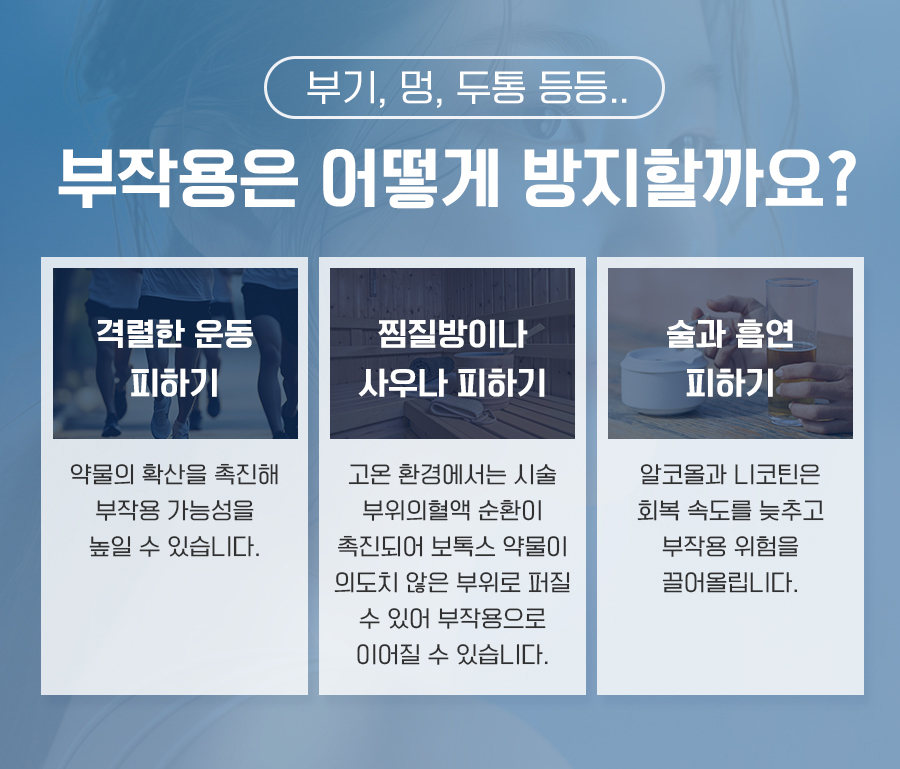
Most people can return to normal daily activities right after thigh botox. Common temporary reactions include mild redness, swelling, or small bruises at the injection points. These usually improve over several days.
The doctor may advise you to avoid intense lower-body workouts, heavy massage, or strong pressure on the treated area for a short period. You should follow the individual instructions you receive at the clinic, as they may be adjusted to your lifestyle and body condition.
If you notice unusual symptoms such as severe pain, spreading weakness, or allergic reactions, you should contact the clinic promptly for guidance.
Safety, risks, and how they are managed
General safety points
Thigh botox involves large muscles that are important for movement and stability, so it should be performed by a medical doctor familiar with anatomy and the functional impact of weakening these muscles.
At the Nokbeon-dong clinic, the same doctor who treats medical skin and scalp conditions and runs a foot center also performs aesthetic injections. This continuity of care can be an advantage, especially if you have other health issues or are concerned about how thigh treatment might affect your daily life.
Possible side effects
Like any injection procedure, thigh botox can have side effects. These may include.
Local reactions such as pain, bruising, swelling, or temporary tenderness at injection sites.
A temporary feeling of reduced strength, heaviness, or fatigue in the legs, especially when climbing stairs or doing intense exercise, if the dosage or placement is relatively strong for your body.
Rare systemic reactions. If you feel unwell in a way that seems unusual after the procedure, you should seek medical advice.
Most side effects are temporary, but it is important to discuss them during consultation so you know what to watch for and when to contact the clinic.
Risk management approach
Director Lee Hyo-su manages risk through careful pre-assessment and a stepwise approach.
Lifestyle and job are considered, for example if you do heavy sports, stand for long hours, or need strong leg power for work.
Dosing is often conservative at the first session, then adjusted at later visits based on your response and comfort.
Follow-up appointments can be used to check the effect, discuss any discomfort, and plan future maintenance.
This approach aims to balance aesthetic improvement with safe function.
Comparison with other leg-slimming options
Thigh botox versus liposuction or fat-dissolving injections
Liposuction and fat-dissolving injections focus on removing or reducing fat tissue. They can change circumference more directly when fat is the main problem, but they are more invasive and involve different types of risks and recovery.
Thigh botox, in contrast, targets muscle activity. It is less invasive and usually has a shorter recovery, but the visible change is often more subtle and depends on how much of your thigh bulk is actually muscle. For many people, it is not a replacement for fat reduction methods but a separate option for muscle-dominant thighs.
Thigh botox versus exercise and diet
Diet and exercise are important for overall health and can reduce fat and improve muscle tone. However, some people have genetically large or strongly developed thigh muscles that remain prominent even with healthy habits.
In selected cases, thigh botox can complement lifestyle changes by softening overdeveloped muscles while you continue to manage weight and body fat through diet and activity. The doctor can help you decide whether this combined approach is reasonable for your body type.
Preparing for thigh botox as an overseas patient
Online consultation and pre-visit preparation
If you are planning to travel to Korea and stay near Nokbeon-dong, it is helpful to arrange an online or remote consultation in advance when possible. Before contacting the clinic, you can prepare the following.
Basic information about your height, weight, and general health.
A list of current medications and any chronic diseases.
Photos of your thighs from front and side in natural standing posture, if the clinic allows photo review.
Your main goals, such as wanting less muscular-looking thighs or better balance with your upper body.
You may also want to prepare questions about how much activity you can do after treatment, how often maintenance sessions might be needed, and whether the doctor thinks your thigh bulk is mainly muscle or fat.
Expected Korea visit timeline
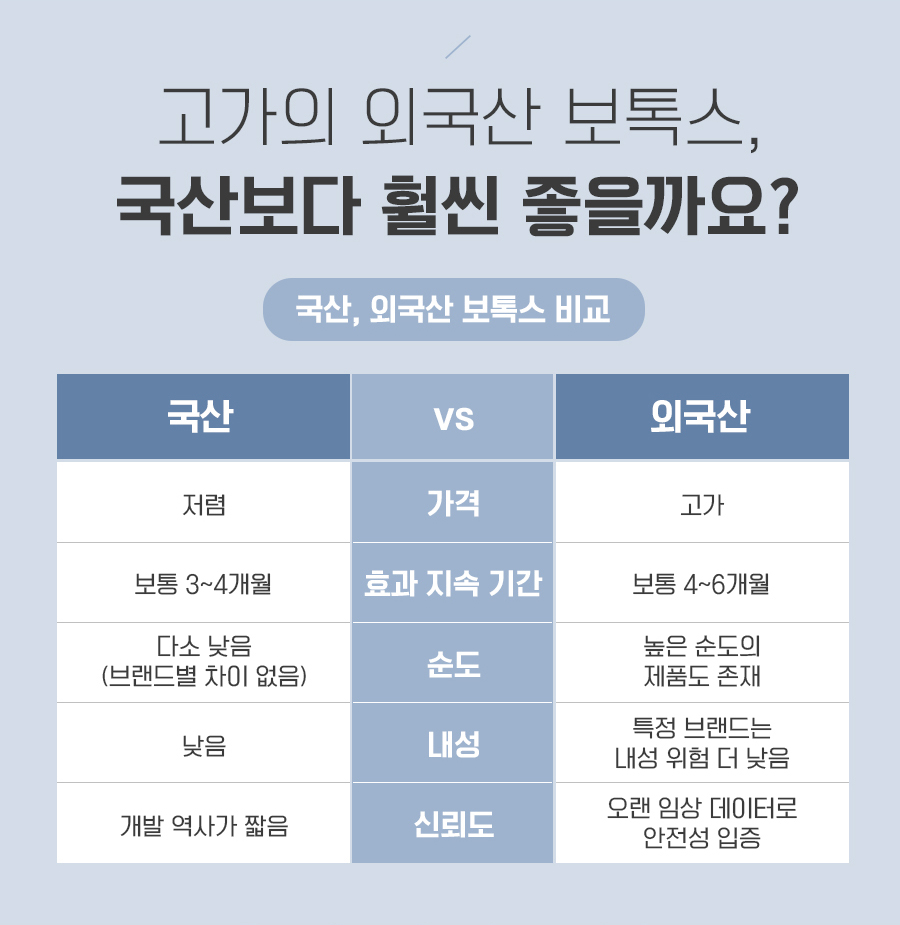
For many overseas visitors, thigh botox can be scheduled in a relatively short stay.
Day 1: In-person consultation, physical examination of thighs, posture and walking check, treatment planning. If there are no medical concerns and you agree with the plan, the procedure can often be done on the same day.
Days 2 to 3: You can usually continue sightseeing and light activities. Avoid very intense leg workouts or strong massage of the thighs during the early period, following the doctor’s advice.
Week 1 to 2: Early effects start to appear. If you are still in Korea, you may schedule a brief follow-up visit; if you have returned home, you can monitor your condition and contact the clinic online if you have questions.
Because the peak effect is around 1 month, many overseas patients see the full result after they have already returned home. For this reason, it is important to have clear communication during consultation about realistic expectations.
Aftercare and lifestyle tips
After thigh botox, you can usually walk and do daily tasks as normal. To support a smooth recovery, the doctor may recommend.
Avoiding very intense lower-body workouts for a short time.
Not pressing or massaging the treated area strongly unless instructed.
Observing how your legs feel on stairs or long walks and reporting any unusual weakness.
Continuing healthy diet and moderate exercise to manage overall body composition.
If you plan to repeat thigh botox for maintenance, keeping a simple record of when you notice the effect starting, peaking, and wearing off can help the doctor fine-tune future dosing and timing.
Local convenience in Nokbeon-dong
Location and neighborhood clinic feel
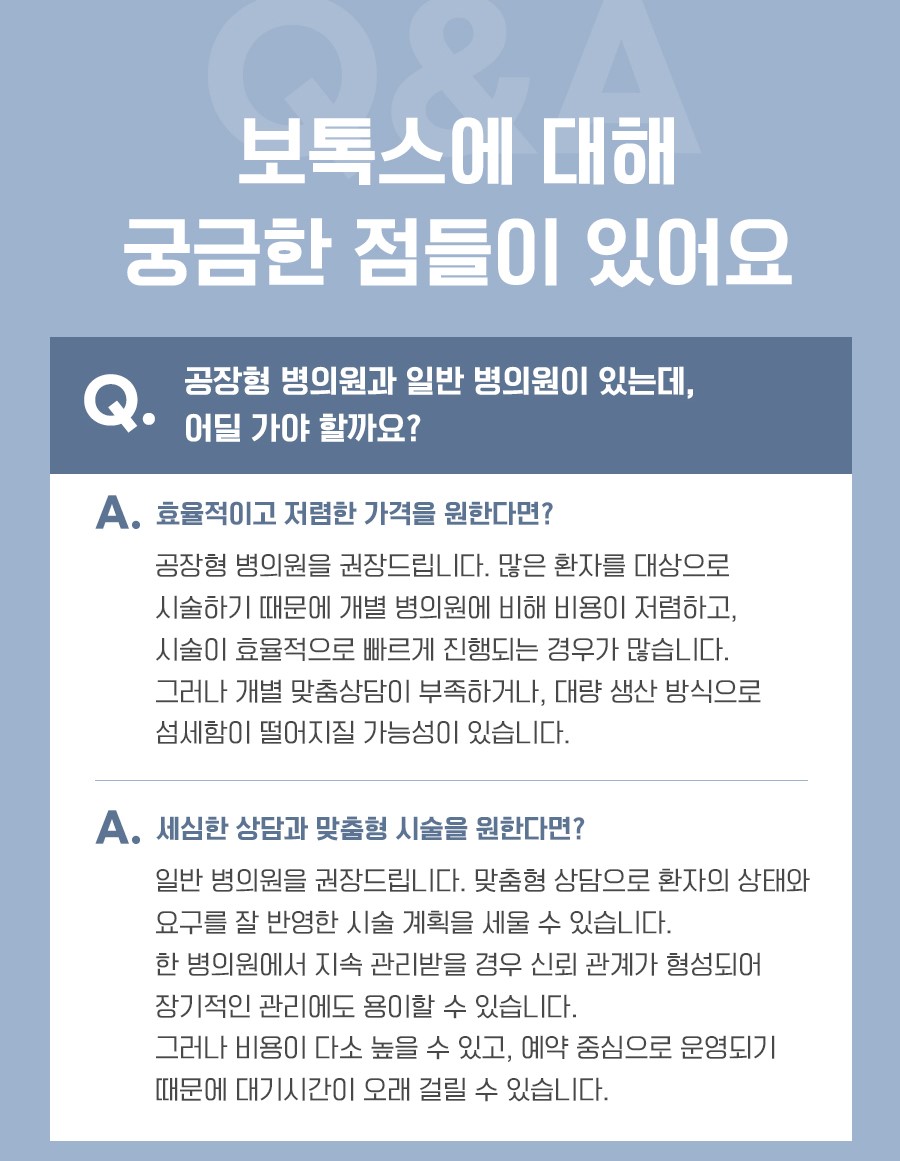
The clinic is located in Nokbeon-dong, Eunpyeong-gu, which is convenient for people staying in Nokbeon-dong, Eungam-dong, Bulgwang-dong, and nearby areas. For overseas patients who choose accommodation in this part of Seoul, it offers the advantage of avoiding long travel into central districts for every visit.
Because it is a neighborhood clinic, it is relatively easy to return for follow-up, adjustments, or other concerns such as skin issues or foot problems that might arise during your stay.
Operating hours
The clinic’s operating hours are as follows.
Weekdays: 11:00–20:00, with a lunch break from 14:00–15:00.
Saturday, Sunday, and public holidays: 11:00–17:00, with no lunch break.
Closed on Wednesday and Thursday.
These evening and weekend hours can be convenient for office workers, students, and travelers who have busy daytime schedules. It is still wise to confirm hours and make a reservation before visiting, to avoid waiting or arriving on a closed day.
Frequently asked questions about thigh botox in Nokbeon-dong
How long does thigh botox last and when will I see changes
Most people start to notice changes in their thighs about 1 to 2 weeks after injection. The effect usually becomes clearer around 1 month. After that, the improvement tends to last for several months before gradually decreasing as the muscle regains activity. The exact duration depends on your body, muscle size, and lifestyle. During consultation, the doctor can give a more personalized estimate based on your situation.
Will thigh botox make it hard to walk or exercise
Thigh botox is planned to reduce excessive muscle bulk while keeping enough strength for normal walking and daily activities. Some people may feel mild heaviness or fatigue in the legs, especially when climbing stairs or doing intense workouts, particularly in the early weeks. This is usually temporary. By using a conservative, stepwise dosing strategy and considering your job and exercise habits, the doctor aims to minimize functional discomfort.
How is thigh botox different from calf botox or facial botox
The basic medicine, botulinum toxin, is similar, but the target muscles and goals are different. Calf botox focuses on the calf muscles to slim the lower leg line, while facial botox is used in small muscles to soften wrinkles or change facial contours. Thigh botox involves larger muscles that play a big role in walking and balance, so assessment and planning must pay more attention to function. Dosage and injection depth also differ according to the area being treated.
How often do I need to repeat thigh botox to maintain the effect
Because the effect of botulinum toxin is temporary, maintenance sessions are usually needed if you wish to keep the slimmer, softer thigh line. Many people repeat treatment every several months, but the exact interval varies. Some wait until they feel the muscle bulk returning, while others prefer a regular schedule. After observing how your body responds to the first session, the doctor can suggest a maintenance plan that fits your goals and lifestyle.
Can I get thigh botox on weekends or after work in Nokbeon-dong
Yes, the clinic in Nokbeon-dong offers evening hours on weekdays until 20:00, with a lunch break from 14:00–15:00, and is open on Saturday, Sunday, and public holidays from 11:00–17:00 without a lunch break. This makes it possible to schedule consultation and treatment after work or on weekends. The clinic is closed on Wednesday and Thursday, so it is important to check the day and make a reservation in advance.
What should I avoid after getting thigh botox injections
After thigh botox, you can usually continue daily life, but it is often recommended to avoid very intense lower-body workouts, heavy leg massages, or strong pressure on the treated area for a short period. You should also monitor how your legs feel during activities such as climbing stairs or long walks. The doctor will give you specific aftercare instructions tailored to your treatment plan and health status.
How does the doctor decide if my thigh bulk is from muscle or fat
During consultation, Director Lee Hyo-su examines your thighs visually and by touch, checking how firm they feel and how the tissue moves. The doctor also looks at your overall body shape, posture, and walking pattern, and asks about your exercise history and daily habits. If the thighs feel very firm and the bulk changes clearly when you contract the muscles, muscle is likely a major factor. If the tissue is softer and more easily pinched, fat and skin may play a larger role. This assessment helps decide whether thigh botox is likely to be effective for you.
Soft call to action for online consultation
If you are considering thigh botox during your stay in Korea and prefer a careful, medically grounded approach in a neighborhood setting, you can contact the Nokbeon-dong clinic for an online or pre-visit consultation. By sharing your concerns, health background, and photos in advance, you and the doctor can discuss whether thigh botox suits your thighs and how to plan your visit around the clinic’s operating hours.
This article is for general information only and does not replace a personal consultation with a qualified medical professional. Individual conditions and responses vary, so final decisions about any procedure should be made after direct examination and discussion with a doctor.
- 공유 링크 만들기
- X
- 이메일
- 기타 앱


댓글
댓글 쓰기