Gusan Station acne scar clinic guide for international patients
- 공유 링크 만들기
- X
- 이메일
- 기타 앱
Direct answer for patients searching near Gusan Station
Common options include fractional lasers, microneedling, subcision, and PRP, typically delivered in a staged plan once active acne and the overall skin condition are assessed and stable.
Some local clinics near Gusan Station are organized in a primary-care style, offering both internal medicine and dermatologic services alongside aesthetic procedures. This integrated setup can be convenient for visitors who want coordinated acne control and scar improvement without traveling across the city.
Overview of acne scars and treatment options
Acne scars are not all the same, and the treatment plan depends strongly on the type of marks you have. Some people mainly have red or brown spots after acne heals. These are called post-inflammatory erythema or post-inflammatory hyperpigmentation. They are flat, not depressed, and often fade over time, but laser or topical treatments may help them fade faster.
True acne scars involve a change in the skin’s texture. Depressed scars can look like small pits or dents. Icepick scars are narrow and deep, boxcar scars have more defined edges, and rolling scars look like gentle waves or depressions. Raised scars or thickened areas can also occur, especially in people who tend to form keloids or hypertrophic scars.
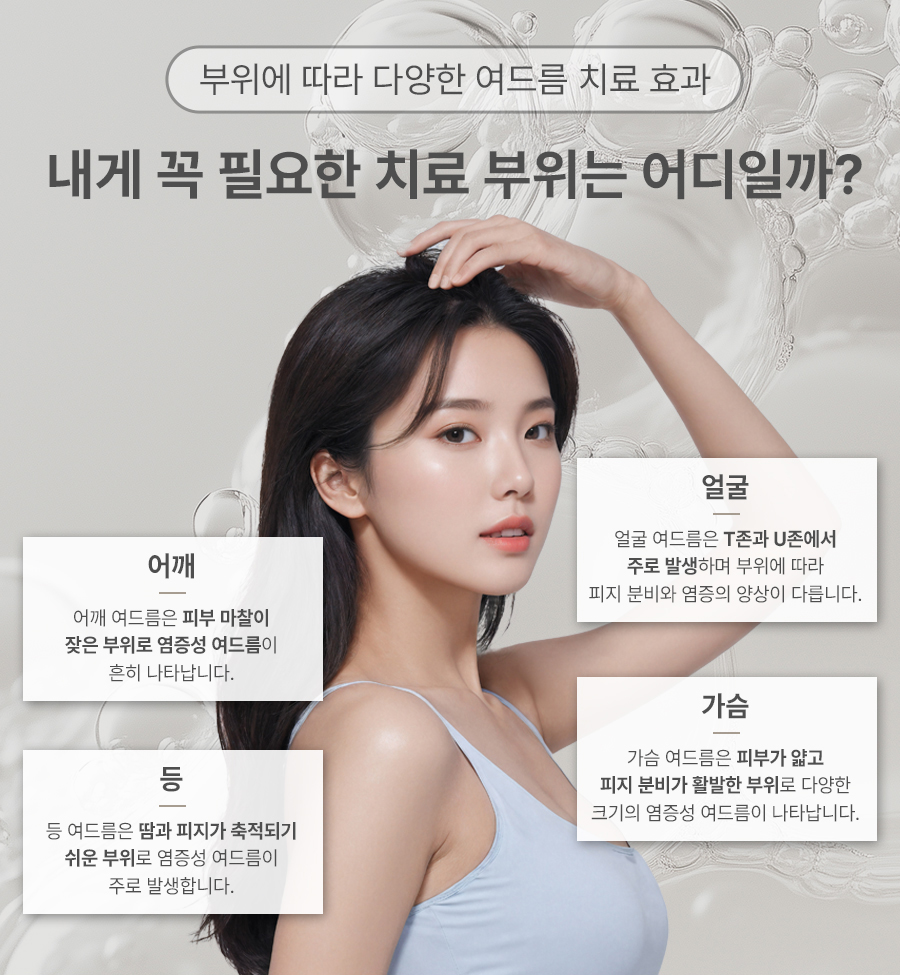
Because of these differences, a clinic near Gusan Station that treats acne scars will usually start by examining your skin closely. Red or brown marks may be treated with toning lasers, topical creams, or gentle procedures, while deeper scars may need fractional laser, microneedling, subcision, or fillers.
Combined disease and aesthetic approach near Gusan Station
A clinic that handles both internal medicine and skin problems alongside aesthetic procedures can be a suitable choice for acne scars. In such a place, the doctor is used to treating conditions like warts, corns, burns, cysts, alopecia, and various rashes, as well as acne and scars.
This experience with inflammatory skin disease and wound care can be helpful when deciding when to start laser or invasive scar procedures. The doctor can judge whether your skin barrier is healthy, whether any infection or inflammation is still active, and how to reduce the risk of side effects such as post-inflammatory hyperpigmentation or worsening of active acne.
The clinic also manages scalp conditions and hair loss, which further supports a broad understanding of skin and related tissues. For you as an overseas patient, this means you can often discuss both medical and cosmetic issues in one place.
Common acne scar treatments offered in neighborhood clinics
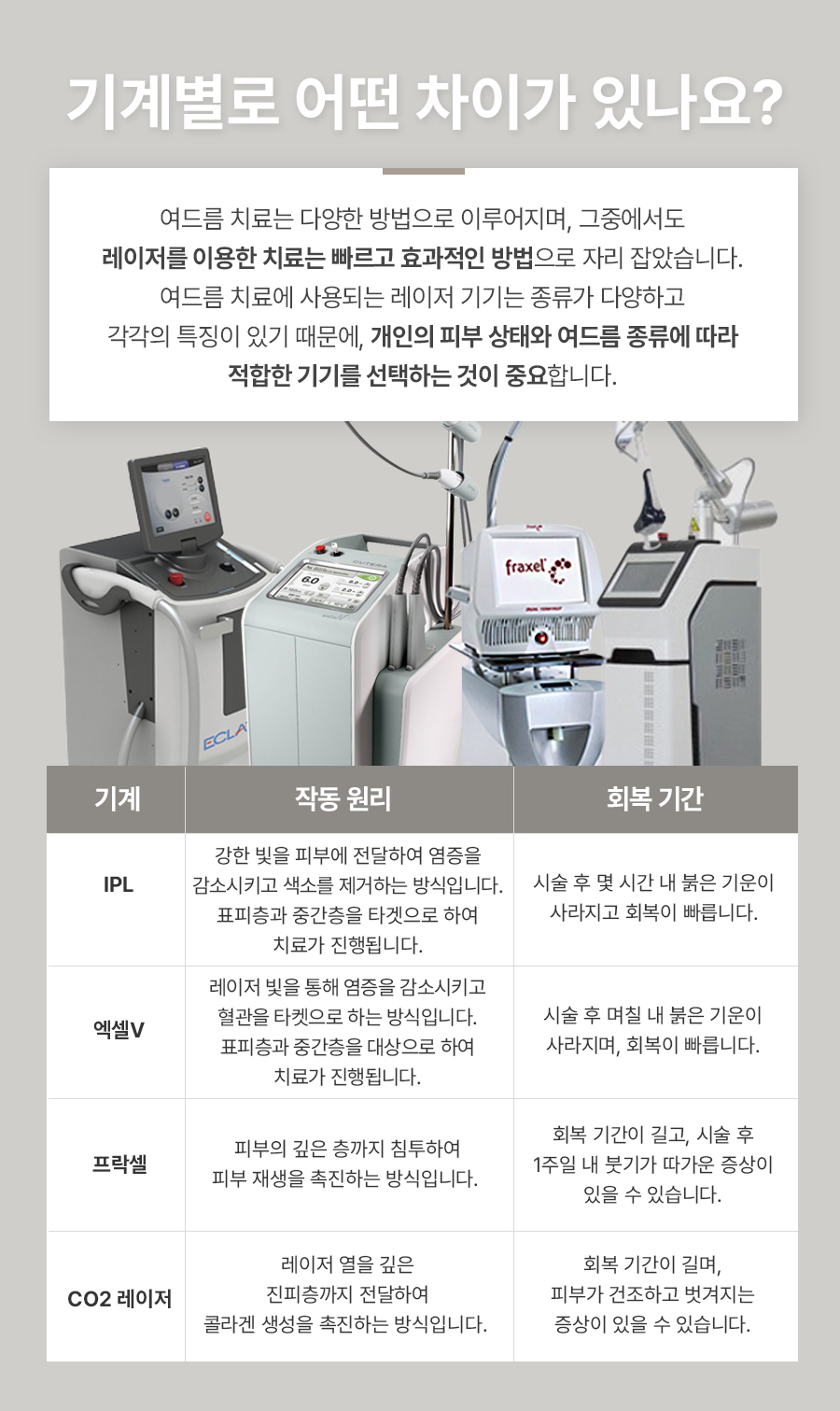
A small, device-equipped clinic near Gusan Station may combine several methods to address different aspects of acne scars. Not every patient needs every procedure, and not every clinic offers all of them, but typical options include:
Fractional laser
Fractional laser creates many tiny columns of controlled injury in the skin, leaving surrounding tissue intact. This process stimulates collagen remodeling and can gradually improve the texture of depressed scars. Sessions are usually spaced several weeks apart, and multiple treatments are often needed.
Toning lasers and vascular lasers
For red or brown marks after acne, gentler lasers may be used to target pigment or small blood vessels. These are often called toning lasers. They aim to even out skin tone and reduce visible redness or pigmentation. They are usually less aggressive than deep resurfacing lasers and may have shorter downtime.
Microneedling
Microneedling uses fine needles to create micro-channels in the skin. This stimulates collagen and can help with mild to moderate textural irregularities. Sometimes it is combined with serums or PRP (platelet-rich plasma) to enhance the effect.
Subcision
Subcision is a minor procedure where a needle or special instrument is used under the skin to break fibrous bands that pull depressed scars downward. It can be useful for rolling scars. Bruising and swelling can occur, so planning around your travel and work schedule is important.
PRP and fillers
PRP involves using a small amount of your own blood, processing it, and injecting the platelet-rich portion into the skin. It may support healing and collagen production. For very deep or sharply depressed scars, fillers may be considered to lift the area. These options are usually discussed after a careful face-to-face assessment.
Topical and injection treatments for redness and pigmentation
For red, brown, or slightly thickened areas, a clinic may suggest topical creams, chemical peels, or small injections of medication into raised scars. These approaches aim to soften color, flatten raised areas, or reduce inflammation.
Staged and repeated treatment for realistic improvement
Acne scar care is rarely a one-time procedure. Most patients need a series of sessions over several months. Improvement is usually described as better texture and less visible scarring, not complete erasure.
A typical plan near Gusan Station might involve starting with acne control and gentle treatments, then moving to fractional laser or microneedling, and finally adding subcision, PRP, or fillers if needed. The exact sequence depends on your scar type, skin tone, pain tolerance, schedule, and how your skin responds.
Why a single-physician, disease-plus-aesthetic clinic can be helpful
In a neighborhood clinic like Dr. Lee Hyo-su’s, one doctor handles the consultation, designs the treatment plan, and performs the procedures. For many patients, especially those coming from overseas, this continuity can be reassuring. You can ask detailed questions directly to the person who will treat you.
Compared with large cosmetic chains where the consulting doctor and the treating doctor may differ, a single-physician system can make it easier to maintain a consistent strategy. The doctor can follow your progress from the first visit through follow-up, adjusting the plan based on how your skin heals.
which allow clinicians to combine skin tightening or quality-improvement treatments with scar-focused procedures when appropriate.
Some practices also provide additional minor medical services beyond dermatology; for example, certain clinics offer podiatry or foot-care services for issues like athlete’s foot or ingrown nails. Availability of these services varies, so check with the clinic directly if you need combined care.
Convenient hours for busy visitors near Gusan Station
If you are working or studying in Korea, timing is important. The clinic run by Dr. Lee near Gusan Station offers extended hours that may suit office workers and students.
Clinic hours vary by location and may change; check the clinic's official website or call ahead to confirm current opening times and holiday schedules before visiting.
Because schedules can change, it is wise to confirm the latest hours online or by phone before visiting, especially if you are planning your visit around a tight travel itinerary.
How to choose an acne scar clinic around Gusan Station
When comparing options near Gusan Station, consider the following points rather than only looking at price.
Medical evaluation of active acne
Ask whether the clinic will check and treat ongoing acne, inflammation, and skin barrier issues before or alongside scar procedures. If your acne is still active, aggressive laser or needling may worsen inflammation or create new scars. A clinic that can prescribe medication or topical care to calm your skin first is often a safer choice.
Personalized treatment planning
Check if the doctor assesses your scar types (icepick, boxcar, rolling), skin tone, and sensitivity, and then suggests a combination of methods when appropriate. One-size-fits-all packages may not match your needs. For example, you might need subcision plus fractional laser for rolling scars, but mainly toning for red marks on the cheeks.
Doctor involvement
Find out whether the same physician will conduct the consultation and perform the procedures. During consultation, you should feel comfortable asking about risks, downtime, expected improvement, and how many sessions are likely. In a single-physician clinic like Dr. Lee’s, this continuity is part of the structure.
Safety and realistic guidance
Be cautious of any clinic promising complete removal of scars or claiming that treatment is pain-free and risk-free. A responsible clinic will explain that results vary and that possible temporary side effects include redness, swelling, pinpoint scabs, and temporary darkening or lightening of the skin. They should also mention the small risk of more persistent pigmentation changes or scarring, and how they plan to minimize these.
Accessibility and follow-up
For residents or visitors near Gusan Station, evening and weekend availability can make it easier to attend multiple sessions and follow-up visits. Ask how the clinic handles aftercare, whether follow-up checks are included, and how easy it is to return if you have concerns.
Practical comparison checklist before you book
Before you decide, it can help to prepare a short checklist:
Ask which devices and methods are planned for your scars, not just the brand names but also how deep they go and how many sessions are expected.
Confirm whether topical anesthesia will be used, how much discomfort to expect, and how long visible redness or swelling may last.
Check what aftercare products or dressings are included, and whether short follow-up visits are part of the plan.
Discuss how to coordinate sessions with your work or study schedule and your return flight if you are a visitor.
Process and patient journey for acne scar treatment
Step 1: Online consultation and pre-visit preparation
As an overseas patient, you may start with an online consultation. Many clinics near Gusan Station can review photos and a brief history by email or messaging. While a final plan usually requires an in-person examination, an online review can help estimate whether your case is suitable and how many visits might be needed.
Before your first visit, prepare the following information:
Your acne history: when it started, whether it is still active, and what treatments you have used.
Current medications and supplements, including any blood thinners or acne medicines.
Past procedures such as chemical peels, lasers, or microneedling, and how your skin responded.
Any history of keloids, strong pigmentation changes, or slow wound healing.
Step 2: First visit and detailed skin analysis
At the clinic, the doctor will examine your skin directly, checking your scar types, overall texture, oiliness, sensitivity, and skin tone. They will also look for signs of active acne, redness, or irritation.
Your lifestyle matters too. If you work outdoors or have frequent sun exposure, the clinic may adjust the intensity of laser treatments or emphasize sun protection more strongly. If your schedule is tight, they may suggest a plan with shorter downtimes.
Step 3: Treatment planning and scheduling
Based on the examination, the doctor will prioritize controlling active acne and stabilizing your skin barrier. This might involve prescription creams, oral medication, or gentle procedures first.
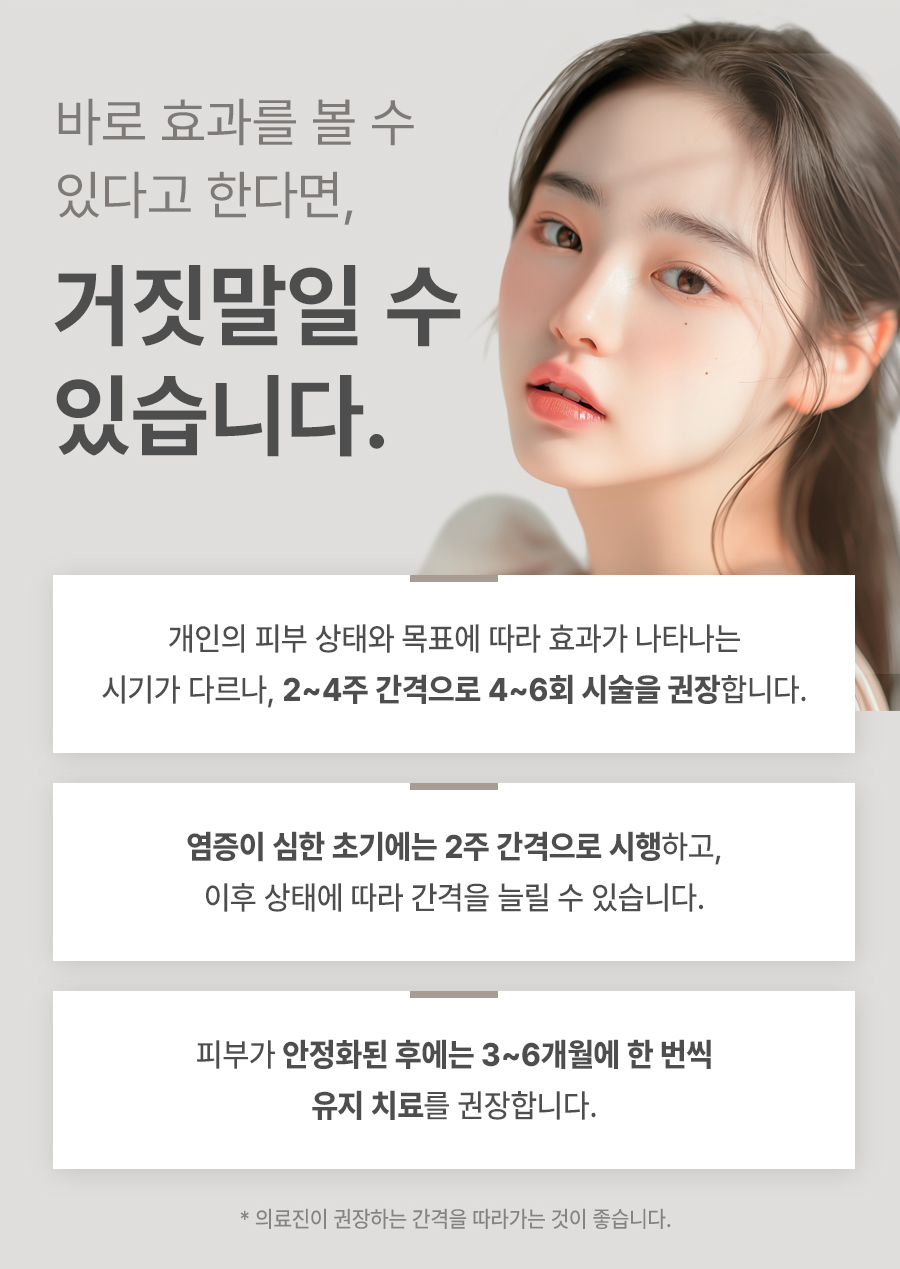
Once your skin is calmer, the clinic will plan a series of scar treatments, often spaced four to eight weeks apart. Some patients begin with milder options like toning or light microneedling, then progress to deeper fractional laser or subcision. The plan can be adjusted as your skin responds.
Step 4: Procedure day near Gusan Station
On the day of your procedure, you will usually cleanse your face at the clinic. Topical anesthetic cream may be applied to reduce discomfort, especially for fractional laser, microneedling, or subcision. The procedure time varies but often ranges from 20 to 60 minutes depending on the number of areas treated.
After the procedure, cooling and soothing products are typically applied. The doctor or staff will explain what to expect over the next few days, including normal redness, swelling, or tiny scabs. You will receive instructions on how to wash your face, what products to avoid, and when to return for follow-up.
Step 5: Aftercare and follow-up
Good aftercare is essential for safe and effective acne scar treatment. Key points include:
Use gentle cleansers and avoid harsh scrubs or exfoliating brushes.
Apply prescribed ointments or moisturizers as directed to support healing.
Avoid picking, scratching, or peeling any scabs or flaking skin.
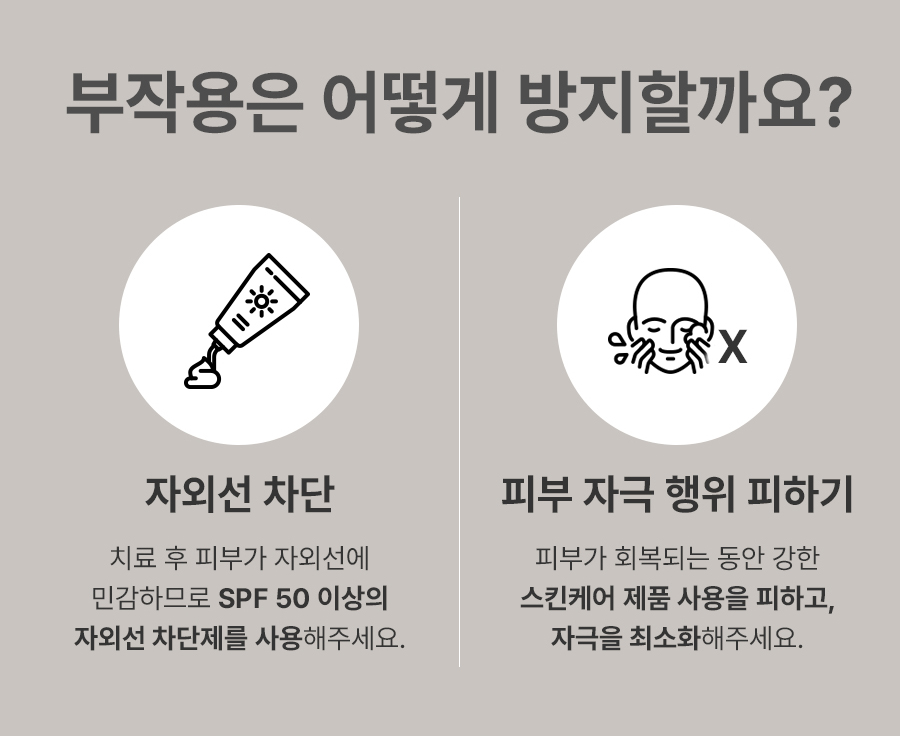
Protect your skin from the sun with a broad-spectrum sunscreen and physical barriers like hats.
Avoid tanning beds and intentional tanning during the healing period.
Follow-up visits allow the doctor to check healing, monitor for pigmentation changes, and adjust the plan. At a clinic like Dr. Lee’s near Gusan Station, follow-up may also be a time to discuss whether to add lifting, skin boosters, or other supportive treatments if they fit your goals.
Expected Korea visit timeline for overseas patients
If you are visiting Korea mainly for acne scar treatment, a practical approach is to plan at least one to two weeks for your first trip. During this time, you can have your initial consultation and first procedure, then stay in Seoul while the initial redness and swelling settle.
If you plan multiple sessions, they are usually spaced several weeks apart. Some international patients schedule a first course of treatment, then return home and come back to Korea later for additional sessions. Others who live in Korea long-term can follow a more regular schedule.
Discuss your travel plans with the clinic in advance. Ask how many sessions they would ideally recommend, what minimum interval they need between sessions, and how soon after a procedure it is safe to fly.
Safety, expectations, and regulatory tone
Acne scar treatment can significantly improve skin texture and appearance, but it does not usually erase scars completely. The degree of improvement depends on scar depth, skin type, the types of procedures used, and how well you follow aftercare instructions.
Temporary side effects such as redness, swelling, pinpoint bleeding, or small scabs are common after procedures like fractional laser or microneedling. Some patients may experience temporary darkening or lightening of the skin in treated areas. There is a small risk of more persistent pigmentation changes or new scarring, which should be discussed with the doctor beforehand.
Some clinics offer intravenous therapies or injectable adjuncts, but evidence for cosmetic benefits is limited and these approaches should not replace evidence-based acne and scar treatments. Discuss potential benefits, risks, and alternatives with a licensed clinician before pursuing such therapies.
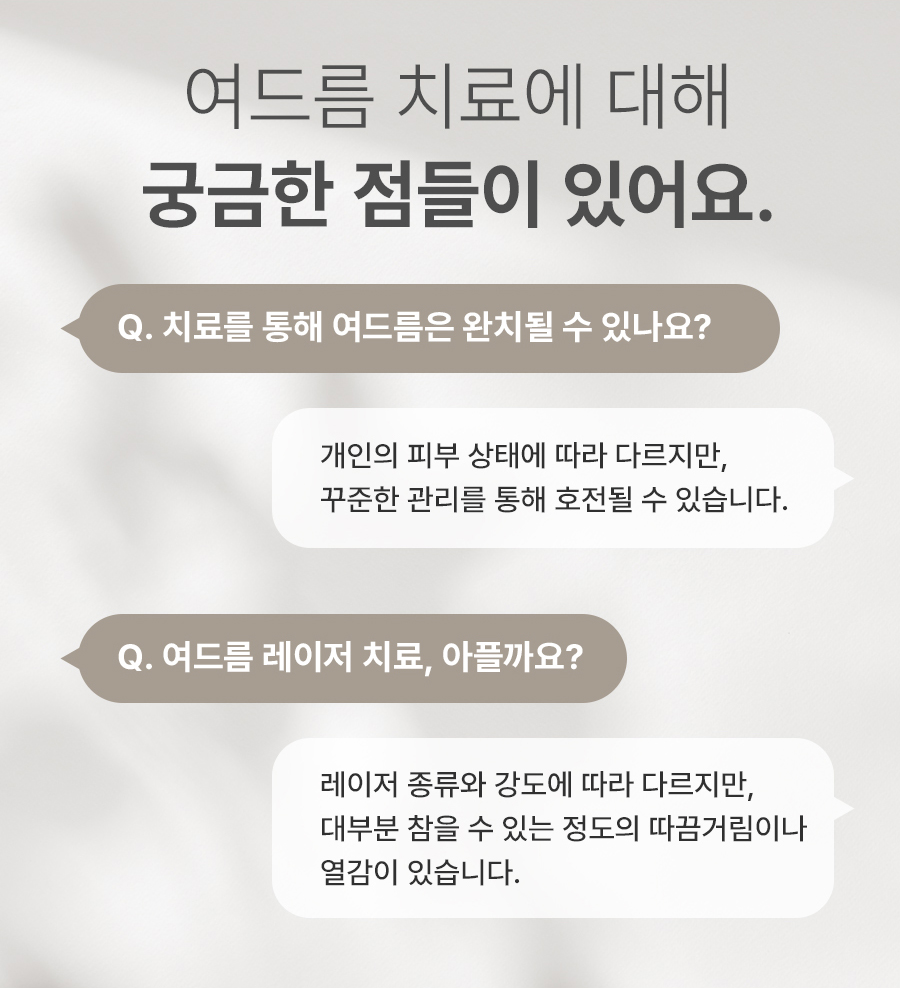
Frequently asked questions about acne scar clinics near Gusan Station
What types of acne scars can usually be treated near Gusan Station?
Clinics around Gusan Station that handle acne scars typically see a wide range of scar types, including icepick, boxcar, and rolling scars, as well as red or brown marks after acne. Depressed scars are often managed with fractional laser, microneedling, subcision, or fillers, while color changes are addressed with toning lasers or topical treatments. The exact plan depends on your skin type, scar pattern, and whether your acne is still active.
How many sessions of acne scar treatment will I need?
Most patients need multiple sessions over several months for noticeable improvement. The number of sessions depends on scar depth, your response to initial treatments, and how much change you hope to see. During consultation, ask the doctor for a realistic range rather than a fixed promise.
Is it safe to start acne scar treatment if my acne is still active?
If your acne is still active and inflamed, most clinics near Gusan Station will first focus on controlling breakouts and calming the skin. Aggressive scar procedures on inflamed skin may increase the risk of irritation, pigmentation, or new scars. A combined internal medicine and skin-focused clinic, such as Dr. Lee Hyo-su’s, can often prescribe medication or topical care to stabilize your acne before moving on to scar treatments.
How should I prepare for my first acne scar consultation in Korea?
Before your visit, gather information about your past acne treatments, current medications, and any previous laser or needling procedures. Take clear photos of your skin in natural light to share during online pre-consultation if available. Prepare questions about expected improvement, number of sessions, downtime, and how the plan can fit your work or travel schedule. If you have a history of keloids, strong pigmentation changes, or chronic illness, be sure to mention this so the doctor can adjust the plan.
Soft call to action for online consultation
If you are living, working, or staying temporarily near Gusan Station and are concerned about acne scars, consider consulting a clinic where one physician manages both skin disease and aesthetic procedures. A place like Dr. Lee Hyo-su’s clinic can evaluate your acne, scars, and overall health together and propose a realistic, stepwise plan.
Before you visit, you can often start with an online inquiry, sharing your concerns and photos so the clinic can advise whether you are a suitable candidate and how to schedule your sessions.
With careful planning, clear communication, and staged treatment, many patients see meaningful improvement in acne scars while staying conveniently close to Gusan Station in Eunpyeong-gu.
- 공유 링크 만들기
- X
- 이메일
- 기타 앱


댓글
댓글 쓰기