Gusan-dong filler price guide for overseas patients in Seoul
- 공유 링크 만들기
- X
- 이메일
- 기타 앱
Direct answer: Gusan-dong filler price in context
If you are searching for “Gusan-dong filler price,” you are usually trying to understand three things at once: roughly how much dermal fillers cost in this neighborhood of Eunpyeong-gu, why prices differ from clinic to clinic, and how to choose a safe, reliable place rather than only chasing the lowest number.
In the Gusan-dong area, prices are generally set per syringe or per milliliter, and vary with the filler brand, the area treated (for example, nasolabial folds versus nose bridge), the difficulty of the procedure, and the doctor’s involvement and follow-up system. Instead of focusing on a single advertised number, it is more realistic to compare what is included in that price, which product is used, and who will actually inject your filler.
This article is a practical guide for international patients considering a visit to Korea for fillers in the Gusan-dong area. It explains how filler pricing usually works, which facial areas can be treated, how a local internal medicine and skin-focused clinic works differently from large cosmetic chains, and what kind of schedule you can expect if you are flying in from overseas.
What dermal fillers are and where they are used
Dermal fillers are injectable gels, most commonly made of hyaluronic acid, that are used to restore lost volume, soften wrinkles, and refine facial contours. Hyaluronic acid is a substance that is naturally present in the body, and when used as a filler it can be shaped and, if necessary, dissolved later with a specific enzyme.

In a neighborhood clinic setting in Gusan-dong, fillers are often used in several key areas.
Nasolabial folds and marionette lines
Fillers can soften the deep lines that run from the sides of the nose to the mouth corners (nasolabial folds) and the downward lines from the corners of the mouth (marionette lines). By replacing volume and gently lifting the area, the face can look less tired or saggy. The amount of filler needed here can vary from a subtle touch-up to more structural support, which directly affects the price.
Chin and jawline
Chin filler is common among patients who feel their profile is weak or recessed. By adding volume to the chin, the lower face can look more balanced and the jawline more defined. In some cases, chin filler is combined with contour injections or lifting devices to reduce surrounding fullness and emphasize the V-line. Firmer fillers are generally chosen for the chin and jawline to maintain shape, and these products may be priced differently from softer fillers.
Nose bridge filler
Nose bridge filler, sometimes called high-co style nose filler, is used to raise a flat bridge or refine the nasal profile without surgery. Because the nose has important blood vessels and is considered a higher-risk area, this procedure calls for careful planning and experienced hands. The price here often reflects the higher difficulty level, the need for a suitable filler type, and the extra care in technique and follow-up.
Under-eye and tear trough
Under-eye or tear trough filler aims to reduce hollowing and shadows under the eyes. The skin in this area is thin, so softer fillers and precise injection depth are essential. Too much product or the wrong type can lead to puffiness or visible lumps. Because of this, clinics may recommend conservative volumes and sometimes staged treatments. Pricing usually reflects the use of specialized, softer fillers and the fine, time-consuming technique required.
Lip and mouth-corner filler
Lip filler can add volume, define the lip border, or correct asymmetry. Filler at the corners of the mouth can gently lift drooping corners to reduce a sad or angry expression. These areas often require smaller volumes per session, but the work is detailed, and the brand and type of filler still influence the cost.

Overall volume balancing
Some patients benefit from an overall plan that includes cheeks, temples, chin, and around the mouth, rather than only one line or fold. In such cases, clinics may recommend a step-by-step approach, combining fillers with other options like lifting devices or contour injections. The total cost then depends on the number of areas, total volume, and whether additional treatments are added.
How filler pricing usually works in Gusan-dong
When you look up “Gusan-dong filler price,” you may see a wide range of numbers. Understanding how clinics structure their fees will help you compare more fairly.
Product type and brand
Different hyaluronic acid fillers have different characteristics. Some are designed to be firmer and maintain structure in areas like the nose or chin. Others are softer and spread more naturally in delicate areas like under the eyes.
Premium fillers that last longer or have special rheological properties often cost more per milliliter. Clinics in Gusan-dong may stock several brands and choose based on the area and your skin condition. It is reasonable to expect that a nose or chin filler with a firmer, longer-lasting product may be priced higher than a small touch-up in the lip border with a softer filler.
Volume and treatment area
Price is commonly calculated per syringe or per milliliter. A small correction, such as a slight enhancement of the lip border or a minor asymmetry, may require a small amount of product. Full-face volumizing, such as cheeks, temples, and chin together, can require several syringes.
Areas with higher difficulty or risk, like the nose bridge or tear trough, may be priced higher per area because of the skill and time needed. When comparing prices, always ask whether the quote refers to a certain volume, a specific area, or a combination.

Doctor’s experience and involvement
In neighborhood clinics around Gusan-dong, it is common to have a transparent per-cc price and to be treated by the same doctor from consultation to injection. In the clinic described here, patients are treated directly by Director Lee Hyo-su from consultation to procedure and follow-up, which can be reassuring if you prefer one-doctor management instead of rotating staff.
A doctor who routinely manages skin and soft-tissue conditions, as well as aesthetic procedures, often has a detailed understanding of facial anatomy and risk zones. This knowledge, and the time spent on careful design, is part of what you pay for.
Safety systems and follow-up
Safe filler treatment requires more than just the product. Clinics need disposable needles or cannulas, sterile technique, proper skin disinfection, and emergency medications such as hyaluronidase for hyaluronic acid filler reversal. They also need a follow-up system to check symmetry and how the filler integrates over time.
These safety measures add to the clinic’s running costs and are reflected in the price. A very low advertised price may mean shorter consultation times, limited product choices, or less structured follow-up, so it is wise to ask what is included.
Neighborhood clinic versus large cosmetic chain
Neighborhood internal medicine and skin-focused clinics in Gusan-dong often take a primary-care style approach. They tend to use clear per-cc pricing and focus on the volume actually needed, rather than pushing large packages. The same doctor usually performs both consultation and injection.
Large cosmetic chains may advertise very low entry prices to attract attention. However, there can be additional charges for premium brands, extra volume, anesthesia, or follow-up. In some cases, the person who consults you may not be the same person who injects the filler.

For overseas patients, a one-doctor system can be simpler, because communication is more consistent and you know exactly who is responsible for your care.
Clinic style: disease-focused plus aesthetics
The clinic in this guide is positioned as a local internal medicine and skin-focused clinic where the same doctor manages both medical and aesthetic needs. Director Lee Hyo-su treats skin diseases such as warts, corns, burns, and scalp issues, as well as aesthetic treatments like fillers, lifting procedures, and laser toning.
This disease-plus-aesthetics approach can appeal to patients who prefer a medical atmosphere rather than a purely cosmetic chain. It also means that if you have underlying skin or scalp conditions, they can be considered when planning aesthetic procedures.
The clinic also runs a foot center and scalp treatments, managing conditions like athlete’s foot, ingrown toenails, calluses, fungal infections with laser, scalp problems, alopecia, and scalp injections. These services help build the image of a local primary-care style clinic, though they are not the main focus of this filler guide.
Combination options: fillers, lifting devices, and injectables
In addition to fillers, the clinic offers a broad range of lifting and laser devices for a single-doctor practice, including Inmode, Shurink Universe, Tencera, Tentripe, Genesis Toning, Alex Toning, Rejuran Healer, Juvelook and Juvelook Volume, PRP, contour injections, and thread lifting.
This variety allows the doctor to compare and combine options. For example, a patient with deep nasolabial folds but also sagging cheeks might benefit from a small amount of filler plus a lifting device, rather than large volumes of filler alone. Someone with a weak chin and double chin fullness might combine chin filler with contour injections or energy-based lifting.

For you as an overseas patient, this means your treatment plan can be tailored to your volume loss pattern and skin laxity, not limited to one type of procedure.
Who may consider fillers in Gusan-dong
You may consider visiting Gusan-dong for fillers if you:
Have visible nasolabial folds, marionette lines, or a tired look around the mouth.
Feel your nose bridge is too flat and want a non-surgical enhancement.
Would like a more defined chin or jawline without implants.
Notice hollowing under the eyes and want a softer, less tired appearance.
Want subtle lip volume or correction of asymmetry.
Prefer a local, one-doctor clinic atmosphere rather than a large cosmetic chain.
However, fillers are not suitable for everyone. People with certain autoimmune diseases, bleeding disorders, severe allergies, or a history of serious reactions to fillers should discuss risks carefully. If you are pregnant or breastfeeding, most clinics will recommend postponing elective filler treatments.
A face-to-face consultation is always needed to confirm whether filler is appropriate and which areas should be treated.
Procedure flow at a neighborhood clinic
Pre-consultation and assessment
The process usually begins with a consultation where the doctor examines your facial balance, skin quality, and areas of volume loss. Medical history is reviewed, including any anticoagulant medications, autoimmune diseases, previous filler, thread lifting, or other procedures.
For overseas patients, initial questions can often be discussed through online consultation before you travel. Sending clear photos from the front and side helps the doctor understand your concerns and suggest a preliminary plan.
Design and price explanation
Next, the doctor designs a treatment plan, deciding which areas to address and the approximate volume needed. At this stage, you should receive an explanation of the expected cost range and what is included, such as topical anesthesia, procedure fee, and follow-up visits.

You should also be told which filler brand is recommended, whether the price is per syringe, per milliliter, or per area, and whether minor corrections at follow-up are included or charged separately.
Procedure day
On the day of the procedure, the skin is cleansed and disinfected. Topical anesthetic cream or local anesthesia may be used to reduce discomfort, depending on the area. The doctor then injects the filler using a needle or cannula. The choice depends on the area, product, and safety considerations.
After each area is treated, the doctor checks symmetry and contour. Small adjustments can be made immediately. The entire process for common areas like nasolabial folds or chin usually takes under an hour, though more complex full-face work can take longer.
Aftercare and follow-up
After the procedure, you may experience temporary redness, swelling, mild pain, or bruising at injection sites. The clinic provides guidance on how to manage these, such as avoiding heavy pressure, extreme heat, or intense exercise for a short period.
You will be told what signs require urgent contact, such as severe pain, color changes in the skin, or unusual symptoms. A follow-up visit is usually scheduled to evaluate how the filler has settled and to discuss any minor adjustments.
Safety, side effects, and realistic expectations
Common short-term reactions include redness, swelling, tenderness, and bruising. These usually improve over several days. Slight asymmetry or unevenness can occur initially due to swelling and may settle as the filler integrates.
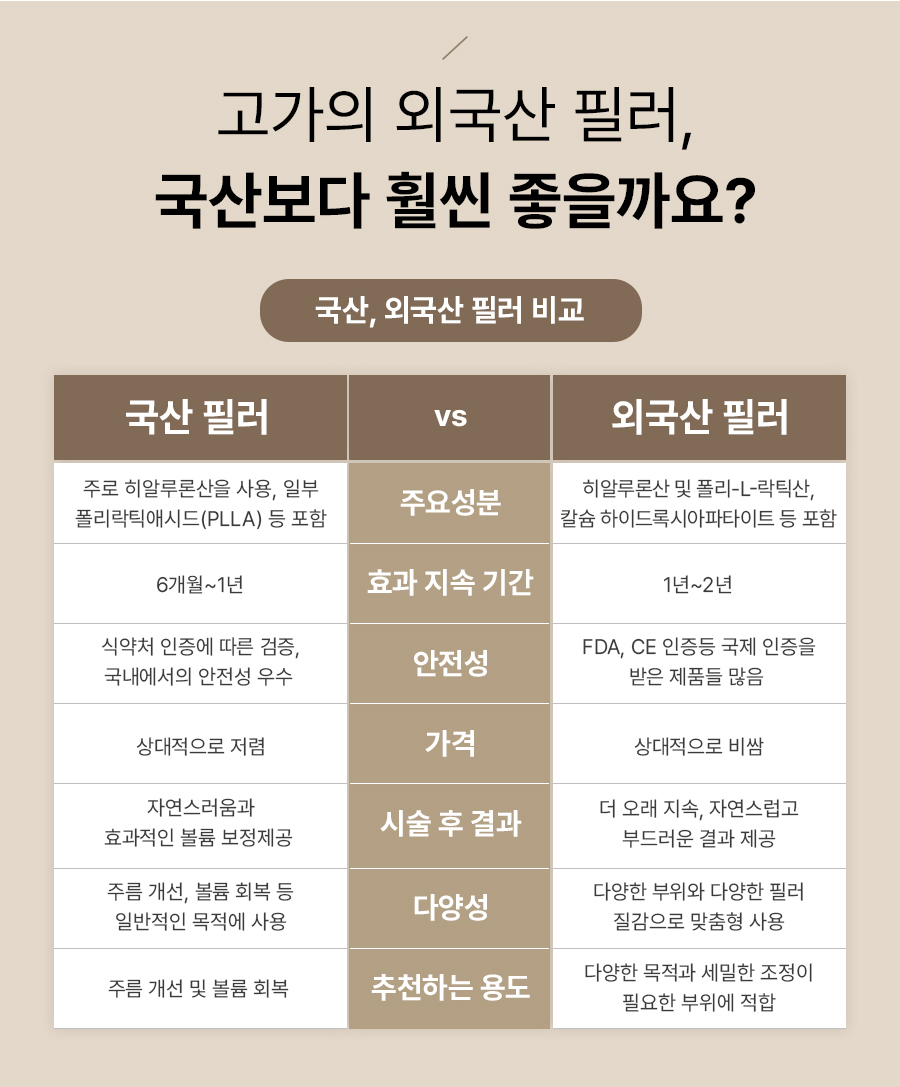
Possible complications include infection, persistent lumps, overcorrection, asymmetry, and, in rare cases, vascular compromise where blood flow is affected. Because these risks exist with any filler treatment, it is important to discuss them in advance, understand the clinic’s emergency response plan, and confirm that hyaluronidase is available for hyaluronic acid fillers.
Filler results are not permanent. Duration depends on the product used, the area treated, and your metabolism. Firmer fillers in the nose or chin may last longer than very soft fillers in the lips or under-eye area. Natural-looking results often come from conservative volumes, sometimes in stages, rather than trying to achieve a dramatic change in a single session.
Preparing for your visit from overseas
Online consultation and pre-visit preparation
Before booking flights, it is wise to arrange an online consultation with the clinic. You can prepare by listing the areas that bother you most, such as smile lines, flat nose bridge, weak chin, or under-eye hollows.
Take clear photos of your face from the front, 45-degree angles, and side in good lighting. These images help the doctor evaluate proportions and explain what is realistic. You can also share any previous treatment history, including fillers, threads, or laser procedures.
Questions to ask during consultation
During your consultation, whether online or in person, consider asking:
Which filler brand and type will be used for each area, and why.
How much volume is planned, and how that translates into cost.
Whether the price is per syringe, per milliliter, or per area.
Whether minor touch-up or follow-up is included in the quoted price.
Who will perform the injection and how complications are handled.
These questions help you compare clinics in Gusan-dong and avoid misunderstandings about pricing.

Expected Korea visit timeline
For most filler-only plans, an overseas patient can often follow a schedule like this:
Day 1: Arrival in Seoul, rest, and in-person consultation in Gusan-dong. If both you and the doctor are comfortable, the procedure may be done the same day.
Day 2–3: Initial swelling and possible bruising. Light sightseeing is usually possible if you avoid intense exercise and heat.
Day 4–7: Swelling gradually improves. If your stay is long enough, a short follow-up visit can be scheduled to check the result.
If you have a very short stay, discuss in advance whether same-day consultation and procedure are possible and how follow-up will be handled after you return home.
Why consider this Gusan-dong clinic for fillers
One-doctor care
All consultations, design, procedures, and follow-ups are handled directly by Director Lee Hyo-su. For many patients, especially those coming from abroad, this continuity is reassuring. You know who will inject your filler and who to contact if you have questions later.
Medical plus aesthetic approach
Because the clinic also manages internal medicine and a wide range of skin, scalp, and foot conditions, the approach to aesthetics tends to be more medical and less purely commercial. Filler plans are made with an understanding of skin and tissue anatomy, and other options such as lifting devices, contour injections, or regenerative treatments can be considered when appropriate.
Convenient hours for office workers and travelers
The clinic offers weekday evening hours until 20:00, which is convenient if you are combining treatment with work or sightseeing. Treatment is also available on Saturdays, Sundays, and public holidays from 11:00 to 17:00, which is helpful for short trips.

Operating hours are:
Weekdays: 11:00–20:00 (lunch break 14:00–15:00).
Saturday, Sunday, and public holidays: 11:00–17:00 (no lunch break).
Closed: Wednesday and Thursday.
Because schedules can change, it is recommended to call ahead to confirm available filler products, current pricing, and whether same-day procedures are possible.
Frequently asked questions about Gusan-dong filler price
How much does filler usually cost in Gusan-dong?
Exact prices vary by clinic, filler brand, volume, and treatment area, so it is difficult to give a single figure. In general, neighborhood clinics in Gusan-dong tend to use transparent per-cc or per-syringe pricing. Higher-difficulty areas like the nose or under-eye may be priced higher than simple nasolabial fold treatments. The most reliable way to know the cost is to have a consultation where the doctor explains which product will be used, how much volume is needed, and what is included in the fee.
Why do some clinics advertise very low filler prices?
Large cosmetic chains sometimes promote very low entry prices to attract patients. However, the final cost can increase if you choose premium brands, need more volume than the minimum, or add anesthesia and follow-up options. In some places, the person doing the consultation is not the same as the injector. Neighborhood clinics in Gusan-dong often avoid extreme promotional pricing and instead focus on clear per-cc fees and one-doctor care. When you compare prices, always check what is included and who will perform the injection.
How long should I stay in Korea after getting fillers?
For most straightforward filler treatments, many overseas patients stay in Korea for a few days. Swelling and minor bruising are most noticeable in the first 2–3 days and then gradually improve. If possible, staying at least 3–4 days allows you to have a follow-up visit before you leave. If your schedule is very tight, discuss this with the clinic in advance so they can plan your consultation, procedure, and any early check-ups efficiently.
What should I prepare before an online filler consultation?
Before an online consultation, make a simple list of your main concerns, such as “deep smile lines,” “flat nose bridge,” or “weak chin.” Take clear photos of your face from the front and both sides in natural light. Prepare information about any previous fillers, threads, or laser treatments, as well as your general medical history and medications. You can also write down questions about filler brands, expected duration, price structure, and aftercare so that you do not forget to ask during the call or message exchange.

Soft call to action for online consultation
If you are considering fillers in the Gusan-dong area and want to understand realistic pricing, treatment options, and scheduling as an overseas visitor, an online consultation is a practical first step. By sharing photos and your concerns in advance, you can receive a more personalized explanation of which areas are suitable for filler, how much volume might be needed, and how this fits into your travel plans.
Instead of choosing a clinic based only on the lowest advertised price, focus on clear communication, product transparency, and the doctor’s involvement from consultation to follow-up. For many international patients, a local, one-doctor clinic in Gusan-dong offers a balance of medical care, aesthetic experience, and convenient hours that fits well with a short visit to Seoul.
Please remember that this guide is for general information only and does not replace a face-to-face consultation with a qualified doctor. Individual suitability, risks, and costs should always be confirmed directly with the clinic before proceeding with any treatment.
- 공유 링크 만들기
- X
- 이메일
- 기타 앱


댓글
댓글 쓰기