Galhyeon-dong Acne Treatment Results and What Overseas Patients Can Expect
- 공유 링크 만들기
- X
- 이메일
- 기타 앱
Direct answer: what results can you realistically expect?
her skin texture. The exact outcome depends on how severe your acne is, how your skin reacts, and how consistently you follow the treatment plan and home care.
In Galhyeon-dong, clinics that treat both medical skin problems and cosmetic concerns aim to control acne as a skin disease first, then use devices and procedures to improve scars, pores, and pigmentation. Results are usually described as improvement or control, not a permanent cure.
Overview of acne treatment in Galhyeon-dong
In this part of Seoul, neighborhood clinics often work like primary-care style skin centers. They see everyday skin conditions under insurance and also offer cosmetic procedures in the same space. For acne, this means you can usually receive both medical treatment for active inflammation and cosmetic care for marks and scars in one clinic.
A typical clinic in Galhyeon-dong may be directed by a single physician who sees you at every visit and personally performs or supervises procedures. This continuity can help when you are staying in Korea for a limited time or planning several short visits, because your plan can be adjusted quickly if your skin changes.

Acne is approached as a medical condition caused by inflammation, sebum, and clogged pores, but appearance-related issues such as enlarged pores, rough texture, and post-acne pigmentation are also considered from the beginning. Devices like lifting platforms, toning lasers, and skin boosters may be used later, once your active breakouts are calmer.
Who may consider Galhyeon-dong for acne treatment
Overseas patients who might consider visiting Galhyeon-dong for acne care include teenagers, people in their 20s and 30s, and adults with late-onset acne who are worried about both current breakouts and future scarring. It can be suitable if you:
Have tried over-the-counter products or home remedies without enough improvement.
Have recurring inflamed pimples, painful nodules, or cysts that leave marks.
Are already planning to stay in northwest Seoul and prefer a quieter neighborhood over large city-center clinics.
Want one doctor to follow your progress from the first consultation through procedures and follow-up.
Need evening or weekend appointments because of work or study.
If you have very severe or complicated acne, you may still benefit from a neighborhood clinic, but you should be prepared for a longer treatment period and possibly several rounds of combined medical and procedural care.
What “acne treatment results” usually mean
When people search for acne treatment results in Galhyeon-dong, they often want to know whether a local clinic can provide visible changes similar to larger centers. In practice, results are usually described in several layers:
Short-term results: reduced redness and pain, fewer swollen lesions, and less urge to pick or squeeze because the skin feels calmer.
Medium-term results: fewer new breakouts, more stable sebum control, and a clearer overall impression in the mirror even if some marks remain.
Long-term results: gradual fading of red or brown spots, softening of shallow scars, and a more even texture and pore appearance.
Mild acne may show noticeable change within several weeks of consistent care. Moderate acne often needs several months to become stable. More severe or long-standing acne, especially with scarring, usually requires a stepwise plan that continues beyond three months and may include dedicated scar procedures.
Typical acne treatment process at a neighborhood clinic
The process usually follows several stages. This structure is helpful for overseas patients who need to plan their schedule in Korea.
Initial consultation and skin assessment
At your first visit, the doctor typically:
Asks about your medical history, medications, allergies, and any hormonal issues.
Reviews your current skincare routine and any products you are using.
Examines your skin type and acne pattern: comedonal (whiteheads and blackheads), inflammatory papules and pustules, or deeper cystic lesions.
Checks for existing scars, pigmentation, and sensitivity.
From this, a basic treatment direction is decided. For overseas patients with limited time, the doctor may prioritize calming active inflammation quickly and planning follow-up steps you can continue at home.
Medical management
Medical treatment focuses on controlling inflammation and sebum and preventing new clogged pores. This may include:
Topical medications to help unclog pores and reduce inflammation.
Oral medications when needed for more widespread or deeper acne.
Occasional anti-inflammatory injections for very painful nodules, if appropriate.
Guidance on gentle cleansing, moisturizers, and sun protection suited to your skin type.
Specific drug names and doses are chosen individually. The aim is to balance effectiveness with tolerability, especially if your skin is sensitive or you are not used to active ingredients.
Procedural options
Procedures are usually added step by step, depending on how your skin responds. Common options include:
Acne extraction under clean conditions to remove comedones and relieve clogged pores.
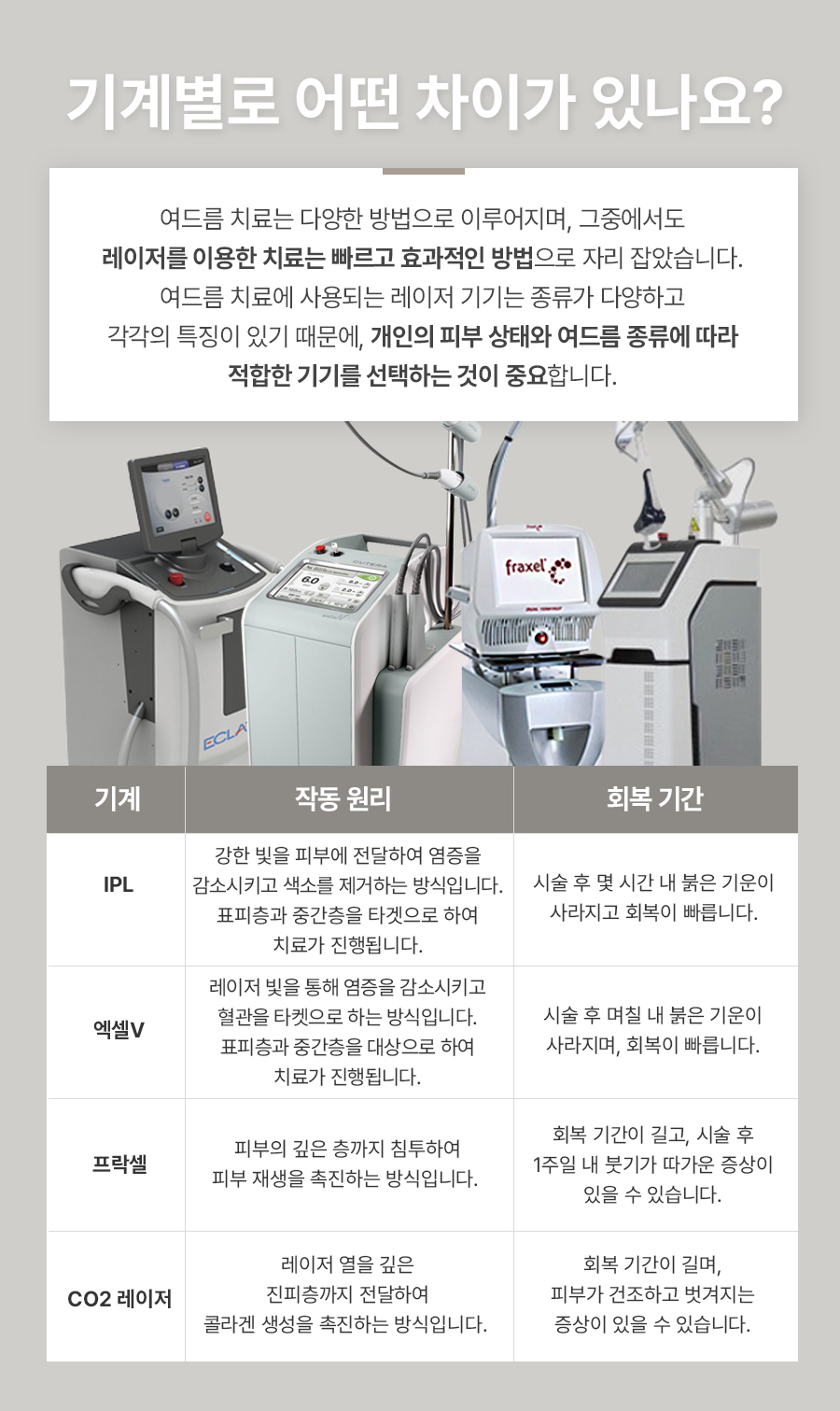
Laser or light-based treatments to reduce redness, control sebum, or help with pigment from old lesions.
After active inflammation is better controlled, scar-focused procedures such as toning lasers, skin boosters, or energy-based devices for texture and pores.
At the featured clinic in Galhyeon-dong, the equipment lineup includes lifting platforms such as Inmode, Shurink Universe, Tencera, and Ten Triple, along with various toning lasers. For acne patients, these devices are not used for lifting alone but may be selectively applied—once active breakouts are controlled—to address concerns like enlarged pores, uneven texture, and post-inflammatory pigmentation.
How one-doctor care can influence results
In a single-physician clinic, the same doctor who evaluates your skin at the first visit will usually:
Design your treatment plan.
Perform or directly supervise your procedures.
Adjust your medications and device settings based on your response.
For acne, this continuity can support more consistent results. If your skin becomes dry, irritated, or suddenly flares up, the doctor can quickly reduce intensity, change products, or rearrange the order of procedures. For overseas patients who may only be in Korea for a short period, this can help make each visit more efficient.
Many such clinics emphasize careful consultation and experience-based decision-making. Instead of a fixed package, they often adjust the combination of medical and cosmetic steps according to your skin condition at each visit.
Integration of disease and cosmetic care
Because neighborhood clinics in this area usually treat a wide range of skin diseases under insurance, they are used to handling inflammation, infections, and barrier damage. At the same time, they perform cosmetic procedures for tone, texture, and lifting.
For acne patients, this combined approach often means:
First priority: calm active inflammation and protect the skin barrier.
Second step: address red marks, brown spots, and early textural changes.
Later step: focus on scars, enlarged pores, and mild sagging with devices or injectables, if needed.
This sequence may help reduce the risk of worsening inflammation by doing aggressive scar procedures too early. It also allows the doctor to see how your skin heals naturally once breakouts are under better control.
Realistic expectations and factors that affect outcomes
Several factors influence how much improvement you may see and how long it takes.
Severity and type of acne
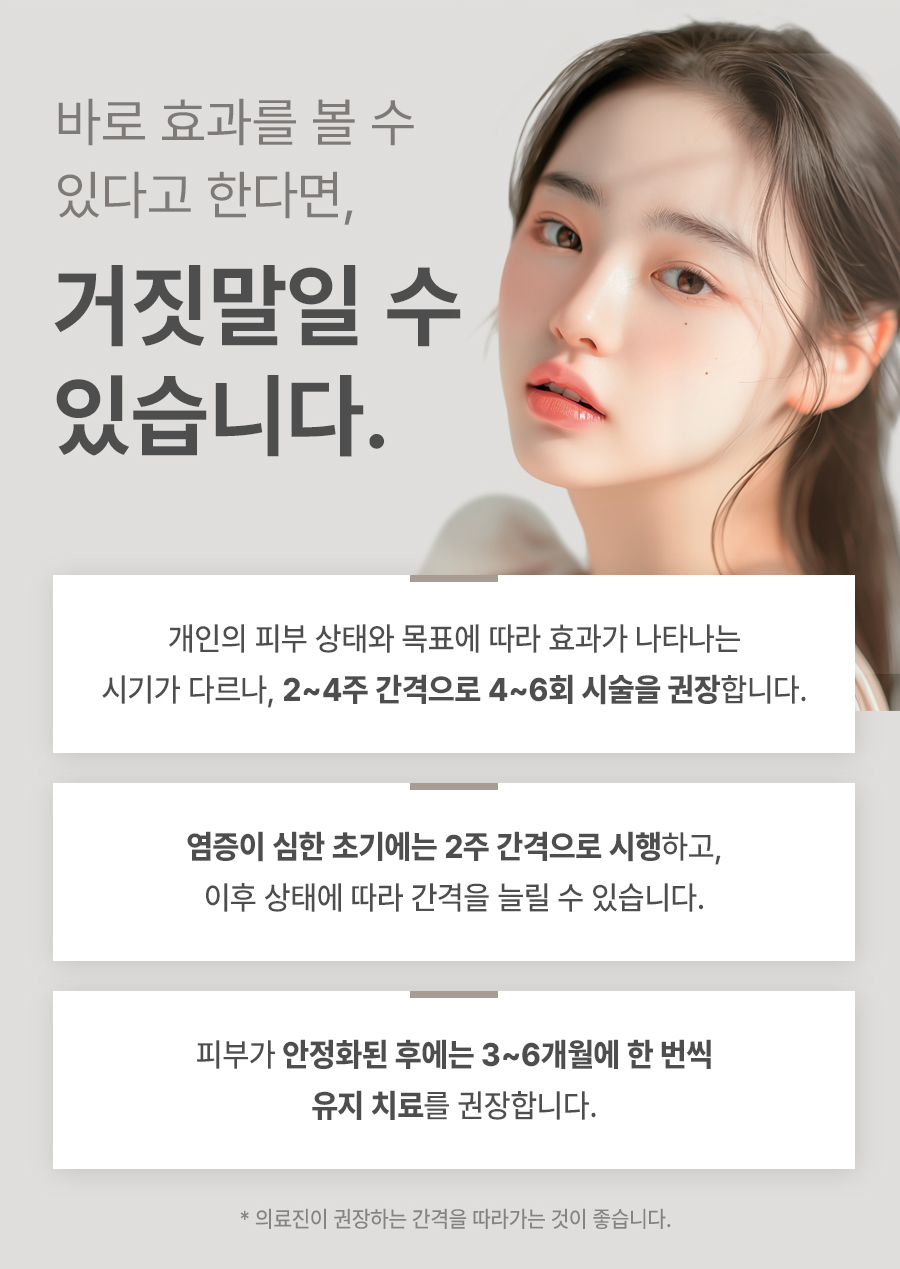
Shallow comedonal acne often responds faster and with fewer marks. Deeper cystic acne or long-standing nodules are more likely to leave scars and take longer to calm. If you already have noticeable scars, the doctor may explain that the goal is to soften and improve them rather than erase them completely.
Skin type and sensitivity
Oily, thicker skin may tolerate stronger procedures, while dry or reactive skin may need gentler, slower protocols. If your skin barrier is weak, the doctor may first focus on restoring it before adding more aggressive treatments. This can extend the timeline but can also support safer, more stable results.
Consistency of visits
Regular follow-up is important, especially when combining medications and procedures. For overseas patients, this may mean planning several visits within one stay in Korea or arranging a schedule that matches your travel pattern. Skipping visits or stopping treatment abruptly may lead to partial or temporary improvement.
Home care
Your daily routine has a strong effect on your results. Key points include:
Using a non-irritating cleanser and avoiding over-washing.
Applying moisturizers suitable for acne-prone skin to protect the barrier.
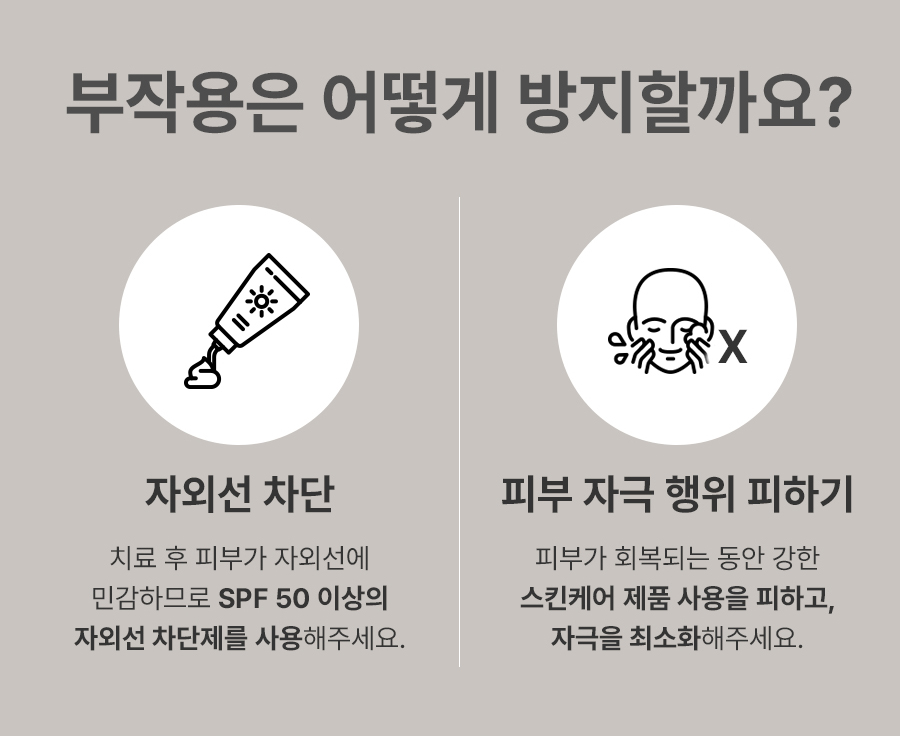
Using broad-spectrum sun protection to reduce darkening of marks.
Avoiding picking, squeezing, or scratching lesions, which increases the risk of scars.
Lifestyle factors
Stress, lack of sleep, certain diets, and long hours of mask use can influence breakouts. Adjusting these factors alone rarely fixes acne, but they can support or hinder your treatment. During consultation, you can discuss your work or study schedule and any habits that may affect your skin.
Example treatment journey for an overseas patient
The following is a hypothetical example of a Galhyeon-dong office worker or student with moderate acne. It is not a testimonial, and individual timelines vary.
Month 1 in Korea
First visit: detailed consultation, skin assessment, and start of medical treatment. The doctor simplifies your skincare routine, prescribes appropriate medications, and may perform gentle in-clinic procedures for inflammation and sebum control.
If you have several painful nodules, targeted injections may be used to reduce pain and swelling. You may notice that the skin feels less sore and some of the brightest red lesions start to calm within the first few weeks.
Months 2–3
With consistent use of medications and follow-up visits, you may see fewer new breakouts and more stable sebum production. At this stage, the doctor may introduce treatments focusing on red marks and early textural changes, such as toning lasers or mild energy-based procedures.
The aim is to prevent fresh marks from building up while maintaining control of new acne. Your regimen may be adjusted based on how your skin reacts and your schedule.
After 3 months and beyond
Once active inflammation is largely under control, the focus may shift to residual pigmentation and shallow scars. Depending on your needs, the doctor may suggest specific devices from the clinic’s lineup or skin boosters to improve hydration and texture.
For overseas patients who cannot stay long enough for this entire journey in one visit, the doctor may design a staged plan that you can continue at home, with the option of further procedures if you return to Korea later.
Safety, side effects, and precautions
Acne treatments, including procedures, can involve mild and temporary side effects. Common experiences include redness after procedures, a feeling of tightness or dryness, and temporary sensitivity to sun or certain products. These are usually manageable with proper aftercare, such as soothing creams and sun protection.
Before starting treatment, it is important to inform the doctor about:
All medications and supplements you are taking.
Any known allergies or past reactions to skincare or procedures.
Pregnancy, breastfeeding, or plans to become pregnant.
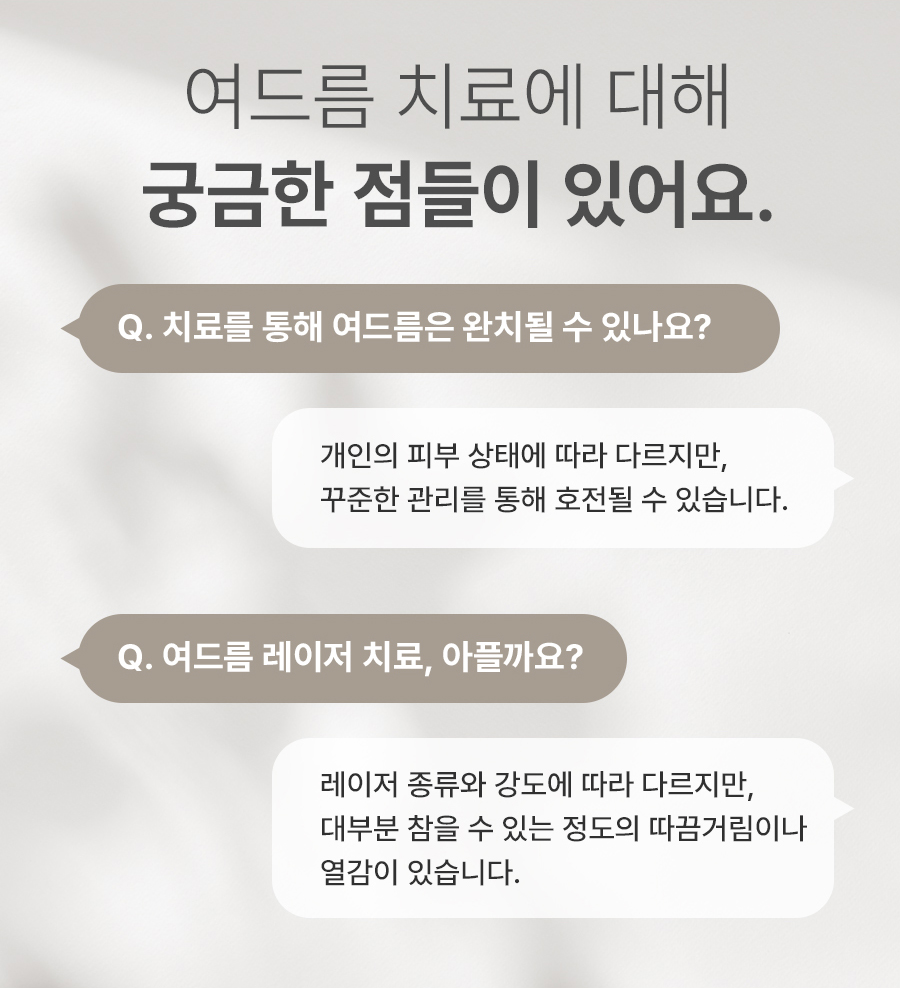
The clinic will usually aim to minimize discomfort and side effects by adjusting the intensity of procedures and choosing suitable products for your skin type. Some procedures can often be performed with reduced discomfort or minimal anesthesia, depending on your pain tolerance and the area treated.
If you are traveling from abroad, you should also:
Avoid scheduling aggressive procedures immediately before a long flight.
Allow time in your itinerary for follow-up checks, especially after new treatments.
Follow written aftercare instructions carefully once you return home.
Practical information for Galhyeon-dong residents and visitors
For patients staying in or near Galhyeon-dong, one advantage is accessibility. You can usually reach the clinic by local transport or on foot from nearby neighborhoods in Eunpyeong-gu, without traveling to busy city-center areas.
Another practical point is the extended consultation hours. Many patients with acne are students or office workers who cannot visit during standard daytime hours. A clinic in this area may offer weekday evening consultations up to 20:00 and treatment hours on Saturdays, Sundays, and public holidays, typically around late morning to late afternoon (for example, 11:00–17:00). This can make it easier to maintain regular follow-up.
It is important to note that the clinic is closed on Wednesdays and Thursdays. To avoid unnecessary visits, overseas patients should call in advance to confirm current opening hours, public holiday schedules, and which acne treatment options are available at the time of their stay, since details can change.
Online consultation and pre-visit preparation
Before you travel to Korea, an online consultation can help you understand whether a Galhyeon-dong clinic is suitable for your situation and how to plan your schedule.
For an efficient online consultation, prepare the following:
Clear photos of your skin in natural light from the front and both sides.
A brief history of your acne: when it started, how it has changed, and any previous treatments.
A list of current skincare products and medications.
Information about your travel dates, where you will stay, and how many visits you can make.
During the online discussion, you can ask about:
What kind of improvement may be realistic within your available time.
Which parts of the plan should be done in Korea and which can be continued at home.
How many visits are recommended and how far apart.
Any precautions related to your health conditions.
This preparation allows the doctor to suggest a preliminary plan, which will be finalized after an in-person examination.
Expected Korea visit timeline for overseas acne patients
The exact schedule depends on your stay, but a common pattern might look like this:
Short stay (about 1 week)
Day 1: In-person consultation, skin assessment, and start of medical treatment. Possibly a gentle procedure if your skin allows.
Day 3–4: Follow-up visit to check tolerance, adjust medications, and perform a second light procedure if appropriate.
Day 6–7: Final check before departure, review of home care and prescriptions.
Medium stay (2–4 weeks)
Week 1: Initial consultation and first round of procedures focused on inflammation and sebum.
Week 2: Follow-up, possible second procedure, and adjustment of home care.
Week 3–4: Additional sessions for redness and early marks, plus planning for long-term management after you return home.
Longer stay (over 1–3 months)
You may follow a more complete stepwise plan similar to local patients, including control of active acne, management of marks, and initial scar-focused treatments if suitable.
Aftercare and continuing care at home
After you leave Korea, consistent home care is essential to maintain and build on your results. General principles include:
Continue using prescribed topical medications as directed.
Keep your skincare routine simple and gentle, avoiding harsh scrubs or frequent product changes.
Use sunscreen daily to prevent darkening of post-acne marks.
Avoid picking or squeezing any new lesions.
Monitor your skin for unusual reactions and contact the clinic if you have concerns.
If you plan to return to Korea in the future, you can keep records of your products and any changes in your skin so that the doctor can easily update your plan.
If you are considering acne treatment in Galhyeon-dong and want to know what kind of results may be realistic for your skin and schedule, contact the clinic via its Naver Place listing or by phone to ask about evaluation and recommended steps. If the clinic's contact channels allow, you can provide photos and treatment history to help staff suggest a step-by-step approach that fits your schedule.
situation.
Director Lee Hyo-su provides one-doctor care, overseeing consultations and procedures to help keep your treatment plan consistent. The clinic does not have an official homepage; use the clinic's Naver Place listing or phone to confirm hours, services, and any pre-visit requirements. Before booking flights or accommodation, contacting the clinic in advance to discuss timing, possible treatment stages, and aftercare can make your stay in Korea smoother and more effective for managing your acne.
By understanding that acne treatment results are gradual and individualized, and by planning your visits and home care carefully, you can use your time in Galhyeon-dong to move toward calmer, clearer, and more stable skin while keeping expectations realistic.
- 공유 링크 만들기
- X
- 이메일
- 기타 앱


댓글
댓글 쓰기