Filler-focused dermatology clinic in Daejo-dong, Eunpyeong-gu
- 공유 링크 만들기
- X
- 이메일
- 기타 앱
Direct answer for patients searching in Daejo-dong
If you are looking for a clinic in Daejo-dong, Eunpyeong-gu for dermal filler, this neighborhood internal medicine and dermatology-style clinic led by Dr. Lee Hyo-su offers filler treatments alongside medical skin care. It is a single-doctor practice where Dr. Lee personally consults, plans, and performs the injections, with a focus on safety, detailed assessment, and natural-looking, realistic results rather than aggressive cosmetic marketing.
The clinic is suitable for local residents and overseas visitors who prefer a smaller, calm environment, extended evening and weekend hours, and the reassurance that the same doctor follows them from first consultation to aftercare.
Overview of dermal filler treatment
Dermal fillers are injectable materials used to restore lost volume, refine facial contours, and soften lines and folds. In a clinic like this, fillers are one of several aesthetic options, together with lifting devices, contour injections, and skin-boosting treatments. Because the clinic also treats everyday skin and scalp conditions, filler planning is done with attention to tissue health, inflammation, and healing.
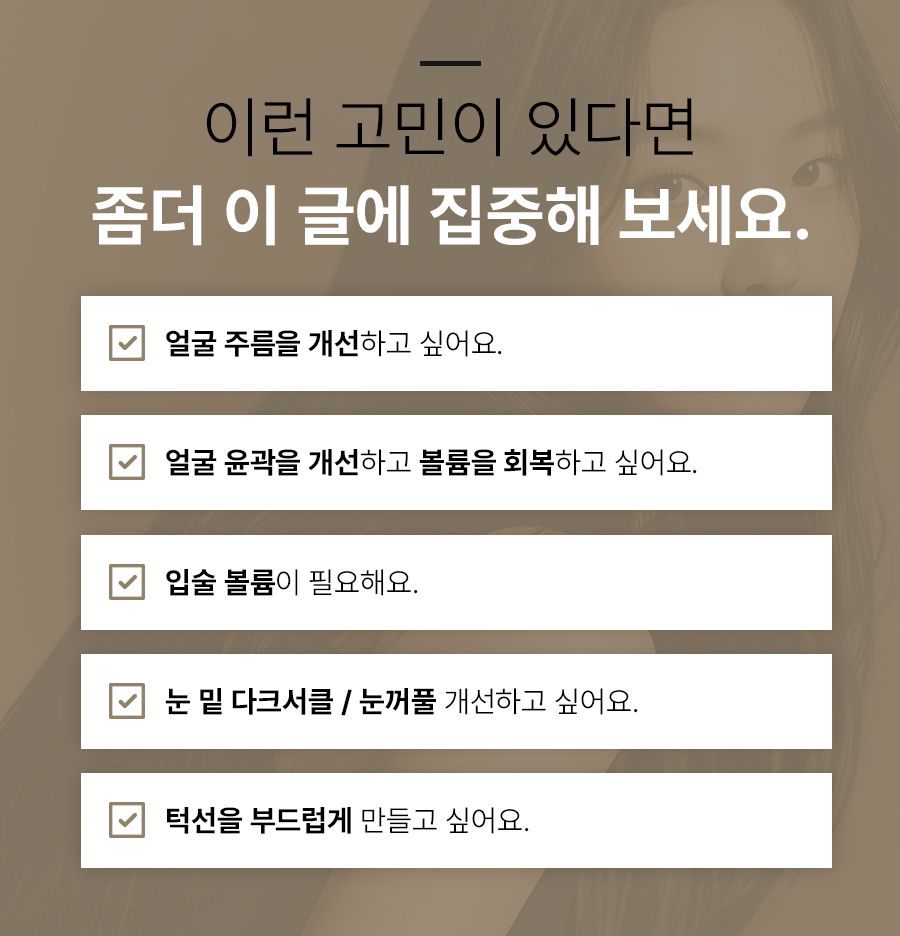
Common areas for filler include the nasolabial folds around the nose and mouth, marionette lines that run downward from the mouth corners, cheeks, under-eye hollows in a general sense, lips, nose bridge and tip for non-surgical refinement, chin and jawline, and the lip corners or smile lines to gently lift a tired expression.

The goal is usually not a dramatic change, but softer lines, improved facial balance, and a more refreshed look that still feels like you.
What makes a good filler clinic in Daejo-dong
People in Daejo-dong looking for filler treatment usually consider a few key points.
They want a doctor who understands facial anatomy and has experience with both medical skin conditions and aesthetic procedures. They want results that look natural in daily life, not overly filled or artificial. Safety and clear explanations of risks, side effects, and aftercare are important. Many also value easy follow-up access in case they have questions or need small adjustments.
In this clinic, Dr. Lee is the one who listens to your concerns, examines your face, designs the plan, and performs the injections. You are not passed between different staff members for consultation, design, and procedure. This continuity can be reassuring, especially for first-time filler patients or overseas visitors who may be nervous.
Because the clinic functions as a local primary-care style skin clinic, it also sees patients with eczema, acne, rosacea, scalp issues, cysts, warts, and minor wounds. This broader medical background helps in understanding how your skin and underlying tissues might respond to filler, how inflammation behaves, and how to manage any unexpected reactions.
Filler basics and indications
Dermal fillers are gel-like substances injected under the skin to add or restore volume, support sagging areas, or refine contours. They can be used alone or combined with other treatments depending on your needs.
Typical treatment areas include:
Nasolabial folds: The lines that run from the sides of the nose to the mouth corners can be softened with careful filler placement.
Marionette lines: Lines that extend downward from the corners of the mouth can make the face look sad or tired; fillers may help reduce their depth.
Cheeks: Restoring mid-face volume can create a more youthful contour and indirectly soften folds below.
Under-eye hollows: In selected cases, gentle filler in the tear-trough area can reduce a hollowed or tired look, but this area requires especially careful assessment and technique.
Lips: Filler can add subtle volume, define the border, or balance asymmetry, while aiming to avoid an overdone appearance.
Nose bridge and tip: Non-surgical nose filler can refine the bridge line or slightly lift and define the tip, within safe limits.
Chin and jawline: Adding structure to the chin or jawline can improve profile balance and lower-face definition.
Smile-corner or lip-angle filler: Small amounts of filler can support the corners of the mouth to reduce a drooping look.
In this clinic, the emphasis is on proportion and balance. Rather than chasing trends, Dr. Lee considers how each area interacts with the rest of the face so that the overall impression remains harmonious.
How Dr. Lee’s practice style fits filler treatment
This is a single-doctor clinic where Dr. Lee personally manages your journey from first consultation to follow-up. For filler patients, this means that the person who hears your goals is the same person who designs the injection plan and performs the actual procedure.
Before recommending filler, Dr. Lee looks at facial symmetry, skin thickness, elasticity, and where volume has been lost. Some people benefit from adding volume, while others may need more lifting or contouring rather than extra fullness.
The clinic offers several lifting and contouring options, including InMode, Shurink Universe, Tencera, Ten Triple, thread lifting, and contour injections. Because these are all available in one place, Dr. Lee can explain whether filler alone is likely to be enough, or whether combining filler with lifting or contour injections might give a more balanced result.
For example, if your main concern is sagging along the jawline, a lifting device or thread lifting might be more appropriate than simply adding filler. If your cheeks have lost volume but your skin is still relatively firm, filler might be the primary choice. This ability to compare and combine options can help avoid unnecessary overfilling.
Consultation and planning process
For overseas patients, the consultation and planning process is especially important because your time in Korea may be limited. In this clinic, the process can be thought of in several steps.
Step 1: Initial consultation and medical history
Dr. Lee will ask about your general health, allergies, current medications, and any history of autoimmune conditions. It is important to mention if you have had previous filler, thread lifting, or other facial procedures, and whether you tend to bruise or swell easily. If you have any history of unusual scarring, infections, or reactions to injections, this should also be shared.
Step 2: Facial analysis
Next, Dr. Lee examines your face at rest and in motion. This includes checking where volume has been lost, how the skin moves when you smile or talk, and any asymmetries between left and right. Skin thickness, elasticity, and existing folds are all taken into account.

Photographs may be taken for planning and for you to better understand your own facial structure. For overseas patients, these images can also be useful for follow-up communication after you return home.
Step 3: Treatment plan
Based on your goals and facial analysis, Dr. Lee suggests which areas to treat with filler, approximate volumes, and whether to combine filler with other options such as botox, lifting devices, or contour injections.
For example, someone with deep nasolabial folds might receive filler in the folds themselves and also in the mid-face to support the area from above. Another person might combine a small amount of chin filler with jawline contour injections to refine the lower face.
Step 4: Explanation and consent
Before proceeding, Dr. Lee explains what kind of improvement you can reasonably expect, how long the effect may last in general terms, and what side effects or risks are possible. The approach is conservative, aiming to avoid overfilling and leaving room for adjustments later if needed.
You will also receive instructions about aftercare, what to avoid immediately after treatment, and when to return for a check-up. For overseas visitors, timing is planned so that any early swelling or bruising can be monitored before you leave Korea.
Safety and risk management
Any filler treatment involves potential side effects, even when performed carefully. In this clinic, safety is emphasized at each step.
Common short-term effects include temporary redness at injection points, mild swelling, small bruises, and some tenderness or discomfort. These usually improve over several days.
More serious but rare risks include vascular compromise, where filler affects blood flow in a small area, infection, nodules or lumps, and noticeable asymmetry. These are reasons why it is important to choose a clinic where a medically trained doctor with experience in skin and tissue anatomy performs the injections.

Because this clinic also handles inflammatory skin conditions, cysts, minor procedures such as cyst removal and wart treatment, and dressings for burns or wounds, Dr. Lee is familiar with wound care and infection management. This background is relevant if any complication occurs, as early recognition and appropriate treatment are key.
The clinic does not claim zero side effects or guaranteed outcomes. Instead, it focuses on careful technique, appropriate product selection, conservative dosing, and clear instructions so that patients know what is normal and when to contact the clinic.
Who might consider filler at this clinic
Several types of patients may find this clinic suitable for filler.
Adults noticing volume loss in the mid-face, deepening smile lines, or marionette lines who want a subtle, refreshed look.
People who prefer non-surgical options for refining the nose bridge or chin, understanding that filler has limits and is not a replacement for surgery.
Individuals who want gentle lip enhancement or smile-line correction without a dramatic change.
Patients who feel more comfortable in a smaller, local clinic rather than a large cosmetic chain, and who value continuity with one doctor.

Office workers and busy individuals who need evening or weekend appointments, including those coming from other countries who may have tight travel schedules.
Comparison with other aesthetic options
In this clinic, filler is one of several tools for facial rejuvenation and contouring. Understanding how it compares to other options can help you and Dr. Lee choose the most suitable plan.
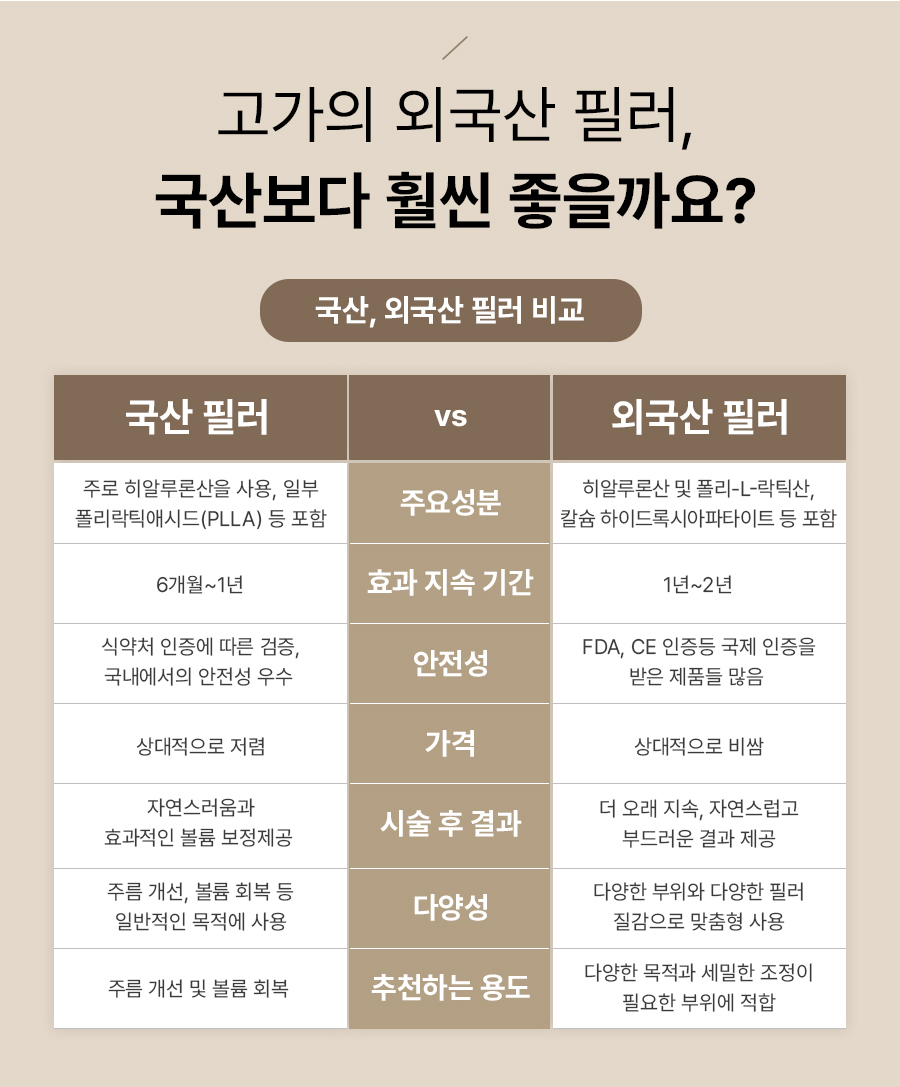
Lifting devices such as InMode, Shurink Universe, Tencera, and Ten Triple use energy-based technology to stimulate tightening and lifting of the skin and deeper layers. They are often better for mild to moderate sagging and skin laxity. Fillers, in contrast, are more focused on replacing or adding volume and shaping specific areas.
Thread lifting uses fine threads placed under the skin to provide mechanical lift and stimulate collagen. It can be useful for structural lifting of the mid-face or jawline. Fillers are more about filling and contouring rather than pulling.
Contour injections, often used to reduce volume in areas like the lower face, work in the opposite way to fillers. They aim to slim or refine bulky areas, while fillers add volume where it is lacking.
In practice, many patients benefit from a combination. For example, a person might receive lifting device treatment for overall skin tightening, contour injections to reduce fullness in the lower cheeks, and small amounts of filler in the nose bridge or chin for balance. The exact combination depends on your facial structure, skin condition, and preferences.
Aftercare guidance for filler patients
After filler treatment, following simple aftercare instructions can support a smoother recovery.
You will usually be advised to avoid strong pressure or massage on the treated areas for a certain period, unless Dr. Lee specifically instructs you to massage a particular area.
It is generally recommended to avoid saunas, very hot baths, and intense exercise for a short time after treatment, as heat and increased blood flow may worsen swelling or bruising.
You should monitor the treated areas for unusual pain, significant color changes such as whitening or darkening of the skin, or persistent, hard lumps. Mild tenderness and small bruises are common, but severe pain or sudden changes should be reported promptly.
Follow-up visits are useful to check symmetry and how the filler has settled. Small adjustments can sometimes be made if needed. For overseas patients, it is ideal to schedule at least one follow-up before leaving Korea, and to keep the clinic’s contact information in case you need to send photos or ask questions later.
Some clinics offer online pre-consultations; confirm availability and same-day treatment policies with the clinic when booking.
If you are planning to travel to Korea for filler in Daejo-dong, an online consultation before your visit can save time and help set realistic expectations.
Before contacting the clinic, it is helpful to prepare:
Clear photos of your face from the front, three-quarter, and side views in natural lighting, without heavy makeup or filters.
A brief summary of your main concerns, such as “deep smile lines,” “flat nose bridge,” or “weak chin,” and what kind of change you hope for.
Your medical history, including allergies, medications, previous filler or thread lifting, any history of keloid or problematic scars, and any chronic conditions.
Your travel schedule, including arrival and departure dates, so that the clinic can suggest suitable appointment times and follow-up visits.
During the online consultation, Dr. Lee can give you a general idea of what may be possible, which areas might be treated, and how many visits are recommended. Exact details are finalized after an in-person examination, but this early discussion helps you plan your trip more confidently.
Expected Korea visit timeline for filler
For overseas patients, a typical visit schedule might look like this, although it can be adjusted to your situation.
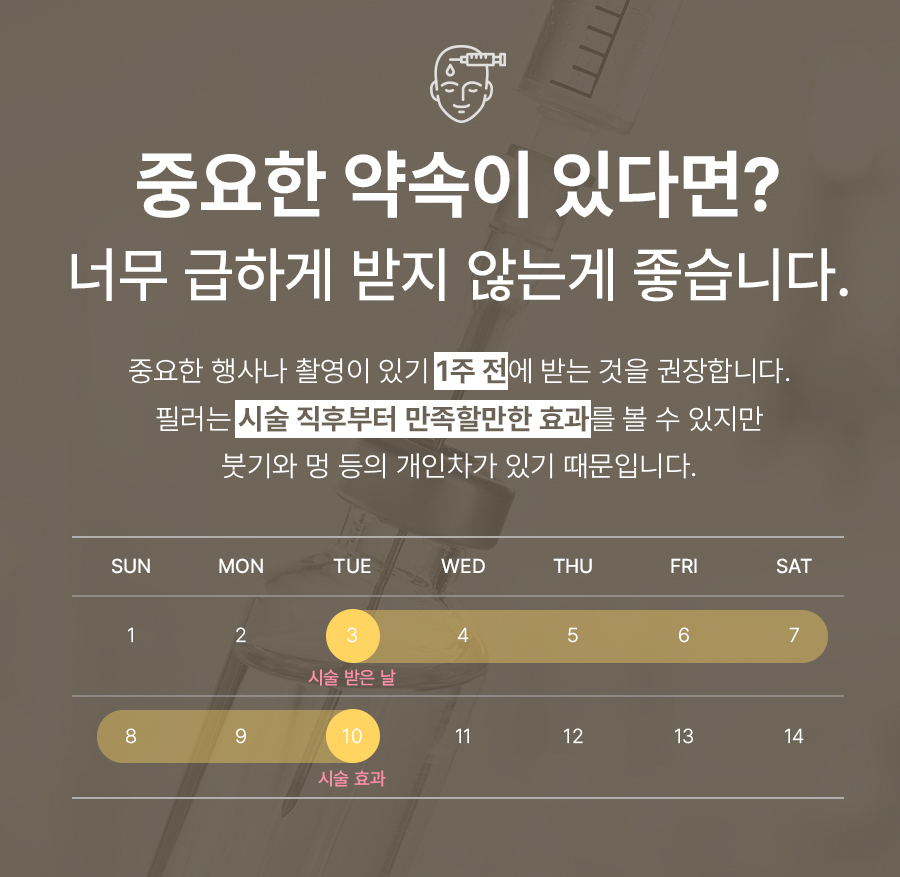
Day 1: In-person consultation and possible same-day treatment if both you and Dr. Lee feel comfortable proceeding. Some patients prefer to have consultation and filler on the same day to save time, while others choose to think about the plan overnight.
Days 2 to 3: Initial recovery from swelling and bruising. Most people can continue sightseeing or work with light makeup, but you may prefer to avoid major events or photo sessions during this period.
Day 5 to 7: Optional follow-up visit to check the result, discuss any concerns, and consider small adjustments if appropriate. For longer stays, this can be scheduled later.
If your stay in Korea is very short, inform the clinic in advance so that timing can be optimized. In some cases, the clinic may advise a slightly longer stay to allow for safe follow-up, especially for more complex filler plans.

Local and practical information
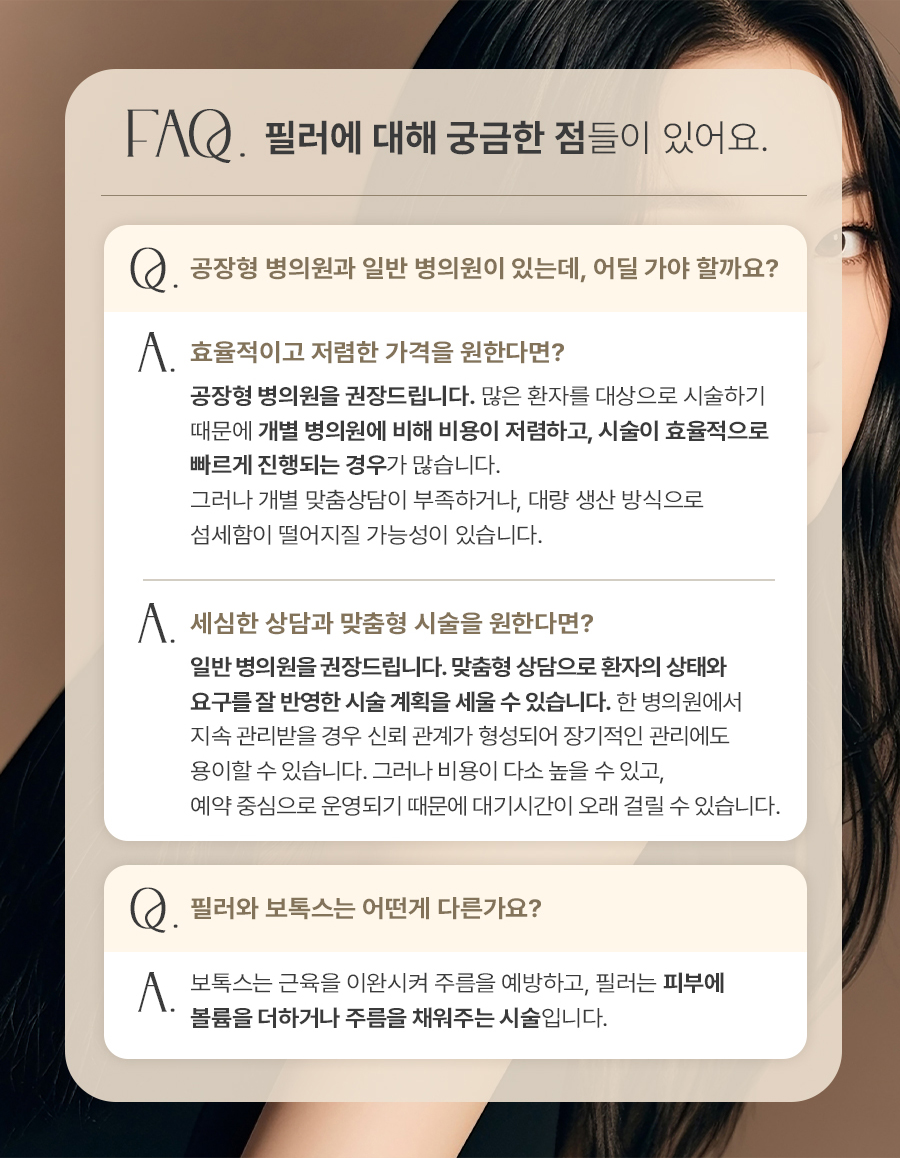
This clinic is located in Daejo-dong, Eunpyeong-gu, making it convenient for residents of the area as well as visitors who prefer to avoid the busiest central districts of Seoul. It can be a good option if you want filler treatment in a quieter neighborhood setting while still being within the city.
The clinic offers extended hours that are particularly helpful for office workers and travelers:
Weekdays: 11:00 to 20:00, with a lunch break from 14:00 to 15:00.
Saturday, Sunday, and public holidays: 11:00 to 17:00, with no lunch break.
Closed on Wednesday and Thursday.
Because filler procedures require enough time for consultation, planning, and careful injection, it is recommended to make a reservation in advance and to confirm the current opening hours before your visit.
Frequently asked questions
What kind of filler areas are most commonly treated at this Daejo-dong clinic?
Many patients come for nasolabial folds, marionette lines, and mid-face volume restoration. Lip filler, nose bridge refinement, and chin contouring are also common requests. Dr. Lee assesses the whole face to suggest which areas will give the most natural and balanced improvement.
Is it possible to have filler and lifting treatment on the same day?
In some cases, filler can be combined with lifting devices or other procedures on the same day, but this depends on your skin condition, the specific treatments, and your schedule. Dr. Lee will consider the order of procedures, potential swelling, and overall safety before recommending a combined plan. Sometimes it is better to stage treatments over separate visits.

How long before my flight should I schedule filler?
If you are visiting from overseas, it is generally safer to schedule filler at least several days before your departure, so that early swelling or bruising can be checked. Many patients choose to have filler within the first one or two days after arrival, with a follow-up visit a few days later. The clinic can help you plan based on your exact travel dates.
What should I do if I notice a problem after returning home?
If you experience unusual pain, significant color changes, or persistent hard lumps after you return home, you should contact the clinic as soon as possible with clear photos and a description of your symptoms. Dr. Lee can advise whether you should see a local doctor in your country and what information to share. Keeping a record of your treatment details and the clinic’s contact information is helpful.
Soft call to action
If you are considering dermal filler in Daejo-dong, Eunpyeong-gu and prefer a careful, single-doctor clinic that combines medical skin care with aesthetic treatments, you can start with an online consultation. By sharing your concerns, photos, and travel schedule in advance, Dr. Lee can help you understand what is realistic for your face and time frame, and suggest a plan that prioritizes safety, natural balance, and thorough follow-up during your stay in Korea.
- 공유 링크 만들기
- X
- 이메일
- 기타 앱


댓글
댓글 쓰기