Eunpyeong Shurink Lifting Effect and Filler Planning Guide for Overseas Patients
- 공유 링크 만들기
- X
- 이메일
- 기타 앱
Many patients report a mild tightening sensation immediately after treatment, with more noticeable improvement in jawline definition and skin firmness developing over weeks to months as the skin remodels. Reported timelines vary—some patients describe clearer changes by around 2–3 months—while how long effects last depends a lot on individual factors such as age, baseline skin condition, and lifestyle. Use these as general, patient-reported estimates and confirm expected results with your clinician.
In clinics that offer both lifting and filler procedures, providers sometimes coordinate the two so the same clinician plans and sequences treatments. This continuity can be convenient for patients who have limited time in the area. Always confirm who will perform each procedure and how follow-up care is handled directly with the clinic before booking.
Treatment overview
Shurink Universe lifting explained
If you want details about a specific model, its regulatory status, or clinical evidence, ask the clinic for the device model and check the manufacturer's or regulator's information. Focused ultrasound treatments aim to deliver energy to deeper facial layers such as the SMAS and dermis to support skin tightening.
By heating these layers in a controlled way, it can trigger collagen remodeling and tightening. Over time, this process may help:

- Improve mild to moderate skin laxity
- Soften the look of early jowls
- Make the jawline look more defined
- Reduce the shadow of nasolabial folds and marionette lines
- Give the overall face a firmer impression
Because it works from the inside out, the main change is not an instant “snap” but a gradual improvement as your own collagen rebuilds.
Expected timeline of Shurink effect
Immediately after treatment, some people feel a light tightening or lifting sensation. This is related to immediate tissue contraction and mild swelling.
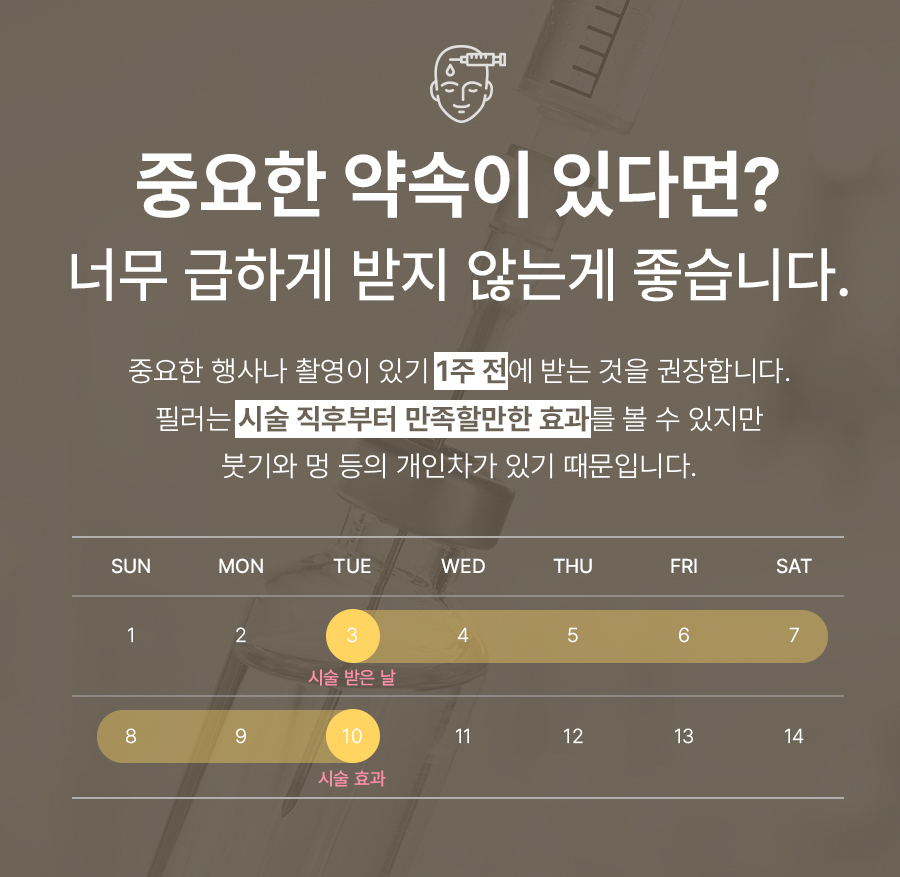
Around 2 to 3 weeks, the skin may start to look a little smoother and firmer.
From several months onward, the effect slowly softens as natural aging continues. Many people repeat treatment every several months to a year, depending on how fast they age and how strong they want the maintenance to be.

Shurink as a base, fillers as structure
In this clinic, Shurink is usually considered the base lifting treatment. It slightly tightens and shrinks tissue. Fillers, on the other hand, add volume and structure. When both sagging and volume loss are present, a combination plan is often discussed.
Examples of how they can work together include:
Using Shurink first to tighten the lower face and jawline, then adding a small amount of chin or jawline filler to refine the V-line.
Using Shurink to improve cheek and jowl sagging, then using filler in the midface to restore lost cheek volume and support the under-eye area.
Using Shurink to lift first, then adding only minimal filler after seeing how much tightening was achieved, to avoid an overfilled look.
Some practitioners advise caution about performing high-energy ultrasound directly over very recent filler injections. Recommendations on timing and sequencing vary, so disclose any recent filler treatments to your provider so they can plan the safest approach for your situation.
Clinic setting in Eunpyeong-gu
This clinic is positioned as a neighborhood internal medicine and skin-focused clinic in Eunpyeong-gu, Seoul. It manages both medical skin problems and aesthetic concerns in one place.
It also runs a dedicated foot center for conditions such as athlete’s foot, ingrown toenails, and calluses, and offers scalp and hair-related treatments. These services are mainly credibility points for patients who prefer a clinic that also understands general health and skin disease.
Clinic hours and holiday schedules can change, so check the clinic's official listing or contact them directly before planning treatment—especially if you are traveling from abroad. Many clinics list up-to-date information on local business platforms; confirm hours and appointment availability with the clinic in advance.
Shurink effect in real life
What kind of tightening can you expect
Shurink lifting is generally most suitable for mild to moderate sagging. Typical areas where people notice changes include:
Jawline and lower face: The line from the ear to the chin can look a little sharper, and early jowls may appear less prominent.
Cheeks: Mild cheek sagging can be improved, giving a slightly lifted midface.
Nasolabial folds: The shadow can look less deep when the cheek is lifted.
Neck: Light tightening of the upper neck can be planned in some cases.
The effect is usually subtle and natural rather than dramatic. It is often chosen by people who want to avoid surgery and prefer a gradual, maintenance style approach.
Pain and downtime
Most people tolerate Shurink with only mild to moderate discomfort. Sensitivity varies by person, skin thickness, and energy settings. In this clinic, topical anesthetic cream can be applied before treatment, and energy levels are adjusted according to your tolerance.
After treatment, there is usually little to no visible downtime. Some people experience temporary redness, mild swelling, tingling, or tenderness along the jawline or cheek. These reactions often settle within hours to a few days. Makeup and normal daily activities are generally possible soon after, but very hot saunas or intense facial massage are usually avoided for a short period.
Variability of results
The effect of Shurink is not identical for everyone. Age, skin thickness, degree of sagging, lifestyle, and previous procedures all influence the outcome. In some cases, a single session gives enough improvement for the patient’s goal. In others, multiple sessions or a combination with fillers or other lifting devices may be suggested.
How fillers fit into the plan
What fillers do
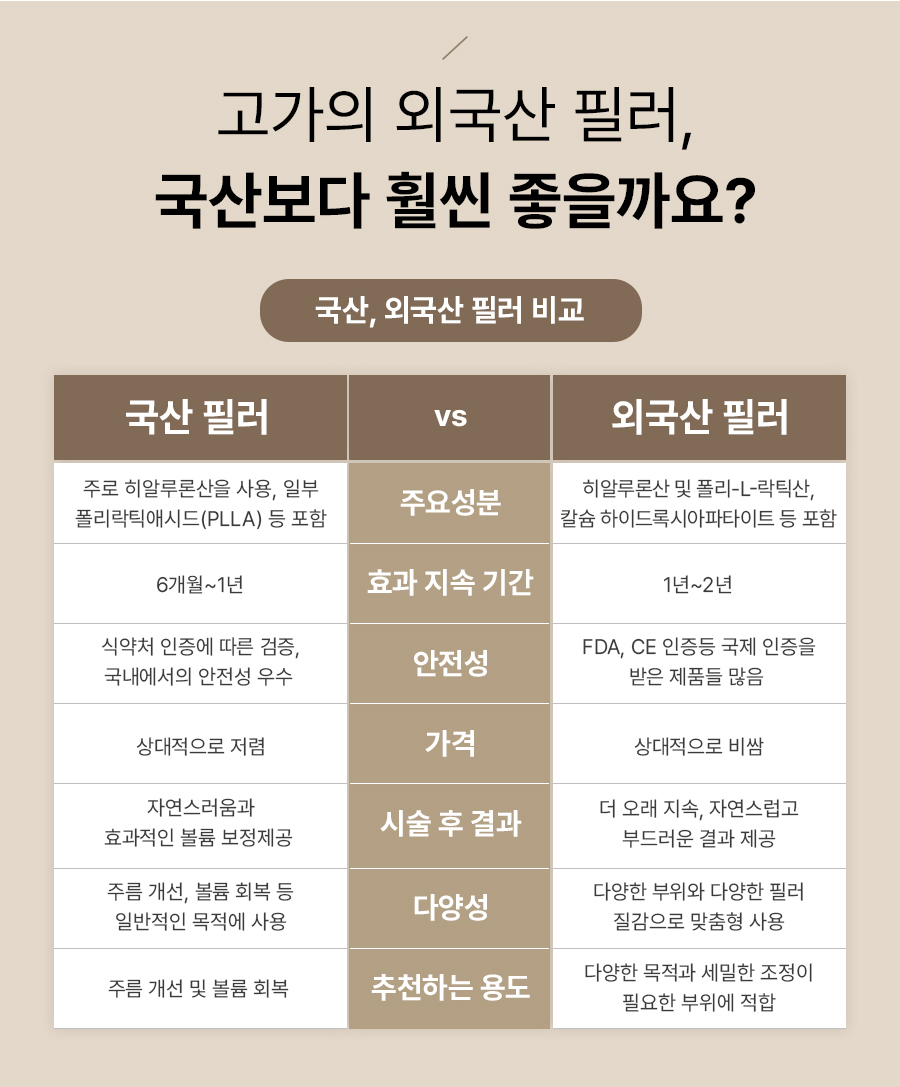
Fillers are injectable gels used to restore or add volume. Common treatment areas include:
- Cheeks and midface, to restore youthful fullness and support the under-eye area
- Nasolabial folds and marionette lines, to soften deep static lines
- Lips, for volume and shape
- Chin and jawline, for more definition
- Under-eye hollows, to reduce a tired look
While Shurink tightens and slightly shrinks tissue, fillers add structure and volume. For someone with both sagging and volume loss, using only Shurink may not be enough, and using only filler may risk a heavy or artificial look. A balanced combination can often address both issues.
Combination strategies
In an Eunpyeong-gu clinic that offers both options, the doctor may plan the sequence as follows:
Shurink first, then filler: This is common when sagging is the main concern. Shurink is used to tighten the base, then filler is added after some time to refine contour where volume is clearly missing.
Selective filler first, then gentle HIFU: In some cases, filler is placed in deeper structural areas such as the chin or midface, and later, gentle HIFU is used around, not directly over, those areas to maintain lifting.
Minimal filler after seeing Shurink effect: For people who want a very natural look, the doctor may perform Shurink, wait to see how much lifting occurs, and then add only the minimum amount of filler needed.
The type of filler, its hardness, and the depth of placement are chosen individually. For example, a firmer filler might be used along the jawline for structure, while a softer one might be used under the eyes. These decisions are made after face-to-face assessment of skin thickness, bone structure, and movement.
Because strong HIFU energy directly over very recent filler may influence the filler material, the doctor will plan the timing and treatment areas carefully. This is one reason why a one-doctor system, where the same physician handles both Shurink and filler, can be helpful.
Who may consider Shurink and filler in Eunpyeong-gu
Suitable candidates for Shurink focused plans
Adults in their late 20s to 40s with mild to moderate skin laxity often consider Shurink when they notice:
- Early jowls or a slightly blurred jawline
- Mild cheek sagging
- A wish for more firmness without surgery
It is also suitable for people who prefer a natural, gradual change and who need minimal downtime because of work or family responsibilities. International patients who visit Korea for a short period often appreciate that Shurink has little visible recovery time.
When filler may be prioritized or added
Filler may be more important in the plan when:
There is clear volume loss in the cheeks, temples, or under-eye area
Deep static lines remain even when the face is relaxed
The main wish is a more defined chin or nose tip, which lifting alone cannot create
In these situations, Shurink can still be used to maintain tissue quality and mild lifting, but filler becomes the main tool for visible contour change.
When extra caution is needed
Certain conditions require careful evaluation or alternative plans:
Very thin skin, where energy settings and filler choice must be especially gentle
Severe sagging, where surgery might be more appropriate than non-surgical lifting
Certain autoimmune conditions or bleeding disorders
Pregnancy or breastfeeding, when many aesthetic procedures are postponed
Unrealistic expectations, such as expecting surgery-level lifting from non-surgical treatments
In all cases, an in-person consultation is important before deciding on treatment.
Online consultation and pre-visit preparation
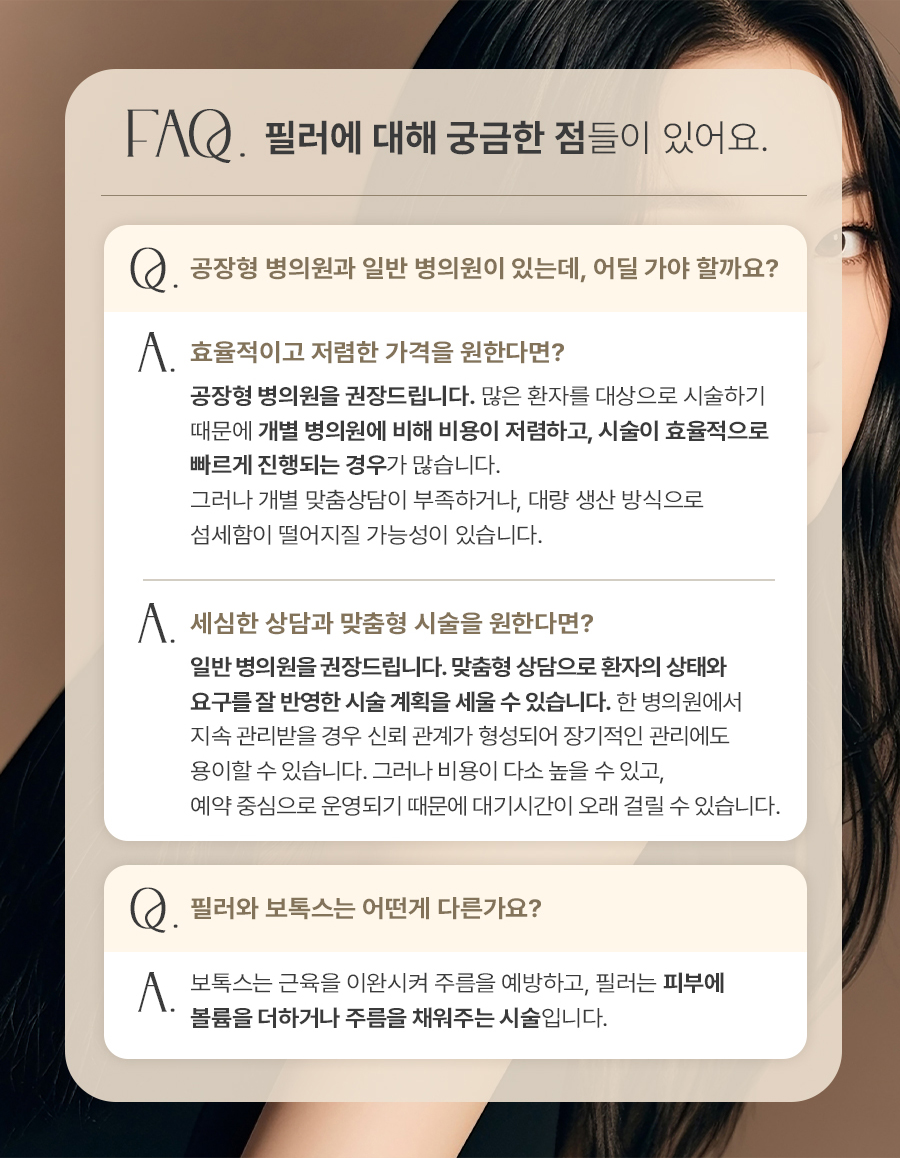
For overseas patients, an online consultation before traveling to Eunpyeong-gu can save time and help set realistic expectations.
Useful information to prepare includes:
Front and side photos of your face in good lighting, without heavy makeup
Your age and main concerns, such as jawline sagging, under-eye hollows, or deep folds
History of previous procedures, including any fillers, thread lifting, or energy-based treatments, and when they were done
Current medications and medical history, including any allergies or autoimmune conditions
Your available dates in Korea and how many days you can stay
During online consultation, you can ask about:
- Whether your degree of sagging is suitable for Shurink, filler, or both
- How many sessions are typically recommended for someone of your age and skin condition
- How much time is needed between Shurink and filler if both are planned
- What kind of downtime and daily life restrictions you should expect
The clinic’s Naver Place page is used as the main online information channel, so you can check maps, opening hours, and reviews there before contacting the clinic.
Expected Korea visit timeline
A common visit pattern for international patients might look like this:
Day 1: In-person consultation and skin assessment with Dr. Lee Hyo-su. The doctor checks your medical history, examines your face from multiple angles, and discusses your priorities such as tightening, volume, and wrinkle softening. If both you and the doctor agree, Shurink can often be performed on the same day.
Day 2 to 3: Light recovery period after Shurink. Most people can continue sightseeing or working, as there is usually minimal visible downtime. You may feel mild tightness or tenderness.
Day 7 to several weeks: If filler is planned after seeing the initial effect of Shurink, you may schedule a second visit within the same trip if you stay longer, or plan filler on a future visit. Some patients choose to have both Shurink and filler in a single short trip, while others prefer to stage them.
Because the main collagen effect of Shurink appears over 2 to 3 months, you should understand that the full lifting effect will continue to develop after you return home.
Procedure overview
Shurink session step by step
A typical Shurink session in this Eunpyeong-gu clinic includes:
Cleansing of the treatment area and marking of lifting vectors along the face and neck
Application of topical anesthetic cream if needed, with a waiting time for it to work
Selection of cartridges according to depth, for example deeper for SMAS and shallower for dermis, and adjustment of energy settings based on your skin thickness and pain tolerance
Delivery of ultrasound shots along planned lines to lift the lower face, jawline, cheeks, or neck
Cooling or soothing care after treatment, and explanation of aftercare points
The session time varies with the area treated, but many full face treatments are completed within about 30 to 60 minutes.
Filler session step by step
A typical filler session includes:
Disinfection of the treatment area and, if needed, topical or local anesthetic
Selection of filler type and injection technique, needle or cannula, based on area and safety
Gradual injection with frequent checking of symmetry and contour from multiple angles
Gentle molding of the filler if appropriate, and final check of balance between left and right
Both Shurink and filler are usually done in an outpatient setting. Most patients can return to daily activities soon, but bruising, swelling, or tenderness can occur, especially with fillers.
Safety and possible side effects
Shurink safety considerations
Common temporary reactions after Shurink include:
- Redness
- Mild swelling
- Tingling or tenderness along the jawline or cheek
These usually settle within a few hours to days.
Filler safety considerations
For fillers, common temporary effects are:
- Swelling and redness
- Bruising
- Mild asymmetry in the first days as swelling settles
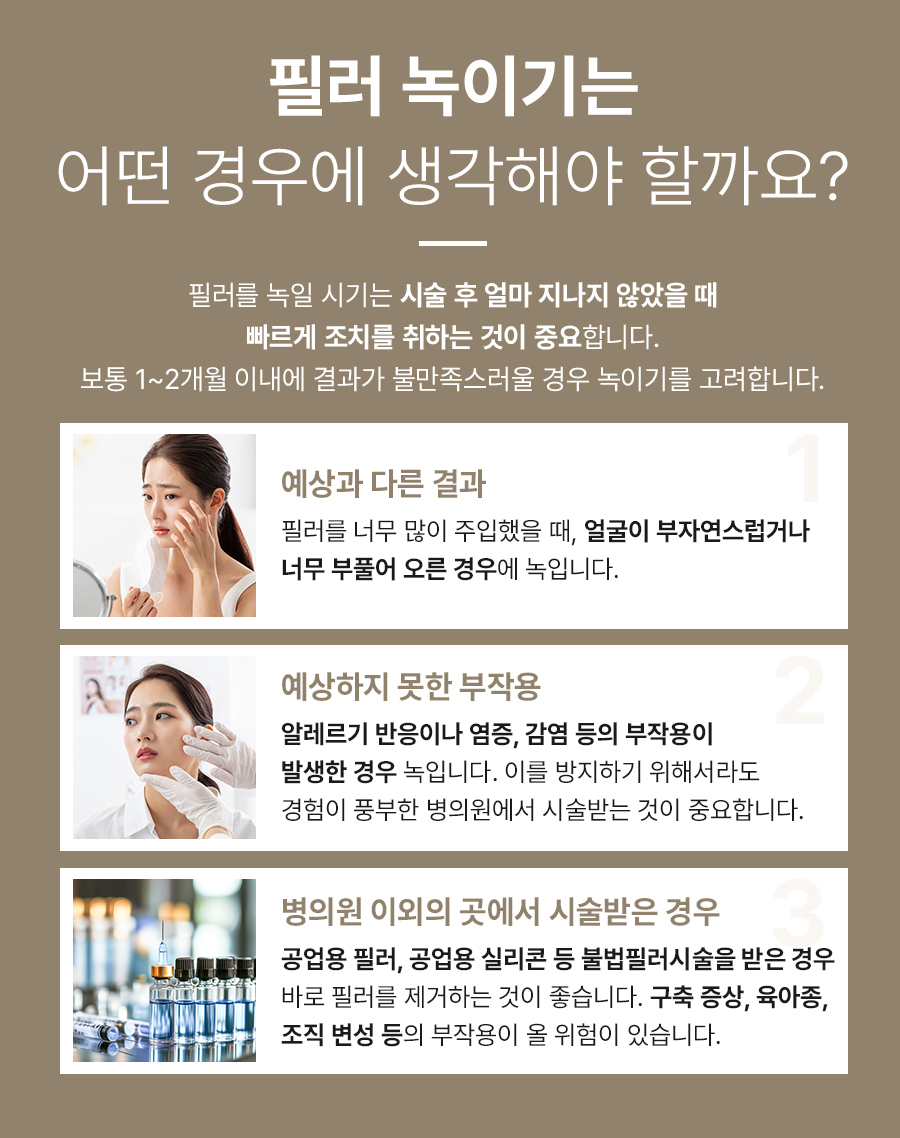
More serious but rare complications include vascular occlusion, skin necrosis, visual disturbance, infection, or long-lasting nodules. To reduce these risks, it is important that the doctor understands facial vascular anatomy, uses safe techniques, and can respond quickly if a complication is suspected.
When combining Shurink and fillers, timing and treatment areas are planned to protect previously injected filler and to avoid overcorrection. Side effects can still occur and should be monitored.
Aftercare and maintenance
After Shurink
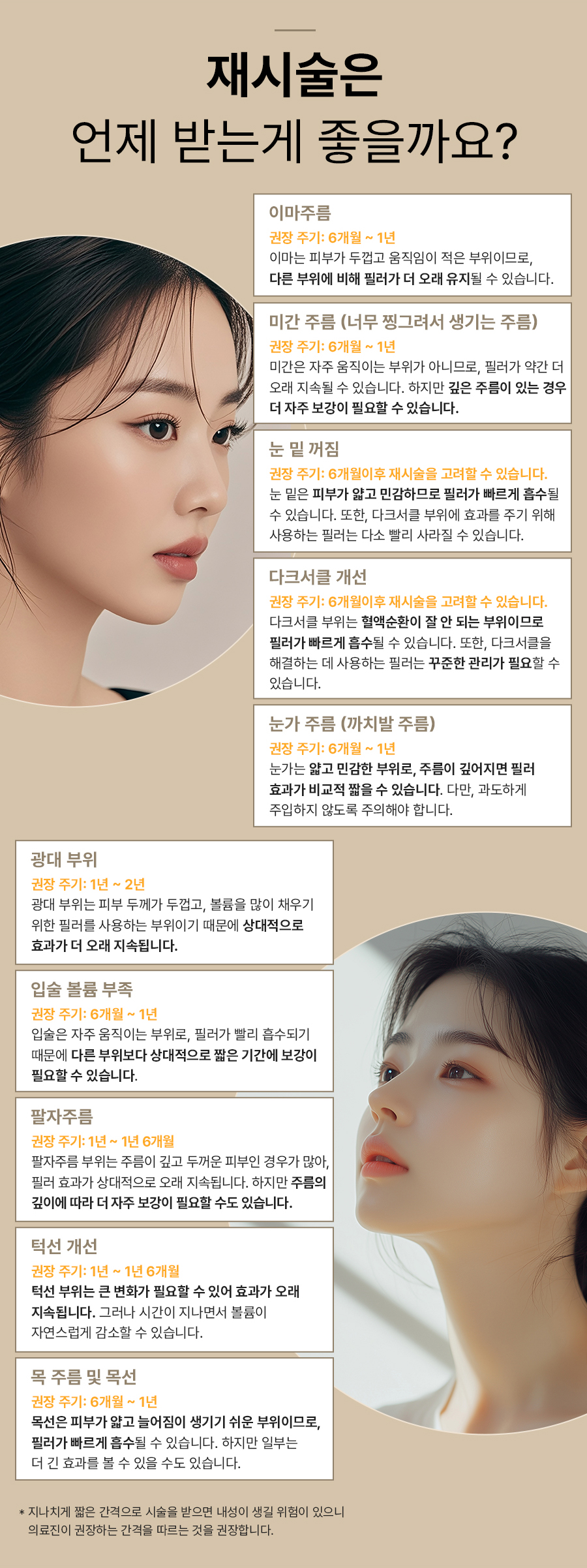
After Shurink, you are usually advised to:
- Use gentle skincare for a few days and avoid harsh exfoliation
- Avoid very hot saunas or strong facial massage immediately after treatment
- Apply sun protection daily to support collagen and overall skin quality
Mild tightness or tingling can be felt and usually subsides on its own.
After fillers
After fillers, it is generally recommended to:
Avoid strong pressure or massage on the treated area unless the doctor specifically instructs it
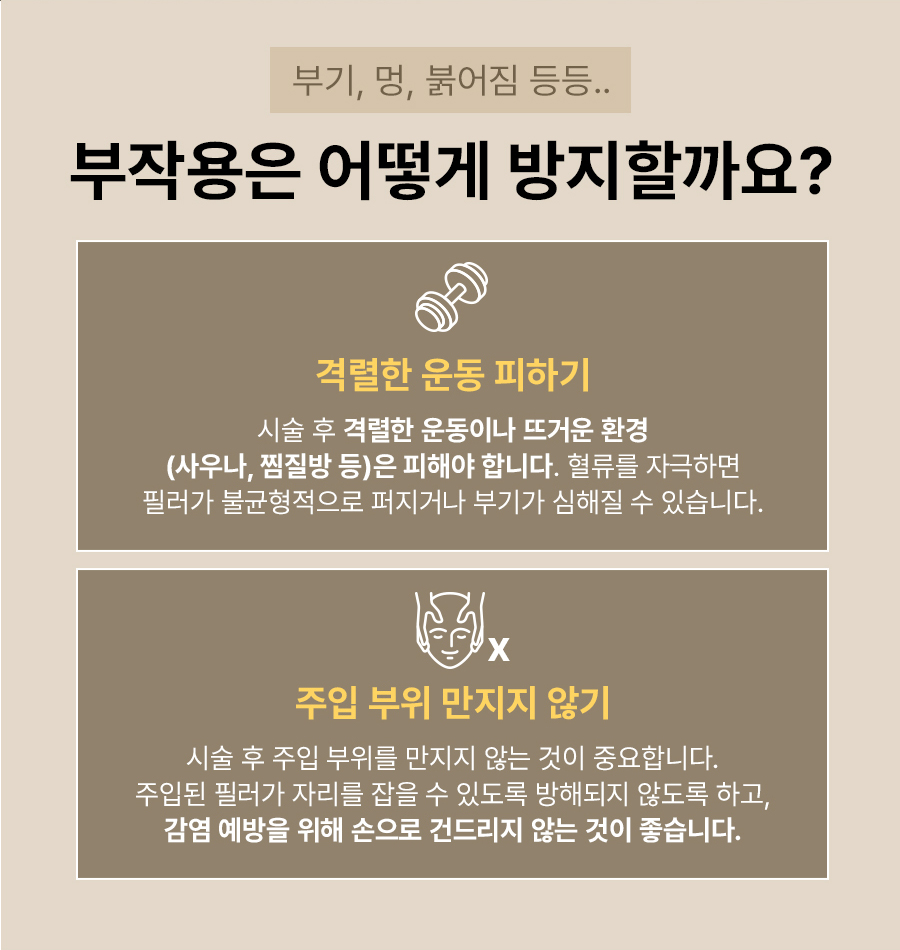
Limit intense exercise, alcohol, and sauna use for a short period to reduce swelling and bruising
Monitor for unusual pain, color change, or severe swelling and contact the clinic promptly if these occur
Maintenance schedule
For Shurink, many people repeat sessions every several months to a year, depending on their aging speed and response. For fillers, duration varies by product and area; touch-ups may be needed after several months to over a year.

Combining periodic Shurink with conservative filler use can help maintain facial contour with a more natural progression over time, rather than sudden large changes.
Frequently asked questions
Does Shurink alone replace the need for fillers in sagging cheeks
For some people with only mild sagging and little volume loss, Shurink alone may give a satisfying improvement in jawline and cheek firmness. However, if you have clear volume loss in the midface or deep static lines, Shurink by itself may not fully address these issues. In such cases, a combination of Shurink for lifting and fillers for volume is often discussed during consultation.
How long does the effect of Shurink lifting usually last, and when should I consider adding filler
The visible effect of Shurink generally develops over 2 to 3 months and can be maintained for several months, sometimes up to around a year, depending on age, skin condition, and lifestyle. If, after this period, you feel that the lifting is not enough or you still see strong volume loss or deep folds, adding filler can be considered. Many patients use Shurink as a base maintenance treatment and add filler only where structure is clearly missing.
Is it better to do Shurink before or after filler, and how much time should be left between them
In many cases, Shurink is done first to tighten the base, then filler is added after a certain interval, so the doctor can see how much lifting was achieved. The exact timing depends on your plan, but some doctors prefer at least a gap of days to weeks between strong HIFU and filler in the same area. In this Eunpyeong-gu clinic, the sequence and interval are decided individually, considering your travel schedule and previous treatments.

Can Shurink melt or damage existing filler
Strong HIFU energy directly over very recent filler may potentially affect the filler material, which is why timing and treatment areas are carefully planned. During consultation, you should inform the doctor about any existing fillers and when they were injected. The doctor can then adjust the energy level, avoid certain zones, or change the sequence of treatments to protect your previous filler work as much as possible.
Soft call to action
If you are an overseas patient considering Shurink lifting and filler in Eunpyeong-gu, an online consultation can help you understand what kind of effect is realistic for your face and how to schedule treatment within your Korea visit. You can prepare clear photos and your medical history, then contact the clinic through its online channel to discuss a personalized plan with Dr. Lee Hyo-su.
This article is for general information only and does not replace a face-to-face consultation or medical examination. Actual treatment decisions and outcomes depend on individual conditions and should be discussed directly with a qualified physician.
- 공유 링크 만들기
- X
- 이메일
- 기타 앱


댓글
댓글 쓰기