Daejo-dong acne treatment reviews and what to expect at a local clinic
- 공유 링크 만들기
- X
- 이메일
- 기타 앱
Direct answer: what Daejo-dong acne treatment reviews usually say
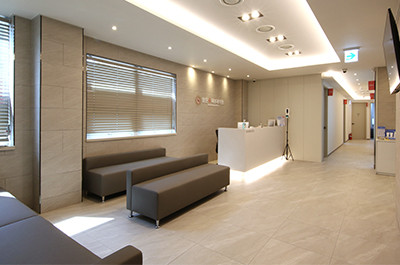
This guide brings together those common review themes and explains what international patients can expect if they look for acne treatment in the Daejo-dong area of Eunpyeong-gu, including at a small internal medicine–style skin clinic where one doctor manages both skin disease and cosmetic acne care.
Overview of acne care in Daejo-dong
At such a clinic, acne is usually approached as a medical skin condition first, and then as a cosmetic concern. That means the doctor will try to calm inflammation, prevent new breakouts, and protect the skin barrier before moving on to treatments for scars, pores, and uneven tone.
Many small local clinics of this type operate as single-physician practices where the doctor personally handles consultations, treatment planning, and most procedures. Patients often say they appreciate not being passed between a counselor, a technician, and a separate procedure doctor.
Who may consider acne treatment here
Patients who tend to seek acne care in Daejo-dong include:
Teenagers and students with frequent inflammatory pimples, blackheads, and whiteheads that do not respond to over-the-counter products.
College students and office workers who have recurring breakouts on the cheeks, jawline, or forehead and are starting to notice scars or dark marks.
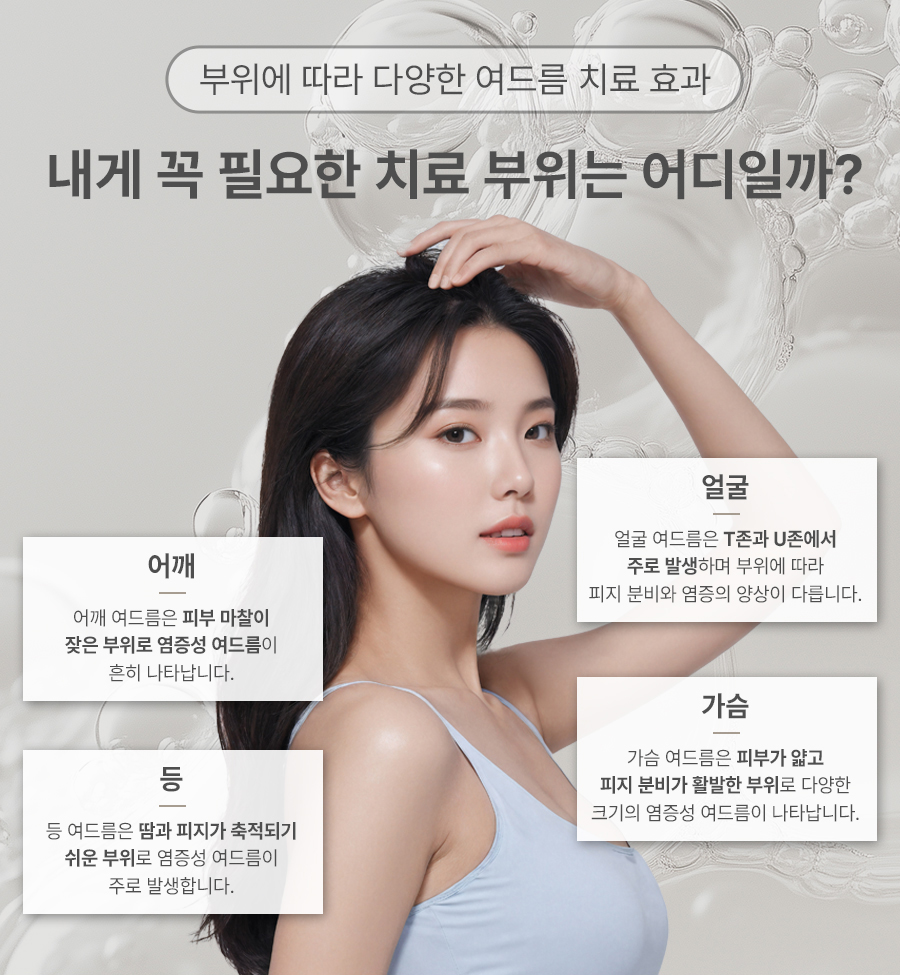
People with sensitive or combination skin who have reacted badly to harsh peels or aggressive treatments elsewhere.
Busy individuals who need evening or weekend appointments because they cannot take time off on weekdays.
If you are visiting Korea from overseas and staying in or near Eunpyeong-gu, this style of local clinic can be suitable if you prefer a medically oriented approach rather than a purely cosmetic spa.
What counts as a good acne treatment experience
From the way patients describe their visits, a satisfying experience in Daejo-dong usually includes several elements.
Clear explanation of acne type
During the first consultation, the doctor typically asks about:
How long you have had acne and whether it flares with stress, hormones, or certain foods.
What products, medications, or treatments you have already tried.
Your daily skincare routine, makeup habits, and lifestyle.
The skin is examined for inflammatory lesions (red, painful pimples), comedones (blackheads and whiteheads), hormonal patterns (jawline or lower face dominance), and existing scars or pigmentation. Patients often mention in reviews that they felt relieved when the doctor named their acne type and explained why it was recurring.
Step-by-step treatment plan
Rather than promising a quick cure, local clinics tend to propose a phased plan:
Phase 1: Calm active inflammation and protect the skin barrier.
Phase 2: Once breakouts are under control, start addressing scars, enlarged pores, and dark marks.
Phase 3: Move to maintenance, with less frequent visits and a stable home-care routine.
Reviews are more positive when the doctor gives a realistic idea of how many sessions may be needed, how often to visit, and what level of improvement is typical for each phase.
Combination of medical and cosmetic care
Because these clinics also manage skin disease, many patients receive a mix of insurance-covered medical treatment for active acne and optional cosmetic procedures for texture and tone. This dual approach is often mentioned as a benefit in reviews, especially by those who previously only tried cosmetic facials without medical support.
Medical management for acne
Medical care is the foundation of treatment in this setting.
Evaluation of triggers
The doctor may discuss possible triggers such as stress, sleep patterns, diet, mask wearing, hair products, or hormonal changes. For international patients, it can be helpful to bring a list of current medications and any supplements you take, as some can influence acne.
Prescription creams and oral medication
Depending on severity and skin type, the clinic may prescribe:
Topical retinoids or similar creams to normalize cell turnover and reduce clogged pores.
Topical antibiotics or anti-inflammatory agents for red, inflamed lesions.
Short-term oral medication when appropriate, for example for widespread or painful breakouts.
For some patients, especially those with sensitive skin, the doctor may start with lower-strength products and adjust gradually. Reviews often highlight when the doctor checked in about dryness, irritation, or purging and modified the plan accordingly.
Anti-inflammatory injections for severe nodules
In some cases of very painful, deep nodules, clinicians may consider localized anti-inflammatory injections as a targeted option to help reduce swelling more quickly; this depends on an individual medical assessment and informed consent. These injections are typically reserved for specific lesions rather than used across the whole face. Reviewers who describe this experience sometimes report that certain large pimples settled faster, though injections can cause mild discomfort and clinicians should discuss potential risks and alternatives before treatment.
Procedural options for scars, redness, and texture
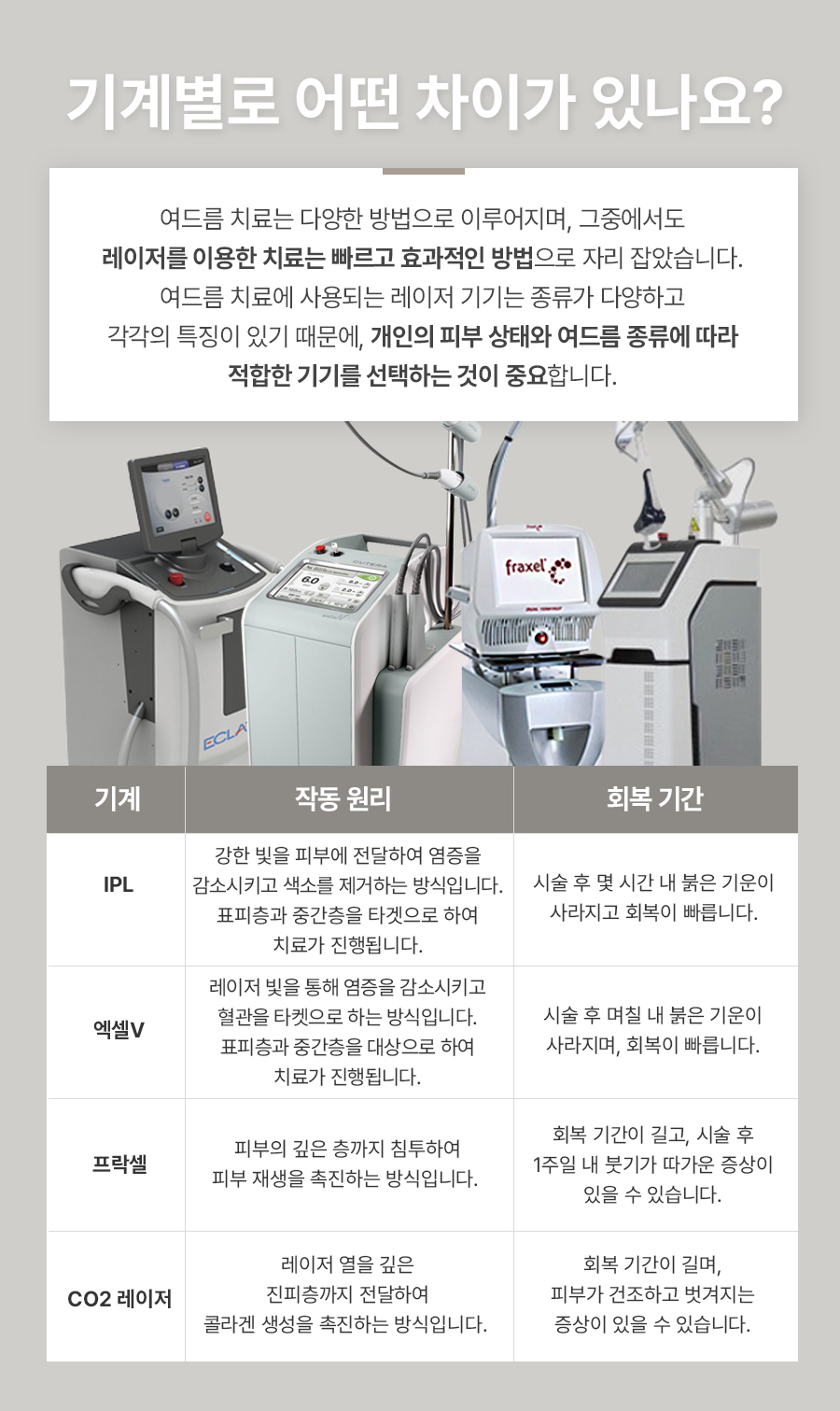
Once active inflammation is more stable, clinics in Daejo-dong may suggest additional procedures. Not every patient needs every device; combinations are chosen after in-person evaluation.
Laser toning and similar devices
Laser toning, including platforms such as Genesis-style or Alexandrite-based toning, is frequently used for:
Post-inflammatory redness and brown marks after acne.
Overall dullness or uneven skin tone.
Fine textural irregularities.
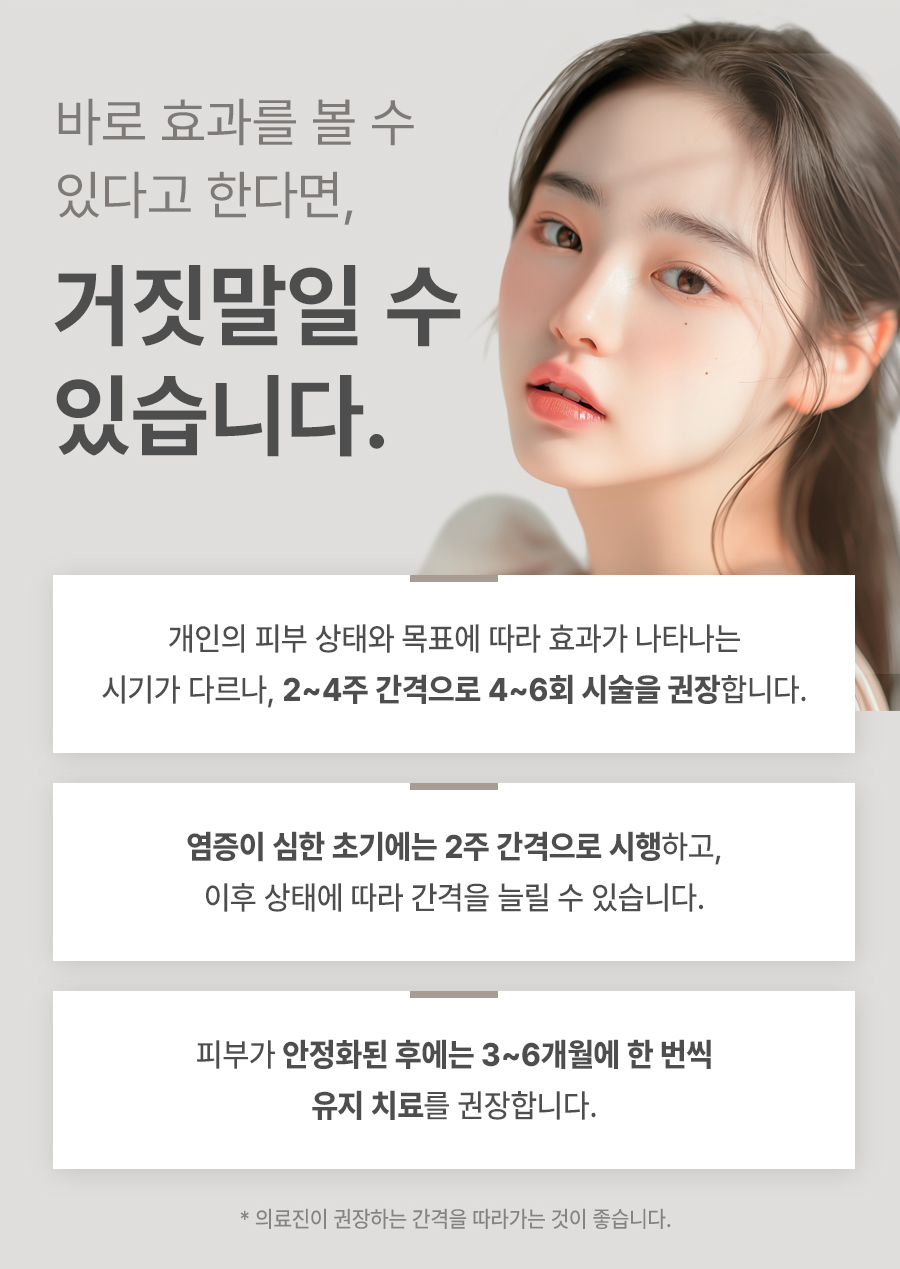
Patients usually undergo a series of sessions spaced several weeks apart. Reviews often describe mild warmth or tingling during treatment and slight redness afterward that settles within hours to a day, depending on skin sensitivity.
Energy-based devices for deeper texture
For people with laxity or deeper textural changes from long-standing acne, clinics may offer non-surgical tightening or lifting treatments, such as radiofrequency or microfocused ultrasound platforms. These are optional add-ons rather than standard care; confirm the exact devices and expected outcomes with the clinic before booking.
They are generally considered when:
There are rolling or boxcar scars that give the skin a wavy appearance.
The lower face appears less firm after repeated inflammation.
Because these devices can involve more noticeable heat and a longer recovery, the doctor typically explains expected sensations, possible swelling, and the need for sun protection afterward.
Scar-focused regenerative treatments
For depressed scars or mixed patterns of scarring, the clinic may combine several methods, for example:
Regenerative injections such as PRP-style or other skin-quality-supporting solutions to encourage collagen.
Fillers for selected, deeper depressed scars.
Other scar-focused techniques depending on depth and location.
In reviews, patients often emphasize whether the doctor targeted specific scars carefully and explained that improvement is gradual, usually over multiple sessions.
Basic skin management and gentle care
Many Daejo-dong clinics also provide basic skin management to support acne treatment, especially for sensitive or combination skin. Typical options include:
Aqua peel or similar gentle cleansing procedures to remove sebum and dead skin without aggressive scraping.
Hydrating care or water-lifting type treatments to restore moisture and support the skin barrier.
Soothing masks or calming care after energy-based procedures.
These sessions can be especially helpful for patients who previously overused harsh scrubs or strong acids and damaged their barrier.
Process and atmosphere during a visit
From a patient’s point of view, a typical visit in this area follows a fairly consistent pattern.
Initial consultation
You complete a brief questionnaire and then meet the doctor directly. Because it is a single-doctor clinic, you usually do not go through a separate salesperson-style consultation.
Explanation and planning
The doctor then explains:
What is driving your current breakout pattern.
Which areas are mainly inflammatory versus comedonal.
Where scars and pigmentation are already forming.
A phased plan is suggested, with clear priorities for the first few visits. Patients often mention that they appreciated hearing not only what will be done, but also what will not be done yet, to avoid overwhelming the skin.
Ongoing follow-up with one doctor
Because the same doctor sees you each time, it is easier to adjust the plan based on how your skin responds. For example, if a certain cream is too drying, it can be changed; if laser sessions cause more redness than expected, the interval or settings can be modified.
Reviews tend to be more positive when patients feel that the doctor remembers their case, asks about changes in lifestyle or stress, and explains each adjustment.
Convenience factors that influence reviews
Clinic hours and accessibility matter a lot in real-life feedback from Daejo-dong.
Evening hours on weekdays
Many local patients mention that evening hours until around 20:00 on weekdays make it possible to come after school or work. This is particularly important for office workers who cannot leave during the day.
Weekend and public holiday consultations
Another point often highlighted in reviews is the availability of consultations on weekends and public holidays, typically from late morning to late afternoon. For students and those with irregular schedules, this flexibility can be a major reason for choosing a clinic.
Unusual midweek closures
One detail to pay attention to is that some clinics in this area, including the one described here, are closed on Wednesdays and Thursdays. Patients sometimes mention in reviews that they had to adjust their schedule around this pattern, so it is wise to double-check the days before visiting to avoid a wasted trip.

Foot and scalp specialties as trust points
Although your main interest may be acne, it can be reassuring to know that the doctor also manages other skin-related conditions.
Foot care
The clinic runs a dedicated line for foot problems such as athlete’s foot, ingrown toenails, calluses, and thick keratin.
Scalp and hair concerns
The clinic also sees patients with scalp conditions and patchy hair loss and offers scalp-focused regenerative injections. For some people, acne and scalp issues coexist, so having both addressed in one place can be convenient.
These additional services are not the main focus of acne treatment, but they show that the doctor regularly deals with a wide range of skin and appendage problems, which can build trust.
How to read and interpret Daejo-dong acne treatment reviews
When you search for acne treatment reviews in Daejo-dong, it helps to know what to look for.
Clarity and honesty of explanations
Look for comments about whether the doctor:
Explained the cause of the acne in simple language.
Described both benefits and limitations of each procedure.
Set realistic expectations about the number of sessions and speed of improvement.
Reviews that mention honest, sometimes cautious explanations are often more reliable than those that only praise dramatic changes.
Who performs the procedures
Check whether reviewers say that the doctor personally performed injections, laser sessions, and follow-up examinations, or whether most procedures were done by assistants. In a single-doctor clinic, patients often appreciate that the same physician handles key steps.
Handling of side effects or slow progress
No acne treatment is completely free of risk. Trustworthy reviews often describe how the clinic responded if there was unexpected irritation, more redness than expected, or slower improvement. Did the doctor adjust the plan, offer extra soothing care, or provide clear guidance on home management?
Waiting time, staff attitude, and cleanliness
Practical details also matter. Many reviews mention:
How long they waited beyond their appointment time.
Whether staff were polite and organized.
Whether the treatment rooms and equipment felt clean and well maintained.
Gradual, realistic progress vs instant perfection
Because acne is a chronic, multifactorial condition, improvement is usually gradual. Reviews that describe steady changes over several visits, with ups and downs, are generally more believable than those claiming complete transformation in one or two sessions.
Safety, expectations, and regulatory cautions
When considering acne treatment in Korea, it is important to keep safety and realistic expectations in mind.
Discomfort and anesthesia
Procedures such as injections, laser toning, or energy-based devices can involve varying levels of discomfort. Clinics usually try to reduce this with cooling, topical anesthetic creams, or adjusting energy settings, but it is not accurate to promise that treatments are entirely painless for everyone.
Injection drips and general condition
Some clinics offer intravenous "drip" infusions that are marketed for general wellness. Evidence for these infusions is limited, and they are not established acne treatments; they should not be relied on for specific cosmetic results. Always discuss your medical history, potential benefits, risks, and alternatives with a clinician before considering an infusion.
Regenerative injections
Treatments sometimes marketed as stem cell or redness injections are more safely described as regenerative or skin-quality-supporting injections. Their exact composition and indications should be explained by the physician, and results can vary widely from person to person.
Individual variation
The choice of treatment, number of sessions, and degree of improvement depend on your skin type, acne severity, lifestyle, and ability to follow home-care instructions. A direct consultation is essential before deciding on any course of treatment.
Practical guidance for local and overseas readers
If you are in Daejo-dong, elsewhere in Eunpyeong-gu, or visiting from abroad and staying nearby, you can prepare for your acne consultation in a few simple ways.
What to prepare before your visit
Make a list of all skincare products you currently use, including cleansers, toners, serums, sunscreens, and makeup.
Write down any prescription or over-the-counter medications and supplements.
Collect photos of past flare-ups, especially if your skin is calmer on the day of the visit than it usually is.
Note your menstrual cycle pattern if you suspect hormonal influence, and any recent changes in stress, diet, or sleep.
Questions to ask during consultation
You may find it helpful to ask:
Which type of acne do I mainly have, and what is the priority in my case?
How many sessions are typically needed for someone with similar severity?
What kind of downtime or visible redness should I expect after each procedure?
What home-care products should I stop or start while undergoing treatment?
How often should I return for follow-up, and what signs should make me contact the clinic sooner?
Checking operating hours and access
Because the clinic described here does not have a separate homepage, it is wise to confirm operating hours through its online listing or by phone before visiting. Remember that it is closed on Wednesdays and Thursdays, and that evening and weekend hours are a key advantage for many patients.
Expected Korea visit timeline for overseas patients
If you are visiting Korea from abroad and want to include acne treatment in your stay, a simple timeline might look like this:
Day 1–2: Initial consultation, skin assessment, and start of medical treatment (prescription creams or medication). A gentle procedure such as aqua peel or mild laser toning may be possible if the skin allows.
Week 1–2: One or two follow-up visits to monitor response, adjust prescriptions, and possibly add light procedures for pigmentation or redness.
Week 3–4 and beyond: If you are staying longer, more targeted treatments for scars or texture can be scheduled, allowing for recovery time between sessions.
For short trips, the focus is usually on setting up a safe, sustainable medical plan and performing low-downtime procedures rather than aggressive scar revision.
Aftercare and maintenance
After each visit, the clinic will usually give you specific aftercare instructions. Common points include:
Use gentle, non-foaming or low-irritant cleansers.
Apply moisturizer regularly to support the skin barrier, even if your skin is oily.
Use broad-spectrum sunscreen daily and avoid intense sun exposure, especially after laser or energy-based treatments.
Avoid picking or squeezing pimples to reduce the risk of scarring.
Do not introduce new strong acids or retinoids on your own while under treatment; always ask the doctor first.
For long-term maintenance, the doctor may suggest less frequent visits combined with a stable home routine tailored to your skin type.
Soft call to action for online consultation
If you are considering acne treatment in Daejo-dong or nearby Eunpyeong-gu and would like a medically grounded, stepwise approach, you can start by arranging an online consultation. Sharing clear photos of your skin, your current routine, and your main concerns will help the clinic estimate which treatments might suit you and how many visits would be practical during your stay in Korea.

An in-person examination is still necessary before any final decisions, but an online discussion can give you a realistic idea of what to expect and how to plan your schedule around evening and weekend appointments.
Frequently asked questions
Who is a good candidate for acne treatment at a Daejo-dong clinic?
People with ongoing breakouts that do not respond to basic products, those starting to see scars or dark marks, and individuals with sensitive skin who prefer a careful, medically oriented plan often do well at this type of clinic. It is also suitable for students and office workers who need evening or weekend appointments. However, the exact suitability of specific procedures can only be confirmed after the doctor examines your skin in person.
How many sessions are usually needed to see improvement?
This varies widely, but many patients start to notice clearer, calmer skin after several weeks of consistent medical treatment and a few basic procedures. More established scars and pigmentation can take several months and multiple sessions to improve. During your consultation, the doctor can give a rough estimate based on your current condition, but this may be adjusted as your skin responds.
Are the procedures painful, and is there downtime?
Most acne-related procedures involve some level of discomfort, such as warmth, tingling, or brief stinging. Clinics typically use topical anesthetic creams, cooling, or adjusted energy settings to reduce this. Downtime depends on the treatment: basic toning and aqua peel often have minimal redness, while deeper energy-based or scar-focused procedures may cause more noticeable redness or swelling for several days. Your doctor will explain what to expect before each treatment.
Can overseas patients start treatment during a short stay in Korea?
Yes, many overseas visitors begin acne care while in Korea, focusing on medical treatment, basic skin management, and low-downtime procedures. For short stays, the goal is usually to stabilize the skin and create a clear home-care plan rather than complete scar revision. It is helpful to arrange an online consultation in advance to discuss your schedule and what can realistically be done during your visit.
Medical information notice
The information in this article is for general educational purposes and does not replace a consultation with a qualified physician. Acne and related skin conditions vary greatly between individuals, and diagnosis and treatment decisions should be made after a direct examination and discussion of your medical history with a doctor in an appropriate clinical setting.
- 공유 링크 만들기
- X
- 이메일
- 기타 앱


댓글
댓글 쓰기