Daejo-dong Acne Clinic: Eunpyeong-gu clinic near Daejo-dong — how it treats breakouts and scars
- 공유 링크 만들기
- X
- 이메일
- 기타 앱
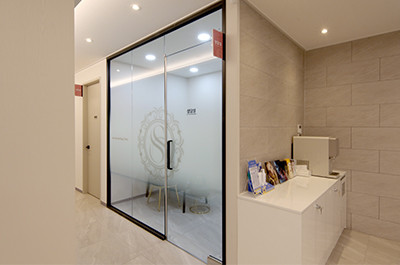
Direct answer for people searching in Daejo-dong
If you are looking for an acne-focused clinic in or near Daejo-dong, it usually means you want more than a simple facial. You are likely looking for a place where a doctor can diagnose acne as a skin disease, prescribe medication when needed, and also provide procedures for scars and marks in one clinic.
This article explains what people in Daejo-dong commonly look for in an acne clinic, how to choose a reliable place, how acne is typically treated at this Eunpyeong-gu clinic, and what options exist for scars and supportive skin management.
What people in Daejo-dong look for in an acne clinic
Many teenagers, university students, and office workers in Daejo-dong struggle with recurring breakouts. Some have painful inflammatory acne with redness and swelling, while others have small bumps that never seem to disappear. After repeated breakouts, scars and dark marks can remain, which can be just as stressful as active acne.
People searching for an acne clinic in Daejo-dong usually want a place that understands these concerns. They are often worried about aggressive procedures that might worsen irritation, and they may have had experiences where only cosmetics or simple facials were recommended without proper medical treatment.
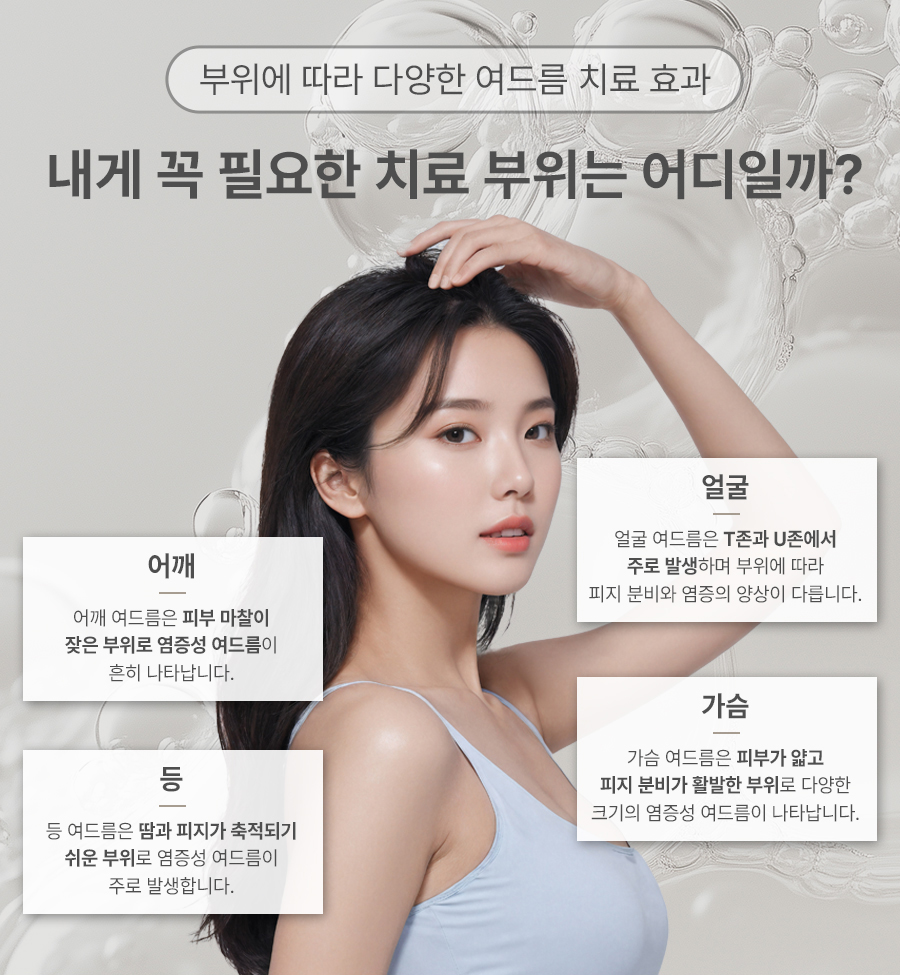
Another common issue is time. Many students and office workers cannot visit clinics during typical daytime hours. A clinic that offers evening and weekend hours can make it much easier to continue regular treatment, which is important because acne care usually requires follow-up visits over weeks or months.
How to choose a good acne clinic in Daejo-dong
When you search for an acne clinic in or near Daejo-dong, it helps to look beyond advertisements and focus on a few practical points.
First, confirm before you book that:
- A physician performs a direct skin examination and diagnosis.
- Both medical (topical or oral) and procedural treatment options are available.
- Scar and pigment treatment choices are offered when needed.
- Follow-up and continuity of care are part of the plan.
Second, see if the clinic can combine medical treatment with procedures. For many patients, the most effective approach is a mix of prescription creams or tablets and in-clinic treatments such as extractions, energy-based devices, or laser toning. A clinic that offers both can adjust the plan depending on how your skin responds.
Third, check whether there are options for scars and pigmentation. After active acne calms down, many people are left with red or brown marks, uneven texture, or depressed scars. A clinic that provides scar procedures and laser toning for discoloration can help you move from simply controlling breakouts to gradually improving the overall appearance of your skin.
Finally, consider continuity of care. In a one-doctor clinic, the same physician sees you at each visit, remembers your skin history, and can adjust treatment over time. This is especially important for chronic conditions like acne that change with stress, hormones, and lifestyle.
Introduction to this Eunpyeong-gu clinic
In Eunpyeong-gu, near Daejo-dong, there is a neighborhood internal medicine and skin-focused clinic where acne is treated as both a disease and a cosmetic concern. The clinic sees insured conditions such as warts, corns, and scalp disease, as well as cosmetic procedures like lifting, laser toning, and acne scar care.
The clinic states that it operates a one-doctor system, where the same physician consults, examines your skin, plans treatment, and performs procedures. This model can reduce continuity gaps that sometimes occur when consulting doctors and treating practitioners differ in larger multi-provider clinics.
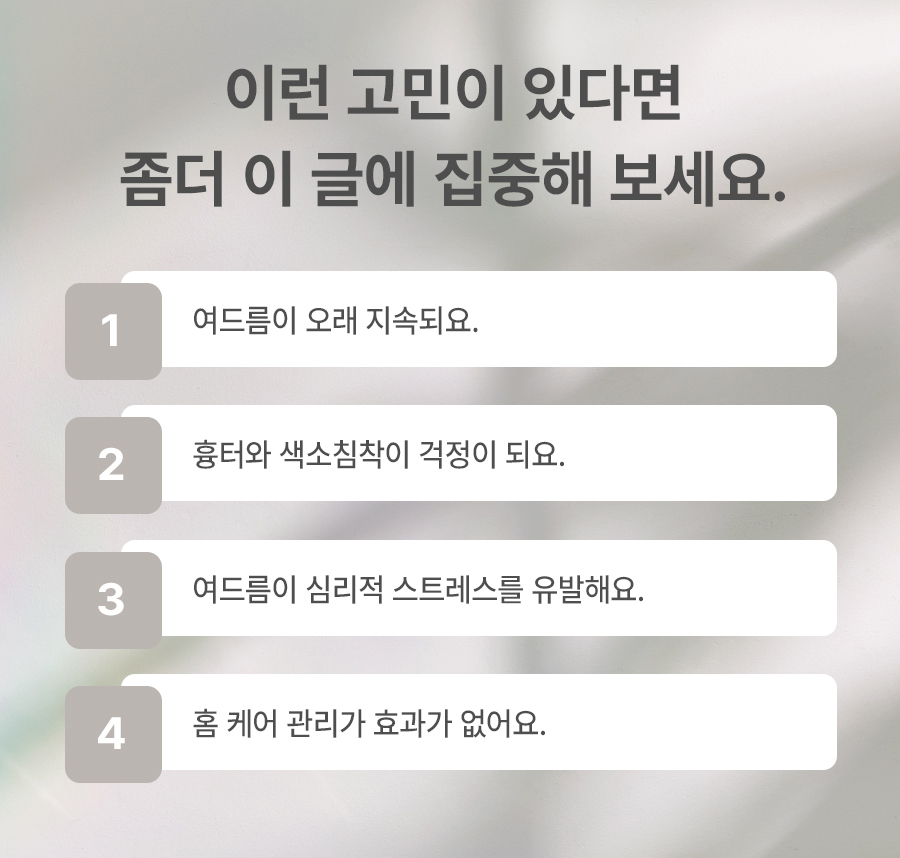
Because the clinic handles a wide range of skin problems, acne is approached medically first. Inflammation, infection, and other skin diseases are addressed, and then cosmetic aspects such as scars and pigmentation are considered. This integrated approach can be reassuring for patients who want steady, step-by-step improvement rather than quick but unstable changes.
Acne treatment process at this clinic
The typical acne treatment process at this clinic follows several steps, which may be adjusted depending on your condition and schedule.
At the initial consultation, the doctor examines your skin closely. The type of acne lesions (whiteheads, blackheads, pustules, nodules), their distribution, and any signs of scarring or pigmentation are checked. The doctor also looks for other skin conditions that might be present at the same time, such as eczema, seborrheic dermatitis, or scalp problems.
Next, there is a discussion of your current skincare, lifestyle, and previous treatments. Many patients have tried over-the-counter products, online recommendations, or home remedies. The doctor may ask about your cleansing routine, makeup, sunscreen use, stress level, sleep pattern, and diet. This helps identify habits that may be irritating the skin or reducing the effectiveness of treatment.
Based on this assessment, a plan is created. For mild to moderate acne, topical medications such as retinoid creams, antibacterial agents, or anti-inflammatory products may be prescribed. For more severe or widespread acne, oral medication such as antibiotics or other systemic drugs may be considered, depending on your overall health and medical history.
In-clinic procedures can be added to support medical treatment. These may include professional extractions to remove clogged pores in a controlled way, laser toning to address redness or pigmentation, and energy-based procedures that help improve texture over time. Local anesthesia or numbing cream may be used when needed to reduce discomfort.
Home care guidance is also part of the process. The doctor can suggest suitable cleansers, moisturizers, and sunscreens that fit your skin type and treatment plan. Simple changes, such as avoiding harsh scrubs or certain ingredients, can make medical treatment more effective.
Follow-up visits are scheduled to monitor progress and adjust the plan. Some patients respond quickly to medication, while others need more gradual changes. The doctor may change the type or strength of medication, add or reduce procedures, or modify the interval between visits. Because each person’s skin and lifestyle are different, treatment duration and results can vary, and no specific outcome can be guaranteed.
Options for acne scars and post-acne marks
It is important to distinguish between active acne, scars, and post-acne marks.
Active acne refers to current inflamed lesions such as red bumps, pustules, and nodules. The priority here is to calm inflammation and help prevent new lesions.
Acne scars are changes in the skin structure that remain after acne has healed. They can be depressed (sunken), raised, or mixed. These scars usually require targeted procedures rather than simple creams.
Post-acne marks include red or brown spots that remain after a pimple disappears. They are not true scars but can be very noticeable, especially on lighter skin.
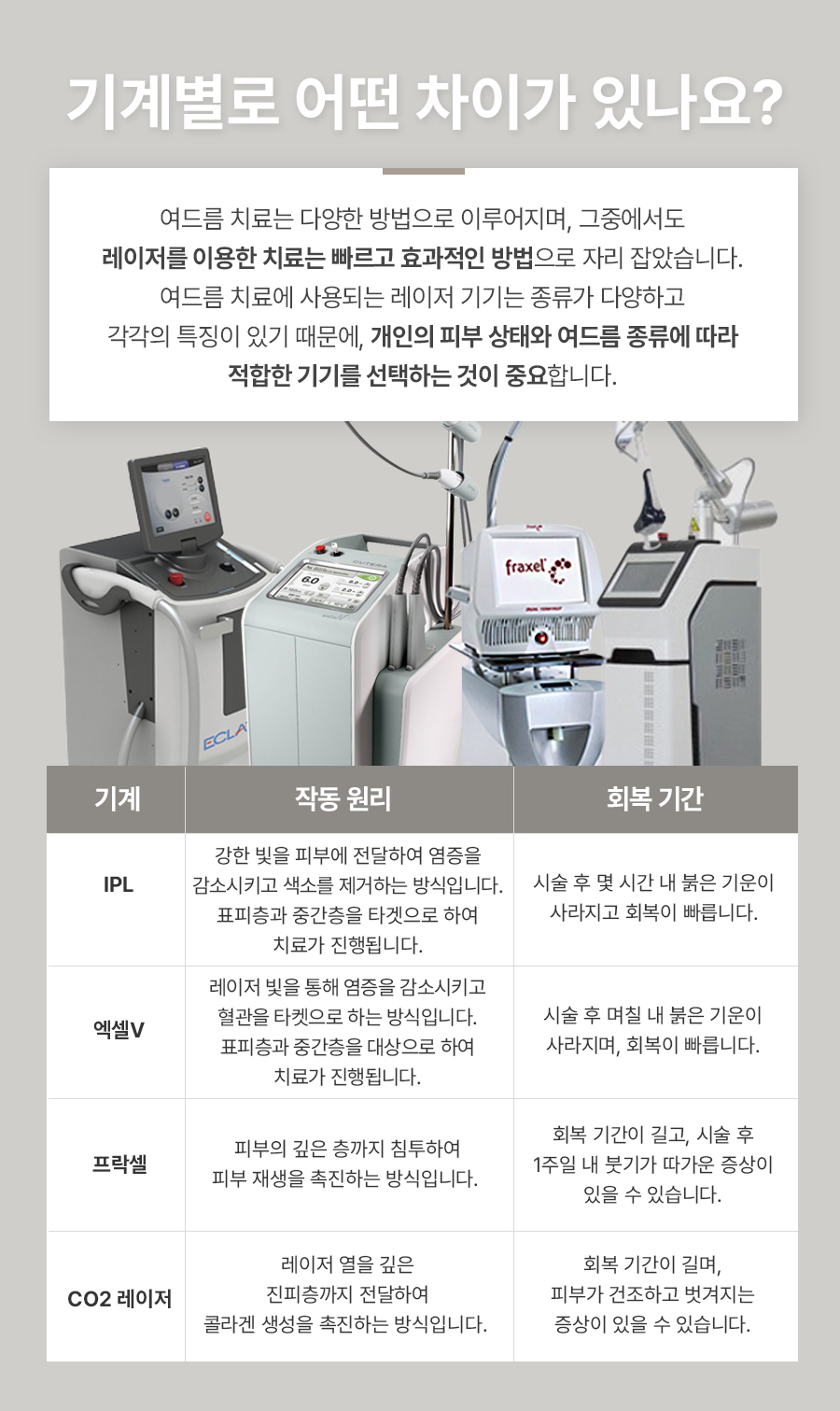
At this clinic, scar treatment is tailored to the type and depth of the scars. Energy-based devices and various laser options are available, which allows the doctor to choose methods that match your skin condition. For example, certain procedures can gently stimulate collagen to improve depressed scars over time, while others focus on smoothing uneven texture.
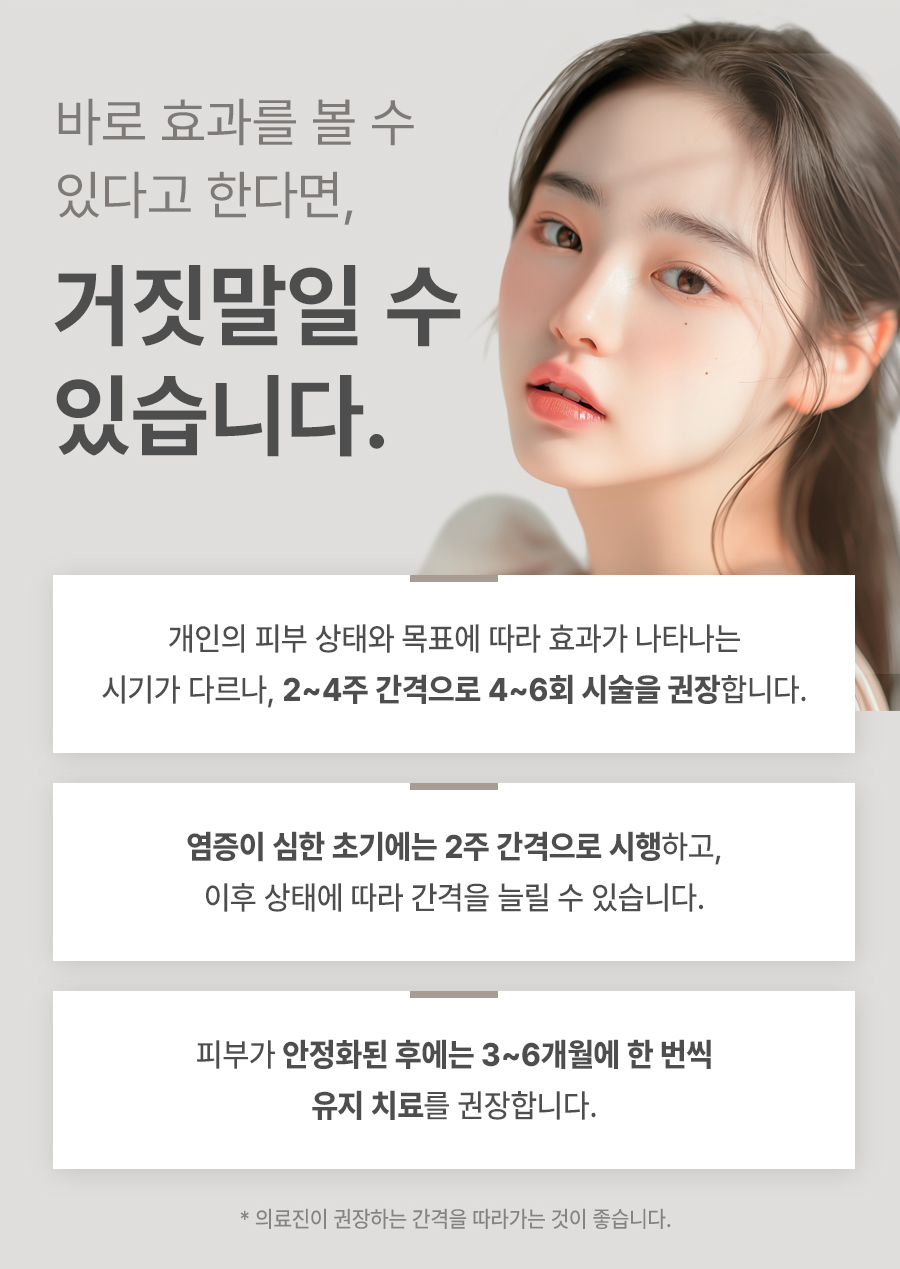
For post-acne redness and pigmentation, laser or other energy-based treatments may be considered. These approaches often require multiple sessions spaced over weeks, and results vary by individual. Discuss available options and expected outcomes with a treating physician to determine the best plan for your skin.
Because every skin type reacts differently, the doctor will explain what level of change may be realistic for you and how many sessions might be recommended. It is important to understand that complete erasure of scars or marks cannot be guaranteed, but many patients can see softer texture and lighter discoloration with a well-planned series of treatments.
Supportive skin management for acne-prone skin
Medical treatment is the foundation for moderate to severe acne, but supportive skin management can help maintain results and improve comfort.
Aqua peel is one such procedure offered at this clinic. It is a type of cleansing and exfoliating treatment that helps remove excess sebum, dead skin cells, and impurities from the pores. For acne-prone skin, this can support sebum control and reduce congestion when used appropriately. It is not a cure for acne, but it can complement prescription treatment and make the skin feel cleaner and smoother.
Moisture and barrier care are also important. Many medical acne treatments can cause temporary dryness or irritation, especially at the beginning. Moisturizing procedures and products that support the skin barrier can help the skin tolerate active ingredients better. When the barrier is healthier, redness and sensitivity may be less intense, and patients are more likely to continue their prescribed regimen.
The clinic can combine these supportive treatments with medical care according to your skin’s condition. For example, aqua peel might be scheduled on days when you are not using certain strong topical products, and moisture care might be emphasized during periods of dryness or seasonal change.
Why a one-doctor neighborhood clinic can be a good choice for acne
For chronic conditions like acne, long-term follow-up is often more important than a single intensive session. A one-doctor neighborhood clinic offers several advantages in this regard.
Because the same physician sees you each time, it is easier to track how your skin changes with stress, seasons, hormones, and new products, and to adjust treatment accordingly.
Integrated care is another strength. This clinic treats not only acne but also other skin issues such as warts, corns, eczema, and scalp disease, as well as hair loss. For patients who have both acne and scalp problems, it can be convenient to address them in one place. It also means the doctor is used to thinking about the skin and scalp as a whole system, rather than focusing on a single cosmetic procedure.
Multiple device options can allow clinicians to tailor or sequence treatments to a patient’s specific needs rather than relying on a single machine.
The atmosphere of a neighborhood clinic is usually calmer than that of a large chain. Instead of focusing on one-time packages, the emphasis can be on long-term skin health and realistic expectations. This can be especially reassuring for patients who feel overwhelmed by aggressive marketing or complicated package plans.
Location and accessibility for Daejo-dong residents
The clinic is located in Eunpyeong-gu, making it convenient for residents of Daejo-dong and nearby neighborhoods. You can consider it as a local option if you live, study, or work in this area and want to avoid long travel times across the city.
Operating hours can change. Confirm current hours and holiday closures with the clinic before visiting by phone or via its official website or listing; do not rely on this article for exact times.
Extended evening and weekend hours, when available, can be particularly helpful for students who have classes during the day and for office workers who finish late. Because acne treatment often requires multiple visits, having flexible hours can make it easier to stay consistent with your plan.
Safety, expectations, and realistic guidance
Any medical or cosmetic procedure carries potential risks and side effects, and acne treatment is no exception. This clinic plans procedures with the aim of reducing discomfort as much as possible, and local anesthesia or numbing cream may be used when needed. However, it is not possible to promise a completely painless experience or the absence of side effects.
During consultation, the doctor will usually explain the expected course of treatment, possible temporary reactions such as redness, swelling, or dryness, and how to care for your skin afterward.
Results are influenced by many factors, including the severity and type of acne, skin type, hormonal status, stress level, and lifestyle. Some people see improvement relatively quickly, while others need more time and adjustments. The clinic aims to provide realistic explanations so that you understand both the potential benefits and the limitations of each treatment.
Who may consider this clinic for acne care
This clinic may be suitable for several types of patients in and around Daejo-dong.
Teenagers with new or worsening acne who need medical guidance rather than relying only on over-the-counter products can benefit from physician-led diagnosis and treatment.
Young adults who have tried various cosmetics without success and now want a structured plan that includes both medication and procedures may also find this clinic appropriate.
Adults with persistent or late-onset acne, especially those who are concerned about scars and pigmentation, may appreciate the combination of disease-focused treatment and cosmetic options.
People who have both acne and other skin or scalp issues, such as dandruff, hair loss, or warts, may find it convenient to receive integrated care in one place.
Online consultation and pre-visit preparation for overseas patients
If you are an overseas patient considering acne treatment in Korea, you can start by arranging an online consultation with the clinic. Before the consultation, it is helpful to prepare clear photos of your skin in natural light, without makeup, from several angles. This allows the doctor to get an initial impression of your acne type and scarring.
You should also prepare a list of any medications and skincare products you are currently using, including prescription creams, oral drugs, and over-the-counter items. If you have any known allergies or medical conditions, note them as well. This information helps the doctor suggest a preliminary plan and estimate how many visits might be needed during your stay.
During the online consultation, you can ask about the likely treatment focus for your visit: for example, whether the priority will be calming active inflammation, starting a new medication, or performing a series of procedures for scars and marks. Because the length of your stay in Korea may be limited, the doctor can help you decide what is realistic within your available time.
Expected Korea visit timeline for acne treatment
For overseas patients planning a visit to Korea, the treatment timeline will depend on your schedule.
If you are staying for one to two weeks, the focus is usually on medical assessment, starting or adjusting medication, and performing a small number of key procedures that do not require long recovery. You might have an initial consultation and treatment on the first or second day, followed by one or two follow-up sessions during your stay.
If you can stay for three to four weeks or longer, there is more flexibility to schedule repeated procedures such as laser toning or certain scar treatments with intervals of several days to a week. This allows for gradual improvement and closer monitoring of your skin’s reaction.
In all cases, the clinic will provide guidance on how to continue care after you return home. This may include instructions for using topical medication, advice on skincare products, and recommendations for follow-up with a local doctor if needed.
Aftercare and long-term management
After any in-clinic procedure, you will receive specific aftercare instructions. These may include avoiding direct sun exposure, using sunscreen regularly, applying soothing or moisturizing products, and avoiding harsh scrubs or active ingredients for a certain period.
For medical treatments such as topical retinoids or oral medication, the doctor will explain how to start gradually, what side effects to watch for, and when to return for review. It is important not to change or stop medication on your own without consulting the clinic, especially if you experience unexpected reactions.
Long-term management of acne often involves maintaining a simple but consistent skincare routine, managing stress, and adjusting treatment intensity according to the season and life changes. Because this clinic follows a one-doctor system, you can continue to see the same physician for periodic checkups, even after your acne has improved, to help prevent relapse and address any new concerns.
Frequently asked questions about acne clinics in Daejo-dong
Is this clinic suitable for severe inflammatory acne?
The clinic can evaluate and treat a wide range of acne, including inflammatory lesions. For more severe cases, the doctor may recommend a combination of oral and topical medications along with in-clinic procedures. However, the exact suitability and plan can only be decided after a face-to-face consultation, and in some cases referral or additional tests may be suggested depending on your overall health.
How many sessions are usually needed for acne scars?
The number of sessions for acne scar treatment varies widely depending on the type and depth of the scars, your skin type, and how your skin responds to each procedure. Many patients require multiple sessions spaced several weeks apart to see noticeable improvement. The doctor will explain a tentative plan during consultation, but it is important to understand that the schedule may be adjusted based on your progress and that complete removal of scars cannot be promised.
Can I only get facials or aqua peel without medical treatment?
Aqua peel and other skin management procedures are available as supportive options, but for moderate to severe acne, relying only on facials is usually not sufficient. The clinic generally recommends a medical evaluation first, then adds supportive treatments when appropriate. This approach aims to address the underlying inflammation while also improving surface cleanliness and comfort.
Are the procedures painful, and is there downtime?
Some acne-related procedures can cause temporary discomfort, heat, or stinging sensations. The clinic plans treatments to reduce discomfort as much as possible, and local anesthesia or numbing cream may be used when needed. Downtime depends on the specific procedure: some laser toning sessions have minimal visible downtime, while certain scar treatments may cause temporary redness or swelling. The doctor will explain expected sensations and recovery time before each treatment.
Soft call to action for consultation
If you live in Daejo-dong or nearby areas of Eunpyeong-gu and are looking for a clinic that combines medical acne treatment with scar and pigmentation care, you can consider arranging an online or in-person consultation with this clinic. By discussing your skin history, current concerns, and schedule, the doctor can help you plan a realistic path toward calmer, clearer-looking skin.
This article is for general information only and does not replace a personal medical consultation. Diagnosis and treatment should always be decided in direct discussion with a qualified physician who has examined your skin and understands your overall health.
- 공유 링크 만들기
- X
- 이메일
- 기타 앱


댓글
댓글 쓰기