Daecho-dong Lifting Effect with Fillers: What Overseas Patients Can Expect in Eunpyeong-gu
- 공유 링크 만들기
- X
- 이메일
- 기타 앱
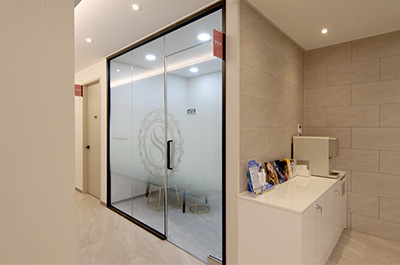
Direct answer summary
For people living in or visiting the Daecho-dong and Eunpyeong-gu area, filler-based lifting can soften nasolabial folds and marionette lines, restore mid-face and cheek volume, and help refine the jawline and chin for a fresher, lifted appearance. Filler-based lifting is not the same as a surgical facelift and may not be appropriate for very severe sagging; for many people in their 30s to 50s it can be a less invasive option with relatively short downtime.
In Daecho-dong, many residents prefer subtle changes rather than dramatic transformation. A small neighborhood clinic where one physician follows you from consultation through procedure and follow-up can be a good match for this style of lifting.
What is filler lifting and how it works
Filler lifting means using dermal fillers, most commonly based on hyaluronic acid, to restore lost volume and support in key facial areas. As we age, bone support decreases, fat pads shift downward, and the skin loses elasticity. This can create hollows under the eyes, flattened cheeks, deeper nasolabial folds, and a heavier jawline.
Instead of pulling the skin like surgery, filler lifting works by placing small amounts of filler at strategic points in the mid-face, cheeks, temples, jawline, and sometimes the chin. By rebuilding the underlying structure, the overlying skin can appear smoother and more lifted. The face often looks less tired and less saggy, even though no skin has been cut or removed.

This is a non-surgical procedure performed with injections in an outpatient setting. For most patients, the treatment time is relatively short, often from 20 to 60 minutes depending on the number of areas treated. Many people can return to daily activities soon after, although some swelling or bruising is possible.
Main effect areas of filler lifting
Mid-face and cheeks
Restoring volume in the mid-face and upper cheeks is one of the most important parts of filler lifting. When the cheeks deflate and descend, nasolabial folds look deeper and the whole face can appear tired. By carefully adding support in the upper cheek area, the mid-face can look subtly lifted and more three-dimensional.
This does not pull the skin upward like a thread or surgical lift, but it can reduce shadows and give the impression of a gentle upward effect. For many Daecho-dong residents who want natural results, this kind of mid-face support is often preferred over very aggressive lifting.
Nasolabial folds and marionette lines
Deep nasolabial folds (the lines from the nose to the mouth) and marionette lines (from the corners of the mouth downwards) can make the face look droopy or sad. Filler can be used directly in these lines or indirectly by supporting the surrounding structures.
When done conservatively, filler can soften these folds so that makeup applies more smoothly and the resting expression looks more relaxed. The goal is usually not to erase every line, but to reduce harsh shadows and heaviness while keeping natural facial movement.
Jawline and chin
The jawline and chin are key zones for a lifting impression. With age, the jawline may lose definition, jowls may appear, and the chin can look shorter or less projected. Filler placed along the jawline and in the chin can create a smoother, more continuous contour.
By defining the mandibular angle and slightly extending or projecting the chin, the lower face can look more structured. This visual sharpening of the jawline can make the lower face appear tighter, even though the skin itself has not been pulled.
Under-eye and tear trough area
Hollowness under the eyes and a deep tear trough can make the face look tired, even when you feel well-rested. In selected patients, very small amounts of filler in the tear trough or under-eye region can reduce the appearance of hollows and dark shadows.

However, this area is delicate and prone to puffiness if overfilled. Conservative dosing and experienced technique are important. Many clinics will combine under-eye filler with mid-face support so the transition from the lower eyelid to the cheek is smoother, without creating a swollen look.
Expected effects and how long they last
Onset of effect
One of the main advantages of filler lifting is that the effect is visible immediately after the procedure. You will usually see more volume and contour as soon as the injections are complete. Over the next few days, mild swelling tends to decrease and the filler settles into the tissues.
Most people feel they can judge the early result after about one week, although the final feel and integration can continue to refine over several weeks.
Duration of effect
The duration of filler lifting varies.
Factors that influence duration include
- Filler type and thickness
- Injection depth and technique
- Your metabolism and lifestyle, such as smoking, heavy exercise, or frequent sauna use
- Movement in the treated area
Because fillers are gradually broken down by the body, the results are not permanent. Many patients plan maintenance sessions at intervals recommended by the physician, which may be once a year or at other tailored timings.
Natural look versus overfilled appearance
In a residential area like Daecho-dong, many people want to look rested and slightly lifted, not obviously “done”. To achieve this, conservative, layered injection is important. Rather than placing a large amount of filler in one session, the doctor may build structure step by step and reassess.
Overuse of filler can make the face look heavy, puffy, or unnatural, especially in the mid-face and under-eye areas. A clinic that values subtle changes will usually discuss your existing facial proportions, old photos, and your personal preferences before deciding how much to inject.

Who may consider filler lifting
Typical age range and concerns
Filler lifting is often considered by people in their 30s to 50s who notice early to moderate signs of aging, such as
- Flattened cheeks or loss of mid-face volume
- Deeper nasolabial folds
- Beginning jowls or a less defined jawline
- Marionette lines that make the mouth corners look downturned
- Tired appearance from under-eye hollows
It can also be an option for slightly younger patients who have naturally weak chin projection or a less defined jawline and want more structure without surgery.
Preference for non-surgical and subtle change
Many people are not ready for surgical lifting, either because of recovery time, cost, or personal preference. Filler lifting offers a non-surgical alternative with relatively short downtime for many patients.
In Eunpyeong-gu, where many residents balance work, family, and commuting, a quick outpatient procedure that allows a return to routine within a short time can be attractive. The focus is often on looking refreshed rather than dramatically different.
When filler lifting may not be enough
In cases of severe skin laxity, very heavy tissue, or significant sagging in the neck and lower face, filler alone may not provide enough lifting effect. Adding more and more filler in an attempt to lift can actually weigh the face down and worsen the appearance.
In such situations, a combination plan may be more appropriate. This can include thread lifting to mechanically support tissues, or energy-based devices that stimulate collagen and tighten the skin. For some patients, surgical options may be the only way to achieve a major lifting effect.

A balanced plan that respects your facial structure and skin condition is more important than simply adding volume.
Filler lifting compared with thread and device lifting
Filler versus thread lifting
Filler lifting focuses on restoring volume and contour. It works like an internal support, filling in hollows and reinforcing key structural points. The effect is visible immediately, and downtime is often limited to temporary swelling or bruising.
Thread lifting uses dissolvable threads placed under the skin to physically reposition and support sagging tissues. Threads can sometimes provide a more direct lifting effect in specific areas, such as the mid-face or jawline.
Key differences include
Mechanism: Filler adds volume and structure; threads pull and support tissue.
Onset: Both show immediate changes, but threads may also stimulate collagen over time.
Discomfort and downtime: Thread lifting can involve more discomfort, tightness, or bruising compared with filler for some patients.
Duration: Both vary by product and individual; threads gradually dissolve, and the lifting effect may soften over time.
In many modern treatment plans, filler and threads are not seen as competitors but as partners. Filler can rebuild volume where it is missing, while threads can help reposition tissues that have descended.
Filler versus device lifting (ultrasound and RF)
Device-based lifting, such as ultrasound or radiofrequency systems, aims to heat deeper layers of the skin and underlying tissue to stimulate collagen production. The goal is gradual tightening and improvement in skin quality.
Differences compared with filler include
Onset: Device lifting effects tend to appear gradually over weeks to months, rather than immediately.
Action: Devices tighten and improve elasticity; fillers provide structural support and volume.
Texture: Devices may help with mild laxity and fine lines; fillers are better for hollows and contour.
A combination approach is common. For example, an energy device may be used to improve skin firmness and jawline definition, while filler is used to refine the chin, cheeks, and nasolabial folds. In Daecho-dong, where many people prefer subtle and layered improvements, this staged approach can fit well.

Safety, consultation, and planning
Importance of medical evaluation
Before any filler lifting, a thorough face-to-face consultation is important. The doctor should evaluate
- Skin thickness and elasticity
- Degree and pattern of sagging
- Existing asymmetry
- Previous procedures or fillers
- Underlying skin conditions such as rosacea, eczema, or active inflammation
A neighborhood clinic that treats both skin disease and cosmetic concerns may pay particular attention to issues like active acne, dermatitis, or infection, and may recommend treating those first if needed.
General procedure process
Pre-procedure
Before filler lifting, you can expect
- Medical history review, including chronic illnesses and previous procedures
- Medication check, especially blood thinners or supplements that may increase bruising
- Discussion of allergies and past reactions
- Standardized photo documentation for planning and follow-up
The doctor will usually ask about your main concerns, what you like and dislike about your current appearance, and what level of change you feel comfortable with.
Design and explanation
Next, the physician will mark or mentally map injection points based on facial anatomy and your goals. You should receive an explanation of
- Which areas will be treated and why
- What kind of effect you can realistically expect
- Possible side effects and how to respond
- The expected course of swelling and settling

This is a good time to ask questions and clarify any worries about looking unnatural or overfilled.
Injection process
During the procedure, a topical anesthetic cream or local anesthetic may be used to reduce discomfort. The doctor may use a fine needle or a blunt-tipped cannula, depending on the area and technique.
You might feel pressure or a brief stinging sensation. The physician may ask you to sit up or move your facial muscles during the session to assess symmetry and effect.
Post-procedure care
After filler lifting, you will usually stay in the clinic for a short observation period. Common instructions include
- Avoiding strong pressure or massage on the treated areas for a certain time
- Limiting intense exercise, sauna, and hot baths for a few days
- Avoiding alcohol immediately after the procedure
- Sleeping on your back if possible on the first night to avoid pressure on the face
Mild swelling, redness, or small bruises can appear and typically improve over several days. The clinic may schedule a follow-up visit to check the result and discuss any further adjustments.
Possible side effects and precautions
Common temporary reactions include
- Redness and swelling at injection sites
- Bruising
- Tenderness or mild discomfort
These usually improve within days. Less common but important risks include
- Vascular occlusion (blockage of a blood vessel)
- Skin discoloration or blanching
- Infection
- Asymmetry
- Lumps or irregularities
If you experience severe pain, sudden color change (pale or dark) in the skin, or unusual symptoms, it is important to contact the same clinic immediately so they can evaluate and manage the situation.
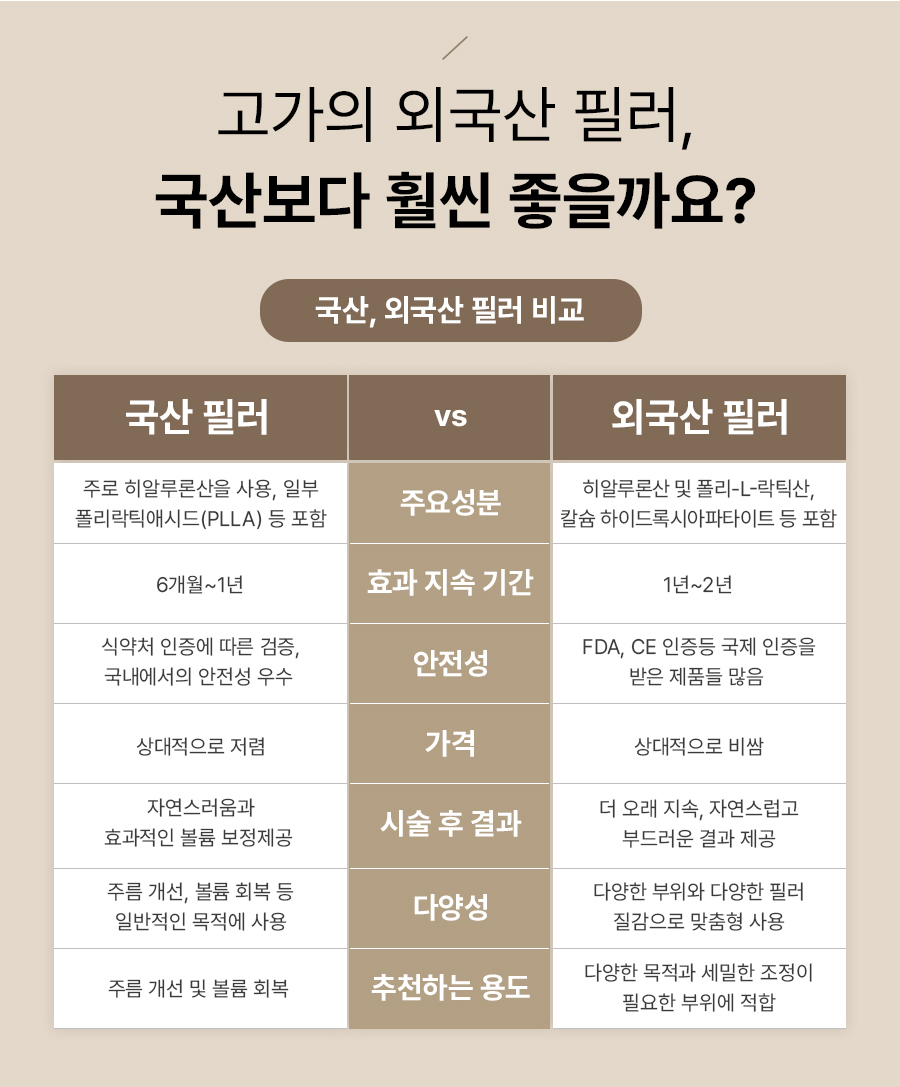
Why a one-doctor neighborhood clinic can matter
In Daecho-dong and Eunpyeong-gu, many residents prefer a calm, relationship-based medical experience over a large, fast-paced cosmetic chain. In a one-doctor clinic, the same physician handles your consultation, procedure planning, injections, and follow-up.
This continuity can help maintain consistent aesthetic goals over time. The doctor remembers your previous treatments, how your face responded, and what you liked or did not like about earlier results. Adjustments can be made gradually rather than changing plans with each visit.
This range allows the physician to recommend a combination tailored to your skin and tissue condition rather than relying on a single method for everyone.
Some clinics also address scalp concerns and hair loss, and others provide basic foot care or refer patients to specialists for foot problems. If you are an overseas patient with additional medical concerns, confirm the clinic’s full service list and whether specialists are available before booking.
Local and practical information for Daecho-dong visitors
The clinic is located in Eunpyeong-gu, convenient for residents of Daecho-dong and nearby neighborhoods. Clinic hours vary by practice; some clinics offer extended evening appointments that can help people with tight schedules. Contact the clinic directly to confirm current opening hours.
Opening days and holiday schedules differ between clinics. Before planning travel or appointments—especially as an international visitor—check the clinic’s official schedule or contact them directly to confirm weekend or holiday availability and any regular closed days.
Online consultation and pre-visit preparation for overseas patients
Before traveling to Korea, an online consultation can help you understand whether filler lifting is suitable for you and how to plan your schedule.
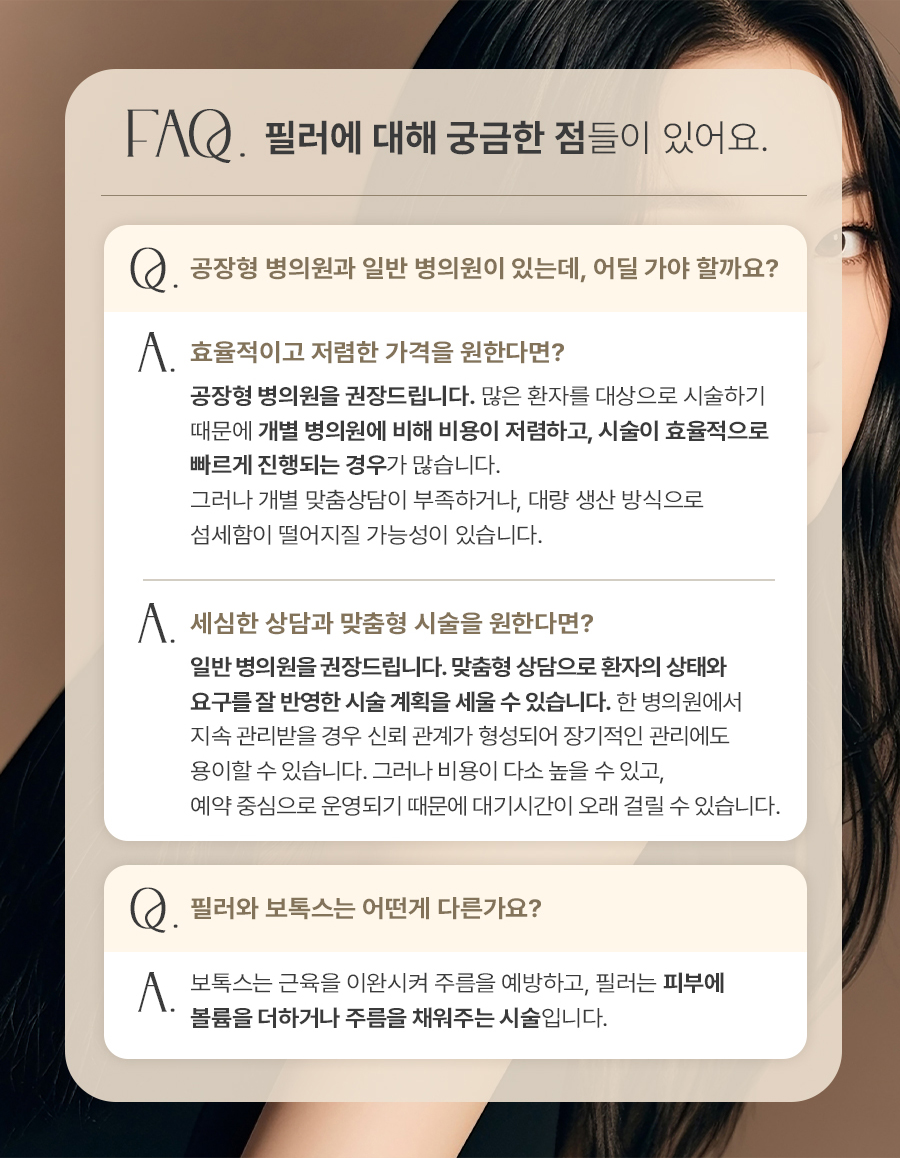
Useful steps before your online consultation
Prepare clear, recent photos of your face from the front, 45-degree angles, and both side profiles, taken in good natural light without heavy makeup or filters.
Collect information about any previous fillers, threads, or device treatments you have had, including approximate dates and areas.
List your regular medications, supplements, and any known allergies.
Think about your main concerns: for example, “deep nasolabial folds”, “tired under-eyes”, or “weak chin profile”.
Questions you may want to ask the clinic
- Which areas of my face are most suitable for filler lifting?
- Would you recommend combining filler with threads or devices in my case?
- How many visits would you expect for consultation, treatment, and follow-up during my stay?
- What kind of downtime should I plan for, considering my travel schedule?
Bringing this list to your online consultation can make the discussion more efficient and help the doctor design a realistic plan.
Expected Korea visit timeline for filler lifting
Every case is different, but a common timeline for overseas patients might look like this.
Day 1: In-person consultation
Facial examination, review of your medical history, and discussion of your goals
Photo documentation
Detailed explanation of recommended plan (filler alone or in combination with threads/devices)
If both you and the doctor agree and time allows, some patients may proceed with treatment on the same day.
Day 1 or Day 2: Filler lifting procedure
- Application of anesthetic cream if needed
- Injection session, usually 20 to 60 minutes
- Short observation period and post-care instructions
Days 2 to 5: Early recovery
Mild swelling or bruising may be present
You can usually do light sightseeing and daily activities, but it is better to avoid intense exercise, sauna, or facial massage
If you plan important photos or events, allow a few days for swelling to settle
Day 5 to 10: Optional follow-up visit
The clinic may check symmetry and settling of the filler
Minor touch-ups may be discussed if appropriate

If your stay is very short, the clinic can adjust this schedule, but it is wise to allow at least several days after the procedure before a long flight, especially if you expect bruising or swelling.
Aftercare and longer-term follow-up
In the weeks after filler lifting, you can usually return to your normal skincare routine once any injection points have healed. Gentle cleansing and sun protection are important.
General aftercare tips include
Avoid strong facial massage or high-pressure treatments on the treated areas for a period advised by the clinic
Use sunscreen daily to protect the skin and support long-term collagen health
Maintain a stable weight, as large weight changes can affect facial volume
For overseas patients, long-term follow-up is often done by sharing photos and updates online. If you notice any late-onset lumps, asymmetry, or concerns, you can contact the clinic for advice. Maintenance treatments can be planned around your future visits to Korea.
FAQ about filler lifting effects in Daecho-dong
How much lifting effect can I realistically expect from fillers?
Filler lifting can improve the appearance of sagging by restoring volume and contour, especially in the mid-face, nasolabial folds, and jawline. However, it does not tighten skin in the same way as surgery. You can generally expect a fresher, slightly lifted look rather than a dramatic transformation. The exact effect depends on your age, skin elasticity, and how much volume loss you have.
How long do filler lifting results last, and when should I plan maintenance?
Many hyaluronic acid fillers used for lifting can last from several months to over a year. Deeper structural injections in the cheeks or chin often last longer than superficial ones. Your individual metabolism, lifestyle, and the product used all influence duration. Many patients consider maintenance once a year or as recommended after follow-up evaluation.
Is filler lifting enough for my sagging, or do I need threads or devices too?
For mild to moderate sagging and volume loss, filler alone may provide a satisfying improvement. If you have heavier tissues, more pronounced jowls, or significant laxity, a combination with thread lifting or energy devices may be suggested. A face-to-face assessment is important to decide whether filler alone is reasonable or whether a combined approach would give a more balanced result.
What should I check when choosing a clinic in Daecho-dong or Eunpyeong-gu for filler lifting?

When selecting a clinic, it can be helpful to confirm that the same doctor will handle your consultation, procedure, and follow-up. Ask whether the clinic offers a range of options, including fillers, threads, and energy devices, so your plan can be tailored rather than limited to one method. Check their experience with both medical skin conditions and cosmetic treatments, and make sure they explain risks, aftercare, and realistic expectations clearly.
Soft call to action
If you are considering filler-based lifting during a visit to Korea and you will be staying near Daecho-dong or Eunpyeong-gu, an online consultation with a one-doctor neighborhood clinic can help you understand what is realistic for your face and schedule. By sharing photos and your medical history in advance, you can arrive with a clear plan for mid-face, jawline, or under-eye lifting that matches your preference for subtle, natural-looking change.
This article is for general information only and does not replace a personal consultation with a qualified medical professional. Individual assessment and treatment planning are always necessary before any procedure.
- 공유 링크 만들기
- X
- 이메일
- 기타 앱


댓글
댓글 쓰기