Bulkwang-dong acne treatment reviews and what to expect at a local clinic
- 공유 링크 만들기
- X
- 이메일
- 기타 앱
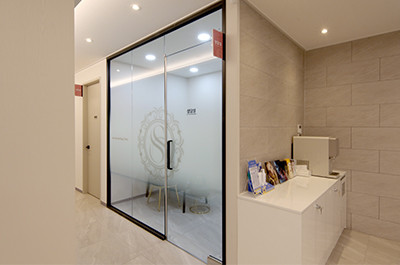
If you're looking for Bulkwang-dong acne treatment reviews, this article explains what to expect at a local doctor-led clinic: how an initial visit is typically handled, the difference between medical acne care and cosmetic procedures, and practical notes about follow-up and logistics. Note that specific clinic or provider details in the article are not independently verified—confirm directly with the clinic.
In Bulkwang-dong, some patients visit small, doctor-led clinics where acne is treated primarily as a medical condition and a single physician often oversees consultation, diagnosis, and procedures when appropriate. Expect a stepwise approach: calming inflammation with medical care when needed, then addressing marks and scars with procedures as indicated, alongside realistic expectations and regular follow-up. Verify any clinic or physician details directly with the provider.
This article explains how acne is typically evaluated and treated at this type of clinic, what the visit feels like, what kind of improvement you can reasonably expect, and how overseas patients can plan a visit to Korea for acne care in Bulkwang-dong.
Acne treatment overview in Bulkwang-dong
People who search for Bulkwang-dong acne treatment reviews often have similar concerns. They may have tried many over-the-counter products, experienced temporary improvement, and then watched their acne return. Some are worried about scars and dark marks. Others are busy students or office workers who need evening or weekend appointments close to home or to their accommodation.
At a small, doctor-led clinic in Bulkwang-dong, acne care commonly combines three elements. First, a medical diagnosis of the acne type and severity: whether lesions are mainly inflammatory (red, swollen pimples and nodules) or non-inflammatory (blackheads and whiteheads), whether a hormonal pattern is suspected, and whether scarring or pigmentation has developed. Second, disease-focused medical treatments such as topical prescriptions, oral medications, and injections for severe lesions may be recommended; some of these treatments can be covered by health insurance depending on your plan and eligibility—check with your insurer and the clinic. Third, cosmetic procedures can be offered to improve scars, texture, and lingering red or brown marks, together with lifestyle and skincare counseling to help reduce recurrence.
Because this clinic handles both general skin disease and aesthetic procedures, acne is not treated as a purely cosmetic issue. Instead, the medical aspects are addressed first, then cosmetic options are added when the skin is more stable.
Who may consider acne care in Bulkwang-dong
Overseas patients might consider coming to Bulkwang-dong for acne treatment if they match one or more of these situations.
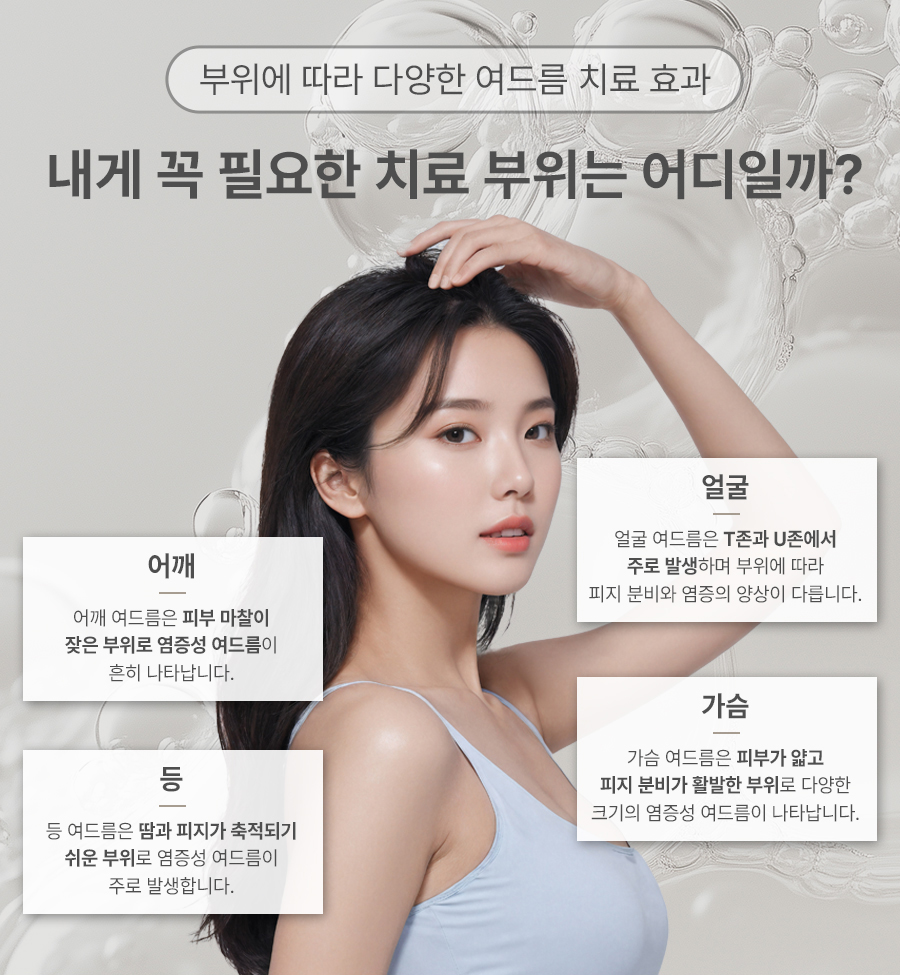
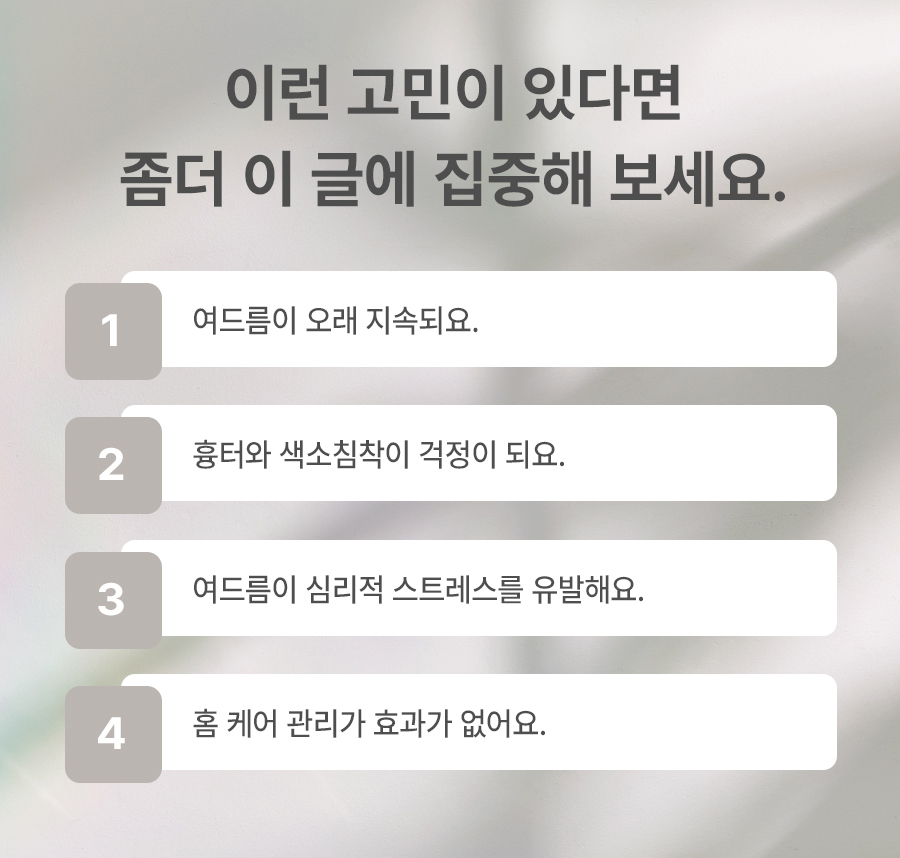
You have persistent acne that does not respond well to basic skincare or short-term treatments. You see repeated breakouts on the cheeks, forehead, jawline, or back, and you are concerned about long-term scarring.
You have mixed concerns, such as active acne plus red or brown marks, shallow scars, or uneven texture. You would like a plan that addresses both the medical and cosmetic sides in one place.
You prefer a quieter, neighborhood-style environment rather than a large commercial beauty clinic. You want the same doctor to see your skin at each visit, explain the plan, and perform or directly supervise the procedures.
You need flexible hours. The Bulkwang-dong clinic is in a residential area with operating hours that can suit students and office workers, including evenings and weekends.
For international visitors, Bulkwang-dong in Eunpyeong-gu is accessible from central Seoul by subway and bus, making it practical to combine acne care with a general stay in the city.
How acne is evaluated at a small Bulkwang-dong clinic
At this clinic, the first visit is focused on understanding your skin thoroughly rather than rushing into procedures. The process usually includes several steps.
History taking
You can expect questions about how long you have had acne, which areas are affected, and whether it flares with stress, menstrual cycles, or certain products. The doctor will ask what you have already tried, including prescription creams, antibiotics, oral medications, or clinic-based procedures in your home country.
Your current skincare routine is also important. Many patients unknowingly use harsh cleansers, frequent scrubs, or heavy cosmetics that irritate the skin. The doctor will review your cleanser, moisturizer, sunscreen, and makeup choices, and may suggest adjustments.
If you have any scalp or hair issues, such as itching, dandruff, or hair shedding, you can mention them at this stage. Because this clinic also manages scalp disease and hair loss, including scalp injections, these factors can be considered when choosing medications or procedures.
Physical examination
Next, there is a visual examination of your skin. The doctor looks closely at the face and, if needed, the back and chest to see whether body acne is present. The goal is to identify the dominant lesion types: blackheads, whiteheads, papules, pustules, nodules, or cysts.
The doctor will also assess the presence of post-inflammatory erythema (red marks), post-inflammatory hyperpigmentation (brown or darker spots), and different scar types such as shallow boxcar scars, rolling scars, or ice pick scars. This information helps determine whether you need only medical acne control, only scar care, or a combination.
Discussion of related skin conditions
Some patients have overlapping issues such as seborrheic dermatitis, sensitive skin, or scalp problems. These can influence which products and procedures are safe and effective. At this clinic, such conditions are discussed as part of the overall plan, so that acne treatment does not worsen other skin concerns.
Treatment planning for active acne
After the evaluation, Dr. Lee Hyo-su explains the treatment strategy in simple steps. For many patients, the first phase focuses on controlling active inflammation and preventing new lesions.
Topical prescriptions
Depending on your acne type, you may receive prescription creams or gels. These can include ingredients that help unclog pores, reduce bacteria, and calm inflammation. The doctor will explain how often to apply them and how to combine them with moisturizer and sunscreen to reduce irritation.
Oral medications
For moderate to severe acne, or for acne that has not responded to topical care alone, oral medications may be recommended. These can include antibiotics for limited periods, hormonal treatments in appropriate patients, or other systemic options when indicated. Because individual health conditions vary, the doctor will review your medical history, allergies, and any existing medications before prescribing.
In-clinic procedures for active lesions
In addition to home care, in-clinic procedures can help speed up improvement and reduce the risk of scarring. Common options at this Bulkwang-dong clinic include acne extraction for comedones, anti-inflammatory injections for large, painful nodules, and energy-based treatments when suitable.
Acne extraction involves carefully opening and removing clogged material from blackheads and whiteheads under sterile conditions. This can help reduce the size and number of lesions when done by a trained doctor.
Anti-inflammatory injections are used selectively for severe nodules or cysts that are painful and at high risk of leaving scars. A small amount of medication is injected into the lesion to help reduce swelling and discomfort.
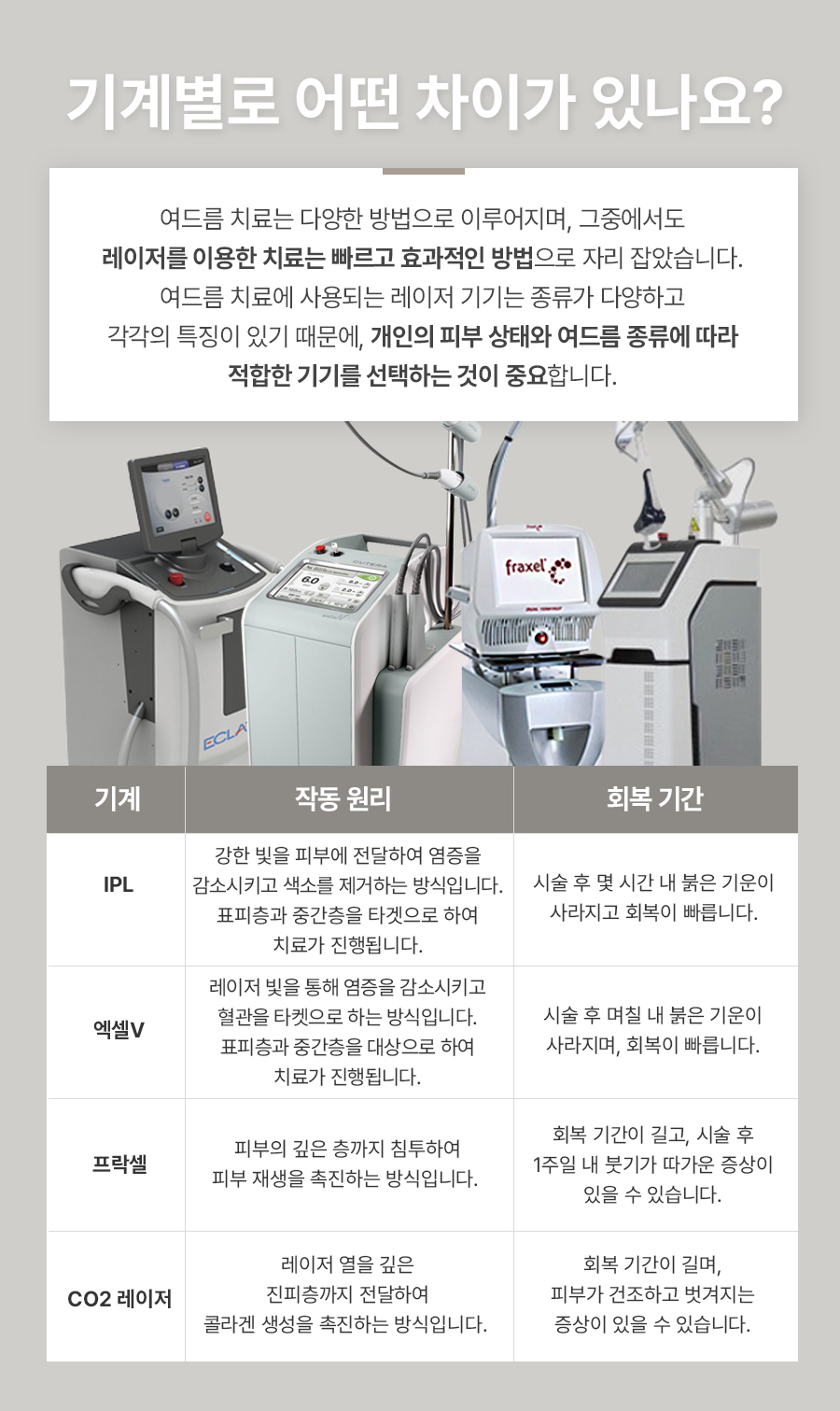
Energy-based treatments, such as certain laser or light devices, may be introduced once the skin is slightly calmer. These can help reduce redness, control oil, and improve overall texture when used in a tailored way.
Treatment planning for acne scars and marks
When active breakouts are better controlled, attention can shift more toward scars and residual marks. At this clinic, scar care is usually staged rather than done all at once.
Care for red and brown marks
For red marks, gentle laser toning or energy-based treatments can be used to help reduce visible redness over repeated sessions. Brown or darker spots may respond to a combination of topical brightening agents and low-energy toning treatments.
Because the clinic offers a range of aesthetic options, including energy-based devices, injectable treatments, and skin-toning procedures, the doctor can select combinations tailored to your specific pattern of marks and skin sensitivity. The focus is on acne-related concerns rather than general anti-aging.
Care for texture and scars
For shallow boxcar or rolling scars, procedures that stimulate collagen and remodel the skin surface may be suggested. These can include fractional laser treatments, certain energy-based devices, or targeted scar procedures. The intensity and interval are adjusted according to your skin type, lifestyle, and how far you have traveled.
Because the same doctor who evaluated your skin also performs or directly supervises these procedures, many patients feel more secure about the risk of pigmentation or worsening scars. The doctor can adjust energy levels, depth, and intervals based on how your skin reacts over time.
Integration of medical and cosmetic care
One of the main differences between this Bulkwang-dong clinic and large commercial centers is the integration of disease and cosmetic care under one physician. The clinic also treats many other skin conditions such as warts, corns, cysts, burns, and alopecia. This experience supports a medical approach to acne, where controlling inflammation and protecting the skin barrier come first, and cosmetic improvements are layered on when appropriate.
For acne patients, this means that if another skin problem appears during treatment, it can usually be evaluated and managed in the same place. It also means that cosmetic procedures are chosen with medical safety in mind, rather than as fixed packages.
What the treatment journey feels like
To give you a review-style sense of the experience, imagine a typical patient such as a college student or office worker staying in or near Bulkwang-dong.
First visit
They book an appointment, arrive at the clinic, and usually experience a relatively short waiting time compared with large commercial centers. The atmosphere is more like a neighborhood medical clinic than a beauty salon. During the consultation, they meet directly with Dr. Lee Hyo-su, who examines their skin and asks about their history, lifestyle, and previous treatments.
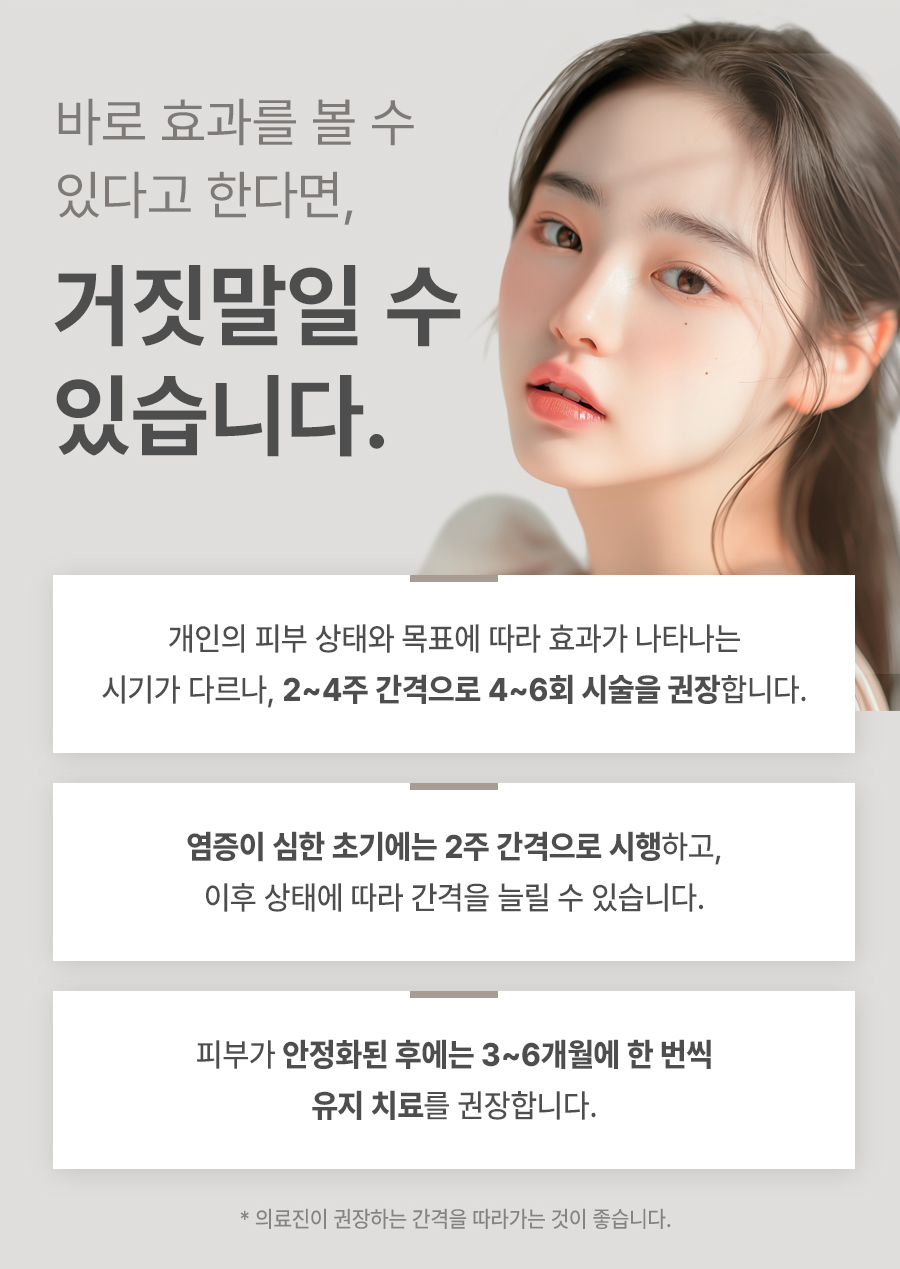
The doctor explains the type of acne they have, points out areas of active inflammation and early scarring, and outlines a step-by-step plan. For example, the first one to two months may focus on calming inflammation with topical and oral medication plus occasional in-clinic procedures. Once breakouts are less frequent, scar and mark care can begin.
Procedure experience
When in-clinic procedures are recommended, the doctor explains what each one does, how long it takes, and what kind of discomfort or downtime to expect. Many procedures can often be performed with minimal or no anesthesia, but this depends on the device and the patient’s sensitivity. The clinic aims to reduce discomfort, but individual experience varies.
After a session, patients may notice temporary redness, mild swelling, or sensitivity. The staff provides instructions on cleansing, moisturizing, and sun protection, and explains what is normal and what should prompt a call or visit.
Follow-up visits
Because the same doctor sees the patient at each visit, follow-up feels consistent. The doctor checks how the skin responded to medication and procedures, adjusts dosages if there is dryness or irritation, and decides when to introduce or pause certain treatments.
There may be occasional purging or new breakouts as clogged pores clear, but these are monitored and managed. Red marks and shallow scars tend to fade slowly with repeated sessions, rather than disappearing overnight.
Realistic expectations
The goal of treatment at this clinic is to control acne, reduce the frequency and severity of breakouts, and gradually improve marks and texture. Complete cure or permanent results cannot be promised, and maintenance care is often needed, especially for those with hormonal or stress-related patterns.
For overseas patients, it is important to understand that a single short visit may not be enough for full scar care. However, a focused period in Korea can help bring active acne under better control, set up a long-term plan, and start key procedures that can be continued or maintained later.
Local convenience for Bulkwang-dong residents and visitors
Bulkwang-dong in Eunpyeong-gu is a residential neighborhood where many people look for clinics they can visit regularly after work or on weekends. For acne, which usually requires repeated visits, this is a practical advantage.
Operating hours
Clinic operating hours can vary; confirm current hours directly with the clinic before you visit. Some clinics offer evening appointments to accommodate students and office workers who cannot attend during the day.
This weekend and holiday availability is relatively uncommon among skin-focused clinics and can be a strong plus for ongoing acne management.
The clinic is closed on Wednesdays and Thursdays. It is important to check the day of the week carefully before visiting to avoid an unnecessary trip, especially if you are coming from another part of Seoul or from overseas.
Online consultation and pre-visit preparation for overseas patients
If you are considering traveling to Korea for acne treatment in Bulkwang-dong, an online consultation is a useful first step. Before your virtual appointment or message exchange, prepare the following information.
Take clear photos of your face and any body areas with acne, in natural light, from several angles. Avoid heavy makeup so the doctor can see the true condition of your skin.
Make a list of your current and recent medications, including topical creams, oral antibiotics, hormonal treatments, and any supplements. Note any allergies or past side effects.
Write down your skincare routine, including product names, how often you use them, and any reactions you have noticed.
Think about your schedule in Korea. How long will you stay, and how many visits could you realistically make during that time? Share this with the clinic so they can suggest a plan that fits your stay.
During the online consultation, you can ask about the likely focus of your first visit, which procedures might be suitable for your skin type, and what kind of aftercare will be needed once you return home.
Expected Korea visit timeline for acne care
The ideal timeline depends on how long you can stay in Korea, but the following is a common structure for overseas patients.
Short stay of about one week
During a short stay, the priority is usually a detailed assessment, starting medical treatment, and performing one or two carefully chosen procedures that have minimal downtime. For example, you might have your first consultation and basic procedures early in the week, then a quick check before you leave.
Medium stay of two to three weeks
With more time, it becomes possible to perform a sequence of treatments. For instance, you may start with inflammation control and gentle procedures in the first week, followed by a second session focused on marks or texture in the second week. The doctor can observe how your skin responds and adjust the plan.
Longer stay of one to three months
For those who can stay longer, a more complete course of acne and scar care can be planned, with multiple sessions spaced out to allow for healing. This is closer to the experience of local patients and may provide more visible changes in both breakouts and scarring.
In all cases, the clinic will emphasize the importance of continuing appropriate skincare and, if relevant, medications after you return home. Written instructions or a summary of your treatment plan can help you and your local doctor maintain results.
Aftercare and long-term management
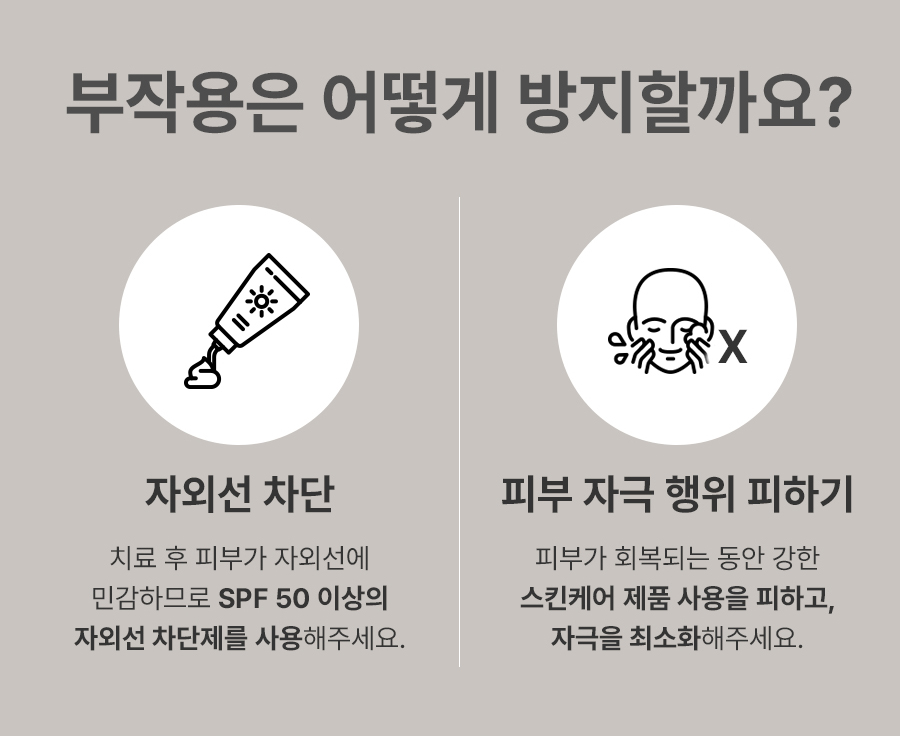
After each procedure, you will receive guidance on how to care for your skin. Typical advice includes gentle cleansing, adequate moisturizing, and diligent use of sunscreen. You may be asked to avoid harsh scrubs, strong acids, or picking at lesions, as these can worsen irritation and scarring.
If you experience temporary dryness, flaking, or sensitivity, the doctor may adjust your medication schedule or recommend barrier-supporting products. It is important to report any unusual reactions promptly so that changes can be made.
In the long term, lifestyle factors such as stress management, sleep, diet, and makeup habits can influence acne. While there is no single diet that fits everyone, the doctor may suggest general guidelines and help you identify personal triggers.
Even after significant improvement, some patients benefit from occasional maintenance visits or procedures to keep pores clear and scars gradually improving. For overseas patients, this may mean planning follow-up visits to Korea at longer intervals, combined with local care in their home country.
Frequently asked questions about Bulkwang-dong acne treatment
How many visits do I need for acne treatment in Bulkwang-dong
The number of visits depends on your acne severity, the presence of scars, and how long you can stay in Korea. Local patients often visit regularly over several months for both medical treatment and procedures. Overseas patients with a short stay may focus on assessment, starting medication, and one or two procedures, then continue care at home. During an online consultation, the doctor can suggest a realistic visit plan based on your schedule.
Can I treat both active acne and scars at the same time
In many cases, the first priority is to control active inflammation, because performing aggressive scar procedures on very inflamed skin can increase the risk of side effects. However, gentle treatments for red or brown marks may be combined with acne control once your skin tolerates them. As your breakouts become less frequent, more intensive scar treatments can be added in stages.
Are the procedures painful and is there downtime
Discomfort levels vary depending on the procedure, device settings, and your personal sensitivity. Some treatments can often be performed without anesthesia, while others may use topical numbing cream to reduce discomfort. You may experience temporary redness, warmth, or swelling after certain procedures. The clinic designs treatment plans to balance effectiveness with manageable downtime, but individual experiences differ, so it is important to discuss your pain tolerance and schedule in advance.
Is weekend treatment possible if I am busy on weekdays
Yes. The Bulkwang-dong clinic is open on Saturday, Sunday, and public holidays from 11:00 to 17:00 without a lunch break, which is convenient for those with weekday commitments. Always confirm the current schedule before you visit or book your flight.
Soft call to action for online consultation
If you are considering acne treatment in Bulkwang-dong and would like to know whether this neighborhood clinic approach suits your skin and schedule, an online consultation can be a helpful first step. By sharing photos, your treatment history, and your planned travel dates, you can receive a more personalized outline of what might be possible during your stay in Korea.
From initial diagnosis to procedures and follow-up, care at this clinic is led by one physician, Dr. Lee Hyo-su, which many patients find reassuring when they are worried about scarring or side effects. While no clinic can guarantee complete cure, a structured, medically grounded plan can help improve acne, reduce marks, and set you up for better long-term control.
This article is intended for general information only and does not replace a face-to-face consultation with a qualified doctor. Individual diagnosis and treatment plans vary, so please discuss your specific situation directly with the clinic before making medical decisions or travel arrangements.
- 공유 링크 만들기
- X
- 이메일
- 기타 앱


댓글
댓글 쓰기