Bulkwang-dong Acne Treatment Results: What to Expect from Care in Bulkwang-dong
- 공유 링크 만들기
- X
- 이메일
- 기타 앱
Direct answer for people searching Bulkwang-dong acne treatment results
In most cases, meaningful improvement comes from a combination of accurate diagnosis, a treatment plan tailored to your skin, and consistent follow-up, rather than a single one-time procedure.
At a neighborhood clinic in Bulkwang-dong where one doctor manages both skin disease and aesthetic procedures, acne care is usually approached step by step. The focus is on reducing inflammation, preventing new breakouts, and then gradually working on marks and scars, instead of promising an overnight cure.
Overview of acne treatment in Bulkwang-dong
Acne is an inflammatory condition of the hair follicles and oil glands. It is influenced by sebum production, hormones, bacteria on the skin, and lifestyle factors such as stress, sleep, and cosmetics. This means that even patients who visit the same clinic in Bulkwang-dong can have very different treatment courses and results.
In a local primary-care style clinic, acne is usually treated with a mix of medical care and procedural or aesthetic treatments. Medical care may include prescription creams and oral medications, while procedures can target both active pimples and the scars they leave behind. The doctor’s role is to choose and adjust these options based on how your skin responds over time.
Understanding why acne results differ
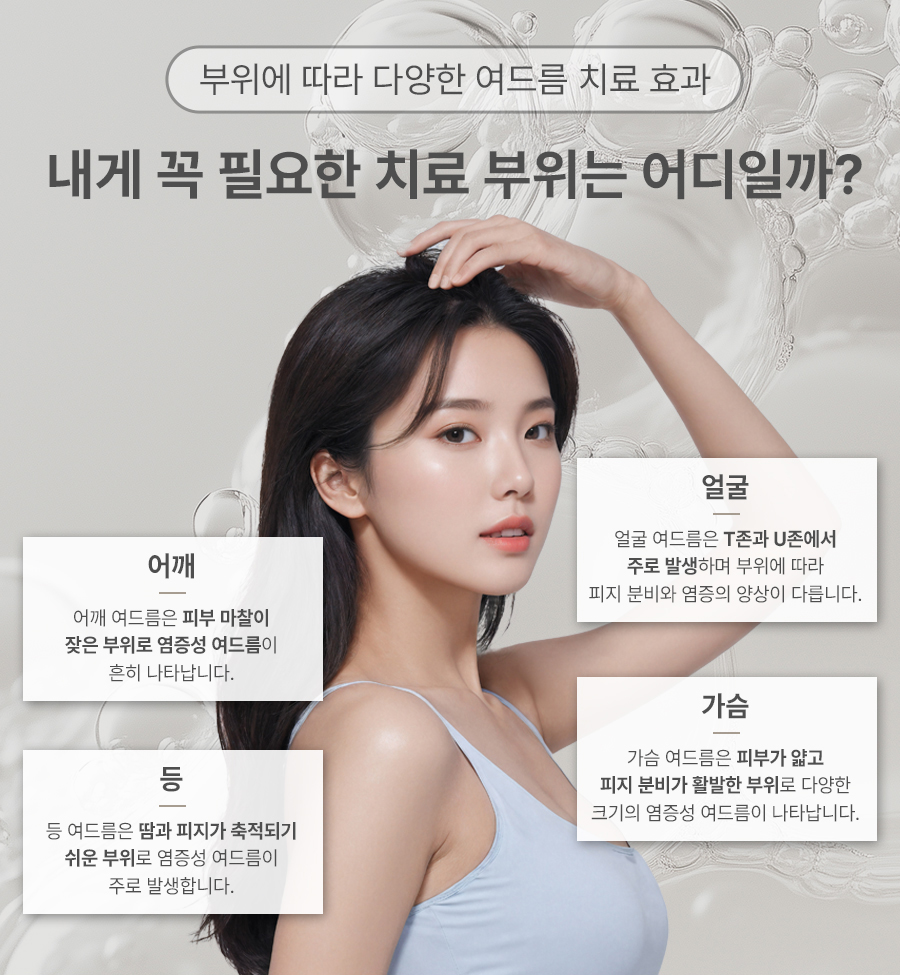
Acne is not just a cosmetic issue. It is an inflammatory process involving the hair follicle and sebaceous gland. When pores become clogged with excess sebum and dead skin cells, bacteria can multiply, leading to redness, swelling, and sometimes pain.
Results differ from person to person for several reasons. Some people mainly have whiteheads and blackheads, while others have deep, painful nodules and cysts. Sensitive skin may react more easily to medication or procedures, requiring gentler, slower adjustments. Pre-existing acne scars and pigmentation also affect how quickly the skin looks clearer.
Timing is important. Patients who start treatment early, before many scars have formed, often see smoother progress than those who have had uncontrolled acne for years. Even within Bulkwang-dong, two patients attending the same clinic can have very different timelines and outcomes because of their skin type, hormone balance, lifestyle, and how consistently they follow the plan.
Types of acne treatments usually offered in a local clinic
Medical acne care
In a Bulkwang-dong clinic that sees both medical and aesthetic cases, acne treatment usually begins with medical care.
Topical prescription treatments may include retinoid-type creams to help normalize skin turnover and prevent clogged pores, and antibiotic or anti-inflammatory creams to reduce redness and swelling. These are often used at night or once or twice daily, with the doctor adjusting the strength and frequency based on irritation.
Oral medications can be considered when acne is more widespread or inflamed. These may include oral antibiotics for a limited period to calm inflammation, or other medications tailored to the patient’s age, sex, and health status. The doctor will usually check your medical history and any other medications you are taking before prescribing.
For very painful, swollen lesions, clinicians sometimes use intralesional anti-inflammatory injections to reduce inflammation. These treatments may speed resolution of large nodules and can potentially lower the risk of scarring in selected cases, but they are not appropriate for every lesion. Discuss potential benefits, risks, and alternatives with the treating clinician.
Procedural and aesthetic treatments for active acne
Once the basic medical plan is in place, the doctor may add procedures to help manage active acne. These can include gentle extractions of comedones (whiteheads and blackheads) under clean conditions, aiming to clear clogged pores without aggressive squeezing at home.
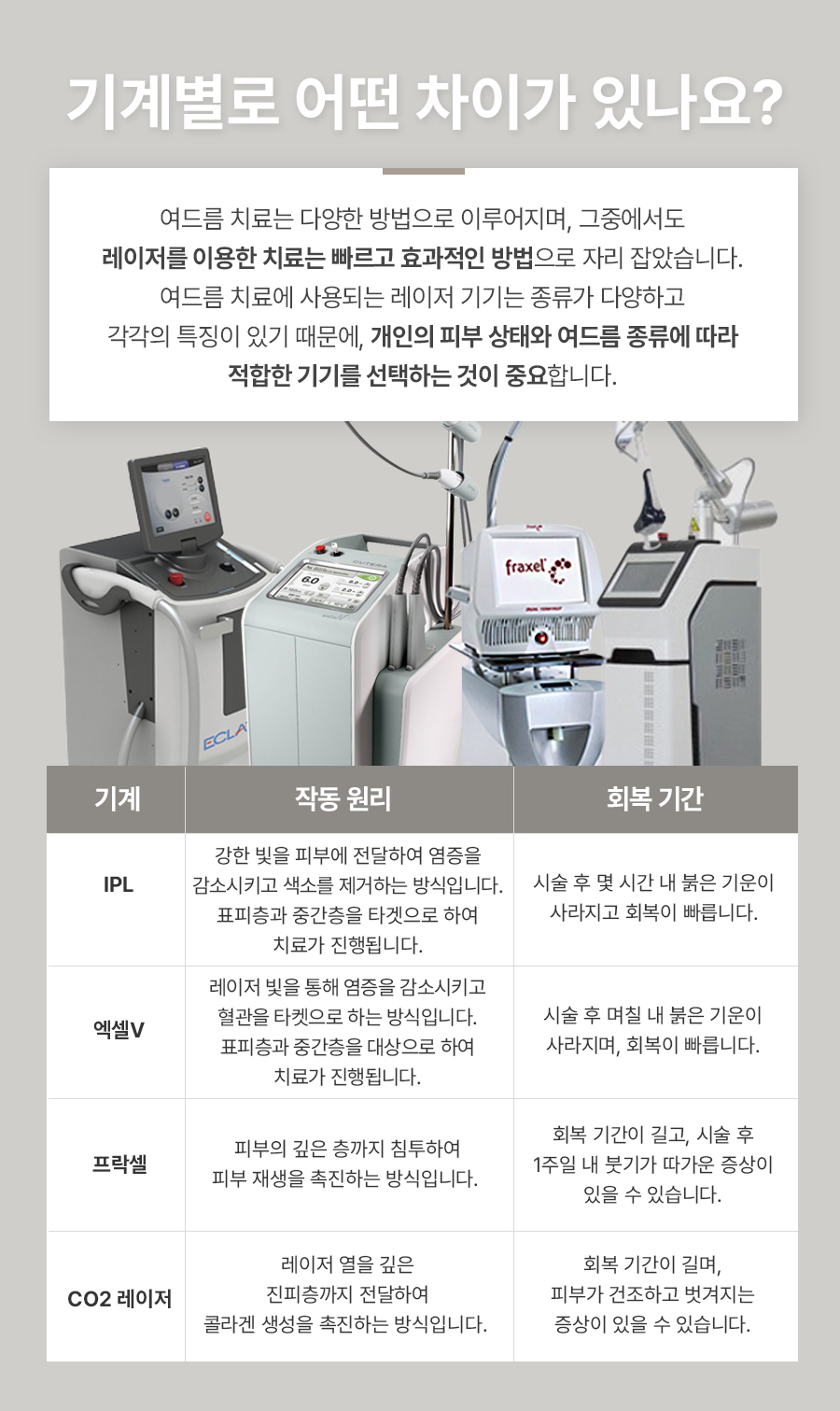
Energy-based or laser-type procedures may be used to reduce redness, control sebum, and support skin turnover. In a Bulkwang-dong clinic with several devices, the doctor can select milder or stronger settings depending on your sensitivity. These treatments may help improve the appearance of active breakouts and post-inflammatory redness over time.
Scar-focused treatments after inflammation is controlled
Once active inflammation is controlled, care can shift toward improving acne scars and uneven texture. Some clinicians use these methods to soften depressed scars and refine texture, but evidence and individual responses vary; multiple sessions over months are often needed. Discuss expected outcomes and the supporting evidence with your clinician.
Importantly, the doctor typically does not lock you into a fixed package. Instead, methods are combined and adjusted according to how your skin responds, your schedule, and your tolerance for downtime.
How this clinic’s setting can influence acne treatment results
One-doctor system and continuity of care
Confirm who will provide and supervise your care when you make an appointment.
This continuity can be helpful for acne, because the doctor quickly notices changes such as sudden flares, increased dryness, or new sensitivity. Treatment can then be adjusted without having to re-explain your history to different providers each visit. Over time, this can support more stable, realistic improvement.
Combined disease and aesthetic approach
The clinic sees a wide range of skin and scalp conditions, such as warts, cysts, burns, scalp problems, and alopecia, alongside aesthetic procedures. For acne patients, this means the doctor is used to managing inflammation, barrier damage, and sensitivity, not just cosmetic concerns.
If your acne is linked with issues like seborrheic scalp conditions, irritation from hair products, or other inflammatory skin diseases, this broader medical background can help identify and address underlying triggers. For example, adjusting scalp care or treating coexisting conditions may indirectly support better acne control.
Equipment range and tailored use
Although a single-doctor clinic may offer a range of lifting, laser, and other energy-based treatments alongside injection-based options, the specific devices and platforms available vary by clinic. Confirm the exact equipment and technologies offered with the clinic before scheduling treatment.
For acne and scars, this means there are more options to combine gentle toning, deeper fractional work, and supportive injections when appropriate.
Scalp and hair-related care for patients with combined issues
For some patients, acne on the face can coexist with scalp oiliness, dandruff-like conditions, or hair loss concerns.
While scalp treatments are not a direct cure for facial acne, managing scalp inflammation and sebum balance may help reduce overall irritation and improve comfort. During consultation, you can mention any scalp symptoms so the doctor can consider whether combined care is appropriate.
What realistic good acne treatment results look like
Realistic goals for acne treatment
When discussing Bulkwang-dong acne treatment results, it is important to define what “good results” realistically mean. In most cases, the goals include a noticeable reduction in the number and size of inflammatory lesions, less frequent and less severe breakouts over time, and gradual fading of redness and post-inflammatory marks.
Another key goal is prevention of new scars. Even if some old scars remain, reducing the number of new deep lesions can make a big difference to how your skin looks and feels in the long term.
Expected time frame for improvement
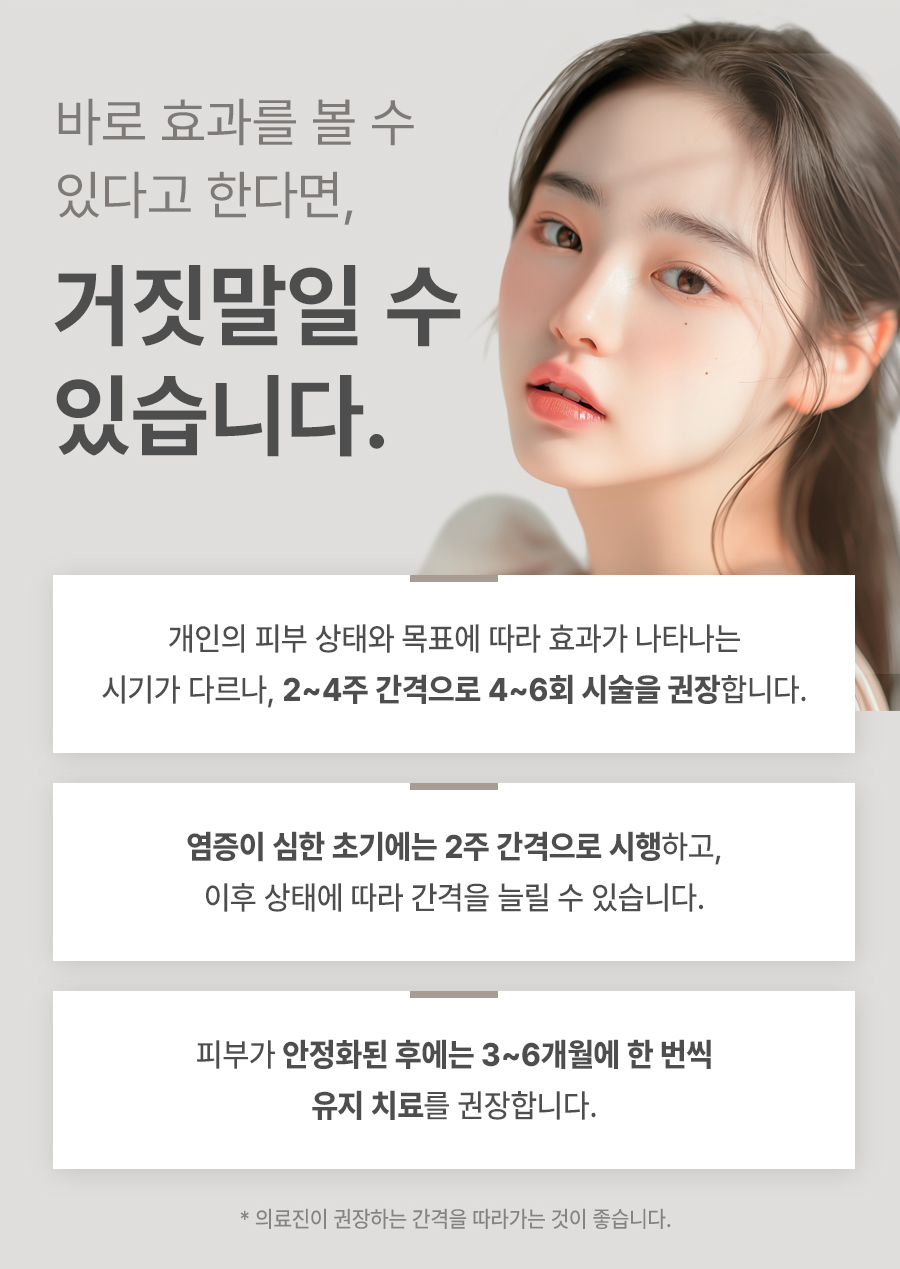
Visible improvement usually takes time. For many patients, the first changes can be seen after several weeks of consistent medical treatment, but clearer, more stable skin often requires several months. The more severe and long-standing the acne, the longer the course tends to be.
Pigmentation and scars typically need an even longer timeline. Dark marks can slowly fade with sun protection and appropriate treatments, while depressed scars may require a series of procedures spaced weeks apart. It is common to plan acne care in phases: first calming inflammation, then addressing marks and texture.
Lifestyle and home care
Clinic treatments are only part of the picture. Daily habits strongly influence acne results. Gentle cleansing, avoiding harsh scrubs, and using non-irritating, non-comedogenic products are basic but important steps. Picking or squeezing pimples at home can increase the risk of scarring and should be avoided.
Sleep, stress management, and diet can also play a role. While there is no single food that causes acne in everyone, some people notice that certain patterns, such as very high sugar intake, seem to worsen their skin. Discussing these aspects with the doctor can help you build a realistic routine that supports the medical plan.
Example of an acne treatment journey in Bulkwang-dong
First visit and initial plan
Imagine a hypothetical overseas patient visiting Bulkwang-dong for acne care. On the first visit, Dr. Lee would usually take time to examine the skin closely, ask about the duration and pattern of breakouts, previous treatments, and current skincare routine. Any history of allergies, medication use, or hormonal issues would also be reviewed.
Based on this assessment, the doctor might start with a combination of prescription topical treatment, possibly an oral medication if needed, and a simple in-clinic procedure such as gentle extraction or a mild energy-based treatment. The focus at this stage is to control inflammation while minimizing irritation.
Early phase: first 4 to 8 weeks
During the first weeks, follow-up visits are important. The doctor checks whether the skin is becoming too dry, whether new breakouts are still appearing, and how you are tolerating the medications. At this stage, some patients may experience temporary dryness or purging-type breakouts as the skin adjusts.
If necessary, the plan is adjusted: cream strength can be changed, frequency reduced or increased, and procedures modified. Some patients may add periodic in-clinic treatments to help with redness or stubborn lesions, while others may focus mainly on medical therapy at first.
Mid to long term: focusing on marks and scars
Once active inflammation is better controlled and new large pimples are less frequent, attention can gradually shift to post-inflammatory redness, pigmentation, and scars. At this stage, the doctor may suggest fractional laser, needling-type procedures, or PRP-style treatments, spaced out to allow recovery.
Throughout this journey, nothing is completely fixed in advance. Each step is adjusted based on how your skin responds, your schedule in Korea, and your comfort with downtime and sensation during procedures.
Who may consider acne treatment in Bulkwang-dong
Overseas patients who plan to stay in Seoul for several weeks or who visit regularly may consider starting or continuing acne care in Bulkwang-dong. This can be suitable if you prefer a neighborhood clinic setting rather than a large hospital, and if you value seeing the same doctor at each visit.
Patients with mixed concerns, such as active acne plus early scarring, or acne together with scalp issues, may particularly consider a clinic that handles both medical and aesthetic aspects. Those who expect instant, perfect skin in a few days, however, may need to adjust expectations; realistic improvement takes time and cooperation.
Online consultation and pre-visit preparation for overseas patients
Before traveling, it is helpful to arrange an online consultation or at least an initial contact. You can prepare by taking clear photos of your skin in natural light from several angles, and listing any current medications, skincare products, and past treatments.
During online communication, you can ask about the general approach to acne in the clinic, approximate visit frequency, and whether your planned stay in Korea is long enough for meaningful follow-up. While a full diagnosis requires an in-person examination, this pre-visit step can help you understand what to expect.
It is also useful to prepare information in advance, such as how sensitive your skin is, whether you have any known allergies, and what your main priorities are: fewer breakouts, less redness, or scar improvement. Sharing this information helps the doctor design a realistic plan from the first visit.
Expected Korea visit timeline for acne treatment
Short stay of 1 to 2 weeks
If you are staying only one to two weeks, the focus will likely be on assessment, starting or adjusting medical treatment, and possibly one or two gentle procedures with minimal downtime. The goal is to set up a routine you can continue at home, rather than completing a full course of scar treatments.
Medium stay of 3 to 6 weeks
With three to six weeks, there is time for an initial consultation, a follow-up or two to adjust medications, and a small series of procedures for active acne or redness. You may see early improvement in inflammation and begin planning later scar-focused treatments for a future visit.
Longer stay or repeated visits
Patients who live in Korea or visit regularly can follow the full phased approach: controlling inflammation, then gradually working on marks and scars. In this case, Dr. Lee can space treatments appropriately, monitor side effects, and fine-tune the plan based on seasonal changes and your lifestyle.
Aftercare and long-term management
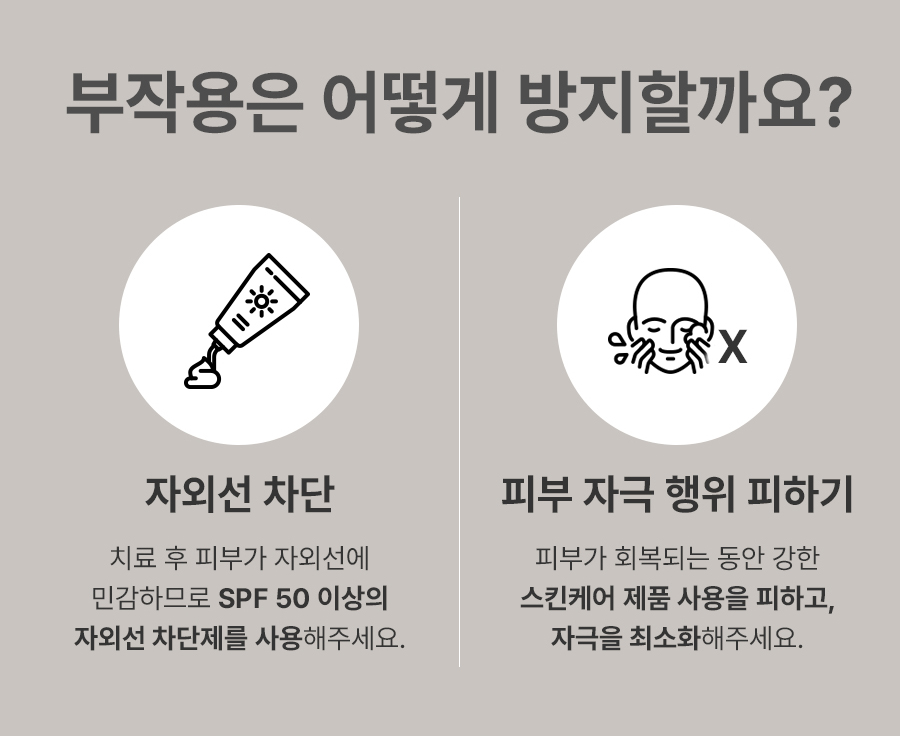
After each procedure, the clinic will usually provide instructions on cleansing, moisturizing, and sun protection. Temporary redness, mild swelling, or dryness can occur after some treatments. Following the aftercare plan helps reduce discomfort and supports better results.
In the long term, maintenance may include continued use of certain topical medications, occasional in-clinic treatments, and attention to triggers such as harsh cosmetics or irregular sleep. Acne is often a condition that needs ongoing management rather than a one-time fix, so building a sustainable routine with the doctor is important.
Safety, expectations, and what to ask during consultation
Safety and possible reactions
Most acne treatments are generally well tolerated when properly selected and monitored, but some side effects are possible. Topical medications can cause dryness, peeling, or sensitivity, especially at the beginning. Procedures may lead to temporary redness, swelling, or a feeling of tightness.
It is important to inform the doctor about any past reactions to medications or procedures. During treatment, you should report unusual symptoms such as severe burning, blistering, or prolonged swelling, so the plan can be adjusted promptly.
Questions to ask the doctor
During consultation, you may find it helpful to ask:
- What type and severity of acne do I have?
- What kind of improvement is realistic for me, and in what time frame?
- Which medications and procedures are recommended, and what are their possible side effects?
- How often should I visit, and what should I do at home between visits?
These questions help align expectations and ensure you understand the reasoning behind each step of the plan.
Practical information for visiting the Bulkwang-dong clinic
This clinic is a local internal medicine and eye clinic style practice in Bulkwang-dong, Eunpyeong-gu, suitable for residents and visitors who prefer not to travel far across the city for repeated acne visits. It combines medical care for various conditions with aesthetic procedures in one place.
Clinic hours and closure days can change. Contact the clinic by phone or consult an official listing to confirm current opening hours, lunch breaks, weekend and holiday hours, and any regular closure days before planning your visit.
If an official clinic website is not listed, use official portal listings or call the clinic directly to confirm contact details and schedule an appointment. Because schedules and availability can change, confirm current information by phone before visiting.
Frequently asked questions about Bulkwang-dong acne treatment results
How much can my acne really improve at a Bulkwang-dong clinic?
Improvement depends on your acne type, severity, and how consistently you follow the plan. Many patients see fewer and less inflamed breakouts, calmer skin, and gradual fading of marks over several months. However, complete removal of all pores or scars is not realistic, and some maintenance is usually needed.
How long does it take to see results after starting treatment?
Some patients notice early changes within a few weeks, such as fewer new large pimples or less oiliness. More visible, stable improvement often takes several months, especially for long-standing or severe acne. Scar and pigmentation treatments typically require a longer course with multiple sessions.
Can I combine acne treatment with other aesthetic procedures during my stay?
In many cases, acne care can be combined with other aesthetic treatments, but the timing and combination need to be planned carefully. The doctor will consider your skin’s sensitivity, healing time, and overall priorities. It is important not to overload the skin with too many aggressive procedures at once.
What should I prepare before my first visit as an overseas patient?
Before your first visit, prepare a list of current medications and skincare products, photos of your skin in natural light, and information about past treatments and reactions. Think about your main goals and how long you will stay in Korea. This helps the doctor design a realistic plan that fits your schedule and expectations.
Soft call to action for online consultation
If you are considering acne treatment in Bulkwang-dong and want to understand what kind of results are realistic for your skin, an online consultation can be a practical first step. By sharing photos, your medical history, and your planned travel dates, you can receive guidance on possible treatment phases, visit frequency, and aftercare.
With careful, step-by-step management and a combination of medical and aesthetic options, a local one-doctor clinic in Bulkwang-dong may offer a balanced approach to improving active acne and scars over time. For advice tailored to your situation, consider reaching out to the clinic in advance to discuss your options and plan your visit accordingly.


댓글
댓글 쓰기