Bulkwang-dong acne and scar treatment review style guide
Direct answer summary
If you are searching for Bulkwang-dong acne treatment reviews and find a small neighborhood clinic that also treats acne and acne scars, you may wonder what the experience is like. In Bulkwang-dong, Eunpyeong-gu, some clinics operate as small, single-physician neighborhood practices where a physician may manage both medical skin concerns and cosmetic acne procedures. These clinics often present a calmer, primary-care atmosphere compared with larger cosmetic chains, and may offer step-by-step care for breakouts, scars, and overall skin condition. Readers should verify clinician qualifications and the scope of services directly with the clinic.
This article summarizes patient-style impressions and practical details for overseas visitors who may be considering combining a trip to Korea with acne or acne scar care in this kind of small Bulkwang-dong clinic.
Overview of treatment style
The clinic functions as a neighborhood internal medicine and skin-focused center, not a large cosmetic franchise. Director Hyo-su Lee directly sees patients from the first consultation through to procedures and follow-up, without handing them over to another practitioner.
For acne and acne scars, the approach usually combines:
Medical acne control when breakouts are active, using topical or oral medication and basic in-clinic procedures.
Cosmetic procedures for scars, redness, and texture may be considered once inflammation has subsided; options can include laser or other energy-based treatments. Ask the clinic for details on which specific devices or modalities they use, expected outcomes, and potential risks.
Adjunctive treatments such as aqua peel or moisture-focused care when the skin barrier is weak or dehydrated.
Because the same doctor also manages skin diseases such as warts, corns, burns, scalp conditions, and allergies, patients often feel that there is more attention to inflammation, scarring risk, and safety than in purely cosmetic settings.
Why some patients choose a local Bulkwang-dong clinic for acne
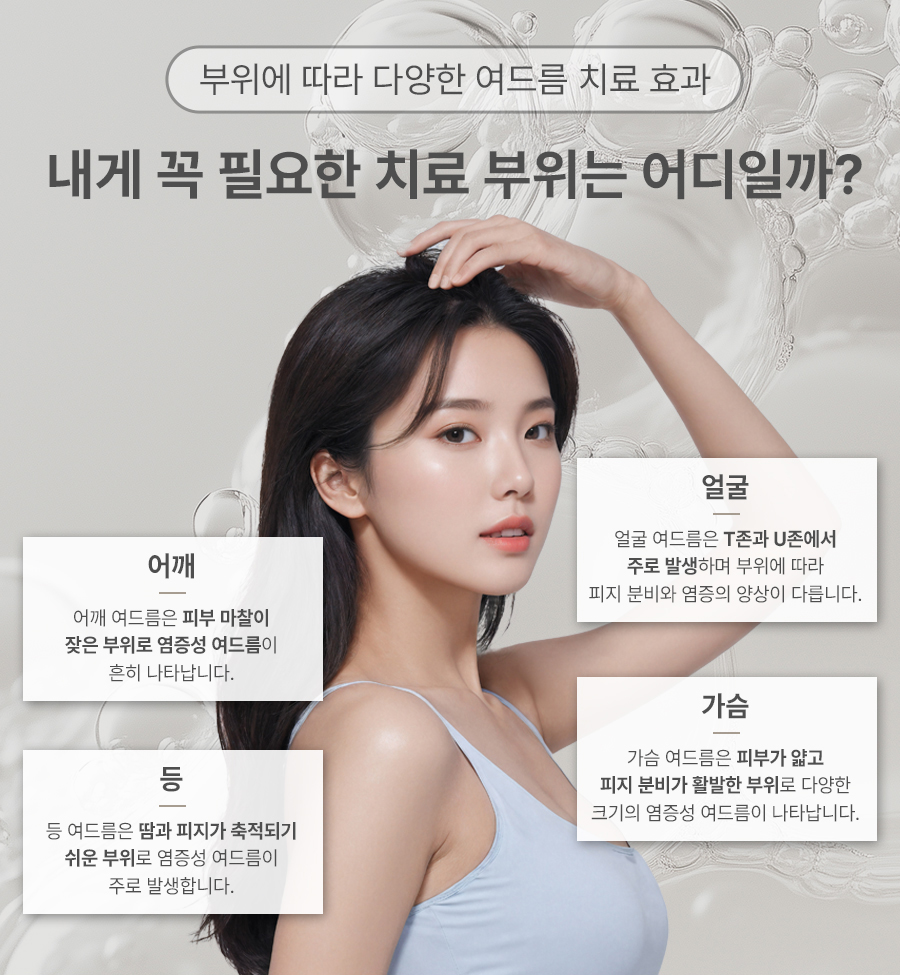
Many people searching for eye care or skin help in Bulkwang-dong compare two main options: a large, commercial cosmetic center in a busy district, or a smaller neighborhood clinic near home or accommodation. The reasons some choose the local option include:
Combined medical and cosmetic view
Patients often arrive with inflamed breakouts, redness, or painful cystic acne. In this clinic, the first step is usually medical control:
Checking whether there are underlying triggers such as hormonal changes, lifestyle, or irritation from products.
Choosing topical creams, oral medication, or simple in-clinic procedures to calm inflammation.
Only after the skin is more stable does the plan move toward scar care, pigment, and pores.
This combined view can be reassuring for people who are worried about starting aggressive laser treatment while acne is still very active.
One doctor from start to finish
A common theme in reviews is that Director Hyo-su Lee is the person patients meet at every stage:
Initial consultation and diagnosis.
Explanation of treatment choices and expected course.
Actual performance of laser, energy-based, or extraction procedures.
Follow-up checks and adjustments.
For patients who dislike repeating their story to multiple staff members, this continuity can make it easier to track progress and build trust.
Step-by-step, conservative planning
Rather than selling large packages immediately, the process tends to be gradual:
Start with medical control of inflammation.
Introduce gentle toning or basic procedures.
Move to stronger scar-focused treatments only when the skin barrier is ready.
Patients who are cautious about side effects or over-treatment often appreciate this slower, staged approach.
Example of a typical acne and scar care process
Initial visit and consultation
On a first visit, patients usually meet Director Hyo-su Lee in a standard consultation room, similar to other internal medicine clinics in Korea. The doctor may:
Ask about the history of acne, previous treatments, medications, allergies, and lifestyle.
Check the type of acne present: inflammatory (red, swollen), comedonal (whiteheads and blackheads), or mixed.
Assess skin sensitivity, dryness, and any signs of eczema, irritation, or previous scarring.
Review current skincare products to see if something is aggravating the condition.
If necessary, topical or oral medication may be prescribed to calm active breakouts. For some patients, simple in-clinic care such as gentle extraction or basic procedures may be suggested at this stage.
Planning procedures for scars and redness
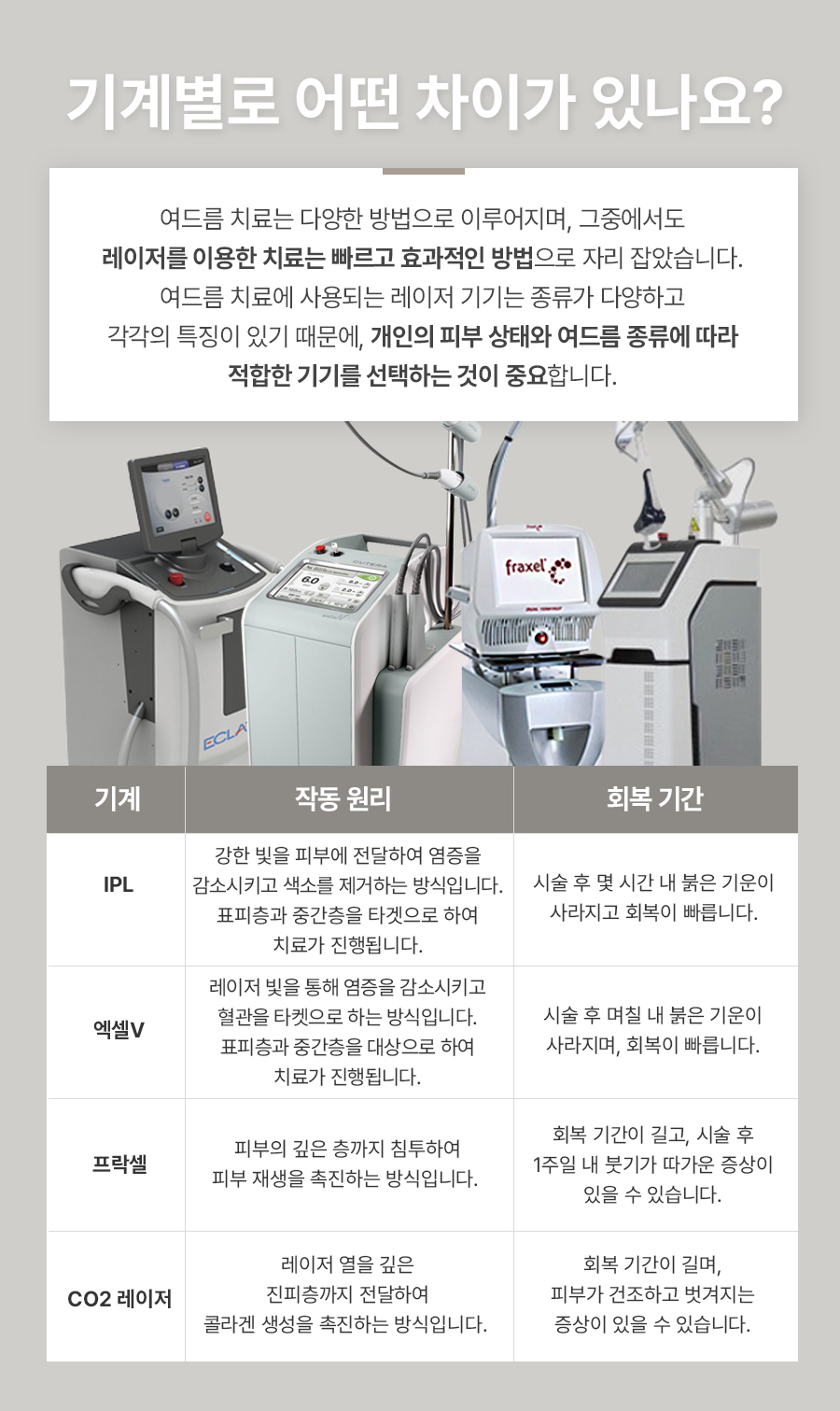
Once breakouts are more controlled, the discussion may move toward cosmetic options for scars and uneven tone. Depending on the devices available, this can include:
Toning-type lasers to help with redness and post-inflammatory pigment.
Energy-based lifting devices that can also support texture and mild laxity.
Scar-focused procedures for depressed scars or uneven surface.
Adjunctive treatments such as aqua peel for clogged pores, or moisture-focused care for dry, sensitive skin.
The key point is that the same doctor explains the pros and cons, likely downtime, and realistic expectations for each option, and then personally performs the procedure.
What a session may feel like
Patients typically describe sensations such as:
Mild warmth or tingling during laser or energy-based treatments.
Short periods of prickling or stinging, especially on bony areas or sensitive zones.
Temporary redness or slight swelling after the session.
To reduce discomfort, numbing cream may be applied before certain procedures, and cooling may be used afterward. The doctor usually adjusts the settings based on skin type, pain tolerance, and previous response, rather than pushing for maximum intensity at the first visit.
Follow-up and home care
Follow-up visits are used to:
Check how the skin reacted to the last session.
Adjust medication, if any, and decide on the interval until the next procedure.
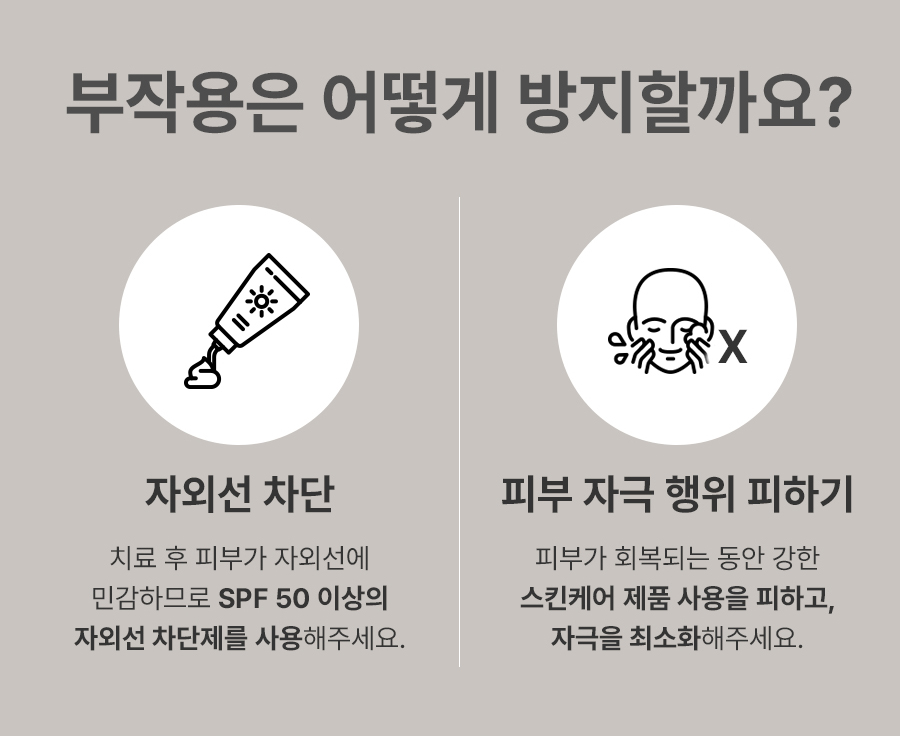
Review home care, including gentle cleansing, moisturizers, and sun protection.
Patients are often advised to avoid harsh scrubs, strong acids, or new irritant products right after procedures, and to use sunscreen regularly to protect healing skin.
Patient-style review points
Convenient hours for busy schedules
For people living, studying, or working in Bulkwang-dong and nearby areas of Eunpyeong-gu, the opening hours are often mentioned as a practical advantage:
Clinic hours can vary; some local clinics offer evening weekday appointments and limited weekend availability. Confirm the current opening hours, lunch breaks, and holiday closures with the clinic before planning a visit.
Weekends and public holidays: 11:00 to 17:00, without a lunch break. This helps those who cannot come on weekdays.
Closed on Wednesdays and Thursdays, so patients need to plan around these days.
Continuity with the same doctor
Patients often comment that seeing the same physician each time makes it easier to:
Compare progress with photos or notes.
Discuss subtle changes in skin condition.
Adjust the plan quickly if side effects or new concerns appear.
This continuity can be particularly important for acne and scars, which usually require multiple sessions over several months.
Realistic expectations and gradual improvement
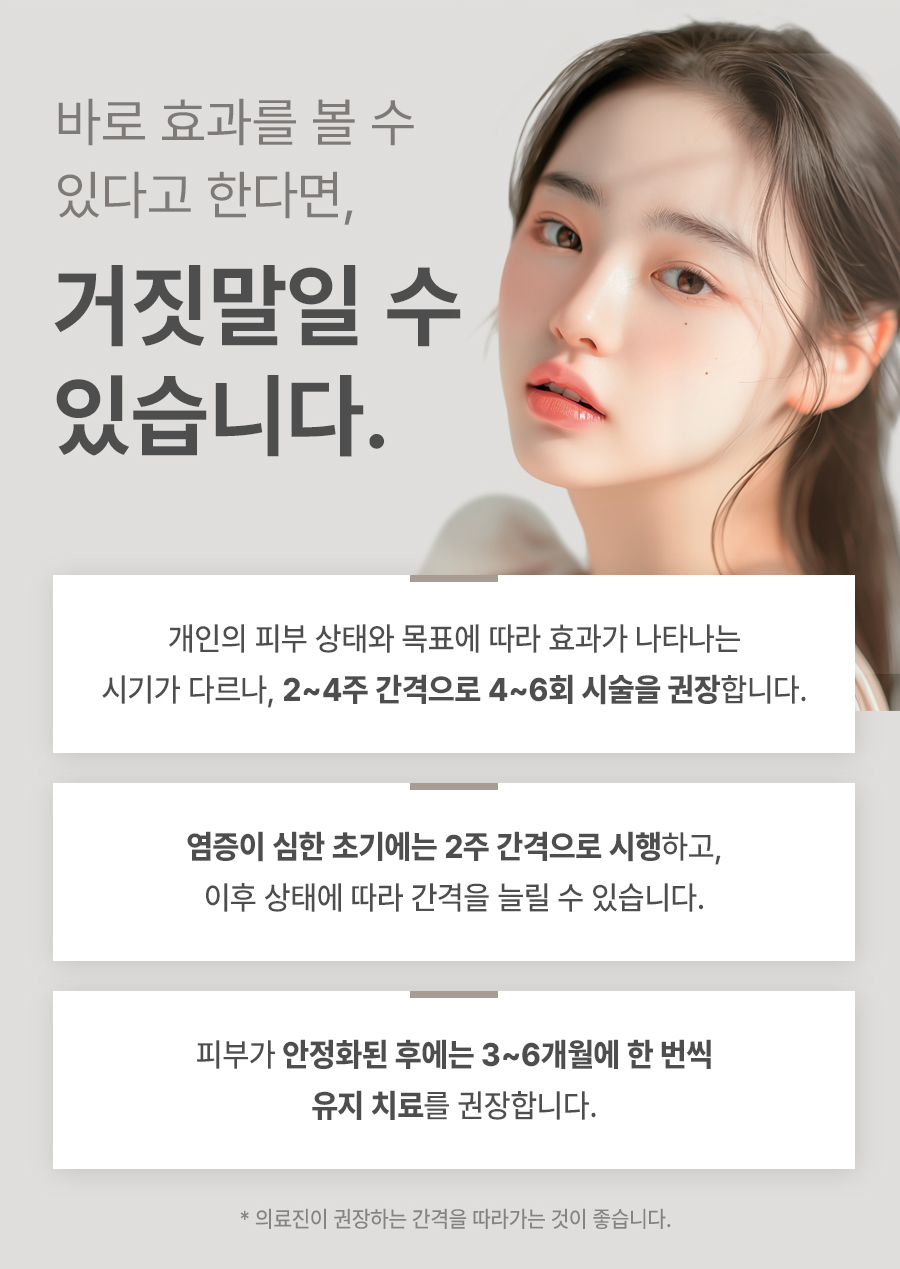
Reviews tend to emphasize gradual change rather than instant transformation:
Breakouts may start to calm over several weeks with proper medication and basic procedures.
Scars, pores, and pigment usually require repeated sessions with lasers or energy-based devices, spaced out to allow the skin to recover.
Temporary redness, dryness, or mild flaking can appear after some procedures, and patients are informed about this in advance.
Environment and atmosphere
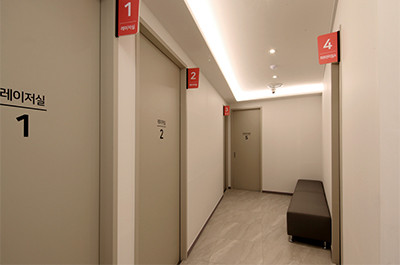
Some reviewers report a compact waiting area and consultation rooms rather than a large, luxury-style lobby.
A compact waiting area and consultation rooms rather than a large, luxury-style lobby.
More focus on medical explanation and safety than on package sales or aggressive marketing.
A mix of patients coming for internal medicine, skin disease, foot care, and cosmetic procedures, which reinforces the sense of a general community clinic.
Who this Bulkwang-dong clinic may suit
Residents and visitors in Eunpyeong-gu
People who live or stay in Bulkwang-dong, Eunpyeong-gu, or nearby districts may find it convenient to choose a clinic within walking or short commuting distance. This is especially helpful because acne and scar care usually require repeated visits.
Those who prefer a doctor-led, medical-plus-cosmetic approach
This type of clinic may suit individuals who:
Want a physician who regularly treats skin disease to also handle their cosmetic acne procedures.
Feel uneasy about purely cosmetic marketing and prefer a more clinical, explanation-based style.
Value conservative, step-by-step planning rather than aggressive one-time treatments.
Patients needing flexible hours
Students, office workers, and overseas visitors with tight schedules may appreciate:
Evening hours on weekdays.
Availability on weekends and public holidays.
The ability to schedule follow-ups without taking too much time away from work or travel activities.
Online consultation and pre-visit preparation for overseas patients
If you are visiting Korea from overseas and considering acne or scar care in Bulkwang-dong, some preparation can make your visit smoother.
Before you contact the clinic
Prepare the following information:
Clear photos of your skin in natural light, without heavy makeup or filters.
A list of current and recent medications, including any acne drugs, hormonal treatments, or supplements.
Names of skincare products you are using, especially acids, retinoids, or strong actives.
Any history of allergies, keloid scarring, or strong reactions to previous procedures.
Questions to ask during online or first consultation
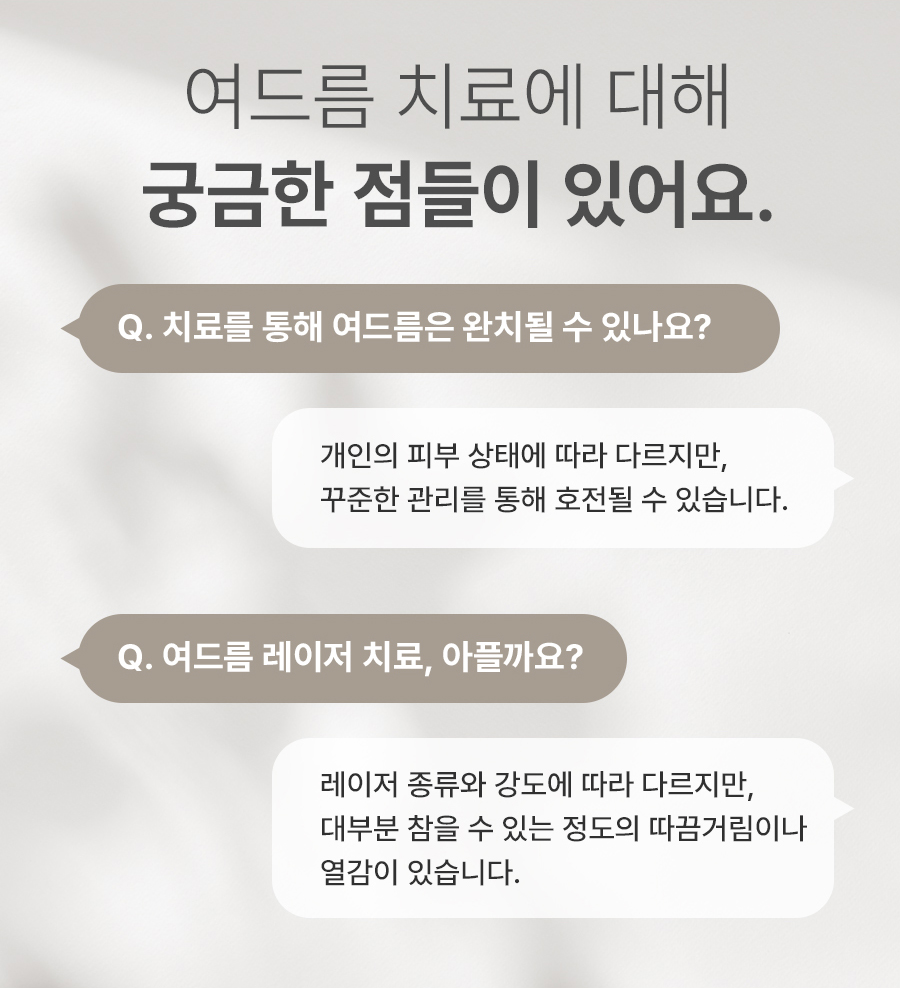
You may want to note down questions such as:
How many sessions are usually recommended for acne and for scars at my level?
What types of devices or procedures are typically used for my skin type?
What is the expected downtime after each session (redness, swelling, peeling)?
How long should I stay in Korea between sessions, if I plan multiple visits in one trip?
Are there any medications or products I should stop before coming?
Because this clinic does not have an official website and is mainly listed on local map or portal services, overseas patients often rely on messaging apps or phone calls to arrange visits. It can be helpful to ask if English communication is available or to bring a Korean-speaking companion if needed.
Expected Korea visit timeline for acne and scar care
Short trip: 1 to 2 weeks
If you have only a short stay, the focus will usually be on:
Medical assessment and starting appropriate medication.
One or two basic procedures, such as gentle toning or aqua peel, depending on skin condition.
Education on home care and how to continue treatment after returning home.
In this case, the goal is to stabilize the skin and provide a realistic plan, rather than complete scar correction.
Medium stay: 3 to 4 weeks
With more time, it may be possible to:
Calm active breakouts with medication and initial procedures.
Start early scar or texture treatments once inflammation is better controlled.
Schedule two or more sessions of certain devices, with intervals of one to two weeks, depending on the procedure and skin response.
Longer-term plan: repeated visits to Korea
Some overseas patients who visit Korea regularly for work or family reasons may:
Use each trip to receive one or two sessions of scar-focused treatments.
Maintain medical control of acne between trips with prescriptions and careful home care.
Gradually build improvement over several months to a year, rather than expecting rapid change in a single visit.
Aftercare and daily life during treatment
Immediately after procedures
Right after a session, you may experience:
Redness, warmth, or mild swelling.
Tightness or dryness of the skin.
Occasional pinpoint scabs or flaking, depending on the procedure.
The clinic usually provides basic instructions, which may include:
Avoiding hot baths, saunas, or intense exercise for a short period.
Using gentle, non-irritating cleansers and moisturizers.
Applying sunscreen regularly and avoiding direct, intense sun exposure.
Short-term lifestyle adjustments
During your stay in Korea, it can help to:
Plan sightseeing or outdoor activities on days when your skin is less reactive.
Avoid trying many new skincare products at once.
Keep alcohol intake moderate, as it can sometimes worsen redness or swelling.
Long-term maintenance
For lasting improvement, patients are usually advised to:
Continue appropriate acne medication or topical care as directed.
Maintain a simple, consistent skincare routine.
Return for follow-up sessions at intervals suggested by the doctor, if possible.
Some clinics may offer adjunctive services such as IV drips for general fatigue or wellness, but these are not established as direct cosmetic treatments for acne or scarring. Consult a physician about indications, evidence, and potential risks before considering such services.
Frequently asked questions
How many sessions are usually needed for acne scars?
The number of sessions depends on the depth and type of scars, skin type, and how well acne is controlled. Many patients require multiple sessions over several months to see noticeable changes in texture and scars. The doctor typically starts with conservative settings and adjusts based on response, so a precise number can only be estimated after in-person evaluation.
Is there a lot of pain during the procedures?
Most patients describe the sensation as warmth, tingling, or brief prickling rather than severe pain. Numbing cream is often used for more intense procedures, and cooling can be applied afterward. However, sensitivity varies by person and by device, so some discomfort is possible, and completely painless treatment cannot be promised.
Can I do acne and scar treatment during a short trip to Korea?
Yes, it is possible to start treatment during a short trip, but expectations should be realistic. In a one to two week stay, the focus is usually on assessing your skin, beginning medical control of acne, and performing one or two suitable procedures. Significant scar improvement generally requires repeated sessions over a longer period.
Are there any side effects I should be aware of?
Temporary redness, swelling, dryness, or mild flaking are relatively common after many acne and scar procedures. In some cases, pigment changes or more prolonged irritation can occur, especially in sensitive or darker skin types. This is why a careful consultation, conservative planning, and strict adherence to aftercare and sun protection are important.
Soft call to action for online consultation
If you are considering combining a visit to Korea with acne or scar care in Bulkwang-dong, it can be helpful to start with an online or remote consultation. Preparing clear photos, a list of medications, and your travel schedule will allow the clinic to suggest whether a short-term plan is realistic for you.
A small, neighborhood clinic in Bulkwang-dong, where Director Hyo-su Lee personally manages both medical acne control and cosmetic procedures, may be a practical option for those who value continuity and a cautious, step-by-step approach. Before you finalize your itinerary, confirm the current opening hours, including the Wednesday and Thursday closure, and arrange an in-person consultation to receive a plan tailored to your skin and your travel timeline.


댓글
댓글 쓰기