Acne Treatment Near Eungam Station: How a Single-Doctor Clinic Can Follow You Through
- 공유 링크 만들기
- X
- 이메일
- 기타 앱
Direct answer for patients searching near Eungam Station
This arrangement can suit international visitors who want a medically grounded approach to breakouts and scarring and who need flexible appointment times. Always confirm a clinic’s specific services, staffing, and hours directly before booking.
This guide explains how medical acne treatment works in Korea, what to check when choosing a clinic near Eungam Station, how an integrated program under one doctor is usually organized, and what kind of visit schedule and aftercare to expect if you are coming from overseas.
Why medical acne treatment matters
Acne is not only a cosmetic issue. It is an inflammatory skin disease that can leave long-lasting scars and pigmentation, especially if lesions are squeezed or picked at home. In many cases, early medical treatment can reduce inflammation, help prevent new breakouts, and lower the chance of permanent scarring.
In a local internal medicine and skin-focused clinic near Eungam Station, acne is usually approached in three layers.
First, the doctor identifies and treats active lesions. This includes red, painful inflammatory acne, whiteheads and blackheads from clogged pores, and deeper nodules. Depending on your condition, the doctor may recommend topical creams, oral medication, in-clinic procedures, or a combination.
Second, once inflammation is more stable, attention often shifts to marks and scars. Post-acne redness, brown spots, and depressed scars can be addressed step by step using lasers, energy-based devices, and sometimes skin boosters or injectables, according to your individual assessment.
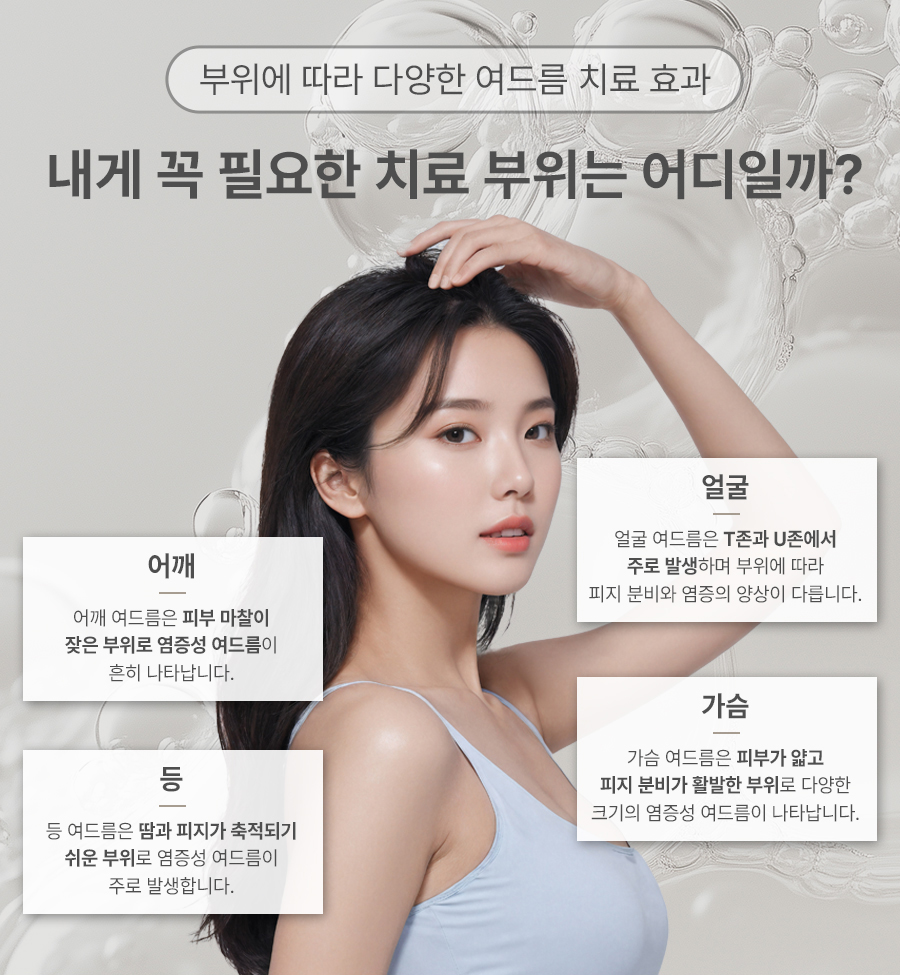
Third, maintenance and home care are discussed. Daily cleansing, moisturizers, sunscreen, and sometimes simple in-clinic skin management can support long-term control of breakouts.
Because acne can flare and calm over months, continuity with the same doctor is helpful. A single-doctor clinic can follow your skin over time, adjust medication doses, and decide when to move from active acne control to scar and texture care.
What to check when choosing an acne clinic near Eungam Station
If you are staying or living near Eungam Station and searching for acne treatment, you will see many options, from large chain aesthetic centers to small neighborhood clinics. For persistent acne and scars, it is useful to check a few points before you book.
Doctor involvement and background
Look for a clinic where the doctor who sees you in consultation is also the one who performs or directly supervises procedures.
It can also help if the doctor routinely treats general skin disease, not only cosmetic procedures. At this type of clinic, the same physician handles insured conditions such as warts, corns, cysts, scalp problems, burns, and allergy testing. This experience with inflammatory and chronic skin issues supports a more medical view of acne rather than treating it as purely aesthetic.
Continuity of care
Acne usually does not resolve in one visit. Ask whether you will see the same doctor each time and how follow-up is organized. In a single-doctor system, the physician can track how your acne responds to medication, decide when to add or pause procedures, and gradually introduce scar care when your skin is ready.
Range of treatments for acne and scars
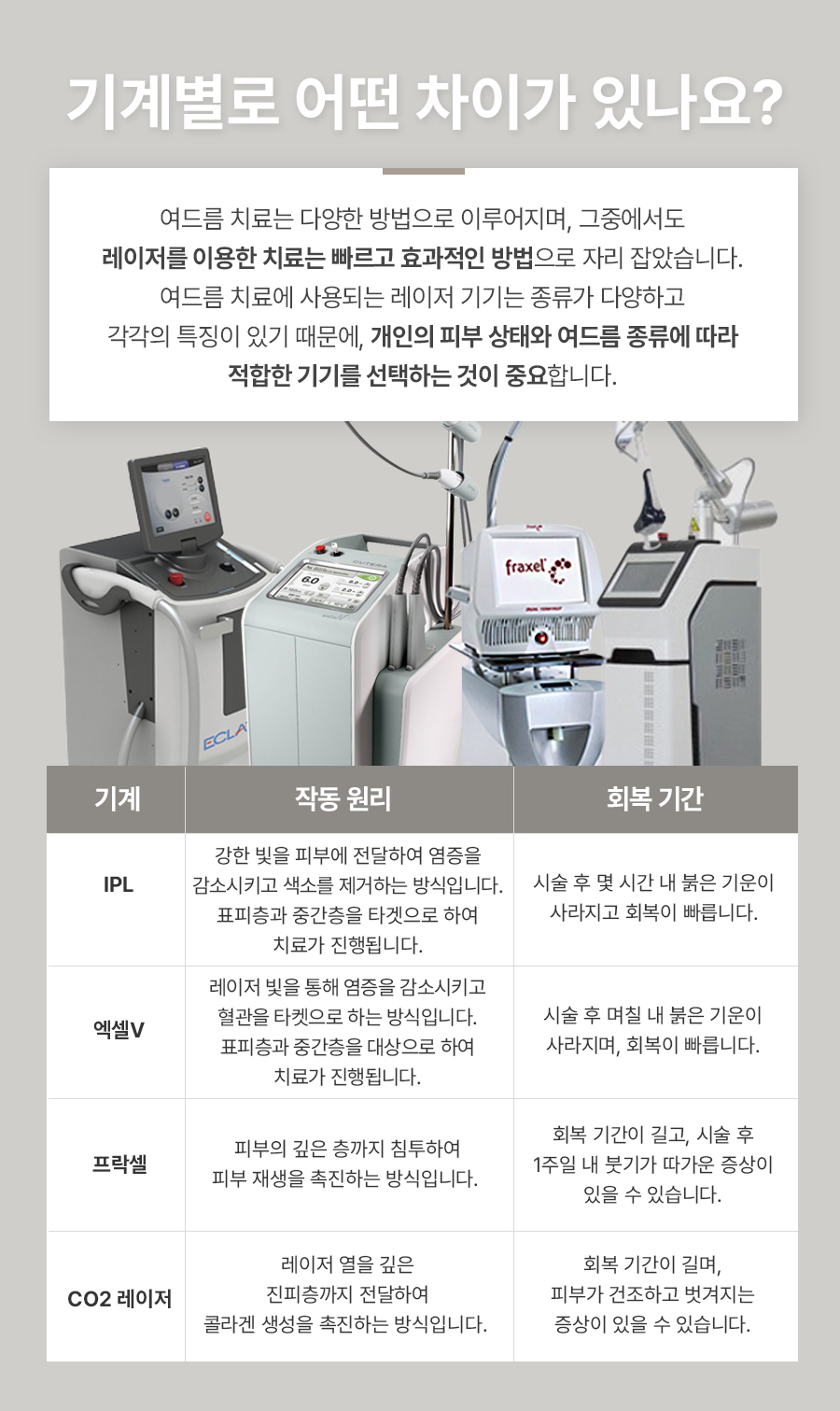
For active acne, clinics may offer topical and oral medications, gentle extractions, anti-inflammatory procedures, and basic skin management. For scars and pigmentation, it is helpful if the clinic has access to several treatment categories, for example: toning lasers; fractional or resurfacing devices; skin boosters or volumizing injectables; and noninvasive lifting or tightening equipment. Confirm the exact devices and branded products used with the clinic, as availability varies.
Toning lasers, including Genesis-style and Alexandrite-based toning, which may be used to improve redness and pigmentation after acne.
Fractional or energy-based devices that can be used, when appropriate, for acne scars and overall skin texture.
Skin boosters such as Rejuran Healer and volumizing injectables like Juvelook-type products, which can sometimes be considered for depressed scars or general skin quality after careful evaluation.
They should be seen as supportive options, not the main solution for acne itself.
Basic skin management options, for example Aquapeel, hydrating care, and water-drop lifting, which may help with sebum control and hydration as adjunctive care.
Accessibility and schedule
Many people with acne are students or office workers who cannot easily visit during daytime. The clinic near Eungam Station offers weekday evening hours until 20:00, and is open on Saturdays, Sundays, and public holidays, which makes regular follow-up more realistic.
For international patients, this schedule can be helpful if you are combining treatment with sightseeing or work. You can often arrange visits in the evening or on weekends without losing daytime hours.
Integrated acne program at a single-doctor clinic near Eungam Station
Below is an example of how an integrated acne program may look at a local clinic in Eunpyeong-gu, managed from start to finish by one doctor.
First visit: consultation and assessment
On your first visit, you meet directly with Dr. Lee Hyo-su. The doctor takes a detailed history, including how long you have had acne, previous treatments, medication you are taking, your skin-care routine, and any special concerns such as scarring or pigmentation.
During the skin examination, the doctor differentiates between several elements:
Active inflammatory acne: red, swollen, sometimes painful lesions.
Comedones: clogged pores, whiteheads, and blackheads.
Existing scars and marks: depressed scars, raised scars, redness, and brown spots.
Based on this, the doctor explains which problems should be addressed first. For example, if you have many inflamed lesions, the initial focus is usually calming inflammation and preventing new breakouts before starting aggressive scar procedures.
Short-term plan: calming active acne
In the early phase, the plan often includes:
Topical medication such as retinoid creams, benzoyl peroxide, or other prescription products, adjusted to your skin sensitivity.
Oral medication when needed, for example antibiotics for a limited period, or other systemic treatments depending on your condition and medical history.
In-clinic procedures to help control sebum, reduce inflammation, and clear clogged pores. This may include gentle extraction, light-based treatments, or specific devices chosen by the doctor.
Basic skin management such as Aquapeel or hydrating care can be added to support cleansing and moisture balance, especially for patients who struggle with both oiliness and dryness.
The same doctor reviews your response at each follow-up, adjusts medication doses, and modifies the interval between procedures according to how your skin behaves.
Mid-term plan: scars, marks, and texture
Once active inflammation is more stable, attention can gradually shift toward marks and scars.
For redness and pigmentation after acne, toning lasers such as Genesis-style or Alexandrite-based toning may be used. These treatments are generally designed to be gentle and may be scheduled at intervals recommended by the doctor.
For depressed scars or uneven texture, the clinic may combine fractional or energy-based devices with skin boosters. Rejuran Healer can be considered to support overall skin quality, while Juvelook-type volumizing injectables may be suggested for certain depressed scars. The exact combination depends on scar type, depth, and your tolerance for downtime.
Lifting and tightening devices like Inmode, Shurink Universe, Tencera, and Ten Triple are mainly used for contour and elasticity. In some patients, they may also contribute to a firmer look and improved pore appearance, but they are usually not the primary method for controlling acne.
Throughout this stage, the doctor continues to monitor for any new breakouts and may keep you on a simplified acne regimen to prevent recurrence while working on scars.
Maintenance and long-term care
After the main course of treatment, many patients move into a maintenance phase. This may include:
A stable home-care routine with appropriate cleanser, moisturizer, and sunscreen.
Occasional clinic visits for mild procedures or skin management when needed.
Review of lifestyle factors such as stress, sleep, and diet, which can influence acne in some individuals.
Because the same physician has followed your skin from the beginning, they can usually recognize early signs of flare-ups and adjust your plan before problems become severe again.
Who may consider acne treatment near Eungam Station
International patients staying in or near Eunpyeong-gu
If you are in Seoul for study, work, or a medium-term stay and live near Eungam Station, a neighborhood clinic with evening and weekend hours can be more practical than a large center far away. You can fit visits around your schedule and avoid long travel times.
Short-stay medical tourists
If you are visiting Korea mainly for medical care and sightseeing, you can still benefit from a short, structured acne program. In one or two weeks, it is possible to:
Have a detailed consultation and start medical treatment.
Receive a few initial procedures for inflammation control or gentle toning.
Get a clear home-care and medication plan to continue after you leave Korea.
For deeper scar treatment, more time and repeated sessions are usually needed, so this is better suited for patients who can return to Korea or who are staying longer.
Patients with both acne and other skin or scalp issues
Some people with acne also have scalp problems, hair shedding, or conditions like alopecia areata. The clinic near Eungam Station also manages scalp conditions and offers scalp injections when appropriate. This broader experience with inflammatory conditions supports a more comprehensive view of your skin health.
Patients who prefer one doctor from start to finish
If you feel uncomfortable with changing doctors or being treated by different practitioners at each visit, a single-doctor clinic can be a good match. You know who will see you, who will perform procedures, and who will adjust your plan over time.
Online consultation and pre-visit preparation
Before you visit the clinic in person, it is helpful to prepare some information and, if possible, arrange an online or remote consultation.
Information to prepare
Duration and pattern of your acne: when it started, whether it is cyclical, and which areas are affected.
Previous treatments: creams, oral medication, procedures, and how you responded.
Current medication and medical history: including allergies, chronic illnesses, and any history of keloid or abnormal scars.
Photos of your skin in natural light: front and both sides, without heavy makeup or filters. These can help the doctor get an initial impression, although a final plan is usually made after in-person examination.
Questions to ask in advance
Which treatments are commonly used for active acne and for scars in this clinic.
How many sessions are typically recommended for your type of acne or scarring.
Expected downtime and precautions after procedures, especially if you plan sightseeing or business meetings.
Whether any blood tests or special checks are needed before certain medications.
The clinic near Eungam Station does not have an official website; most information is available through local platform listings. For this reason, it is wise to call ahead or message through the platform to confirm opening hours, approximate waiting times, and whether an English-speaking staff member is available on your preferred day.
Expected Korea visit timeline for acne care
Short stay: around 3 to 5 days
Day 1: In-person consultation with Dr. Lee Hyo-su, skin examination, and start of medical treatment. Simple procedures for active acne or gentle skin management may be performed if suitable.
Day 3 to 5: Follow-up visit to review early response, fine-tune medication, and possibly add a light procedure such as toning or Aquapeel. You receive a written plan for continuing care at home.
Medium stay: around 2 to 3 weeks
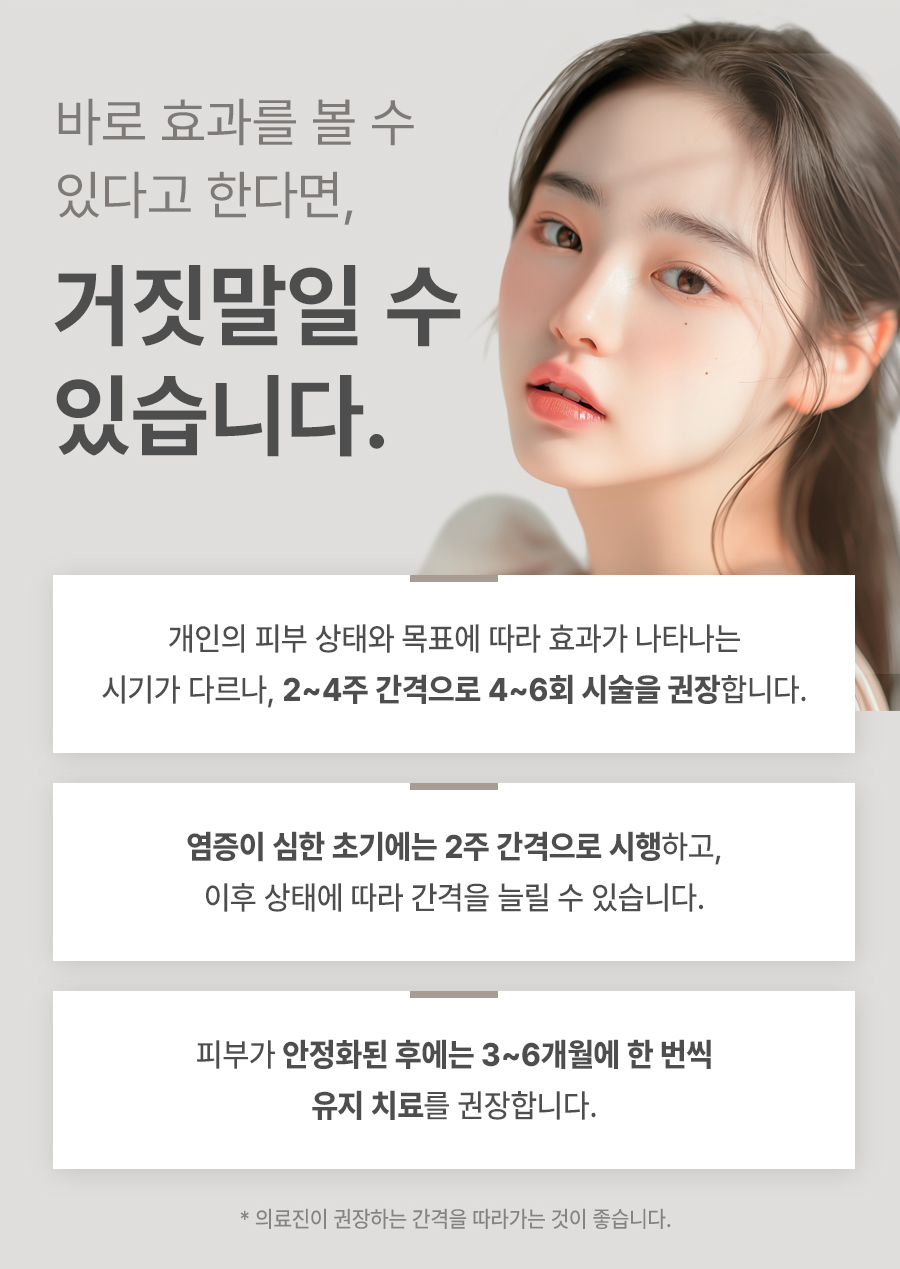
Week 1: Initial consultation and start of treatment. First procedure session focused on inflammation control.
Week 2: Second visit for evaluation and additional procedures. If inflammation is improving, the doctor may introduce early scar or pigmentation care.
Week 3: Third visit for consolidation, further procedures if appropriate, and planning for maintenance after you leave Korea.
Longer stay or residents
If you live in Seoul, you can follow a more gradual and flexible schedule, with visits every few weeks. The evening and weekend hours near Eungam Station make it easier to maintain this routine without disrupting work or school.
Aftercare and daily life during treatment
After acne procedures, your skin may be slightly red, sensitive, or dry for a short period. The clinic usually provides instructions tailored to the specific treatment, but common points include:
Gentle cleansing with a mild cleanser, avoiding harsh scrubs or brushes.
Regular use of a non-irritating moisturizer to support the skin barrier.
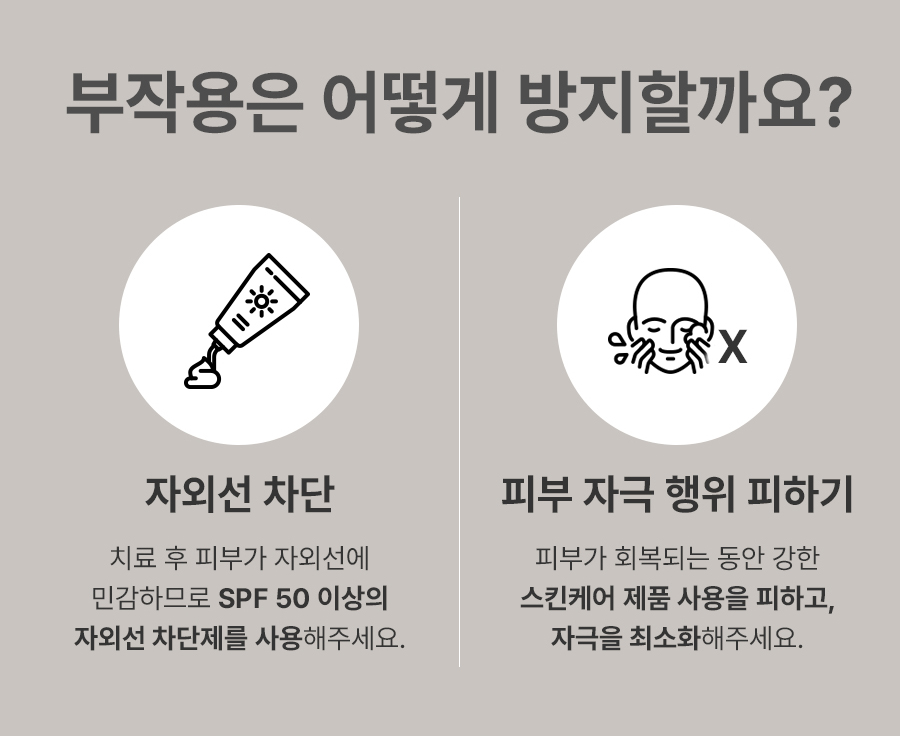
Daily sunscreen to protect against pigmentation, especially after laser or energy-based procedures.
Avoiding picking, squeezing, or scratching lesions, even if they feel rough or itchy.
For some procedures, there may be temporary restrictions on sauna, intense exercise, or swimming. The doctor will explain these in detail based on what you receive.
If you are taking oral medication, you may be advised to avoid alcohol, certain supplements, or pregnancy during and after treatment, depending on the drug. Always follow the doctor’s instructions and inform them if you experience unusual symptoms.
Additional services that may interest acne patients
Beyond acne and scars, the clinic near Eungam Station provides care for a range of skin and scalp conditions. This can be convenient if you have several concerns but prefer to see one doctor.
Scalp and hair-related care
The clinic manages scalp conditions and alopecia areata, and offers scalp injections when medically appropriate. This reflects broader experience with inflammatory and chronic conditions of the skin and scalp.
IV therapies and general medical services: availability and suitability depend on the clinic; contact the clinic directly to confirm whether IV treatments or other specific medical services are offered and appropriate for your condition.
Some patients ask about IV therapies to help with fatigue or overall condition. These are available in some cases, but their effects vary and they are not a direct treatment for acne. They should be considered only after consultation and with realistic expectations.
Foot center as a sign of comprehensive care
The clinic also operates a dedicated foot center for conditions such as athlete’s foot, ingrown toenails, calluses, and thickened skin. Laser treatment for fungal infections can be performed without surgical cutting in selected cases. While this is not related to acne, it shows that the clinic manages a wide range of everyday medical issues for local residents.
Visit information and schedule
The clinic is located near Eungam Station in Eunpyeong-gu, making it easy to reach by subway for both local residents and visitors staying in the northwest part of Seoul.
Opening hours are generally as follows:
Clinic hours and closed days can change; do not rely on fixed times. Confirm current opening hours, lunch breaks, weekend hours, and holiday closures by phone or via the clinic’s official listing before planning a visit.
Saturdays, Sundays, and public holidays: 11:00 to 17:00, with no lunch break.
The clinic is closed on Wednesdays and Thursdays. This point is important to remember when you plan your trip and schedule follow-up visits.
Because there is no official website, details such as waiting times or same-day availability are best confirmed by phone or through a local online listing before you visit.
FAQ about acne treatment near Eungam Station
Is it worth starting acne treatment in Korea if I can only stay a short time?
Even with a short stay, it can be helpful to have a proper diagnosis and start a medical plan. A Korean clinic near Eungam Station can assess your skin, begin appropriate medication, perform a few initial procedures, and provide written instructions for ongoing care after you return home. While long-term scar treatment usually needs more time, early control of inflammation and guidance on home care can still make a difference.
Can I treat acne and scars at the same time?
In many cases, the first priority is to calm active inflammation. Once your acne is more stable, the doctor may gradually introduce scar and pigmentation treatments, sometimes overlapping with ongoing acne control. Trying to do aggressive scar procedures while you still have many inflamed lesions is usually avoided, because it may irritate the skin and is less efficient. The single-doctor system helps to time these steps appropriately.
What kind of downtime should I expect after procedures?
Downtime depends on the specific treatment. Gentle toning lasers and basic skin management often have minimal downtime, with mild redness that settles quickly. More intensive scar procedures or certain energy-based treatments can cause stronger redness, swelling, or temporary roughness that may last several days. The doctor will explain expected recovery time and precautions for each procedure so you can plan around work, school, or travel.
Are the treatments painful, and is anesthesia always needed?
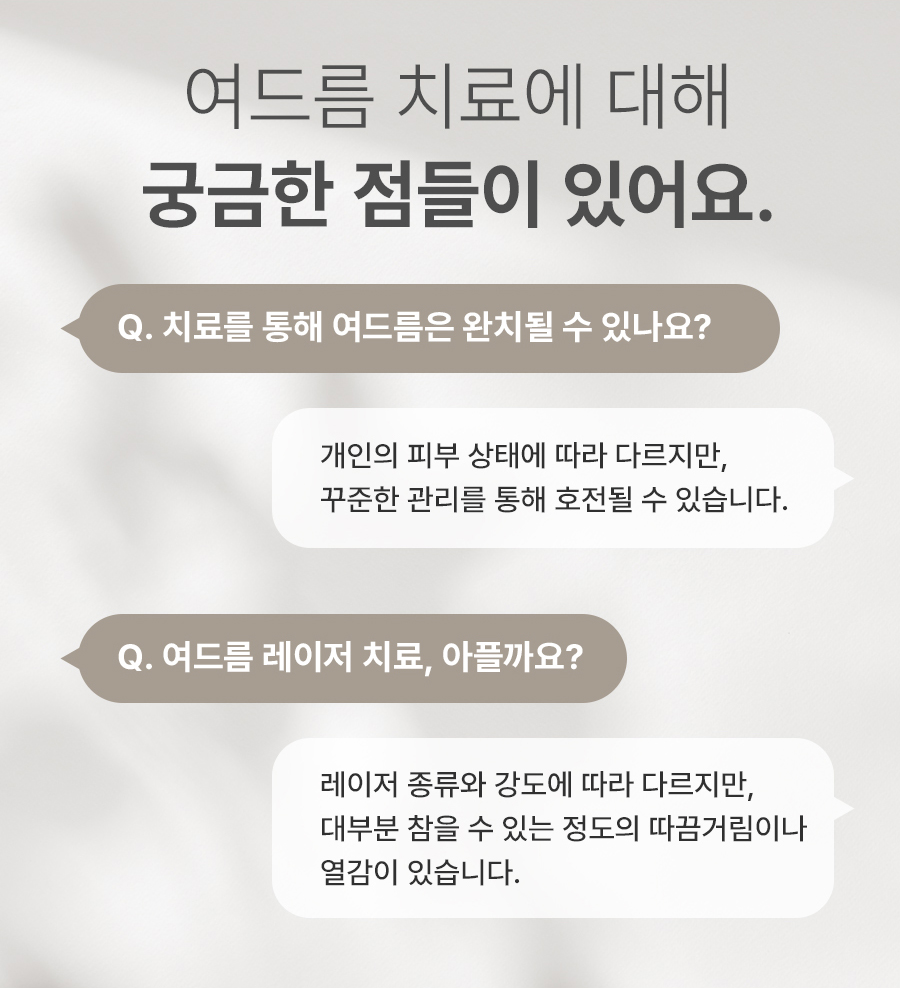
Many acne-related procedures can often be performed with limited discomfort, sometimes without anesthesia or with only topical numbing cream. However, pain sensitivity varies between individuals and between procedures. For deeper or stronger treatments, topical or local anesthesia may be recommended to reduce discomfort. The doctor will discuss options with you and adjust settings according to your tolerance.
Soft call to action for online consultation
If you are considering acne treatment near Eungam Station and would like a medically grounded plan under one doctor, you can start by arranging an online or phone consultation. Prepare photos of your skin, a list of current medications, and your travel schedule. The clinic can then suggest a realistic visit plan, explain which treatments may be suitable during your stay, and help you decide whether to begin care in Seoul.
This article is intended for general information only and does not replace a personal consultation with a qualified physician. Individual diagnosis and treatment plans should always be made in direct discussion with a medical professional.
- 공유 링크 만들기
- X
- 이메일
- 기타 앱


댓글
댓글 쓰기